
2027 Most Popular Concentrations in International Business Degrees

Co-Founder and Chief Data Scientist
The concentration you choose in an international business program can shape the roles you qualify for, the skills you build, and the industries that view your degree as relevant. A general international business curriculum can introduce global trade, finance, marketing, management, and economics, but employers often look for focused capability in areas such as supply chain management, cross-cultural leadership, analytics, sustainability, or international finance.
This guide explains the most common international business concentrations, the skills each one emphasizes, how admissions and accreditation can differ, and what students should consider before choosing a track. It is designed for prospective undergraduates, MBA applicants, working professionals, and career changers comparing international business specializations with practical outcomes in mind.
Key Benefits of Popular Concentrations in International Business Degrees
- Specialized international business concentrations increase job placement rates by 20%, reflecting strong employer demand for graduates with targeted expertise in global trade and market strategies.
- Students develop advanced cross-cultural negotiation and multilingual communication skills, essential for managing diverse teams and international partnerships effectively.
- Concentrations align with evolving industries such as digital commerce and sustainable supply chains, preparing graduates for high-growth sectors and future-proof careers.
What Are the Most Popular International Business Concentrations in 2027?
The most popular international business concentrations are those that connect global market knowledge with a specific business function. Students are increasingly choosing tracks that lead to clearer career pathways, especially in finance, consulting, marketing, sustainability, strategy, and cross-cultural management.
Top international business concentrations for 2025 reflect both employer needs and student interest in roles that require specialized global expertise.
- Asset Management and Consulting: These concentrations remain popular because they connect international business training with financial services, advisory work, and multinational strategy. Programs such as Cornell University's Johnson School emphasize these fields, which are suited for students interested in cross-border portfolios, market entry decisions, corporate restructuring, or strategic advisory roles.
- Brand Management: Global companies need professionals who can adapt messaging, pricing, distribution, and customer experience across regions. This concentration works well for students interested in international marketing, consumer behavior, product positioning, and market localization.
- Sustainable Global Enterprise: As environmental, social, and governance expectations influence business decisions, this concentration prepares students to evaluate sustainability through a global operations and strategy lens. It is especially relevant for students interested in responsible sourcing, ESG reporting, social impact, and sustainable supply chains.
- Innovation and Global Strategy: Institutions such as INSEAD emphasize innovation and strategy to prepare students for leadership in multinational firms. This track is a strong fit for students who want to work on expansion plans, competitive positioning, new venture development, or transformation projects in international markets.
- Cross-Cultural Management: Georgetown University's international business program highlights the value of managing across cultures. This concentration is useful for students interested in global HR, international project management, expatriate support, negotiations, and leadership of geographically distributed teams.
When comparing concentrations, students should look beyond popularity and ask which track matches their target role. For example, finance and consulting may offer strong compensation potential but often require quantitative strength and competitive recruiting. Brand management and cross-cultural management may suit students with communication strengths, while sustainability and strategy may appeal to those who want to work at the intersection of business, policy, and long-term organizational change.
Prospective students evaluating the best MBA international business specializations by region can use these categories as a starting point. For related career-focused credentials, reviewing highest paid certificate programs may also help students compare shorter training options with full degree pathways.
What Skills Are Required for the Top International Business Concentrations?
The strongest international business candidates combine global awareness with a concrete business skill set. Employers do not usually hire graduates only because they understand international markets; they hire them because they can analyze data, manage people, reduce operational risk, negotiate across cultures, or help companies grow in new regions.
- Cross-cultural communication skills for international business: Students need to understand how culture affects negotiation, feedback, authority, conflict, and relationship-building. This includes verbal communication, written communication, nonverbal cues, and the ability to adjust style without stereotyping people or markets.
- Emotional intelligence: International work often involves ambiguity, time-zone pressure, language differences, and conflicting expectations. Emotional intelligence helps professionals manage conflict, listen carefully, build trust, and lead diverse teams without escalating misunderstandings.
- Adaptive thinking and cultural awareness: Global business conditions can change quickly because of currency shifts, trade rules, political events, supply disruptions, or consumer behavior. Students need the flexibility to revise plans and the cultural awareness to understand how decisions may be received in different markets.
- Analytical problem-solving and decision-making: Finance, trade, consulting, analytics, and supply chain concentrations require strong analysis. A foundation in macroeconomic theory, data interpretation, financial modeling, and strategic decision-making helps students evaluate risks and opportunities across countries.
- Networking abilities: International business careers are often relationship-driven. Effective networking matters because up to 80% of jobs are secured through professional connections. Students should build networks through internships, alumni groups, industry events, faculty contacts, study abroad cohorts, and professional associations.
| Concentration | Most important skills to build | Best fit for students who enjoy |
| International finance | Financial analysis, currency risk awareness, valuation, macroeconomic analysis | Numbers, markets, risk, and investment decisions |
| Global marketing or brand management | Consumer research, localization, campaign strategy, communication | Creative strategy, culture, customer behavior, and storytelling |
| Supply chain and logistics | Operations planning, vendor coordination, compliance, data analysis | Systems thinking, problem-solving, and process improvement |
| Cross-cultural management | Leadership, negotiation, conflict resolution, organizational behavior | People management, communication, and team development |
| Sustainable global enterprise | ESG analysis, stakeholder management, responsible sourcing, strategy | Business impact, sustainability, and long-term planning |
Students who want a flexible academic route while still developing practical workplace skills can compare degree formats and curricula through resources on the easiest bachelor's degrees, especially if they are balancing school with work or family responsibilities.
Do Different International Business Concentrations Have Different Admission Requirements?
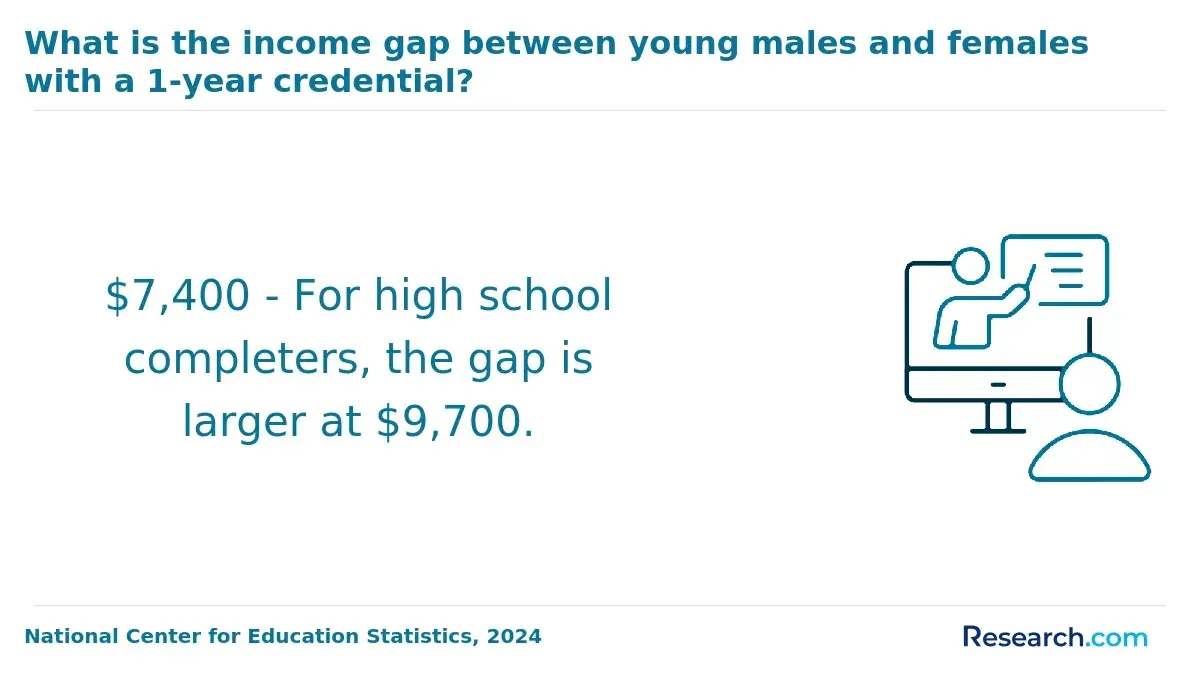
Yes. Many international business programs use the same general admission requirements for all applicants, but some concentrations add prerequisites or expectations based on the technical level of the coursework. Students should check both the business school’s general admission standards and the specific requirements for the concentration they want.
Most programs maintain baseline criteria such as minimum cumulative GPAs ranging from 2.0 to 2.5. Differences often appear in prerequisite coursework, minimum grades, language preparation, and professional experience. Tracks with heavier quantitative content, such as finance, analytics, or fintech, may expect advanced mathematics or statistics coursework. Management, marketing, and consulting tracks may place more emphasis on communication ability, leadership experience, essays, interviews, or prior business exposure.
| Concentration type | Admission factor that may matter more | Why it matters |
| Finance, investment, analytics, or fintech | Math, statistics, economics, or quantitative coursework | Students need enough technical preparation for modeling, forecasting, and financial analysis. |
| Marketing, brand management, or global trade | Communication, writing, market awareness, and sometimes portfolio-style evidence | These tracks rely on audience analysis, strategy, and persuasive communication. |
| Management, consulting, or strategy | Leadership experience, interviews, recommendations, or work history | Programs may look for evidence that applicants can analyze problems and work with teams. |
| Regional or language-focused tracks | Language proficiency or prior regional study | Some coursework may assume cultural, linguistic, or geographic specialization. |
| International applicants | TOEFL scores, transcript evaluations, and documentation requirements | Schools use these items to verify academic readiness and equivalency of prior study. |
Applicants should not assume that admission to the university guarantees admission to a specialized track. It is common for business schools to require certain grades in prerequisite courses before students can declare a concentration. Finance and analytics tracks often prioritize mathematical proficiency, while management or marketing may emphasize communication skills or practical experience.
Before applying, students should review international business major admission requirements by school, ask whether prerequisites can be completed after enrollment, and confirm whether concentration admission is competitive. Cost-conscious students comparing entry points may also benefit from reviewing associate degree online cost information before committing to a longer business pathway.
Do Specific International Business Concentrations Require Accredited Programs?
Specific concentrations usually do not require a separate accreditation in the way licensure-focused fields sometimes do, but accreditation still matters. A degree from a properly accredited institution is more likely to be recognized by employers, graduate schools, transfer institutions, and credentialing bodies. For business programs, specialized business accreditation can also signal curriculum quality and faculty standards.
- AACSB Accreditation Requirements: Some programs prefer or require that business coursework be completed at AACSB-accredited institutions, especially for transfer credit, graduate admissions, or competitive business pathways. AACSB accreditation is commonly associated with rigorous business education standards.
- Accounting Concentration Pathways: Accounting-focused international business tracks may be more sensitive to accreditation because accounting coursework can affect eligibility for exams, state requirements, or professional advancement. Bodies like the International Accreditation Council for Business Education (IACBE) evaluate institutional quality through structured review processes.
- Grade Standards and Rigor: Accredited programs often enforce minimum grade standards, such as a C- or higher, to verify that students have met learning expectations in core and concentration courses.
- Global Experience Verification: Some accredited programs define how internships, study abroad, consulting projects, or international field experiences must be documented. This helps ensure that global learning is assessed rather than treated as an optional travel experience.
Students should verify accreditation before enrolling, especially in online, accelerated, or lower-cost programs. The safest approach is to confirm institutional accreditation first, then review business school accreditation, concentration requirements, transfer policies, and whether the program’s credits will be accepted by employers or graduate schools relevant to the student’s goals.
Is the Quality of Online International Business Concentration Tracks the Same as On-Campus Programs?
Online international business concentration tracks can be comparable in quality to on-campus programs when they share the same accreditation, faculty standards, curriculum expectations, assessments, and student support. Delivery format alone does not determine quality. Program design does.
- Accreditation and Reputation: Students should confirm that the institution is properly accredited and that the business program has a credible academic reputation. Accreditation helps ensure that online and on-campus students are held to recognized standards.
- Faculty Expertise: Strong programs use qualified instructors with academic preparation and relevant global business experience. Faculty should be accessible to online students, not only to students on campus.
- Curriculum Design: Online courses should cover the same core concepts as on-campus courses, including international trade, finance, management, marketing, strategy, and global business ethics where applicable. Strong programs regularly update content to reflect current global business conditions.
- Student Support: Advising, career services, tutoring, library access, technical support, and internship guidance are especially important for online learners. A flexible format is less valuable if students cannot get timely help.
- Technology and Engagement: High-quality online programs use discussion boards, live sessions, simulations, case studies, group projects, and guest lectures to create meaningful interaction. Students should look for evidence of engagement, not just recorded lectures.
- Assessment and Progress Tracking: Exams, projects, presentations, and capstone assignments should measure whether students can apply international business concepts. Good programs provide regular feedback and clear academic expectations.
The main trade-off is experience. On-campus programs may offer easier access to in-person networking, student clubs, recruiting events, and informal faculty interaction. Online programs may offer better flexibility for working adults, military students, parents, and students who cannot relocate. Hybrid programs can provide a middle ground by combining online coursework with campus-based workshops, residencies, or networking events.
- : "A graduate from a popular international business concentration described a hybrid program that combined online and on-campus courses. Balancing asynchronous classes with scheduled campus sessions required strict time management, but she said, "The online platform was seamless, and the live webinars with global experts added immense value." She also found that in-person workshops strengthened her understanding through practical simulations. Her conclusion was clear: "It proved to me that online and on-campus experiences can be equally enriching when backed by a strong academic foundation.""
Which International Business Concentration Is the Hardest to Complete?
The hardest international business concentration depends on a student’s strengths, but finance, analytics, international accounting, supply chain, and trade compliance tracks are often more demanding because they combine technical coursework with global complexity. Students who struggle with quantitative analysis may find finance or analytics especially difficult. Students who prefer structured problems may find cross-cultural management or global strategy challenging because the work is more ambiguous.
- Advanced Quantitative Skills: Finance, investment, and analytics tracks require mathematics, statistics, financial modeling, forecasting, and market analysis. These courses can be difficult for students without a strong quantitative foundation.
- Technical Proficiency: International accounting and finance may involve complex reporting standards, currency exchange issues, taxation concepts, and multinational financial systems.
- Operational Complexity: Supply chain and logistics concentrations require students to understand customs, tariffs, transportation networks, supplier risk, inventory planning, and country-specific regulations.
- Interdisciplinary Integration: Global strategy, consulting, and sustainable enterprise tracks require students to connect economics, politics, culture, regulation, competition, and organizational behavior into practical recommendations.
- Legal and Regulatory Knowledge: Trade and compliance-focused coursework can be demanding because rules involving import/export activity, sanctions, documentation, and controls can change and vary by country.
- Analytical and Problem-Solving Skills: The most challenging courses often require students to apply theory to uncertain real-world cases where there is no single correct answer.
Students should not choose or avoid a concentration based only on perceived difficulty. A demanding track can be worthwhile if it matches the student’s career goals and strengths. Before declaring a concentration, students should review course descriptions, ask about prerequisite expectations, talk with current students, and evaluate whether tutoring, faculty office hours, and career support are available.
What Careers Can You Get with Each International Business Specialization?
International business specializations can lead to different career paths because each concentration builds a different mix of technical, strategic, and interpersonal skills. The best choice is the one that connects coursework with target roles, preferred industries, and the type of problems a student wants to solve.
- Global Marketing and Trade: Graduates may pursue roles such as international marketing directors, global sales representatives, market development specialists, export coordinators, or trade promotion professionals. These roles are common in multinational firms, consumer product companies, electronics manufacturers, and organizations expanding into new customer markets.
- International Finance and Investment: Career options include financial analyst, currency advisor, bank manager, risk analyst, investment associate, or international banking professional. Graduates often work in banks, investment firms, hedge funds, corporate finance departments, or multinational organizations that manage cross-border capital flows.
- Supply Chain and Logistics: Students may become supply chain managers, logistics coordinators, procurement analysts, import/export agents, operations managers, or vendor relationship specialists. Airlines, cargo operators, global manufacturers, retailers, and distribution companies regularly need these skills.
- International Management and Consulting: Graduates can work in management consulting, business development, international operations, project management, corporate strategy, or public sector advisory roles. These professionals help organizations enter markets, manage cross-cultural teams, evaluate risks, and improve global operations.
| Specialization | Typical work environment | Good fit for students who want to |
| Global marketing and trade | Consumer brands, exporters, technology firms, global sales teams | Adapt products and campaigns for different markets |
| International finance and investment | Banks, investment firms, corporate finance teams, multinational companies | Analyze markets, manage risk, and support financial decisions |
| Supply chain and logistics | Manufacturing, transportation, retail, logistics providers, procurement teams | Improve the movement of goods across borders |
| International management and consulting | Consulting firms, multinational corporations, nonprofits, government-linked organizations | Solve business problems involving strategy, people, and markets |
- : "A professional who specialized in supply chain and logistics said global supplier negotiations felt overwhelming at first. "Understanding complex customs regulations and coordinating shipments across time zones was challenging at first," he explained. Over time, he learned to anticipate logistical problems and build stronger relationships with international partners. "Choosing this specialization opened doors I hadn't anticipated, allowing me to solve real-world problems that keep global trade moving smoothly.""
What Market Trends Are Shaping the Top International Business Concentrations in 2027?
Market trends are pushing international business programs to become more specialized, applied, and technology-aware. Students should pay attention to these trends because they influence course offerings, internship options, employer demand, and the skills that make graduates competitive.
- Global supply chain management: Recent disruptions and political challenges have made supply chain resilience a strategic priority. Companies need professionals who understand tariffs, supplier diversification, logistics risk, inventory planning, and cross-border coordination. This field has moved beyond logistical support and now plays a central role in business continuity and competitive strategy.
- Digital transformation and e-commerce: Cross-border online trade has increased the need for professionals who understand digital platforms, international customer acquisition, payment systems, data-informed marketing, and regulatory compliance. This trend affects both digital-first companies and traditional businesses expanding through online channels.
- Sustainable global enterprise: ESG issues increasingly influence sourcing, reporting, investment, reputation, and regulatory strategy. Students in this concentration learn how to connect sustainability goals with profitability, risk management, and stakeholder expectations across markets.
- Global leadership and cross-cultural management: Remote and distributed work have made multicultural leadership more important. Employers need managers who can lead teams across time zones, communicate clearly, resolve conflict, and maintain trust when colleagues rarely meet in person.
These trends do not mean every student should choose the newest-sounding concentration. A better approach is to look for the overlap between market demand, personal strengths, and program quality. For example, a student with strong analytical skills may benefit from supply chain or finance, while a student with strong communication skills may find a better fit in global marketing, consulting, or cross-cultural management.
What Are the Average Salaries for Popular International Business Concentrations?
Average salaries for international business concentrations vary widely by role, employer, experience level, location, and industry. Concentration choice can influence earning potential, but it does not guarantee a specific salary. Students should use salary figures as directional guidance and compare them with tuition, debt, internship access, and the competitiveness of the career path.
- Finance: Finance managers earn a median salary of $161,700 annually, making finance one of the strongest salary-oriented concentrations. Stock traders in international markets average $98,646 per year, while investment bankers typically make around $77,808. Compensation in this field is often tied to expertise in global capital flows, risk, markets, and complex financial decisions.
- Marketing: Marketing managers focusing on international business earn about $161,030 yearly. This concentration can offer strong pay because marketing directly affects revenue growth, market expansion, customer acquisition, and brand positioning across countries.
- Supply Chain and Logistics: Supply chain managers make approximately $67,089 annually, with logistics managers close behind at $67,578. These roles are important as companies work to improve international operations, reduce disruption, and manage supplier networks.
- Human Resources: HR managers in international contexts earn around $140,030 annually. The complexity of managing global workforces, labor practices, benefits, mobility, and cultural expectations supports demand, alongside an 18% projected increase in related job positions.
- Accounting: Accountants and auditors working internationally report average salaries of $81,680, with starting salaries near $64,092. This concentration can provide stable employment because organizations across industries need accurate reporting, compliance, and financial controls.
Students comparing salary outcomes should consider the full return on investment rather than salary alone. A high-paying concentration may require competitive internships, strong grades, technical skills, or relocation. A moderate-paying concentration may still be a better choice if it aligns with the student’s strengths and offers stable employment. Those evaluating educational cost alongside earning potential can also compare most affordable online degrees.
How Do You Choose the Best Concentration in a International Business Program?
To choose the best concentration in an international business program, start with the job you want, then work backward to the skills, courses, internships, and credentials that support that goal. The right concentration should fit your career direction, academic strengths, preferred work style, and financial situation.
- Career aspirations and industry alignment: Identify the roles and industries you want to target. Global supply chain management is a strong fit for students interested in logistics and operations, while marketing or brand management suits students focused on customer behavior and market expansion. Reviewing job postings can show which concentrations and skills employers request most often.
- Skill development and personal strengths: Be honest about what you do well and what you are willing to strengthen. Finance and fintech emphasize analysis and quantitative reasoning. Intercultural management emphasizes communication, leadership, and adaptability. Strategy and consulting require structured thinking, presentation skills, and comfort with ambiguity.
- Market demand and employment outlook: Consider where employers are investing. Supply chain management, business analytics, sustainability, and global leadership reflect current business needs. However, market demand should be one factor, not the only factor, because a popular field may still be a poor fit if the coursework or work environment does not match your strengths.
- Program flexibility and elective options: Check whether the program allows double concentrations, minors, certificates, regional electives, language study, internships, or study abroad. Flexible programs can help students combine complementary areas, such as international marketing with analytics or supply chain with sustainability.
- Selecting an area of specialization for international business: Match your professional goals with the curriculum. Read course descriptions carefully rather than relying only on concentration names. Two schools may use the same label but offer very different course content.
- Choosing a geographic area of study in global business programs: Some programs allow regional focus, such as Greater China or Europe. This can be valuable if you want to work with a specific market, language, trade region, or multinational employer.
If you are still early in the process, compare international business with a broader business degree to decide whether you want a globally focused curriculum from the start or a wider business foundation with international electives later.
Before committing, ask the program these questions: Which employers recruit from this concentration? Are internships required or strongly supported? Are courses taught by faculty with global business experience? Can online students access the same career services as on-campus students? Are credits transferable if you change schools? For more guidance on accredited education paths, review nationally recognized online colleges.
What Graduates Say About Their Popular Concentrations in International Business Degrees
- : "Pursuing the international business concentration in global marketing was an eye-opening experience that truly expanded my understanding of cross-cultural consumer behavior. The program's cost, typically around $20,000 per year, felt like a valuable investment considering the real-world skills I gained, which quickly translated into a rewarding career managing international campaigns. I couldn't be more enthusiastic about how this degree shaped my professional life. — Caiden"
- : "The finance concentration within my international business degree provided a rigorous learning environment that challenged me to think analytically about global markets and risk management. Reflecting on the approximately $18,000 annual tuition, I see it as a fair price for the doors it opened, including a position at a multinational firm that I find both stimulating and stable. This degree allowed me to approach problems with a more global mindset, which has been invaluable. — Remington"
- : "Studying international business with a focus on supply chain management gave me practical insights into the complexities of global logistics, which has been crucial for my current role in operations. Although the cost, which averaged near $19,500 per year, required careful budgeting, it ultimately paid off by enhancing my career prospects and personal growth. I appreciate the professional polish this education added to my resume. — Adrian"
Other Things You Should Know About International Business Degrees
Combining international business concentrations with fields like finance, marketing, or technology can enhance career opportunities. This interdisciplinary approach allows students to apply global business strategies within specific sectors, making them more versatile and attractive to multinational employers seeking diverse skill sets.
Yes, internships and practical experiences are highly valued in international business concentrations as they provide hands-on learning in global markets and cross-cultural environments. Many programs incorporate internships, study abroad opportunities, or cooperative education to help students build real-world skills and professional networks. These experiences also enhance employability by demonstrating practical application of theoretical knowledge.
Most international business concentrations include 15 to 24 credit hours of specialization courses, plus prerequisites in accounting, economics, and statistics. Common required subjects are global marketing, cross-cultural management, international finance, and trade law, along with a capstone or senior seminar in the final year.
References
- Median Starting Salaries (by Institution): International Business https://www.collegetransitions.com/dataverse/median-starting-salaries-international-business/
- A Guide to MBA Concentrations https://www.collegeessayguy.com/blog/mba-concentrations
- Most difficult business majors | Wall Street Oasis https://www.wallstreetoasis.com/forum/job-search/most-difficult-business-majors
- 23 Best Business Majors for the Future Job Market | University of the Potomac https://potomac.edu/best-business-majors/
- Go global: Skills needed for success in International Business https://online.edhec.edu/en/blog/international-business-skills/
- What Skills Do You Need for a Career in International Business? | EU Business School https://www.euruni.edu/blog/what-skills-do-you-need-for-a-career-in-international-business/
- Business School Accreditation: How Does It Work? https://www.accreditedschoolsonline.org/business/accreditation/
- Careers in international business https://www.hec.ca/en/students/support-resources/career-management/careers-in-management/careers-in-international-business/careers-in-international-business.html
- Why Online MBAs Are Changing Business Education https://www.sbs.edu/blog/online-mba-game-changer-business-professionals/
- Global Business Trends and Their Influence on MBA Business Management https://aura-group.com/global-business-trends-and-their-influence-on-mba-business-management/





