
2027 Which International Business Degree Careers Have the Highest Barriers to Entry?

Co-Founder and Chief Data Scientist
Breaking into international business is not difficult for one reason; it is difficult because the best roles often require several forms of proof at once: advanced education, global experience, language or regional knowledge, compliance fluency, and evidence that you can make decisions across markets. For career switchers, that combination can feel especially steep because employers may value both business fundamentals and direct exposure to international operations.
Many top-tier positions require advanced degrees, specialized certifications, and sometimes a decade of relevant experience. Recent data shows that nearly 60% of international business management roles favor candidates with at least a master's degree and global practical exposure. Some roles remain accessible at the entry level, but the most selective paths usually screen for credentials, judgment, and market-specific experience before a candidate reaches the interview stage.
This guide explains which international business careers have the highest barriers to entry, why those barriers exist, and how students and professionals can evaluate whether the payoff justifies the time, cost, and preparation required.
Key Things to Know About International Business Careers With the Highest Barriers to Entry
- Extensive education, often including advanced degrees like MBAs with international focus, is required for top roles, limiting entry to candidates with significant academic investment.
- Highly competitive hiring standards mean less than 15% of applicants typically progress in recruitment, emphasizing the need for exceptional skills and global experience.
- Strict credentialing and a minimum of 5-7 years' relevant international experience commonly define eligibility, creating barriers for recent graduates and career changers.
Which International Business Careers Are Hardest to Get Into?
The hardest international business careers to enter are usually those that combine prestige, limited openings, high financial or regulatory risk, and client-facing responsibility. In some cases, applicant-to-position ratios exceed 20:1, which means strong qualifications alone may not be enough; candidates often need relevant internships, elite academic records, language skills, and clear evidence of global business judgment.
The following roles tend to have some of the highest barriers to entry:
- Global Management Consultant: These roles are highly selective because firms look for candidates who can diagnose complex business problems, communicate with senior leaders, and work across markets under pressure. Case interviews, academic performance, prior consulting exposure, and international experience often matter.
- International Trade Compliance Specialist: Trade compliance work requires precise knowledge of customs rules, sanctions, export controls, documentation, and cross-border risk. Employers are cautious because errors can create legal, financial, and reputational consequences.
- International Investment Banking: Entry-level positions are limited and attract top-tier graduates and experienced professionals worldwide. Candidates are typically screened for financial modeling ability, transaction awareness, stamina, and credibility with multinational clients.
- International Diplomatic Affairs Officer: These roles are difficult to secure because openings in government, international agencies, and policy organizations are limited. Candidates may need strong academic credentials, language ability, regional expertise, public-sector experience, and the ability to handle sensitive negotiations.
- Supply Chain Strategy Manager: Global supply chain strategy roles require knowledge of sourcing, logistics, risk management, operations, and regional market constraints. Demand is growing, but employers often prefer candidates who have already managed complex cross-border projects.
Students comparing international business with other future-facing fields can use resources on the top degrees for the future to understand how competitiveness, transferability, and long-term demand differ across majors.
What Academic Requirements Make International Business Careers Harder to Enter?
Academic requirements raise the entry barrier when employers expect more than a general business background. According to a 2023 survey, over 40% of international business-related positions require candidates to hold a master's degree or higher. That can add years of study, increase costs, and delay entry into higher-level roles.
The most common academic barriers include:
- Advanced degrees: Many leadership, consulting, finance, policy, and strategy roles prefer or require a master's degree or doctorate. A bachelor's degree may be enough for some analyst or coordinator roles, but it may not be competitive for senior or highly specialized positions.
- Specialized coursework: Employers may look for training in international finance, global marketing, cross-cultural management, international trade law, supply chain management, economics, or regional studies. A broad business degree may need to be supplemented with electives, certificates, internships, or graduate study.
- Longer study timelines: Some students pursue dual degrees that combine business with language study, public policy, data analytics, law, or regional expertise. These combinations can strengthen a candidate's profile but also require careful planning and additional investment.
- Research and capstone requirements: Graduate programs may require thesis work, consulting projects, market-entry analyses, or applied research. These assignments can be valuable because they produce portfolio evidence, but they also demand strong writing, data analysis, and project management skills.
- Interdisciplinary knowledge: International business sits at the intersection of economics, politics, law, culture, logistics, and finance. Students who struggle to connect these areas may find the academic path more demanding than a narrower business concentration.
Cost should also be part of the academic decision. Before choosing a program, compare tuition, fees, transfer policies, employer tuition assistance, and delivery format; this guide to online business degree cost can help frame affordability questions for business-focused programs.
What Certifications Are Required for International Business Careers?
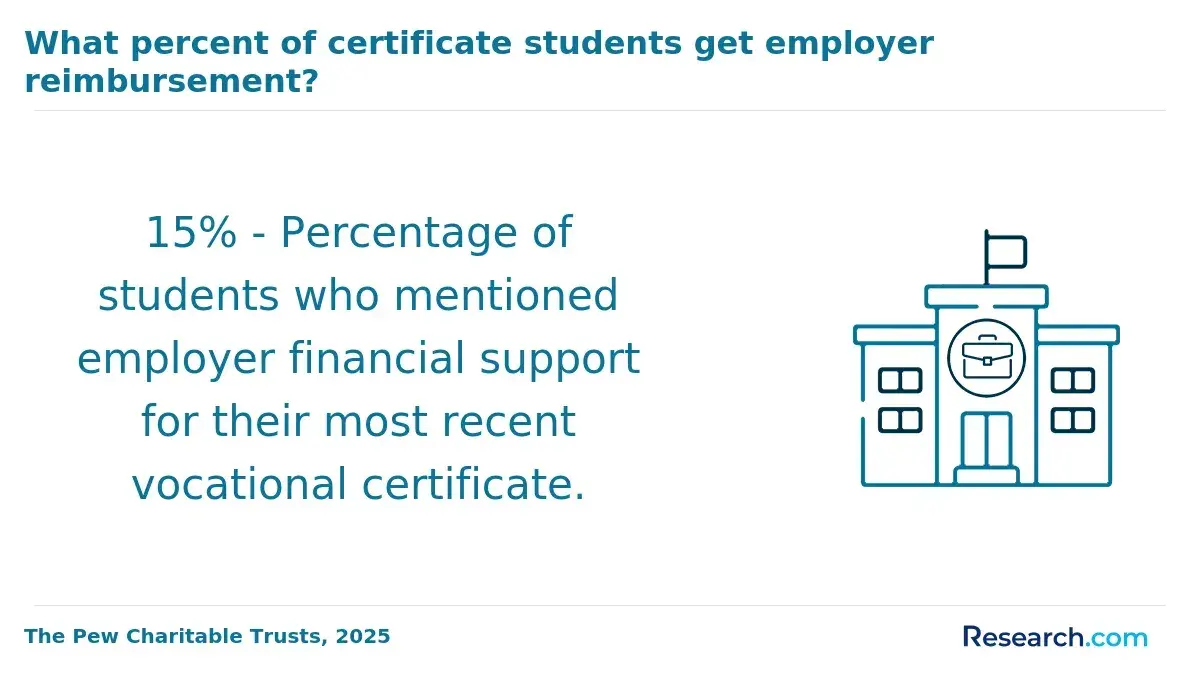
Certifications are not required for every international business job, but they can become essential in trade, compliance, customs, logistics, and project-based global operations. Studies show that about 40% of roles in international trade and compliance mandate some form of certification. In these areas, credentials help employers verify that a candidate understands rules, documentation, risk controls, and professional standards.
Common certifications and credentials include:
- Certified International Trade Professional (CITP): This credential signals knowledge of trade practices, compliance, logistics, market intelligence, and international business development. It can be useful for candidates pursuing trade-focused or market-expansion roles.
- Certified Global Business Professional (CGBP): The CGBP covers international finance, supply chain operations, global marketing, and management. It is often helpful for candidates who want a broad credential rather than a narrow compliance specialization.
- Customs Broker License: This license is important for professionals who facilitate customs clearance. It requires passing a demanding exam and meeting regulatory requirements, making it a clear gatekeeper for customs-related work.
- Project Management Professional (PMP): The PMP is not specific to international business, but it can strengthen a profile for roles involving global teams, cross-border implementation, vendor coordination, and complex operational timelines.
Certification value depends on the role. A trade compliance employer may treat a credential as a requirement, while a consulting or strategy employer may view it as a useful supplement. Candidates should read job descriptions carefully and speak with professionals in their target field before investing in exam preparation.
One international business degree graduate described certification as a "demanding hurdle" because preparation had to be balanced with full-time work. He said the process "separates those truly committed" from casual applicants and helped him qualify for more advanced responsibilities once the credential was complete.
How Much Experience Is Required for Competitive International Business Jobs?
Experience requirements vary widely by role, but competitive international business jobs usually favor candidates who have already worked with global clients, cross-border teams, foreign suppliers, international regulations, or market-entry projects. Employers use experience as a risk filter: the more complex the role, the more they want proof that a candidate can operate in ambiguous, high-stakes environments.
Typical experience expectations fall into these categories:
- Entry level: Candidates may have little to no full-time experience, but employers often expect internships, study abroad, language study, business competitions, research projects, or short-term consulting work. A candidate with no international exposure may be at a disadvantage.
- Early-stage professional: These roles usually require one to three years of experience. Candidates may support market research, import-export documentation, vendor coordination, international sales operations, or regional reporting under senior supervision.
- Mid-level professional: These roles often require three to seven years of experience. Employers expect candidates to manage projects independently, coordinate across time zones, interpret market data, and solve operational problems involving multiple stakeholders.
- Senior level: Typically, seven or more years of experience are necessary. Senior candidates may lead regional expansion, negotiate major partnerships, manage global teams, oversee compliance strategy, or shape multinational business decisions.
The biggest mistake career switchers make is assuming that general management experience automatically transfers into international business. It can help, but employers still want evidence of global relevance. Professionals coming from domestic roles can strengthen their profile by taking on international clients, joining cross-border projects, working with overseas vendors, or building expertise in a specific region or regulatory area.
Students comparing accelerated education models may review resources such as fast track MSW programs online to understand how program format and pacing can affect career preparation, even though international business roles require field-specific planning.
What Skills Are Required for High-Barrier International Business Careers?
High-barrier international business careers require more than business literacy. Employers increasingly want candidates who can combine analysis, judgment, communication, cultural awareness, and technical fluency. Research showing that nearly 74% of global business recruiters prioritize specialized skills reflects this shift toward evidence-based hiring.
The following skills often separate competitive candidates from general applicants:
- Cross-cultural communication: Professionals must communicate clearly with clients, regulators, suppliers, and colleagues who may have different expectations around hierarchy, negotiation, deadlines, and decision-making. Miscommunication can damage deals and relationships.
- Strategic analytical thinking: International business decisions require interpreting market data, currency risk, political developments, competitive behavior, and consumer differences. Strong candidates can explain not only what the data says but what action it supports.
- Regulatory compliance expertise: Trade rules, sanctions, privacy laws, customs procedures, and export controls can vary by country and sector. Candidates who understand compliance reduce risk for employers and are more competitive for regulated roles.
- Foreign language proficiency: Language ability can improve trust, negotiation quality, and local market understanding. For some roles, basic proficiency is helpful; for others, advanced fluency may be necessary to review documents, conduct meetings, or manage relationships.
- Technological adaptability: Global business teams rely on analytics platforms, enterprise systems, collaboration tools, supply chain software, customer relationship management systems, and compliance databases. Candidates who learn systems quickly can contribute faster.
One professional with an international business degree described the early career stage as "intellectually demanding but deeply rewarding." She said the challenge was not simply memorizing regulations or cultural norms, but applying them thoughtfully when business conditions changed. "It wasn't just about knowing facts-it was about applying them thoughtfully in unpredictable situations," she explained.
Do Some Industries Have Higher Barriers to Entry Than Others?
Yes. Industry choice can make international business careers significantly easier or harder to enter. The highest barriers usually appear in sectors where mistakes are expensive, regulations are strict, projects are capital-intensive, or national security and public health are involved.
Industries with especially high barriers include:
- Energy and Natural Resources: This sector involves large capital investments, environmental regulation, geopolitical risk, and long project timelines. Employers often prefer candidates who understand both commercial strategy and policy risk.
- Pharmaceuticals and Healthcare: Approval processes, research costs, intellectual property protections, and safety requirements create significant barriers. International roles may require familiarity with regional regulatory systems and market-access rules.
- Financial Services: Banking, insurance, and investment firms operate under extensive regulatory frameworks worldwide. Candidates must demonstrate analytical skill, discretion, compliance awareness, and credibility with sophisticated clients.
- Technology and Telecommunications: Fast innovation, infrastructure costs, data rules, intellectual property concerns, and network effects can make market entry difficult. International business professionals in this sector may need to understand product localization, privacy laws, and platform competition.
- Defense and Aerospace: Security sensitivities, export controls, government contracts, and specialized technical requirements narrow access. Candidates may face additional screening and must understand the consequences of compliance failures.
Lower-barrier industries may still offer strong international exposure, especially in consumer goods, hospitality, education services, logistics support, and digital commerce. The trade-off is that these roles may have more applicants or less specialized pay premiums. Candidates should compare industry barriers with their tolerance for regulation, technical learning, and long hiring cycles.
Do Certain States or Regions Have Stricter Requirements?
Location can affect entry requirements because international business roles are shaped by local employers, state rules, regional trade activity, port access, industry clusters, and licensing expectations. For roles tied to compliance and trade regulation, over 40% of states have more stringent licensing or certification requirements. Candidates should not assume that requirements are identical across regions.
Regional differences often appear in these areas:
- Licensing mandates: Some states may require formal credentials, approvals, or role-specific qualifications for work connected to customs, trade, insurance, finance, or regulated transactions.
- Regulatory enforcement: Regions with heavy trade activity, ports, financial centers, or export-sensitive industries may expect stronger compliance knowledge and more specialized experience.
- Urban versus rural demand: Major metro areas may offer more international business roles but also attract larger applicant pools. Smaller markets may have fewer openings but less direct competition for certain employer-specific roles.
- Economic incentives: Local development priorities can influence hiring. Regions focused on manufacturing, logistics, technology, energy, or finance may favor candidates with industry-aligned international skills.
- Educational accreditation: Employers may evaluate credentials differently depending on institutional reputation, regional accreditation, program specialization, and alignment with local industry needs.
Candidates should research job postings in their target region before choosing electives, certifications, or graduate programs. A credential that matters in trade compliance may be less important in global marketing, while regional language expertise may carry more weight in markets tied to specific trading partners.
How Competitive Is the Hiring Process for International Business Careers?
The hiring process can be highly competitive because international business attracts candidates from multiple countries, academic backgrounds, and industries. Some segments of the international business job market experience an applicant-to-job ratio exceeding 20:1. That level of competition means employers can screen aggressively for education, internships, language ability, technical skills, and direct industry experience.
Hiring intensity depends on the role. A global operations coordinator position may emphasize organization, communication, and basic international exposure. A strategy consulting, investment banking, trade compliance, or diplomatic role may require multiple interview rounds, technical assessments, writing samples, language evaluations, case interviews, or security-related screening.
Strong candidates usually prepare in three ways:
- They target a specific lane: Instead of applying broadly to anything labeled international business, they focus on trade compliance, consulting, finance, supply chain, global marketing, development, or operations.
- They build proof: Internships, capstone projects, market-entry research, study abroad, language credentials, and cross-border work experience help convert interest into evidence.
- They tailor applications: Competitive employers expect resumes and interviews to show relevant markets, industries, tools, and business problems, not generic enthusiasm for global work.
Students studying competitive professional pathways may also compare admissions and career preparation models in fields such as PsyD programs online, while recognizing that international business hiring requires its own industry-specific strategy.
Which Companies Are Hardest to Get Hired by in International Business Fields?
The hardest employers to enter are usually organizations with global brand recognition, limited openings, structured recruiting pipelines, and high standards for analytical ability, professionalism, and international readiness. Some international business roles receive over 10,000 applicants annually, with hiring rates as low as 2%, so candidates need to be deliberate about preparation.
The most selective employer categories include:
- Large Multinational Corporations: These companies manage complex supply chains, regional offices, global customers, and diverse regulatory environments. Their hiring processes often test whether candidates can work across functions and cultures.
- Highly Selective Consulting Firms: International business advisory roles require structured problem-solving, client presence, quantitative reasoning, and fast learning. Case interviews and referral-driven recruiting can make entry especially difficult.
- Government Agencies and International Regulatory Bodies: Roles in trade, diplomacy, economic development, and regulation may involve lengthy screening, limited openings, and strict expectations around judgment and confidentiality.
- Exclusive Financial Institutions: International investment, banking, and cross-border advisory work require strong analytical ability, market knowledge, regulatory awareness, and endurance. Recruiting can be narrow and highly credential-driven.
- Specialized Multinational NGOs and Nonprofits: These organizations often look for mission alignment, regional experience, grant or program knowledge, language ability, and evidence of working effectively in complex local contexts.
Applicants should study each employer's recruiting calendar, preferred schools or pipelines, interview style, and required technical skills. For candidates adding digital product or user research skills to an international business profile, a resource on a UX design degree online may be useful for understanding adjacent skill-building options.
Do Difficult International Business Careers Lead to Higher Salaries?
Difficult international business careers can lead to higher salaries, but the relationship is not automatic. Roles that require stringent prerequisites and vetting processes tend to offer compensation that can be up to 40% higher than those with easier access. This is most likely when the role combines scarce expertise, revenue responsibility, regulatory risk, or strategic decision-making.
Higher barriers may support higher pay in fields such as international finance, global consulting, senior supply chain strategy, trade compliance leadership, and executive-level market expansion. Employers pay more when a candidate can reduce risk, create revenue, lead across regions, or solve problems that few professionals are qualified to handle.
However, high barriers do not always guarantee high compensation. Some public-sector, nonprofit, diplomatic, or development roles may require advanced education and specialized experience without matching private-sector pay levels. Location, employer type, industry, travel expectations, performance bonuses, and economic conditions can all affect earnings.
The best salary decision is to compare the full return on investment: tuition, time out of the workforce, certification costs, relocation needs, expected salary range, advancement speed, and personal fit. Students interested in how technical complexity can affect compensation may also review career paths connected to an artificial intelligence major.
What Graduates Say About International Business Careers With the Highest Barriers to Entry
- : "Choosing an international business degree was daunting given the fierce competition and complex global markets, but I believed the challenges were worth it. I made a deliberate effort to gain internships abroad and improve my language skills, which significantly boosted my career prospects. Today, I see how the degree has opened doors in multinational companies that value cross-cultural expertise and adaptability. — Shmuel"
- : "Reflecting on my path, the international business degree demanded resilience due to its high barriers like geopolitical knowledge and economic dynamics. I committed myself to continuous learning and networking, which was essential to navigate the industry. This foundation empowered me to lead projects with global impact, solidifying the degree's value in a competitive professional landscape. — Shlomo"
- : "Starting with an eagerness for a dynamic career, I recognized early that international business comes with steep entry hurdles, especially in legal and regulatory understanding across regions. I focused on specialized certifications and building a diverse portfolio of experiences that made me stand out. The degree has been instrumental in shaping a career that blends strategic insight with practical global business skills. — Santiago"
Other Things You Should Know About International Business Degrees
Yes, proficiency in multiple languages can significantly reduce barriers by enabling clearer communication with global partners and clients. While not always mandatory, strong language skills are often expected, especially in roles involving negotiation or market expansion in non-English-speaking countries.
Understanding cultural nuances is critical in these careers because it helps build trust and avoid misunderstandings during international negotiations and partnerships. Employers in high-barrier roles frequently seek candidates with proven cross-cultural competency and adaptability.
Yes, experience living or working abroad is highly valued as it demonstrates the ability to navigate different business environments and regulatory systems. Such practical exposure can differentiate candidates when competing for positions with tough entry requirements.
In 2027, advanced degrees such as an MBA or a master's in international relations are increasingly important for overcoming high barriers in international business careers. These degrees provide specialized knowledge, boost credibility, and often are prerequisites for senior positions in global companies.
References
- 8 International Business Jobs that Take You Beyond Borders | StudyNext Australia https://studynext.com/au/resources/international-business-jobs
- IT, AI, and Data Certifications | CompTIA https://www.comptia.org/en/certifications/
- Top five constraints to international business in the mid-market https://www.grantthornton.global/en/insights/international-business/top-five-constraints-to-international-business-in-the-mid-market/
- How to Build a Successful International Business Career in 2026 https://urbeuniversity.edu/blog/how-to-build-a-successful-international-business-career-in-2026
- Navigating Employment Laws in Different Countries: A Guide for Businesses https://brain-source.com/navigating-employment-laws-in-different-countries-a-guide-for-businesses
- How businesses can compete in the global job market http://www.nesfircroft.com/resources/blog/how-businesses-can-compete-in-the-global-job-market/
- Professional and Technical Credentials and Certifications | Microsoft Learn https://learn.microsoft.com/en-us/credentials/
- certification - Tłumaczenie po polsku - Słownik angielsko-polski Diki https://www.diki.pl/slownik-angielskiego
- Inside the most brutal job interviews: 10 Companies that’ll test every fibre of your being https://gq.co.za/wealth/career-advice/2025-08-13-inside-the-most-brutal-job-interviews-10-companies-thatll-test-every-fibre-of-your-being/
- Choosing the Right Market: International Barriers to Entry https://dearinassociates.com/choosing-the-right-market-international-market-entry-barriers/


