2027 Is an Online BS in Business Administration the Right Next Step for Franchise Assistant Managers?
Audited and Verified:
Our Editorial and Data Verification Process
Research.com uses government datasets, official education statistics and primary institutional information to support its career and degree guides. Our review process checks factual accuracy, occupational definitions, source dates and the requirements associated with the credentials discussed.
How This Article Was Fact-Checked
Our editorial team verifies salary estimates, employment projections, education requirements and program information against original data providers and official organizations. Salary figures are checked against the relevant occupational definitions and reporting periods. Information about licensure, accreditation and required in-person training is reviewed separately.
Fact-checked and verified on:

Co-Founder and Chief Data Scientist
As a franchise assistant manager, you may already schedule staff, resolve customer problems, and help control costs. An online BS in Business Administration could help you turn that experience into broader business skills, but it may not be the fastest route to your next promotion.
This guide examines when the degree adds value, how it fits around franchise shifts, what it may cost, and which career moves are realistic. Use it to compare a degree with employer training or a more targeted credential before committing your time and money.
Key Things You Should Know
- An online BS is most useful when your target role calls for broader financial, analytical, or organizational responsibility - not simply a degree on your résumé.
- Compare required live sessions, group work, remaining credits, and employer benefits before enrolling; "online" does not necessarily mean self-paced.
- The $105,770 May 2025 median for U.S. general and operations managers describes an occupation, not an expected salary for assistant managers who earn a degree.
Is an online BS in Business Administration right for franchise assistant managers?
It can be the right next step if you want responsibilities beyond day-to-day shift execution and can finish the degree without undermining your work or finances. A BS in Business Administration provides broad undergraduate study in business functions. Your experience may make subjects such as budgeting, staffing, and operations immediately useful, but the degree does not replace a record of successful performance or a franchisor's required training.
Start with a specific target: managing a location, supporting multiple units, working in a franchise corporate office, or moving into another business function. Ask your supervisor what qualifications and results matter for that role. Then compare the answer with the program's courses and your own gaps. If your immediate goal is a promotion within a franchise that values operating results and brand training over a bachelor's degree, employer development or a targeted course may be a more direct first move.
Shift patterns are a deciding factor. Before applying, compare your busiest weeks with a program's actual deadlines and attendance rules, not just its online label. Work-compatible business administration education options can provide a starting list, but confirm scheduling directly with each school.
How can a business administration degree advance a franchise assistant manager's career?
The degree's strongest potential benefit is helping you explain and improve the business decisions behind your operating experience. An assistant manager might already monitor labor hours and inventory. Accounting and analytics coursework can add the ability to interpret costs, question assumptions, and present a recommendation to an owner or district leader. That combination is more persuasive than either coursework or a job title alone.
Build evidence while enrolled: seek permission to analyze a nonconfidential scheduling process, document how you trained staff, or develop a clearly labeled classroom case using hypothetical figures. Do not claim a project improved sales or reduced costs unless your employer approved the work and you can substantiate the result. When comparing ranked US college pathways in online business, look past the ranking to required courses, project options, and support for employed students.
Advancement depends on the organization. A franchisee may promote based on store performance and available openings; a franchisor's corporate role may expect experience across locations or in a specific function. The degree can strengthen your candidacy, but it cannot create an opening or confer authority over budgets or staff.
What careers can franchise assistant managers pursue with a business administration degree?
Your most direct moves generally build on your existing operations and customer-facing experience. The table distinguishes adjacent roles from transitions that require new functional evidence; titles and hiring standards vary by employer.
| Possible role | Relevant franchise experience | Likely additional preparation |
| Store or unit manager | Shift leadership, service recovery, staffing, inventory | Demonstrated responsibility for location performance and required brand training |
| Multi-unit operations coordinator | Consistent procedures and communication across teams | Reporting, process documentation, and experience working across locations |
| Training and development specialist | Onboarding and coaching employees | Training design, evaluation, and presentation skills |
| HR specialist | Hiring support and employee communication | HR processes, employment-law awareness, and relevant HR experience |
| Marketing coordinator | Local promotions and customer feedback | Campaign measurement, writing, and digital marketing work samples |
For context, the U.S. Bureau of Labor Statistics reports a May 2025 median annual wage of $75,940 for human resources specialists and projects 6% employment growth from 2025 to 2035. Those occupation-wide figures do not describe a new graduate's likely offer. If HR is your clear destination, compare the business degree's HR coursework with understanding human resources degree levels and the requirements in actual job postings.
Look for coursework that helps you move from running a shift to evaluating a business. Managerial accounting can inform labor and product-cost discussions; operations courses can help you assess bottlenecks; statistics and spreadsheets can help you interpret trends without mistaking a short-term change for proof that an intervention worked. Management, marketing, and organizational behavior add context for coaching employees and serving customers.
Curricula differ. A BS, BBA, and specialized management degree may overlap without requiring the same quantitative courses or electives. Review the current degree map rather than assuming that a business program offers a formal operations, HR, or project management concentration. If coordinating openings or large initiatives is your primary goal, compare business coursework with online project management bachelor's programs accepting transfer credits; a specialized degree may offer more project-focused study, subject to the school's evaluation of your prior credits.
An applied assignment is particularly valuable when it produces a decision-ready recommendation. Ask whether a capstone can use an approved workplace problem, what supervision it requires, and how you can protect employee, customer, and proprietary information.
Delivery format changes how you participate, not necessarily what the degree requires. This comparison highlights constraints that matter when franchise shifts include evenings, weekends, and short-notice coverage.
| Feature | Online program | Campus program |
| Attendance | May use recorded lessons, live meetings, or both | Usually requires scheduled travel and classroom attendance |
| Deadlines and teamwork | Often fixed deadlines and remote group meetings | Often scheduled class meetings and in-person group work |
| Applied work | May permit remote projects, subject to school approval | May offer easier access to nearby campus activities |
| Support | Depends on remote advising, tutoring, and faculty availability | Depends on campus hours and access outside work shifts |
Request a sample course schedule and ask about proctored exams, required campus visits, group presentations, course rotation, part-time enrollment, and leave policies. Bachelor's degrees with compressed schedules may shorten calendar time, but concentrated deadlines can be harder to manage during peak franchise periods. An online program is a better fit only if its specific obligations work with your schedule.
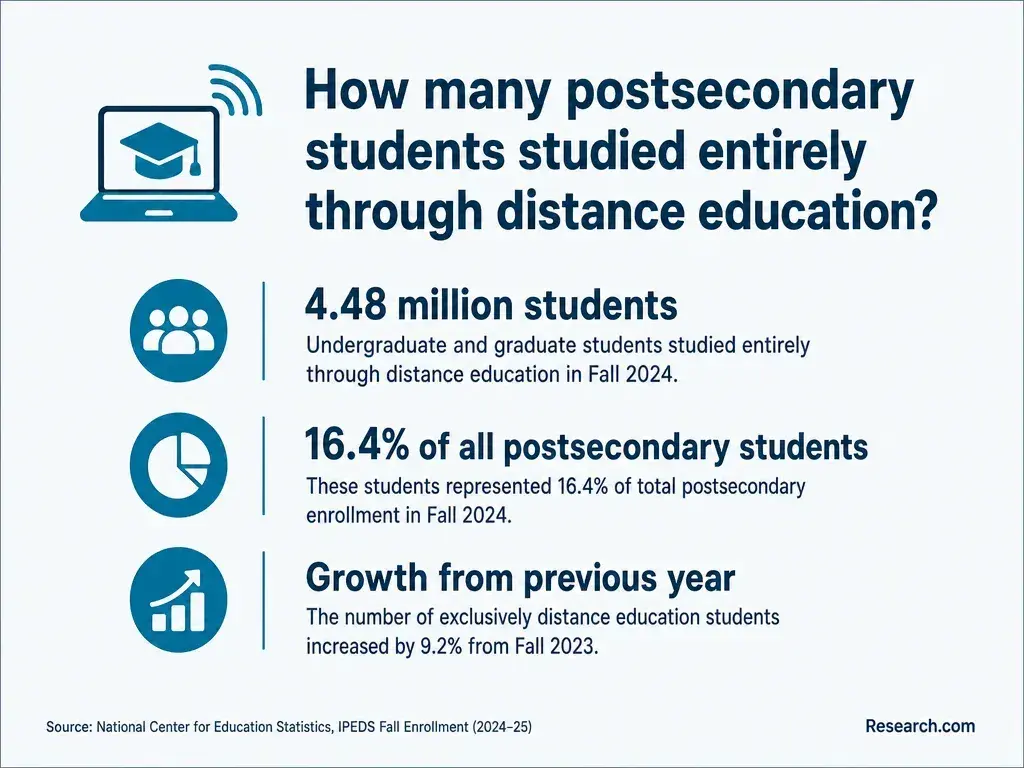
Requirements depend on whether you apply as a first-year, transfer, returning, or second-degree student. Schools commonly request prior academic transcripts; some business majors also have separate entry rules or required introductory courses. A record of managing shifts may support an application, but it does not automatically satisfy admission requirements or earn academic credit.
Ask admissions which transcripts and prerequisites apply to you. Ask the transfer office for an evaluation showing not only credits accepted, but also which credits satisfy general education, business-core, elective, and residency requirements. An associate degree or previous college work may reduce what remains, yet an accepted course can still count only as an elective. Compare any application charges as well; colleges with no upfront application payment are worth considering, but their total degree costs matter more than the application fee.
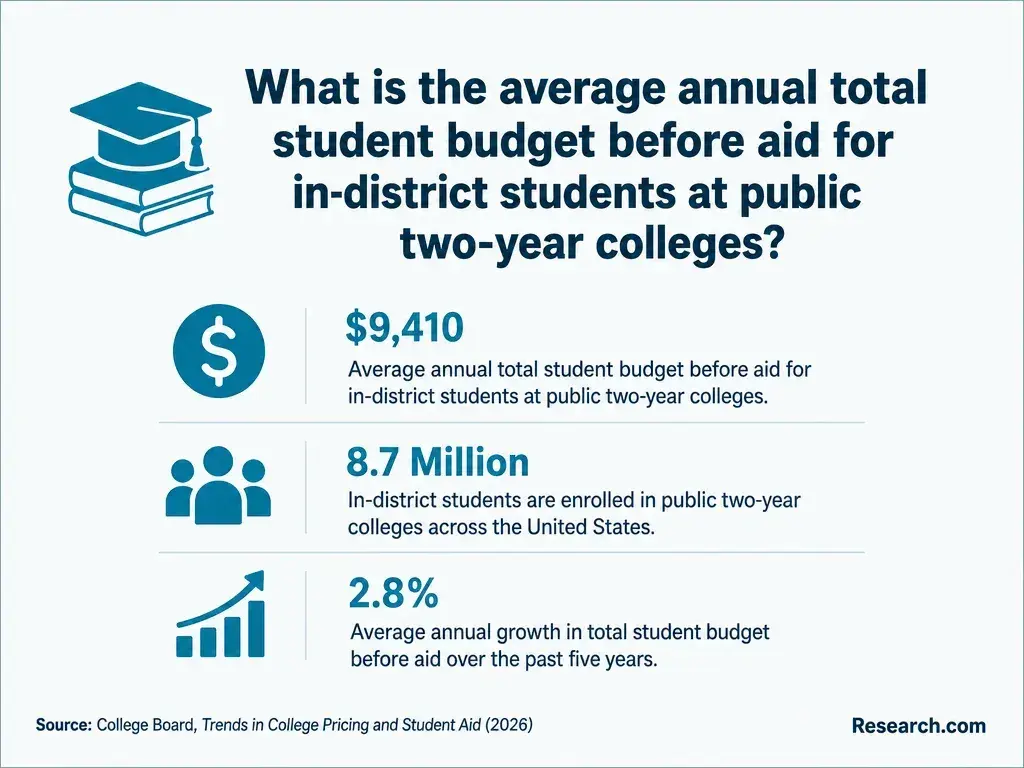
There is no reliable completion-time or price estimate without an official evaluation of your prior coursework and the school's current charges. A student starting without college credit faces a different commitment from an assistant manager who has completed much of an associate degree. Part-time study may protect income and job performance while extending the calendar time needed to graduate.
For a usable estimate, ask each school for a degree audit and a term-by-term plan at the pace you can sustain. Multiply the remaining billable credits or terms by the applicable tuition rate, then add mandatory fees, books, software, exam costs, and any travel. Check when required courses are offered: a missed prerequisite can delay completion even if the remaining credit count looks small.
Keep sticker price, financial aid, and cash flow separate. Grants and employer tuition assistance depend on eligibility; reimbursement may arrive after you pay and meet grade requirements. For a more focused comparison, review business administration tuition budgets using federal student aid, then confirm each school's aid eligibility and your own package before assuming a net cost.
First, verify the institution's accreditation through the U.S. Department of Education's accreditation database or the accreditor's own directory. Confirm that the listing covers the institution offering the degree. Then check the school's current catalog for the exact online BS in Business Administration and its graduation requirements.
Business-school accreditation is a separate question. AACSB, ACBSP, or IACBE recognition may cover a business school or specified programs; do not assume every online degree or concentration is included. Check the accreditor's directory and ask the institution to identify the scope that applies to your program. Accreditation is an important screening factor, not proof of a particular salary or promotion outcome. When comparing affordable school choices for online business students, verify both accreditation and the current catalog before weighing price.
There is no dependable national salary figure for franchise assistant managers specifically after completing this degree. Pay depends on the franchise, location, industry, operating responsibility, and employer. A degree can improve access to some roles, but it does not establish a raise.
For perspective - not a graduate salary forecast - the U.S. Bureau of Labor Statistics reports a May 2025 median annual wage of $105,770 for general and operations managers, with 5% projected employment growth from 2025 to 2035. That occupation includes experienced managers across industries; an assistant manager should not use its median as an expected post-degree offer.
For a personal return-on-investment decision, compare realistic pay ranges in local postings for your target role with your current compensation. Weigh any likely difference against the full cost of finishing and the time involved. Business administration online programs with competitive tuition may lower one side of that comparison, but only an individual credit evaluation and aid offer can establish your likely expense.
Which certifications help franchise assistant managers advance without licensing?
Choose a voluntary credential for a defined skill gap, not as a substitute for whatever a target employer requires. Brand training is often the most directly relevant preparation for advancement within the same franchise system. Depending on your role, food-safety training, a project management credential such as CAPM, or a process-improvement course may help demonstrate additional knowledge. Check current eligibility, assessment, renewal, and employer recognition before paying; food-safety requirements can also be governed by state or local rules.
If you want to coordinate openings or cross-location initiatives, ask whether your employer would value a project credential, a supervised assignment, or a degree. Value-focused project management degree choices are another comparison if that function - not general franchise leadership - is your long-term goal. No certificate or business degree automatically qualifies you for a management position.
Other Things You Should Know About Business Administration
No. A degree may help you evaluate finances and operations, but ownership depends on the franchisor's approval, financing, agreements, and applicable legal requirements.
Possibly. Some schools assess documented workplace or professional learning for credit. Ask the school what evidence it accepts and where any awarded credit would apply in the degree.
Only with appropriate employer permission and under the school's requirements. If access is not approved, use public information or clearly labeled hypothetical data instead.
Compare your target role and knowledge gaps first. A second bachelor's may repeat prior study, while an MBA has different admission expectations and costs. Targeted coursework may be sufficient for a narrower goal.
- Employer-offered educational assistance programs can help pay for college | Internal Revenue Service https://www.irs.gov/newsroom/employer-offered-educational-assistance-programs-can-help-pay-for-college
- Accreditation in the U.S. | ed.gov https://www.ed.gov/laws-and-policy/higher-education-laws-and-policy/college-accreditation/accreditation-in-the-us
- 10 Best Business Degrees for High Pay and Career Growth | Pace University New York https://www.pace.edu/news/best-business-degrees-undergrad-grad
- Strategic guide to tuition reimbursement - Purdue Business https://business.purdue.edu/graduate-programs/blog/posts/find-and-navigate-tuition-assistance.php
- Associate vs. Bachelor's in Business Administration | University of Arkansas Grantham https://www.uagrantham.edu/blog/associate-vs-bachelors-in-business-administration-which-is-right-for-you/
- Online Bachelor's Degree in Business Administration | Purdue Global https://www.purdueglobal.edu/degree-programs/business/bachelor-business-administration/
- Accreditation Process | AACSB https://www.aacsb.edu/educators/accreditation/accreditation-process
- Bachelor of Science in Business Administration Online | SDSU Global Campus https://globalcampus.sdsu.edu/program/business/bachelor-science-business-administration-online-degree-completion-program/
- Employer Tuition Assistance: How to Use Your Workplace Education Benefits | American College of Healthcare Sciences https://achs.edu/blog/employer-tuition-assistance-workplace-benefits/
- Types of Business Degrees: Your Complete Guide | UWA Online https://online.uwa.edu/news/types-business-degrees/