2027 Choosing a BS in Business Administration When You Need a Business Degree That Fits a Public Sector Promotion Rule
Audited and Verified:
Our Editorial and Data Verification Process
Research.com uses government datasets, official education statistics and primary institutional information to support its career and degree guides. Our review process checks factual accuracy, occupational definitions, source dates and the requirements associated with the credentials discussed.
How This Article Was Fact-Checked
Our editorial team verifies salary estimates, employment projections, education requirements and program information against original data providers and official organizations. Salary figures are checked against the relevant occupational definitions and reporting periods. Information about licensure, accreditation and required in-person training is reviewed separately.
Fact-checked and verified on:

Co-Founder and Chief Data Scientist
A public sector promotion may depend on the exact wording of a degree requirement, not simply whether you have the skills to do the job. If you work in government or a public institution, a BS in Business Administration could satisfy that rule while strengthening your budgeting and operations skills - but the answer depends on the posting, your agency's policies, and the program you choose.
This guide shows you how to verify eligibility before enrolling, compare practical degree options, and avoid spending time and money on a credential that will not count.
Key Things You Should Know
- A BS in Business Administration can meet a promotion rule requiring a bachelor's degree or an accepted business-related major, but only the hiring authority can confirm how it applies the rule.
- Verify the exact degree title, institutional accreditation, required coursework, and any experience or civil service conditions before committing to a program.
- The Bureau of Labor Statistics reports a $91,640 May 2025 median annual wage for budget analysts; that occupation-wide figure is not a promised promotion salary or return on a degree.
What Is a BS in Business Administration for Public Sector Promotions?
A BS in Business Administration is an undergraduate degree covering several business functions, commonly including accounting, finance, management, operations, and quantitative decision-making. For a public employee, its most immediate value may be credential eligibility: satisfying an education condition for a particular classification or promotion. Coursework may also help with budget requests, purchasing processes, staff coordination, and performance reporting.
The degree does not replace agency-specific knowledge. Public spending, procurement, records, and personnel decisions operate under laws and policies that private-sector examples may not address. A BBA, BS in Management, or organizational leadership degree may teach overlapping skills but appear under a different official degree title. If a promotion rule is narrowly worded, that distinction matters more than a program's marketing description. Employees considering a different title can compare completion times for organizational leadership degrees, but should establish that the alternative qualifies before comparing schedules.
Does a BS in Business Administration Meet Public Sector Promotion Requirements?
It may, but the promotion rule - not the degree's general reputation - controls. Read the current posting, classification specification, collective bargaining agreement where applicable, and agency HR guidance together. Education may be a minimum qualification, one way to substitute for experience, or merely a preferred qualification. A promotion may still require time in grade, an examination, supervisory experience, or a competitive selection process.
The wording below illustrates why employees should not treat similar-sounding requirements as interchangeable.
| Rule wording | What to establish before enrolling |
| "Bachelor's degree from an accredited institution" | Whether the institution's accreditation and the award of a bachelor's degree meet the agency's definition. |
| "Degree in business administration or a related field" | Whether the agency accepts the precise title on the diploma or transcript and how it decides what is "related." |
| "Specified accounting, finance, or other semester credits" | Whether the planned courses meet subject and credit requirements; a general business major may not supply enough. |
| "Degree or equivalent experience" | Whether documented duties already satisfy the alternative, potentially making a new degree unnecessary. |
Send HR or the classification unit the rule citation, proposed program title, catalog curriculum, and accreditation details. Ask for a written interpretation of the specific position, including whether it applies at application or appointment. If the rule accepts project management as an alternative major, online project management bachelor's programs accepting transfer credits may warrant comparison - but do not assume transfer acceptance or eligibility from the program name alone.
How Do You Verify Degree Accreditation for Public Sector Advancement?
Start with institutional accreditation, which applies to the college or university and is often what a promotion rule means by "accredited institution." Confirm the institution's current status and the relevant campus or online operation through the accreditor and the U.S. Department of Education's accreditation records. Then ask agency HR whether its rule recognizes that accreditation and whether it has additional conditions.
AACSB, ACBSP, and IACBE are business-focused accreditors; their recognition does not replace checking institutional status. If a school advertises business accreditation, verify its scope and whether the particular program is covered. Neither type of accreditation alone establishes that an agency will accept a degree title or that a graduate qualifies for promotion.
Apply the same checks to alternatives, including lower-cost colleges for project management majors if the classification expressly permits that field. Save the catalog and accreditation information for your enrollment term, along with HR's response, so you can resolve a later documentation question.
Most programs combine general education with a business core, electives, and sometimes a concentration or capstone. Look beyond the course titles to the work you would actually practice: interpreting financial statements, building a budget, using spreadsheets, evaluating an operating process, communicating a recommendation, and considering legal or ethical constraints.
For promotion into budget or administrative work, accounting, managerial finance, statistics, and operations may be especially relevant. Procurement-focused employees should inspect purchasing, contracts, and supply chain electives; HR-focused employees may benefit from personnel management and employment-law coverage. A private-sector procurement course is useful preparation, but it is not training in your jurisdiction's purchasing rules. If procurement is the intended specialty rather than a broad administration post, budget-friendly supply chain degrees with shorter schedules offer a comparison - provided the promotion rule accepts that degree field.
Check whether desired electives are offered when you need them and whether a concentration is formally awarded or merely an informal set of classes. Ask whether an approved workplace project could address a public-sector problem using data you are authorized to access; current employment does not automatically satisfy a capstone or internship requirement.
Choose the format that lets you finish required courses while maintaining your job, not the one that simply advertises flexibility. Online classes can still require live meetings, fixed exam windows, group presentations, or on-site activities. Campus classes may offer a predictable schedule and easier face-to-face collaboration, but commuting and course availability can delay completion.
Ask each program for a sample term schedule, assessment rules, technology requirements, and the frequency of required courses. Compare those details with shift changes, peak budget periods, and any agency limits on studying during work hours. Accelerated online business degree programs may shorten the calendar, but a compressed course can increase the work due each week; it does not change the promotion rule or guarantee an earlier eligible application date.
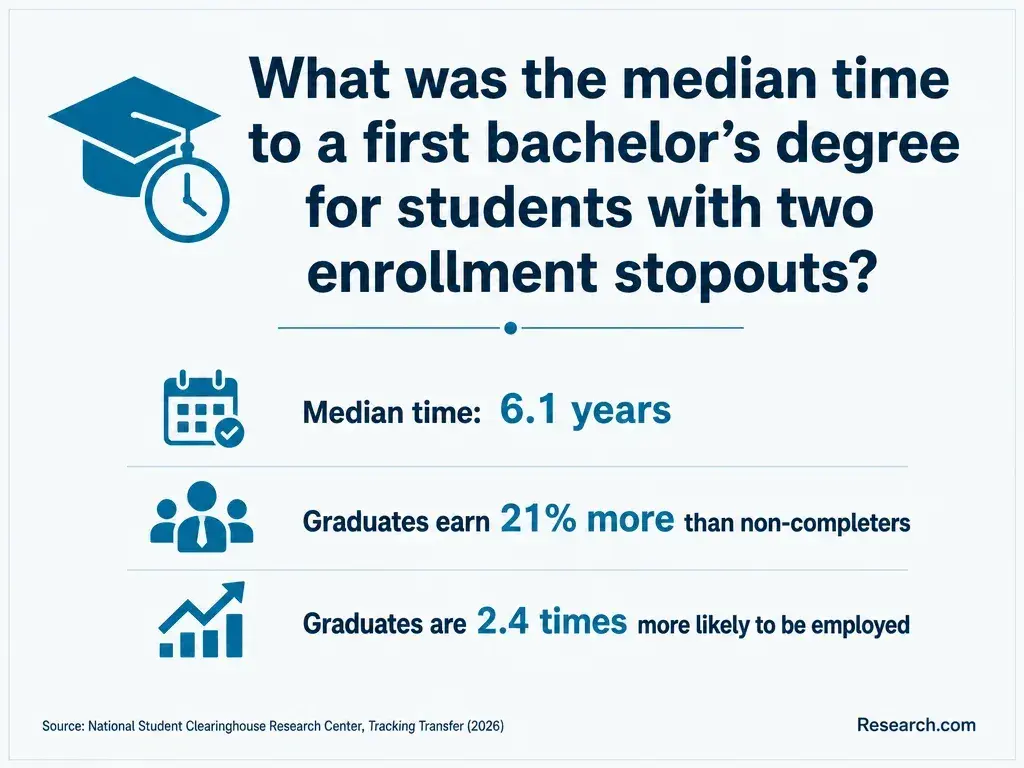
Requirements vary by institution and by whether you enter as a first-year, transfer, or returning student. Schools commonly request prior transcripts and may apply GPA standards; a business major can also have separate admission or prerequisite rules. Previous public-sector experience can strengthen your plans for applied work without automatically awarding academic credit.
For an employee with earlier college study, the crucial document is a program-specific degree audit. It should distinguish credits accepted by the school from credits that satisfy general education, the business core, electives, and residency requirements. Before applying, gather transcripts and course descriptions, then ask the admissions and transfer offices about equivalencies and the business adviser about the remaining course sequence. For a closer look at required credits before entering business administration study, compare the guidance with the prospective school's current catalog rather than treating typical prerequisites as universal.
The answer depends on the official degree audit, course availability, enrollment pace, and how prior credits apply. A school may accept a course as an elective without using it to satisfy a required accounting or statistics class. Ask for a term-by-term plan that includes prerequisites and courses offered infrequently; compare that projected completion date with the promotion posting's education deadline.
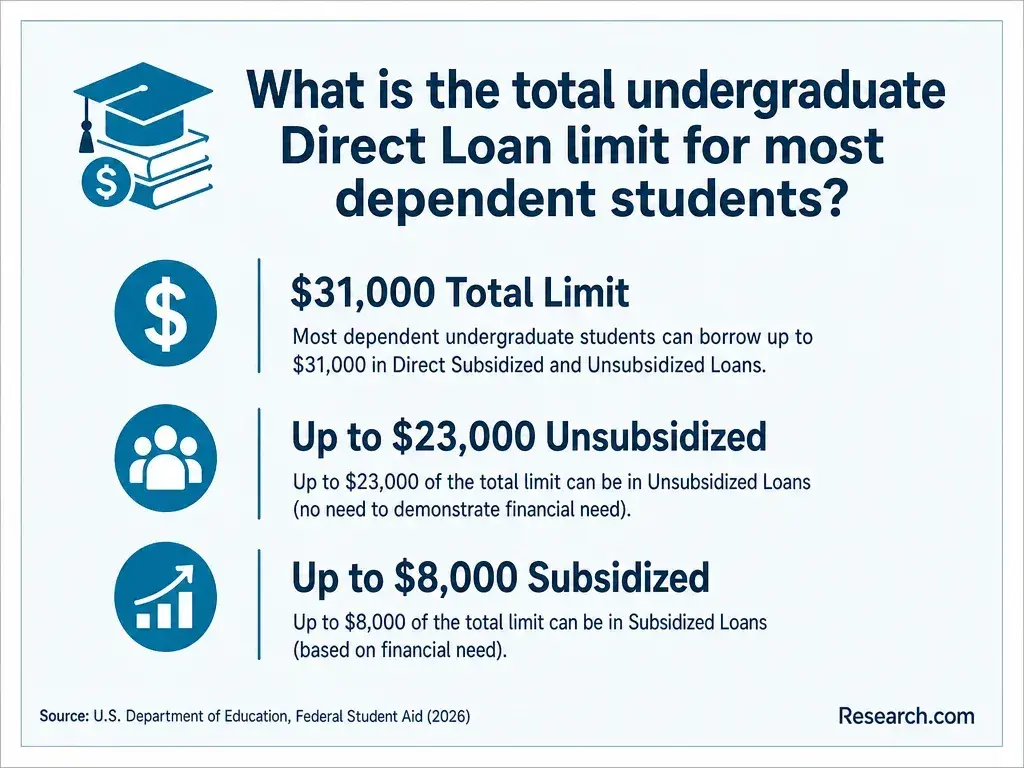
Calculate your own completion cost from the school's published tuition and mandatory fees for remaining required courses, then add books, software, travel or proctoring, and likely borrowing costs. Check whether employer education assistance pays upfront or reimburses you later, and whether it imposes grade, employment, or repayment conditions. Project-management alternatives can carry different charges; project management fees books and aid considerations are useful comparison points only when that degree also meets the rule.
A sensible return-on-cost comparison uses your agency's posted pay range and realistic promotion eligibility, not an assumed raise. If documented experience already meets an education-or-experience rule, targeted training may be less costly than finishing another degree.
Depending on agency rules and experience, a business degree may support applications for administrative analyst, budget analyst, procurement, HR, operations, or project coordination positions. The tasks differ: budget staff analyze funding and expenditures; procurement staff follow purchasing rules; HR staff administer personnel processes; and project staff track schedules, resources, and reporting.
Match your current responsibilities to the target classification. An employee who has prepared budget reports can document that work alongside relevant accounting courses; someone moving into procurement may need agency-specific contract training and supervised purchasing experience. A degree can establish educational eligibility without proving readiness to supervise staff or control a major budget. For a project coordination route where additional education is required, scholarship search options for project management majors may help compare financing for an agency-approved alternative.
There is no single salary or employment projection for BS in Business Administration graduates. Public-sector pay depends on the classification, grade or pay band, location, bargaining rules, and your placement within the range. The relevant comparison is the posted compensation for the role you can actually compete for, alongside the cost and time needed to become eligible.
For national context, the U.S. Bureau of Labor Statistics reports a May 2025 median annual wage of $91,640 for budget analysts and projects 2% employment growth for that occupation from 2025 to 2035. These figures cover workers across employers and experience levels; they are neither a starting salary nor a forecast of openings or promotions in your agency.
If a faster degree route could let you apply during an upcoming promotion cycle, compare it with faster undergraduate completion pathways. Verify the remaining requirements first: advertised speed has little financial value if credits fail to apply or the qualifying posting closes before graduation.
Which Certifications Strengthen a Public Sector Business Career?
A certification can provide focused evidence of skill in project management, procurement, HR, or related work. It is usually a supplement, not a substitute for a bachelor's degree when the promotion rule explicitly requires one. Some credentials have separate experience, education, examination, or renewal conditions; confirm those with the issuing organization and ask HR whether the agency recognizes the credential for the target classification.
Prioritize the gap in your application. Procurement training may be more immediately useful than a general management certificate for a purchasing role, while project-management training can support documented coordination work. For a personnel-focused position, compare the role's actual education wording and HR bachelor's transfer policies before choosing a specialized degree over a general business program and an HR credential. Neither an HR course nor a certification automatically qualifies you for a position with separate civil service requirements.
Other Things You Should Know About Business Administration
HR may interpret a rule and review a proposed program, but it may not promise eligibility for a future vacancy. Ask what documents it can review now and what proof of degree conferral it will require later.
Ask HR whether any transition or grandfathering provision applies. Keep dated copies of the rule and its written interpretation, but plan against the requirements that will govern the actual application.
Possibly, with faculty approval and any required employer permission. Use public or authorized data, follow records and privacy rules, and do not submit restricted personnel, purchasing, or financial information.
Not necessarily. A school may record a concentration on the transcript, diploma, or neither. Ask the registrar how it appears if an employer requires proof of a named specialization.
- Questions and Answers Concerning Revised 1102 Qualification Standard | U.S. Office of Personnel Management https://www.opm.gov/policy-data-oversight/classification-qualifications/general-schedule-qualification-standards/1100/questions-and-answers-concerning-revised-1102-qualification-standard/
- Degree Acceptance Policy | State of Alabama Personnel Department http://personnel.alabama.gov/degree-acceptance-policy/
- Accreditation in the U.S. | ed.gov http://www.ed.gov/laws-and-policy/higher-education-laws-and-policy/college-accreditation/accreditation-in-the-us
- Bachelor's Degree in Business Administration (BBA) | American Military University https://www.amu.apus.edu/online-bachelor-degrees/bachelor-of-business-administration/
- B.S. in Business Administration | University of Baltimore https://www.ubalt.edu/schools-and-colleges/merrick-school-of-business/academics/explore-all-programs/business-administration/index.cfm
- Business Administration BA Degree | keiseruniversity.edu https://www.keiseruniversity.edu/programs/business/bachelors/
- Business Administration - Bachelor of Science (BSBA) | colorado.edu https://catalog.colorado.edu/undergraduate/colleges-schools/business/programs-study/business-administration/business-administration-bachelor-science-bsba/
- Online Bachelors Degree Business Administration (BA) | UF | University of Florida Online https://ufonline.ufl.edu/degrees/undergraduate/business-administration-ba/
- BS in Business Administration | Online Bachelor's Degree | Capella University https://www.capella.edu/online-business-degrees/bs-business-program/bachelors-business-administration/