2027 Is an Online BS in Business Administration the Right Next Step for Engineering Department Coordinators?
Audited and Verified:
Our Editorial and Data Verification Process
Research.com uses government datasets, official education statistics and primary institutional information to support its career and degree guides. Our review process checks factual accuracy, occupational definitions, source dates and the requirements associated with the credentials discussed.
How This Article Was Fact-Checked
Our editorial team verifies salary estimates, employment projections, education requirements and program information against original data providers and official organizations. Salary figures are checked against the relevant occupational definitions and reporting periods. Information about licensure, accreditation and required in-person training is reviewed separately.
Fact-checked and verified on:

Co-Founder and Chief Data Scientist
Engineering department coordinators often know how projects move through a team but have less formal preparation in budgets, purchasing, and organizational decisions. An online BS in Business Administration may help bridge that gap - if the degree matches the role you want next and fits around your current work.
This guide examines where your coordination experience gives you a head start, what the degree adds, and when a more specialized or shorter route may serve you better. It also shows what to verify before committing time and money.
Key Things You Should Know
- An online BS in Business Administration is a strong fit when your next role requires broader responsibility for budgets, operations, procurement, or people - not when you need engineering credentials.
- Your existing scheduling, documentation, and stakeholder work can support a move into project or operations roles, but employers may still require function-specific experience.
- The U.S. Bureau of Labor Statistics reports a May 2025 median wage of $102,320 for project management specialists; that occupation-wide figure is not an expected starting salary for coordinators who earn the degree.
Is an online BS in Business Administration right for engineering department coordinators?
A coordinator who tracks deadlines, routes purchase requests, prepares reports, or keeps project records already sees how technical and administrative decisions intersect. Business study can add the accounting, operations, and management context needed to take on more responsibility.
The better choice depends on the job you are targeting. These distinctions prevent you from paying for a broad degree when a narrower qualification would do.
| Primary goal | Path worth comparing | Key distinction |
| Advance into operations or administrative leadership | BS in Business Administration | Builds broad financial, organizational, and operational knowledge; advancement still depends on demonstrated results. |
| Move into a defined project function | Business degree, project-focused degree, or targeted training | Compare actual project coursework with the experience and tools required in local postings. |
| Become an engineer or perform regulated engineering work | Appropriate engineering education and applicable licensure pathway | A business degree does not replace technical preparation or engineering licensure. |
| Move primarily into HR | Business degree with relevant electives or an HR-focused program | Check whether the intended job calls for broad administration or deeper HR preparation. |
For an HR-focused transition, human resources degree planning basics can help you compare the specialized route. If your employer already offers a credible route into the role you want, ask whether targeted courses and an approved stretch assignment would close your skill gap without a full degree.
What careers can engineering department coordinators pursue with a business administration degree?
The most direct moves preserve your engineering-organization knowledge. A project coordinator may take greater responsibility for schedules, status reporting, vendor follow-up, and issue tracking. An operations coordinator may work on workflow, purchasing, capacity, or performance reports. A procurement specialist may focus on sourcing and supplier processes, while an administrative services manager typically takes responsibility for a function, staff, or resources after gaining relevant experience.
A project management specialist role can be a longer-term target, but it is not simply a new title for coordination work. Review postings for ownership of scope, budgets, risk, and stakeholder decisions, then compare those requirements with work you have actually performed. If that is your clear destination, compare aid and tuition at online project management schools alongside general business options rather than assuming either degree is automatically preferable.
Build evidence while employed: document a schedule you maintained, a process you helped improve, or a report that informed a decision. Describe your contribution accurately, without claiming authority over budgets or outcomes you did not control.
How does an online business administration degree support engineering coordination careers?
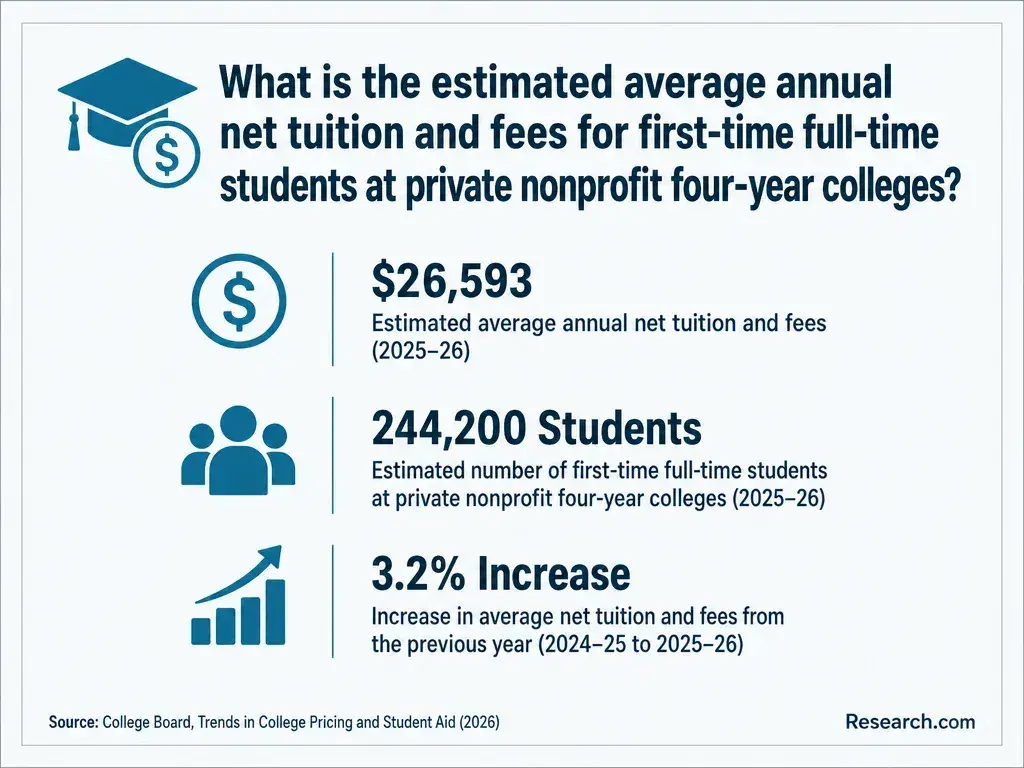
Business coursework can help you explain the consequences behind the tasks you already perform. Managerial accounting can clarify cost reports; operations courses can provide methods for examining handoffs and delays; and organizational behavior can improve communication across engineers, vendors, and managers. An online format may let you apply those ideas at work without leaving your job.
The strongest connection is an approved, appropriately scoped workplace assignment, such as mapping a purchasing workflow or proposing a reporting template. Confirm the course requirements and obtain employer permission before using internal records. A classroom proposal is not evidence that an organization adopted it or achieved savings.
If purchasing and materials flow are the main work you want to own, use supply chain program length and value comparisons to test whether deeper specialization is worth the additional or different coursework.
Programs commonly combine general education with accounting, economics, finance, management, marketing, statistics, and business law. For an engineering department coordinator, the most useful curriculum is often the one that connects these foundations to operations, project work, procurement, spreadsheets, and business communication. Course names alone do not show how deeply those subjects are taught.
Check the catalog for prerequisites and assignments, not just elective titles. An operations course might require process analysis; a finance course might focus on interpreting budgets rather than managing one. A formal concentration must be designated by the school - taking a few related electives does not create a separate credential. If you are considering an intensive schedule, a guide to accelerated bachelor's study can help you assess how course sequencing affects a working coordinator.
Requirements vary by institution and by whether you apply as a first-time or transfer student. Schools generally request evidence of prior education; some also set GPA standards or require particular preparation before entry to the business major. Math, statistics, accounting, and economics courses may be admission prerequisites, degree requirements completed later, or neither - check the specific catalog.
If you have college credits, request an official evaluation showing where each accepted credit applies: general education, business core, electives, or another requirement. Acceptance as an elective does not mean a required accounting or statistics course is complete. Ask admissions about application requirements, then ask an academic adviser for a degree audit before relying on a projected graduation date. If application costs are a concern, no-application-fee online college choices may provide additional schools to investigate.
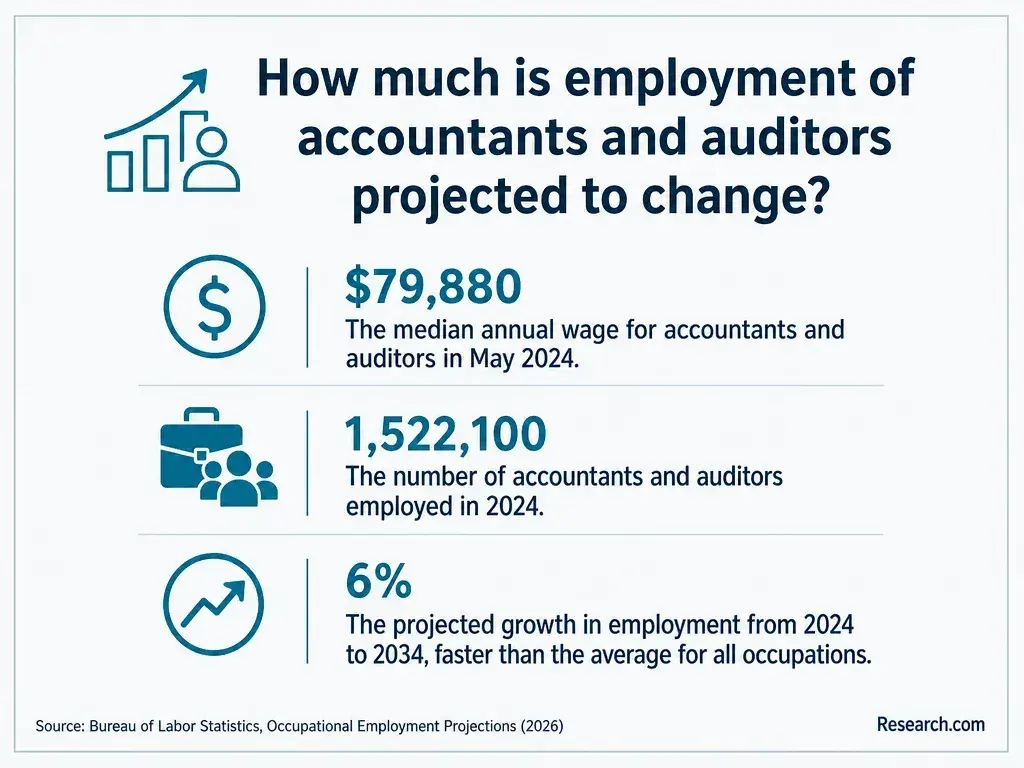
Your completion time depends on credits that satisfy the degree, required course sequences, class availability, and how many courses you can take while working. A faster advertised calendar does not reduce the work required. A part-time plan may better protect your job performance even if it extends graduation.
For a realistic cost estimate, obtain a degree audit and calculate tuition for remaining required credits, then add mandatory fees, books, software, and any proctoring or travel costs. Ask whether tuition is charged per credit or term, and whether employer reimbursement arrives only after you pass a course. Compare your likely out-of-pocket cost and borrowing - not just a published tuition rate. For aid-related questions, see business administration tuition budgets using federal student aid, and confirm your own eligibility with each school.
Online study can make it easier to remain employed and study without commuting, but online does not necessarily mean self-paced. Courses may have live meetings, fixed weekly deadlines, group presentations, or scheduled exams. Campus classes offer in-person contact but may be harder to attend around engineering-team deadlines or changing project schedules.
Before choosing a format, request sample course schedules and ask about live attendance, group-work timing, exam proctoring, required campus visits, and access to advising. Compare those obligations with a typical workweek and your busiest project periods. If speed matters, US rankings for accelerated business bachelor's degrees can be a starting list, but verify that required classes are offered when you need them and that the pace is sustainable.
First, confirm that the institution holds accreditation from an accreditor recognized by the U.S. Department of Education or the Council for Higher Education Accreditation. Then check whether the business school or the specific program has additional accreditation from AACSB, ACBSP, or IACBE, and verify what that recognition actually covers. Institutional and business-specific accreditation are different checks.
Accreditation helps you assess legitimacy; it does not prove that a program fits your schedule or leads to a particular job. If you are looking at budget-conscious online business administration education, verify accreditation directly with the accreditor and compare advising, course availability, and the written transfer evaluation before enrolling.
What is the job outlook for business administration careers in engineering organizations?
Outlook is best assessed by occupation, not degree title. The Bureau of Labor Statistics projects 7% U.S. employment growth for project management specialists from 2025 to 2035. That projection indicates demand across industries; it does not measure openings specifically within engineering departments or guarantee that a new graduate will qualify for them.
Engineering organizations also employ people in purchasing, logistics, operations, and administrative functions, each with different hiring requirements. Search local postings for the tasks you want to perform, then identify whether employers emphasize a bachelor's degree, project ownership, procurement systems, technical familiarity, or a combination. If your goal is specifically project management, explore economical project management degree programs as a comparison - not as a substitute for checking employer expectations.
Other Things You Should Know About Business Administration
Possibly. Confirm the instructor's requirements and obtain employer permission before using internal information. You can often propose a project using anonymized or publicly available material instead.
No. Engineering licensure follows separate education, examination, and experience rules set by state licensing boards. Check the rules for the state and engineering discipline involved.
No. A degree and a professional certification are separate credentials. Check the certification provider's current eligibility and examination rules.
Compare a second bachelor's with a relevant certificate, targeted coursework, or employer-supported training. Ask each school how prior credits apply before assuming another full degree is necessary.
- Choosing a School | Federal Student Aid https://studentaid.gov/resources/prepare-for-college/students/choosing-schools
- Education and Training - About This Tool https://www.benefits.va.gov/gibill/comparison_tool/about_this_tool.asp
- Accreditation in the U.S. | ed.gov http://www.ed.gov/laws-and-policy/higher-education-laws-and-policy/college-accreditation/accreditation-in-the-us
- Transfer Student Requirements | University of Oregon https://www.uoregon.edu/admissions/undergraduate/find-your-path/transfer-students/
- Tuition and Financial Aid - Undergraduate Online Programs | Bay Path University https://www.baypath.edu/admissions-aid/undergraduate-online-programs/tuition-and-financial-aid/
- What Is an Accredited University? Understanding Accreditation | National University https://www.nu.edu/blog/what-is-an-accredited-university/
- Transfer credit policies - Office of Admissions https://admit.washington.edu/apply/transfer/policies/
- Employer Tuition Reimbursement: How It Works and How to Pay for College | Winston-Salem State University https://ramsonline.wssu.edu/blog/employer-education-benefits/