2027 Is a BS in Business Administration Useful for Running A Sports Training Business? Degree Fit and Opportunity Cost
Audited and Verified:
Our Editorial and Data Verification Process
Research.com uses government datasets, official education statistics and primary institutional information to support its career and degree guides. Our review process checks factual accuracy, occupational definitions, source dates and the requirements associated with the credentials discussed.
How This Article Was Fact-Checked
Our editorial team verifies salary estimates, employment projections, education requirements and program information against original data providers and official organizations. Salary figures are checked against the relevant occupational definitions and reporting periods. Information about licensure, accreditation and required in-person training is reviewed separately.
Fact-checked and verified on:

Co-Founder and Chief Data Scientist
A sports training business needs more than good coaching. Its owner must price sessions, fill schedules, manage cash, protect clients, and decide when expansion is affordable. A BS in Business Administration can build those skills, but earning one may also delay a launch or divert money from equipment, credentials, and experience.
This guide is for aspiring owners and working coaches weighing that trade-off. It explains where the degree helps, what it cannot replace, and how to compare a full program with more targeted preparation.
Key Things You Should Know
- A BS in Business Administration is useful for budgeting, marketing, staffing, and operations, but it is generally not required to own a sports training business.
- Coaching competence, appropriate credentials, insurance, and compliance with local rules matter separately from a business degree; requirements depend on the services and location.
- Compare the degree's remaining cost and study time with what else those resources could fund. The $69,280 May 2025 median wage for training and development specialists is an occupational benchmark, not an estimate of sports training owner income.
Is a BS in Business Administration useful for running a sports training business?
Yes - especially if you plan to run a facility, hire coaches, sell memberships, or manage multiple revenue streams. A BS in Business Administration typically provides broad preparation in accounting, marketing, management, and operations. Those subjects help an owner decide whether a training offer earns enough to cover coach pay, space, equipment, and slower seasons.
The degree is less compelling if your immediate goal is to coach a small number of clients and you can learn the necessary business tasks through targeted courses, a mentor, and hands-on work. It does not establish your ability to design safe training sessions. A sport science or exercise-related degree may offer deeper training knowledge but less business breadth; a BBA may serve a similar business purpose, depending on its actual curriculum.
The decisive question is what limits your next step. If you already coach well but struggle with pricing and staff systems, business study may have substantial value. If you lack supervised coaching experience, prioritize that before assuming a business credential will make the venture viable. A project-management degree is another, narrower option for someone primarily interested in organizing facilities or events; finding project management programs with lower total costs can help frame that comparison, though neither degree replaces coaching preparation.
What skills does a business administration degree provide sports training entrepreneurs?
The most useful coursework connects a business decision to a measurable result. Managerial accounting can help you separate revenue from profit and estimate the contribution of each session after direct costs. Marketing can help you identify which clients an offer serves and measure inquiries against paid bookings. Operations coursework can improve scheduling, capacity planning, and equipment purchasing.
Management and human resources study becomes more valuable when you hire staff. You will need clear roles, onboarding, performance feedback, and sound employment practices - not just strong coaches. If staffing will be central to your model, human resources degree planning basics can help you judge whether general business electives provide enough depth. Employment-law exposure in a business course is useful, but it is not a substitute for advice on applicable rules.
Look for assignments you can adapt to a real decision: a cash-flow forecast, a customer-acquisition plan, or a comparison of leased space with rented training hours. A polished class business plan remains a projection until actual costs and customer demand test its assumptions.
Do sports training business owners need a degree or professional license?
There is generally no single US degree or professional license required simply to own a sports training business. Requirements depend on your state and locality, business activities, facility, and clients. Check business registration, local permits and zoning, sales or other applicable taxes, insurance, and rules affecting employees or work with minors before opening.
Ownership and professional scope are different matters. Calling a service "sports training" does not authorize medical diagnosis, physical therapy, or another regulated health service. Check the relevant state board before offering services that may cross into a licensed profession. Facilities and youth programs may also impose background-screening or safeguarding requirements of their own.
A business degree is therefore a choice about preparation, not permission to operate. If you decide to pursue one, verify entry conditions for prospective business administration students at each school; admission requirements are separate from the rules governing your business.
A relevant, reputable coaching or fitness certification can demonstrate preparation more directly to prospective clients than a general business degree. Choose according to what you actually teach: personal training, strength and conditioning, or a particular sport may call for different credentials. Review the issuing organization's prerequisites, assessment, continuing-education rules, and whether a facility, insurer, league, or prospective employer recognizes it. First aid and CPR training may also be required by an organization you work with.
A certification is not a professional license or proof that every service you offer is safe and effective. Supervised practice, appropriate client screening, and working within your competence still matter. Conversely, a project-management certificate or degree addresses business coordination rather than coaching credibility. If managing events or facilities is also a career objective, compare its education costs - including project management bachelor's scholarship options - instead of treating it as a substitute for a training credential.
Start with financial and managerial accounting, marketing, and operations. Together, they address whether your services are profitable, how clients find them, and whether you can deliver them reliably. Add entrepreneurship or small-business finance if the course requires realistic cash-flow and startup-cost analysis rather than only a pitch.
Choose further electives around your proposed model. A facility with employees benefits from HR and business-law coursework; camps and tournaments make project management and event operations more relevant. If equipment purchasing and inventory will be significant, supply-chain coursework may help - but a full supply-chain degree is usually a different commitment. Students considering that route can compare shorter completion timelines for supply chain bachelor's students without assuming an advertised timeline applies to their credits.
Check whether desired courses are required, optional, or part of an officially named concentration. An elective cluster does not automatically appear as a concentration on your record, and an internship or capstone may need advance academic approval even if you already operate a business.
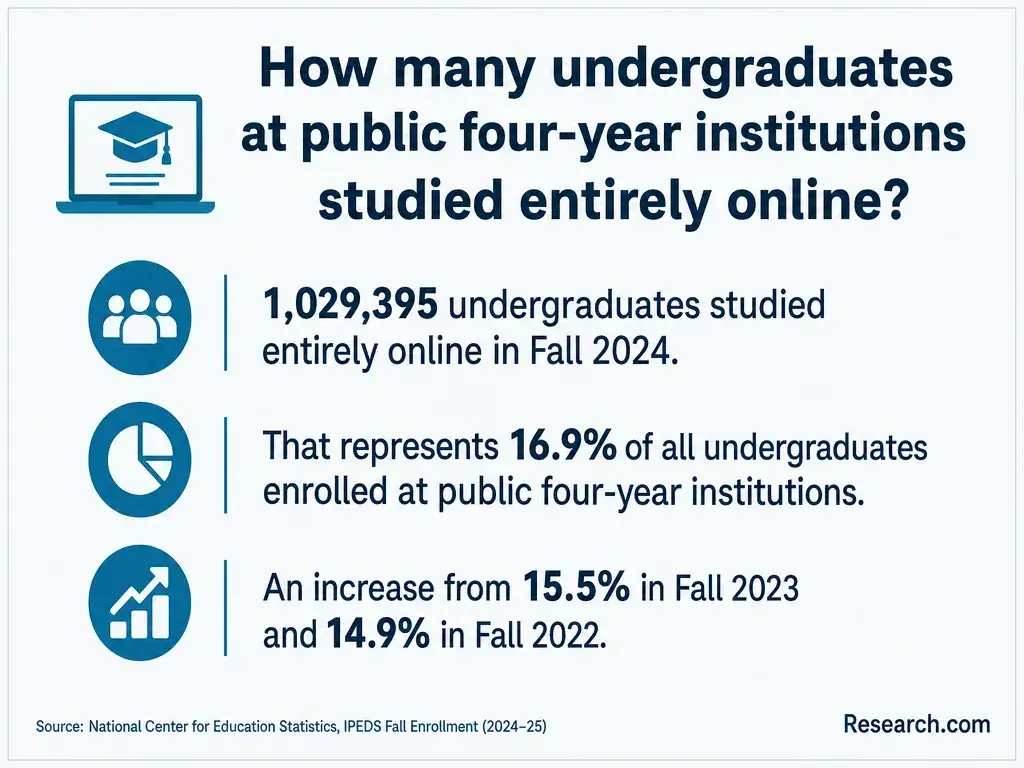
Online study may let a working coach keep daytime sessions and avoid commuting. Campus study may make it easier to meet local business contacts, use facilities, and participate in scheduled projects. Neither format is automatically better for learning or for launching a business; the relevant difference is whether its required work fits your coaching calendar.
Ask each program about live meetings, exam proctoring, group-project hours, internship requirements, and how often essential courses run. An asynchronous class can still have firm weekly deadlines. If speed matters, a national comparison of accelerated business bachelor's schools is a starting point, not a completion promise: transfer-credit decisions, course sequencing, and your available study time determine your actual finish date.
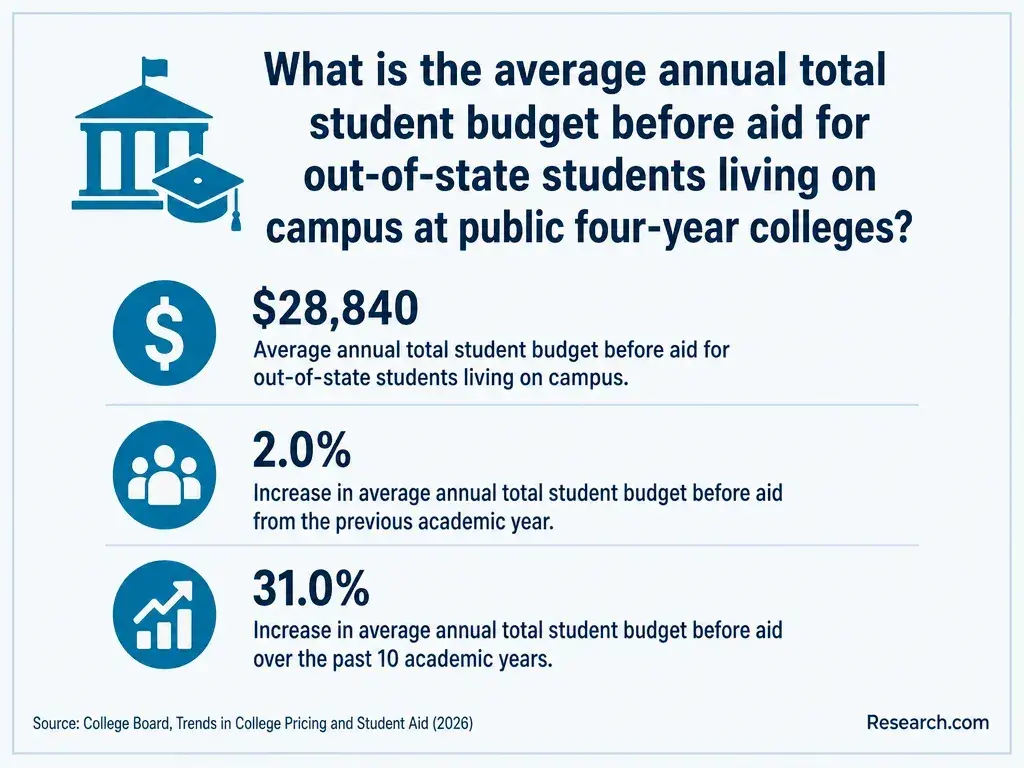
A bachelor's degree commonly requires roughly four years of full-time undergraduate study, but the remaining time for a transfer or returning student depends on credits that apply to the specific program, required course availability, and enrollment pace. Published tuition alone cannot establish your cost. Include fees, books, technology, travel, borrowing costs, and any income lost by reducing coaching hours.
Opportunity cost is particularly concrete for an aspiring owner: money and time spent finishing the degree cannot simultaneously fund a coaching credential, supervised experience, insurance, or a carefully tested launch. That does not make the degree a poor investment; it means its expected benefits should address problems you are likely to face. When comparing schools, accredited business administration programs and federal student aid can be a starting point, but request a program-specific degree audit and aid estimate before comparing totals.
Calculate each option using the same assumptions: courses still required, charges for those courses, likely enrollment pace, and work hours you can retain. Ask whether a prerequisite, residency rule, or unavailable course could add a term. Do not count prospective aid, transfer credit, or future business earnings as certain.
Relevant experience usually combines client-facing training with responsibility for how an organization runs. Coaching or training work builds service judgment; front-desk or membership work reveals booking and retention problems; assistant facility or program roles expose scheduling, purchasing, and staff coordination. Seek responsibilities you can document, such as maintaining a schedule or tracking expenses, rather than relying on a job title alone.
A business degree can support movement into operations, marketing, or staffing roles, but those employers may still expect sector experience. Someone already working in a gym may gain more from taking on a supervised budget or scheduling project than from changing jobs solely to obtain a management title. If hiring and staff development become your preferred career path, you can also examine options to finish an HR bachelor's using previous college credits; ask the receiving school which credits satisfy major requirements, not merely which are accepted.
There is no dependable national salary figure for a new sports training business owner. An owner's compensation depends on sales, direct costs, rent, payroll, debt, and how much cash must stay in the business. Revenue is not take-home pay, and an owner may initially pay themselves irregularly.
For a salaried comparison, the US Bureau of Labor Statistics reports a May 2025 median annual wage of $69,280 for training and development specialists and projects 11% employment growth from 2025 to 2035. That occupation largely concerns workplace training, not sports coaching or business ownership. Use it only as context for an alternative training-related career - not as a forecast of what your business will earn.
If you are comparing ownership with a salaried operations or project role, compare actual local job postings and your qualifications, not degree-wide earnings claims. Research into affordable project management schools may inform the education-cost side of that alternative, but a lower-priced degree alone does not establish likely pay or job access.
How should you choose an accredited business administration program?
First verify that the institution holds recognized institutional accreditation. Then check the exact degree title, curriculum, delivery format, and any business-school or programmatic accreditation claimed through AACSB, ACBSP, or IACBE. Such accreditation has a defined scope; do not assume every program at an institution is covered.
Compare programs against your intended business model. Favor one that offers relevant accounting and operations work, accessible faculty or mentors, and an approved way to analyze a realistic small-business problem. Ask for a written transfer evaluation, a remaining-course plan, and a full cost estimate. If you are applying to several schools, online college application fee savings may reduce an initial expense, but application fees should not outweigh curriculum fit and total completion cost.
Bottom line: Choose the BS when its remaining coursework fills important business gaps at a cost and pace you can sustain. Choose targeted instruction and supervised industry experience when the degree would postpone the more urgent work of becoming a capable trainer and testing demand.
Other Things You Should Know About Business Administration
Compare the franchise's fees, operating restrictions, training, and documented support with the independence of building your own brand. Have a qualified professional review any franchise agreement before committing.
Consider a limited series of sessions in space you are permitted to use. Track paid bookings, repeat visits, and all associated costs before treating interest or social-media engagement as evidence of sustainable demand.
Start with services you are qualified to deliver and clients you can reach. A narrow offer can simplify equipment and marketing; expansion makes more sense when demand and staffing support it.
Possibly, but obtain faculty approval for the assignment and check permissions before using client, employee, or proprietary data. A classroom analysis does not by itself count as an internship or prove business results.
- Fitness and Sports Management | kwc.edu https://kwc.edu/program/fitness-sports-management/
- What Can You Do With a Sports Management Degree? | Online Master of Science in Sport Management https://sm.hhp.ufl.edu/news/careers-with-a-sports-management-degree/
- What is a business administration degree? | Northwest Media Center https://www.nwmissouri.edu/media/news/2025/07/what-is-a-business-administration-degree.htm
- 10 Key Subjects Taught in a Bachelor of Business Administration Program | Carson-Newman University https://www.cn.edu/cps-blog/10-key-subjects-taught-in-a-bachelor-of-business-administration-program/
- How Much Does a Bachelor's Degree Cost: Factors & Tips | Franklin University https://www.franklin.edu/blog/how-much-does-a-bachelors-degree-cost
- Career Path Descriptions | Exercise and Health Science https://www.csbsju.edu/exercise-science-and-sport-studies/career-paths/descriptions/
- What Can You Do With a Business Administration Degree? | American Military University https://www.amu.apus.edu/area-of-study/business-administration-and-management/resources/what-can-you-do-with-a-business-administration-degree-exploring-options/
- Types of Business Degrees: Your Complete Guide | UWA Online https://online.uwa.edu/news/types-business-degrees/
- CAREERS WITH AN EXERCISE SCIENCE DEGREE | Lionel University https://blog.lionel.edu/what-careers-can-you-get-with-an-exercise-science-degree
- School of Business - Academic and Career Programs | Austin Community College District https://programs.austincc.edu/school-of-business/