2027 Paying for an Online BS in Business Administration: A Change in Household Income Before Enrollment
Audited and Verified:
Our Editorial and Data Verification Process
Research.com uses government datasets, official education statistics and primary institutional information to support its career and degree guides. Our review process checks factual accuracy, occupational definitions, source dates and the requirements associated with the credentials discussed.
How This Article Was Fact-Checked
Our editorial team verifies salary estimates, employment projections, education requirements and program information against original data providers and official organizations. Salary figures are checked against the relevant occupational definitions and reporting periods. Information about licensure, accreditation and required in-person training is reviewed separately.
Fact-checked and verified on:

Co-Founder and Chief Data Scientist
A job loss, reduced hours, or another household-income change can make an online BS in Business Administration harder to afford just as enrollment approaches. Your FAFSA may still reflect an earlier, higher-income year, so the initial aid offer may not match what your household can pay now.
This guide explains how to request a financial aid review, compare the amount due with longer-term borrowing costs, and decide whether to enroll, change your pace, or wait. It is especially useful if you need to keep working while completing the degree.
Key Things You Should Know
- The FAFSA generally uses income from a tax year two years before the aid year, so a recent household-income drop may not appear in your initial aid offer.
- Ask the college's financial aid office for a special-circumstances review; the school may adjust eligible FAFSA information, but additional aid is not guaranteed.
- Before enrolling, compare the revised amount you must pay, payment deadlines, remaining degree requirements, and borrowing - not tuition alone.
How does a household-income change affect financial aid for an online business degree?
Federal student aid starts with the FAFSA, which generally uses tax information from two years before the academic aid year. The FAFSA calculates a Student Aid Index (SAI), a measure schools use when determining aid eligibility - not a bill or the amount your family must pay. If someone in your household recently lost a job or experienced a substantial pay cut, the income on your FAFSA may overstate your present ability to contribute.
That gap does not automatically change your award. The college must review the circumstances and decide whether an adjustment is warranted. A revised SAI may affect eligibility for need-based aid, but the result depends on your other FAFSA information, enrollment, the school's aid funds, and applicable program rules. Online study does not itself disqualify a student from federal aid; the institution and program must meet federal eligibility requirements. When comparing programs, use accredited online business administration study with aid eligibility as a starting point, then confirm eligibility for the exact degree and enrollment term with each school.
Can you appeal financial aid after losing income before college enrollment?
Yes. Ask the financial aid office for a special-circumstances review, often called a professional judgment review. Schools can assess documented changes such as job loss, reduced earnings, divorce or separation, death of a wage earner, or certain unusual expenses. They decide what documentation is needed and whether to adjust eligible FAFSA data or the cost of attendance. An appeal is a request for review, not a promise of more grant aid.
Begin before the tuition deadline so you can make an enrollment decision based on a written, updated offer. A workable sequence is:
- Submit the FAFSA for the correct aid year and the school's required admission and aid materials.
- Contact the financial aid office, describe the change and when it occurred, and request its special-circumstances instructions.
- Provide the documents the school requests, which may include a termination notice, recent pay statements, unemployment records, or a statement of expected income.
- Ask when a decision is expected, whether aid can be revised before your payment deadline, and what payment or deferment options exist meanwhile.
- Review the new offer in writing before accepting loans or committing to courses.
If the review does not close the gap, compare a lighter course load or later start with lower-cost programs rather than assuming you must borrow the difference. A list of economical online business administration college programs can help you identify alternatives, but request a degree audit and individualized aid estimate before treating any advertised price as your completion cost.
How much does an online bachelor's in business administration cost?
There is no reliable single price for an online BS in Business Administration. Schools may charge by credit, course, or term, and the amount you owe depends heavily on how many requirements remain after an official transfer evaluation. A recent income drop makes cash due before classes especially important: a lower total price may still be difficult to manage if aid or employer reimbursement arrives later.
The table separates costs that are easy to confuse. Use the same assumptions - remaining courses and enrollment pace - when comparing schools.
| Cost component | Why it matters after an income drop |
| Tuition and required fees | Charges may vary by residency, course, or term; ask for the rate that applies to you. |
| Remaining credits | Accepted transfer credits do not always satisfy the business core or residency requirement. |
| Books, software, and technology | These may require payment before aid funds are available. |
| Travel or in-person requirements | An online program may still require visits, exams, or an approved placement. |
| Borrowing and time away from work | Loan repayment adds long-term cost; a demanding schedule can also reduce earnings. |
If your intended career is specifically human resources, compare the business degree's remaining requirements with a specialized program before paying for additional semesters; you can explore the costs of an HR degree as a separate pathway. Ask each school for your estimated charges and aid by term, not just a published annual tuition figure.
A revised FAFSA assessment can change your eligibility for need-based assistance, but it is only one part of your funding plan. Check federal and state grants, institutional grants and scholarships, and federal student loans. Grant availability and state rules vary; loans must be repaid. Federal loan eligibility also depends on factors including your enrollment level and remaining eligibility. Ask the school how changing from full-time to part-time study would affect each award.
Employer tuition assistance can help if your current job qualifies, but confirm covered programs, annual limits, grade rules, reimbursement timing, and any obligation to repay the employer if you leave. If you are considering a more specialized project-management degree instead, compare its actual aid offer and remaining curriculum; an accredited online project management tuition guide can help frame that comparison. Do not count a scholarship or employer payment until its eligibility and timing are confirmed.
Online study may reduce commuting and make continued employment possible, which matters when household income has fallen. It does not necessarily reduce tuition or make coursework self-paced. Ask about live sessions, group assignments, proctored exams, internship requirements, fixed deadlines, and access to advising. A campus program may offer more predictable in-person support or recruiting opportunities; its commute and class schedule may also make it impractical to keep needed work hours.
Choose based on the schedule and total cost you can sustain, not delivery format alone. If your goal is a specific project-coordination role rather than broad business preparation, compare the courses and costs of economical project management education online with the business programs on your shortlist. Neither format nor degree title substitutes for checking the actual requirements.
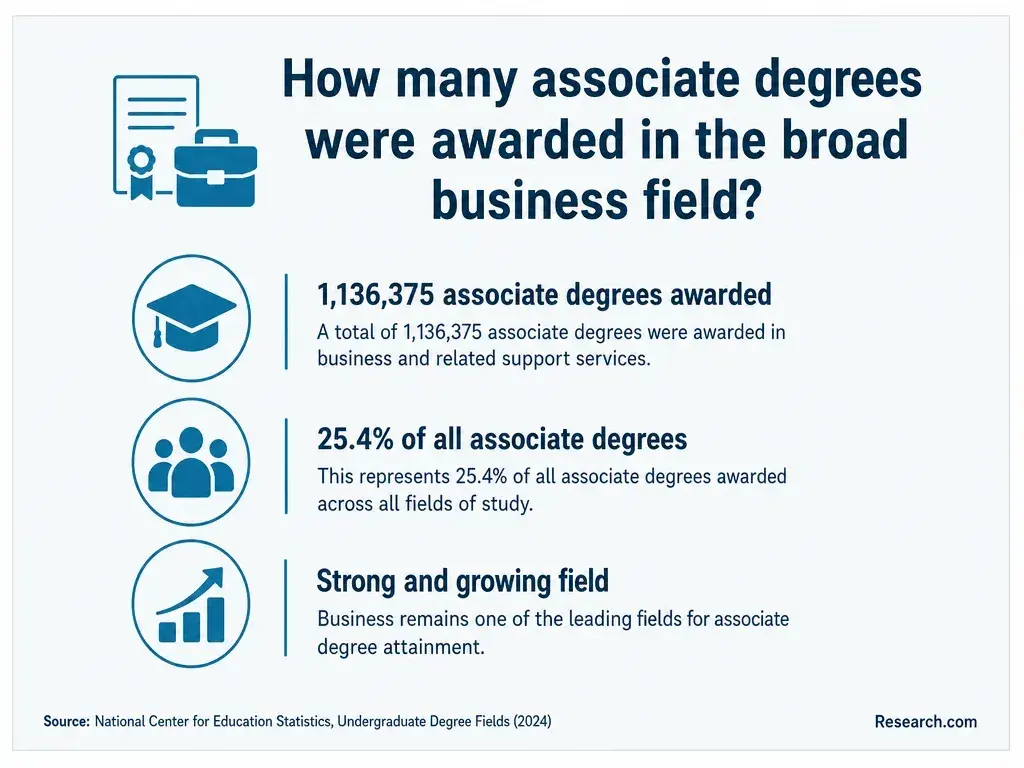
A BS in Business Administration commonly combines general education with accounting, economics, finance, marketing, management, operations, quantitative reasoning, and business communication. Requirements differ by institution; some programs also offer formal concentrations or an applied capstone. These courses can build useful skills, but an introductory class does not by itself qualify someone for a specialist or management role.
For a student trying to finish affordably, course applicability matters as much as course selection. An accepted statistics or accounting credit may count only as an elective if it does not meet the program's specific requirement. Request a degree audit before deciding whether an HR-focused business concentration is worth additional credits; if HR is your target, compare human resources bachelor's credit transfer options as well.
Schools typically review a high school credential or prior college record, but admission to the university, entry to the business major, and application of transfer credit can be separate decisions. A program may require particular math, accounting, or economics preparation; another may allow you to complete those courses after admission. The institution's current catalog and admissions office determine the applicable rules.
Before paying an application or enrollment deposit, send transcripts for evaluation and ask which requirements remain. If you need to identify possible preparation gaps, see qualifying for a business administration college program. Do not assume that admission means all previous credits will shorten the degree.
Your timeline depends on applicable transfer credits, required course sequences, course availability, and the number of credits you can manage each term. Taking fewer courses may protect work hours and household cash flow, but it can extend fees and delay completion. Taking more may finish requirements sooner while increasing the immediate bill and pressure on your schedule.
Ask an adviser for a term-by-term plan showing required courses and when each is offered. If speed is important, compare accelerated business education for working adults against a standard pace using your own degree audit and aid offer. A shorter calendar timeline does not automatically mean fewer credits, lower total cost, or a manageable workload.
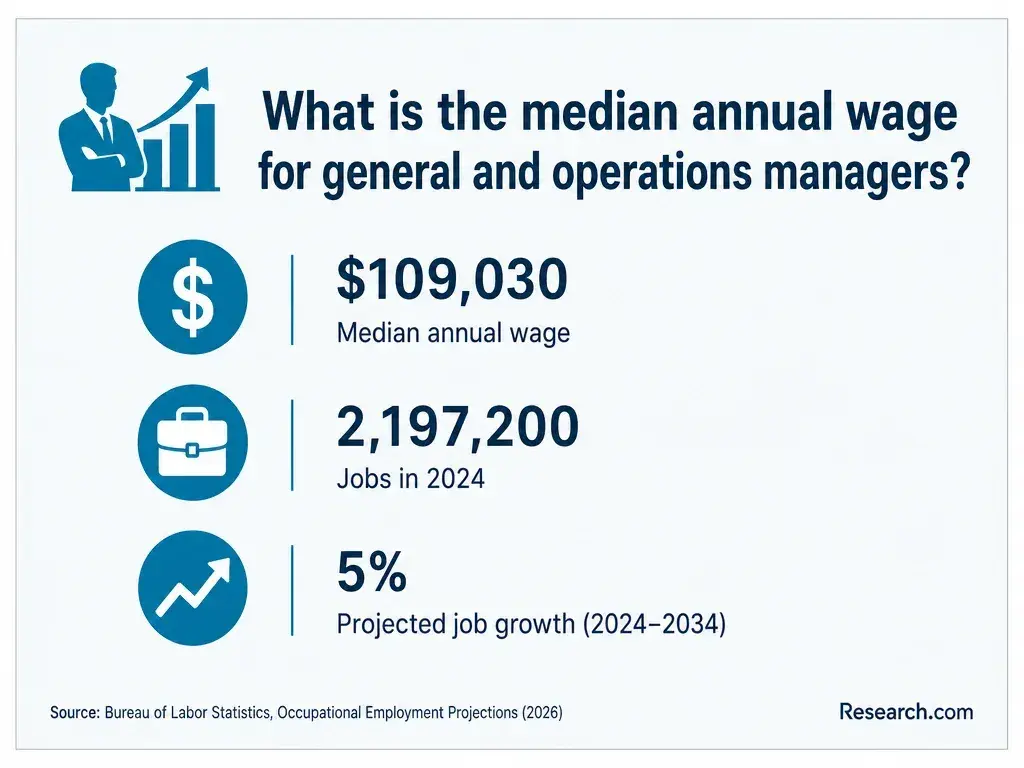
Business graduates may pursue work in operations, marketing, human resources, sales support, or project coordination, depending on their experience and demonstrated skills. A degree can meet an employer's education requirement, but it does not guarantee a job or immediate entry into management. If lost income makes borrowing necessary, base that decision on realistic openings you could pursue - not a manager's salary.
For context, the U.S. Bureau of Labor Statistics reports a May 2025 median annual wage of $75,940 for human resources specialists and projects 6% employment growth for that occupation from 2025 to 2035. That is an occupation-wide median, not the expected pay of a new business graduate; employers may seek relevant experience or specific HR preparation. If your goal is organizational leadership within an existing career, you might also explore shorter organizational leadership bachelor's programs, while checking whether they meet your target employers' degree expectations.
How can you choose an accredited online business administration program?
First, confirm that the institution holds recognized institutional accreditation and that its online BS in Business Administration is an eligible program for the aid you intend to use. AACSB, ACBSP, and IACBE are forms of business accreditation with differing scopes; if a school advertises one, verify whether it covers the specific business program rather than assuming it applies to every degree.
Then obtain an official degree audit, a term-by-term cost estimate, the school's special-circumstances review process, and a sample course schedule. Compare the resulting amount due and borrowing with the work hours you can realistically maintain. If you are considering accelerated degree options for working adults, verify live attendance, course sequencing, and aid rules before treating a faster format as a financial solution. The best choice after an income change is one you can finish without relying on unapproved aid or unmanageable debt.
Other Things You Should Know About Business Administration
Yes. The aid office may consider severance alongside lost wages and expected earnings. Report it accurately and provide the documentation the school requests.
Answer FAFSA questions using the status and instructions applicable when you submit it. If your circumstances later change, contact the aid office rather than changing answers based on an earlier tax return without guidance.
Possibly. Ask the bursar about due dates, plan fees, and what happens if revised aid arrives after a payment. An appeal request alone may not postpone your bill.
Tell the financial aid office about a material change and ask whether it affects your reviewed award. Keep copies of the school's instructions and your updated aid notice.
- 7 Options if You Didn't Receive Enough Financial Aid | studentaid.gov https://studentaid.gov/articles/financial-aid-not-enough/
- Cost of Attendance (Budget) | 2025-2026 Federal Student Aid Handbook https://fsapartners.ed.gov/knowledge-center/fsa-handbook/2025-2026/vol3/ch2-cost-attendance-budget
- Tuition & Financial Aid - Online BBA in Business Studies https://online.pace.edu/undergraduate-programs/bba-business-studies/tuition-financial-aid/
- Financial Aid Frequently Asked Questions - Affording UA https://afford.ua.edu/financial-aid/faq/
- Business Bachelor's Degree Programs Online | WGU https://www.wgu.edu/online-business-degrees/bachelors-programs.html
- Tri-C Professional Judgments: Cleveland, Ohio | tri-c.edu https://www.tri-c.edu/paying-for-college/financial-aid-and-scholarships/professional-judgments.html
- Financial Aid Re-Evaluation - UT San Antonio One Stop https://onestop.utsa.edu/financialaid/special-circumstances/financial-aid-reevaluation/
- Professional Judgment Review (Financial Aid Eligibility) | The Graduate School https://gradschool.duke.edu/financial-support/subsidies-loans-and-other-financial-assistance/professional-judgment-review/
- BS in Business Administration | Online Bachelor's Degree | Capella University https://www.capella.edu/online-business-degrees/bs-business-program/bachelors-business-administration/