2027 Business Analytics vs. Procurement for a Business Administration BS: Which Fits?
Audited and Verified:
Our Editorial and Data Verification Process
Research.com uses government datasets, official education statistics and primary institutional information to support its career and degree guides. Our review process checks factual accuracy, occupational definitions, source dates and the requirements associated with the credentials discussed.
How This Article Was Fact-Checked
Our editorial team verifies salary estimates, employment projections, education requirements and program information against original data providers and official organizations. Salary figures are checked against the relevant occupational definitions and reporting periods. Information about licensure, accreditation and required in-person training is reviewed separately.
Fact-checked and verified on:

Co-Founder and Chief Data Scientist
Business analytics and procurement can lead a Business Administration BS student toward different kinds of work. One centers on turning data into decisions; the other centers on buying what an organization needs while managing suppliers, costs, and risk. The distinction matters when you choose courses, projects, and internships - not just a concentration name. This comparison is for students deciding between the two, including those already working in business. It explains where each pathway is strongest, what employers may expect beyond the degree, and which program details to check before committing.
Key Things You Should Know
- Choose business analytics if you want to investigate business questions with data; choose procurement if you want to evaluate suppliers, negotiate purchases, and manage sourcing decisions.
- Neither concentration guarantees a job. For context, U.S. logistician employment is projected to grow 18% from 2025 to 2035, but logisticians represent a broader supply-chain occupation - not procurement graduates specifically.
- Compare required courses, approved transfer credits, applied projects, and recruiting access before comparing tuition: two concentrations within the same BS may cost the same yet offer different preparation.
What Is the Difference Between Business Analytics and Procurement?
Business analytics uses data, statistical reasoning, and reporting tools to help an organization understand performance and evaluate options. Procurement is the process of acquiring goods or services: defining needs, comparing suppliers, negotiating terms, and monitoring purchasing results. Procurement is part of the wider supply-chain function, but it is not interchangeable with transportation or logistics.
The central difference is the decision you help make. An analytics student might examine whether a change in customer demand is real or reflects incomplete records. A procurement student might compare bids while accounting for delivery reliability, contract terms, and total cost - not just the lowest quoted price. Both need sound data and ethical judgment; procurement adds supplier relationships and commercial accountability, while analytics generally demands deeper data preparation and interpretation.
Students interested in warehousing, distribution, or end-to-end supply chains should also compare a specialized supply-chain degree. Tuition and time comparisons for supply chain students can provide a starting point, but confirm whether a listed curriculum actually teaches sourcing and contracts.
Which Business Administration BS Concentration Has Better Career Opportunities?
Neither concentration is universally better. Business analytics offers a route into reporting and decision-support work across functions such as marketing, finance, and operations. Procurement offers a clearer functional starting point when employers hire purchasing coordinators or buyers, particularly if you can demonstrate supplier research, spreadsheet analysis, and professional communication.
Your existing experience can change the answer. Someone who already handles vendor quotes may be closer to an entry-level procurement role than to a statistical analyst role. Someone who builds reliable reports at work may be able to use an analytics concentration to deepen that work. For an analytics-heavy target job, inspect the actual statistics, database, and programming requirements; some business concentrations provide less technical depth than a specialized analytics degree.
If your preferred work is employee support rather than data analysis or purchasing, a guide to studying human resources offers a more relevant comparison. A concentration works best when it matches the tasks you want to perform, not simply a broad business job title.
What Courses Do Business Analytics and Procurement Programs Include?
Both paths usually sit alongside a business core that may include accounting, economics, management, operations, and statistics. The concentration courses provide the meaningful difference. This table shows topics to look for in a catalog, not a promise that every school offers them.
| Compare | Business analytics | Procurement |
| Typical concentration work | Data preparation, business statistics, visualization, forecasting, and decision modeling | Sourcing, supplier evaluation, purchasing, negotiation, contracts, and supply-chain operations |
| Useful applied assignment | Document a data source, build a dashboard, and explain uncertainty | Develop purchasing criteria and a supplier comparison with stated assumptions |
| Depth to verify | Database or programming instruction and statistics prerequisites | Contract and negotiation practice and coverage of supplier risk |
Ask whether the concentration is officially recorded and whether its courses are offered when you need them. An elective in either subject is not necessarily a formal concentration. Project coordination interests may overlap with both paths, but a project management course is not the same as either specialty. Project management degree tuition comparisons are useful only if you are considering that distinct education path as well.
Admission rules depend on the institution and whether students enter the Business Administration BS directly or apply separately to a business school or concentration. Applicants commonly need secondary-school records or previous college transcripts; transfer students may also need particular grades or completed prerequisites before taking upper-level business courses. Do not assume analytics requires programming for admission or that procurement requires prior purchasing experience.
Before applying, ask admissions and the business department which mathematics, statistics, accounting, or introductory business courses are prerequisites - and when they must be completed. If you have prior college credit, request an official evaluation showing what applies to the business core and concentration, not merely what the school accepts as elective credit. Comparing value-focused online business college choices can help you identify schools to investigate, but confirm each school's admission and credit policies directly.
A bachelor's degree is commonly planned as four years of full-time study, but your remaining time depends on accepted credits, prerequisites, course availability, and enrollment pace. Switching concentrations late can add time if a required course has a prerequisite or is offered infrequently. For returning students, an accepted transfer credit may still fail to satisfy a particular concentration requirement.
Request a term-by-term degree plan for each option, including the earliest available upper-level courses and any internship or capstone. Accelerated study schedules for business majors may shorten the calendar, but they do not remove required coursework or make a demanding statistics course easier to fit around work.
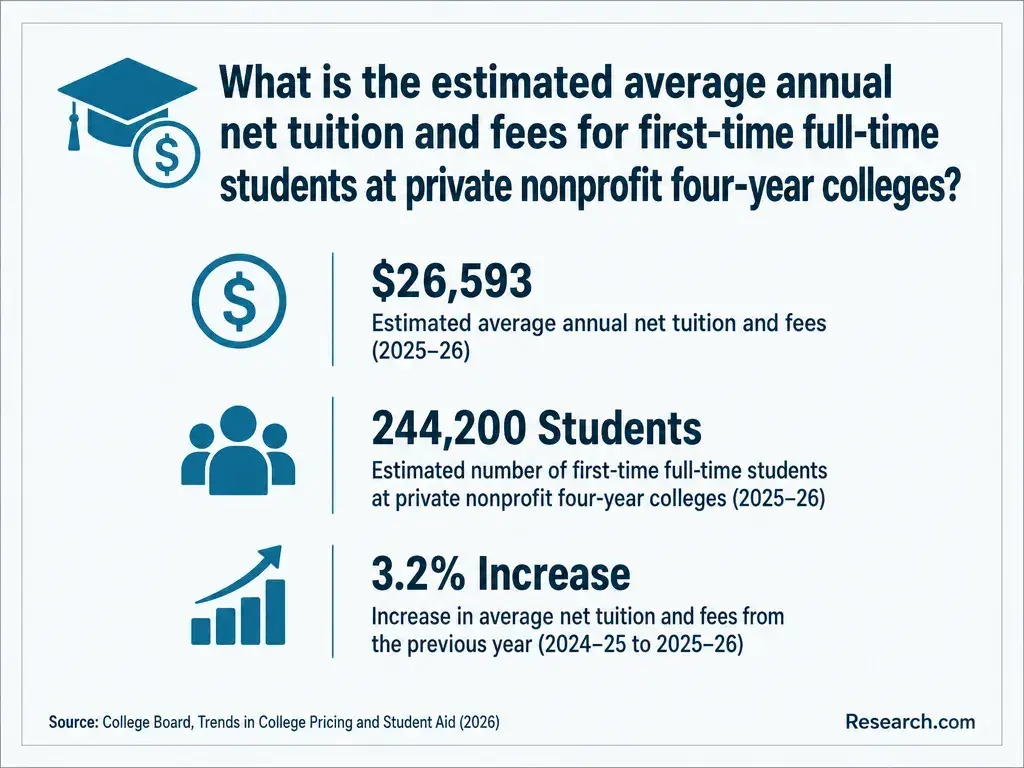
There is no reliable single price for either concentration: tuition depends on the school, residency classification, enrollment format, and number of credits remaining. At one institution, both concentrations may share a tuition rate; at another, different required courses or fees may change the total. Because no specific plans or verified program prices are being compared here, a quoted national price would be misleading.
Estimate the cost of finishing each path, including required credits that your prior coursework does not satisfy, mandatory fees, books or software, and any travel for applied work. Ask the financial-aid office how changing concentrations or enrollment pace affects aid eligibility and borrowing. If project management is a serious third option, compare aid and tuition at online project management schools using the same remaining-credit assumptions rather than comparing advertised annual prices.
The better format is the one that gives you access to the right courses and realistic ways to practice the work. Online analytics study can work well when you have reliable software access, feedback on technical assignments, and opportunities to explain findings. Online procurement study can work well when negotiation exercises, supplier cases, and group work are thoughtfully supported. Campus study may make it easier to attend recruiting events or build local employer relationships, but location alone does not guarantee an internship.
Check live-session times, group-project schedules, exam rules, required visits, and whether concentration courses run online every term. Online business degree rankings for US college applicants can help form a shortlist; the current course schedule and internship arrangements should decide whether a shortlisted program fits you.
An analytics concentration can support applications for reporting analyst, business analyst, operations analyst, or market research assistant positions, depending on the employer's technical requirements. Procurement graduates might pursue purchasing assistant, procurement coordinator, buyer, or sourcing-support roles. These are possible directions, not jobs awarded by the degree: some analyst and buyer openings require industry experience or specific software skills.
Build evidence tied to the role. For analytics, a carefully documented project should show data cleaning, a sensible measure, and an explanation of limitations. For procurement, a supplier-comparison exercise should show criteria, cost reasoning, and a defensible recommendation. Use public, simulated, or properly authorized workplace data; do not put confidential bids or customer records in a portfolio. If your goal is primarily supervising people, undergraduate leadership programs with shorter timelines may be worth comparing, although a leadership degree alone does not confer management experience.
U.S. labor statistics describe occupations, not the earnings of graduates from particular concentrations. The closest published comparisons below illustrate potential directions, but market research analysts are only one subset of analytics work, and logisticians cover more than procurement.
| Related U.S. occupation | Median annual pay, May 2025 | Projected employment growth, 2025-2035 |
| Market research analyst | $78,760 | 7% |
| Logistician | $82,320 | 18% |
The Bureau of Labor Statistics figures show strong projected growth for the broader logistics occupation, but they do not establish that procurement is better paid than business analytics or that a new graduate will earn either median. Compare local entry-level postings for the roles you actually want, including their experience and software requirements. If project management is another career possibility, federal aid for undergraduate project management study addresses one side of that alternative's cost - not its expected salary or hiring prospects.
Which Accreditation and Certifications Matter for Each Career?
First, confirm that the institution holds recognized institutional accreditation and that the credential is the advertised BS in Business Administration with an official concentration, if that is what you want. AACSB, ACBSP, and IACBE are business-focused accreditors with different scopes; verify whether the specific business program is covered rather than assuming that a school-wide claim applies to it.
Neither concentration automatically grants a professional certification. Analytics employers may value demonstrable spreadsheet, database, visualization, or statistical skills; procurement employers may value sourcing experience and, later, relevant professional credentials. Check a certifying organization's eligibility rules before paying for exam preparation, since some credentials require work experience. When using national rankings of fast-paced business bachelor's programs, verify accreditation, concentration availability, and course sequencing on the institution's own pages before enrolling.
Other Things You Should Know About Business Administration
Often, yes: procurement teams use spend and supplier data. Ask whether the program permits electives from the other concentration and whether taking them would add credits or delay graduation.
Not necessarily for admission, but expect quantitative work. Check the program's statistics prerequisites and whether its courses emphasize spreadsheets, databases, or more advanced methods.
Yes, especially if you have analyzed spending, supplier performance, or inventory data. Be ready to demonstrate data preparation and explain what conclusions the available records can - and cannot - support.
Choose based on your target role and the actual curriculum. A specialized degree may offer more technical depth, while a Business Administration BS can preserve broader business coursework; neither label substitutes for checking required skills and courses.
- Applying Experiential Learning to Career Development... - PMC https://pmc.ncbi.nlm.nih.gov/articles/PMC8711830/
- Two Approaches to Experiential Learning | AACSB https://www.aacsb.edu/insights/articles/2023/04/two-approaches-to-experiential-learning
- Bachelor's in Business Administration Concentrations | Purdue Global https://www.purdueglobal.edu/degree-programs/business/business-administration-concentrations/
- Breaking Down the Role of a Business Analyst | UMass Global https://www.umassglobal.edu/blog-news/breaking-down-role-a-business-analyst
- Business Administration (BS) - San Luis Obispo | Cal Poly Academic Catalog https://catalog.calpoly.edu/business/undergraduate/business-administration-bs/
- Data Analytics vs. Business Analytics: Key Differences | SIUE https://online.siue.edu/degrees/undergraduate/bsba/gen-program/business-analyst-career-guide/
- Becoming a business analyst in 2026 and beyond | Cornell SC Johnson College of Business https://business.cornell.edu/news/2026/03/20/how-to-become-a-business-analyst/
- Business Analytics Concentration | unomaha.edu https://catalog.unomaha.edu/undergraduate/college-business-administration/bs-business-administration/business-analytics/
- Business Administration vs. Business Analytics | Maryville University Online https://online.maryville.edu/online-bachelors-degrees/business-administration/resources/business-admin-vs-business-analytics/
- Student internships and employment opportunities after graduation | sciencedirect.com https://www.sciencedirect.com/science/article/pii/S0272775721000601