2027 Paying for an Online BS in Business Administration: A Final-Year Scholarship for Business Students
Audited and Verified:
Our Editorial and Data Verification Process
Research.com uses government datasets, official education statistics and primary institutional information to support its career and degree guides. Our review process checks factual accuracy, occupational definitions, source dates and the requirements associated with the credentials discussed.
How This Article Was Fact-Checked
Our editorial team verifies salary estimates, employment projections, education requirements and program information against original data providers and official organizations. Salary figures are checked against the relevant occupational definitions and reporting periods. Information about licensure, accreditation and required in-person training is reviewed separately.
Fact-checked and verified on:

Co-Founder and Chief Data Scientist
A final-year scholarship could make finishing an online BS in Business Administration more affordable - but the award amount alone will not tell you what you will owe. If you are nearing graduation or comparing transfer-friendly programs, you need to know which courses remain, when scholarship funds arrive, and whether the award changes your other aid. This guide explains how to evaluate those details alongside program quality, completion time, and career goals so you can choose a financially workable path to graduation.
Key Things You Should Know
- A final-year scholarship is useful only if you meet its eligibility rules and it covers costs you will actually incur before graduation; confirm both with the scholarship provider and financial-aid office.
- Compare the cost of remaining required courses, not an advertised full-degree price. Accepted transfer credits may count only as electives, leaving more business requirements to complete.
- Budget for tuition, fees, materials, and the timing of payment. A scholarship that arrives after a tuition deadline may reduce your eventual cost without solving an immediate cash-flow problem.
What Is an Online BS in Business Administration?
An online Bachelor of Science in Business Administration is an undergraduate degree that combines general education with business study. Depending on the school, students may take accounting, finance, marketing, management, operations, and quantitative courses. "Online" describes delivery, not necessarily pace: classes may still have weekly deadlines, live meetings, group work, or supervised projects.
A BS in Business Administration is not interchangeable with every BBA, BA in Business, or specialized business degree. Curriculum and graduation rules vary by institution. If a faster finish matters because a scholarship covers only your last year, compare the actual course sequence with a guide to accelerated bachelor's study; an accelerated calendar does not, by itself, remove required credits.
How Can a Final-Year Scholarship Help Pay for an Online Business Degree?
A final-year scholarship is funding intended for students approaching completion, but there is no universal award with that name. Eligibility, covered expenses, payment schedule, and renewal rules depend on the provider. Some awards are restricted to tuition; others may cover fees or additional educational expenses. An award may require a minimum enrollment level, academic standing, a declared major, or a documented graduation plan.
The distinction between award value and usable value matters most near graduation. The table shows how common restrictions can affect a student's remaining bill; the provider's written terms control the actual award.
| Scholarship term | Possible effect in the final year |
| Tuition-only coverage | Fees, books, software, and other expenses may remain payable. |
| Minimum enrollment requirement | A student with only a few required courses left may not qualify in every term. |
| Payment after enrollment begins | The student may need a payment arrangement before funds are posted. |
| Limit on combining awards | Another grant or scholarship may be adjusted rather than producing an equal reduction in the bill. |
Get the award terms in writing, then ask the financial-aid office for an updated aid estimate covering each remaining term. Confirm whether the scholarship can be used online, whether it applies to summer classes, and what happens if a required course is unavailable. If the award leaves a substantial gap, low-cost shorter business administration programs can provide comparison points - but request a degree audit before assuming another school would be cheaper or faster.
How Do You Find an Accredited Online Business Administration Program?
First, verify that the institution holds recognized institutional accreditation and that the online BS in Business Administration is offered to students in your location. Then check whether any advertised business accreditation - such as AACSB, ACBSP, or IACBE - actually covers the school or program you are considering. Institutional accreditation and business-specific accreditation have different scopes; neither guarantees a particular job outcome.
For a scholarship-funded finish, request the current catalog, a written evaluation of prior credits, and a plan showing when every remaining course is offered. Ask whether online students face campus visits, proctored exams, technology fees, or separate scholarship restrictions. If you are comparing several accredited institutions, fee-free applications for online college may make it easier to obtain more than one admission and credit evaluation without adding an application charge.
Most programs combine a business core with general education and electives. Common subjects include financial and managerial accounting, economics, finance, marketing, management, business law, statistics, and operations. A capstone may ask students to apply several of these areas to a case or approved project. The exact courses, prerequisites, and online availability depend on the school's catalog.
In the final year, course applicability matters more than the number of credits on a transcript. An HR elective, for example, might count toward a formal concentration at one school but only as a general elective at another. Students weighing an HR-focused alternative can examine HR bachelor's programs with flexible transfer pathways, then ask each institution to show precisely where prior courses fit in its degree audit. Neither an elective nor an informal focus should be presented as a separately awarded concentration.
Requirements vary by school and by entry route. First-year applicants may need secondary-school records; transfer and returning students generally provide transcripts from prior colleges. Some programs admit students to the institution before they can enter the business major or take upper-level business courses. A school may also require particular mathematics, accounting, economics, or communication preparation.
If you already have college credit, ask for an official evaluation separating credits accepted from credits applied to general education, prerequisites, the business core, electives, and residency requirements. This is especially important if you are comparing business administration with a more specialized route: credit mapping for online project management programs may differ from mapping for a general business degree. Admission alone does not establish a graduation date or scholarship eligibility.
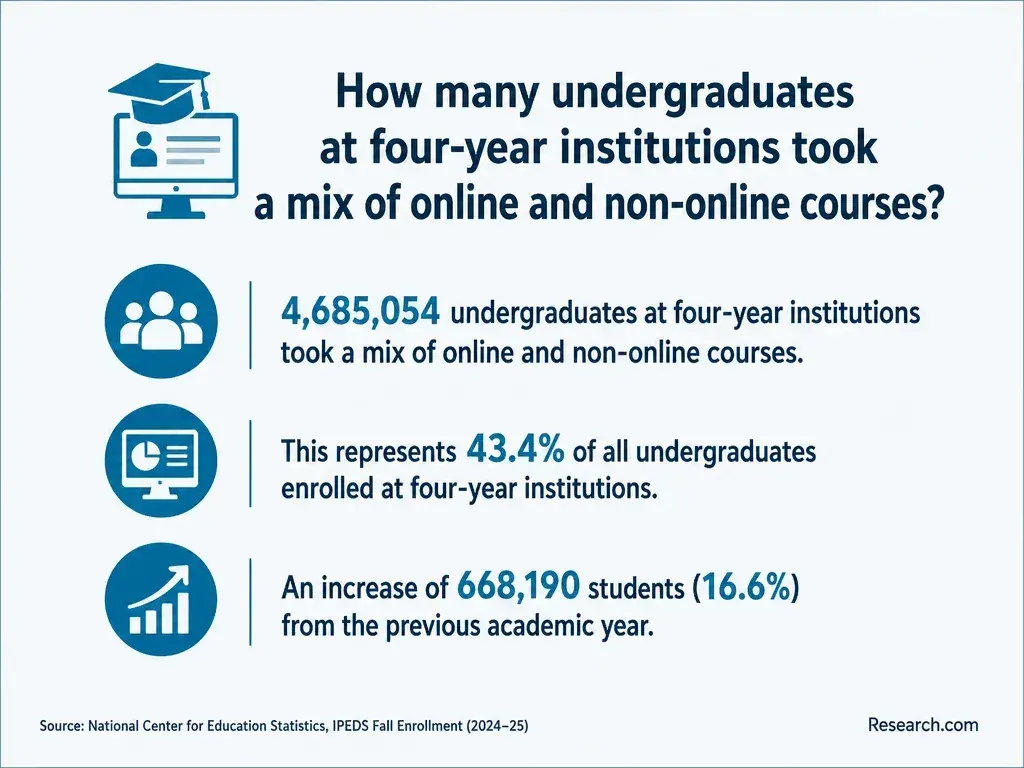
Completion time depends on applicable prior credit, course sequencing, enrollment pace, and how often required classes run. A student close to graduation can still be delayed by one prerequisite or capstone offered infrequently. Part-time study may fit work or caregiving better, but it can also extend the period over which fees and living expenses must be managed.
Before relying on a final-year award, have an adviser map required courses by term and identify any that must be taken in sequence. Check whether the scholarship remains available if the plan extends beyond the expected graduation term. Flexible fast-track routes in business education are worth comparing when scheduling is the obstacle, but confirm live attendance, workload, and total remaining charges - not just the advertised calendar length.
There is no single reliable price for an online BS in Business Administration. Schools may charge by credit, course, or term, and a transfer student's cost depends on the requirements still unmet. The useful figure is your estimated remaining cost after confirmed aid, calculated term by term rather than from a full-program sticker price.
Ask each school for an itemized estimate covering these charges and funding sources before comparing offers:
- Tuition for courses in the approved remaining-degree plan, plus mandatory online or term fees.
- Books, software, proctoring, travel, and any costs attached to a required internship or campus visit.
- Scholarships, grants, employer assistance, and the amounts and dates when each will be applied.
- Any borrowing needed before reimbursement or scholarship disbursement, including the resulting repayment obligation.
Compare the same remaining-credit assumptions at each institution. An additional required course or delayed term can outweigh an attractive per-credit rate. Online business programs for cost-conscious students can help you build a shortlist, but only a school-specific audit and aid estimate can establish your likely bill.
Business administration graduates may pursue roles in operations, sales support, marketing coordination, HR support, procurement, or project coordination, depending on their coursework and experience. Employers assess job-specific skills as well as a degree. An internship, relevant employment, or a well-documented project can help an early-career applicant show what they can do; graduation alone does not qualify someone to manage staff or budgets.
If you want project-focused work, compare the general business curriculum with value-focused project management degree choices. A specialized path may offer more relevant coursework, while the business degree may leave more room to explore functions. Neither degree automatically awards a professional certification or substitutes for experience required by a particular employer.
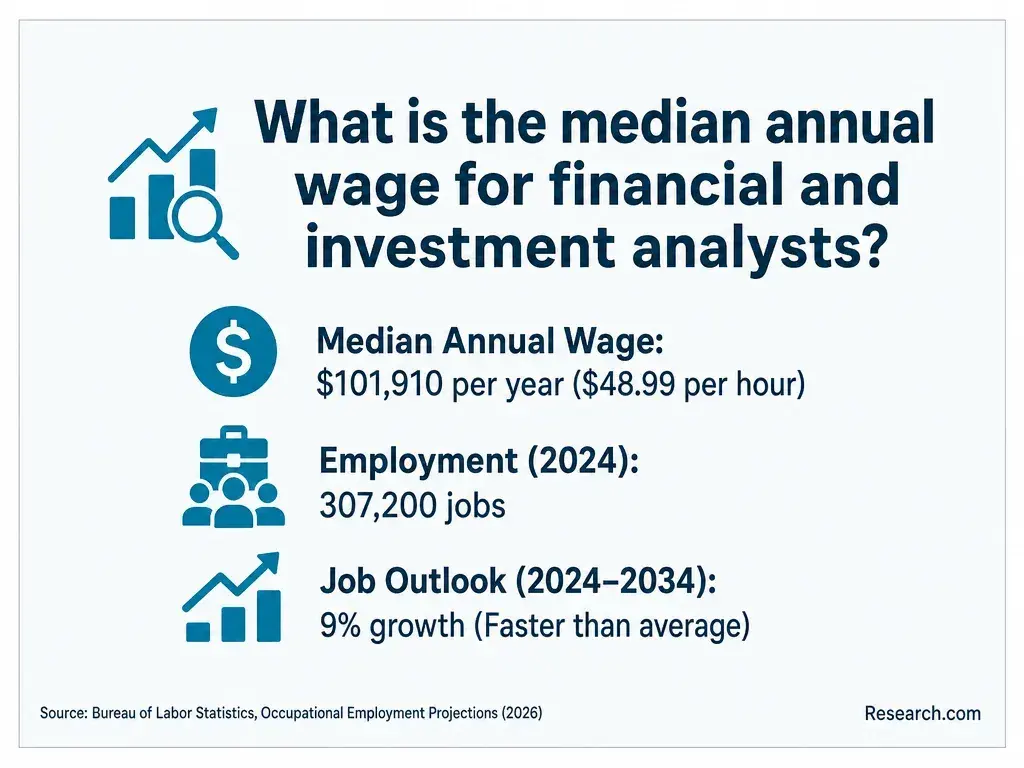
There is no single salary for graduates of this degree. Pay depends on the occupation, location, industry, and prior experience. For one relevant example, the U.S. Bureau of Labor Statistics reports a May 2025 median annual wage of $75,940 for human resources specialists. That occupation-wide median includes workers at different career stages; it is not a starting salary or an earnings forecast for an online business administration graduate.
When weighing borrowing against possible earnings, use the roles you could realistically pursue after graduation and review their actual hiring requirements. Do not use managerial salaries to justify a scholarship gap unless you have a credible path to those positions. If advancement into leadership is your goal, you can also compare completion times for organizational leadership degrees before deciding which credential warrants the remaining expense.
What Is the Job Outlook for Business Administration Graduates?
Job outlook is measured for occupations, not for everyone holding a particular degree. The U.S. Bureau of Labor Statistics projects 7% employment growth for market research analysts from 2025 to 2035. That projection suggests opportunities within one business function, not that every business administration graduate will enter it; applicants still need relevant research, data, and communication skills.
Use occupation-specific outlook alongside local postings and the school's evidence of student outcomes. When reviewing online business programs in US college rankings, check whether any reported employment results identify the graduating cohort, response rate, and types of jobs obtained. For a student funding the last year, credible placement support and a feasible graduation plan matter more than a broad claim about business-sector growth.
Other Things You Should Know About Business Administration
Possibly. Check the provider's minimum enrollment rule and whether your planned courses qualify. Ask how a change in enrollment would affect the award before dropping a class.
Often, but the combination must fit applicable aid rules and the school's calculation of your educational costs. Have the financial-aid office show how the scholarship changes your package.
Ask the provider and financial-aid office whether the award can be paid for your final enrolled term. Do not assume an unused portion will be issued after graduation.
Sometimes. Confirm each program's stacking rules, which expenses each covers, and whether your employer pays upfront or reimburses you after you complete a course.
- Packaging Aid | 2025-2026 Federal Student Aid Handbook https://fsapartners.ed.gov/knowledge-center/fsa-handbook/2025-2026/vol3/ch3-packaging-aid
- Finding and Applying for Scholarships | studentaid.gov https://studentaid.gov/understand-aid/types/scholarships
- Qualified Ed expenses | Internal Revenue Service https://www.irs.gov/credits-deductions/individuals/qualified-ed-expenses
- Merit scholarships - The Ohio State University https://undergrad.osu.edu/cost-and-aid/merit-based-scholarships
- Academic Scholarship FAQ | Student Success | University of Kentucky https://studentsuccess.uky.edu/financial-aid-and-scholarships/academic-scholarships/academic-scholarship-faq
- Frequently Asked Questions | Spears school of business https://business.okstate.edu/undergraduate/scholarships/faqs
- RUL 02.71.01 - NC State University Scholarships Based on Merit Exceeding Cost of Attendance for Undergraduate Students https://policies.ncsu.edu/rule/rul-02-71-01/