2027 A Second BS in Business Administration After a Bachelor's in Electrical Engineering: Credits, Cost, and Alternatives
Audited and Verified:
Our Editorial and Data Verification Process
Research.com uses government datasets, official education statistics and primary institutional information to support its career and degree guides. Our review process checks factual accuracy, occupational definitions, source dates and the requirements associated with the credentials discussed.
How This Article Was Fact-Checked
Our editorial team verifies salary estimates, employment projections, education requirements and program information against original data providers and official organizations. Salary figures are checked against the relevant occupational definitions and reporting periods. Information about licensure, accreditation and required in-person training is reviewed separately.
Fact-checked and verified on:

Co-Founder and Chief Data Scientist
An electrical engineering bachelor's already gives you a technical foundation and a completed undergraduate credential. A second BS in Business Administration could add structured training in finance, operations, and management - but it may also repeat coursework without improving your path to the job you want. This guide is for engineers considering a move into business-facing work. It explains how schools evaluate prior credits, what drives the remaining cost and timeline, and when a certificate, MBA, or relevant work experience may be a better investment.
Key Things You Should Know
- A second business bachelor's is usually optional for engineers; choose it when you need a broad undergraduate business curriculum, not merely a business-facing job title.
- Your first degree may satisfy general education requirements, but only a school's second-degree audit can establish which business courses and residency credits remain.
- The U.S. Bureau of Labor Statistics reports a May 2025 median wage of $102,320 for project management specialists; that occupation-wide figure is not a promised salary or a measure of the degree's payoff.
Is a second bachelor's in business administration necessary after electrical engineering?
Usually not. An engineering graduate can pursue many technical-business roles without another bachelor's. The better question is what evidence a target employer needs: business knowledge, experience managing budgets or stakeholders, a particular credential, or a completed bachelor's in any field. Your engineering degree may already satisfy the last requirement.
A second BS in Business Administration makes more sense if you want a broad, assessed curriculum and cannot access the courses or career support you need through a shorter route. It can also suit someone changing functions substantially - for example, from circuit design to accounting-oriented operations - provided the program's required courses address that gap. It is less compelling when you need a specific skill such as interpreting financial statements, negotiating with suppliers, or planning projects. In those cases, targeted coursework, employer-supported assignments, or a relevant certificate may be faster to test.
An MBA is another possibility for applicants who meet a program's admissions requirements and want graduate-level business study; it is not interchangeable with an undergraduate business core. A specialized bachelor's may offer greater functional depth but still carry substantial second-degree requirements. If project management is your goal, compare the work experience and training employers request before considering another specialized bachelor's; financial aid for online project management bachelor's degrees is relevant if that alternative remains on your shortlist.
How many credits transfer toward a second business administration bachelor's degree?
Your engineering transcript may contain many credits a university accepts, yet relatively few that replace its business core. Schools distinguish accepted credits from credits applied to a requirement. Some waive general education for holders of an accredited bachelor's; others evaluate each course. Neither approach guarantees that engineering mathematics will replace business statistics or that an engineering economics course will satisfy a business economics requirement.
The distinction below explains why a large transfer total can still leave a substantial course load. Only the receiving institution can determine the result under its current catalog and second-degree policy.
| Prior study | Possible treatment in a business degree | What remains uncertain |
| Completed engineering bachelor's | May fulfill general education or prior-degree requirements | Whether the school grants a blanket waiver or evaluates individual courses |
| Calculus, statistics, economics, or computing | May meet quantitative requirements or count as electives | Course content, level, recency, and business-major equivalency |
| Engineering design and technical electives | May count as free electives | Whether elective space remains after other requirements are applied |
| Business courses taken previously | May satisfy prerequisites or core courses | Grades, course equivalencies, repeat rules, and upper-division requirements |
Request a written, program-specific degree audit using official transcripts and, where equivalency is unclear, course syllabi. Ask the transfer office or registrar to identify accepted credits, then ask a business adviser which requirements they fulfill and whether substitutions need departmental approval. For a specialized alternative, compare credit acceptance at online HR schools using the same distinction: a transferable elective is not necessarily an HR major requirement.
How much does a second bachelor's in business administration cost?
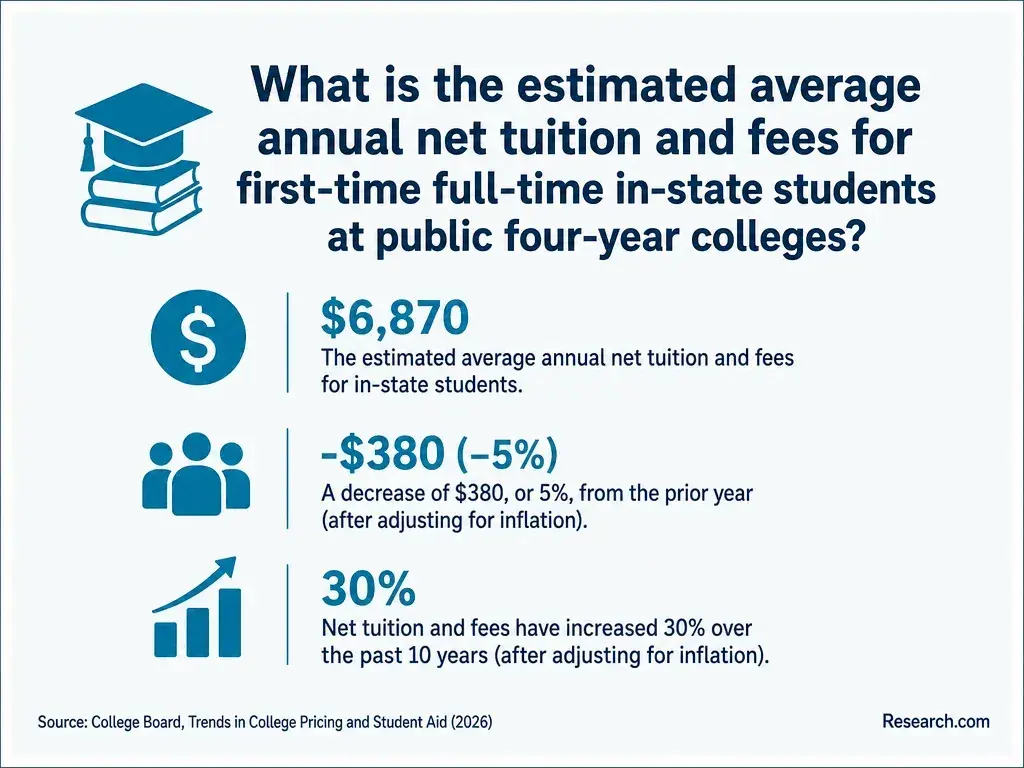
There is no reliable single price for an engineer's second business bachelor's. The amount depends chiefly on required credits remaining after the official audit, the school's charging model, and how long you remain enrolled. A low advertised per-credit rate can cost more than expected if the program requires additional prerequisites, a concentration, or courses taken in separate terms.
Compare offers on the same basis. This breakdown separates billed charges from costs that may not appear in a tuition quote.
| Cost component | Why it matters for a second-degree student |
| Tuition | May be charged per credit, course, or term; required remaining courses determine the applicable total. |
| Mandatory and course fees | Technology, assessment, and other charges may apply even to online courses. |
| Materials and travel | Books, software, proctoring, or campus visits can add costs. |
| Financing and lost income | Loan interest and reduced work hours affect the total financial trade-off. |
Ask each school for an itemized estimate tied to your audit, including the effect of a delayed required course. Then compare grants, scholarships, employer reimbursement, and borrowing you are actually eligible to receive. Having a prior bachelor's generally makes a student ineligible for a federal Pell Grant, while federal loan eligibility may depend on remaining limits and other rules; confirm your individual status with the financial-aid office. Use cheaper business administration study with FAFSA-based aid to identify options, not as a substitute for a personalized net-cost estimate.
Most business administration programs combine accounting, economics, finance, marketing, management, operations, quantitative methods, and a strategy or capstone course. Your electrical engineering background may help with modeling and technical problem-solving, but it does not automatically replace instruction in financial statements, organizational decisions, or customers and markets.
For an engineer moving toward product, operations, or commercial work, the most valuable course sequence is often foundational accounting and economics before finance, operations, or strategy. Check prerequisites before choosing electives: a desirable upper-level course may depend on an introductory business course offered only in certain terms. A formal concentration, if available, has defined requirements; a few electives in the same subject do not necessarily create one.
Compare the catalog against the skills missing from your résumé and target job descriptions. If you need to establish which introductory courses must be completed before admission or upper-level study, review college coursework required for business administration entry, then verify the rules with your prospective program.
Yes, some universities offer online or part-time routes, but those labels do not guarantee a self-paced schedule. An online program may still require live discussions, timed exams, group presentations, an approved internship, or a capstone completed with teammates. Those obligations matter if you plan to keep an engineering job while studying.
Ask for the upcoming course rotation - not just the program's advertised format. Determine whether required business courses run online every term, whether prerequisites must be taken in sequence, and whether part-time students can obtain a workable path to graduation. Confirm any campus visits, proctoring rules, software needs, and policies for pausing enrollment. Online business bachelor's degrees with shorter timelines can provide candidates to investigate, but your audit and the actual schedule determine whether a shorter timeline applies to you.
First confirm that the university accepts applicants seeking a second bachelor's; some restrict admission or particular majors. A typical application may call for official transcripts from every college attended, proof of the first degree, and any materials required by the business school. Admission to the university, admission to the business major, and approval of transfer credit can be separate decisions.
Ask whether your engineering GPA meets the applicable standard, whether accounting or other prerequisites are required before entering the major, and whether previously completed courses can satisfy them. If you are still comparing schools, online universities with no application charge may reduce the cost of exploring options; an application-fee policy says nothing by itself about second-degree eligibility or credit applicability.
The timeline starts with the courses still required, not the credits shown on your engineering transcript. It also depends on course sequencing, term length, enrollment pace, and whether required classes are available when you need them. A school that accepts substantial prior credit can still take longer if its business courses have strict prerequisites or limited scheduling.
Build a term-by-term plan with a business adviser after receiving the official audit. Include prerequisite chains, residency requirements, any required applied course, and a fallback if a class fills or is not offered. Compare that plan with your work schedule before treating an accelerated program's advertised completion time as your own. Accelerated bachelor's program comparisons are most useful once you know which courses you personally have left to take.
The strongest combination usually keeps your technical knowledge in use while adding evidence that you can make commercial or organizational decisions. Relevant roles include technical project coordination, product-related work, procurement or supply-chain analysis for electronic components, technical sales, and operations improvement. Engineering experience can make you credible with technical stakeholders; business coursework can help you assess costs, schedules, suppliers, and customer needs.
These paths differ in what employers expect. The table connects potential roles to work you could document before committing to another degree.
| Path | Typical business-facing work | Evidence to develop |
| Technical project coordination | Track schedules, requirements, risks, and stakeholder communication | Documented coordination responsibility and project outcomes |
| Technical product or sales support | Translate customer needs into technical and commercial decisions | Customer communication, product analysis, and pricing or market awareness |
| Electronics supply chain or operations | Evaluate suppliers, lead times, processes, and cost trade-offs | Purchasing, process, or supplier-analysis work samples |
A business degree alone does not confer a management position. If supply chain is the specific destination, compare its curriculum and employer connections with a general business degree; supply chain undergraduate programs with shorter terms offer another route to evaluate against your existing degree and experience.
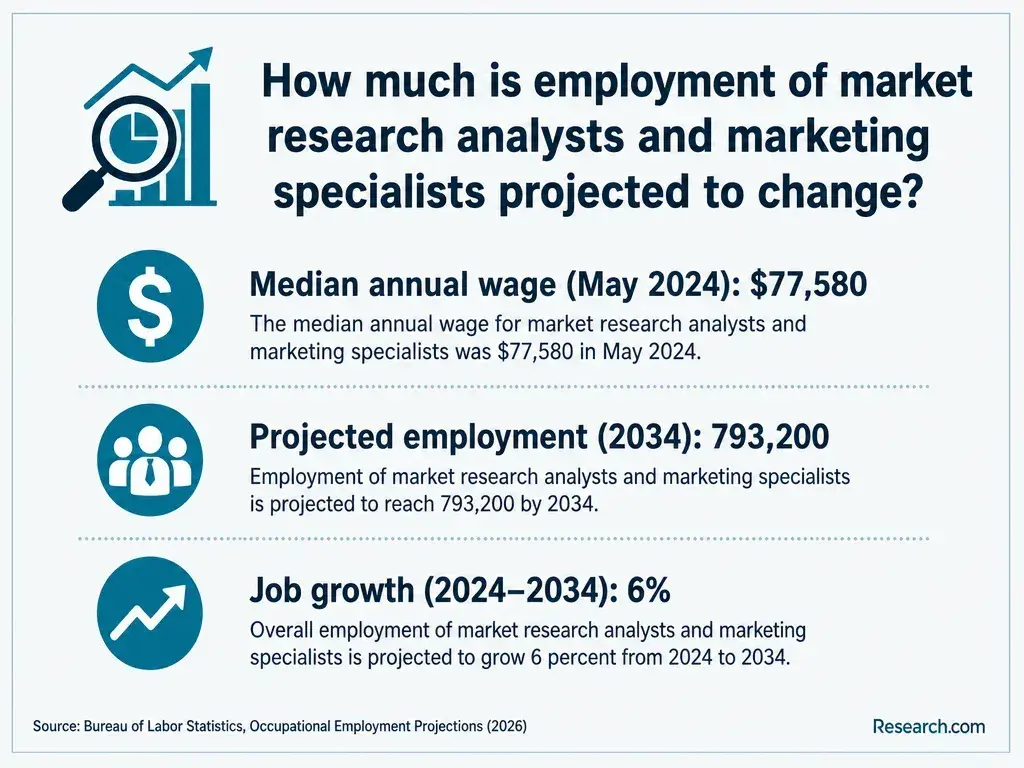
Neither an electrical engineering degree nor a second business degree establishes a personal salary. Pay depends on the occupation, experience, industry, location, and responsibilities. For one relevant comparison, the U.S. Bureau of Labor Statistics reports a May 2025 median annual wage of $102,320 for project management specialists and projects 7% employment growth from 2025 to 2035. Those figures cover workers throughout the occupation, not newly qualified engineers or graduates of a particular program.
To evaluate a degree financially, compare openings for the roles you would realistically pursue with and without it. Record their stated education requirements and pay ranges, then weigh any plausible change in opportunities against your personalized education cost and time away from work. Do not compare an experienced manager's median wage with your current pay as though the difference were the degree's return. If supply-chain roles look more relevant than broad management roles, explore lower-cost supply chain completion routes before paying for a second generalist credential.
How should you choose an accredited business administration program?
Start with recognized institutional accreditation, then verify whether any claimed business accreditation - such as AACSB, ACBSP, or IACBE - actually covers the school or program you would enter. Business accreditation and institutional accreditation have different scopes; neither proves that your engineering credits will satisfy major requirements or that graduates obtain particular jobs.
Compare programs using written second-degree audits, remaining required courses, total estimated charges, course availability, and support for your target role. Ask career services whether engineers can access relevant employer projects or recruiting, and ask faculty whether an engineering workplace project could meet a course requirement. Employment does not automatically earn academic credit, and any use of company information requires the appropriate permissions.
If you are considering a narrower move into people operations, a human resources program selection guide can help frame that comparison. Choose the general business degree only if its approved plan - not its title or advertising - offers enough additional value over targeted study and the experience you can build at work.
Other Things You Should Know About Business Administration
Usually, a double major must be completed under a school's rules before the first degree is awarded. Ask your original university whether post-baccalaureate coursework, a certificate, or another credential is available instead.
Not necessarily. MBA programs commonly consider applicants from non-business backgrounds, though admissions standards and any preparatory coursework vary. Check whether the program fits your experience and goals.
It does not replace engineering education, examinations, experience, or state licensing requirements. Check your state engineering board's rules for your specific situation.
Only within your employer's confidentiality and intellectual-property rules. Obtain permission where needed, remove sensitive information, and distinguish your own contribution from the team's work.
- School-Determined Requirements - FSA Partner Connect https://fsapartners.ed.gov/knowledge-center/fsa-handbook/2026-2027/vol1/ch1-school-determined-requirements
- Fast Facts: Tuition costs of colleges and universities (76) | ed.gov https://nces.ed.gov/fastfacts/display.asp
- Eligibility Requirements | Federal Student Aid https://studentaid.gov/understand-aid/eligibility/requirements
- Degree Requirements - myRBS - Rutgers University https://myrbs.business.rutgers.edu/undergraduate-new-brunswick/degree-requirements
- Degree Requirements & Business Majors | wichita.edu https://www.wichita.edu/academics/business/advising/business-majors.php
- Second Bachelor's Degree - TXST Admissions https://www.admissions.txst.edu/future-students/other-admission-types/second-bachelors.html
- Business Administration Major: Degree Requirements | Eastern Connecticut State University https://www.easternct.edu/business-administration/programs-of-study/majors/business-administration-major-degree-requirements.html
- Transferring Courses - The University of Texas at San Antonio https://catalog.utsa.edu/undergraduate/bachelorsdegreeregulations/transferringcourses/
- Online College Costs and Financial Aid | Colorado State University Global https://csuglobal.edu/tuition-aid
- Bachelor of Arts in Business Administration | New England College https://www.nec.edu/programs/bachelor-of-arts-in-business-administration