2027 Industry Demand for Exercise Science Master's Graduates: Job Outlook & Hiring Trends

Co-Founder and Chief Data Scientist
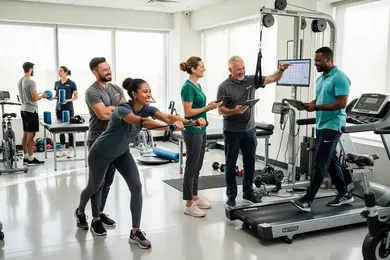
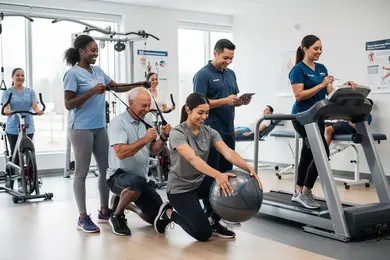
A master's in exercise science can be valuable, but it is not an automatic shortcut to a high-paying clinical or sports performance role. The degree pays off best when it is paired with the right certifications, supervised experience, technology skills, and a clear target industry. That matters more in 2026 as employers sort candidates not only by education level, but also by licensure readiness, practical portfolio evidence, and ability to work across healthcare, wellness, rehabilitation, and performance settings.
The demand for exercise science master's graduates is tied to more specialized roles such as clinical exercise physiologists, strength and conditioning coaches, wellness program directors, rehabilitation coordinators, and performance analysts. Employers increasingly expect candidates to understand data, compliance, client management, wearable technologies, and interdisciplinary care. The National Center for Education Statistics reports a 12% rise in enrollment for online graduate health programs since 2022, which reflects a broader shift toward flexible graduate study for working adults who cannot pause their careers to attend full time.
This guide explains where exercise science master's graduates are being hired, which job titles and skills matter most, how salaries compare with other advanced degrees, and what students should consider before investing in a program. It is designed for career changers, adult learners, working fitness professionals, and health science graduates who want a practical view of the labor market before committing time and tuition.
Key Things to Know About Industry Demand for Exercise Science Master's Graduates
- Specialized certifications increasingly complement master's credentials, reflecting employer demand for distinct competencies; this intensifies hiring criteria, pressuring candidates to pursue targeted skill sets beyond the core curriculum.
- Workforce shifts toward interdisciplinary roles in wellness and rehabilitation widen opportunities but require graduates to navigate hybrid job functions, impacting career trajectory clarity and market positioning.
- Growth in online master's enrollment-up 25% since 2022 per a 2024 NCES report-enhances access for adult learners but often extends time to degree, necessitating cost-benefit analyses aligned with professional timing.
What is the Current Job Outlook for Exercise Science Master's Graduates?
The job outlook for exercise science master's graduates is strongest for candidates who match their degree to a defined employment lane. The market is not driven by a single broad category called “exercise science.” Instead, demand varies by setting: hospitals may prioritize clinical credentials, athletic organizations may look for strength and conditioning experience, and corporate wellness employers may value program design, coaching, and outcomes reporting.
- Clinical and rehabilitation demand is credential-sensitive. Healthcare employers often prefer or require certifications such as the Certified Clinical Exercise Physiologist (CEP) or other ACSM credentials. A master's degree can strengthen a candidate's profile, but it may not replace certification, supervised experience, or state-specific requirements where applicable.
- Wellness and prevention roles remain accessible but competitive. Corporate wellness, community health, and outpatient prevention programs may hire master's-trained candidates to design interventions, manage clients, and report health outcomes. These roles can be attractive for graduates who want applied work without pursuing a licensed clinical profession.
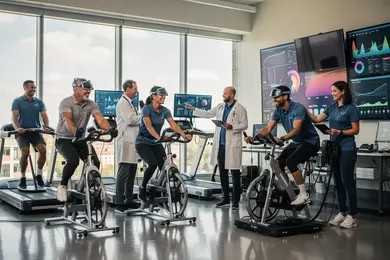
- Technology skills are becoming a hiring advantage. Employers increasingly use wearable devices, digital coaching platforms, movement analysis tools, and electronic health records. Graduates who can interpret data and explain it clearly to clients, patients, coaches, or clinicians are better positioned than those with only classroom knowledge.
- Location still matters. Large metropolitan areas with hospital systems, sports organizations, universities, and corporate employers usually offer more varied roles. Smaller markets may have fewer specialized openings, which can make networking, internships, and remote-friendly wellness experience more important.
- Career advancement often requires stacked credentials. Graduates may need additional certifications, leadership experience, or interdisciplinary training to move into higher-responsibility positions. Without those additions, salary growth and role autonomy can be limited.
For prospective students, the key question is not simply whether the field is growing. The better question is whether a specific program prepares graduates for the roles available in their target region or industry. When comparing program formats, it can help to look at how other health fields structure flexible professional training; for example, some students reviewing broader healthcare options also examine online PharmD programs to understand how cost, scheduling, and credential alignment affect long-term career planning.
Which Industries Hire the Most Exercise Science Master's Graduates?
Exercise science master's graduates are hired most often by organizations that need applied expertise in movement, performance, prevention, rehabilitation, and health behavior. The strongest fit depends on whether the graduate is trained for clinical work, coaching and performance, research, or program management.
- Healthcare and rehabilitation. Hospitals, outpatient clinics, cardiac rehabilitation programs, and sports medicine practices may hire graduates as clinical exercise physiologists, rehabilitation coordinators, or exercise specialists. These employers tend to scrutinize certifications, patient safety knowledge, documentation skills, and experience with chronic disease populations.
- Fitness, wellness, and community health. Private fitness companies, corporate wellness vendors, nonprofit organizations, and community health programs use exercise science graduates to build programs, coach clients, track outcomes, and support preventive health initiatives. Leadership and client communication are especially important in these settings.
- Sports performance and athletics. Colleges, professional teams, training facilities, and performance centers hire for strength and conditioning, biomechanics, athlete monitoring, and performance analytics. These roles can be highly competitive and often require sport-specific experience, internships, and recognized certifications.
- Academic and research organizations. Universities, labs, and grant-funded projects may employ graduates in research assistant, lab coordinator, or applied science roles. Strong candidates usually bring research methods, statistical analysis, scientific writing, and field testing experience.
- Corporate and occupational health. Large employers may hire wellness specialists, ergonomic program staff, or occupational health professionals to reduce injury risk, support employee health, and manage workplace wellness initiatives. These roles often reward candidates who can connect exercise science with business outcomes and employee engagement.
Students who want the broadest employment flexibility should compare curricula carefully. Programs that include internships, applied assessment, health technology, and business or leadership coursework may translate more directly into employer needs than programs focused only on theory. For candidates still exploring the fitness and performance side of the field, related online fitness degrees can also help clarify how undergraduate and graduate pathways differ in scope, specialization, and career preparation.
What are the Most Common Job Titles for Exercise Science Master's Degree Holders?
Common job titles for exercise science master's graduates vary by employer type. A title that sounds similar in two organizations can involve very different responsibilities, credentials, and pay potential. Before applying, candidates should read job descriptions closely for required certifications, patient contact, supervisory duties, travel expectations, and performance metrics.
- Clinical Exercise Physiologist. This role is common in medical, rehabilitation, and chronic disease management environments. Employers typically expect strong knowledge of physiology, risk stratification, exercise testing, documentation, and clinical communication. Certifications can be central to eligibility.
- Strength and Conditioning Coach. This title is used in athletics, tactical performance, private training facilities, and school or university sports programs. Hiring managers usually look for coaching experience, program design skill, athlete monitoring, and sport-specific certification.
- Exercise Science Researcher. Research-focused roles involve study design, data collection, statistical analysis, literature review, and scientific reporting. These positions may be in universities, labs, healthcare systems, or sports science organizations.
- Wellness Coordinator. Wellness coordinators plan and manage health promotion programs for employers, community groups, or fitness organizations. The role often combines coaching, event planning, vendor coordination, outcomes tracking, and participant engagement.
- Performance Director. This is typically a senior or leadership-oriented title. It may involve supervising coaches, integrating sports science data, coordinating with medical staff, managing budgets, and setting strategy for athlete or client performance programs.
Job seekers should treat titles as clues, not guarantees. A “specialist” role may be entry-level in one organization and highly technical in another. A “director” title may require years of management experience even if the posting lists a master's degree as preferred rather than required. The best approach is to map each title to the employer's required credentials, daily tasks, and advancement path.
One graduate described spending weeks comparing postings labeled “exercise scientist,” “clinical exercise physiologist,” and “strength and conditioning coach.” The exercise helped them realize that their clinical certification and research background fit rehabilitation roles better than general fitness positions. That kind of title-based research can prevent wasted applications and help candidates focus on jobs where their master's training is most relevant.
How Does Salary for Exercise Science Master's Graduates Compare to Other Advanced Degrees?
Salaries for exercise science master's graduates are often more variable than salaries in licensed clinical professions. The degree can improve competitiveness and open specialized roles, but compensation depends heavily on industry, credentials, location, employer budget, and whether the position involves clinical responsibility, leadership, or revenue generation.
- Licensed healthcare degrees often have clearer salary pathways. Advanced degrees tied to required licensure, such as some nursing or physical therapy pathways, may lead to more standardized compensation because employers are hiring for regulated clinical responsibilities.
- Exercise science roles span different pay scales. A hospital-based clinical exercise role, a university research position, a private performance coaching job, and a corporate wellness role may all value the same master's degree differently.
- Certifications can influence earning power. Employers may reward candidates who combine graduate education with recognized credentials, especially when those credentials reduce training time or support compliance and safety expectations.
- Leadership changes the salary conversation. Graduates who move into program management, performance direction, wellness leadership, or operations roles may have stronger long-term earning prospects than those who remain in narrowly defined technician or assistant roles.
- Return on investment depends on program cost. Because salary outcomes vary, tuition, debt, work interruption, and employer tuition assistance should be weighed before enrolling.
Students comparing healthcare-adjacent careers may also review options such as a health information technology associate degree online to understand how different credentials can lead to different salary structures, technical responsibilities, and advancement routes. For exercise science specifically, the safest salary planning approach is to research target job postings in the student's intended region before choosing a graduate program.
What Hiring Trends are Shaping Demand for Exercise Science Master's Talent?
Hiring trends in exercise science point toward specialization, proof of applied skill, and comfort working with data and technology. Employers still value physiology and biomechanics, but they increasingly want candidates who can translate those concepts into measurable outcomes for patients, athletes, employees, or clients.
- Certifications are used as screening tools. A master's degree may get attention, but certifications often help employers determine whether a candidate is ready for a specific role. This is especially true in rehabilitation, clinical exercise physiology, and strength and conditioning.
- Hands-on experience is becoming harder to ignore. Internships, practicums, lab work, coaching logs, case studies, and supervised clinical experience give employers evidence that a graduate can apply knowledge safely and consistently.
- Data fluency is increasingly expected. Employers may use electronic health records, client management software, wearable devices, performance dashboards, and testing platforms. Candidates who can collect, interpret, and communicate data have an advantage.
- Interdisciplinary teamwork is central. Exercise science professionals may work with physicians, physical therapists, dietitians, athletic trainers, coaches, HR teams, and administrators. Strong communication and role awareness are essential.
- Flexible service delivery is expanding. Remote coaching, hybrid wellness programming, virtual check-ins, and digital monitoring are more common in some settings. Graduates who can deliver safe, professional services across formats may be more competitive.
The strongest candidates build a clear employment narrative: their degree explains the science, their certifications validate the specialty, their portfolio proves application, and their communication skills show they can work with real people and teams.
What Skills and Specializations are Most in Demand for Exercise Science Master's Roles?
The most in-demand skills for exercise science master's graduates are those that help employers solve practical problems: improving patient safety, reducing injury risk, supporting performance, managing wellness programs, and documenting measurable outcomes. A broad understanding of human movement is useful, but specialization is what usually makes a candidate stand out.
- Clinical exercise and chronic disease management. Skills in cardiopulmonary rehabilitation, exercise testing, risk assessment, and chronic disease intervention are valuable in healthcare settings. Employers want candidates who can design safe programs and communicate with medical teams.
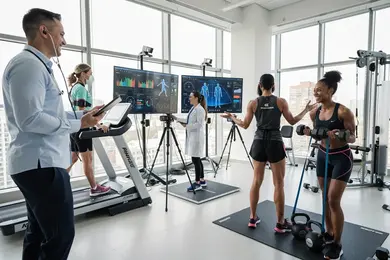
- Biomechanics and movement analysis. Motion analysis, wearable technology, force measurement, and performance testing are important in sports science, rehabilitation, and injury prevention roles. Candidates should be able to interpret results rather than simply operate equipment.
- Strength and conditioning program design. Athletic and performance employers look for evidence-based training plans, periodization knowledge, athlete monitoring, and the ability to adjust programming based on fatigue, injury history, and goals.
- Functional movement and injury prevention. Occupational health, community wellness, and fitness employers value candidates who can identify movement limitations, reduce risk, and create practical corrective strategies.
- Research literacy and data analysis. Graduates should be able to evaluate evidence, use data responsibly, and explain findings to nontechnical audiences. This skill is useful across research, wellness, performance, and clinical settings.
- Leadership and client communication. Program management, staff supervision, stakeholder reporting, and motivational coaching often determine whether a graduate can advance beyond technical delivery roles.
Students should choose specializations by working backward from target job descriptions. If most desired postings require ACSM or NSCA-related credentials, the program should support that preparation. If roles emphasize corporate wellness, coursework in behavior change, program evaluation, and communication may be more useful than a narrowly laboratory-based curriculum.
For professionals aiming at broader healthcare leadership, pairing exercise science expertise with management training may also be worth considering. An MBA in healthcare management can support career paths that involve operations, strategy, budgeting, or program administration rather than direct coaching or clinical service alone.
How Do Employers Describe the Value of Exercise Science Master's Graduates?
Employers usually value exercise science master's graduates for their ability to connect advanced scientific knowledge with practical decision-making. The degree is most persuasive when it signals that a candidate can assess needs, design safe interventions, measure progress, and communicate effectively with clients, patients, athletes, or organizational leaders.
- Advanced technical knowledge. Employers expect graduates to understand physiology, biomechanics, adaptation, recovery, and exercise prescription at a deeper level than bachelor's-trained candidates.
- Evidence-based judgment. Master's-trained professionals should be able to interpret research, question weak claims, and apply current evidence without overpromising results.
- Readiness for complex populations. In clinical or community settings, employers value candidates who can work safely with clients who have chronic conditions, limitations, or higher risk profiles.
- Professional communication. Graduates often need to translate technical information for patients, executives, coaches, parents, athletes, or healthcare providers. Clear communication can be as important as technical knowledge.
- Leadership potential. Employers may see the master's degree as preparation for supervising staff, managing programs, improving workflows, or contributing to strategic planning.
- Reduced training burden. Candidates with internships, certifications, practicum experience, and applied projects may require less onboarding than candidates with only classroom exposure.
One exercise science graduate said that during a late 2023 job search, a regional sports medicine employer spent less time discussing the capstone project than expected. The interview focused instead on interdisciplinary teamwork, client outcomes, and familiarity with biomechanical assessment tools. The experience showed that employers may respect academic work, but they hire based on evidence that the candidate can perform in real workplace conditions.
The lesson for job seekers is straightforward: present the master's degree as part of a complete readiness package. Pair it with certifications, supervised experience, case examples, measurable results, and a clear explanation of the populations or settings you are prepared to serve.
What ROI Do Exercise Science Master's Graduates Typically See from Their Degree Investment?
Return on investment for an exercise science master's degree depends on more than salary after graduation. Students also need to consider tuition, debt, time away from work, certification costs, internship requirements, and whether the degree leads to roles that are meaningfully better than those available with a bachelor's degree and experience.
- Program cost is central. A lower-cost accredited program may produce a stronger financial outcome than a more expensive option if both lead to similar roles. Students should calculate total cost, not just tuition per credit.
- Working while enrolled can improve ROI. Online or part-time formats may allow students to keep earning income while completing the degree. This can reduce opportunity cost, especially for adult learners with financial obligations.
- Employer support changes the equation. Tuition reimbursement, scholarships, assistantships, and professional development funding can shorten the time needed to recover the investment.
- Credential alignment matters. A program that supports relevant certification preparation, clinical hours, internships, or applied projects may produce better employment value than a program with limited practical exposure.
- Specialization affects payback speed. Graduates entering competitive or lower-paid wellness roles may need more time to see a financial return than those who move into higher-responsibility clinical, management, or performance positions.
- Advancement potential should be part of the calculation. ROI may be stronger when the degree helps a graduate move from service delivery into supervision, program direction, research coordination, or organizational leadership.
Prospective students should compare the cost of the degree with realistic job postings, not best-case career stories. A practical ROI review should include expected monthly loan payments, certification costs, local hiring demand, and the income the student may give up while studying.
What Job Search and Hiring Strategies Work Best for Exercise Science Master's Candidates?
The best job search strategy for exercise science master's candidates is targeted positioning. A general résumé that says “exercise science graduate” is usually weaker than an application that clearly matches a specific role, such as clinical exercise physiologist, wellness program coordinator, performance analyst, or strength and conditioning coach.
- Put role-specific credentials near the top. If a posting emphasizes ACSM, NASM, NSCA, or other recognized credentials, list relevant certifications prominently. Applicant tracking systems and recruiters often screen for these terms.
- Build a portfolio of applied work. Include case studies, program designs, assessment examples, research posters, coaching plans, intervention summaries, or data dashboards when appropriate. Employers want proof that you can apply your training.
- Customize keywords for each setting. Healthcare postings may use terms such as rehabilitation, chronic disease, documentation, and patient safety. Sports postings may emphasize periodization, testing, athlete monitoring, and performance. Corporate wellness postings may focus on engagement, program evaluation, and outcomes.
- Use internships strategically. Practicum and internship sites often become references, networking channels, or first employers. Treat these placements as extended interviews.
- Prepare for scenario-based interviews. Employers may ask how you would modify a program for a high-risk client, communicate with a medical provider, handle low adherence, or interpret conflicting assessment data.
- Research hiring cycles. Sports organizations, academic labs, healthcare systems, and corporate wellness programs may hire on different timelines. Applying at the right time can improve visibility.
Candidates should also be open to adjacent health roles if their skills fit another pathway. For example, those interested in data, documentation, and healthcare operations can compare exercise science opportunities with information-focused careers by reviewing resources on healthcare information management salary. This can help graduates decide whether to stay in direct exercise-related roles or pivot toward a related health systems career.
The strongest applicants explain their value in employer language: safer programs, better adherence, clearer reporting, stronger performance outcomes, improved client experience, or more efficient program management.
How Will Future Trends Like AI And Automation Affect Hiring for Exercise Science Master's Graduates?
AI and automation are likely to change exercise science roles rather than eliminate them. Basic tracking, scheduling, movement capture, and data collection can be automated, but employers still need professionals who can interpret results, account for human context, protect privacy, and design appropriate interventions.
- Data interpretation will matter more. Wearables and AI tools can produce large amounts of information, but clients and employers need trained professionals to decide what the data means and what action is appropriate.
- Routine assessments may become more technology-assisted. Graduates may spend less time manually collecting basic measurements and more time validating, explaining, and applying results.
- Ethical judgment will be a differentiator. Exercise science professionals must understand privacy, bias, consent, and the limits of algorithmic recommendations, especially when working with health data.
- Hybrid coaching models may expand. Remote monitoring, virtual check-ins, and app-based exercise programs can increase access, but they also require clear communication, documentation, and safety protocols.
- Continuous upskilling will be necessary. Graduates who stop learning after earning the degree may fall behind as assessment tools, software platforms, and digital health practices evolve.
Students evaluating graduate programs should ask whether coursework includes health technology, data analysis, telehealth or remote coaching practices, and applied ethical decision-making. A program that ignores these areas may leave graduates underprepared for the way employers increasingly deliver services.
Some learners exploring allied or transitional healthcare credentials may also compare exercise science pathways with LPN programs with easiest admission requirements, especially if they are weighing direct patient care against fitness, wellness, or performance-focused roles.
What Do Graduates Say About Industry Demand for Exercise Science Master's Graduates?
- : "Balancing a full-time job with my master's in exercise science was challenging, but I chose a program that offered evening classes to accommodate my schedule. The real hurdle came after graduation, where I found many employers prioritized hands-on experience and certifications over just having a degree. Thankfully, the internships I completed through my program helped build a portfolio that landed me a technician role, though I quickly learned advancing without further licensure could limit my salary growth. — Shmuel"
- : "I had to pivot careers within a tight one-year timeframe, so I opted for a condensed exercise science master's program focused on practical skills and industry connections. Despite the workload, this decision paid off as I secured an internship at a rehabilitation center, which proved more valuable than classroom learning alone. However, I noticed many job openings preferred candidates with remote work flexibility and quick workforce entry, so I had to weigh taking on extra certifications to stay competitive. — Shlomo"
- : "After graduating, the reality of competing with licensed professionals became clear when I entered the exercise science job market. Financial constraints initially kept me from pursuing licensure, so I decided to build experience through part-time roles instead. This approach gave me a steady workflow and allowed me to develop a robust portfolio, but it also meant slower career advancement and the need to continuously re-evaluate when to invest in further credentials. — Santiago"
Other Things You Should Know About Exercise Science Degrees
Given the variability in tuition and fees among exercise science master's programs, students must prioritize programs that strike a balance between affordability and curriculum relevance. Cheaper programs may lack depth in emerging specialties like clinical exercise physiology or performance enhancement, which are increasingly valued by employers. Students aiming for roles demanding cutting-edge knowledge should be prepared to invest more in accredited programs offering those concentrations, while budget-conscious learners might focus on versatile, generalist programs with strong foundational training.
Flexible, fully online or hybrid programs can greatly enhance accessibility for working professionals but may vary in practical training intensity. Employers often emphasize hands-on experience alongside theoretical knowledge, so programs integrating internships, lab work, or practicum components-even in virtual formats-tend to produce graduates who are immediately job-ready. Candidates should carefully assess how a program's structure aligns with their learning preferences and ensures sufficient applied experience to meet employer expectations.
While an advanced degree can open doors to specialized or leadership roles, it doesn't guarantee immediate promotion or salary gains without relevant practical experience. Some employers value certifications and on-the-job expertise as much as or more than advanced degrees. Prospective students should evaluate if their career goals truly require a master's or if targeted certifications coupled with work experience might yield comparable outcomes with less financial and time investment.
Accreditation plays a critical role in ensuring the quality and recognition of exercise science master's programs. In 2027, accredited programs offer credibility and meet industry standards, which can significantly enhance employability prospects. Employers often prefer graduates from accredited programs, ensuring alignment with professional requirements and state licensure guidelines.
References
- How to measure the return on investment of an international master’s degree - BOSS Publishing https://thebossmagazine.com/post/how-to-measure-the-return-on-investment-of-an-international-masters-degree/
- What does a career in Exercise Science look like? https://www.lmc.edu/about/news-center/articles/2025/what-does-a-career-in-exercise-science-look-like.htm
- Effective job search strategies https://agmu.edu/en/effective-job-search-strategies
- 6 Reasons a Master’s Degree in Exercise Science Can Transform Your Career https://experience.bastyr.edu/admissions-blog/masters-degree-in-exercise-science
- Artificial intelligence and the future of work: Disruptions and opportunities https://unric.org/en/ai-and-the-future-of-work-disruptions-and-opportunitie/
- 8 Rewarding Careers for Aspiring Exercise and Sport Scientists https://www.sacredheart.edu/news-room/news-listing/8-rewarding-careers-for-aspiring-exercise-and-sport-scientists/
- Top 20 Careers With a Master’s in Exercise Science | PLNU https://www.pointloma.edu/resources/health-sciences/top-20-careers-masters-exercise-science
- Graduates pivot careers due to AI and job automation https://ise.org.uk/knowledge/insights/431/graduates_pivot_careers_due_to_ai_and_job_automation/
- Is College Worth it? | Return on Investment Analysis of College Degree https://educationdata.org/college-degree-roi
- Exercise Science Careers: Paths with Degrees https://www.fitnessmentors.com/exercise-science-careers/