2027 How to Verify Accreditation for Health Studies Degree Programs

Co-Founder and Chief Data Scientist
Choosing a health studies degree program without verifying accreditation can lead to wasted time and money, especially since nearly 30% of prospective students face challenges with financial aid due to unaccredited schools. Accreditation assures that a program meets national education standards, impacting eligibility for licensure and employment.
This verification is crucial as the health industry increasingly demands graduates from credible institutions. This article will guide readers through methods to confirm accreditation status, safeguarding academic investments and supporting successful career outcomes in health studies.
Key Benefits of Accredited Health Studies Degree Programs
- Accreditation ensures academic quality through rigorous evaluation, enhancing program credibility and aligning curriculum with industry standards in health studies.
- Only accredited programs qualify students for federal financial aid, making education more accessible and reducing financial barriers.
- Employers and licensure boards prefer graduates from accredited health studies programs, improving job prospects and professional certification eligibility.
What Does Accreditation Mean for Health Studies Degree Programs?
Accreditation is a formal evaluation process that colleges and universities use to verify that their health studies programs meet established quality standards set by recognized accrediting bodies such as the Council on Education for Public Health (CEPH). This credential assures that the curriculum, faculty, and resources align with accepted benchmarks for effective health-related education.
According to data from the U.S. Department of Education, more than 80% of students enroll in accredited programs nationwide, highlighting the importance of accreditation as a key factor when evaluating health studies degree programs in the United States. Accreditation confirms a program's academic rigor and supports its credibility in the wider education community.
For students, the importance of accreditation in health studies academic quality and career readiness cannot be overstated. An accredited program has undergone thorough review to ensure it provides relevant, accurate, and current training critical to the healthcare field's evolving demands. This guarantees qualified faculty, adequate facilities, and comprehensive content that collectively foster a solid learning environment.
Prospective students interested in specialized tracks might also explore options through resources like an online pharmacy school, where accreditation similarly plays a crucial role in maintaining program standards.
What Types of Accreditation Should a Health Studies Degree Program Have?
Accreditation plays a vital role in determining the academic quality and legitimacy of health studies degree programs. Knowing the key types of accreditation can help prospective students ensure their program supports credit transfer, financial aid qualifications, and career goals. The following points explain essential accreditation categories to consider.
- Institutional Accreditation: This evaluates the overall quality and operations of the entire educational institution. It influences credit transferability and eligibility for federal financial aid, making it a foundational marker of academic standards.
- Programmatic or Specialized Accreditation: Targeted specifically at the health studies program, this accreditation confirms that the curriculum meets industry and professional standards. It enhances employer recognition and ensures students gain relevant skills for their careers.
- Regional and National Accreditation: Regional accreditation is generally more widely accepted and facilitates smoother credit transfers and graduate school admissions. In contrast, national accreditation often applies to vocational or career-focused institutions and may have different recognition levels within academia and employment.
- Licensure or Professional Practice Accreditation: Some health studies degrees require accreditation tied to professional licensure or certification. This is critical for graduates seeking qualifications to practice legally and advance in regulated healthcare careers.
When researching health studies degree accreditation agencies in the United States, it's important to verify these distinctions carefully. For students also interested in related fields, exploring DNP programs can provide additional insight into specialized healthcare education pathways.
How Can You Verify If a Health Studies Degree Program Is Accredited?
Verifying the accreditation of a health studies degree program is crucial to guarantee its educational quality, qualify for federal financial aid, and support career or licensure aspirations. Accreditation confirms that a program meets nationally recognized academic standards necessary for health-related professions.
Here are key methods to verify accreditation:
- U.S. Department of Education Database: Access the official database maintained by the U.S. Department of Education to search for the institution and program. This resource verifies if the program is currently accredited by a recognized agency and eligible for federal aid.
- Council for Higher Education Accreditation (CHEA): Check CHEA's listings to ensure that the accrediting body itself is acknowledged nationwide. This cross-check safeguards that your program's accreditation is legitimate and trusted across the country.
- Direct School Inquiry: Contact the admissions or registrar's office to request accreditation documentation. Reliable schools provide transparent information about their accreditation status and any recognized agencies overseeing the program.
- Programmatic Accreditation: Investigate whether the health studies program holds specialized accreditation from professional organizations. These credentials can affect job prospects and licensing requirements in your chosen field.
- Additional Resources: For those exploring affordable options related to health fields, consider researching programs like an affordable medical billing and coding certification as a potential pathway within health studies careers.
Identifying warning signs of unaccredited health studies programs is essential to safeguard academic recognition, maintain eligibility for financial aid, and secure future professional opportunities. Recognizing these indicators helps students avoid costly and ineffective education paths.
Here are several key red flags to watch for when assessing a health studies program:
- Claims of Lifetime Accreditation: Be cautious if a program advertises permanent or lifetime accreditation. Legitimate accrediting agencies perform periodic reviews to ensure continued program quality, so such claims often indicate misleading information.
- Unrecognized Accrediting Bodies: Verify whether the program's accreditor is a known and respected agency. If the institution cannot name a reputable organization or refers to unrecognized groups, the accreditation status is likely invalid. Use U.S. Department of Education or CHEA databases to confirm legitimacy.
- Extremely Low Tuition: Tuition fees significantly below average rates for health studies degrees may signal poor program quality or a lack of accreditation. While affordability matters, suspiciously low costs often reflect substandard education or missing regulatory approval.
- Vague or Misleading Descriptions: Programs that avoid clearly stating their accreditation status or promise quick, guaranteed degrees should raise concern. Transparent institutions openly communicate educational standards and accreditation details.
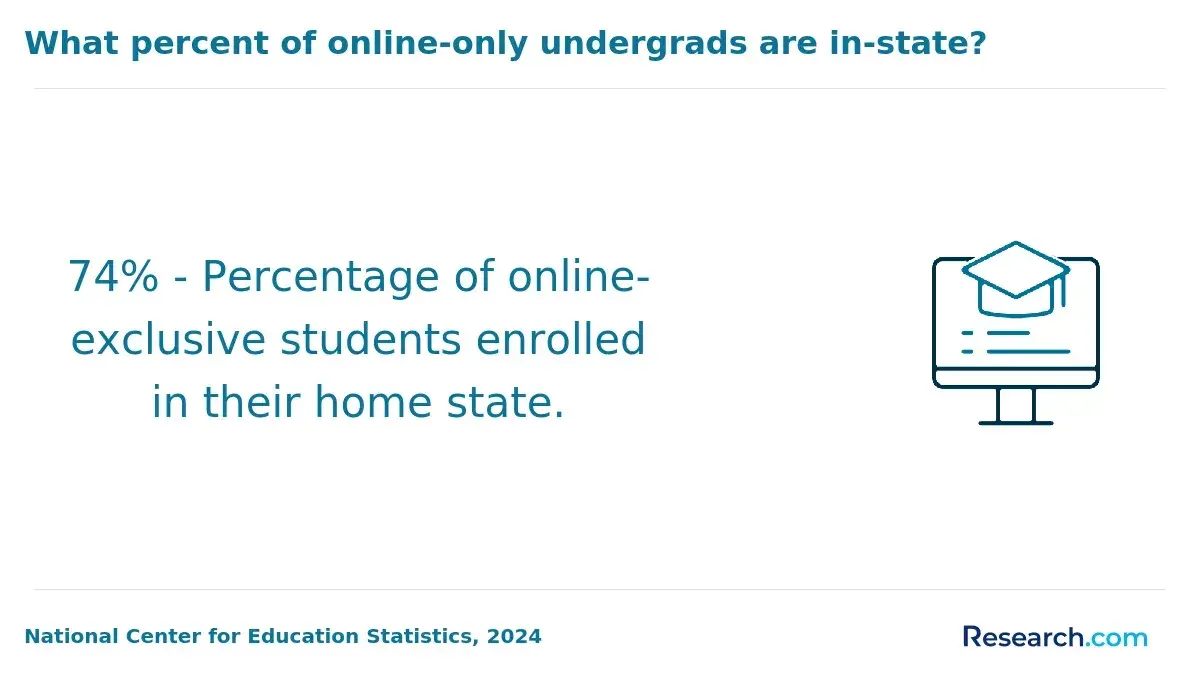
Online health studies degree programs can indeed be accredited, which is essential for ensuring educational quality, access to federal financial aid, and recognition by employers or licensing bodies. Accreditation agencies hold online programs to the same rigorous standards as traditional campus offerings, evaluating factors such as teaching effectiveness, student outcomes, and institutional governance. This alignment guarantees that online degrees maintain credibility and meet professional requirements.
Furthermore, data from the National Center for Education Statistics shows that over 30% of higher education students now enroll in at least one online course, highlighting the growing legitimacy and acceptance of these programs.
When speaking with a graduate of an online health studies degree program, he described navigating the accreditation verification process as initially daunting but ultimately reassuring. "I constantly double-checked the program's credentials before enrolling, because I wanted to avoid any surprises with certification later," he explained. He emphasized how important it was to him that the program's accreditation aligned with his career goals, helping him feel confident in the value of his degree despite the remote learning setting.
"Knowing that the program met the same standards as in-person courses made a big difference in how I approached my studies and future job prospects," he added, reflecting on the trust built through formal recognition.
Accreditation is a vital factor for students aiming to enter licensed or regulated health studies professions, as it often determines their eligibility for professional licensure. The following points highlight how accreditation influences various aspects of licensure and career opportunities.
- Licensure Exam Eligibility: Graduating from an accredited program is frequently required to qualify for certification or licensure exams. Without this, students may be barred from taking essential exams needed to practice legally in many health fields.
- Licensing Board Standards: State and regional licensing boards typically mandate graduation from accredited programs to maintain consistent professional standards and ensure public safety. This accreditation confirms that the educational experience meets rigorous quality criteria.
- Employer and Regulatory Recognition: Employers and regulatory agencies often recognize and prefer candidates holding degrees from accredited institutions, viewing this as a benchmark of competence and reliability in the healthcare workforce.
- Limitations Without Accreditation: Students in non-accredited programs may face multiple setbacks, including ineligibility for federal financial aid, difficulty transferring credits, and barriers to employment in competitive healthcare environments.
Credits earned in an accredited health studies program can significantly impact a student's educational journey when changing schools, pursuing advanced degrees, or relocating. Knowing how these credits transfer is essential because it influences time to graduation and tuition expenses. Several key factors affect whether credits will be accepted by a new institution.
- Institutional Accreditation Type: Credits from programs accredited by recognized regional or national agencies carry more weight and are usually accepted more readily. This accreditation serves as a quality assurance measure that receiving schools rely on when evaluating transfer credits.
- Course Equivalency and Curriculum Alignment: Transfer approval depends largely on how closely the courses taken match the new school's curriculum in both content and rigor. The greater the overlap, the higher the likelihood credits will be recognized.
- Transfer Policies of the Receiving School: Each institution has specific rules about which credits they accept, who evaluates these credits, and what official documentation is necessary. Understanding these policies early can smooth the transfer process.
- Limits on Transfer Credits: Many colleges limit how many credits, especially upper-division or specialized courses, students can transfer in. This can affect degree progress and requires careful planning.
When I spoke with a graduate from a health studies degree program about her experience transferring credits, she shared how complex the process was. "I had completed most of my general education and foundational courses, assuming they would transfer easily," she said, "but the new school's curriculum was structured differently, and not all my credits matched their course requirements." She described submitting detailed course descriptions and syllabi, sometimes waiting weeks for decisions.
Despite the hurdles, she noted staying persistent paid off: "It was stressful at times, but knowing which credits transferred helped me avoid retaking classes and kept me on track for graduation." Her story highlights the importance of thorough research and proactive communication when preparing to transfer credits within health studies programs.
Accreditation plays a crucial role in determining whether students can access federal, state, and institutional financial aid when enrolling in health studies programs. About 90% of federally aided students attend accredited programs, highlighting the importance of accreditation for securing funding. The following points outline the main factors linking accreditation to financial aid eligibility.
- Federal Aid Eligibility: Enrollment in an accredited institution is required to qualify for federal financial aid programs such as Pell Grants and federal student loans. Without accreditation, students lose access to these essential funding resources, which can significantly increase their educational expenses.
- State and Military Benefits: Many states limit their grants and scholarship programs to students attending accredited programs. Likewise, military Tuition Assistance is usually available only for accredited courses, restricting financial support options for those in unaccredited health studies programs.
- Institutional Scholarships: Colleges and universities often require students to attend accredited programs to be eligible for their own scholarships and grants. Accreditation serves as a quality marker that institutions use to verify academic standards before awarding financial assistance.
- Financial Planning Impact: Confirming a program's accreditation status is vital for prospective students to maximize aid opportunities and minimize out-of-pocket costs, ensuring better financial planning throughout their studies.
Accreditation is a critical factor for students pursuing health studies degrees because it directly influences career prospects and employer confidence. A survey by the National Association of Colleges and Employers found that 72% of employers consider program accreditation important when evaluating recent graduates. This impacts several key areas relevant to employability and job market credibility.
- Employer Recognition: Healthcare organizations and public health agencies often require or strongly prefer candidates from accredited programs, interpreting accreditation as a sign of validated and consistent academic standards.
- Professional Credibility: Graduates from accredited health studies degrees carry a professional legitimacy that reassures employers about the quality and relevance of their training, making them more attractive hires.
- Certification and Licensure Eligibility: Many licensing boards mandate graduation from accredited programs before allowing candidates to sit for licensure exams, essential for legal practice and career advancement in health fields.
- Job Market Competitiveness: Accreditation can lead to better job opportunities and higher starting salaries, as accredited program graduates are often viewed as better prepared and more reliable by employers.
For students exploring affordable pathways in this sector, it's important to confirm program accreditation status to secure financial aid and future career benefits. Resources like cheap NP programs offer options that combine cost-effectiveness with accreditation integrity.
Overall, the benefits of accredited health studies degrees for job opportunities make this a vital consideration for anyone focused on long-term career success in healthcare and related fields.
Accreditation significantly influences earnings potential for graduates from health studies programs because it ensures program quality and is highly valued by employers. Research shows average earnings for graduates of accredited health studies degrees typically fall between $50,000 and $70,000 annually, compared to $40,000 to $55,000 for those from non-accredited programs. Several factors account for these wage differences.
- Employer Preference: Healthcare employers often prioritize candidates with degrees from accredited programs during hiring and promotion, viewing them as better prepared and more reliable.
- Eligibility for Advanced Positions: Graduates holding accredited degrees frequently qualify for supervisory or specialized roles that offer higher salaries and additional responsibilities.
- Industry Recognition: Accreditation signals to the healthcare field that the education received meets rigorous standards, increasing professional credibility among peers and employers.
- Long-Term Career Advancement: Accredited program graduates typically have greater access to continuing education and licensure opportunities, supporting sustained salary growth throughout their careers.
For students considering further education, exploring the cheapest BSN to DNP programs can also impact future salary outcomes. Confirming accreditation status remains a critical step in maximizing graduate salary outcomes from accredited health studies programs and ensuring eligibility for financial aid, licensure, and career advancement opportunities.
What Graduates Say About Their Accredited Health Studies Degree
- Brian: "I was genuinely excited to dive into my health studies degree, but I quickly realized how crucial accreditation was to ensure the quality and recognition of my education. I researched extensively by checking official accrediting bodies and university websites before enrolling. Completing an accredited program opened doors for me professionally and gave me confidence that my credentials were respected in the healthcare field. "
- Josie: "Reflecting on my health studies journey, learning to verify a program's accreditation was one of the most important steps I took. I contacted academic advisors and reviewed lists from trusted agencies to confirm the program's legitimacy. This diligence paid off because earning my accredited degree profoundly impacted my career advancement and professional credibility. "
- Daniel: "My approach to choosing a health studies degree was very methodical; the aspect of accreditation was paramount. I evaluated programs by consulting national accreditation directories and cross-referencing multiple official sources to be certain. Having completed an accredited degree has made a significant difference in how employers view my qualifications and has empowered me to pursue leadership roles confidently. "
Other Things You Should Know About Health Studies Degrees
In 2027, health studies degree programs are accredited by organizations such as the Commission on Collegiate Nursing Education (CCNE) and the Accrediting Bureau of Health Education Schools (ABHES). These bodies ensure programs meet established educational standards for quality and rigor.
To verify accreditation, students should check the program's status on the website of recognized accrediting agencies or the Department of Education. Look for documentation confirming current accreditation in 2027, or contact the accrediting body directly for confirmation.
In 2027, health studies degree programs typically undergo accreditation review every 5 to 10 years. The exact frequency can vary depending on the accrediting body and program type, ensuring consistent compliance with educational standards.
While credits from accredited health studies programs generally transfer more easily, acceptance depends on the receiving institution's policies. Students should verify if the new program recognizes the courses completed and if those credits apply toward their intended degree. It's advisable to consult academic advisors early in the transfer process to avoid unexpected credit losses.
- Online Tuition-Free Bachelor's Degree in Health Science (BHS) https://www.uopeople.edu/programs/online-bachelors/health-science/
- Accreditation Explained: Guidelines for Global Verification https://www.motaword.com/blog/understanding-accreditation-how-to-verify-institutions-globally
- Intealth https://www.intealth.org/accreditation/
- Master's in Public Health Salary - Master's in Public Health Degree Programs https://www.masterspublichealth.net/salary/
- What Type of Accreditation is Needed for a Master’s In Healthcare Administration? https://www.mha-online.org/faq/what-type-of-accreditation-is-needed-for-a-masters-in-healthcare-administration/
- Accreditation for Online Colleges and Healthcare Education https://www.edumed.org/resources/accreditation-for-online-colleges/
- Financial Aid Guide https://www.publichealth.org/resources/financial-aid/
- Federal Financial Aid - Institute of Health Sciences https://iohs.edu/financial-services/financial-aid/
- The role of accreditation in elevating global healthcare education standards https://www.worldhealthexpo.com/insights/accreditation/the-role-of-accreditation-in-elevating-global-healthcare-education-standards
- Fake Diplomas Pose Risk to Healthcare Employers | Clinician.com https://www.clinician.com/articles/fake-diplomas-pose-risk-to-healthcare-employers