2027 Which Schools Offer Flexible Start-Anytime Enrollment for a Health Studies Program?

Co-Founder and Chief Data Scientist
Balancing work, family, and education is a challenge for many aspiring health studies students. Surveys show that over 40% of adult learners seek flexible start dates to accommodate their complex schedules. This need is especially pronounced among working professionals aiming to enter or advance in healthcare careers without sacrificing existing commitments.
This article explores the benefits of flexible start-anytime enrollment options in health studies programs. It will guide prospective students through how these options create greater access and adaptability, helping them effectively plan their education around real-life demands and career goals.
Key Benefits of Flexible Start-Anytime Enrollment for a Health Studies Program
- Flexible start-anytime enrollment allows students to begin health studies programs at multiple points throughout the year, avoiding the rigid semester schedule of traditional institutions.
- This structure supports working adults by accommodating varied schedules, enabling part-time study without delaying career progression or income.
- Health studies programs with flexible starts have contributed to a 25% rise in online enrollment since 2020, reflecting increased demand among career changers and adult learners.
What Does "Start Anytime" Mean in a Health Studies Program?
Start anytime enrollment in health studies programs allows students to begin their coursework at various points throughout the year instead of waiting for fixed semester start dates. This flexible start model contrasts with traditional academic calendars, where enrollment usually occurs once or twice annually.
Course pacing remains structured but permits students to commence classes immediately upon enrollment, facilitating faster or more extended completion timelines. Access to course materials and learning platforms typically begins right away, supporting continuous study without interruption.
This is especially beneficial for adult learners, working professionals, and career changers, balancing education with other commitments.
Student progression in start-anytime courses is supported by ongoing advising rather than conventional admissions cycles. Advisors engage regularly with students to customize learning schedules, address challenges, and promote timely completion. This personalized approach enhances retention rates and success, with studies reporting increased persistence in such flexible arrangements.
Flexible entry dates reduce barriers for those needing staggered or immediate enrollment, while the ability to pace learning independently aligns education with varied personal and professional demands.
For those interested in advancing within healthcare, exploring options like pharmacy school online represents one accessible path within health education.
What Are the Admission Requirements for Start-Anytime Health Studies Programs?
Flexible start-anytime enrollment options in health studies programs are crucial for working adults and career changers balancing education with other responsibilities. Knowing the typical admission requirements helps prospective students identify programs that meet their needs and timelines.
Admission criteria for start-anytime health studies programs often emphasize accessibility and flexibility.
- Prior Education: Completion of a high school diploma or equivalent is commonly required. This foundational requirement ensures students have basic academic preparedness.
- GPA Requirements: A minimum GPA, generally around 2.5 on a 4.0 scale, is expected by many programs to gauge academic capability while maintaining reasonable access.
- Standardized Tests: Many start-anytime programs waive standardized tests altogether, focusing instead on providing educational opportunities without additional testing barriers.
- Professional Experience: Relevant healthcare experience or certification may be requested to demonstrate practical knowledge, especially for career changers.
- Documentation: Submission of transcripts, identification, and sometimes letters of recommendation are standard to verify academic history and applicant identity.
Understanding the eligibility criteria for flexible enrollment health studies helps students choose the right program that aligns with their situation. According to recent studies, 65% of adult learners value programs with flexible start dates, responding to workforce demands and life schedules.
For learners exploring options in advanced nursing, consider reviewing the easiest online DNP programs for examples of adaptable admission policies and schedules.
Can Transfer Students Enroll Immediately in Start-Anytime Health Studies Programs?
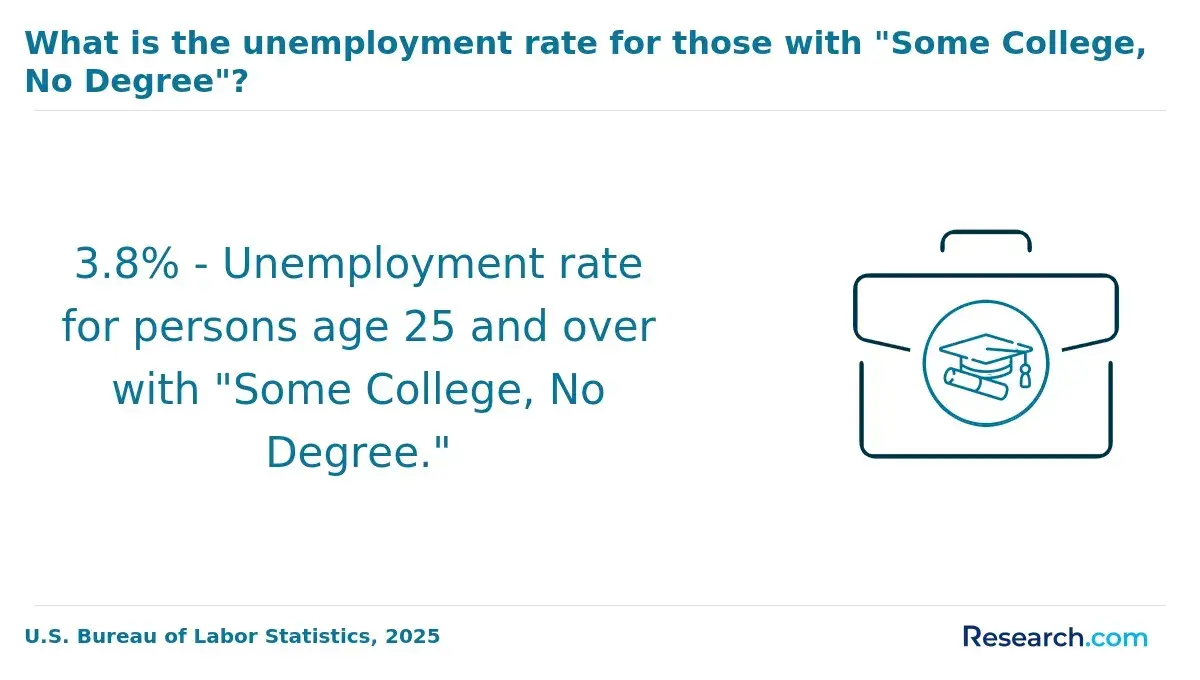
Transfer students aiming to join start-anytime health studies programs quickly need to carefully navigate institutional policies and procedural requirements. Flexibility in program start dates does not always guarantee immediate enrollment, making it essential to understand key factors that influence transfer acceptance and timing.
These factors include:
- Credit Evaluation: Schools require thorough reviews of previous transcripts to confirm alignment with their curriculum. This assessment can extend the enrollment timeline, especially if core or prerequisite courses don't fully match, potentially necessitating additional coursework.
- Prerequisite Alignment: Transfer students may need to complete bridge or foundational classes before beginning advanced study. Ensuring coursework covers essential subject areas reduces delays and supports academic success.
- Application Timing: Even programs with rolling admissions often expect transfer materials weeks in advance. Early submission is critical to provide time for credential verification and to secure a place in the desired term.
- Enrollment Eligibility: Policies vary widely; some institutions offer provisional enrollment before credit decisions, while others require full approval upfront. Understanding each school's stance helps manage expectations and avoid surprises.
When asked about her experience transferring into a start-anytime health studies program, a recent graduate shared that the process took several weeks due to transcript evaluation and prerequisite checks.
She noted, "Although I hoped to start immediately, it was reassuring that advisors stayed in close contact and clarified next steps throughout. The wait felt longer than it was because I wanted to begin right away, but once I was cleared, I was able to join the classes without further delay."
Her story emphasizes the balance between flexibility and necessary administrative steps for transfer students in these programs.
Flexible enrollment options are essential for students who need to fit their education into busy lives. Whether offered online or on campus, start-anytime health studies programs provide varied choices to accommodate different learning preferences and schedules.
The factors to consider include:
- Format availability: Most start-anytime health studies programs are available online or through hybrid models, offering accessibility for students who juggle work or family responsibilities. Fewer programs offer on-campus start-anytime options due to logistical challenges such as limited space and lab scheduling constraints.
- Scheduling differences: Online programs commonly employ asynchronous coursework, enabling students to access and complete assignments on their own timetable within each week. On-campus options generally follow fixed class meetings but may use accelerated or block scheduling to give some flexibility.
- Pacing and structure: Online learners benefit from self-directed pacing, while on-campus students may face more structured timelines, though modular course designs in some schools allow multiple start windows to support varied pacing needs.
- Accessibility considerations: Online formats eliminate geographical barriers, ideal for those unable to relocate or commute long distances, whereas on-campus programs require physical attendance, which can be a challenge for working adults.
- Balancing commitments: Online start-anytime health studies are often preferred by adults managing jobs and personal obligations, as they better accommodate irregular schedules. Employers also increasingly acknowledge these flexible credentials, enhancing the value for career changers and nontraditional students.
For those pursuing health studies, recognizing how start-anytime programs are organized can help with planning around personal and work commitments. These programs use flexible scheduling and course structures to provide continuous enrollment opportunities.
- Rolling Term Starts: Courses begin multiple times per year, often monthly or quarterly, allowing students to enroll whenever they are ready instead of waiting for traditional semesters.
- Modular Course Design: The curriculum is divided into focused units, letting students concentrate on a small number of subjects at one time for improved comprehension and management.
- Flexible Pacing Options: Learners can choose between part-time or full-time paths, accommodating those balancing education with work or other responsibilities.
- Competency-Based Progression: Advancement depends on demonstrating mastery in course material rather than fixed term completion, enabling individualized timelines.
Understanding tuition payment options for flexible Health Studies programs is essential for prospective students seeking adaptable enrollment dates. These accommodate varying start times and help learners, especially working adults and career changers, manage education costs effectively while fitting study into personal and professional routines.
Below are some key facts:
- Per-term or per-module billing: Instead of traditional fixed-semester fees, many programs charge students only for the specific units or courses they begin. This billing style aligns tuition with each student's unique pace and enrollment dates.
- Installment plans: Most schools offer payment plans that divide tuition into two or more installments. These options spread costs over the term or module, reducing financial pressure compared to lump-sum payments.
- Payment deadlines: Deadlines are usually tied to individual start dates, requiring payment before or shortly after a course begins. This flexibility accommodates the varying enrollment timings of start-anytime Health Studies degrees.
- Financial planning support: To assist non-traditional students, many institutions provide resources coordinating payment schedules with personal circumstances and course milestones.
Research shows that over 40% of adult learners in health-related fields prefer programs that combine flexible start dates with adaptable tuition payment options.
Those considering accelerated options can explore specialized paths like a fast track healthcare administration degree, which often feature similar flexible billing models.
Transfer credit policies play a vital role for students pursuing flexible enrollment options, especially those returning to education after a gap, switching programs, or transferring from another institution. Here are some key facts:
- Prior Coursework Evaluation: Institutions usually require a detailed review of previous classes to ensure they match curriculum standards. This evaluation determines which credits are eligible for transfer.
- Credit Limits: Many programs cap transfer credits, commonly accepting between 25% and 75% of the total required credits. These limits vary widely depending on the institution's policies.
- Prerequisites: Transferred credits must often fulfill foundational course requirements. This ensures students have the necessary knowledge to progress within the program.
- Impact on Start Dates and Progression: Students with significant transfer credits might enter programs at advanced stages, potentially finishing sooner. However, some start-anytime formats restrict enrollment to certain periods to maintain academic standards and cohort consistency.
When I asked a student who recently switched into a start-anytime health studies degree program about his experience with transfer credits, he described mixed feelings at first.
"I was relieved that many of my previous courses could transfer, but the evaluation process was more complex than I expected," he shared. "Navigating different policies required patience, and waiting for a formal credit assessment delayed my start by a few weeks. Still, once accepted, being able to begin immediately without waiting for a traditional semester gave me the flexibility I desperately needed."
Accreditation plays a vital role for students considering flexible start-anytime health studies programs, as it guarantees the quality and credibility of their education.
Without proper accreditation, degrees may not be recognized by employers or licensing authorities, limiting career advancement opportunities. Therefore, verifying accreditation is essential before enrolling in any program to ensure that it meets established educational standards.
Two primary types of accreditation apply to health studies: regional and programmatic.
Regional accreditation covers the entire institution, which is important for transferring credits and qualifying for federal financial aid. Programmatic accreditation focuses on specific health-related fields and is granted by organizations such as the Council on Education for Public Health (CEPH) or the Commission on Accreditation of Healthcare Management Education (CAHME).
Programs with these credentials often align with licensure requirements and are trusted by employers, enhancing graduates' professional prospects. Prospective students should carefully confirm that their chosen program holds appropriate accreditation to secure recognition and smooth career pathways.
For prospective students considering start-anytime Health Studies degrees, employer recognition is a crucial factor in choosing flexible programs that fit busy schedules. Increasingly, employers accept degrees earned through non-traditional formats, reflecting a shift toward valuing skills and credentials over rigid enrollment timelines.
Here are several factors to consider:
- Program Accreditation: Employers place high trust in degrees from accredited institutions, especially those recognized by agencies like the Council on Education for Public Health (CEPH) or regional accreditors. Accreditation assures that the program meets established quality standards, which bolsters employer confidence in start-anytime Health Studies degrees.
- Industry Standards: Many healthcare organizations recognize shifting workforce demands and support flexible academic options that allow employees to reskill rapidly. This acceptance helps ensure that flexible enrollment formats remain aligned with professional expectations and do not compromise educational outcomes.
- Skills and Competencies: Employers prioritize the practical skills and applied knowledge students gain, such as clinical abilities and interprofessional collaboration. Programs emphasizing these core competencies tend to be valued more highly than those focusing solely on theoretical knowledge.
- Professional Reputation: Health studies as a field enjoys strong professional credibility rooted in evidence-based practice and alignment with industry needs. This reputation helps mitigate employer skepticism around non-traditional enrollment schedules and highlights the field's relevance to contemporary healthcare challenges.
For learners researching nursing degree options, exploring affordable nursing programs online can offer valuable insights into the cost-effective pathways available within the broader realm of health education.
Choosing a start-anytime health studies program requires evaluating multiple factors to ensure the program fits individual needs and career goals. Prospective students, especially working adults and career changers, benefit from understanding these key aspects to select the most suitable option with flexible enrollment.
- Accreditation and program credibility: Verify that the program is accredited by reputable bodies such as the Council on Education for Public Health (CEPH) or recognized regional agencies. This accreditation guarantees the degree's validity and facilitates credit transfer or further education.
- Flexible format, pacing, and start dates: Programs offering flexible enrollment health studies programs with asynchronous or self-paced courses provide better alignment with busy schedules. Flexible start dates allow adult learners to begin when ready without waiting for traditional semesters.
- Credit transfer and prior learning acceptance: Confirm if prior college credits or relevant work experience can be applied toward program requirements. This can shorten the time to degree completion and reduce costs, particularly important for adult learners leveraging their existing knowledge.
- Cost, financial aid, and employer support: Understanding tuition fees and available financial aid options, including scholarships or employer reimbursement programs, helps manage expenses. Transparent financial policies contribute to effective planning for your educational investment.
- Employer recognition and career alignment: Select programs that include practical skills, certifications, and competencies aligned with industry needs. The Bureau of Labor Statistics projects a 15% growth in health occupations through 2030, highlighting demand for qualified graduates ready to meet workforce requirements.
For those seeking budget-friendly options, exploring the cheapest online RN to BSN programs can provide valuable insights.
What Graduates Say About Flexible Start-Anytime Enrollment for a Health Studies Program
- Rachel: "Enrolling in a health studies degree program with start-anytime enrollment was a game-changer for me. The flexibility allowed me to balance work and school effortlessly, and the cost was surprisingly affordable compared to traditional programs, around $15,000 total. Thanks to this degree, I've secured a fulfilling role in healthcare management, and I feel confident recommending this path to anyone looking for a practical yet impactful education."
- Robbie: "When I first discovered that health studies programs offered start-anytime enrollment, I felt relieved because I didn't want to wait months to begin. The tuition was reasonable, which made it easier to commit without financial stress. Reflecting on my career growth, this degree has opened doors in community health outreach and given me vital skills that I use every day."
- Lisa: "Choosing a health studies degree with flexible start dates suited my busy lifestyle perfectly. Though the cost was moderate, roughly in the range of $12,000 to $18,000, the investment was worthwhile because it provided me with immediate career advancement opportunities. Professionally, this credential has equipped me with essential knowledge and credibility in public health sectors, strengthening my role as a practitioner."
Other Things You Should Know About Health Studies Degrees
Start-anytime health studies programs may have limitations on course availability, especially for labs or clinical components that require in-person attendance. While the flexibility is advantageous, students should verify that desired courses fit their schedules and fulfill degree requirements.
Most start-anytime health studies programs accept transfer credit only after an official transcript review. Schools often cap transfer credits at 30–90 semester hours, require a minimum 2.0 GPA, and reject credits older than 5 to 10 years for science courses.
Financial aid offerings generally remain similar for start-anytime health studies students compared to traditional enrollment schedules. However, because students may start mid-term or outside typical academic calendars, some institutions require faster financial aid packaging or adjusted disbursement timelines. It is important to consult financial aid offices early to understand how aid eligibility and deadlines might shift with flexible enrollment.
- Rasmussen University - Online and On Campus | Rasmussen University https://www.rasmussen.edu/
- Why Flexible Learning Schedules Matter https://medixcollege.ca/Home/NewsArticle/why-flexible-learning-schedules-matter/
- All about Flexible Learning: What it is, how it works, and who it’s for https://www.bcit.ca/news/stories/all-about-flexible-learning/
- Course registration https://student.uva.nl/en/information/course-registration
- Online Colleges That Accept Transfer Credits https://thebestschools.org/resources/transfer-credits-online-colleges/
- Understanding your LJMU timetable https://www.ljmu.ac.uk/students/before-you-arrive/your-ljmu-timetable
- Unlock Your Potential With SJVC: Discover the Benefits of Flexible Online Learning https://www.sjvc.edu/blog/unlock-your-potential-with-sjvc-discover-the-benefits-of-flexible-online-learning/
- Clinical Trial Enrollment: 6 Things to Expect From The Process https://lhsi.net/clinical-trial-enrollment-things-to-expect-from-the-process/
- Bachelor of Health Online | UC Online | UC Online https://uconline.ac.nz/courses/bachelor-of-health
- Can I Earn a Health Care Management Degree if I Work Full-Time? - Healthcare Management Degree Guide https://www.healthcare-management-degree.net/can-i-earn-a-health-care-management-degree-if-i-work-full-time/