2027 How to Compare Health Studies Degree Programs Effectively

Co-Founder and Chief Data Scientist
Choosing the right health studies degree program poses challenges for students balancing career goals, cost, and scheduling flexibility. Many programs vary widely in curriculum focus, practical training opportunities, and faculty expertise. Recent data shows that employment for health education specialists is projected to grow 13% from 2022 to 2032, reflecting rising demand in public health sectors.
This growth underscores the need for informed program selection to maximize job prospects. This article examines key factors such as accreditation, course content, internship availability, and program delivery methods to help prospective students make well-rounded comparisons and informed decisions.
Key Benefits of Comparing Health Studies Degree Programs Effectively
- Verify program accreditation to ensure credibility and eligibility for certifications; over 90% of employers prioritize degrees from accredited institutions in health-related fields.
- Assess curriculum focus and specialization options to match career goals, such as public health or health administration, for targeted skill development.
- Consider cost relative to potential salary gains; data shows health studies graduates earn 15% more on average than non-degree holders, impacting return on investment.
What Types of Accreditation Should a Health Studies Degree Program Have?
Accreditation helps prospective students compare the quality, credibility, and long-term value of different health studies degree programs by ensuring they meet recognized academic and industry standards. Over 90% of employers prefer candidates who graduated from accredited institutions, emphasizing the importance of selecting programs with reliable accreditation.
When researching regional and national accreditation for health studies degrees, students should focus on the types of accreditation that define program excellence.
- Institutional Accreditation: This applies to the entire college or university, confirming overall educational quality. It impacts credit transferability, federal financial aid eligibility, and broad acceptance of the degree by employers and other academic institutions.
- Programmatic Accreditation: Specific to health-related programs, this ensures the curriculum meets industry standards and prepares students for licensure or certification. Agencies such as the Council on Education for Public Health (CEPH) often provide this specialized accreditation.
Recognized accreditation is particularly valuable for career changers and working professionals relying on employer recognition and flexible credit transfers. Accredited programs boost the likelihood of meeting licensure requirements, which are essential in many health roles.
For students prioritizing affordability and flexibility, resources like the best online pharmacy listings can provide guidance on economically viable options within health studies degree pathways.
What Specializations Are Offered in Health Studies Degree Programs?
Specializations in health studies degree programs enable students to tailor their education to specific career tracks and academic interests. Employment in health services is expected to increase by 16% from 2021 to 2031, reflecting growing demand for professionals with specialized skills. Below are common specialization options that help prospective students evaluate how each program aligns with their health studies career track options.
- Public Health: Focuses on population health, disease prevention, and health promotion, developing skills in epidemiology and health policy. Graduates often work in government agencies or nonprofit organizations dedicated to community wellbeing.
- Health Administration: Centers on managing healthcare organizations, emphasizing leadership, finance, and operations. This specialization prepares students for administrative roles in hospitals, clinics, and healthcare systems.
- Community Health: Concentrates on outreach and education within communities, improving health literacy and access. It aims to empower diverse populations through targeted health initiatives and programs.
- Health Informatics: Involves the use of technology and data management to improve patient care and health systems efficiency. Skills gained here meet the rising need for experts who can handle electronic health records and data analysis.
Choosing a specialization that aligns with your goals can also support pursuing advanced studies, including options like online DNP programs without dissertation, enhancing career advancement opportunities within the healthcare sector.
How Can You Compare Courses Across Health Studies Degree Programs?
Comparing courses across health studies degree programs is essential for prospective students to assess program rigor, skill development, and alignment with career goals. Research shows that students in programs with well-structured, comprehensive curricula experience a 15% higher course completion rate, highlighting the importance of curriculum depth in academic success. Practical strategies can guide students in this evaluation:
- Reviewing Course Descriptions: Examining course outlines helps gauge the scope and focus areas, revealing whether programs emphasize theoretical knowledge or practical skills essential for job readiness.
- Assessing Syllabi: When available, detailed syllabi show expected workload, types of assessments, and opportunities for skill growth, enabling clearer comparisons of academic demands.
- Comparing Required vs. Elective Courses: Understanding this balance clarifies program flexibility and the potential to specialize in areas that match individual career goals.
- Evaluating Internships or Practicum Components: Hands-on experiences are vital for applying classroom learning in real-world settings, which can significantly enhance job readiness and professional networking.
- Checking Alignment With Certification Requirements: Ensuring courses meet licensure or certification standards confirms direct contribution to professional qualifications within health fields.
Using these criteria is a reliable way to determine how to compare health studies course content effectively and select programs that fit your academic needs and future employment objectives. Additionally, prospective students exploring specialized paths might consider resources such as medical billing and coding classes online for targeted skill development and career advancement.
Flexible scheduling plays a key role for students selecting health studies degree programs, as it accommodates varying personal and professional responsibilities. Considering available scheduling options helps students find programs that fit their unique circumstances. Here are important scheduling features to evaluate when comparing programs:
- Class Formats: Programs may offer in-person, fully online, or hybrid formats. Online and hybrid options often allow asynchronous participation, giving students the freedom to study on their own timetable within deadlines.
- Evening and Weekend Classes: These schedules support learners who work traditional hours or have daytime obligations, providing alternatives to typical daytime classes.
- Part-Time or Full-Time Enrollment: Flexible enrollment policies let students adjust their course load based on other life commitments, helping them balance education with work or family.
- Support for Non-Traditional Students: Many health studies programs provide resources and accommodations designed specifically for those juggling education with jobs, childcare, or other duties, aiding persistence and completion.
By carefully assessing these scheduling components, prospective students can choose health studies degree programs that align with their lifestyle and optimize the chances of academic achievement.
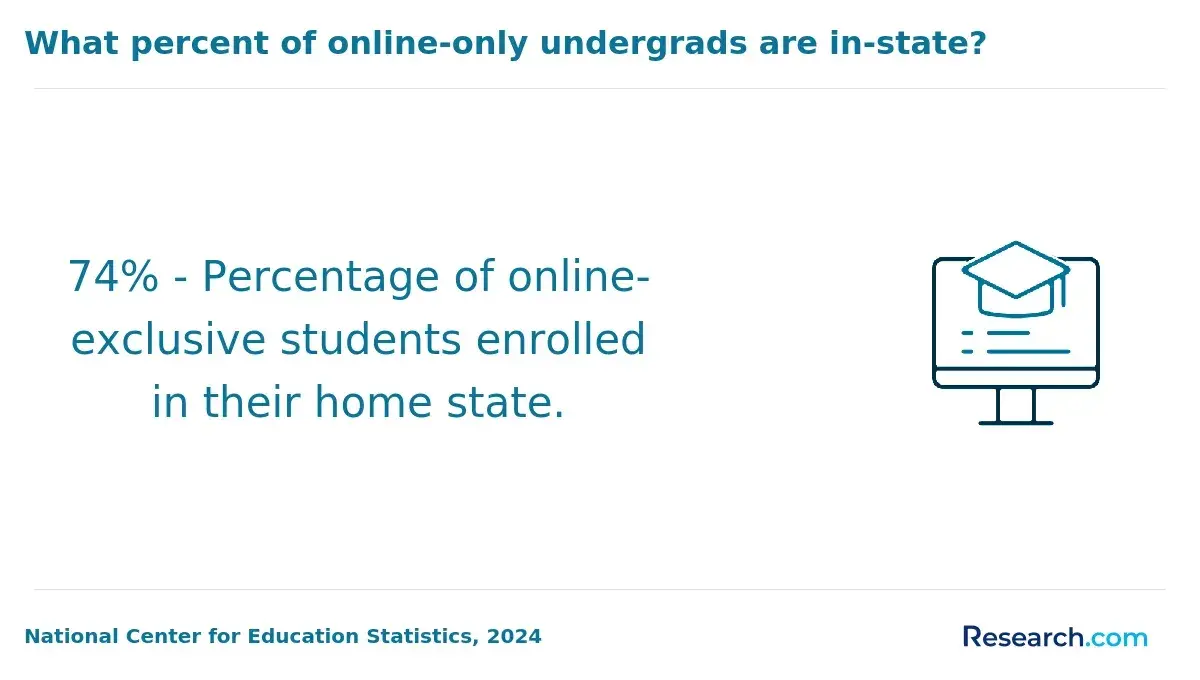
Choosing a health studies degree delivery format significantly impacts a student's learning experience, time management, and career preparation. In 2020, nearly 35% of higher education students attended only online classes, demonstrating a growing preference for virtual learning. This shift makes it essential to weigh the strengths and weaknesses of online versus campus-based programs.
Online Programs
- Flexibility: Online degrees offer adaptable schedules, allowing students to balance education with jobs or family responsibilities, making them ideal for those needing more control over their time.
- Program Variety: Students can access numerous programs regardless of location, broadening opportunities that may not be available locally.
- Limited Hands-On Experience: Online formats often lack practical labs or clinical work, which are critical for developing essential skills in healthcare.
- Networking Challenges: Fewer chances to interact face-to-face with peers and instructors can reduce opportunities to build professional connections vital for career advancement.
Campus-Based Programs
- Structured Environment: Regular class schedules and in-person interactions promote consistent engagement and discipline in coursework.
- Practical Learning: Access to labs and on-site mentorship helps students gain hands-on experience, enhancing skill development.
- Stronger Networking: Direct contact with faculty and fellow students often leads to lasting professional relationships and better job prospects.
- Logistical Demands: Commuting or relocating can be costly and time-consuming, which might deter some students from choosing campus options.
A graduate who completed an online health studies degree shared how he weighed these factors. He recalled feeling overwhelmed by the sheer number of programs and unsure how to compare them effectively. "I spent hours listing pros and cons, trying to predict what I'd miss by not being on campus," he explained. He emphasized that managing work alongside studies was a priority, but he also worried about missing hands-on practice and personal connections.
Ultimately, he chose a program offering virtual labs and active online forums, which helped bridge the gaps. "It wasn't perfect, but being proactive about seeking mentorship and networking online made a big difference," he said. This reflective process highlighted the complexity behind deciding between online and campus-based health studies degrees.
GPA requirements play a significant role when evaluating health studies degree programs because they indicate the academic standards students must meet. These criteria also reveal how programs assess qualifications, so it's helpful to understand different approaches. Consider the following key variations:
- Admissions Competitiveness: Some programs enforce a firm minimum GPA, often near 3.0, reflecting selective entry and high academic expectations.
- Flexible Thresholds: Other programs accept students with lower GPAs by weighing additional qualifications like relevant work experience, personal statements, or recommendation letters.
- Holistic Evaluation: Many programs incorporate a broad review process that looks beyond grades, allowing applicants to highlight unique strengths and potential contributions.
- Subject-Specific Emphasis: Certain programs prioritize grades in prerequisite courses such as biology, chemistry, or math instead of overall GPA, recognizing mastery in key areas.
- Institutional Priorities: Differences in GPA policies typically align with each program's mission, educational philosophy, and focus area, influencing how candidates are assessed.
By analyzing these factors, prospective students can better match their academic profiles with programs that value the aspects of their background most relevantly, aiding in a more informed decision-making process.
Comparing tuition is a crucial step for prospective students weighing health studies degree programs, as it directly impacts both immediate finances and long-term debt. With average student debt for health-related graduates surpassing $30,000, understanding the full cost picture is vital. Here are key factors to consider when evaluating tuition expenses:
- Total Program Cost: Look beyond base tuition to include mandatory fees, course materials, and technology charges, which often add up significantly and affect overall affordability.
- Cost Per Credit: Assess how much each credit hour costs, especially if you plan on part-time enrollment, since this rate can vary widely and influence your planning and budgeting.
- Additional Fees: Identify hidden or one-time fees such as lab access, software licenses, or administrative costs that differ between programs and can inflate expenses beyond advertised tuition.
- Financial Aid: Factor in scholarships, grants, and aid programs available at each institution, as these can substantially reduce direct costs and make more expensive programs accessible.
- Employer Tuition Benefits: If you're currently employed, investigate whether your employer offers tuition reimbursement or education benefits, which can offset costs and make certain programs more feasible.
- Long-Term Value: Consider career outcomes, licensure preparation, networking opportunities, and graduate success rates to evaluate if a higher upfront investment leads to stronger returns over time.
When I asked a graduate who completed a health studies degree about her experience comparing tuition, she shared how challenging it was to navigate the varying fee structures and hidden costs. "I initially focused on tuition rates alone," she recalled, "but then realized that required technology fees and lab costs made a big difference."
She emphasized how reaching out to current students and financial advisors helped her understand aid options and employer benefits she hadn't considered before. Reflecting on the process, she noted, "It wasn't just about the cheapest program but finding the one that balanced cost with the right support and career preparation." Her approach highlights the importance of a comprehensive, personalized comparison rather than relying solely on sticker prices.
Aligning a health studies degree with licensure requirements is vital for students targeting regulated careers or planning career shifts. Nearly 25% of U.S. workers hold jobs that mandate a license or certification, underscoring how crucial this alignment is for professional success. Consider the following key factors when evaluating degree programs:
- Curriculum Alignment: Verify that the program addresses the specific competencies required by your state or profession to ensure practical readiness and compliance with licensure standards.
- Accreditation: Confirm the institution's accreditation status from recognized agencies, as this affects program legitimacy and eligibility to sit for licensing exams.
- State-Specific Requirements: Licensure criteria often differ by state, so check if the degree program incorporates or adapts to these regional variations.
- Supervised Experience: Investigate whether clinical hours, internships, or practicum opportunities are integrated to fulfill mandatory experiential learning for licensure.
- Exam Eligibility: Ensure that the curriculum qualifies graduates to apply for and successfully complete any necessary licensing or certification examinations.
Carefully weighing these elements guarantees that a health studies degree not only equips students with knowledge but also facilitates a seamless path to licensure and professional practice.
Career placement rates are a vital indicator of how well a health studies program prepares graduates for employment. With some programs boasting graduate employment rates above 85% within six months of graduation, these statistics highlight the effectiveness of aligning education with industry demands. Factors to consider when evaluating programs include the following:
- Employer Partnerships: Strong connections with healthcare organizations create pipelines for job opportunities. Programs that cultivate these partnerships often have enhanced placement rates due to targeted recruitment.
- Internship Pipelines: Hands-on experience through internships is essential for developing practical skills. Quality internships not only build résumés but often lead directly to job offers upon graduation.
- Alumni Outcomes: Tracking graduate success provides insight into a program's long-term impact. Testimonials and employment data from alumni help prospective students gauge career trajectories.
- Program Support Services: Dedicated career resources like job fairs, workshop sessions, and interview coaching improve a student's readiness and confidence entering the workforce.
Students seeking the top health studies degrees for employment success should look for transparency in placement data and robust career supports. One can also explore affordable options by reviewing cheap NP programs, which may align with budget and scheduling needs while maintaining strong career outcomes.
Post-graduation salary outcomes are a key comparison metric for prospective students pursuing health studies degree programs because they provide insight into the financial benefits of different career paths. Median annual wages for health educators recently averaged around $60,000, offering a useful benchmark for average earnings by health studies degree program graduates. Below are key factors influencing salary variations among graduates:
- Role Variation: Entry-level positions such as health educators or community health workers typically start between $40,000 and $50,000 annually, while more specialized roles in healthcare administration or public health command salaries ranging from $60,000 to $80,000 within the first five years.
- Industry Influence: Graduates employed by government health agencies often receive more stable salaries, whereas those in nonprofit sectors may earn less but benefit from additional perks. Private healthcare organizations generally offer competitive pay, although geographic location can cause significant variation.
- Location Impact: Metropolitan areas like New York and California usually provide higher wages due to cost-of-living adjustments, in contrast to rural regions where salaries tend to be lower but job availability may be greater.
- Experience Level: As professionals advance into mid-career roles or take on managerial and specialized technical positions, their salaries can approximately double compared to entry-level earnings.
Prospective students seeking to balance cost and career outcomes might explore affordable RN to BSN online programs as part of their educational path within the health studies field.
What Graduates Say About Comparing Health Studies Degree Programs Effectively
- Veronica: "Before choosing to pursue a health studies degree, I carefully compared the costs and outcomes of several programs. The affordability of this program was a deciding factor since the average cost of attendance was significantly lower than other health-related fields. Today, having graduated, I feel equipped with practical skills that have opened doors to meaningful work in public health."
- Miranda: "I spent a lot of time reflecting on what career path to take and weighed options that would minimize student debt. The health studies program stood out because it balanced cost and quality education, making it a smart investment. Completing the degree has helped me transition smoothly into a role focused on community wellness and policy analysis. "
- Rebecca: "Professionally, I needed a degree that offered both credibility and economic feasibility. The cost efficiency of the health studies program was crucial, especially knowing the average tuition was manageable compared to other health disciplines. Finishing my degree strengthened my expertise and confidence, significantly advancing my role in healthcare management. "
Other Things You Should Know About Health Studies Degrees
Regional accreditation is essential because it affects federal aid eligibility, transfer credit acceptance, and graduate-school recognition. In the United States, compare schools accredited by agencies recognized by the U.S. Department of Education and the Council for Higher Education Accreditation, and verify the program’s accreditation status before applying.
In 2027, assess the quality of academic resources such as libraries, labs, and technology available in health studies programs. These resources enhance learning and research capabilities, crucial for comprehensively evaluating and comparing the effectiveness of programs.
- How Important is GPA When Applying to Med School? https://www.princetonreview.com/med-school-advice/gpa-for-medical-school
- Health-Related Sciences https://www.rcc.edu/pathways/health-related-sciences/index.html
- 10 Reasons to Choose a Health Sciences Degree | Northeast College of Health Sciences https://www.northeastcollege.edu/learn/10-reasons-to-choose-health-sciences
- 6 Reasons to Finish Your Bachelor's Degree on a Physical Campus Versus Online https://www.nuhs.edu/6-reasons-to-finish-your-bachelors-degree-on-a-physical-campus-versus-online/
- General Health Studies (BS) https://www.ucf.edu/degree/general-health-studies-bs/
- Licensure Programs https://institutionaleffectiveness.louisiana.edu/accreditation/licensure-programs
- Licensure Disclosures | National University https://www.nu.edu/licensure-disclosures/
- 6 Things to Look For In a Health Science Program| University of Bridgeport https://www.bridgeport.edu/news/what-to-look-for-in-a-bachelors-in-health-science-program/
- Bachelor of Health Sciences | BSHS | Online Degree https://www.scuhs.edu/bachelors-degrees/bachelor-of-science-in-health-sciences-bshs/
- Online vs Hybrid vs Campus Learning in Healthcare: Which Is Right for You? https://www.edumed.org/articles/online-vs-hybrid-vs-campus/