2027 Health Studies Degree Coursework Explained: What Classes Can You Expect to Take?

Co-Founder and Chief Data Scientist
Choosing a health studies degree often raises questions about the relevance and scope of coursework. Approximately 68% of graduates report that their curriculum effectively prepared them for entry into healthcare roles requiring critical thinking and communication skills. However, many students remain uncertain about which classes build these competencies.
This uncertainty can lead to poor course selection and limited career readiness. This article clarifies the typical classes in a health studies program, highlighting their role in developing practical knowledge and workforce skills. It helps prospective students make informed decisions aligned with their academic and professional goals.
Key Benefits of Health Studies Degree Coursework
- Health studies coursework builds critical analytical skills through epidemiology and biostatistics, essential for data-driven decision-making in healthcare jobs.
- Courses in health policy and management foster leadership and communication abilities, enhancing employability in administrative roles.
- Understanding community health and prevention strategies correlates with higher salary potential, as public health expertise is increasingly valued.
What Types of Class Do You Take in a Health Studies Degree?
Health studies degree coursework offers a structured blend of classes designed to build a comprehensive understanding of health systems, wellness, and public health concepts. Approximately 65% of programs emphasize interdisciplinary training, allowing students to cultivate a diverse skill set across social sciences, communication, and healthcare.
Here are the main types of classes typically included in a health studies degree:
- Core Foundational Classes: These courses introduce essential ideas such as health promotion, disease prevention, and social determinants of health, grounding students in critical knowledge and analytical skills relevant to all health studies fields.
- Specialization or Elective Courses: Students select classes that align with their unique interests, including areas like nutrition, mental health, or healthcare policy. These electives allow learners to deepen expertise in targeted subjects.
- Research or Methods Coursework: Instruction in research design, statistics, and data analysis equips students to critically assess health data and engage in evidence-based decision-making, a vital competency in health professions.
- Practicum, Internship, or Capstone Experiences: These hands-on opportunities give students practical experience applying theory in real-world environments, enhancing professional skills and preparing for employment or graduate programs.
For prospective students interested in advancing to specialized fields, exploring options like the best online pharmacy programs may be a valuable next step.
What Are the Core Courses in a Health Studies Degree Program?
Core classes in a health studies degree are designed to provide students with essential knowledge and skills that form the foundation for understanding health concepts and systems. These courses develop critical competencies that prepare students to analyze health data and apply effective strategies in real-world settings.
Below are some of the common core health studies courses explained, highlighting their focus and skill development.
- Foundations of Health Theory: This course introduces fundamental theories of health behavior, wellness, and disease prevention. Students explore key concepts that drive health promotion efforts and public health policies.
- Research Methods in Health: Emphasizing critical evaluation of health data, this class builds competencies in quantitative and qualitative research design. Students learn to apply evidence-based techniques essential for informed decision-making.
- Professional Practices in Health Settings: Focused on ethical engagement and communication, this course prepares students to work effectively with diverse populations and healthcare environments. It emphasizes cultural competence and teamwork skills.
- Applied Health Skills: Students develop practical skills in program planning, health education, and communication strategies. This course ensures readiness for roles that require direct interaction with communities and stakeholders.
Students interested in complementary paths might also explore programs offered by a medical coding school to expand their health studies expertise and effectively leverage tech solutions.
What Elective Classes Can You Take in a Health Studies Degree?
Elective courses in a health studies degree enable students to customize their education according to their unique interests and professional ambitions. Recent studies show that about 65% of students select electives focused on public health, wellness, or healthcare management to enhance their employment opportunities.
Below are some common elective classes that provide targeted skills and knowledge:
- Public Health Policy: Examines healthcare laws and policy development, preparing students for careers in government, advocacy, and regulatory agencies.
- Healthcare Management: Covers leadership, administrative practices, and organizational behavior essential for managing hospitals, clinics, or health programs.
- Nutrition and Wellness: Focuses on nutrition science and strategies for disease prevention, supporting roles in wellness coaching and community health education.
- Mental Health Studies: Explores psychological health, counseling methods, and mental illness awareness, useful for work in social services and mental health support.
- Health Informatics: Introduces healthcare data analysis and technology applications, key to careers in medical IT and healthcare analytics.
When I spoke with a professional who completed a health studies degree, he shared that choosing electives was both exciting and daunting. He emphasized the challenge of balancing workloads while trying to explore fields he hadn't previously considered.
"Picking classes felt like charting my future without a GPS," he said, describing how some choices led to unexpected skills that shaped his career path. He also noted moments of uncertainty but valued how each elective expanded his perspective, ultimately making his degree more meaningful and versatile.
Practical experiences like internships and practicums provide essential, hands-on learning opportunities in health studies programs. These placements allow students to apply academic knowledge in real-world settings, enhancing skill development and professional insight.
Recent data shows that approximately 65% of health-related bachelor's programs require or strongly encourage completing these practical components. The key elements of internships and practicums include:
- Program Requirements: Many health studies degrees mandate completing an internship or practicum, though this varies. Some programs offer flexibility by encouraging but not requiring participation.
- Duration and Hours: Students typically complete between 100 and 300 supervised hours. This time frame ensures meaningful engagement with real-world health environments.
- Experience Types: Activities often involve patient education, supporting health promotion efforts, collecting data, and assisting healthcare professionals. These tasks expose students to diverse aspects of the health field.
- Skills Developed: Through these experiences, students improve communication, problem-solving, and teamwork abilities. These practical skills complement classroom learning by fostering professional competence.
Capstone projects and theses both serve as key demonstrations of students' grasp of health concepts and practical skills. About 65% of health-related bachelor's programs incorporate a capstone component to showcase applied learning and problem-solving abilities.
Below is an overview to clarify the distinctions and significance of capstone projects and theses:
- Capstone vs. Thesis: A capstone emphasizes practical, hands-on projects often completed individually or in groups, applying theory to real health challenges. A thesis focuses on original research and involves a formal written report with deeper academic inquiry.
- Typical Requirements: Capstone projects usually involve activities like evaluating health data, designing interventions, or assessing communities. Theses require extensive research steps such as literature reviews, data collection, and analysis, often demanding more rigorous methodology.
- Skills Developed: Capstones build teamwork, critical thinking, and communication skills through collaborative work and real-world application. Theses cultivate independent research abilities, scholarly writing, and analytical thinking.
- Time Commitment: Capstones generally fit within a semester or shorter time frame, while theses may extend from a semester to an entire academic year due to their depth and complexity.
- Career and Academic Outcomes: Completing either project prepares students for public health roles, healthcare management, or graduate studies by strengthening problem-solving and research competencies essential for professional growth.
Reflecting on this, I spoke with a professional who completed a health studies degree and faced the decision of whether a capstone or thesis would suit her goals. She shared that while her capstone felt less daunting time-wise, it demanded substantial effort to coordinate community-based components and synthesize diverse data sources.
"Managing teamwork and ensuring our findings were practical was challenging but rewarding," she noted. She found the process enhanced her confidence in tackling real health issues beyond academics. This experience affirmed for her how capstones bridge classroom concepts with fieldwork.
When asked if she would have preferred a thesis instead, she explained that although a thesis might have fostered deeper research skills, the capstone's applied nature better aligned with her intended career path.
Overall, she described the culminating project as pivotal in solidifying her readiness for professional roles and enriching her understanding of health systems.
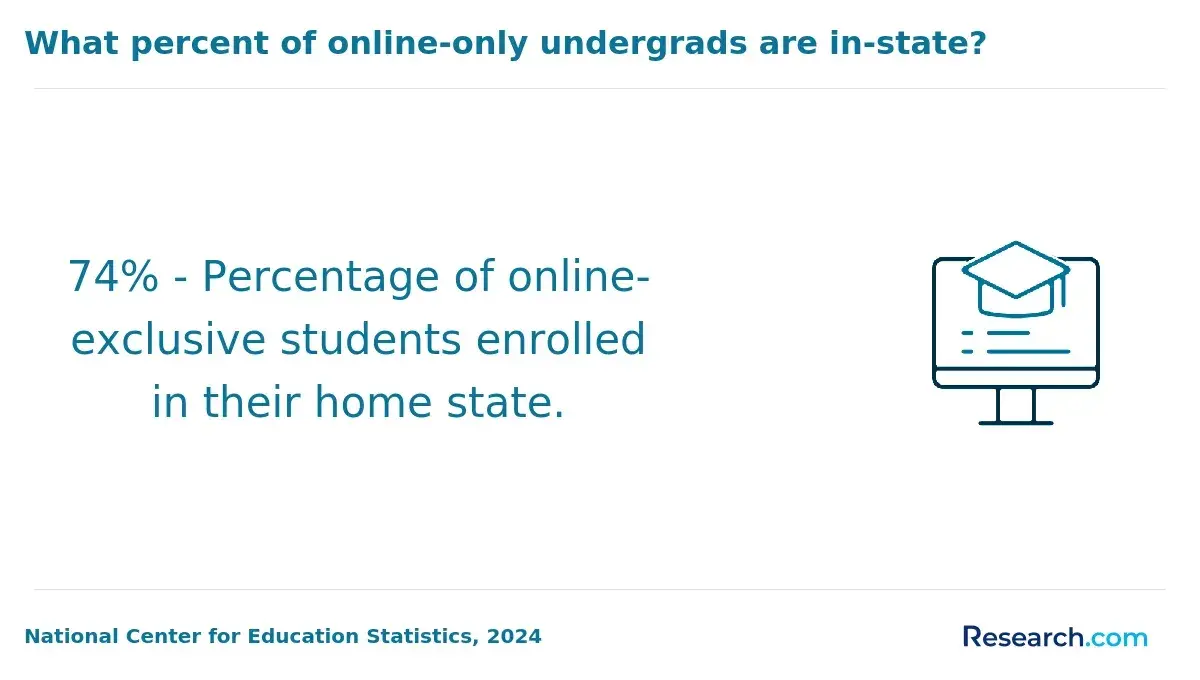
Health studies coursework remains consistent across online and on-campus formats, with similar curricula, learning goals, and academic expectations. Institutions maintain standards to ensure students achieve equivalent knowledge and skills, no matter how instruction is delivered.
Although the content and outcomes align, differences arise in the teaching approach and student experience between the two modes.
Online instruction often relies on recorded lectures, interactive modules, and virtual tools, while on-campus courses emphasize live classes and face-to-face engagement.
Communication with professors and classmates tends to be more immediate in person, whereas online formats use discussion boards or scheduled video calls. Online courses typically offer more flexible scheduling, and access to campus facilities is replaced by digital libraries and remote resources.
Assessments may vary, with online formats including timed quizzes or open-book exams, and practical work commonly involves virtual simulations or local placements instead of on-site labs or internships.
Most students enrolled in health studies classes typically spend between 12 and 18 hours per week on coursework. The time is generally divided among attending lectures and discussions for about 3 to 5 hours, completing assigned readings for 4 to 6 hours, and working on assignments, group projects, or applied learning components for an additional 3 to 5 hours.
Several key factors influence the total weekly time commitment for these courses:
- Enrollment status: Full-time students usually dedicate more hours weekly compared to part-time students who manage additional personal or professional responsibilities.
- Course level: Upper-level or specialized health studies courses tend to require deeper engagement with materials and projects than foundational or introductory classes.
- Format: Online courses offer scheduling flexibility but demand disciplined time management, whereas on-campus classes follow fixed timetables that structure the study week.
- Credit load: The number of credits enrolled in each term directly affects workload; higher credit hours mean more study time is necessary to keep pace.
- Practicum or projects: Applied learning experiences such as community placements or lab work can add significantly to weekly hours, depending on their intensity and requirements.
Students interested in practical, career-ready options may consider medical billing and coding classes online as an alternative or complementary path within the health studies field.
Total credit hour requirements are a key factor in determining the length and academic workload of a health studies degree program. Credit hour expectations vary depending on whether the program is at the undergraduate or graduate level, as well as by institution.
Several core components shape the credit hour requirements for health studies degrees, as outlined below.
- Core coursework: Typically, undergraduate programs require 120 to 130 total credit hours, with a significant portion dedicated to foundational topics such as public health principles, epidemiology, health policy, and community health. Graduate programs usually have fewer total credits, often between 30 and 60, but with more focused and specialized coursework.
- Electives: Electives offer flexibility for students to explore individual interests within health-related fields. The number of elective credits varies by program but generally allows customization alongside core requirements, contributing to the overall total credits needed for a health studies degree.
- Experiential components: Practicums, internships, and capstone projects play a vital role in applying classroom learning to real-world settings. These experiential courses count toward credit hours and are essential in both undergraduate and graduate programs. Graduate degrees may also include theses or comprehensive projects as part of these requirements.
Learners considering related fields can also explore options such as a nursing degree online to complement or compare with a health studies program.
Health studies coursework directly supports career preparation by equipping students with valuable skills, practical knowledge, and hands-on experiences that align with workplace demands. These academic components help students transition smoothly into professional roles where critical thinking and applied learning are essential.
Employment in health education and related sectors is projected to grow by 16% from 2021 to 2031, underscoring the rising need for well-prepared graduates in the field.
Health studies programs support student career readiness through these factors:
- Skill development through case studies: Coursework often involves problem-solving exercises based on real-world health issues, enhancing critical thinking and analytical abilities essential for effective decision-making in health careers.
- Applied projects with real-world scenarios: Students engage in designing and evaluating health interventions, which builds practical experience transferable to job roles that require program planning and assessment.
- Exposure to industry tools and technologies: Training includes the use of health data systems and communication technologies, preparing students to handle current software and data analysis methods in professional settings.
- Networking and professional growth: Opportunities such as internships and collaborative projects foster connections within the health sector, expanding career opportunities and industry insight.
Students exploring affordable education options might consider researching accredited programs, including the cheapest DNP program online, which can be an accessible next step for advancing health careers if they have a background in nursing.
Completing health studies coursework can significantly boost earning potential by providing practical skills and specialized knowledge that employers seek. According to the U.S. Bureau of Labor Statistics, healthcare management positions, often attainable through targeted coursework, offer median salaries about 20% higher than entry-level healthcare jobs.
Several key aspects of coursework contribute to these improved salary prospects:
- Development of In-Demand Skills: Coursework focusing on data analysis, health policy, and leadership equips students with expertise that employers highly value. Mastering these skills enhances a graduate's competitiveness and suitability for higher-paying roles.
- Specialized and Advanced Classes: Taking advanced or niche courses prepares students for certifications or managerial positions, both linked to increased wages. Specialized knowledge signals readiness for complex responsibilities in health sectors.
- Applied Learning Experiences: Hands-on practicums and capstone projects enable students to demonstrate job readiness by applying theoretical concepts in real-world environments, often leading to better starting salaries.
- Leadership and Management Training: Courses that build communication, critical thinking, and project management skills position graduates for promotions and leadership roles. These competencies are frequently rewarded with salary raises.
- Certification Preparation: Coursework aligned with professional certifications opens doors to higher credentialing, which correlates with upward wage mobility and expanded career options.
What Graduates Say About Their Health Studies Degree Coursework
- Eileen: "I was pleasantly surprised by how affordable the health studies degree coursework was, making it a smart investment for my future. Taking classes online allowed me to balance work and study effectively. Thanks to the skills I developed, I've been able to advance in my public health career with confidence. "
- Maria: "The cost of the health studies program was higher than I expected, but the on-campus experience gave me valuable hands-on learning opportunities. Reflecting back, the rigorous coursework sharpened my critical thinking and problem-solving skills, which are essential in my current role. "
- Julien: "While the health studies courses offered online were reasonably priced, it was the practical knowledge I gained that truly paid off. The flexibility of the program helped me stay focused and excel professionally. This degree opened doors to leadership positions I hadn't imagined before. "
Other Things You Should Know About Health Studies Degrees
Yes, many health studies degree programs incorporate coursework in data analysis to help students understand and interpret health data. Training often covers basic statistics, epidemiological methods, and the use of software tools for analyzing public health information. This quantitative skill set is essential for evaluating health trends and informing policy decisions.
In 2027, Health Studies programs emphasize communication skills as a core component. Students engage in courses tailored to enhance their verbal and written communication, essential for effective interaction in healthcare settings, improving patient care, and collaborating with interdisciplinary teams.
Most health studies programs require one year of college-level biology and one semester of chemistry before upper-division coursework begins. Some schools also expect statistics or psychology as a prerequisite, especially for research-focused tracks. These classes build the foundation for later study in public health, policy, and health behavior.
- What Should I Look for in a Public Health Internship? - Healthcare Management Degree Guide https://www.healthcare-management-degree.net/faq/what-should-i-look-for-in-a-public-health-internship/
- Online vs Hybrid vs Campus Learning in Healthcare: Which Is Right for You? https://www.edumed.org/articles/online-vs-hybrid-vs-campus/
- Health & Exercise Science Programs https://lasierra.edu/hes/internship/practicums-in-health-science/
- Seven reasons to study Health Studies https://www.thecompleteuniversityguide.co.uk/student-advice/what-to-study/seven-reasons-to-study-health-studies
- Thesis and Capstone Requirements for Public Health Programs https://www.publichealth.org/resources/thesis-capstone-projects/
- Health Studies - Admissions https://admissions.usask.ca/health-studies.php
- Courses in Health Science - Uopeople Catalog https://catalog.uopeople.edu/ug_term1_item/health-science/courses-in-health-science
- SoLAcc Launches New Health Studies Degree and Internship https://www.solacc.edu/about-us/news/1811669/solacc-launches-new-health-studies-degree-and-internship
- Benefits of a Health Science Career | Earn a BS in Health Science https://www.tuw.edu/school-news/health-science-career-benefits/
- Health Studies https://programs.usask.ca/arts-and-science/health-studies/ba-4-health-studies-individual-society-health.php