2027 Health Studies Degree Programs for Career Changers

Co-Founder and Chief Data Scientist
Many adults face uncertainty when switching careers into healthcare, wondering if a health studies degree can provide relevant skills quickly enough for meaningful employment. Nearly 40% of adult learners enrolling in health-related programs do so seeking flexible pathways to jobs in growing sectors like public health and healthcare administration. This shift is fueled by increasing demand for healthcare professionals who combine practical knowledge with adaptability. Understanding the structure and benefit of health studies programs helps career changers target degrees that align with workforce needs. This article explores how health studies degrees support efficient, confident transitions into new healthcare careers.
Key Things to Know About Health Studies Degree Programs for Career Changers
- Many health studies degree programs offer flexible scheduling and online or hybrid formats, allowing working adults to balance career shifts with personal commitments effectively.
- Programs often include accelerated pacing options, reducing time-to-completion and enabling career changers to enter the workforce faster.
- Support services like career coaching and employer partnerships enhance job placement rates, aligning curriculum with industry demand to improve employment outcomes.
What Health Studies Programs Accept Career Changers?
Many health studies programs are well-suited for working adults and professionals seeking a career change due to their flexible prerequisites and practical coursework. Recent statistics show that adult learners make up over 40% of graduate enrollments nationwide, highlighting a significant trend of career changers pursuing formal education to support their transitions.
- Bachelor's in Health Studies: This program often welcomes students without prior health-related education by offering foundational courses and flexible entry requirements, helping career changers build essential knowledge.
- Master's in Public Health: Known for its interdisciplinary focus, this program enables professionals to apply existing skills in communication, data analysis, or management toward public health challenges.
- Bachelor's in Health Administration: Ideal for those with backgrounds in business or administration, this program emphasizes leadership and organizational skills relevant in healthcare settings.
- Master's in Health Informatics: Combining healthcare knowledge with IT expertise, this degree suits tech professionals interested in data management and health information systems.
These health studies degree programs for career changers also support nontraditional students with flexible admission options, practical experiences, and schedules that fit adult learners' demands. For those considering alternate routes, exploring accessible pharmacy degree online programs can further expand opportunities within health fields.
What Health Studies Specializations Are Best for Career Changers?
Selecting the right health studies specialization is essential for career changers because it helps align existing skills with evolving job market demands, boosting career mobility. Employment in healthcare occupations is expected to grow 16% from 2021 to 2031, outpacing the average growth for all fields. Here are four top specializations that suit professionals transitioning into health studies:
- Health Administration: This specialization suits individuals with organizational or management experience, allowing them to leverage leadership skills in various healthcare settings. It offers extensive career opportunities in hospitals, clinics, and other healthcare facilities.
- Community Health Education: Ideal for communicators and educators, this path focuses on public health awareness and preventive strategies. It enables meaningful impact without requiring a deep clinical background, making it accessible for newcomers.
- Health Informatics: Perfect for tech-savvy professionals, this concentration combines healthcare knowledge with data management to enhance patient care through technology. It appeals to those interested in the growing intersection of health and IT.
- Nutrition and Wellness: Designed for newcomers interested in dietetics and holistic health, this specialization offers flexible career options in counseling, corporate wellness, and public health programs.
For those seeking further education, choosing from the easiest DNP programs can facilitate a smoother transition. Pursuing top in-demand health studies concentrations for professionals ensures that career changers invest in specializations aligned with both their skills and labor market growth.
What Are the Admission Requirements for Career Changers Applying to a Health Studies Program?
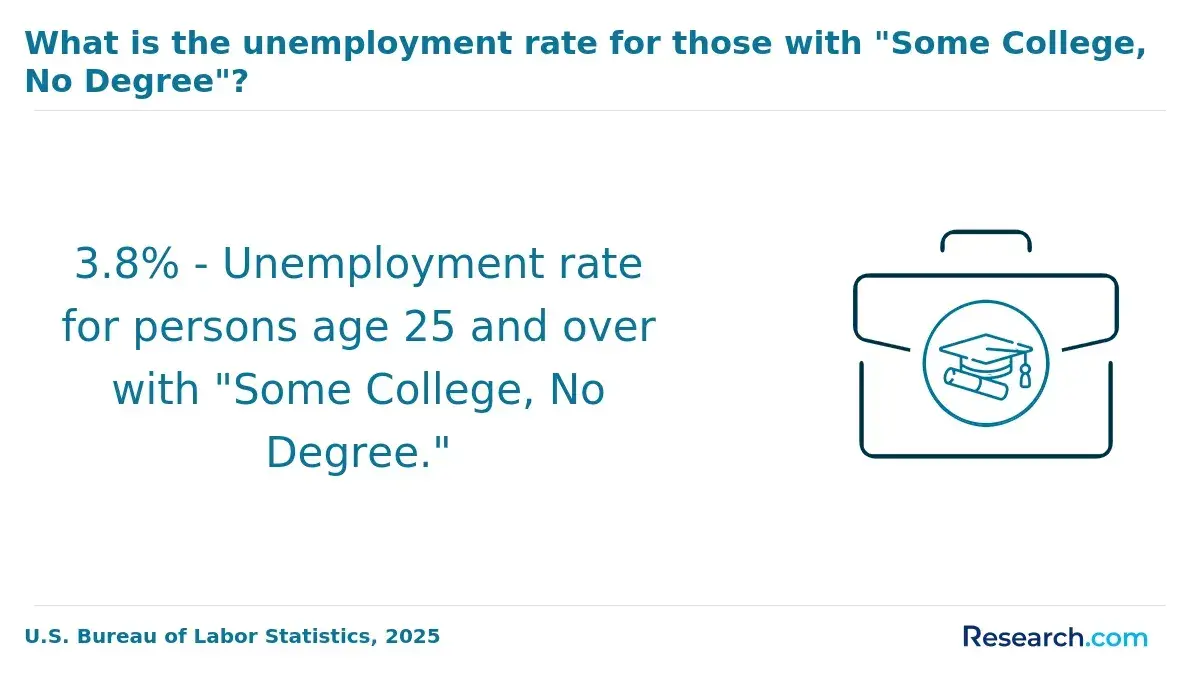
Career changers pursuing a health studies degree need clarity on admission requirements to plan efficiently, especially given that nearly 40% of U.S. undergraduate students are 25 years or older, reflecting a rise in nontraditional admissions pathways. Knowing what institutions expect can help adult learners balance their responsibilities and anticipate prerequisites. Here are common admission requirements for career changers:
- Completed Application: A fully filled application form is essential, often accompanied by a personal statement explaining your motivation and readiness to transition fields.
- Official Transcripts: You must provide transcripts from previous education. Many programs use these to verify prerequisites and assess transfer credits.
- Minimum GPA: Most programs require a GPA around 2.5 to 3.0, though flexibility exists depending on professional experience and competencies.
- Letters of Recommendation: Some institutions request recommendations to understand your qualifications and commitment to the new career path.
- Transferable Experience: Programs commonly recognize work experience and professional skills as substitutes for certain course prerequisites or core competencies, which benefits career switchers.
- Alternative Pathways: Portfolio assessments or competency-based credits may allow you to shorten the degree timeline by proving your expertise without traditional coursework.
- Flexible Course Options: Look for programs offering evening, weekend, or online courses, which support busy professionals balancing work and family.
For those searching for the easiest BSN program, understanding these prerequisites and eligibility criteria for health studies degree career switchers is a vital step towards a smooth transition.
For professionals shifting into health-related fields, knowing what the coursework entails helps align expectations and eases the transition. The curriculum balances foundational ideas with applicable experiences that support flexible learning. Key elements often include:
- Foundations of Health and Wellness: Introduces essential topics such as health concepts, prevention strategies, and public health basics, forming a broad base adaptable to many careers.
- Health Policy and Ethics: Covers healthcare frameworks, laws, and moral questions relevant to navigating the healthcare landscape responsibly.
- Research Methods and Data Analysis: Teaches how to interpret and work with health data using research techniques crucial for informed practice.
- Health Communication and Education: Focuses on methods to effectively convey information across diverse groups, essential for community involvement or patient interaction roles.
- Practical Application and Field Experience: Often includes internships or projects tailored to individual interests, offering hands-on exposure and professional networking.
Programs typically accommodate busy schedules through options like online classes or evening courses, enabling students to balance study with their current obligations.
A professional who completed an online health studies degree shared insights after I asked about his experience preparing for a career change. He mentioned how juggling work and coursework was "definitely challenging at times," especially while adapting to digital learning platforms. "It took some trial and error to establish a routine that worked," he said. The real-world projects helped solidify his understanding, and he appreciated how the program's flexibility allowed him to "keep moving forward without sacrificing my job or family time." He noted feeling increasingly confident as the curriculum connected theory with practical applications, explaining that "this approach made me comfortable stepping into new roles."
Career changers benefit from understanding different program formats because flexible options make it easier to balance education with work and personal life. Nearly 41% of U.S. undergraduate students are adults enrolled part-time or through non-traditional learning, reflecting growing demand for adaptable education. Below are common formats designed to support working professionals transitioning into health studies fields.
- Online Programs: Fully virtual courses allow students to study anytime and from any location, offering unmatched flexibility ideal for busy professionals managing multiple commitments.
- Hybrid Programs: These programs mix online learning with some on-campus sessions, combining convenience with valuable face-to-face interaction to enhance understanding and networking.
- Evening and Weekend Classes: Scheduled outside typical work hours, these in-person classes accommodate working adults who need live instruction without interfering with their job schedules.
- Part-Time Enrollment: This option extends the timeline for completing coursework, making it feasible to balance studies with employment and family duties without overwhelming pressure.
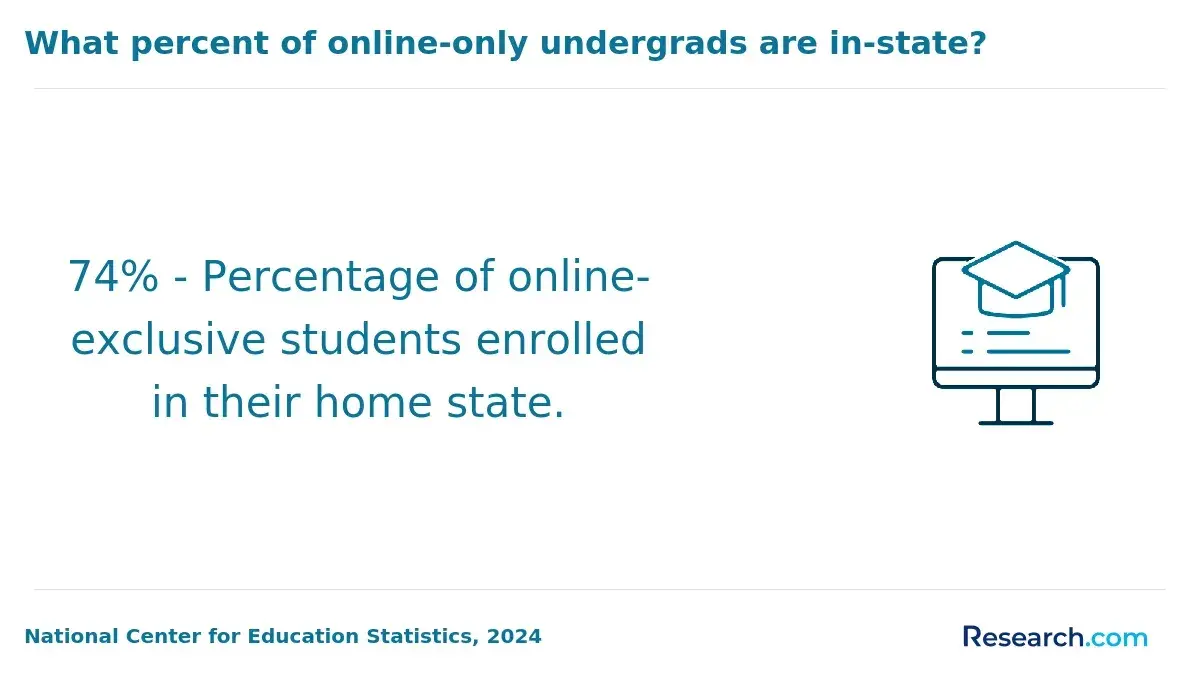
For career changers, developing relevant skills is crucial to effectively navigate new professional landscapes. According to a recent study, 87% of adults emphasize the importance of continually acquiring new abilities to remain competitive. This reinforces why targeted skill-building in health studies can be transformative. Below are five essential competencies typically gained through these programs.
- Analytical Thinking: This skill enables individuals to interpret complex health information and make sound decisions, vital for roles in health administration or policy development. It lays the groundwork for critical evaluation and problem-solving in dynamic healthcare environments.
- Communication Skills: Graduates learn to translate medical and health concepts into clear messages for patients, colleagues, and communities, enhancing advocacy and education efforts. Effective communication is key to bridging gaps between technical knowledge and public understanding.
- Ethical Reasoning: Health studies programs cultivate the ability to address moral dilemmas thoughtfully, fostering professionalism and trust in clinical and administrative settings. This competence ensures responsible decision-making aligned with patient rights and industry standards.
- Project Management: Training covers organizing, planning, and overseeing health-related initiatives, supporting smooth execution of programs and leadership roles. Mastering these skills contributes to improved efficiency and team collaboration.
- Health Informatics: Learners acquire proficiency in managing digital health data and systems, a growing necessity as healthcare increasingly relies on technology. This expertise helps streamline patient information handling and supports data-driven care improvements.
When asked about her experience, a career changer who completed a health studies degree shared that adapting to the academic workload alongside personal responsibilities was initially overwhelming. She recalled, "Balancing classes with family life pushed me to refine my time management beyond what I expected." Over time, she gained confidence by applying ethical reasoning and communication skills during her internship, noting these were the "most valuable for easing into healthcare roles." The practical nature of project management assignments helped her transition smoothly, turning initial uncertainties into a clear career pathway and a newfound passion for health informatics. Her journey illustrates how the program's multifaceted skill set can empower those shifting careers to succeed with assurance and adaptability.
Career changers pursuing a health studies degree often face unique financial pressures, balancing work and family alongside education costs. Graduate education in the U.S. carries an average debt load of approximately $66,000, highlighting the importance of transparent budgeting to make a wise investment. Several key factors influence the total cost for adult learners.
- Tuition and Fees: Tuition can vary significantly, typically ranging from $5,000 to $25,000 annually depending on whether the program is offered by a public or private institution and if it involves specialized training. Fees may include registration and lab costs, which also vary by program.
- Books and Materials: Textbooks and course materials often add several hundred dollars per year. Digital materials and subscriptions might also be required, with costs that can fluctuate based on program format.
- Technology and Lab Fees: Some health studies programs require technology access fees or lab usage charges. These are more common in hybrid or in-person formats and should be factored into the budget.
- Flexible Payment Options: Many programs accommodate working professionals by offering monthly installments or deferred payments to ease financial strain. Employer tuition assistance and reimbursement programs are valuable resources in health-related industries and can substantially reduce out-of-pocket expenses.
- Program Format and Savings: Choosing online or hybrid health studies programs can help reduce additional costs such as commuting and relocation. Career changers often seek these affordable health studies programs for working professionals to optimize cost-efficiency while managing other responsibilities.
For those exploring pathways to career advancement through education, examining options such as affordable accredited healthcare administration degrees can provide important financial relief and flexibility. This strategic approach enables adult learners to align their budget with their career goals in a sustainable way.
A health studies curriculum is critically designed for career changers by providing accessible and applicable knowledge that helps them move into new healthcare roles without having to start from the beginning. This thoughtful curriculum design eases transitions by building on existing experience while focusing on essential new competencies. Below are key ways in which a health studies curriculum facilitates career transitions.
- Applied Learning: Incorporates case studies and simulations reflecting real healthcare scenarios, allowing students to apply theory immediately. This hands-on approach bridges the gap between previous careers and health-specific skills.
- Transferable Skill Development: Emphasizes communication, critical thinking, and problem-solving skills, which are crucial core skills gained in health studies for successful career changers. These enable students to adapt quickly in diverse healthcare settings.
- Flexible Pacing Options: Offers part-time and online coursework to accommodate working adults managing education alongside work and family responsibilities, ensuring that learners can progress at a comfortable and realistic pace.
- Real-World Projects: Includes internships and projects that provide practical experience and networking opportunities, enhancing confidence and competence in new professional environments.
- Foundational and Specialized Knowledge: Combines core health studies principles with specialized courses tailored to varied career goals, ensuring that students gain relevant expertise aligned with their new healthcare ambitions.
For those interested in advancing within nursing through flexible and affordable options, exploring cheap RN to BSN online programs can be an excellent next step in their healthcare career journey.
For career changers, knowing potential job outcomes helps align education with market demands and personal strengths, making transitions smoother. The U.S. Bureau of Labor Statistics forecasts a 15% increase in healthcare jobs from 2021 to 2031, indicating robust opportunities for versatile workers. Below are five common career paths for those with a health studies degree.
- Health Educator: Designs programs to promote health awareness and community wellness. Previous communication and organizational experience are valuable for engaging diverse audiences and managing outreach initiatives.
- Medical and Health Services Manager: Manages operations in healthcare settings by coordinating staff and resources. Leadership and problem-solving skills enable effective oversight of departments or entire facilities.
- Public Health Analyst: Examines health policies and data to inform public health decisions. Analytical abilities help interpret complex information and contribute to evidence-based practices.
- Healthcare Consultant: Advises organizations on improving operational efficiency and regulatory compliance. Strategic thinking combined with industry insight supports valuable recommendations.
- Patient Advocate: Assists patients in navigating healthcare systems and accessing necessary services. Empathy and strong interpersonal skills facilitate communication between patients and providers.
Salary expectations play a key role for professionals changing careers, especially when pursuing a health studies degree, as they help assess financial feasibility and potential returns. Research shows reskilled professionals in healthcare roles report an average salary growth of about 15% within two years of completing their credential. Below are typical salary ranges and factors influencing compensation in related fields.
- Entry-Level Roles: Positions in health education or community health generally offer annual salaries between $40,000 and $55,000, suitable for those new to the sector.
- Health Services Managers: Experienced managers can earn from $65,000 to $90,000 yearly, with pay varying based on organizational size and regional cost of living.
- Clinical Research Coordinators: Salaries typically range from $50,000 to $75,000, influenced by relevant certifications and prior healthcare exposure.
- Public Health Analysts: Compensation often falls between $55,000 and $85,000, affected by advanced degrees or specialized expertise.
- Prior Professional Experience: Backgrounds in fields like business or administration frequently lead to higher starting salaries or accelerated advancement within health-related roles.
What Graduates Say About Their Health Studies Degrees for Career Changers
- Pauline: "Deciding to shift from finance to a health career was daunting, but pursuing a health studies degree made the transition manageable. The program cost me around $25,000, which felt like a worthwhile investment given the new career opportunities it opened up. This degree truly accelerated my professional growth and gave me the practical skills I needed to succeed in healthcare."
- Gerald: "After years in retail management, I wanted a change that felt meaningful, so I enrolled in a health studies program. Despite concerns about the roughly $22,000 tuition, it was affordable enough to pursue without overwhelming debt. Completing the degree not only boosted my confidence but also allowed me to enter a field where I make a real difference every day."
- Grayson: "My career pivot to healthcare was fueled by the health studies degree program, which averaged around $24,500 in costs. Reflecting on this investment, I see it as essential since it provided both theoretical knowledge and hands-on experience. Graduating firmly positioned me for new roles and a rewarding path that I hadn't considered before."
Other Things You Should Know About Health Studies Degrees
Prerequisites for career changers in 2027 health studies degree programs typically include a bachelor's degree in any field and completion of specific foundational courses. Many programs may also require proficiency in biology or statistics, depending on the specialization.
In 2027, health studies degree programs for career changers typically offer a curriculum covering foundational health sciences, public health principles, healthcare management, and informatics. This curriculum aims to equip students with a comprehensive understanding of the healthcare system and prepare them for various roles in the health sector.
Most programs require a criminal background check, a drug screen, proof of MMR, varicella, hepatitis B, and annual influenza vaccination before clinical placement. Many also require TB testing and CPR certification from the American Heart Association before students enter hospitals or clinics.
- Transitioning Careers into the Healthcare Field | CALRegional https://calregional.com/blog/transitioning-careers-into-the-healthcare-field/
- Health Studies - Admissions https://admissions.usask.ca/health-studies.php
- Career Services | University of Manitoba - Career Compass: Health Studies https://www.umanitoba.ca/career-services/career-planning/career-compass-health-studies
- Specializations https://www.publichealthdegrees.org/specializations/
- Career Change in Health Care | UBC MEL MHLP Professional Leadership Master Degrees https://apscpp.ubc.ca/news-events/career-change-in-health-care
- Career changer https://wayne.edu/advising/pre-health/programs/med/post-bachelor-information/career-changer
- Five Degrees for People with a Passion for Alternative Medicine and Holistic Health https://www.academicinfo.net/blog/2024-06-09-five-degrees-for-people-with-a-passion-for-alternative-medicine-and-holistic-health/
- How to Leverage Your Degree to Make a Successful Shift to Healthcare - https://wecareonlineclasses.com/how-to-leverage-your-degree-to-make-a-successful-shift-to-healthcare/
- Best Alternative Medicine Schools in North America https://aanmc.org/best-alternative-medicine-schools/
- Master of Public Health Online https://www.unthealth.edu/college-of-public-health/master-of-public-health-online.html