2027 Return on Investment (ROI) of a Health Studies Degree Program

Co-Founder and Chief Data Scientist
Many prospective students hesitate to invest in a health studies degree due to uncertainty about job prospects and financial returns. The U. S. Bureau of Labor Statistics reports that healthcare occupations are projected to grow 13% through 2031, faster than the average for all professions.
However, not all health studies graduates secure employment that offsets their educational costs. This article examines the return on investment of a health studies degree by analyzing tuition expenses, career outcomes, and salary data to help students make informed decisions about pursuing this field.
Key Things to Know About Health Studies Degree ROI
- Graduates with a health studies degree earn a median annual salary approximately 15% higher than those without, reflecting significant earning potential early in their careers.
- The degree offers strong career advancement opportunities in diverse fields such as public health, healthcare administration, and health policy, aiding long-term professional growth.
- Health studies graduates benefit from job stability and flexibility, with employment projected to grow 11% over the next decade, outpacing many other sectors.
How Is ROI Calculated for a Health Studies Degree Program?
Return on investment (ROI) in higher education quantifies the financial benefits gained from earning a degree compared to the total costs and time invested in completing it. For students evaluating a health studies degree program, ROI offers a practical way to assess whether the education will deliver meaningful economic returns relative to tuition, fees, and study duration.
Several key factors contribute to calculating return on investment for a health studies degree program:
- Tuition and fees: This covers all direct costs associated with the program, including tuition, textbooks, supplies, and any mandatory fees. Accurately estimating these expenses is essential for understanding the initial financial commitment.
- Opportunity cost: The income foregone by dedicating time to study rather than working full-time or pursuing other income opportunities is a critical component. Estimating lost earnings during program completion helps quantify this cost.
- Time to completion: The number of years it takes to finish the degree affects both the opportunity cost and the timeline for earning post-degree salaries. Shorter durations can improve ROI by reducing costs and accelerating workforce entry.
- Post-graduation salary outcomes: Projected earnings after earning the degree influence immediate and longer-term financial gains. Considering realistic salary estimates in health careers supports informed decisions about investment value.
- Career advancement and long-term earning potential: Potential salary growth through promotions, certifications, or specialized roles unlocked by the degree contributes to a fuller picture of ROI and lifetime earning prospects.
When evaluating health studies degree program cost versus salary analysis, it is important to consider both upfront expenses and expected salary trajectories. For those interested in advanced nursing roles, programs such as the shortest DNP program online offer options that may balance time and costs effectively.
How Much Does a Health Studies Degree Program Cost?
Calculating the full expense of a health studies degree is vital for assessing its true return on investment, especially as graduate tuition in the U.S. has surged more than 25% over the last ten years while student debt continues to escalate. Recognizing all cost elements beyond tuition helps in making well-informed educational and financial decisions.
Several major factors shape the overall financial impact of a health studies program:
- Tuition and fees: Representing the primary cost, these vary significantly based on whether a student attends a public or private institution and their residency status, directly influencing total expenses.
- Books and materials: Essential textbooks, specialized equipment, and software often require an additional yearly investment, which can range from a few hundred to several thousand dollars.
- Living and relocation expenses: Students relocating for their studies must budget for housing, meals, and transportation, which can greatly add to the program's cost.
- Opportunity cost: The income foregone when students reduce work hours or pause careers to study should be factored in, reflecting a hidden but impactful financial sacrifice.
- Hidden or indirect costs: Fees tied to certification exams, internship placements, or background checks are often excluded from listed tuition yet are necessary for advancing one's career.
When I asked a recent health studies graduate about these costs, he recalled the challenge of balancing part-time work with demanding coursework. "I wasn't just paying tuition - juggling job hours and study time made me realize how much income I was giving up," he explained.
He also described unexpected expenses like test fees and travel for clinical placements that stretched his budget thin. His experience underscores that the financial commitment extends beyond upfront tuition, requiring careful planning to manage both visible and less apparent costs.
What Financial Aid Is Available for Health Studies Degree Programs?
Financial aid significantly reduces initial education expenses for health studies degree seekers, directly enhancing the long-term return on investment by limiting debt accumulation. Recent data show that around 85% of graduate students in the U.S. depend on some form of financial assistance to better manage their education costs.
Here are common financial aid options that can improve ROI for health studies students:
- Scholarships: These awards, given for merit or financial need, reduce the overall cost without the obligation to repay, helping to lower post-graduation debt and improve financial outcomes.
- Grants: Targeted toward specific groups or academic focuses, grants provide non-repayable funding that lightens borrowing requirements and positively impacts net education expenses.
- Fellowships: Competitive fellowships often include stipends and tuition coverage, allowing students to concentrate on their studies while minimizing debt and enhancing future earning potential.
- Employer Tuition Assistance: Some employers offer funding for degree programs linked to professional development, cutting costs and boosting ROI by connecting education to career growth.
- Federal Loans: Although repayable, these loans generally have lower interest rates and flexible repayment plans, making them a manageable option during and after completing the program.
Leveraging these financial aid opportunities can make pursuing a health studies degree more financially viable, aligning costs with expected career and income benefits.
The length of time required to complete a health studies degree significantly influences its financial return, impacting both opportunity costs and total expenses. The quicker a student finishes, the sooner they can enter the workforce and begin earning, while prolonged study increases tuition and living costs, which lower overall ROI.
Several major factors affect how long it takes to earn this degree and thus shape its economic value:
- Enrollment status: Full-time students typically complete their degrees faster than part-time learners. While part-time study allows balancing work and education, it delays graduation and postpones potential income increases.
- Program format: Accelerated and online options offer more flexible schedules, often shortening completion time. This reduces both direct costs and the opportunity cost of not working full time.
- Transfer credits: Students who bring in previous coursework can avoid repeating classes, making their path more efficient and affordable, which boosts their degree's ROI.
- Internship and thesis: These components often extend study durations but provide valuable hands-on experience or research credentials that can improve job prospects and future earnings.
- Scheduling flexibility: Evening and weekend classes help working students manage responsibilities but can prolong graduation timelines and affect earning potential in the short term.
When I spoke to a graduate of a health studies degree about her experience with timelines, she shared that balancing part-time classes alongside a demanding job often felt overwhelming. "There were semesters when I thought I'd never finish," she said, reflecting on the challenge.
However, she appreciated how the ability to transfer credits from a previous program sped up her progress. Her internship provided crucial real-world skills that made the extended time worthwhile, even if it delayed her entry into a full-time role.
Looking back, she described her journey as a series of compromises but affirmed that the investment in time ultimately enhanced her career options and earning power.
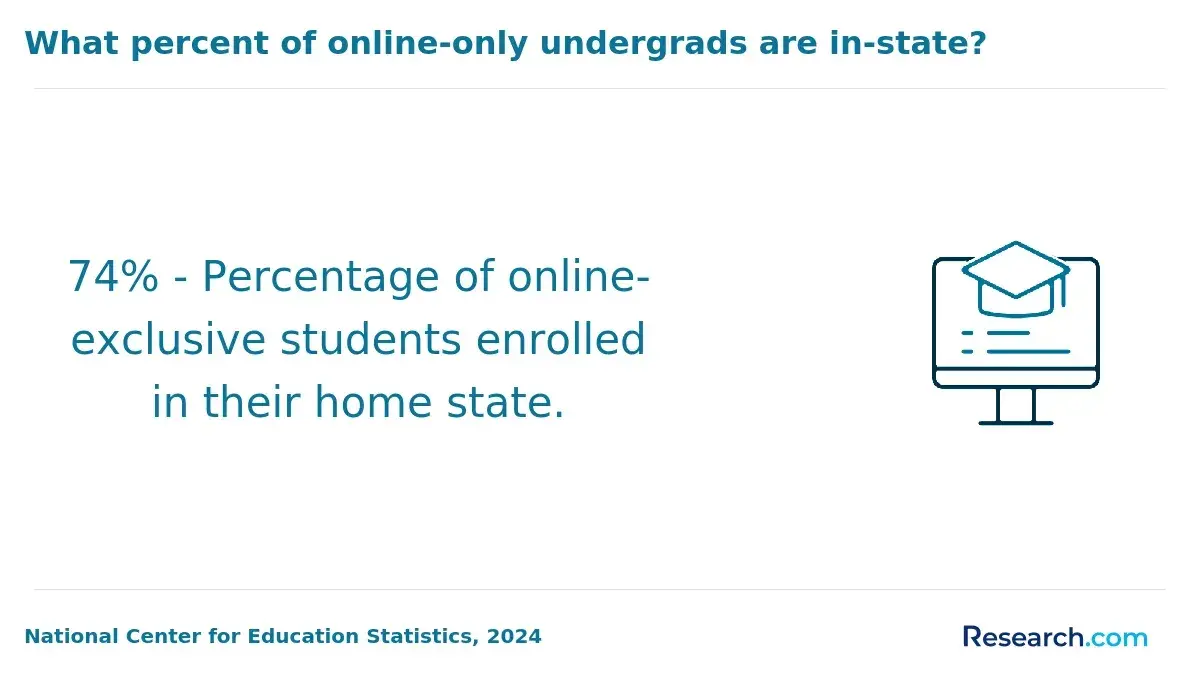
The delivery format of health studies degree programs significantly impacts the return on investment (ROI) through differences in cost, flexibility, and career outcomes. A 2023 report by the National Center for Education Statistics noted that over 40% of graduate students enrolled in at least one distance education course, reflecting a growing trend and acceptance of online education.
Evaluating the ROI comparison of online versus on-campus health studies degrees involves considering these factors in depth.
Key considerations include:
- Tuition and fees: Online programs generally have lower tuition, with reduced additional costs such as transportation and housing. This affordability can lead to a higher ROI for students mindful of upfront expenses.
- Opportunity cost: Flexible scheduling in online programs enables students to work while studying, lowering income loss during the degree. This often results in a more favorable return on investment for health studies programs online and campus alike, though online formats typically excel here.
- Networking and career services: On-campus programs frequently provide stronger face-to-face networking opportunities and more accessible career support, potentially helping with job placement and salary negotiation.
- Employer perception: While employer views vary, there is increasing acceptance of online credentials, particularly from accredited institutions. This trend positively affects long-term ROI.
- Time to completion: Some online programs offer accelerated pacing, helping students enter the workforce sooner, thereby enhancing ROI.
Prospective students interested in financial aid options may explore online medical billing and coding with financial aid as one pathway within health studies programs.
Post-graduation salary is a key driver of the return on investment (ROI) for a health studies degree, as it determines how quickly graduates can recoup their educational expenses and start building financial stability. Health studies degree salary outcomes generally range from $40,000 to $70,000 annually in the U.S., with entry-level positions earning near the lower end and experienced professionals or specialists reaching the higher end.
Several factors influence the average salary for health studies graduates and thus impact their ROI:
- Industry: Working in government, healthcare settings, or private sector companies affects salary scales, with some industries offering higher pay and better advancement opportunities.
- Geographic location: Urban centers and regions with elevated living costs typically provide higher salaries, though higher expenses may offset extra income.
- Prior experience: Relevant work experience before or during the degree enhances starting salaries and career progression, improving overall ROI.
- Specialization: Focusing on areas like health informatics or public health administration can yield better salary prospects compared to general health studies roles.
- Career level: Advancement from entry-level to management or specialist roles significantly increases earnings over time.
Prospective students seeking affordable education options can consider a low cost medical coding and billing online program, which may complement a health studies degree and expand career possibilities.
Promotions are a critical factor in evaluating the return on investment (ROI) of a health studies degree, as they typically lead to salary increases, expanded responsibilities, and greater career mobility. These advancements enhance both financial rewards and professional growth, making the degree a valuable asset for individuals seeking upward movement in healthcare careers.
A significant trend in the workforce is the increasing emphasis on credential-based promotion. Many healthcare employers now require formal educational credentials such as a health studies degree to qualify for supervisory or managerial roles, reflecting a shift toward valuing academic qualifications alongside experience.
Key ways a health studies degree may influence promotion opportunities and ROI include:
- Credential Requirements: Many organizations mandate specific educational credentials for advancement beyond entry-level positions, making a health studies degree essential for meeting these thresholds.
- Leadership Preparation: Specialized coursework provides foundational skills in management and leadership, equipping graduates to take on broader responsibilities and excel in supervisory roles.
- Employer Tuition Assistance: Holding a health studies degree often makes employees eligible for tuition reimbursement programs, which encourages retention and supports career advancement within organizations.
- Internal Promotion Policies: Employers frequently prioritize candidates whose education complements their experience, aligning academic achievement with internal advancement criteria.
- Experience-Education Balance: A degree enhances practical experience by providing theoretical knowledge, a combination many employers favor when making promotion decisions.
For prospective students and professionals weighing financial returns, combining a health studies degree with relevant work experience can be a strategic move for career growth. Those interested in cost-effective educational paths might explore the cheapest online nurse practitioner programs, which can offer similar advancement benefits.
Overall, the health studies degree career advancement prospects support its investment through improved opportunities for promotions with a health studies degree.
Return on investment (ROI) for health studies graduates varies significantly by industry due to differences in salary levels, career progression opportunities, and demand for specialized skills. Some sectors offer rapid compensation growth and clear promotion paths, while others provide long-term job stability and sustained demand.
Industries with the best career paths for health studies degree investment typically combine advanced health knowledge with management, technology, or policy expertise. The following industries often provide the strongest financial returns:
- Healthcare administration: Graduates can advance into leadership roles commanding competitive salaries, benefiting from consistent demand as healthcare systems grow and evolve.
- Health informatics: By merging data analysis with health expertise, this field offers strong growth potential, meeting increasing needs for technology-savvy professionals in healthcare.
- Pharmaceutical and biotechnology: Opportunities in research, development, and regulatory affairs provide lucrative pay and career advancement for those with specialized skills.
- Public health and government agencies: These sectors focus on policy and community health, offering stable career paths with reliable benefits and prospects for upward mobility in large organizations.
- Insurance and risk management: This industry leverages health expertise to assess and mitigate risk, delivering competitive compensation and advancement opportunities within a steady market.
Choosing a sector aligned with your strengths can maximize ROI and professional fulfillment. For those exploring advanced nurse practice alternatives, investigating the cheapest DNP programs online may also impact long-term investment strategies.
Understanding the top industries with highest ROI for health studies graduates helps guide decisions about education and career planning in this dynamic field.
Accreditation is a formal evaluation process that ensures health studies degree programs meet specific quality standards set by recognized agencies. This validation is crucial because it signals to employers and professional bodies that the education provided is reliable and rigorous.
As a result, graduates from accredited programs often experience better job prospects and higher earning potential. With the increasing demand for qualified professionals, many employers show a clear preference for candidates who have completed accredited programs, linking accreditation directly to stronger career outcomes.
Beyond employer recognition, accreditation enhances the long-term financial benefits of a health studies degree by enabling access to federal financial aid and scholarships, which can reduce the overall cost of education. It also facilitates the transfer of credits between schools, making it easier for students to continue their education without losing previously earned credits.
Additionally, completing an accredited program is often required to qualify for professional licensure or certification, which is essential for career advancement in many health-related fields. This combination of factors strengthens both the immediate and enduring return on investment for students pursuing health studies.
The return on investment for a health studies degree depends largely on factors like tuition costs, program length, and potential earnings after graduation. Typically, these programs last between two and four years, with tuition varying by institution and course delivery method.
Graduates often earn median salaries ranging from $45,000 to $65,000 annually in roles such as healthcare administration or public health. Employment in health-related fields is expected to grow faster than average, which can improve opportunities for salary increases and career progression.
Whether a health studies degree is financially worthwhile depends on elements like local job market demand and alignment with career objectives. Programs offering flexible schedules, including part-time or online options, help students balance education with work or family obligations, potentially enhancing ROI.
Access to financial aid can reduce debt and improve cost-effectiveness, while entering overcrowded job markets without a focused plan may diminish returns. Carefully considering program quality, employment trends, and personal goals is essential to maximizing the degree's value.
What Graduates Say About The ROI of Their Health Studies Degree
- Valerie: "Choosing the health studies degree was a no-brainer for me because I knew it would pay off in the long run despite the initial cost, which averaged around $20,000 a year. The investment really felt worth it as it opened doors to a rewarding career in healthcare management, and I've seen steady growth ever since. The program's practical approach truly prepared me for the demands of the job market with confidence and skill. "
- Zoe: "Reflecting on my time completing the health studies degree online, I initially worried about the cost, about $15,000 annually, and wondered if the ROI matched traditional routes. Over time, I've realized the flexible format allowed me to balance work and study effectively, and the knowledge I gained has been invaluable for advancing my career in public health. For me, the cost was justified by the career impact and practical skillset I acquired. "
- Grayson: "Balancing a part-time health studies degree while working was challenging, especially with tuition costs around $18,000 per year, but definitely worth it for professional growth. Graduating has significantly enhanced my credentials, resulting in promotions and better job opportunities within healthcare policy. The degree proved to be a strategic investment, and I appreciate the in-depth understanding it gave me to excel in a competitive field. "
Other Things You Should Know About Health Studies Degrees
A strong program should hold regional institutional accreditation, and the health curriculum should be reviewed under a recognized quality standard such as CEPH for public health-related study. Accreditation supports transfer credit, graduate-school admission, and employer trust, which can improve long-term earnings and ROI.
Internships provide practical experience and professional networking opportunities that can significantly improve a graduate's job prospects. Completing an internship related to health studies helps students gain hands-on skills often valued by employers, which can lead to higher starting salaries and faster career advancement. Thus, internships can play a critical role in improving the overall ROI of the degree.
- Healthcare Administrator ROI Guide https://www.healthadministrationdegrees.com/articles/healthcare-administrator-roi-guide/
- Financing Your Degree https://aspph.org/student-journey/financing-your-degree/
- What Can You Do With a Degree in Health Studies? | NMC https://blog.methodistcollege.edu/what-can-you-do-with-a-degree-in-health-studies-nmc
- Health Studies https://www.uregina.ca/academics/programs/khs/health-studies.html
- Is an EHS Degree Worth It? Comparing Degree vs. Certification ROI https://ehscareers.com/employer-blog/is-ehs-degree-worth-it-comparing-degree-certification-roi/
- Is it Worth to Invest in Hospital Accreditation? https://www.heraldopenaccess.us/openaccess/is-it-worth-to-invest-in-hospital-accreditation
- The Impact of Enhanced Behavioral Health Services on Total Healthcare Costs Among US Employers: A Site-Level Analysis of 19 Cohort Studies | Published in Journal of Health Economics and Outcomes Research https://jheor.org/article/138634-the-impact-of-enhanced-behavioral-health-services-on-total-healthcare-costs-among-us-employers-a-site-level-analysis-of-19-cohort-studies
- Health Sciences - Program Length https://www.herzing.edu/healthcare/health-sciences-program/length
- Seven reasons to study Health Studies https://www.thecompleteuniversityguide.co.uk/student-advice/what-to-study/seven-reasons-to-study-health-studies
- College Accreditation Does Not Guarantee Good Student Outcomes - FREOPP https://freopp.org/whitepapers/college-accreditation-does-not-guarantee-good-student-outcomes/