2027 Flexible Online Child Psychology Doctorate Programs: Part-Time, Hybrid, and Self-Paced Options
Audited and Verified:
Our Editorial and Data Verification Process
Research.com uses government datasets, official education statistics and primary institutional information to support its career and degree guides. Our review process checks factual accuracy, occupational definitions, source dates and the requirements associated with the credentials discussed.
How This Article Was Fact-Checked
Our editorial team verifies salary estimates, employment projections, education requirements and program information against original data providers and official organizations. Salary figures are checked against the relevant occupational definitions and reporting periods. Information about licensure, accreditation and required in-person training is reviewed separately.
Fact-checked and verified on:

Co-Founder and Chief Data Scientist
Choosing a flexible child psychology doctorate is difficult because "online" can mean anything from mostly asynchronous coursework to a campus-heavy licensure program with online classes. The stakes are high: the U. S. Bureau of Labor Statistics projects psychologist employment to grow 7% from 2023 to 2033, faster than average, reflecting continued demand for mental health and assessment services.
This guide is for working adults, master's graduates, educators, counselors, and career changers who need to compare part-time, hybrid, and self-paced options without overlooking accreditation, practicum, cost, timeline, or licensure fit.
Key Things You Should Know
- Fully online child psychology doctorates are most often research, developmental, educational, or non-licensure psychology programs; licensure-oriented clinical, counseling, and school psychology doctorates usually require supervised in-person training and may require APA accreditation.
- Part-time enrollment can make a doctorate more realistic for working professionals, but it commonly extends completion to 5-8 years because dissertation, practicum, internship, and residency milestones still follow school or licensure rules.
- Cost should be evaluated beyond tuition: graduate students may borrow up to $20,500 per academic year in federal Direct Unsubsidized Loans, but doctoral tuition, fees, travel, internship relocation, and lost work hours can exceed annual loan limits.
Which Flexible Online Child Psychology Doctorate Programs Offer Part-Time Options?
Part-time options are available in some online and hybrid doctoral programs related to child psychology, but the exact fit depends on whether the program is designed for research, applied practice, school-based work, or clinical licensure. A true "child psychology doctorate" may appear under several names, including developmental psychology, child and adolescent development, clinical psychology with a child concentration, school psychology, counseling psychology, educational psychology, or human development.
Students should first separate licensure-oriented programs from non-licensure programs. Non-licensure online PhD programs often offer the most scheduling flexibility because they focus on research, teaching, policy, program evaluation, or leadership. Licensure-oriented PsyD or PhD programs may permit part-time coursework early on, but practicum, internship, and residency requirements usually become less flexible later.
The table below summarizes the program categories students most often encounter when searching for flexible online child psychology doctorates. It is not a ranking; it is a decision tool for matching format to career goal.
| Program type | Common flexibility level | Best fit | Important limitation |
| Online PhD in developmental psychology | Often part-time friendly and asynchronous | Students interested in research, teaching, child development policy, or program evaluation | Usually not designed for psychologist licensure |
| Online PhD in psychology with child or adolescent focus | Often flexible, especially during coursework | Working professionals who want doctoral-level expertise without clinical licensure | Concentration names vary, and practicum may be limited or optional |
| Hybrid PsyD or PhD in clinical psychology | Moderate flexibility during didactic courses | Students seeking assessment, therapy, and supervised clinical training with children or families | Requires close review of APA accreditation, internship placement, and state licensure rules |
| Hybrid school psychology doctorate | Moderate flexibility, often cohort-based | Educators or psychology graduates who want school-based assessment and intervention roles | Fieldwork follows school calendars and may require daytime availability |
| EdD or PhD in educational psychology | Often part-time friendly | School leaders, curriculum specialists, researchers, or child learning specialists | May not qualify graduates for psychologist licensure |
Applicants who are not yet ready for doctoral study may benefit from comparing child psychology master's programs first, especially if they need graduate prerequisites, research experience, or a lower-cost step before committing to a doctorate.
When reviewing a school's part-time policy, ask whether "part-time" applies to the whole program or only to the first stage of coursework. A program can advertise part-time enrollment but still require full-time practicum, internship, summer residencies, or dissertation enrollment later.
How Do Hybrid and Fully Online Child Psychology Doctorate Programs Differ?
Hybrid and fully online child psychology doctorate programs differ most in how they handle clinical training, face-to-face assessment practice, faculty supervision, and cohort interaction. A fully online program may be excellent for theory, research methods, statistics, and dissertation work, but child-facing clinical competencies often require in-person observation, supervised intervention, and live assessment practice.
For students considering licensure, this distinction is critical. Many state psychology boards require supervised experience, doctoral coursework in specific content areas, and a qualifying internship; the delivery format alone does not determine eligibility. For students focused on research, advocacy, nonprofit leadership, or education, a fully online non-licensure doctorate may be a more practical match.
The comparison below shows how the formats usually differ. Use it to identify where flexibility helps and where it may create licensure or training constraints.
| Feature | Hybrid doctorate | Fully online doctorate |
| Course delivery | Mix of online coursework and required campus or residency sessions | Coursework delivered online, often with asynchronous components |
| Clinical skill development | More likely to include in-person labs, assessment training, and supervised practice | May be limited, simulated, local, or not included, depending on program purpose |
| Licensure alignment | More likely to be designed around licensure expectations, though students must verify state rules | Often non-licensure unless the program clearly documents accreditation and clinical requirements |
| Travel requirements | Periodic campus visits, intensives, or residencies | Usually minimal travel, though dissertation defense or orientation may still be required |
| Best student fit | Students who need flexibility but can travel and complete supervised fieldwork | Students prioritizing research, teaching, leadership, or developmental expertise over clinical licensure |
A student whose long-term goal is clinical practice with children should also compare master's pathways carefully. Some learners start with online clinical psychology masters to clarify whether they want counseling, clinical psychology, school psychology, or a research doctorate before entering a longer doctoral route.
The biggest mistake is assuming that "online doctorate in psychology" automatically leads to the same career outcomes as an APA-accredited clinical psychology doctorate. Instead, students should compare the curriculum, accreditation status, field placement structure, internship match support, and state board acceptance before applying.
Do Online Child Psychology Doctorate Programs Offer Self-Paced or Asynchronous Learning?
Many online child psychology doctorate programs offer asynchronous learning, but very few are truly self-paced from start to finish. Asynchronous means students can watch lectures, complete readings, and submit discussion posts without logging in at a fixed weekly meeting time. Self-paced means students can accelerate or slow down substantially without a cohort calendar, and that level of freedom is less common in doctoral education.
Doctoral programs usually require sequencing because advanced research methods, statistics, proposal development, ethics, and dissertation milestones build on each other. In clinical or school psychology tracks, field placements also depend on supervisor availability, school calendars, client schedules, and licensure documentation.
When a program advertises flexible pacing, students should determine which parts are actually flexible. The following list separates common flexible elements from areas that usually remain structured.
- Often flexible: lecture viewing, reading schedules, discussion posts, research writing, dissertation work, and some faculty meetings.
- Sometimes flexible: course load, elective timing, comprehensive exam preparation, dissertation topic development, and local site selection.
- Rarely self-paced: practicum hours, internship, residency weekends, live assessment practice, oral defense deadlines, and cohort-based research seminars.
Asynchronous courses can be valuable for working adults, parents, military-connected students, and professionals with rotating schedules. However, students should still budget weekly protected study time. A doctoral seminar may not meet live, but it can still require intensive reading, writing, statistical analysis, and peer discussion.
AI tools and learning platforms are also changing online psychology education. Students may encounter virtual simulations, digital assessment demonstrations, telehealth training modules, and AI-assisted literature search tools. These can improve access to practice scenarios, but they do not replace ethical supervision, human clinical judgment, or state-required experience.
A flexible online child psychology doctorate usually takes longer than a full-time campus program because students often reduce their course load to balance employment and family obligations. A typical part-time doctoral plan can range from about 5 to 8 years, while full-time licensure-oriented programs often require several years of coursework plus practicum, dissertation, and internship.
The most important timeline variable is the student's end goal. Research-oriented doctorates may move faster if the student enters with a strong master's thesis, a clear dissertation topic, and transfer credits. Licensure-oriented programs may take longer because supervised clinical hours and internship timelines cannot always be compressed.
The table below explains common timeline patterns. Use it to estimate the practical commitment rather than relying only on the school's minimum completion time.
| Doctoral path | Common flexible timeline | What usually drives the pace | Risk that can delay completion |
| Online non-licensure PhD in developmental or child-focused psychology | About 4-7 years | Course load, research readiness, dissertation progress | Slow dissertation topic approval or limited faculty fit |
| Hybrid clinical psychology PsyD or PhD with child emphasis | About 5-8 years | Course sequence, practicum, internship, dissertation or doctoral project | Internship placement, state licensure requirements, and residency conflicts |
| Hybrid school psychology doctorate | About 4-7 years | School-based fieldwork, assessment training, cohort schedule | Daytime school placement requirements |
| EdD or PhD in educational psychology | About 3-6 years | Transfer credits, applied research project, leadership focus | Unclear dissertation scope or limited access to research sites |
Students who need maximum flexibility should look for programs with multiple annual start dates, part-time course maps, leave-of-absence policies, dissertation support, and transparent maximum time-to-degree rules. A fast program is not always better if it leaves too little time for research quality, supervised training, or work-life balance.
Before enrolling, ask whether previous graduate coursework can transfer. Transfer credit can reduce time and cost, but doctoral programs often limit how many credits can be applied, especially for core research, ethics, assessment, or clinical courses.
Flexible online child psychology doctorate programs accommodate working professionals mainly through part-time enrollment, asynchronous coursework, evening meetings, local field placements, and dissertation milestones that can be completed around employment. The strongest programs do not simply record lectures; they design advising, research mentorship, and professional development for adults who cannot be on campus every weekday.
Working professionals should evaluate flexibility at three levels: weekly schedule, annual calendar, and career disruption. A program may be manageable during coursework but difficult during practicum or internship if the student's employer cannot provide release time.
The following accommodations are especially useful for students who plan to remain employed while studying.
- Part-time degree plans that show exactly how many courses students take each term and when clinical or research milestones begin.
- Asynchronous course components paired with predictable live sessions rather than frequent last-minute meetings.
- Faculty advising that supports applied dissertation topics connected to schools, clinics, community agencies, or child-serving organizations.
- Local practicum or research-site approval processes, especially for students who cannot relocate.
- Clear leave, pause, and re-entry policies for students managing caregiving, deployment, job changes, or health needs.
Flexibility is not only about convenience; it is also about persistence. Students who can maintain employment may reduce borrowing and preserve professional networks, but they may also face slower progress and higher burnout risk. A realistic schedule should include reading, writing, data analysis, supervision, commuting to field sites, and dissertation meetings.
One practical approach is to map the hardest year before enrolling. Ask the program to identify when practicum, residency, comprehensive exams, dissertation proposal, and internship usually occur. Then compare those requirements with your work calendar, childcare obligations, and financial plan.
Attendance and residency requirements vary widely because child psychology doctorates may be research-focused, clinically focused, school-based, or education-oriented. Students should not rely on the word "online" to mean "no campus visits." Many programs require residencies for orientation, assessment labs, dissertation intensives, clinical skills training, or faculty review.
For licensure-oriented programs, residency and attendance rules may be tied to accreditation expectations and state board requirements. Programs that train future psychologists often need structured faculty-student interaction, supervised skill assessment, and documented clinical competencies. Fully online attendance may be acceptable for some academic content, but hands-on professional training is usually different.
Common attendance and residency requirements include the following. These requirements matter because they affect travel cost, time off work, childcare, and whether the program is realistic for out-of-state students.
- Short campus residencies for orientation, research methods, assessment practice, or dissertation planning.
- Weekly or monthly synchronous seminars for cohort discussion, supervision, or professional ethics.
- Local practicum placements approved by the program, often requiring daytime hours.
- Full-time or near-full-time internship for clinical, counseling, or school psychology tracks.
- In-person dissertation defense, comprehensive exam, or capstone presentation, depending on school policy.
Students should also check state authorization. A university may be allowed to enroll online students in many states but not all states, and professional licensure eligibility can be even more state-specific. If you plan to move during the program, ask how relocation affects field placement approval and licensure planning.
A strong admissions office should be able to provide a written residency calendar, not just a general promise of flexibility. If the school cannot clearly explain when you must appear online live, travel to campus, or work at a field site, treat that as a red flag.
Flexible online child psychology doctorate costs depend on tuition model, credits required, dissertation enrollment, residency travel, technology fees, books, background checks, liability insurance, and field placement expenses. The lowest advertised tuition is not always the lowest total cost if the program takes longer, charges continuation fees, or requires repeated travel.
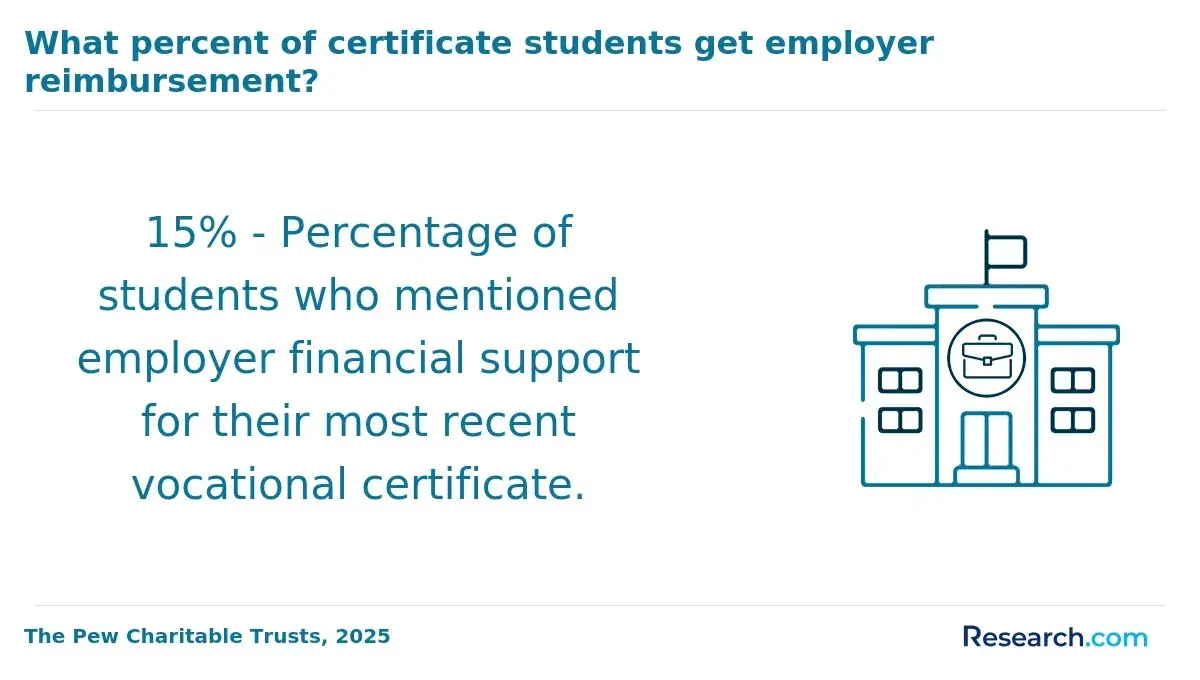
Federal borrowing limits are an important planning benchmark. For graduate and professional students, the federal Direct Unsubsidized Loan annual limit is $20,500, and students may need Grad PLUS Loans or other funding if total annual costs exceed that amount. This matters because many doctoral programs extend across multiple years, so even moderate annual borrowing can accumulate quickly.
When comparing costs, request a full cost-of-attendance estimate and separate fixed costs from costs you can control. Common expenses include the following.
- $20,500 annual federal Direct Unsubsidized Loan limit for eligible graduate and professional students.
- Per-credit tuition, which can become expensive if the doctorate requires extensive coursework beyond the master's level.
- Residency travel, lodging, meals, parking, and time away from work.
- Dissertation continuation or doctoral project fees if research takes longer than expected.
- Clinical placement expenses such as background checks, immunizations, testing materials, liability insurance, and supervision documentation.
The table below shows how different cost drivers affect flexible doctoral students. It helps identify which expenses are predictable and which ones can grow if the program takes longer.
| Cost factor | Why it matters | Most relevant for |
| Per-credit tuition | Determines the baseline cost of coursework and transfer-credit value | All doctoral students |
| Residency travel | Adds expenses beyond online tuition and may require unpaid time off | Hybrid and low-residency students |
| Practicum and internship | Can reduce work availability and may require commuting or relocation | Licensure-oriented students |
| Dissertation continuation | Can extend tuition or enrollment fees after coursework ends | Research and PhD students |
| Licensure preparation | May include exam preparation, application fees, and supervised-hour documentation | Clinical, counseling, and school psychology students |
To reduce cost, compare transfer-credit rules, employer tuition benefits, assistantships, scholarships, military education benefits, and whether the school charges lower tuition for dissertation-only enrollment. Also compare completion rates and student support; a cheaper program can become more expensive if poor advising delays the dissertation.
Flexible online child psychology doctorate programs benefit students who need advanced expertise but cannot pause their careers for a traditional campus doctorate. They are especially useful for working educators, school counselors, behavior specialists, nonprofit leaders, research coordinators, social service professionals, and master's-level psychology graduates who want deeper knowledge of child development, assessment, intervention, or policy.
The best fit depends on the student's intended outcome. A non-licensure online doctorate can be appropriate for research, teaching, consulting, program leadership, or child development policy. A hybrid licensure-focused doctorate is more appropriate for students who want to become licensed psychologists serving children, adolescents, and families.
Students who benefit most usually share several characteristics. The following list can help readers assess whether the format matches their life and career stage.
- They already have graduate-level preparation in psychology, counseling, education, human development, social work, or a related field.
- They can protect consistent weekly study time even when classes are asynchronous.
- They have access to research sites, child-serving organizations, schools, or clinical environments that can support applied projects or fieldwork.
- They understand that flexibility does not remove dissertation, ethics, supervision, or licensure expectations.
- They are comfortable communicating with faculty online and advocating early for advising, placement, and research support.
Students should consider a different path if they need an entry-level credential, are unsure about doctoral research, or want the shortest route to counseling practice. In some cases, a specialist degree, counseling master's, school psychology credential, social work degree, or focused certificate may provide a better return for the desired role.
Students interested in child behavior in legal, custody, juvenile justice, or victim services contexts may also compare forensic psychology master's programs before pursuing a doctorate, especially if they are still deciding between clinical work, court-related evaluation, advocacy, and research.
Program flexibility can affect career outcomes indirectly, but it does not automatically improve or harm them. Employers, licensing boards, and internship sites usually care more about accreditation, supervised experience, research quality, assessment training, faculty mentorship, and professional fit than whether lectures were online or in person.
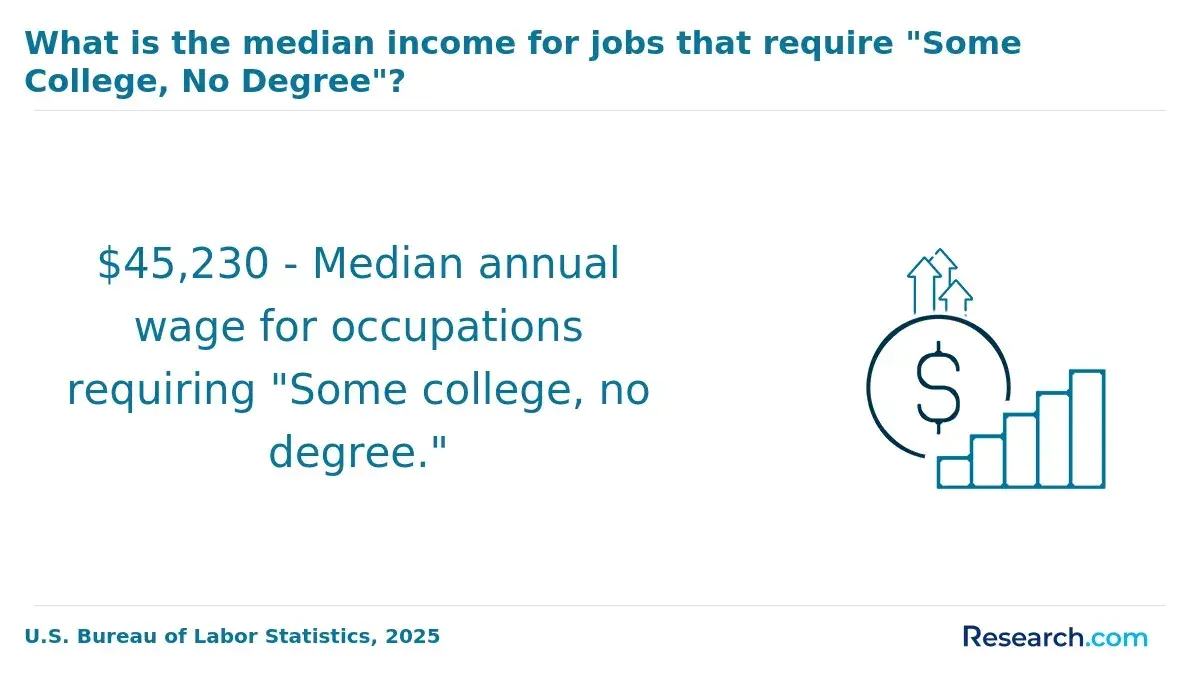
For salary and demand context, the U.S. Bureau of Labor Statistics reported a median annual wage of $92,740 for psychologists in May 2023 and projected 7% employment growth from 2023 to 2033. Readers should treat this as a broad occupational benchmark, not a promise for child psychology doctorate graduates, because pay varies by specialty, licensure status, employer, region, and experience.
The table below connects doctoral pathway choices with possible outcomes. It is designed to clarify trade-offs rather than predict an individual salary or job title.
| Doctoral focus | Likely career direction | What employers or boards may scrutinize |
| Developmental or child psychology research | Research, teaching, policy analysis, program evaluation, nonprofit leadership | Research methods, publications, dissertation quality, and faculty expertise |
| Clinical psychology with child focus | Assessment, therapy, pediatric behavioral health, family services, hospital or clinic roles | APA accreditation, practicum, internship, supervised hours, and licensure eligibility |
| School psychology doctorate | School-based evaluation, intervention, consultation, district leadership, special education support | State credential rules, fieldwork, assessment training, and school placement experience |
| Educational psychology doctorate | Learning research, instructional design, academic assessment, education leadership | Applied research experience, data analysis, and school or district relevance |
Flexible study can preserve career momentum because students may continue working while completing the doctorate. That can be valuable for professionals already employed in schools, clinics, agencies, or research settings. However, limited availability for practicum or internship can reduce placement options, so working students should plan ahead with both their employer and academic advisor.
Students comparing psychology specialties should also examine adjacent labor markets. For example, readers asking how much do forensic psychologists make may find that legal-system roles require different training, supervision, and licensure choices than child development research or pediatric clinical practice.
Technology is changing practice expectations, too. Telehealth, digital assessment platforms, electronic health records, and AI-assisted documentation are increasingly common in child and family services. Flexible programs that teach ethical technology use, privacy, cultural responsiveness, and evidence-based assessment may prepare students better than programs that simply move traditional lectures online.
How Should Students Choose the Most Flexible Online Child Psychology Doctorate Program?
Choosing the most flexible online child psychology doctorate starts with defining the outcome you need. The right program for a future licensed psychologist may be very different from the right program for a researcher, school leader, professor, consultant, or nonprofit director.
Use a structured process instead of comparing schools by convenience alone. The steps below help reduce the risk of choosing a program that is flexible but misaligned with your career goal.
- Decide whether you need psychologist licensure, school psychology credentialing, research preparation, or leadership expertise.
- Verify institutional accreditation and, for clinical, counseling, or school psychology licensure paths, confirm whether programmatic accreditation is expected by your state board.
- Ask for a part-time degree plan showing course sequence, residencies, practicum, internship, dissertation milestones, and maximum time to completion.
- Request written information about state authorization, field placement support, internship outcomes, and whether out-of-state students face restrictions.
- Compare total cost, not just tuition, including travel, fees, dissertation enrollment, placement expenses, and potential lost work hours.
- Review faculty research interests to make sure at least one advisor can support child, adolescent, family, school, developmental, or pediatric topics.
- Speak with current students or alumni about advising responsiveness, workload realism, dissertation support, and placement logistics.
Common mistakes are easy to avoid if students slow down before enrolling. Watch for red flags such as vague licensure language, no published residency calendar, limited faculty alignment, unclear practicum support, aggressive admissions pressure, or a program that markets "self-paced" study without explaining dissertation and fieldwork requirements.
Students should also ask admissions advisors direct questions. These questions are especially important for working adults who need flexibility but cannot afford a program that creates unexpected travel, supervision, or licensure barriers.
- Does part-time enrollment apply through dissertation, practicum, and internship, or only during coursework?
- Can you provide a written list of all required campus visits, residencies, live sessions, and field experiences?
- Has the program confirmed whether graduates meet educational requirements in my state?
- How are local practicum and internship sites approved, and what happens if I cannot find one nearby?
- What support is available if my dissertation takes longer than the standard plan?
- What are the total estimated costs through completion, including fees and travel?
The best flexible program is the one that matches your career goal, protects academic quality, and gives you a realistic path to completion. Flexibility should make doctoral study more accessible, not obscure requirements that determine whether the degree will actually serve your future work with children and families.
Other Things You Should Know About Child Psychology
Possibly, but only if the program meets your state's licensure requirements, including accreditation, supervised clinical hours, internship, and required coursework. Many fully online psychology doctorates are non-licensure programs, so verify this before enrolling.
Some doctoral programs admit students with a bachelor's degree, while others require or strongly prefer a related master's degree. Applicants with a master's may be more prepared for research, statistics, and specialization, but transfer credit is not guaranteed.
A PsyD is often more practice-oriented, while a PhD usually emphasizes research and academic scholarship. Either can be appropriate if it fits your career goal, meets licensure expectations when needed, and offers supervised child-focused training.
Psychology is the most direct major, but human development, education, neuroscience, social work, sociology, and related fields can also be useful. Strong preparation in research methods, statistics, developmental psychology, abnormal psychology, and writing is especially valuable.
- These Psy.D. Programs Offer Fully And Partially Funded Options https://www.psychology.org/resources/funded-psyd-programs/
- 2025 Most Affordable Online Colleges for a PhD in Psychology https://www.onlineu.com/most-affordable-colleges/psychology-doctoral-degrees
- Doctoral Internship Program in Clinical Psychology https://choc.org/careers/residency-training-programs/doctoral-internship-program-clinical-psychology/
- Doctoral Training at McLean Hospital https://www.mcleanhospital.org/training/doctoral-training
- Online and Hybrid PhD & PsyD Programs in Psychology https://www.psychologist-license.com/phd/
- Online PhD Degree Programs in Psychology: Top Schools & Specialisations https://henryharvin.ae/blog/online-phd-degree-programs-in-psychology-top-schools-specialisations/
- Understanding the Differences Between Graduate Degrees in Clinical Psychology – IECA https://www.iecaonline.com/journal-article/understanding-the-differences-between-graduate-degrees-in-clinical-psychology/
- Hybrid PsyD Program: Accelerated, Comprehensive, and Blended Psychology Doctorate https://www.scuhs.edu/psyd-article/hybrid-psyd-program-accelerated-comprehensive-and-blended-psychology-doctorate/
- Clinical Psychology Program Requirements https://www.fielding.edu/school-of-psychology/phd-in-clinical-psychology/clinical-psychology-program-requirements/