2027 Best Online Child Psychology Doctorate Programs for Mid-Career Professionals

Co-Founder and Chief Data Scientist
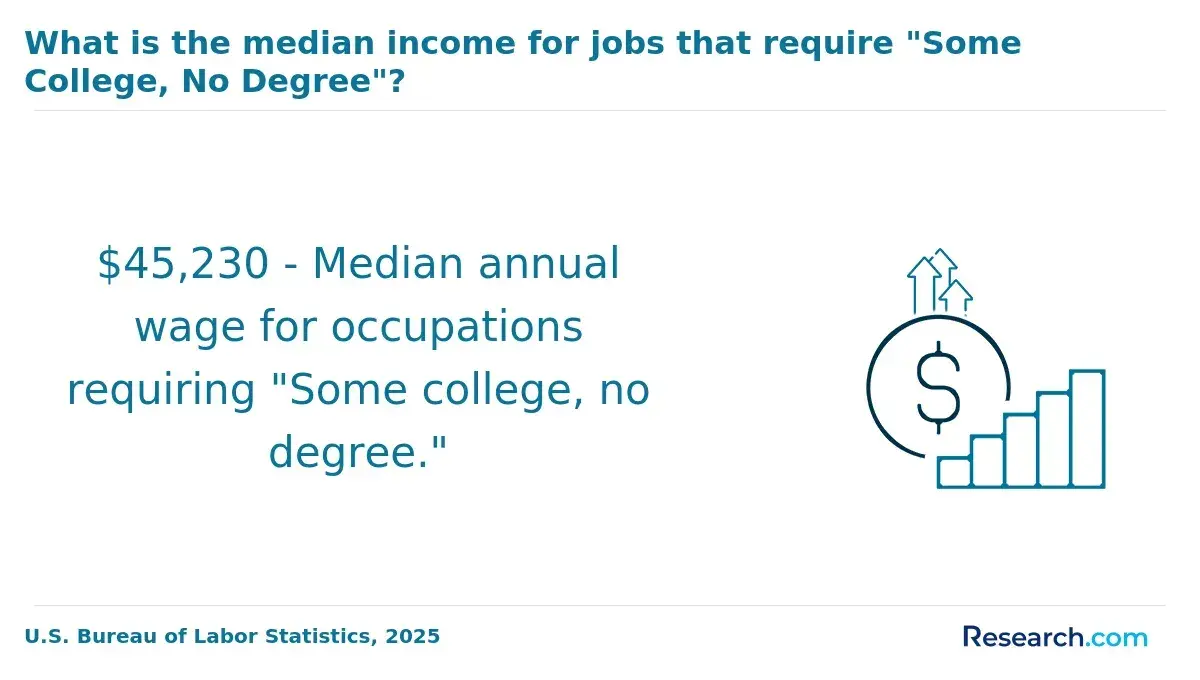
A child psychology doctorate can be a career pivot, a leadership credential, or a path toward advanced clinical expertise, but online options vary widely in licensure value. The U.S. Bureau of Labor Statistics reported a 2024 median annual wage of $94,310 for psychologists, which makes program fit, cost, and accreditation especially important.
This guide is for working counselors, educators, clinicians, researchers, and human services professionals comparing online or hybrid doctoral paths. You will learn how programs differ, what to verify before applying, and how to decide whether the investment supports your next career move.
Key Things to Know About Online Child Psychology Doctorate Programs for Mid-Career Professionals
- The best online child psychology doctorate for a mid-career professional is usually not a fully online clinical license-track program; it is often a hybrid APA-accredited clinical, counseling, or school psychology doctorate, or an online non-licensure PhD/PsyD with a child, adolescent, developmental, or educational psychology focus.
- Use career goal first: licensure-focused students should prioritize APA accreditation, supervised practicum access, and internship placement, while professionals targeting research, teaching, program evaluation, or leadership may find a non-licensure online doctorate more practical.
- Cost and time are major filters: recently published NCES graduate tuition data show average annual graduate tuition and required fees were much lower at public institutions than private nonprofit institutions, while most working adults should plan for about 4 to 7 years depending on pace, dissertation progress, and clinical training requirements.
Is earning an online Child Psychology doctorate worth it for mid-career professionals?
For mid-career professionals, an online child psychology doctorate is worth it when the degree clearly connects to a role that requires doctoral-level expertise, such as licensed psychologist, clinical supervisor, university faculty member, research director, assessment specialist, or senior behavioral health administrator. It is less likely to be worth the cost if your target role only requires a master's degree, a state-issued school credential, or a specialized certificate.
The first distinction is between a licensure-oriented doctorate and a non-licensure doctorate. A PhD or PsyD in clinical, counseling, or school psychology may support psychologist licensure when it meets state and accreditation requirements. A PhD in developmental psychology, educational psychology, or general psychology with a child and adolescent focus can be valuable for research, teaching, consulting, or leadership, but it usually does not qualify graduates to practice independently as psychologists.
This decision is especially important for working adults because the opportunity cost is real. Doctoral study can reduce overtime capacity, consulting hours, family time, and job flexibility for several years. The return is strongest when the doctorate removes a clear ceiling: for example, when a master's-level clinician wants independent psychologist licensure, a school professional wants assessment or leadership authority, or a program manager wants to lead child mental health research and evaluation.
The table below summarizes when the degree tends to make sense and when a lower-cost alternative may be better. Use it to test whether the doctorate is solving the right career problem.
| Professional goal | Doctorate may be worth it when | Consider another path when |
| Independent clinical practice as a psychologist | The program is license-aligned, accredited as required, and includes supervised clinical training. | You only need counseling, social work, or marriage and family therapy licensure to meet your goal. |
| Child and adolescent research | You want to design studies, publish, teach, or lead evaluation projects. | You mainly need applied training for a current human services role. |
| School-based psychological services | Your state and employer recognize the doctoral pathway for your desired role. | A specialist-level school psychology credential is sufficient for local requirements. |
| Leadership in nonprofits or healthcare | The doctorate supports executive credibility, grant work, supervision, or policy roles. | An MBA, MPA, MPH, or certificate better matches the leadership function. |
A practical rule: choose the doctorate only after identifying three target job titles, checking their required credentials, and confirming that the program's graduates are eligible for those roles in your state or employer setting. If you are still comparing master's-level pathways, reviewing child psychology master's programs can help you decide whether doctoral study is necessary now or later.
Which online Child Psychology doctorate programs are the best for mid-career professionals?
The best programs for mid-career professionals are the ones that match career intent, not simply the ones with the most convenient online format. In child psychology, "online doctorate" can mean several things: fully online coursework with no clinical licensure outcome, low-residency doctoral study with in-person intensives, or a hybrid clinical program that requires local practicum and internship training.
Because program offerings, accreditation status, and state authorization can change, professionals should treat any list as a starting point rather than a final ranking. The strongest options usually fall into the categories below.
| Best-fit program type | Typical credential | Best for mid-career professionals who want | Key limitation to verify |
| Hybrid APA-accredited clinical psychology doctorate with child/adolescent training | PhD or PsyD | Psychologist licensure, assessment training, therapy practice, and supervised clinical work with children or families | Campus residencies, practicum sites, internship match support, and state licensure fit |
| Hybrid or low-residency school psychology doctorate | PhD, PsyD, or EdD depending on institution | Advanced school-based assessment, consultation, intervention, and leadership roles | NASP or APA alignment, state school psychology rules, and internship structure |
| Online developmental psychology doctorate | PhD or PsyD | Research, teaching, policy, program evaluation, or child development consulting | Usually not designed for clinical psychologist licensure |
| Online educational psychology or learning sciences doctorate | PhD or EdD | Work in child learning, instructional design, intervention design, or educational research | May focus more on learning systems than clinical child psychology |
| Online counselor education or human services doctorate with child/family emphasis | PhD or EdD | Supervision, teaching, administration, advocacy, or service-system leadership | May not expand clinical scope beyond existing master's licensure |
For a working professional, the best shortlist should include no more than five programs after the first screening. That keeps the comparison manageable and helps you focus on fit rather than marketing language.
Use this sequence before naming a "best" program for yourself:
- Confirm whether your goal requires psychologist licensure, school psychologist certification, academic research training, or leadership preparation.
- Check institutional accreditation and programmatic accreditation where relevant, especially APA accreditation for clinical, counseling, or school psychology doctorates tied to psychologist licensure.
- Ask whether online students receive the same dissertation, practicum, internship, and faculty mentoring support as campus students.
- Verify that the program accepts students from your state and that your state board recognizes the training model.
- Compare total program cost, residency travel, dissertation fees, and the realistic number of years you will remain enrolled.
A common mistake is choosing the most flexible online program and discovering later that it does not meet licensure requirements. Flexibility matters, but in psychology, accreditation and supervised training structure matter more.
What specializations are available in Child Psychology doctorate programs?
Child psychology is usually offered as a concentration, emphasis, research area, or practicum focus inside a broader doctoral program. The name of the specialization matters less than the curriculum, faculty expertise, supervised experiences, and career outcome it supports.
The most useful specializations for mid-career professionals tend to cluster around clinical care, schools, development, systems, and research. The table below explains what each focus prepares students to study and when it fits best:
| Specialization | Primary focus | Best fit |
| Child and adolescent clinical psychology | Assessment, diagnosis, psychotherapy, family systems, and evidence-based treatment | Licensed or license-seeking clinicians working with children and teens |
| Developmental psychology | Cognitive, emotional, social, and biological development across childhood and adolescence | Researchers, educators, policy analysts, and program evaluators |
| School psychology | Psychoeducational assessment, school consultation, intervention, and student support systems | Educators, school counselors, behavior specialists, and school-based mental health professionals |
| Pediatric psychology | Psychological care related to chronic illness, health behavior, medical adherence, and family adjustment | Professionals interested in hospitals, integrated care, or child health settings |
| Trauma and child maltreatment | Trauma assessment, resilience, family violence, attachment, and crisis response | Clinicians, child welfare professionals, victim advocates, and nonprofit leaders |
| Forensic child psychology | Juvenile justice, custody, abuse allegations, competency issues, and court-involved assessment | Professionals working near courts, corrections, child protection, or legal systems |
Mid-career professionals should avoid choosing a specialization only because it sounds marketable. Instead, match it to the population you want to serve, the setting where you want to work, and whether you need licensure or research credibility.
If your interests sit at the intersection of youth development and legal systems, you may also want to compare doctoral options with forensic psychology master's programs, especially if you do not need a psychology license for your intended role.
What admission requirements should professionals prepare for Child Psychology doctorate programs?
Admissions requirements vary by university and degree type, but child psychology doctorate applicants are usually evaluated on academic readiness, professional maturity, research fit, and evidence that they understand the demands of doctoral work. Mid-career applicants often have an advantage when they can connect their work experience to a focused doctoral purpose.
Most programs ask for a combination of the following materials. Prepare these early because working professionals often underestimate how long it takes to gather transcripts, update writing samples, and secure strong recommendations.
- Official transcripts from bachelor's and graduate study, often with a minimum GPA requirement that may be higher for competitive clinical programs.
- A master's degree in psychology, counseling, education, social work, human services, or a related field, although some PhD programs admit bachelor's-prepared students.
- Prerequisite coursework in psychology, statistics, research methods, developmental psychology, abnormal psychology, or assessment, depending on the program.
- Professional resume or CV showing clinical, educational, research, supervisory, or child-serving experience.
- Statement of purpose explaining why doctoral study is necessary, why the program fits, and how your professional background supports your goals.
- Letters of recommendation from supervisors, faculty, clinicians, or research mentors who can speak to doctoral-level readiness.
- Writing sample, research paper, scholarly essay, or evidence of graduate-level writing ability.
- Interview, faculty-fit conversation, or admissions assessment, especially for programs with cohort models or clinical training.
GRE requirements have become less universal, but applicants should not assume a waiver is automatic. Some programs waive standardized tests for applicants with a graduate degree, strong GPA, or extensive professional experience, while others still require scores for certain tracks or funding consideration.
Professionals coming from counseling or clinical practice should also compare whether a doctoral program builds on their existing training or forces them to repeat foundational work. If you are still deciding whether you need a doctorate or a stronger clinical master's foundation, reviewing online clinical psychology masters options can clarify the gap between master's-level and doctoral-level preparation.
How much does an online Child Psychology doctorate program cost?
The cost of an online child psychology doctorate depends on institution type, number of credits, residency requirements, practicum and internship expenses, dissertation fees, and how long you remain enrolled. Published tuition rarely tells the full story because doctoral programs often include travel, supervision, technology, background checks, liability insurance, and extended enrollment costs.
Recent NCES-published graduate tuition data show a large public-private gap in average annual graduate tuition and required fees, with public institutions typically costing far less than private nonprofit institutions. For working professionals, that means the most affordable program is not always the one with the lowest per-credit tuition; it is the one you can complete without extra semesters, repeated dissertation registration, or expensive travel obligations.
Common cost components include the following:
- Tuition charged by credit, term, year, or dissertation phase.
- University fees for technology, library access, student services, graduation, and doctoral advising.
- Residency or intensive costs, including travel, lodging, meals, and time away from work.
- Clinical training expenses such as background checks, immunizations, liability coverage, test kits, and supervision documentation.
- Dissertation continuation fees if research or writing extends beyond the standard timeline.
- Lost income or reduced work hours if the program requires daytime practicum, internship, or research commitments.
The table below shows how cost factors affect different types of online and hybrid doctoral programs. It can help you compare programs beyond headline tuition.
| Cost factor | Why it matters | Who should pay closest attention |
| Per-credit tuition | Determines the baseline cost of coursework and may vary by residency status. | Students comparing public, private nonprofit, and private for-profit institutions |
| Residency travel | Can add recurring out-of-pocket costs not included in tuition estimates. | Students in low-residency or hybrid programs |
| Practicum and internship requirements | May require daytime availability and reduce paid work capacity. | License-seeking students |
| Dissertation extension fees | Can increase total cost when research, data collection, or writing takes longer than expected. | Part-time students and students without strong research support |
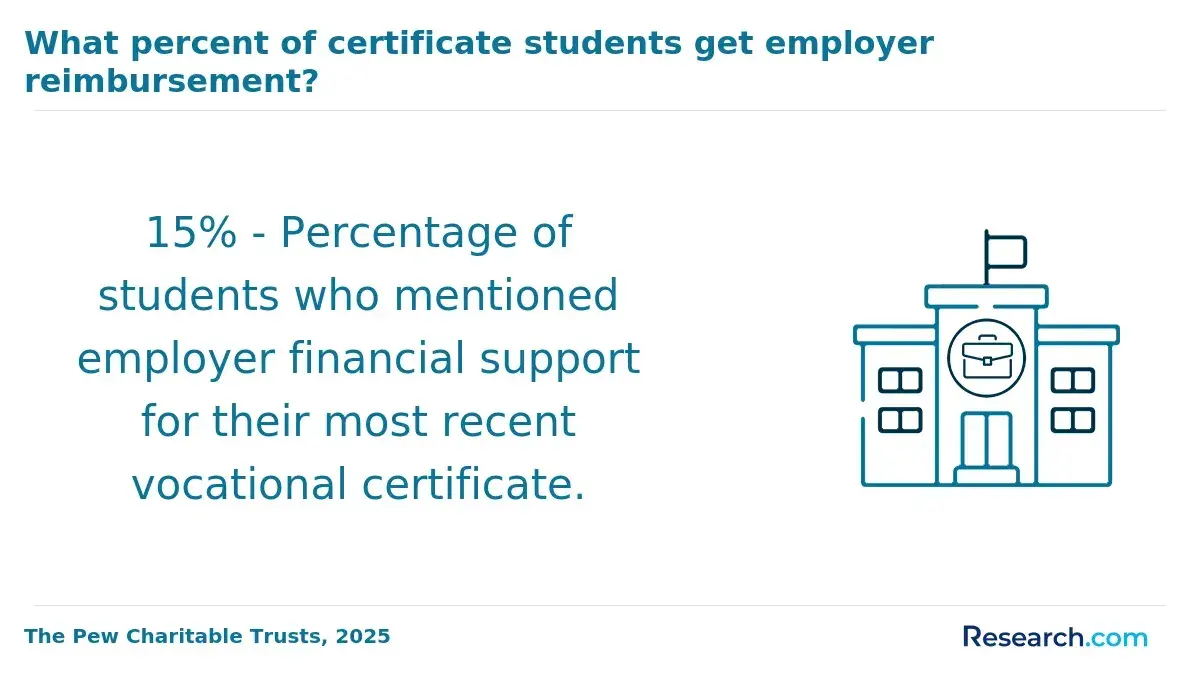
| Employer tuition assistance | Can reduce borrowing, but may include annual caps, grade requirements, or repayment clauses. | Employees in healthcare, education, government, and large nonprofit systems |
To reduce cost, ask your employer about tuition reimbursement before applying, compare public university options, apply for institutional scholarships, use federal aid only after calculating total debt, and ask whether doctoral assistantships or teaching opportunities are available to online students. Avoid borrowing based on a hoped-for promotion; use conservative salary assumptions and confirm whether the degree is required for your target role.
What is the typical timeline for online Child Psychology doctorate programs?
Most online or hybrid child psychology doctorate programs take several years because doctoral education includes advanced coursework, research training, comprehensive exams or portfolio milestones, dissertation work, and sometimes supervised clinical training. A mid-career professional should plan the timeline around work obligations rather than assuming the fastest advertised pace is realistic.
Program length depends heavily on whether the degree is licensure-oriented. Clinical, counseling, and school psychology doctorates often require practicum and internship sequences that cannot be compressed easily, while non-licensure developmental or educational psychology doctorates may offer more scheduling flexibility.
The table below provides a practical timeline comparison by study pace. It is a planning framework, not a guarantee, because dissertation progress and clinical placements can change completion time.
| Study pace | Common completion range | Best fit | Main risk |
| Full-time | About 4 to 6 years for many doctoral pathways | Professionals who can reduce work hours or have flexible employment | Income disruption and heavier weekly workload |
| Part-time | About 5 to 7 years or longer depending on dissertation and clinical requirements | Working adults maintaining full-time employment | Extended tuition, fatigue, and delayed career payoff |
| Accelerated or transfer-credit pathway | Potentially shorter when prior graduate credits apply | Applicants with a closely related master's degree and strong research preparation | Limited transfer acceptance and less time for faculty mentoring |
| Licensure-focused hybrid pathway | Often longer because practicum and internship sequencing are fixed | Students pursuing psychologist licensure | Placement availability and state-specific requirements |
Working professionals should also distinguish between "coursework complete" and "degree complete." Many students finish classes before the dissertation, internship, or final defense. Before enrolling, ask programs for recent median time-to-degree for students in your format, not just the catalog maximum.
What skills can professionals learn from online Child Psychology doctorate programs?
An online child psychology doctorate should develop more than subject knowledge. For mid-career professionals, the highest-value skills are the ones that expand scope: advanced assessment, research design, supervision, program evaluation, ethical decision-making, and the ability to translate evidence into practice for children, adolescents, and families.
The skills below are especially important because employers increasingly expect senior psychology and behavioral health professionals to use data, evaluate interventions, and work across schools, healthcare systems, and community agencies.
- Advanced developmental assessment: Understanding cognitive, emotional, behavioral, and social development and interpreting results in context.
- Evidence-based intervention planning: Selecting, adapting, and evaluating interventions for children, adolescents, families, and systems.
- Research design and statistics: Building studies, evaluating literature, analyzing outcomes, and communicating findings responsibly.
- Clinical or educational consultation: Advising parents, teachers, clinicians, administrators, and interdisciplinary teams.
- Ethical and legal reasoning: Managing confidentiality, consent, mandated reporting, assessment boundaries, and culturally responsive practice.
- Supervision and leadership: Mentoring staff, improving service delivery, and guiding quality assurance efforts.
- Program evaluation: Measuring whether child-focused services, school interventions, or community programs are working.
- AI and data literacy: Evaluating digital tools, screening systems, and analytics without replacing professional judgment or ethical safeguards.
One current trend is the growing use of digital behavioral health tools, screening platforms, and data dashboards in schools and pediatric settings. Doctoral training can help professionals evaluate these tools critically rather than adopting them because they are new or convenient.
Professionals exploring adjacent justice or assessment careers may also find it useful to compare child-focused doctoral skills with salary and role information in resources that explain how much do forensic psychologists make.
What career opportunities open up for online Child Psychology doctorate degree holders?
Career opportunities depend on the exact doctorate, accreditation, state rules, prior license, and professional experience. A doctorate can improve eligibility for advanced roles, but it does not automatically create licensure, promotion, or salary growth.
The U.S. Bureau of Labor Statistics projects employment for psychologists to grow faster than the average for all occupations over the 2024 to 2034 period. For readers, the key takeaway is not that every doctorate holder will have the same outcome, but that demand for psychological expertise remains relevant in healthcare, schools, research, and community systems.
The table below links common doctoral pathways to realistic career directions. Use it to check whether a program's outcomes match the work you actually want to do.
| Doctoral pathway | Possible career directions | Important condition |
| Clinical psychology doctorate with child/adolescent training | Licensed psychologist, assessment specialist, child therapist, clinical supervisor, pediatric behavioral health provider | Requires meeting state licensure rules, supervised hours, and exam requirements |
| School psychology doctorate | School psychologist, district behavioral health leader, assessment consultant, intervention specialist, faculty member | State school credentialing and employer requirements vary |
| Developmental psychology doctorate | Researcher, policy analyst, program evaluator, child development consultant, higher education instructor | Usually not a clinical practice credential |
| Educational psychology doctorate | Learning researcher, assessment designer, instructional consultant, education program evaluator | Roles may sit in education, research, or organizational settings rather than clinical care |
| Human services or counseling-related doctorate | Program director, clinical training leader, nonprofit executive, college instructor, supervisor | May enhance leadership without changing clinical licensure scope |
Mid-career professionals should also consider internal mobility. Some employers prefer promoting people who already understand the organization and add advanced credentials. However, you should confirm whether your employer recognizes the doctorate for promotion, pay bands, supervision privileges, or leadership eligibility before enrolling.
How can Child Psychology doctorate students balance their time between studies and work?
Balancing doctoral study with work requires more than good time management. It requires choosing a program format that matches your actual weekly capacity, building support at work and home, and protecting time for research long before the dissertation stage.
Use the steps below to create a realistic plan before committing to a program. They are especially important for professionals with clinical caseloads, school-year schedules, travel demands, caregiving responsibilities, or leadership roles.
- Calculate your true weekly availability after work, commuting, caregiving, sleep, and recovery time, then compare it with the program's expected study hours.
- Ask whether courses are asynchronous, synchronous, weekend-based, or residency-based, and identify which requirements conflict with your work schedule.
- Discuss practicum, internship, or research obligations with your employer early, especially if daytime hours or schedule changes may be required.
- Choose a dissertation topic connected to your professional setting only if you can manage permissions, data access, ethics review, and role boundaries.
- Build a semester-by-semester financial plan that includes reduced work hours, travel, childcare, and dissertation continuation costs.
- Schedule writing time every week during coursework instead of waiting until the dissertation phase.
- Create a support system with peers, faculty mentors, supervisors, and family members who understand the program's most demanding periods.
Common mistakes include overloading the first term, assuming online courses are self-paced, ignoring residency travel, and treating the dissertation as a future problem. A good program should provide advising, milestone tracking, research support, and realistic warnings about workload.
What should professionals evaluate when choosing an online Child Psychology doctorate program?
Choosing an online child psychology doctorate should feel like a credential audit, not a shopping exercise. The right program should match your licensure needs, professional goals, schedule, budget, and preferred population. A prestigious or flexible program is a poor fit if it does not meet the requirements for the work you want to do.
The table below highlights the most important evaluation factors. Use it when speaking with admissions advisors so you can compare programs consistently.
| Evaluation factor | What to verify | Red flag |
| Accreditation | Institutional accreditation and programmatic accreditation where relevant, especially APA for license-oriented clinical, counseling, or school psychology programs | The school avoids giving a direct answer about licensure or accreditation |
| Licensure alignment | Whether graduates meet educational requirements in your state | The program gives only national-level claims and tells students to "check later" |
| Faculty fit | Faculty research, clinical expertise, and child/adolescent specialization | No faculty member works in your intended area |
| Practicum and internship support | Placement expectations, site approval process, supervision requirements, and student responsibilities | Students must find all sites without meaningful support |
| Online learning structure | Synchronous meetings, residency dates, cohort model, advising access, and technology expectations | The program advertises flexibility but requires frequent daytime attendance |
| Dissertation support | Milestones, committee access, methods training, and recent completion patterns | Many students linger in dissertation continuation without clear support |
| Total cost | Tuition, fees, travel, clinical expenses, dissertation fees, and borrowing implications | The school emphasizes monthly payments without discussing total program cost |
Before applying, ask each program direct questions. Good programs should answer clearly and provide documentation rather than relying on broad assurances.
- Is this program designed to prepare students for psychologist licensure, and in which states have graduates successfully pursued that path?
- What is the current accreditation status of the program and institution?
- How many campus visits, residencies, intensives, or in-person requirements are required?
- How are practicum and internship sites approved for online or out-of-state students?
- What is the typical time-to-degree for part-time working professionals?
- What dissertation support is available after coursework ends?
- What is the total estimated cost, including fees, travel, and dissertation continuation?
- What roles do recent graduates hold, and how closely do those roles match my career goal?
The strongest choice is the program that answers these questions with evidence and fits your constraints without minimizing them. If a school pressures you to enroll before you have licensure, cost, and placement answers in writing, treat that as a serious warning sign.
Other Things You Should Know About Child Psychology
Often, yes, especially in non-licensure online programs. Licensure-focused programs are harder to balance because practicum, internship, assessment training, and supervision may require daytime availability or in-person attendance.
Many universities do not label the diploma as online, but policies vary. Ask the registrar or admissions office how the degree, transcript, and program modality appear on official records.
Sometimes, but it requires careful planning. You may need employer permission, institutional review board approval, data privacy protections, and safeguards to avoid conflicts between your employee role and researcher role.
Only if your goal requires doctoral-level research, licensure eligibility, supervision authority, or academic credentials. A certificate may be more efficient if you already have the degree needed for your role and simply want focused training in child or adolescent issues.
References
- Graduate Programs in Developmental Psychology https://www.apadivisions.org/division-7/students-careers/graduate-programs
- A Definitive Guide to Psychology Graduate Degrees and Trending Career Opportunities https://paloaltou.edu/resources/blog/definitive-guide-psychology-graduate-degrees-and-trending-career-opportunities
- How To Become A Child Psychologist | Child Psychology Degrees And Careers https://www.learnhowtobecome.org/psychologist/child-psychologist/
- How To Become A Child Psychologist: Step-by-Step Guide https://www.psychology.org/careers/child-psychologist/
- Pediatric coping, health, and illness lab https://pediatricchilllab.com/blog/
- How to Become a Psychologist https://onlinecounselingprograms.com/mental-health-careers/how-to-become-psychologist/
- General Requirements https://abpp.org/application-information/general-requirements/
- Online and Hybrid PhD & PsyD Programs in Psychology https://www.psychologist-license.com/phd/