2027 Low-Cost Online Child Psychology Doctorate Programs with Financial Aid: Scholarships, Grants, and Employer Tuition Support

Co-Founder and Chief Data Scientist
An online child psychology doctorate can be a powerful credential, but the financial decision is complicated: tuition, residencies, dissertation fees, licensure requirements, and aid rules can change the real price dramatically. The U.S. Bureau of Labor Statistics reported a May 2024 median annual wage of $94,310 for psychologists, but career value depends on specialization, licensure, and debt.
This guide is for students comparing affordable doctoral routes in child, adolescent, developmental, school, or clinical psychology. You'll learn how to compare total cost, find aid, use employer support, and avoid financing mistakes.
Key Things You Should Know
- The lowest-cost online child psychology doctorate is usually a non-licensure or post-master's PhD/EdD with fewer required credits, licensure-oriented clinical, counseling, or school psychology doctorates often cost more because they require supervised practica, internship, and state licensing steps.
- Graduate students may borrow up to $20,500 per award year through Federal Direct Unsubsidized Loans, while Grad PLUS can cover remaining approved costs; grants, scholarships, employer tuition benefits, and assistantships should be pursued before adding debt.
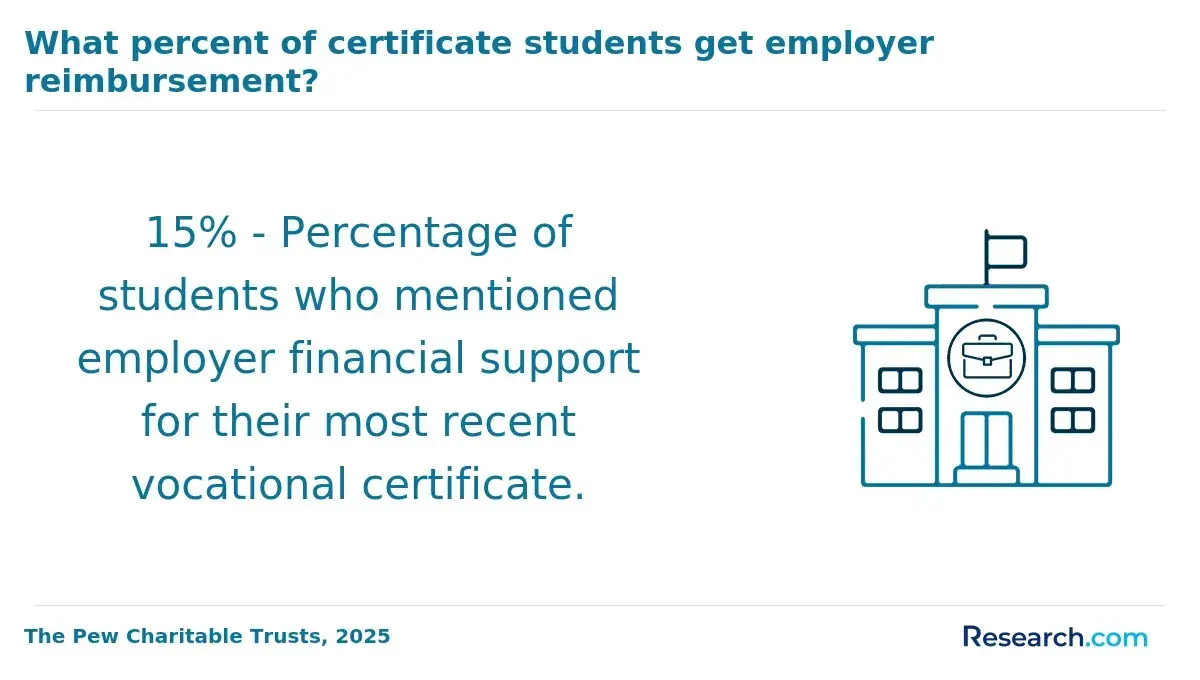
- Employer educational assistance can provide up to $5,250 per year in tax-free benefits under current IRS rules, but students should check grade requirements, eligible-program rules, annual caps, and repayment clauses before relying on it.
Which Online Child Psychology Doctorate Programs Offer the Lowest Total Cost?
The lowest total cost usually comes from programs that combine low per-credit tuition, a shorter post-master's curriculum, minimal residency travel, transferable graduate credits, and predictable dissertation fees. A "child psychology doctorate" may refer to several related paths: a PhD in developmental psychology, an EdD in educational or school psychology, a PsyD or PhD in clinical psychology with a child/adolescent emphasis, or a counseling-focused doctorate that prepares graduates for research, teaching, leadership, or supervised practice depending on accreditation and state rules.
Students should be careful with the word "online." Fully online developmental or educational psychology doctorates may be affordable and flexible, but they often do not lead directly to psychologist licensure. Licensure-focused clinical, counseling, and school psychology doctorates are frequently hybrid because students must complete in-person clinical training, practica, internships, and supervision. If you are not ready for doctoral study, comparing affordable child psychology master's programs can help you build prerequisites while limiting debt.
The table below shows how different doctorate types typically affect cost. The dollar examples are simple tuition calculations, not promises of actual school pricing; always confirm current tuition, fees, and credit requirements with each institution.
| Program type | Best fit | Why total cost may be lower or higher | Cost-check example |
| Post-master's online PhD in developmental or child/adolescent psychology | Students pursuing research, teaching, program evaluation, or nonprofit leadership | Often lower when it accepts transfer credits and does not require full clinical training | 60 credits at $600 per credit equals $36,000 before fees |
| Online EdD in educational, school, or learning psychology with child-focused coursework | Educators, school leaders, child development specialists, and policy professionals | May be cost-effective if designed for working adults and completed part time without relocation | 54 credits at $700 per credit equals $37,800 before fees |
| Hybrid PsyD or PhD in clinical psychology with a child/adolescent emphasis | Students seeking psychologist licensure or advanced clinical roles | Usually higher because of clinical training, residencies, internship requirements, and accreditation standards | 90 credits at $900 per credit equals $81,000 before fees |
| Doctorate in counseling, counselor education, or human services with youth concentration | Licensed counselors, supervisors, faculty candidates, and agency leaders | Can be affordable for already-licensed professionals, but scope of practice differs from psychologist licensure | 48 credits at $750 per credit equals $36,000 before fees |
The best low-cost choice depends on your goal. If you want to become a licensed child psychologist, the cheaper non-licensure doctorate may not meet state requirements. If your goal is research, teaching, school leadership, nonprofit administration, or child development program design, a lower-cost online PhD or EdD may offer better value than a costly clinical doctorate.
What Financial Aid Is Available for Online Child Psychology Doctorate Students?
Online doctoral students may qualify for the same broad categories of aid as campus-based graduate students if they attend an eligible accredited institution and meet enrollment requirements. The most important step is to compare net cost, not tuition alone, because a school with higher tuition may become cheaper after grants, scholarships, tuition discounts, or employer support.
Students entering a doctorate after an online clinical psychology masters should also ask whether prior graduate credits can reduce the program length. Transfer credit can lower tuition, but only if the credits apply to the doctoral plan of study and do not weaken licensure eligibility.
The table below summarizes the major funding sources and what each one is best for. Use it to decide which aid options to pursue first before accepting loans.
| Funding source | How it helps | Best use | Important limitation |
| Institutional scholarships | Reduce tuition directly | Students with strong academic records, professional experience, or mission fit | May require full-time enrollment, annual renewal, or satisfactory academic progress |
| Need-based or professional grants | May not require repayment | Students with financial need or work tied to public service, schools, behavioral health, or underserved communities | Less common at the doctoral level than undergraduate aid |
| Federal Direct Unsubsidized Loans | Provide graduate borrowing up to the annual federal limit | Covering unavoidable tuition after free aid is applied | Interest accrues while in school |
| Grad PLUS Loans | Can cover remaining approved cost of attendance | Last-resort funding for eligible expenses not covered by other aid | Credit check applies, and borrowing can become expensive |
| Employer tuition assistance | Offsets tuition while the student remains employed | Working professionals in schools, hospitals, government, nonprofits, and behavioral health agencies | Often has annual caps and repayment requirements if the employee leaves |
| Assistantships or fellowships | May provide tuition support, stipend, or hourly pay | Research-focused students or doctoral candidates who can support faculty projects | More available in campus-based PhD programs than fully online programs |
For most students, the smartest sequence is to complete the FAFSA, ask each school about institutional aid, apply for external scholarships, request employer benefits, and then borrow only the remaining amount. A common mistake is accepting the full loan offer before checking whether a smaller course load, transfer credits, or departmental funding could reduce the bill.
Which Scholarships Help Reduce the Cost of an Online Child Psychology Doctorate?
Scholarships for online child psychology doctorate students usually fall into academic merit, professional association, diversity and access, school psychology, counseling, mental health, and research categories. Awards may be small compared with total doctoral tuition, but multiple awards can reduce borrowing and may also strengthen a student's academic profile.
Scholarship eligibility often depends on the student's specialization and career path. A doctoral student studying child trauma, school mental health, developmental disorders, adolescent risk behavior, or community-based prevention may find different awards than a student pursuing general developmental theory.
The table below groups scholarship sources by purpose. It does not list every award, but it shows where doctoral students should search first and what committees usually look for.
| Scholarship category | Who it may fit | Common selection factors | Cost impact |
| Psychology association scholarships | Doctoral students in psychology-related research or practice areas | Academic record, research topic, faculty recommendation, professional goals | Can reduce annual tuition or dissertation-related expenses |
| School psychology and education scholarships | Students focused on child development, learning, assessment, or school-based services | Commitment to children, schools, special education, or underserved communities | Useful for EdD, school psychology, or educational psychology pathways |
| Mental health and behavioral health scholarships | Students preparing for service in counseling, clinical, nonprofit, or public mental health settings | Service commitment, population focus, financial need, or workforce shortage interest | May pair well with employer benefits or public-service goals |
| Diversity, equity, and access awards | Students from underrepresented backgrounds or those serving marginalized youth | Personal statement, community service, leadership, and mission alignment | Can help offset fees, travel, conference costs, or tuition |
| Dissertation and research grants | Advanced doctoral students collecting data or completing a dissertation | Research design, feasibility, child-focused topic, and faculty support | Most helpful near candidacy or dissertation stage |
To improve scholarship results, treat applications as part of your annual financing plan rather than a one-time task. Many doctoral students miss opportunities because they search only before enrollment, even though dissertation, conference, and research awards often become available later.
- Create a scholarship calendar with institutional, association, and local foundation deadlines before each academic year begins.
- Reuse core materials carefully, but customize each statement to show how your child psychology focus matches the funder's mission.
- Ask faculty for recommendation letters early, especially if the award requires research promise or professional service evidence.
- Track renewal conditions, including GPA, enrollment status, research milestones, and required reports.
Scholarships are competitive, but they are still worth pursuing because even modest awards can prevent high-interest borrowing. The red flag to avoid is paying application or "processing" fees to unknown scholarship services; legitimate scholarships should clearly identify the sponsor, eligibility rules, deadline, and award terms.
How Can Employer Tuition Assistance Help Pay for an Online Child Psychology Doctorate?
Employer tuition assistance can be one of the most practical ways to fund an online child psychology doctorate because many students in this field already work in schools, hospitals, clinics, government agencies, social services, or nonprofits. Under current IRS rules, up to $5,250 per year in qualified employer educational assistance can generally be excluded from taxable income, which makes this benefit especially valuable for part-time doctoral students.
The best candidates for employer support are students whose doctorate directly benefits their current organization. Examples include a school counselor pursuing advanced child development training, a behavioral health supervisor studying adolescent intervention systems, or a nonprofit program director researching youth outcomes.
The table below compares common employer tuition support models. The details vary widely, so students should request the written policy before enrolling.
| Employer support model | How it works | Best fit | Key risk |
| Tuition reimbursement | The student pays first and is reimbursed after grades are posted | Students with enough cash flow to cover upfront costs | Reimbursement may be denied if grades, deadlines, or documentation rules are missed |
| Direct billing or tuition voucher | The employer pays the school directly or through an approved platform | Students who want to avoid paying out of pocket first | May limit school choice to approved providers |
| Professional development funds | Funds may cover courses, conferences, licensure prep, or research expenses | Students whose roles require child development or mental health expertise | Annual budgets may be small or first-come, first-served |
| Workforce pipeline or service commitment funding | The employer helps pay in exchange for continued service | Employees in shortage areas such as school mental health or behavioral health leadership | Leaving early may trigger repayment |
Before relying on employer funding, ask specific questions in writing. These questions help prevent the common mistake of enrolling in a program that the employer later refuses to reimburse.
- Is a doctoral psychology, education, counseling, or human services program eligible under the policy?
- Does the program need to be job-related, accredited, nonprofit, regionally accredited, or preapproved?
- What is the annual cap, and does it reset by calendar year, fiscal year, or academic year?
- Are books, technology fees, residencies, dissertation fees, and internship-related costs covered?
- What grade, completion, or satisfactory academic progress standard must be met?
- Is there a repayment clause if you leave the employer during or after the program?
Employer support works best when the student can schedule courses around work without extending the program so long that fees and tuition increases erase the benefit. It may not be the right fit if the employer requires a long post-graduation service commitment that conflicts with your licensure, internship, relocation, or career plans.
How Do Assistantships, Fellowships, and Research Funding Work for Online Child Psychology Doctorate Students?
Assistantships, fellowships, and research funding are more common in research-intensive PhD programs than in fully online professional doctorates, but online students should still ask. Funding may come through a department, grant-funded faculty project, research center, school partnership, or dissertation award.
Assistantships usually involve teaching, grading, research support, data coding, literature reviews, program evaluation, or lab coordination. Fellowships may provide tuition remission, a stipend, or targeted support for students studying a high-priority topic such as early childhood development, adolescent mental health, school-based intervention, disability, trauma, or prevention science.
The table below explains how these funding types differ. It can help students understand why a higher-priced doctoral program with strong funding may cost less out of pocket than a cheaper program with no funding.
| Funding type | Typical purpose | Online-student availability | Decision value |
| Teaching assistantship | Support undergraduate or graduate courses | Limited but possible in online departments | May reduce tuition or provide pay while building teaching experience |
| Research assistantship | Support faculty studies, grants, data analysis, or literature reviews | Possible if work can be completed remotely | Strong fit for students planning academic, research, or policy careers |
| Doctoral fellowship | Fund promising students or priority research areas | Varies by institution and program format | Can make a higher-tuition program financially competitive |
| Dissertation grant | Pay for data collection, software, participant incentives, or travel | Often available after proposal approval | Reduces late-stage costs when students are most likely to borrow for fees |
| Grant-funded project role | Support a funded research or service project | Depends on faculty grants and remote-work rules | Can connect funding with career-relevant child psychology experience |
Students should ask about funding before applying, not after admission. Programs are more likely to explain realistic opportunities when applicants ask direct questions about online eligibility, workload, renewal rules, and whether funding is guaranteed or competitive.
- Ask whether online doctoral students have received assistantships or fellowships in the last two admission cycles.
- Request examples of funded child, adolescent, school, or developmental psychology research projects.
- Clarify whether funding reduces tuition, pays wages, provides a stipend, or reimburses expenses.
- Confirm whether accepting funding changes your course load, residency schedule, or time to completion.
The main red flag is vague language such as "funding may be available" without details. A strong program should be able to explain eligibility, deadlines, typical award structure, and whether online students are truly competitive for those opportunities.
Which Program Features Have the Biggest Impact on the Total Cost of an Online Child Psychology Doctorate?
Published tuition is only the starting point. The total cost of an online child psychology doctorate depends on the number of credits required, tuition model, transfer policy, residency requirements, dissertation timeline, clinical training costs, and whether the degree supports the student's intended career outcome.
The table below highlights the features that most often change the final price. These are the cost drivers students should compare side by side before choosing a program.
| Program feature | Why it changes cost | What to verify |
| Total required credits | More credits usually mean higher tuition and more terms of fees | Minimum credits, transfer-credit maximum, and whether dissertation credits are included |
| Per-credit vs. flat-rate tuition | Flat-rate pricing may benefit faster students, while per-credit pricing may benefit part-time students | Whether tuition changes by enrollment load, campus visits, or doctoral stage |
| Residency or intensive requirements | Travel, lodging, missed work, and fees can add significant costs | Number, location, length, and frequency of required in-person sessions |
| Practicum, internship, and supervision | Licensure-focused programs require supervised experience that may reduce work hours | Placement support, state eligibility, supervision costs, and internship expectations |
| Dissertation or capstone structure | Extra dissertation terms can add tuition and fees after coursework ends | Continuous enrollment fees, dissertation credit costs, and average completion support |
| Accreditation and licensure alignment | A cheaper program may be costly if it does not support the intended license or role | Regional accreditation, programmatic accreditation where relevant, and state board requirements |
| Technology and student fees | Mandatory fees can increase annual cost even when tuition looks low | Per-term, per-credit, online learning, graduation, transcript, and software fees |
Licensure is the biggest quality-and-cost issue for students who want to practice as psychologists. In many states, psychologist licensure requires a doctoral degree from a properly accredited clinical, counseling, or school psychology program, supervised experience, examination, and state board approval. A fully online child development doctorate may be academically valuable but may not meet those requirements.
Students should avoid the mistake of assuming that "child psychology" in the program name means clinical practice eligibility. Instead, match the curriculum to the outcome: licensure, research, teaching, school leadership, program evaluation, policy, or advanced practice in an already licensed profession.
How Can Students Reduce Borrowing While Earning an Online Child Psychology Doctorate?
Reducing borrowing starts with controlling the program length and using free or employer-funded aid before loans. Because Federal Direct Unsubsidized Loans for graduate students are capped annually and accrue interest while in school, every scholarship, tuition discount, transfer credit, and employer payment can lower the long-term cost of the degree.
The most effective strategy is to create a financing plan before the first term. That plan should estimate tuition, fees, travel, books, lost work time, and dissertation-stage costs, then subtract realistic funding sources.
- Build a full cost spreadsheet using credits, per-credit tuition, mandatory fees, residency travel, dissertation enrollment, and expected tuition increases.
- Ask each school for a written transfer-credit evaluation before committing, especially if you already hold a psychology, counseling, education, or human development master's degree.
- Apply for institutional scholarships before external awards because school-based aid may have earlier priority deadlines.
- Use employer tuition benefits strategically by spreading courses across benefit years when doing so does not extend the program unnecessarily.
- Choose a course load that preserves income if quitting work would force higher borrowing.
- Borrow only what you need for the term rather than automatically accepting the maximum loan amount offered.
- Recheck scholarships, grants, and dissertation funding every year because doctoral funding opportunities change by stage.
Part-time enrollment can reduce financial pressure because students keep income and may use employer aid over several years. However, it can also increase total cost if the school charges continuous enrollment fees, dissertation extension fees, or annual tuition increases. Full-time enrollment may be better when the program offers stronger scholarships, assistantships, or faster completion.
Students should also compare living-cost effects. An online format can reduce relocation and commuting costs, but required residencies, internship travel, unpaid clinical hours, or reduced work schedules can still affect the budget. A low-tuition program is not truly low-cost if it requires expensive travel or makes it difficult to maintain employment.
Does Paying Less for an Online Child Psychology Doctorate Affect Career Outcomes?
Paying less does not automatically harm career outcomes, but choosing the wrong type of low-cost program can. The key question is whether the program's accreditation, curriculum, supervised training, faculty expertise, and student outcomes align with the role you want after graduation.
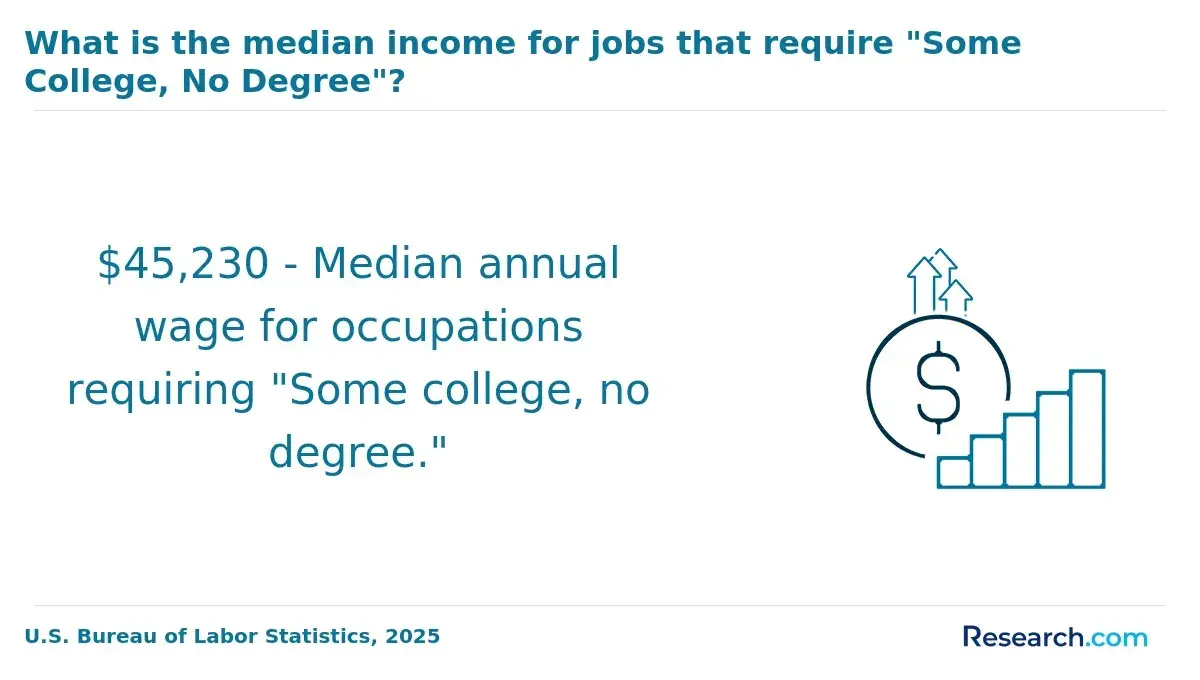
For students pursuing licensed psychologist roles, program fit matters more than low tuition alone. The BLS reported a May 2024 median annual wage of $94,310 for psychologists, but that figure covers a broad occupation and does not guarantee earnings for any specific graduate. Pay can vary by state, setting, licensure status, experience, specialization, and whether the role is clinical, school-based, academic, research-focused, or administrative.
Career outcomes also differ across psychology specializations. Students comparing child psychology with justice-related work may want to review how much do forensic psychologists make to understand how setting, credentials, and specialization can change salary expectations.
The table below shows when a lower-cost doctorate is likely to be a smart investment and when a higher-cost program may be justified.
| Student goal | Lower-cost program may work when | Higher-cost program may be justified when |
| Licensed child psychologist | The program meets state licensure expectations and provides required supervised training | The higher-cost option has stronger accreditation alignment, internship support, and licensure outcomes |
| Research or academic career | The program offers research mentorship, dissertation support, and publication opportunities | The higher-cost option provides funded research roles, faculty networks, or stronger placement history |
| School or district leadership | The doctorate aligns with education leadership, assessment, learning science, or child development goals | The higher-cost option connects directly to certification, district partnerships, or leadership pipelines |
| Nonprofit or behavioral health administration | The program builds evaluation, leadership, grant-writing, and youth-program expertise | The higher-cost option offers specialized field projects or employer-recognized credentials |
The common mistake is treating ROI as a simple tuition-to-salary equation. A better approach is to compare debt against the specific role you can realistically pursue, the credential required for that role, and the time it will take to reach postdoctoral, licensure, or promotion milestones.
Which Online Child Psychology Doctorate Programs Offer the Best Combination of Cost, Financial Aid, and Flexibility?
The best-value online child psychology doctorate is not always the program with the lowest sticker price. It is the program that meets your career goal at the lowest manageable net cost after scholarships, employer aid, transfer credits, and required in-person expenses are considered.
Because online child psychology doctoral options vary widely, students should compare programs by category rather than relying only on school type. Public universities are often affordable for in-state students, but private nonprofit and private for-profit institutions may offer flexible formats, tuition discounts, or employer partnerships. Institution type alone does not determine ROI.
The table below identifies the program profiles that tend to offer the strongest balance for different student circumstances.
| Best-value profile | Who should prioritize it | Why it may offer strong value | Main caution |
| Low-credit post-master's online PhD or EdD with child-focused research options | Students with a relevant master's degree who do not need psychologist licensure | Fewer credits and transfer policies can reduce tuition and time | May not qualify graduates for clinical psychology licensure |
| Hybrid licensure-oriented doctorate with strong internship and state-board alignment | Students who want to practice as licensed psychologists serving children or adolescents | Higher cost may be offset by stronger alignment with required professional outcomes | Residencies, clinical hours, and internship placement can limit flexibility |
| Online EdD in educational or school psychology-related leadership | Educators, school counselors, district specialists, and child-serving administrators | Often designed for working professionals and may pair well with employer funding | May support leadership more than clinical practice |
| Part-time online doctorate with predictable tuition and employer reimbursement fit | Working professionals with stable employer tuition benefits | Allows students to keep income and spread costs across benefit years | Longer timelines can add fees if not carefully planned |
| Research-focused doctorate with assistantship or fellowship access | Students seeking academic, policy, or research careers | Funding, mentorship, and publication opportunities can improve value | Fully online students may have fewer funding opportunities than campus students |
Students comparing related psychology pathways should also consider whether another specialization better matches their career goal. For example, affordable forensic psychology master's programs may be a better stepping stone for students interested in juvenile justice, family court, victim advocacy, or legal-system roles involving children.
A practical shortlist should include at least one lowest-tuition option, one strongest-funding option, and one strongest-career-alignment option. The best choice is the one that remains affordable after aid while still supporting the professional outcome you actually need.
How Should Students Compare Low-Cost Online Child Psychology Doctorate Programs?
Students should compare low-cost online child psychology doctorate programs using a structured process that separates price, aid, quality, flexibility, and career alignment. This prevents the biggest error in doctoral financing: choosing a cheap program that does not support the intended license, promotion, research path, or salary growth.
Start by asking each school for the same information so comparisons are fair. A school that cannot clearly explain total cost, licensure alignment, and doctoral completion requirements should be treated cautiously.
- Confirm accreditation first, including institutional accreditation and any programmatic accreditation needed for your career goal.
- Ask for the full cost of attendance, including tuition, mandatory fees, residency costs, dissertation fees, technology fees, and graduation fees.
- Request a written transfer-credit review before enrollment, not after the first term begins.
- Ask whether online students receive the same scholarships, grants, assistantships, and fellowships as campus students.
- Compare program length using realistic enrollment patterns, especially if you plan to work full time.
- Verify whether the curriculum and supervised experiences meet state licensure or certification expectations where you plan to work.
- Review faculty expertise in child, adolescent, developmental, educational, school, trauma, or family psychology topics.
- Ask about dissertation support, average time-to-completion patterns, and what happens if a student needs extra dissertation terms.
- Compare career services, internship support, alumni outcomes, and employer partnerships.
- Calculate estimated debt at graduation and compare it with realistic career outcomes for your target role.
The final decision should come down to three questions: Will this program qualify me for the role I want? Can I complete it without unsustainable debt? Does the online format fit my work, family, residency, and clinical-training obligations?
Red flags include unclear licensure language, unusually aggressive recruiting, vague scholarship promises, high mandatory fees hidden outside tuition, no written transfer-credit policy, and weak dissertation support. A low advertised tuition rate is not enough if the program creates delays, extra fees, or career limitations.
Other Things You Should Know About Child Psychology
Child psychology studies how children and adolescents think, learn, behave, develop emotionally, form relationships, and respond to family, school, community, and biological influences. Doctoral study may focus on research, assessment, intervention, education, policy, or clinical practice depending on the program.
No. Child psychology is a broad field focused on child and adolescent development and mental health. School psychology is a specialized profession centered on learning, assessment, behavior, and mental health services in educational settings. Licensure and certification rules differ by state.
Many programs allow limited AI use for brainstorming, organization, or editing, but policies vary. Students should never use AI to fabricate citations, replace required analysis, or handle confidential clinical or research data without approval. Always follow university, research ethics, and privacy rules.
Important skills include research literacy, ethical judgment, child development knowledge, cultural responsiveness, communication with families and professionals, assessment awareness, data interpretation, and the ability to apply evidence-based practices in age-appropriate ways.
References
- Estimated Cost of Attendance | Palo Alto University https://paloaltou.edu/financial-aid/tuition-and-costs/estimated-cost-attendance
- Educational Psychology Funded Training (EPFT) scheme https://www.aep.org.uk/EPFT
- Talent Studies: Investing in employee education benefits everyone https://www.luminafoundation.org/our-work/talent-investments/
- Funding - American Psychological Foundation https://ampsychfdn.org/funding/
- Getting Your Employer to Pay for Your Online Masters https://www.onlinemastersdegrees.org/financial-aid/employer-tuition-assistance/
- Tuition Assistance – What Students Want and What Institutions Can Do https://www.encoura.org/resources/wake-up-call/tuition-assistance-what-students-want-and-what-institutions-can-do/
- Applying for DClinPsy as an International Student https://aspiringclinicalpsych.com/applying-as-an-international-student/
- How Much Does a PhD Cost https://aituedu.org/how-much-does-a-phd-cost/
- 2025 Most Affordable Online Colleges for a PhD in Psychology https://www.onlineu.com/most-affordable-colleges/psychology-doctoral-degrees
- Scholarships for Doctor of Education (EdD) Students | Teach.com https://teach.com/online-ed/education-degrees/online-edd-programs/scholarships/