2027 Online Child Psychology Doctorate Programs for Working Professionals: Flexible, Part-Time, and Self-Paced Options

Co-Founder and Chief Data Scientist
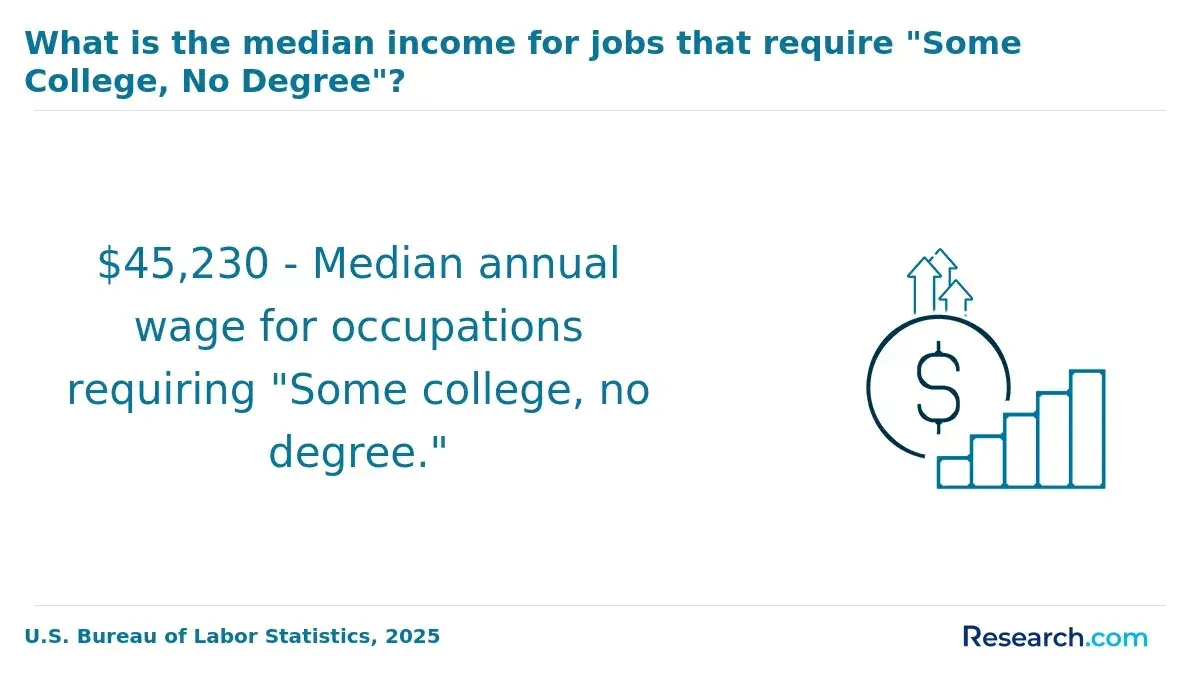
Choosing an online child psychology doctorate while working full time is really a scheduling, licensure, and return-on-investment decision. The Bureau of Labor Statistics reports a 2024 median pay of $94,310 for psychologists, but doctoral study can take years and may include residencies, practica, and dissertation milestones.
This guide is for professionals balancing work, family, and study. You will learn how flexible, part-time, asynchronous, and self-paced formats differ, what workload to expect, and how to choose a program that fits your career goals without underestimating the commitment.
Key Things You Should Know
- Most online child psychology doctorates are not fully self-paced; working professionals should expect structured deadlines, dissertation milestones, and often some synchronous, residency, practicum, or internship requirements.
- Part-time doctoral study commonly takes about 4 to 7 years, depending on transfer credits, enrollment load, dissertation progress, and whether the program is designed for licensure, research, education, or applied practice.
- Plan for roughly 15 to 25 hours of weekly work in a part-time doctoral load, plus higher-demand periods during statistics, assessment, practicum, comprehensive exams, dissertation proposal, or final defense phases.
Is an Online Child Psychology Doctorate Worth It for Working Professionals?
An online child psychology doctorate can be worth it when the degree matches a clear professional goal: clinical licensure, advanced assessment practice, academic research, leadership in child and adolescent services, program evaluation, or high-level work in education, healthcare, nonprofit, or policy settings. It is less likely to be worth it if you only need graduate-level knowledge, want a fast credential, or are choosing a doctorate mainly because online delivery sounds convenient.
The most important distinction is that "online" describes course delivery, not the total program burden. A doctoral program may let you watch lectures at night, but it can still require live supervision, clinical placements, faculty meetings, research checkpoints, residencies, or strict dissertation deadlines. For working adults, value depends on whether the program's structure reduces scheduling friction without weakening professional preparation.
The labor-market context is favorable but not automatic. The Bureau of Labor Statistics projects 7% employment growth for psychologists from 2024 to 2034, which is faster than the average for all occupations. For a working professional, that signals continuing demand for psychological expertise, but it does not mean every online doctorate has the same market value. Licensure eligibility, accreditation, supervised experience, and specialization matter more than the delivery format printed on a website.
This decision is strongest when you can connect the degree to a specific outcome. For example, a school administrator may want expertise in child development and assessment to move into district-level behavioral health leadership. A licensed master's-level clinician may want doctoral training to expand assessment, supervision, or research capacity. A nonprofit director may want to lead evidence-based youth programs. In each case, the doctorate is a tool, not just a credential.
It may not be the best next step if you are still exploring psychology as a field. In that case, comparing child psychology master's programs can be a more practical way to build specialization before committing to doctoral tuition, research expectations, and multi-year workload.
Working professionals should also weigh opportunity cost. Even when a program is part time, doctoral study can reduce overtime availability, consulting income, family time, and career mobility during the dissertation stage. A worthwhile program should offer enough academic quality, advising support, schedule flexibility, and career alignment to justify those trade-offs.
A useful way to frame the decision is to compare the degree against your actual goal rather than against the idea of "more education." The table below summarizes when the investment tends to make sense and when another path may be more efficient.
| Professional situation | Doctorate may fit when | Consider another option when |
| Licensed or license-eligible clinician | You need doctoral-level assessment, supervision, research, or leadership preparation. | Your state or employer does not require a doctorate for the role you want. |
| Educator or school leader | You want advanced expertise in child development, learning, behavior, and intervention systems. | You mainly need an education leadership credential rather than psychology training. |
| Research or policy professional | You want to design, evaluate, or publish child-focused research and programs. | You do not want a dissertation, advanced statistics, or multi-year research work. |
| Career changer | You have completed prerequisite psychology coursework and understand licensure limits. | You need foundational psychology training first. |
Which Type of Online Child Psychology Doctorate Best Fits Your Career Goals?
"Online child psychology doctorate" is an umbrella phrase. Programs may use different degree titles, and those titles can lead to different career outcomes. Before comparing tuition or schedules, identify whether you need a clinical, counseling, school, developmental, educational, or applied research pathway.
The biggest career decision is whether you need a doctorate that supports psychologist licensure. Licensure requirements vary by state, but clinical and counseling psychology pathways usually involve specific accreditation, supervised clinical hours, internship requirements, and postdoctoral experience. A non-licensure developmental psychology doctorate may be excellent for research, teaching, or program leadership, but it may not qualify you to diagnose or treat clients independently.
The table below compares common doctorate types that working professionals may encounter. It focuses on career fit, because the "best" online format is only useful if the degree itself aligns with the role you want.
| Doctorate type | Typical focus | Best fit for working professionals who want | Important caution |
| PhD in Psychology with child, developmental, or clinical focus | Research, theory, assessment, and often dissertation-based scholarship | Academic, research, clinical, policy, or evidence-based program roles | Clinical licensure depends on program accreditation and state rules. |
| PsyD with child or adolescent emphasis | Applied clinical practice, assessment, intervention, and supervised training | Practice-oriented doctoral preparation | Online options may still require substantial in-person clinical work. |
| EdD in Educational Psychology or Child Development | Learning systems, schools, leadership, applied research, and program improvement | Education, district, nonprofit, curriculum, or intervention leadership | Usually not a clinical psychologist licensure pathway. |
| PhD in Developmental Psychology | Human development, research methods, cognition, family systems, and social development | Research, teaching, policy, or child-focused program evaluation | May not include clinical training or client-contact practica. |
| Doctorate in School Psychology | Assessment, consultation, school-based intervention, and student support | School or district psychology practice and leadership | Credentialing can be state-specific and may include internship rules. |
Some professionals compare child psychology with adjacent fields. For example, those interested in youth behavior, juvenile justice, trauma, or court-related assessment may also review forensic psychology master's programs before deciding whether a child-focused doctorate is the right long-term investment.
Use the following decision sequence before applying. It helps prevent the common mistake of choosing an appealing online format before confirming the degree's professional function.
- Define the role you want after graduation, such as licensed psychologist, researcher, faculty member, school leader, assessment specialist, or youth-program executive.
- Check whether that role requires licensure, certification, supervised hours, or a specific type of accredited doctoral program.
- Match the degree title and curriculum to that requirement rather than relying on concentration names alone.
- Ask admissions staff how recent graduates use the degree, especially if you plan to remain employed while enrolled.
- Compare the program's pacing, residency, practicum, and dissertation structure only after the career pathway is confirmed.
How Do Flexible, Part-Time, Asynchronous, and Self-Paced Child Psychology Doctorate Programs Differ?
These terms are often used together in marketing, but they do not mean the same thing. Understanding the difference can save you from enrolling in a program that technically offers online coursework but still conflicts with your work schedule.
A flexible program gives students some control over course sequencing, attendance options, or assignment timing. A part-time program reduces the number of credits taken per term. An asynchronous program lets you complete weekly learning activities without logging in at a fixed class time. A self-paced program allows faster or slower progress through defined modules, although doctoral programs rarely remove all deadlines because faculty review, research approvals, and dissertation supervision require structure.
The comparison below clarifies what each format usually means for an employed student. Use it to read program pages more critically and ask better questions before applying.
| Format term | What it usually means | Best for | Trade-off |
| Flexible | Some control over scheduling, electives, sequencing, or attendance | Professionals with variable work calendars | Flexibility may not apply to residencies, exams, or dissertation checkpoints. |
| Part time | Reduced credit load per term | Full-time employees, caregivers, and students managing limited study hours | Longer completion time and possible extended fees. |
| Asynchronous | No required weekly live class meeting for some or all courses | Students working evenings, rotating shifts, or multiple time zones | Deadlines still exist, and discussion boards may have weekly due dates. |
| Synchronous online | Live virtual class meetings at set times | Students who want real-time faculty and peer interaction | Harder for travel-heavy jobs, night shifts, or unpredictable family schedules. |
| Self-paced | Students may move through some course modules at an individualized speed | Highly organized learners with stable independent study habits | Less common at the doctoral level and may not apply to dissertation or practicum phases. |
| Cohort-based | Students progress with the same group through a planned sequence | Professionals who value structure, community, and predictable milestones | Less ability to slow down or accelerate. |
Working professionals should pay special attention to hidden structure. A program can be asynchronous during coursework but synchronous during statistics labs, clinical supervision, dissertation seminars, or residency weekends. Likewise, a part-time plan may still require summer enrollment or a minimum number of credits to maintain financial aid eligibility.
When comparing formats, ask schools direct questions rather than relying on labels. The following questions are especially useful for identifying real flexibility.
- Which courses require live attendance, and are recordings accepted if work conflicts arise?
- Can I take one course at a time, or is there a minimum term load?
- Are dissertation courses offered every term, or only in a fixed sequence?
- Can practicum, internship, or fieldwork hours be completed near my home or workplace?
- Are residencies required, and how many days of travel should I budget for each year?
- What happens if I need to pause enrollment because of work, caregiving, military service, or health needs?
What Are the Admission Requirements for Online Child Psychology Doctorate Programs?
Admission requirements vary widely because child psychology doctorates serve different purposes. Some accept students with a bachelor's degree, while others require a psychology-related master's degree, clinical experience, research preparation, or prior statistics coursework. Working professionals should evaluate admission requirements not only as entry barriers but also as signals of program level and career direction.
Typical requirements may include graduate transcripts, a minimum GPA, a statement of purpose, letters of recommendation, a resume or CV, writing samples, prerequisite psychology courses, research experience, and an interview. Programs with clinical or licensure components may also look for relevant human-services experience, ethical readiness, and the ability to complete supervised fieldwork.
If your background is outside psychology, the admissions process may require bridge coursework. Applicants who need clinical foundations before a doctorate sometimes compare an online clinical psychology masters pathway with direct-entry doctoral programs to see which route is more realistic.
The table below summarizes common admissions expectations and why each matters for employed applicants. It can help you spot whether you are ready to apply now or need preparation first.
| Requirement | Why programs ask for it | What working professionals should check |
| Prior degree | Confirms readiness for doctoral-level psychology work | Whether a master's degree shortens the program or transfers credits |
| Psychology prerequisites | Ensures foundation in development, research, statistics, and behavior | Whether missing courses can be completed online before admission |
| Professional experience | Shows maturity, ethical judgment, and fit with child-focused work | Whether your current role supports the specialization you want |
| Research or writing sample | Assesses readiness for dissertation, literature review, and scholarly writing | Whether the program offers writing support for returning adult learners |
| Interview | Evaluates fit, communication, goals, and understanding of doctoral demands | Whether faculty explain workload, residencies, and dissertation expectations clearly |
Do not treat easy admission as a sign of convenience. A program with minimal prerequisites may still be demanding after enrollment, and a program with rigorous admission may provide stronger cohort fit and advising. The better question is whether the admissions process accurately reflects the level of preparation needed to finish.
Before submitting applications, complete these practical steps. They can reduce wasted application fees and prevent surprises after acceptance.
- Request a written transfer-credit evaluation if you already hold a graduate degree.
- Ask whether the program is designed for licensure, non-licensure leadership, research, or education practice.
- Confirm whether admissions staff can connect you with faculty in child development, assessment, trauma, school psychology, or your intended focus.
- Review dissertation expectations before applying, not after coursework begins.
- Ask how many admitted students work full time and what course loads they usually take.
How Long Does It Take to Complete an Online Child Psychology Doctorate Part Time?
Part-time completion commonly takes about 4 to 7 years, but the range depends on degree type, prior graduate credits, dissertation progress, practicum requirements, and institutional time limits. A research-focused PhD may take longer if the dissertation requires original data collection. A professionally oriented doctorate may have a more predictable sequence but can still be extended by supervised practice, internship placement, or capstone review.
For working professionals, the timeline is not just the number of years listed on a website. It is the interaction between work schedule, term length, course availability, faculty review cycles, and life events. A program that allows one course per term may be more sustainable, but if required courses are offered only once per year, a missed course can delay graduation.
The table below shows common pacing scenarios. These are planning categories, not guarantees, because each school sets its own credit requirements and dissertation rules.
| Enrollment pattern | Typical weekly fit | Likely timeline pattern | Best fit |
| Full time | Hard to combine with a demanding full-time job | Shortest route when coursework, research, and fieldwork align | Students with flexible employment or reduced work hours |
| Part time, steady pace | Usually more manageable for full-time professionals | Often extends completion by multiple terms | Students who can protect weekly study blocks year-round |
| One course at a time | Most manageable during high work or caregiving load | May significantly lengthen coursework phase | Students prioritizing sustainability over speed |
| Accelerated terms | Intense short-term workload | Can shorten coursework but not always dissertation or practicum | Students with strong independent study habits and predictable schedules |
| Stop-out or leave option | Useful during major life or work disruptions | May delay graduation and affect financial aid or catalog rules | Students in unpredictable professions or caregiving situations |
A practical timeline should include more than courses. Many doctoral students move through phases: orientation, core coursework, methods and statistics, specialization courses, comprehensive exams, dissertation proposal, institutional review approval if human subjects are involved, data collection or applied project work, analysis, writing, and defense. Each phase has a different rhythm.
To estimate your own timeline, use this process before enrolling. It helps translate a school's published plan into your actual calendar.
- Ask for a part-time degree map showing every term from first course to dissertation defense.
- Identify courses offered only once per year and mark them as scheduling risks.
- Ask whether dissertation work can begin during coursework or only after comprehensive exams.
- Confirm the maximum time allowed to complete the degree.
- Build in at least one buffer term for work travel, family responsibilities, practicum delays, or dissertation revisions.
What Curriculum, Dissertation, Residency, or Practicum Requirements Do Online Child Psychology Doctorate Programs Include?
Online child psychology doctorate curricula usually combine advanced developmental science, research methods, ethics, assessment, intervention, family systems, cultural context, and specialization work. The exact balance depends on whether the program is clinical, developmental, school-based, educational, or applied. For working professionals, the most important curriculum question is not only what you will study but when and where required activities occur.
Many programs include doctoral-level research design, quantitative or qualitative methods, child and adolescent development, psychopathology, neurodevelopment, trauma, family and community systems, consultation, prevention, and evidence-based intervention. Licensure-oriented programs may also include psychological assessment, diagnosis, therapy methods, supervision, practicum, internship, and professional ethics.
The table below outlines common requirements and how they affect schedule planning. It is especially useful for distinguishing coursework flexibility from non-coursework obligations.
| Requirement | What it involves | Schedule impact for working professionals |
| Core coursework | Foundational doctoral study in psychology, development, ethics, and methods | Often online, but weekly deadlines still require protected study time |
| Specialization courses | Child, adolescent, family, school, trauma, assessment, or developmental topics | May be offered less frequently than core courses |
| Statistics and research methods | Advanced design, analysis, and interpretation | Often among the highest-workload courses |
| Comprehensive exams | Formal assessment of doctoral readiness | May require concentrated preparation time beyond normal coursework |
| Dissertation or doctoral project | Original research or applied inquiry under faculty supervision | Requires self-management, faculty feedback cycles, and long-term writing discipline |
| Residency | Short in-person or virtual intensive for research, clinical skills, advising, or community building | May require travel, time off work, lodging, and childcare planning |
| Practicum or internship | Supervised professional experience, often in clinical, school, or community settings | Can be difficult to complete outside daytime hours |
Residency and practicum requirements deserve special scrutiny. Some online programs require only brief campus intensives, while others require repeated residencies or local field placements. If you work full time, especially in a role with limited daytime flexibility, the placement phase may be harder than the coursework phase.
Dissertation pacing is another major difference among programs. A dissertation-based doctorate usually requires sustained independent research, while an applied doctoral project may focus on solving a practical problem in a school, clinic, nonprofit, or community setting. Neither is automatically easier. The right option depends on whether your career goal requires research scholarship, applied leadership, clinical practice, or program evaluation.
Before enrolling, ask these requirement-specific questions. They will reveal whether the program's online format truly fits your life.
- How many residencies are required, and are they virtual, campus-based, or location-flexible?
- Can practicum or internship hours be completed in my state or region?
- Are placements arranged by the school, the student, or both?
- Can dissertation work use data from my workplace, and what approvals would be required?
- How often do dissertation chairs meet with part-time students?
- What support exists if a practicum site falls through or a dissertation topic changes?
How Much Weekly Work Should Full-Time Professionals Expect in an Online Child Psychology Doctorate Program?
A realistic part-time estimate is about 15 to 25 hours per week during standard coursework, with heavier periods during statistics, assessment, comprehensive exams, practicum, dissertation proposal, data analysis, and final writing. Full-time doctoral enrollment can exceed what many employed professionals can sustain, especially if the job already includes overtime, travel, crisis response, or emotionally demanding client work.
Online courses often shift time rather than reduce it. You may avoid commuting to campus, but you still need time for reading, lectures, discussion posts, research articles, data work, writing, group projects, and faculty meetings. Asynchronous delivery helps you choose when to work; it does not eliminate the academic workload.
The table below breaks down common weekly demands by program phase. Use it to test whether your calendar has enough protected time before you enroll.
| Program phase | Typical work pattern | Schedule risk | Planning tip |
| Regular coursework | Reading, lectures, discussion, papers, and assignments | Falling behind after one missed week | Reserve recurring weekday and weekend study blocks |
| Statistics or assessment | Problem sets, software, interpretation, practice reports, or applied exercises | Underestimating technical learning time | Choose lighter work periods if possible |
| Group or live components | Peer meetings, presentations, supervision, or synchronous sessions | Conflicts with work meetings or family routines | Ask for the live-session schedule before registering |
| Comprehensive exams | Review, synthesis, writing, and timed performance | Trying to prepare during peak job season | Plan vacation days or reduced commitments when allowed |
| Dissertation | Independent research, drafting, revisions, and faculty feedback | Losing momentum without weekly deadlines | Create self-imposed milestones and advisor check-ins |
| Practicum or internship | Supervised field hours, documentation, meetings, and reflection | Daytime availability requirements | Confirm placement schedules before committing to the program |
The biggest mistake is planning for "average" weeks only. Doctoral programs have surge weeks, and working adults need a buffer for school deadlines that collide with work travel, audits, caseload spikes, parent-teacher conferences, illness, or caregiving responsibilities.
Use the following workload strategy before your first term. It is designed for adults who cannot simply pause their careers.
- Audit your current calendar for two weeks and count actual discretionary hours, not hoped-for hours.
- Choose a starting term that does not overlap with your busiest work season.
- Tell your supervisor about predictable residency or exam windows if doing so is safe and appropriate in your workplace.
- Set a weekly minimum study block for reading and a separate block for writing.
- Protect one recovery window each week to reduce burnout and avoid turning every free hour into school time.
How Much Does an Online Child Psychology Doctorate Cost, and What Financial Aid Is Available?
Costs vary by institution, credit count, residency travel, dissertation continuation fees, technology fees, clinical placement costs, books, and time-to-completion. For working professionals, the sticker tuition is only one part of the financial picture. A slower part-time plan may reduce term-by-term pressure but can increase total fees if the program charges per term, dissertation continuation, or residency costs over more years.
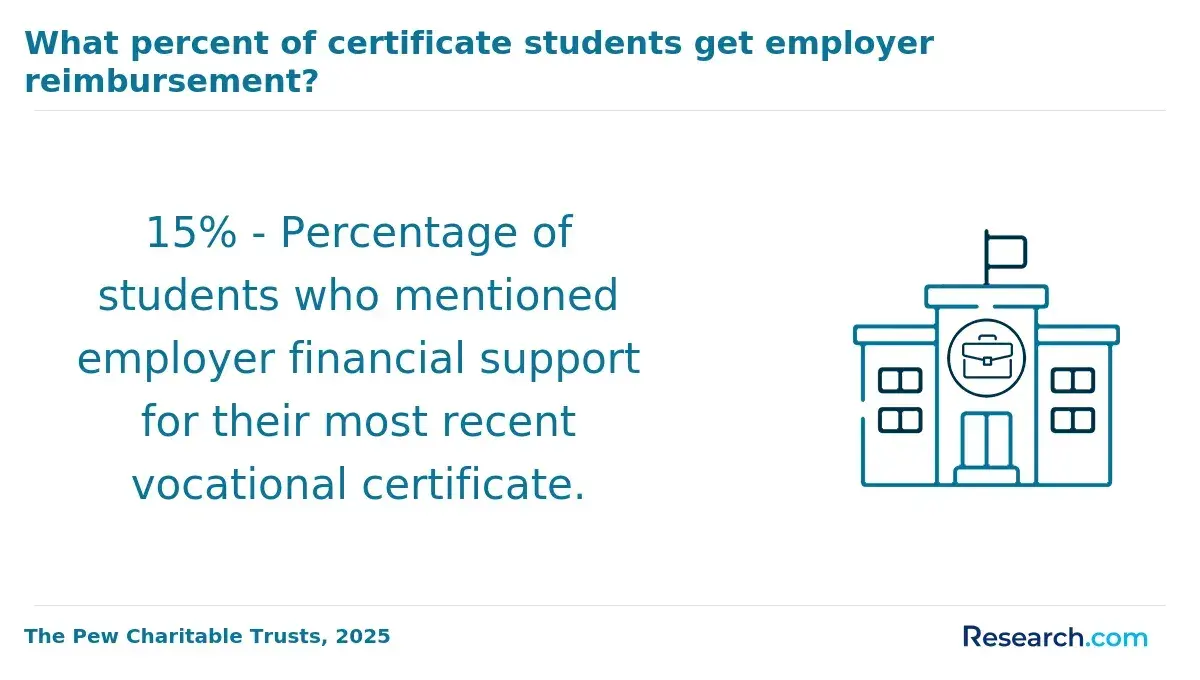
Federal aid rules are also important. Graduate and professional students may borrow up to $20,500 per academic year in Federal Direct Unsubsidized Loans, while Grad PLUS Loans may cover remaining eligible cost of attendance after other aid, subject to federal rules and credit checks. This matters because many doctoral students use a mix of loans, employer tuition assistance, payment plans, scholarships, and personal funds rather than one funding source.
When comparing programs, request a full cost estimate that includes both direct and indirect costs. The following list shows the categories that most often change the real price for online doctoral students.
- Tuition charged per credit, per term, or per academic year
- University, technology, library, student service, graduation, and dissertation continuation fees
- Residency travel, lodging, meals, parking, and time off work
- Practicum or internship background checks, liability insurance, immunizations, or site fees
- Books, assessment materials, statistical software, transcription, or research tools
- Extra terms caused by dissertation delays, course sequencing, or reduced enrollment load
The table below summarizes common funding options and what working professionals should verify before relying on them.
| Funding option | How it may help | What to verify |
| Federal Direct Unsubsidized Loans | Provides annual graduate borrowing capacity | Interest accrual, annual limits, and total debt |
| Grad PLUS Loans | May cover remaining eligible cost of attendance | Credit requirements and repayment impact |
| Employer tuition assistance | Can reduce out-of-pocket cost while you keep working | Annual caps, grade requirements, service commitments, and eligible programs |
| Institutional scholarships | May lower tuition or support specific doctoral populations | Renewal criteria and whether part-time students qualify |
| Assistantships or fellowships | Can provide funding or professional experience | Availability for online and part-time students |
| Payment plans | Spreads term charges over several payments | Fees, due dates, and interaction with employer reimbursement |
Do not choose the cheapest program automatically. A low-cost program that does not meet licensure, accreditation, advising, or placement needs can be more expensive in the long run. At the same time, a high-cost program should be able to explain its advising model, faculty access, practicum support, research infrastructure, and outcomes transparently.
To make a stronger financial decision, compare programs using a total-cost lens. Include tuition, fees, travel, lost income from time off, delayed completion risk, and whether the program supports the specific career outcome you want.
How Can You Verify the Accreditation and Quality of an Online Child Psychology Doctorate Program?
Accreditation is one of the most important checks for any online doctorate in psychology. Institutional accreditation shows that the university meets broad quality standards. Programmatic accreditation or approval may be required for certain licensure pathways, internships, or employer recognition. Requirements vary by state and profession, so you should verify them directly instead of relying on general marketing language.
For clinical, counseling, or school psychology pathways, ask whether the program meets the accreditation expectations of the licensing board in the state where you plan to practice. Some states are strict about doctoral program accreditation, internship type, supervised experience, and coursework content. A degree can be legitimate academically but still fail to meet a specific licensing board's requirements.
Quality also includes student support. A flexible online doctorate should provide accessible faculty advising, dissertation supervision, library and research support, statistics help, placement guidance, technology support, and clear policies for part-time progression. A program that leaves online doctoral students to arrange every major milestone alone may be risky for busy professionals.
The table below lists quality signals and red flags. Use it when reviewing program pages, speaking with admissions advisors, and comparing final offers.
| Quality area | Strong signal | Red flag |
| Accreditation | Institutional accreditation is clearly stated and verifiable | Vague claims such as "recognized" without naming the accreditor |
| Licensure alignment | Program explains state-specific limitations and directs students to boards | Promises licensure in all states |
| Faculty expertise | Faculty research or practice aligns with child, adolescent, school, family, or developmental psychology | No clear faculty fit for your specialization |
| Dissertation support | Clear chair assignment process, milestones, and research resources | Unclear expectations after coursework |
| Residency and placement transparency | Requirements are stated before enrollment | In-person requirements appear only after admission |
| Student outcomes | Program shares completion, licensure, placement, or alumni information when available | No meaningful outcome data or evasive answers |
Before committing, take these verification steps. They are especially important if you plan to use the doctorate for licensure, school credentials, or employer-funded advancement.
- Confirm the university's institutional accreditation through the accreditor or the U.S. Department of Education database.
- Contact your state licensing board and ask whether the specific degree type, accreditation status, and delivery format meet educational requirements.
- Request written clarification about residencies, internships, practica, and supervised hours.
- Ask whether online and campus students have the same faculty access, library resources, and dissertation support.
- Speak with current students or alumni if the program can provide appropriate contacts.
- Review policies for leaves of absence, maximum completion time, transfer credits, and dissertation continuation fees.
What Career Outcomes and Professional Benefits Can an Online Child Psychology Doctorate Provide?
An online child psychology doctorate can support careers in clinical practice, assessment, school systems, developmental research, college teaching, nonprofit leadership, behavioral health administration, program evaluation, public policy, and consulting. The exact outcome depends on degree type, licensure eligibility, supervised experience, research record, and employer expectations.
For licensed psychologist roles, doctoral education is usually only one part of the pathway. Graduates may also need approved supervised hours, internship experience, exams, background checks, and state licensure. For nonclinical roles, employers may care more about research ability, leadership experience, evaluation skills, publishing, grant writing, or experience with child-serving systems.
Salary should be interpreted by role, not by degree title alone. The Bureau of Labor Statistics reports a 2024 median annual wage of $94,310 for psychologists, but this broad category includes different specializations, settings, and experience levels. A doctorate may improve eligibility for certain roles, but it does not guarantee a specific income.
The table below connects common outcomes to the preparation that matters most. It can help you decide whether a child psychology doctorate is the right credential or whether a related field would better match your goals.
| Career direction | Typical responsibilities | Doctoral preparation that matters | Key limitation |
| Child or adolescent psychologist | Assessment, diagnosis, intervention, consultation, and treatment planning | Licensure-aligned doctoral training, supervised experience, assessment and intervention skills | Online coursework alone is not enough for licensure. |
| School or district psychology leader | Student assessment systems, behavioral supports, consultation, and intervention planning | School psychology, educational psychology, assessment, systems leadership | State credential rules vary. |
| Developmental researcher | Study design, data analysis, publication, and program evaluation | Research methods, statistics, dissertation, faculty mentorship | Academic jobs can be competitive. |
| Postsecondary instructor or faculty member | Teaching, mentoring, curriculum development, and scholarship | Doctoral research, teaching experience, publications | Tenure-track roles may require strong research output. |
| Nonprofit or behavioral health leader | Program design, staff supervision, grant evaluation, and community partnerships | Applied research, child development, leadership, evidence-based intervention | Leadership experience may matter as much as the degree. |
| Juvenile justice or forensic-adjacent specialist | Consultation, assessment support, policy, or youth-focused program work | Child development, trauma, assessment, systems knowledge | Forensic roles may require separate specialization. |
Some professionals considering child psychology are also interested in legal or justice-related work with youth. If that is your direction, reviewing salary context for how much do forensic psychologists make can help you compare adjacent psychology pathways before committing to a child-focused doctorate.
The professional benefits of doctoral study can include deeper expertise, stronger research literacy, leadership credibility, eligibility for specialized roles, and the ability to contribute to evidence-based services for children and families. The strongest outcomes usually come from a good match among program type, accreditation, faculty fit, dissertation topic, practicum opportunities, and your existing career experience.
A practical next step is to compare three to five programs side by side. Look beyond whether classes are online and evaluate the total fit: career pathway, licensure alignment, weekly workload, residency travel, dissertation support, total cost, faculty expertise, and whether part-time students receive the same level of attention as full-time students.
Other Things You Should Know About Child Psychology
Possibly, but fieldwork can be the hardest part to schedule around full-time employment. Many child, school, or clinical placements operate during daytime hours, so ask whether evening, weekend, school-based, or workplace-adjacent placements are allowed before enrolling.
Policies vary by university, but many diplomas do not list delivery format. Employers and licensing boards are more likely to care about the institution, accreditation, degree type, supervised experience, and whether the program meets role-specific requirements.
No. Child psychology focuses broadly on children's cognitive, emotional, social, and behavioral development. School psychology focuses on student assessment, learning, intervention, consultation, and school systems. The two areas can overlap, but credentialing and job settings may differ.
Sometimes, but it is not safe to assume. Licensure-track programs often have specific accreditation, practicum, internship, and coursework sequences. If licensure is even a possibility, verify the pathway before starting rather than trying to retrofit requirements later.
References
- 2025 Most Affordable Online Colleges for a PhD in Psychology https://www.onlineu.com/most-affordable-colleges/psychology-doctoral-degrees
- Understanding the Differences Between Graduate Degrees in Clinical Psychology – IECA https://www.iecaonline.com/journal-article/understanding-the-differences-between-graduate-degrees-in-clinical-psychology/
- Online and Hybrid PhD & PsyD Programs in Psychology https://www.psychologist-license.com/phd/
- Professional Licensure https://www.fielding.edu/school-of-psychology/phd-in-clinical-psychology/professional-licensure/
- Hybrid PsyD Program: Accelerated, Comprehensive, and Blended Psychology Doctorate https://www.scuhs.edu/psyd-article/hybrid-psyd-program-accelerated-comprehensive-and-blended-psychology-doctorate/
- Best Online Child Psychology Master's Programs 2025 https://www.psychology.org/degrees/child-psychology/masters/
- Online Doctorate Programs in Child Psychology https://www.counselingpsychology.org/psychology/degrees/child-psychology/doctorate/
- Graduate Programs in Developmental Psychology https://www.apadivisions.org/division-7/students-careers/graduate-programs
- 5 Best Online PhD Educational Psychology Programs 2026 https://psydprograms.org/online-phd-educational-psychology-programs/