2026 Cybercrime Master's Programs With Bridge or Foundation Courses

Co-Founder and Chief Data Scientist
Applicants lacking a formal background in cybercrime often face obstacles entering master's programs due to prerequisite gaps. Programs with bridge or foundation courses address this by integrating essential undergraduate content into the graduate curriculum, balancing admission flexibility and academic rigor.
In 2024, nearly 60% of graduate students favored programs offering conditional admission or prerequisite coursework, according to the National Center for Education Statistics, highlighting demand for adaptable pathways. This trend reveals a shift toward inclusive enrollment models that accommodate diverse educational histories without delaying career progress. Evaluating these programs requires careful analysis of factors like prerequisite credit loads, total costs, and credential recognition to determine true career impact.
Key Things to Know About Cybercrime Master's Programs With Bridge or Foundation Courses
- Bridge courses often raise prerequisite credit loads, delaying full admission and extending time-to-degree; this tradeoff demands careful weighing of accelerated employment prospects against upfront academic investment.
- Employers increasingly value integrated foundation curricula, recognizing graduates who demonstrate applied cybercrime competencies regardless of prior degree focus, signaling evolving standards in workforce preparedness.
- Programs combining foundation and master's-level study can lower total costs and enable continuous enrollment, addressing adult learners' timing constraints but risking financial aid eligibility restrictions that require early verification.
What Are Cybercrime Master's Programs With Bridge or Foundation Courses, and Who Are They Designed For?
Cybercrime master's programs with bridge or foundation courses represent an adaptive educational model that directly addresses the mismatch between traditional admission prerequisites and the backgrounds of many non-traditional applicants. Unlike standard programs, which require applicants to have already secured foundational knowledge before applying, these integrated pathways embed essential preparatory coursework within the graduate curriculum itself.
This design eliminates the common barrier faced by career changers or graduates from related but non-aligned disciplines, who otherwise must pursue separate post-baccalaureate certificates or second bachelor's degrees before even gaining conditional admission. For example, a professional shifting from criminal justice to cybercrime could enter such a program without pausing their career to accumulate missing technical prerequisites externally.
- Purpose: These programs address the gap faced by applicants lacking prior cybercrime-specific coursework or skills, providing a streamlined pathway into graduate-level study without delaying entry to accumulate prerequisite credits elsewhere.
- Problem Solved: Traditional master's admissions often exclude capable candidates from non-aligned undergraduate majors, forcing them to pursue additional degrees or certificates. The integrated bridge or foundation courses remove this hurdle by ensuring foundational knowledge is acquired concurrently or sequentially within the program.
- Course Structure: Typically, foundation or bridge courses focus on core technical principles such as networking, programming, and cybersecurity fundamentals, delivered either before the master's core courses begin or alongside early graduate coursework, extending the overall program length by one or two semesters compared to direct-entry programs.
- Program Duration: These programs usually last 18 to 30 months, depending on whether foundation courses run concurrently with graduate classes or sequentially, balancing depth of preparation with efficient progress toward the master's degree.
- Institutional Offering: An accredited non-profit online university with flexible delivery methods, including online and part-time formats, are increasingly adopting this structure to expand access and accommodate diverse student profiles.
- Ideal Candidates: Non-technical career changers, recent graduates from adjacent disciplines such as criminal justice or information systems, and working professionals needing a cohesive, single-degree path to cybercrime mastery benefit most from these programs.
Which Accredited U.S. Universities Offer Cybercrime Master's Programs With Built-In Bridge or Foundation Courses?
The availability of cybercrime master's programs with embedded bridge or foundation courses is critical for career changers and non-traditional applicants who cannot afford separate prerequisite study periods. Opting for a program with integrated foundational components can significantly reduce time to credential completion, though it often requires careful scrutiny of admission policies and credit requirements to avoid hidden costs or extended timeframes.
Programs with built-in bridge courses tend to be concentrated at larger public research universities and private nonprofits with robust advising resources, as well as specialized online institutions emphasizing flexibility.
- Arizona State University: As a public research institution, ASU embeds prerequisite courses in computing and forensic science within its criminology master's track, maintaining eligibility for federal aid and clear conditional admission paths for those without technical backgrounds.
- University of Central Florida: UCF's digital forensics master's includes a structured foundation sequence to fill cybersecurity and programming gaps, designed for working professionals via strong online offerings.
- Michigan State University: MSU's College of Social Science offers foundation modules to broaden applicant eligibility beyond STEM fields, balancing research integration with practical bridge coursework.
- George Mason University: This private nonprofit combines asynchronous and lab-based learning in its cybercrime master's, supporting career changers with embedded prerequisite completion pathways and transparent total credit requirements.
- Northeastern University: Northeastern's cybersecurity master's features integrated foundation courses with flexible scheduling and cooperative education, catering to employed students transitioning into the field.
- Stevens Institute of Technology: Stevens blends applied technical skills and cybersecurity policy within its core curriculum to accommodate diverse academic backgrounds in a private STEM research environment.
- Western Governors University: WGU's competency-based online model offers accessible foundational classes from program start, supporting self-paced advancement essential for working adults.
- Capella University: Capella integrates foundation courses to enable progression without prerequisite delays in its online information assurance master's.
- University of Maryland Global Campus: UMGC targets adult learners with embedded foundational content emphasizing flexible scheduling and practical skill-building for non-technical undergraduates.
Confirming the presence and specifics of bridge or foundation coursework requires direct reference to official program pages, regional accreditation listings (such as NECHE, HLC, WSCUC), and IPEDS data. Third-party aggregators often list outdated or inaccurately labeled pathways, risking misinformed decisions about conditional admission or credit load.
Additionally, bridge course availability can vary between academic catalog years and is not always transparently described. Applicants should engage admissions offices proactively to ascertain current policies, credit burdens, and financial aid implications, ensuring the chosen path aligns realistically with career timelines and employer expectations in the cybercrime field.

What Specific Bridge or Foundation Courses Are Commonly Required Before Full Admission to a Cybercrime Master's Program?
Applicants without a directly relevant undergraduate background often face variable bridge course requirements before fully entering a cybercrime master's program-these prerequisites act as vital leveling tools but can reshuffle both timelines and budgets in ways that demand deliberate scrutiny. For example, a professional shifting from business administration into cybercrime might incur a substantial preparatory workload, while someone with a closely related IT degree may see fewer foundational demands.
Recognizing the nature and scope of these prerequisites helps prospective students anticipate the real costs and academic commitments involved in securing admission and eventual credentialing.
- Discipline-Specific Fundamentals: Core remedial courses typically encompass computer science basics such as programming, operating systems, and networking principles, alongside introductory cybersecurity topics like cryptography and digital forensics to bridge technical gaps.
- General Graduate Readiness: Programs often require foundational knowledge in research methods, statistics, and academic writing-especially for those lacking prior exposure to graduate-level analytical work or scholarly communication.
- Admission Assessment: Institutions vary in how they determine needed bridge courses, frequently using transcript reviews, placement tests, or interviews; prospective students should inquire about these evaluation methods to clarify obligations before acceptance.
- Variability by Institution: The number and type of bridge courses hinge on each program's structure, accreditation demands, and faculty policies-some permit concurrent completion with graduate coursework under conditional admission, while others mandate prerequisite clearance.
- Applicant Background Considerations: Those with STEM or IT degrees often encounter fewer or less technical prerequisites, whereas applicants from unrelated fields typically must complete more extensive foundation courses to meet baseline competency.
- Impact on Time and Cost: Additional bridge coursework can extend the total duration to degree and increase tuition costs, influencing eligibility for financial aid and complicating workload balance, particularly for working professionals needing flexible schedules.
Awareness of cybercrime bridge course requirements for master's admission enables candidates to strategically evaluate programs and align choices with career timelines and financial parameters. Similarly, examining foundation courses needed for full admission to cybercrime graduate programs can uncover which institutions provide integrated pathways versus those requiring standalone preparatory semesters.
This understanding is crucial since it directly affects realistic planning for those transitioning into this technical field without conventional cybercrime credentials. For working adults, this knowledge avoids unexpected delays and leverages options-including those highlighted in a well-structured lMFT online program model-that balance credential attainment with ongoing professional commitments.
How Do Bridge or Foundation Courses in Cybercrime Master's Programs Differ From a Traditional Post-Baccalaureate or Second Bachelor's Degree?
Choosing between a master's program with embedded bridge or foundation courses, a traditional post-baccalaureate certificate, and a second bachelor's degree in cybercrime ultimately hinges on balancing time, cost, and career flexibility. Integrated bridge courses allow conditional admission and streamline prerequisite completion within the graduate curriculum, reducing delays and enabling students to earn a recognized master's credential without enrolling in separate programs.
This approach often suits working professionals who cannot afford to pause their careers, offering greater access to graduate financial aid and options like online or part-time study.
- Program Structure: Bridge-inclusive master's programs combine foundational and advanced topics under one enrollment, unlike post-baccalaureate certificates that stand alone and must be finished before applying to graduate school. Second bachelor's degrees require starting over in undergraduate education, leading to the longest pathway.
- Time to Credential: Integrating bridge courses within a master's program can cut total study time by embedding prerequisites, while separate post-baccalaureate certificates add months or years before graduate admission. Second bachelor's degrees extend the timeline even further due to full undergraduate course loads.
- Cost and Financial Aid: Because bridge courses count toward graduate credit, students often qualify for more substantial financial aid. Post-baccalaureate certificates may have limited aid options, and second bachelor's degrees typically rely on undergraduate aid with generally higher overall expenses.
- Recognition and Employer Impact: Completing bridge courses as part of a master's confers a unified credential valued by employers and licensing bodies. Post-baccalaureate certificates add expertise but lack standalone credential weight, and second bachelor's degrees may delay entry into higher-level roles despite providing foundational knowledge.
- Admission Competitiveness: Highly selective master's programs may favor applicants who complete post-baccalaureate certificates to fortify prerequisite mastery, while bridge programs accommodate less prepared applicants through conditional admits but may have stricter performance requirements.
- Flexibility for Working Adults: Integrated programs often offer formats compatible with ongoing employment, whereas separate certificates and second bachelor's degrees typically demand dedicated enrollment, limiting work continuity.
One graduate recalled applying to a bridge-inclusive cybercrime master's program during rolling admissions and initially hesitating due to uncertain prerequisite preparedness. The conditional admission allowed them to start foundational courses immediately rather than waiting months to complete a post-baccalaureate certificate elsewhere.
This flexibility reduced the risk of losing momentum, though they noted the increased pressure to perform early to maintain good standing. Their experience underscored the critical difference in timing and uncertainty between embedded bridge courses versus sequential credential pathways when navigating admissions for non-traditional applicants.
What Are the Admission Requirements for Cybercrime Master's Programs That Include a Bridge or Foundation Component?
Admission standards for cybersecurity master's programs featuring bridge or foundation courses reflect a strategic compromise between inclusivity and rigor. Unlike traditional programs that mandate domain-specific prerequisites before admission, these integrated tracks open doors to applicants lacking a formal cybersecurity background, addressing a critical workforce need for professionals transitioning from unrelated fields or adjacent disciplines.
- Undergraduate GPA Thresholds: These programs generally accept lower minimum GPAs, often around 2.5 to 3.0, acknowledging diverse academic histories without diluting academic expectations.
- Required Documents: Applicants must submit transcripts, recommendation letters, and a personal statement that clarifies their motivation and readiness for cybersecurity, with work portfolios occasionally serving to demonstrate relevant skills.
- Standardized Test Policies: GRE and similar test requirements are frequently waived, especially for those presenting substantive professional experience, signaling an emphasis on practical competence over standardized metrics.
- Professional Experience: Relevant IT or investigative roles can substitute for missing coursework, strengthening candidacy by evidencing readiness to tackle graduate content.
- Flexible Admission Models: Conditional admission entails progression benchmarks during the bridge phase; failure to meet these can affect financial aid and credit transfers, whereas direct admission into the combined track supports continuous financial support and credit accumulation.
- Cohort Diversity and Academic Pacing: These programs attract career changers and working professionals, resulting in cohorts with varied skill sets and necessitating a bridge curriculum that balances foundational knowledge with accelerated graduate-level progression.
- Bridge Phase Rigor: Despite lower entry barriers, the bridge component demands disciplined study habits, as applicants must rapidly acquire core competencies essential for advanced cybersecurity topics.
- Applicant Reassurance and Preparedness: While designed to accommodate non-traditional entrants, success hinges on prior analytical aptitude, basic computing familiarity, and commitment to intensive early coursework to ensure advancement into the master's curriculum.
What Is the Minimum GPA Requirement for Cybercrime Master's Programs With Bridge or Foundation Courses, and How Does Prior Academic Background Affect Eligibility?
Minimum GPA requirements for cybercrime master's programs with bridge or foundation courses reflect a strategic balance between academic standards and practical flexibility. Applicants from unrelated undergraduate majors often face additional scrutiny, but bridge components provide pathways to mitigate technical skill gaps while maintaining program rigor.
For career changers without an undergraduate background in Cybercrime, these programs offer a more inclusive entry point without fully compromising quality, though GPA remains a significant factor in admissions decisions.
- GPA Thresholds: Accredited institutions typically require a minimum undergraduate GPA near 3.0 on a 4.0 scale for direct admission. Bridge or foundation programs accept lower GPAs around 2.7-2.9, particularly when candidates demonstrate relevant professional experience or strong letters of recommendation.
- Academic Background: Applicants whose undergraduate degrees fall outside Cybercrime-related fields-such as humanities or business-benefit from foundation courses that address missing technical prerequisites. Individuals with adjacent STEM or computer science backgrounds often experience smoother admissions due to better alignment with curriculum demands.
- Holistic Evaluation: Admission committees weigh GPA alongside work experience, industry certifications, and personal statements, especially for non-traditional students. Demonstrated aptitude through IT or cybersecurity roles can offset lower GPAs, given the program's integrated foundation phase.
- GPA Comparison: Bridge-inclusive pathways maintain slightly lower GPA thresholds than traditional Cybercrime master's programs, signaling deliberate accessibility for upskilling career changers without compromising academic standards during the remedial phase.
- Conditional Admission and Alternatives: Prospective students with GPAs below thresholds may qualify for conditional acceptance, provided they complete targeted post-baccalaureate courses or validate competencies with professional credentials and relevant work history.
This nuanced approach addresses the varying academic and professional backgrounds of applicants, a critical consideration for those seeking a single-degree pathway into cybercrime. It also acknowledges the practical tradeoffs for working professionals unable to pause careers for separate credentialing.
For those exploring preparatory options, programs often align with flexible formats akin to 6-week courses with certificates, enhancing employability at foundational stages. Understanding these dynamics is essential for candidates navigating minimum GPA requirements for cybercrime master's programs with bridge or foundation courses and evaluating the impact of prior academic background on admission eligibility for cybercrime master's programs.
How Many Additional Credit Hours Do Bridge or Foundation Courses Add to a Cybercrime Master's Program, and How Does This Affect Total Cost and Time-to-Degree?
Bridge or foundation courses commonly add between 9 and 18 credit hours beyond the core requirements in cybercrime master's programs. This variation hinges on accreditation mandates, the incoming student's technical background, and program design-whether foundational courses are integrated into the graduate degree or required as non-degree prerequisites.
Programs admitting students from unrelated fields typically demand more bridge credits to ensure essential competencies, while candidates with adjacent technical degrees often face fewer or no additional credits. Every added credit inflates total tuition costs based on the per-credit rate. For example, a $900 per credit hour rate means an 18-credit bridge segment increases overall tuition by $16,200 compared to $8,100 for 9 credits.
Such differences substantially affect affordability but are often obscured when focusing only on per-credit price. Beyond tuition, extended course loads delay time-to-degree, especially for part-time learners balancing work, and add hidden costs like lost wages, ongoing expenses, and postponed entry into higher-paying roles.
Prospective students should assess total cost by summing bridge and degree credits and clarify with programs whether bridge credits apply toward the final credential or require separate registration. This transparency aids in comparing true financial and time commitments across options.
- Primary Delivery Formats: Online, hybrid, and on-campus modes address diverse scheduling needs.
- Prerequisite Credit Loads: Range from none up to 18+ based on prior knowledge assessment.
- Conditional Admission: Offered frequently when bridge work is necessary.
- Financial Aid Eligibility: Generally covers combined credit loads if bridge courses count for licensure.
A recent graduate recounted a stressful admissions phase where required bridge coursework was uncertain until late in the rolling admissions cycle. The delay complicated financial planning and forced hurried decisions about balancing part-time work with preparatory classes. Only after firm confirmation of prerequisite credit requirements did this student adjust timelines realistically.
What Types of Students Are Best Suited for Cybercrime Master's Programs With Bridge or Foundation Courses?
Cybercrime master's programs with bridge or foundation courses are best suited for students who need a structured route to graduate-level study while addressing prerequisite knowledge gaps. This model especially benefits non-traditional applicants for cybercrime bridge programs and students needing prerequisite courses for cybercrime master's degrees, such as career changers or recent graduates from adjacent fields.
For example, a professional transitioning from IT without direct cybersecurity exposure may leverage a bridge program to meet technical requirements while maintaining career continuity.
- Academic Background: Ideal candidates possess a strong undergraduate GPA in related fields like computer science, information technology, or criminal justice, demonstrating readiness for rigorous graduate coursework despite limited cybercrime-specific experience.
- Professional Motivation: Those with a clear intention to pivot into cybercrime roles that demand both technical skills and strategic threat understanding derive the most value, as bridge programs combine foundational learning with advanced concepts.
- Time and Financial Flexibility: Candidates must accommodate the additional semesters and costs associated with prerequisite coursework embedded in the program. Many employers recognize that the bridge pathway can extend time-to-degree, which job seekers should factor into financial planning.
- Prior Cybercrime Experience: Individuals with extensive previous coursework or certifications may encounter unnecessary repetition, leading to redundant credit loads and increased costs with little incremental benefit.
- Career Path Requirements: Applicants targeting highly selective programs without bridge options may be better served by separate post-baccalaureate credentialing, rather than integrated pathways that do not align with their admission criteria.
Enrollment data indicate a growing share of students enter bridge-inclusive master's programs during off-cycle admissions, reflecting workforce needs for flexible, integrated entry points. This contrasts with traditional pathways that may require a separate credential, such as an online associate degree, which can disrupt career continuity.
An honest self-assessment of academic credentials, career timeline, financial resources, and long-term objectives is essential. Candidates should weigh tradeoffs between redundancy, time investment, and credential recognition to determine if a bridge-inclusive program aligns with their specific workforce trajectory.
Are Bridge or Foundation Courses in Cybercrime Master's Programs Offered Fully Online, On-Campus, or in a Hybrid Format?
Choosing the format for bridge or foundation courses in cybercrime master's programs significantly impacts accessibility, program cost, and the quality of foundational learning, especially for career changers and working professionals. Many employers expect candidates to have practical hands-on skills, which are often developed during these early phases.
The risk of assuming a fully online program without thorough confirmation can lead to unexpected commuting or scheduling burdens, undermining flexibility.
- Fully Online Asynchronous: This delivery model caters to working adults by allowing study on their own schedule, beneficial for those balancing jobs or distant locations. However, the lack of real-time feedback may compromise deeper understanding of complex technical content.
- Fully Online Synchronous: Live, scheduled sessions replicate classroom interaction, enhancing engagement but limiting flexibility for professionals needing adaptable hours.
- Hybrid Formats: Combining online instruction with limited on-campus sessions attempts to balance flexibility against the necessity of hands-on labs or simulations vital to cybercrime disciplines. This hybrid format foundation courses in cybercrime masters can increase costs and time commitment due to travel requirements.
- On-Campus Requirements: Some bridge courses require attendance for labs or practicums, reducing geographic flexibility and posing challenges for those unable to commute or relocate.
Crucially, the delivery format for bridge courses must align with that of the master's core curriculum to avoid conflicts or unexpected residency expectations. For example, a professional enrolling expecting a fully online path may face on-site demands in the foundation phase, complicating career continuity. The efficacy of cybercrime bridge courses online and on-campus options varies considerably.
Prospective students without a direct undergraduate background in Cybercrime should explicitly inquire about format requirements across all program phases, not only the degree core. This clarity supports informed decisions on scheduling, finances, and skill acquisition, ensuring foundational courses serve as an effective gateway into advanced study rather than an unforeseen barrier.
Those seeking pathway options might also explore easy bachelor degrees as alternative preparatory routes if program formats prove misaligned with their circumstances.
What Is the Average Cost of the Bridge or Foundation Component in Cybercrime Master's Programs, and How Does It Affect Total Program Investment?
Cost structures for the bridge or foundation component within Cybercrime master's programs substantially shape the total investment and influence candidate choices. Accredited institutions typically apply one of three pricing schemes: charging bridge credits at the standard graduate tuition rate, offering discounted per-credit fees for foundational coursework, or setting a flat fee for the entire bridge segment.
This variance affects both sticker price and financial aid packaging, often making integrated bridge pathways comparably expensive or even pricier than pursuing prerequisite courses separately before matriculating. For example, a working professional balancing employment may prefer the integrated bridge option despite higher upfront costs, valuing time efficiency and streamlined admission over minimal tuition savings.
Bridge component costs generally range between $5,000 and $15,000, depending on credit load and institutional policies. When combined with the core Cybercrime master's tuition, total expenses for bridge-inclusive tracks can approach or surpass traditional master's-only program costs.
Beyond tuition, hidden fees-such as technology surcharges, essential course materials, proctoring for remote assessments, and practicum or lab charges tied to foundational skills-commonly add 10-20% to sticker cost but are frequently omitted from initial estimates. Prospective students should rigorously request comprehensive cost-of-attendance reports before enrollment to evaluate true financial commitment.
Comparing total costs across pathways is critical: integrated bridge-master's programs vs. separate post-baccalaureate certificates plus master's, or second bachelor's degrees plus master's should be analyzed against individual background, career timing constraints, and financial aid eligibility. Such tradeoffs directly impact time-to-hire prospects and overall return on educational investment in a labor market where employers increasingly prioritize practical skills blended with advanced credentials.
- Cost Models: Bridge credits billed at full rate, discounted rate, or flat fees, varying widely by institution.
- Price Range: Bridge segments cost roughly $5,000-$15,000 depending on credit requirements and pricing policies.
- Total Investment Comparison: Combined bridge and core tuition often match or exceed master's programs without a bridge phase.
- Hidden Fees: Additional charges for technology, materials, exam proctoring, and practicum augment bridge costs beyond tuition.
- Financial Aid Considerations: Integrated bridge paths frequently allow better aid alignment than separate prerequisite completion.
- Alternative Pathways: Evaluate bridge-inclusive programs against separate post-baccalaureate certificates or second bachelor's plus master's routes to identify best value by background and constraints.
- Decision Strategy: Obtain detailed, all-inclusive cost projections and weigh total time and monetary investment relative to career goals and workforce demands.
What Graduates Say About Cybercrime Master's Programs With Bridge or Foundation Courses
- Bryson: "Balancing a full-time job and family life meant that I needed a program with flexible pacing, which is why I chose the cybercrime master's with bridge courses. The foundation classes really helped me refresh key concepts quickly without wasting time. After graduating, I landed a mid-level analyst role, though I noticed many employers still emphasize hands-on experience and certifications over just the degree."
- Tripp: "I switched careers from finance to cybercrime but had limited funds to invest in full certification paths. The master's program with foundation courses was an affordable way to pivot, although it didn't open the door for immediate managerial positions. The internship I completed through the program was crucial in building my portfolio, which significantly improved my job prospects despite some initial skepticism from recruiters about my background."
- Joshua: "Time constraints pushed me toward a program offering both bridge and advanced courses to accelerate entry into the cybercrime field. While the curriculum was intense, it enabled me to secure a remote cybersecurity role within six months after graduation. Still, I found that without specific licensure, salary growth has been steady but slower than colleagues who took more specialized certification routes."
Other Things You Should Know About Cybercrime Degrees
Most programs require students to maintain a minimum GPA-often around 3.0-during the bridge or foundation courses to qualify for full admittance into the core cybercrime master's curriculum. Failing to meet these standards can result in probation or dismissal, which directly affects timely degree completion and career progression. Prospective students should prioritize programs with transparent grading policies and support mechanisms, since poor performance in foundational coursework can undermine advancement despite professional experience or motivation.
Recognition varies, with well-established programs generally having stronger relationships with employers and industry bodies. Some boards or certifications may require direct admission into fully accredited master's pathways without conditional bridge phases, which means graduates of integrated programs should verify if their credential meets these criteria to avoid unexpected credentialing delays. Students should favor programs that clearly disclose how their bridge-inclusive degrees align with professional licensure requirements and employer expectations to ensure their qualifications carry practical weight.
Programs that incorporate bridge or foundation courses often see a broader range of career outcomes due to the diversity in student backgrounds, but this can correlate with longer time to employment or lower initial placement rates compared to direct-admit cohorts. Licensure or certification pass rates tend to depend heavily on whether foundational gaps are effectively addressed during the bridge phase. Students should evaluate outcome data critically, placing priority on programs that demonstrate strong support through bridge courses and transparent, outcome-driven metrics rather than just overall graduation rates.
Decision-making should balance the length and academic load of bridge coursework against immediate career goals and financial constraints. Programs with extensive prerequisite requirements may provide thorough preparation but delay full access to specialized cybercrime training, impacting workforce entry timing.
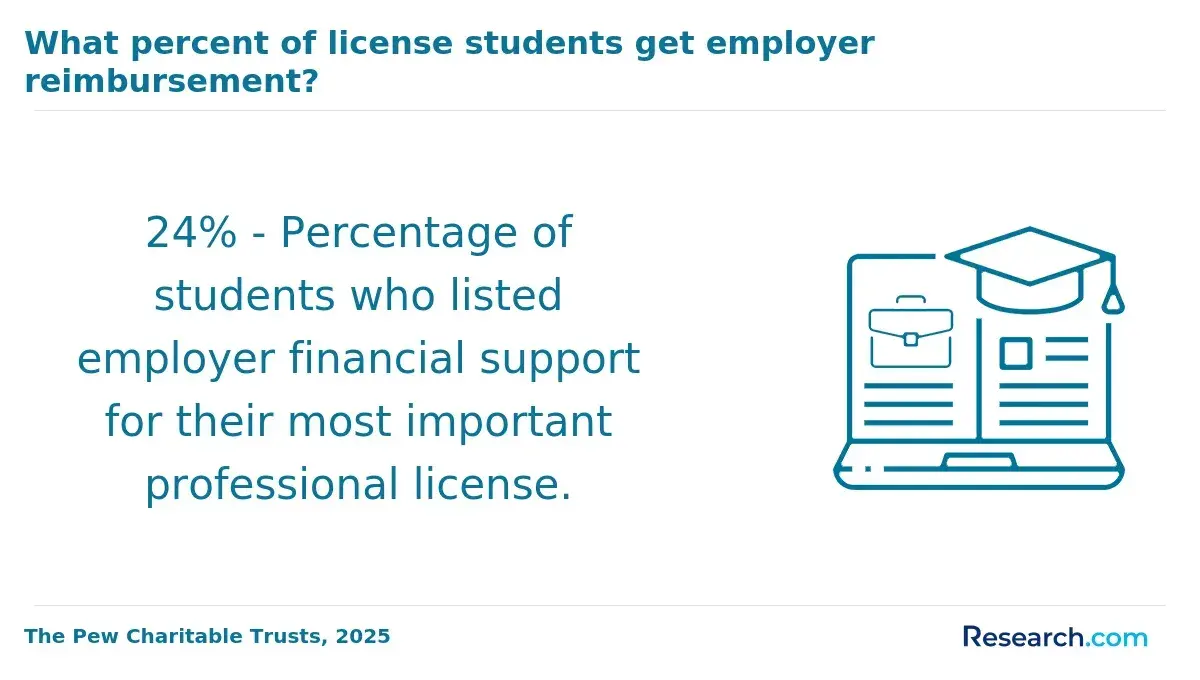
Prioritize programs with flexible scheduling, clear criteria for progressing beyond the foundation phase, and upfront disclosure of total costs, especially when employer tuition assistance may not cover bridging courses. Candidates should assess whether the integrated format genuinely reduces barriers or inadvertently increases overall investment and time before entering core professional learning.
References
- Cybercrime Cost 2026: $1.2 Trillion (& Rising) - Programs.com https://programs.com/resources/cybercrime-cost/
- Cost of Cyber Crimes - Swiss Cyber Institute https://swisscyberinstitute.com/blog/cost-of-cyber-crimes/
- 2024 Directory Of M.S. In Cybersecurity Programs At Universities In The U.S. https://cybersecurityventures.com/cybersecurity-university-masters-degree-programs/
- MS in Cybersecurity https://udallas.edu/academics/programs/cybersecurity/index.php
- Master of Science in Cybersecurity and Forensics | Neumann University https://www.neumann.edu/academics/grad/master-of-science-in-cybersecurity
- M.S. Cybersecurity https://www.nsu.edu/cs/ms-cybersecurity
- Online Master's Degree: Digital Forensics & Cyber Investigation https://www.umgc.edu/online-degrees/masters/digital-forensics-cyber-investigation
- The Cost of Cybersecurity and Smart Budget Planning | BitLyft https://www.bitlyft.com/resources/the-cost-of-cybersecurity-and-creating-an-achievable-security-budget