2026 Entry-Level Jobs With a Cybercrime Master's Degree

Co-Founder and Chief Data Scientist
Graduates with a master's degree in cybercrime face a labor market shaped by specialized demands and layered hiring protocols. Entry-level roles often require not only technical acumen but an ability to interpret legal and ethical frameworks, placing candidates at the intersection of technology and regulation.
In 2024, employer preferences increasingly emphasize hands-on experience with threat intelligence platforms and familiarity with compliance standards such as NIST frameworks, reflecting evolving cybersecurity priorities. Hiring structures vary widely across government, private, and nonprofit sectors, influencing role availability and advancement pathways. This analysis maps the practical entry points into cybercrime-related fields for master's graduates amid shifting workforce dynamics.
Key Benefits of Entry-Level Jobs With a Cybercrime Master's Degree
- Entry-level roles often emphasize technical skills over strategic experience, requiring graduates to balance immediate job competency with ongoing learning, which may delay senior-level advancement despite advanced credentials.
- Employers increasingly prioritize mastery of specific regulatory frameworks, reflecting a 2024 trend where compliance expertise shapes hiring, thus graduates must align specialization choices with evolving industry demands.
- The 2024 study showing a 15% increase in part-time program enrollments indicates rising accessibility tradeoffs, as extended study durations may affect entry timing and opportunity costs for career starters.
What Entry-Level Jobs Can You Get With a Cybercrime Master's Degree?
"Entry-level" positions for master's graduates in cybercrime often demand substantive technical knowledge and analytical judgment despite their classification as starting roles. Employers typically expect candidates to manage meaningful responsibilities, including interpreting complex cyber threat data and navigating relevant legal frameworks.
These positions vary with organizational priorities, prior professional experience, and the specific emphasis of the student's master's program, offering diverse pathways that do more than simply initiate careers-they lay the foundation for specialized expertise or leadership.
- Cybercrime Analyst: This role focuses on monitoring cyber threats, identifying attack patterns, and supporting investigative teams through detailed analysis of digital evidence. Entry-level cybercrime analyst jobs in the US are critical for building a deep understanding of evolving threat landscapes, and the experience gained here is often a prerequisite for specialization in areas like threat intelligence or policy advising.
- Digital Forensics Specialist: Typically responsible for recovering and preserving data from compromised systems, specialists must ensure digital evidence meets legal standards for integrity and admissibility. This role bridges technical proficiency with legal knowledge, serving as a typical early-career stepping stone toward forensic consulting or advanced incident response leadership.
- Information Security Analyst: Charged with implementing safeguards, conducting risk assessments, and enforcing cybersecurity policies, these analysts form the frontline defense within organizations. The U.S. Bureau of Labor Statistics projects robust growth in this occupation, reflecting strong demand for masters-level cybercrime graduates to blend technical skills with governance understanding.
- Incident Response Technician: Focused on rapidly detecting, mitigating, and recovering from cyber incidents, this position requires adaptability and quick decision-making. Early work here exposes graduates to real-time operational pressures while building credentials necessary for progression into specialized incident management or cyber threat hunting.
Understanding legal contexts such as the Computer Fraud and Abuse Act, combined with hands-on skills in malware analysis and network protocols, is critical in these roles. Employers increasingly value candidates who complement their master's degree with practical experience gained through internships, certifications, or projects, some of which can be found among certificate programs that pay well.
Salary ranges typically start between $60,000 and $85,000, varying by sector and geography, with public agencies offering valuable operational experience that can lead to senior technical or policy positions. For master's graduates focused on cybercrime investigation, these entry-level roles represent both an application of graduate education and an essential launchpad for future professional growth.
What Sectors Have the Strongest Demand for Graduate-Level Talent?
Employer demand for graduate-level cybercrime talent is driven by deeper structural forces in industry and policy rather than mere degree availability. Sectors with sustained hiring often require advanced analytical capabilities, regulatory expertise, and leadership skills rooted in graduate-level preparation.
These industries balance complex threat environments, evolving technology landscapes, and compliance frameworks that outpace entry-level qualifications, shaping distinct pathways for cybercrime graduates in 2024 and beyond.
- Financial Services: Persistent regulatory requirements such as the Gramm-Leach-Bliley Act, alongside high stakes for data protection, compel banks and insurers to seek graduates capable of nuanced threat detection and risk management. Roles often blend compliance monitoring with fraud analysis, reflecting the sector's demand for professionals who can navigate both technical vulnerabilities and legal boundaries.
- Government Agencies: Federal and state entities prioritize candidates eligible for security clearances and skilled in forensic investigations and incident coordination. The sector's emphasis on national security and public infrastructure stability creates opportunities emphasizing policy implementation and cross-agency collaboration, rewarding those with graduate-level insights into cyber governance and intelligence.
- Healthcare: Healthcare's digitization intensifies the need to protect sensitive patient data under strict HIPAA regulations and increasingly interconnected medical devices. Graduates here engage in vulnerability assessments and compliance audits with an understanding of privacy law impacts, making interdisciplinary knowledge a key asset amid ongoing shifts toward electronic health records.
- Information Technology: Firms focused on network security, cloud infrastructure, and software development demand technically agile graduates capable of adapting to rapid innovation cycles. Entry-level roles often require hands-on experience, pushing new graduates to quickly build practical skills alongside theoretical knowledge to meet the dynamic problem-solving expectations of this fast-evolving sector.
A recent cybercrime graduate shared how they initially hesitated during the rolling admissions process, uncertain if their internship experiences sufficiently matched sector demands, especially in financial services. The delay in decisions heightened anxiety but allowed time to strategically emphasize regulatory knowledge and analytical projects in their applications. This careful tailoring paid off, revealing how understanding employer priorities-and patiently aligning one's profile-can crucially affect access to opportunities in these competitive sectors.
Which Entry-Level Cybercrime Careers Have the Highest Starting Salaries?
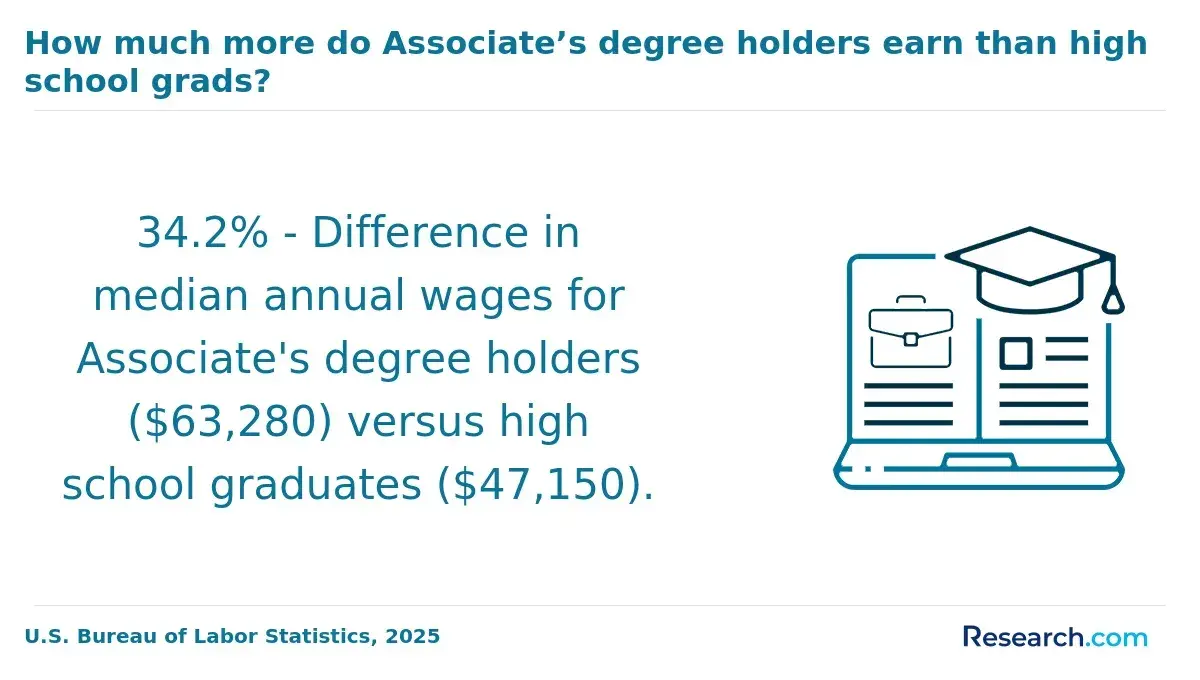
Entry-level salaries in cybercrime-related roles are shaped by several intertwined factors beyond formal education, including the specialized expertise required, market demand intensity, and the regulatory or operational complexity inherent to the position. Roles commanding higher starting pay often involve deeper technical skills, greater analytical responsibilities, or focus on emerging threats with significant business impact.
The compensation patterns reflect both current labor scarcity in certain niches and employers' expectations for candidates capable of immediate, substantive contributions.
- Cybersecurity Analyst ($70,000-$90,000): This role sits atop entry-level pay scales due to its central role in proactively detecting and mitigating cyber threats across organizational networks. Starting salaries reported by the U.S. Bureau of Labor Statistics and industry compensation surveys indicate a premium for candidates who can combine technical acumen with situational awareness and incident response capabilities. Its critical function in protecting business continuity and intellectual property underpins not only higher pay but also clear trajectories toward senior security architect or management positions.
- Threat Intelligence Analyst ($68,000-$88,000): Analysts in threat intelligence earn competitive starting wages mainly because they translate complex threat data into actionable strategies, a task that demands strong analytical skills and domain knowledge. Given the evolving cyber threat landscape, organizations invest in this role to anticipate attacks and tailor defenses, rewarding the ability to deliver insight in near real-time. The specialized nature of this role signals growing demand in sectors prioritizing risk forecasting and strategic cybersecurity, such as finance and defense.
- Digital Forensics Examiner ($65,000-$85,000): This position commands relatively high salaries because it requires technical skill in retrieving and interpreting digital evidence vital for investigations and legal proceedings. Demand grows with the prevalence of data breaches and cybercrime prosecutions, especially where regulatory compliance is stringent. Entry-level roles here offer a balance of investigative and technical challenges, with pathways often progressing toward forensic specialist or cyber law enforcement liaison roles.
- Information Security Specialist ($60,000-$80,000): While broader in scope and occasionally commanding lower starting pay, specialists benefit from versatility across multiple cybersecurity domains. This range reflects its foundational role in protecting information assets but signals a role that may initially involve generalist tasks before specialization. It serves as a valuable stepping stone for diversifying skills and moving into niche or leadership positions over time.
- Incident Response Analyst ($60,000-$80,000): Often a frontline defense position, this role's pay reflects the operational urgency and technical demands of responding rapidly to security breaches or system compromises. Employers value these analysts for their quick decision-making and containment skills, which justify competitive compensation even at entry level. The role is critical to organizational resilience and frequently leads to advanced incident management or cyber operations careers.
Which Industries Pay the Most for Entry-Level Cybercrime Master's Graduates?
Entry-level compensation for cybercrime master's graduates largely reflects the economic frameworks and labor market pressures within their chosen industries rather than just individual qualifications. Sectors offering the highest starting salaries typically operate in high-margin, heavily regulated, or innovation-driven environments where cybersecurity expertise mitigates substantial financial and operational risks.
Understanding these underlying forces helps clarify which employers place the greatest strategic value on early-career cybercrime professionals and why.
- Finance: Financial institutions deliver some of the highest entry-level pay due to the critical need for robust cybersecurity frameworks that protect vast volumes of sensitive financial data and comply with stringent regulatory oversight. Banks and investment firms face constant threats from sophisticated cyberattacks, driving demand for experts who can perform threat intelligence and risk assessment from day one. According to 2024 data from labor market research entities, starting salaries in financial services outpace many other industries due to the sector's high revenue intensity and regulatory complexity.
- Technology: The technology sector, including software companies and emerging startups, offers lucrative early-career opportunities driven by the rapid pace of innovation and the ongoing need to secure digital products. Entry-level cybersecurity roles here are often deeply technical, focusing on penetration testing, malware analysis, and securing cloud infrastructure. This environment rewards specialized skills substantially, reflecting the scarcity of qualified talent and the high financial stakes associated with data breaches in tech firms.
- Government and Defense: Government agencies and defense contractors provide attractive starting packages as these organizations guard critical infrastructure and national security assets. The value of cybercrime expertise in these roles is amplified by complex procurement and compliance systems, alongside the expectation of protecting classified information. While slightly lower in base pay compared to finance and tech, the benefits and job stability offered make this space a competitive option for new graduates.
- Healthcare: Healthcare entities have become increasingly important employers of cybercrime graduates, spurred by rising data breaches involving patient information and enhanced regulatory demands like HIPAA. Though entry-level salaries may not match finance or technology, healthcare remains a growing sector with a strong emphasis on long-term career growth and comprehensive benefits. The sector's evolving threat environment requires continuous professional development, positioning early-career specialists to advance steadily.
Beyond initial compensation, employers across these sectors prioritize candidates who maintain current certifications and adapt to evolving threats, influencing both hiring decisions and salary trajectories. For prospective students assessing pathway options, it is also useful to explore alternative admissions strategies and conditional enrollment programs offered by many schools that address standard requirement gaps.
Accessing data from recognized studies, alongside exploring resources such as the best online criminal justice degree programs, can inform decisions about optimal educational and career routes within these highest paying industries for entry-level cybercrime graduates.
Which Skills Are Most Valuable in Entry-Level Positions?
Entry-level hiring in cybercrime increasingly centers on demonstrated skill application rather than credentials alone. Employers scrutinize the ability of recent graduates to deploy technical, analytical, and domain-specific expertise to address practical cybersecurity challenges. This results in early-career roles emphasizing adaptive problem-solving, communication, and regulatory understanding alongside technical proficiency.
- Digital Forensics: Mastery in digital forensics enables new professionals to identify and trace cyber incidents, facilitating timely investigation and remediation. Employers prioritize this skill because it directly impacts incident response effectiveness and limits organizational exposure during breaches.
- Network Security Fundamentals: A working knowledge of network security principles allows graduates to recognize vulnerabilities and implement preventative measures. In practice, this skill supports constant system monitoring and threat mitigation, which forms a baseline expectation for entry-level positions.
- Critical Thinking and Problem Solving: The unpredictable nature of cyber threats demands flexible, analytical thinking beyond rote procedures. Hiring managers assess cognitive agility to ensure candidates can adapt tactics to evolving attack methods, a key factor in performance evaluations and early role expansion.
- Communication and Reporting: Translating complex technical findings into accessible insights for stakeholders ensures more efficient incident management and compliance adherence. Graduates demonstrating clear, concise communication often move faster into positions that require collaboration or leadership potential.
- Regulatory Knowledge: Familiarity with legal frameworks like GDPR or HIPAA reduces onboarding time by enabling new hires to navigate compliance requirements confidently. This understanding is increasingly a differentiator in hiring decisions, reflecting rising regulatory pressure on organizations.
A graduate recalled her experience waiting for a response during a rolling admissions period that required precise timing and patience. Initially hesitant to submit her application due to uncertainty around prerequisites, she ultimately decided after consulting industry mentors emphasizing the value of combining technical skill with regulatory awareness.
Her preparation in digital forensics and compliance frameworks proved critical in interviews, aligning with employer expectations she encountered only after job shadowing. The delay in admission notices introduced stress, but it also highlighted the importance of readiness and flexible thinking-skills that eventually shaped her first role in cybersecurity operations.
Do Employers Hire Cybercrime Master's Graduates Without Professional Experience?
Many employers do hire cybercrime master's graduates without prior professional experience, especially for structured entry-level positions designed to build early-career talent pipelines. These roles often exist within larger organizations that recognize the value of a master's degree as a baseline for technical and analytical capabilities.
Employers in this scenario weigh the degree as a signal of foundational knowledge, but they also expect newcomers to rapidly acquire hands-on skills on the job. Entry-level cybercrime jobs for recent graduates commonly emphasize supervised responsibilities and clearly defined tasks to mitigate risk while onboarding less experienced talent.
This hiring flexibility becomes feasible when candidates present strong academic performance combined with practical exposure gained through internships, capstone projects, or industry certifications. Demonstrable proficiency with relevant tools, incident response frameworks, or data analysis can substitute for formal work experience by proving immediate utility.
According to recent data from government labor reports, about 40% of employers in cybersecurity-related fields consider applied skills or project experience equally important as traditional professional backgrounds. For graduates navigating early workforce entry without prior experience, engaging in such experiential learning avenues is critical to bridging the gap between academic theory and employer expectations.
However, variations persist across industry sectors; technology companies, consulting firms, and data-driven departments tend to be more receptive to inexperienced graduates, valuing research capacity and analytic reasoning. Conversely, regulated environments and client-facing positions often require prior exposure to compliance standards or real-world incident handling to justify hiring risks.
These nuances highlight why earning a cybercrime master's degree alone is insufficient for many roles, prompting candidates to strategically pursue certifications or network within specialized communities. Prospective students should also consider integrated program elements that include hands-on components, similar to offerings found in some AACSB online MBA programs, which stress practical competencies alongside academic credentials.
Which Certifications Help Entry-Level Cybercrime Master's Graduates Get Hired?
Employers frequently rely on professional certifications to confirm applied capabilities that a Cybercrime master's degree alone might not fully demonstrate, especially for candidates entering the workforce. While graduate programs establish theoretical knowledge and research foundations, certifications serve as tangible proof of specific, job-ready skills aligned with the immediate demands of cybersecurity roles.
This distinction is particularly important given a 2024 Lightcast analysis showing that cybersecurity job postings are 45% more likely to prefer certifications than advanced degrees by themselves.
- CompTIA Security+ provides a foundational validation of core IT security concepts, making it a practical entry point for recent graduates. This certification aligns closely with common operational tasks and tools, reinforcing a candidate's readiness to handle security protocols and respond to threats in typical organizational environments.
- Certified Ethical Hacker (CEH) emphasizes offense-oriented skills such as penetration testing and vulnerability assessment, areas increasingly demanded in cybercrime investigation and risk mitigation roles. CEH's emphasis on adversarial thinking complements academic cybercrime research with applied offensive security tactics valued by many employers.
- Certified Information Systems Security Professional (CISSP) Entry-Level Concentrations target governance, risk management, and security operations frameworks. Although full CISSP certification often requires experience, entry-level concentrations signal an understanding of industry standards and controls relevant to compliance and oversight functions common in cybercrime defense.
These certifications act as workforce signals that validate specific technical skills and practical knowledge, which employers often use to filter applicants for limited entry-level positions. They function not simply as additional credentials but as assurances that candidates can navigate the tools and methodologies prevalent in real-world cybersecurity environments.
Graduates should consider that these certifications, while enhancing hireability, require fiscal and time investments that may compete with ongoing education costs. Ultimately, combining a Cybercrime master's degree with easy certifications to get online can produce a more compelling profile by addressing both the theoretical and practical components valued in the field. This blend improves candidates' positioning when technical proficiency and credential transparency are critical factors influencing hiring decisions in a competitive job market.
What Remote Jobs Can You Get With a Cybercrime Master's Degree?
Remote work opportunities for graduates holding a master's degree in cybercrime have significantly expanded due to widespread digital transformation, cloud-based infrastructures, and a growing emphasis on sourcing global talent. The feasibility of remote roles often hinges on the extent to which job responsibilities involve measurable, digital outcomes and limited need for synchronous collaboration.
Employers placing priority on efficient use of digital tools and clearly defined deliverables tend to favor candidates who can demonstrate mastery of cybercrime skills in virtual team settings.
- Cybersecurity Analyst: This role focuses on monitoring and analyzing security alerts within cloud-hosted environments, allowing analysts to work asynchronously with global teams. Graduate-level cybercrime expertise supports threat detection and response strategies, enabling analysts to interpret complex attack patterns remotely. Performance is typically measured by timely incident identification and mitigation effectiveness rather than hours logged.
- Digital Forensics Examiner: Remote forensic examiners handle data acquisition and breach investigations via secure virtual labs, using specialized tools to analyze compromised systems without physical access. Cybercrime knowledge facilitates methodical evidence gathering and legal compliance in distributed workflows. The role requires clear reporting and adherence to procedural standards suitable for remote review and audit.
- Incident Response Specialist: Specialists coordinate containment and remediation efforts through incident management platforms supporting remote collaboration. Their advanced understanding of malware behavior and system vulnerabilities is critical to fast, coordinated responses. Remote work demands strong communication skills and flexibility, as incidents often occur outside normal business hours with global stakeholders involved.
- Remote Security Consultant: Consultants advising on regulatory compliance and risk management often operate fully virtually, leveraging digital meeting tools for client interaction and policy review. Master's-level mastery of cybercrime laws and frameworks equips consultants to deliver actionable recommendations in distributed environments where clear documentation and deadlines drive client satisfaction.
How Competitive Is the Entry-Level Job Market for Cybercrime Master's Graduates?
The entry-level job market for graduates holding a master's degree in cybercrime exhibits varying levels of competitiveness depending largely on industry demand, geographic labor market conditions, and the candidate's area of specialization. Positions tend to cluster in metropolitan regions with established technology sectors or government agencies focused on cybersecurity, where demand for cybercrime master's graduates in North America is particularly strong.
However, the growing number of graduates specializing in cyber investigations, digital forensics, and incident response increases competition in those segments, especially as employers seek candidates ready to contribute immediately to complex threat environments. Employer expectations further intensify this competition. Beyond the degree, candidates are often evaluated on demonstrated technical proficiency, certifications, and applied experience from internships or relevant projects.
These practical elements serve as key signals in a market where the shortage of cybersecurity professionals remains acute, with an estimated 3.5 million unfilled positions globally according to the 2024 Cybersecurity Workforce Study by (ISC)². Even at entry level, hiring managers prefer candidates who combine theoretical knowledge with hands-on skills, which means that graduates must strategically build their portfolios to align with employer needs rather than rely solely on academic credentials.
Graduates who successfully differentiate themselves in saturated job markets leverage specialized skills or target subfields experiencing talent shortages, such as fraud investigation or cyber threat research. Networking and strategically timed internships also play a critical role in improving hiring prospects.
For those seeking broader communication skills relevant to investigative roles, exploring interdisciplinary programs like the SLP bridge program online can complement their technical expertise. Understanding these labor market dynamics and tailoring skill development accordingly is crucial for navigating the realities of the entry-level cybercrime job market.
Which Entry-Level Roles Have the Strongest Long-Term Growth Potential?
Long-term career growth in cybercrime fields depends less on the initial job title and more on the skills, responsibilities, and industry exposure an entry-level role provides. Roles that offer transferable technical and analytical skills, visibility into strategic operations, and opportunities for specialization typically enable the strongest trajectories.
These positions often act as gateways to leadership and niche expertise areas, crucial for navigating evolving cyber threats and regulatory landscapes.
- Cybersecurity Analyst: This foundational role provides hands-on experience with threat detection and incident response, building skills highly valued across sectors. Analysts often progress to threat intelligence or security architecture roles, benefiting from broad industry demand and evolving technical challenges.
- Digital Forensic Examiner: Focusing on investigation and evidence recovery, this role develops expertise critical for legal and compliance functions. The pathway often leads to forensic team leadership or specialist roles in areas like cybercrime policy and regulatory affairs.
- Incident Response Specialist: Handling active cyber threats cultivates skills in crisis management and cross-functional coordination, positioning professionals for advancement into senior operational or strategic positions. Its direct impact on organizational security elevates its strategic value.
Ultimately, a conditional admission offer is worth accepting if the conditions are manageable, the program demonstrates strong outcomes in employment and salary growth, and if the student's timeline and financial situation accommodate these prerequisites without compromising broader career objectives. For those seeking efficient alternatives to traditional pathways, some may explore options like an accelerated architecture degree.
What Graduates Say About Entry-Level Jobs With a Cybercrime Master's Degree
- Bryson: "After completing my master's in cybercrime, I quickly realized that having a degree alone wasn't enough to land the role I wanted. Employers I interviewed with placed a lot of emphasis on hands-on experience and tangible projects, so I focused on building a portfolio through freelance gigs and internships. Remote work options in my field gave me flexibility early on, though I noticed salary growth felt capped without certain certifications. It's a balancing act between gaining practical skills and pursuing formal qualifications if you want to advance beyond entry-level."
- Tripp: "Getting into the cybercrime workforce right after graduation was a mixed bag. My school taught the fundamentals well, but I encountered stiff competition for analyst roles because many employers preferred candidates with certifications like CISSP or real-world security clearances. I decided to pivot slightly and took a risk by accepting a position in IT auditing, leveraging my degree's broader knowledge base. It's been rewarding, but I remain aware that without licensure or specialized certs, climbing the ladder in pure cybercrime positions can be quite challenging."
- Joshua: "What stood out most in my job hunt was how vital networking and internships were compared to just holding a master's. Some employers clearly favored candidates who demonstrated adaptability by contributing to incident response teams during their internships over those with only academic achievements. The role I landed offers steady remote hours, which helped me transition smoothly from school to work-life balance, but I'm mindful that to unlock better salaries, pursuing certifications will be necessary. For now, I'm focused on gaining experience and proving my practical value."
Other Things You Should Know About Cybercrime Degrees
Employers in entry-level cybercrime positions often expect a grasp of both technical and legal frameworks, but the emphasis varies by role. Graduates should prioritize gaining hands-on technical skills such as forensic analysis or network security, as these tend to be more immediately practical in investigative tasks. However, understanding relevant legislation and compliance remains essential to avoid procedural errors that could compromise cases or organizational liability. In early career stages, actively seeking assignments that develop both competencies will enhance versatility and long-term employability.
While niche expertise (like malware analysis or financial cybercrime) can distinguish candidates, entry-level positions often reward adaptability across multiple areas due to smaller team sizes and varied case types. Early-career professionals should lean toward building a broad base of core competencies before deep specialization. This approach increases placement opportunities and helps identify personal strengths before committing to a narrow focus, which may limit job mobility if market demand shifts.
Public sector jobs usually offer structured training and exposure to casework with law enforcement or regulatory bodies but may come with slower career progression and lower initial pay. Private sector roles often provide faster advancement, higher salaries, and cutting-edge tools but expect quicker independence and results. Graduates must weigh their tolerance for hierarchical environments and interest in investigative versus corporate risk management work when choosing between these paths.
Entry-level positions can involve high-pressure deadlines and unpredictable hours, especially when supporting active investigations or incident responses. New graduates often underestimate the mental and time-management demands required to balance detailed analysis with cross-team communication. Prioritizing roles with manageable workloads and clear mentorship frameworks can prevent early burnout and improve skill development during this critical career phase.
References
- A Guide to Entry-Level Cyber Security Jobs With No Experience https://www.codingtemple.com/blog/entry-level-cyber-security-jobs-with-no-experience/
- Cyber Security Graduate Jobs | Gradcracker - Careers for STEM Students https://www.gradcracker.com/search/computing-technology/cyber-security-graduate-jobs
- Cybersecurity Graduate Unemployment & Skills Mismatch Statistics (2026) - Programs.com https://programs.com/resources/cybersecurity-graduate-unemployment/
- What cyber skills are needed at each career level? | edX https://www.edx.org/resources/cyber-skills-for-every-level
- Cybersecurity Job Market Statistics and Trends [2026] https://app.stationx.net/articles/cybersecurity-job-market-statistics
- Can You Get Cybersecurity Job Without Experience? Cybersecurity Jobs Without Degree https://www.quickstart.com/blog/cyber-security/can-you-get-a-cybersecurity-job-without-experience/
- Cyber security career guide - Canadian Centre for Cyber Security https://www.cyber.gc.ca/en/guidance/cyber-security-career-guide
- Cybersecurity Job Demand: Current Trends and Future Outlook https://destcert.com/resources/cybersecurity-job-demand/
- Cyber Security Salary: 7 Highest-Paid Cyber Security Jobs | NEIT https://www.neit.edu/blog/cyber-security-salary
- College Grads Looking for a Cybersecurity Career Face a Shifting Job Market https://www.dice.com/career-advice/college-grads-looking-for-a-cybersecurity-career-face-a-shifting-job-market