2026 Can You Study Cybercrime Master's Programs Part-Time? Options & Duration

Co-Founder and Chief Data Scientist
Enrollment trends show that part-time Cybercrime master's students often face complex scheduling challenges tied to course sequencing and practicum timing. Unlike full-time cohorts, part-time students must navigate extended program durations that can stretch beyond typical two-year frames, affecting internship and research opportunities critical for employability. Employers increasingly expect candidates to demonstrate continuous, applied learning, which can conflict with part-time pacing. Additionally, licensure or certification requirements may dictate specific course completion timelines, influencing program choice.
This analysis focuses on how variations in part-time structures impact academic progress, cohort integration, and workload management, guiding prospective students through essential considerations when assessing these master's options.
Key Benefits of Studying Cybercrime Master's Programs Part-Time
- Part-time study extends program duration by 50% or more on average, increasing total tuition costs and delaying credential acquisition, which may affect timely career transitions in fast-evolving cybercrime fields.
- Employers increasingly expect demonstrated hands-on skills over degree speed; part-time candidates benefit by concurrently applying learning at work, balancing skill-building with practical effectiveness in cybersecurity roles.
- Remote, asynchronous part-time options expand access for working professionals, yet require disciplined time management, critical as a 2024 study shows 38% dropout rates correlate with underestimated workload and competing job demands.
Can You Study a Cybercrime Master's Program Part-Time?
Part-time study for a cybercrime master's program is most practical when course sequencing allows for manageable workloads and when programs offer flexible formats such as evening, weekend, or online classes. The feasibility of balancing full-time work with cybercrime graduate study is influenced heavily by the program's structure-especially if it requires intensive project-based work, clinical simulations, or research components that demand consistent, concentrated effort.
Certain areas within cybercrime education that involve internships or professional licensing may limit part-time flexibility, making a careful review of curriculum requirements essential before committing. Students with significant personal or professional obligations should assess whether modular course delivery aligns with their capacity for steady progression to avoid prolonged timelines that could affect skill relevance.
Extending a graduate program from two years to three or four through part-time enrollment carries tradeoffs that go beyond merely balancing schedules. Networking opportunities tend to be less frequent and often less impactful due to reduced on-campus interaction, potentially slowing professional relationship development critical in cybercrime fields. The slower pace can also affect the momentum of skill acquisition, delaying readiness for roles that demand up-to-date technical and legal expertise, particularly given the rapidly evolving cyber threat landscape.
While flexibility appeals to many, it is vital to weigh how extended time-to-completion might influence career advancement, especially as employers may prioritize candidates who demonstrate recent, concentrated engagement with emerging tools and practices.
Those who gain the most from part-time cybercrime master's programs typically include working professionals seeking to upskill without interrupting income flow, career changers managing transitional periods, and students with substantial family or caregiving duties. However, each candidate must carefully consider whether the part-time pathway's flexibility translates into meaningful educational and career benefits in their specific context, rather than simply offering convenience. For individuals prioritizing uninterrupted momentum in skill development and industry immersion, a full-time option may be more strategically advantageous.
For others, including those exploring related fields such as social work or healthcare, models of part-time study reflected in other disciplines-like the MSW degree-offer instructive examples of balancing rigorous academic commitments with ongoing professional responsibilities.
How Long Does It Take to Complete a Part-Time Cybercrime Master's Degree?
Completion times for part-time cybercrime master's programs typically range from two to four years, though this timeline is highly flexible and contingent on the intensity of enrollment and program design. Unlike full-time tracks, which often conclude within 12 to 18 months, part-time pathways extend duration due to a reduced course load per semester. A 2024 survey by the National Center for Cybersecurity Education indicates that about 65% of students in these programs take around three years to graduate, reflecting the reality that balancing academic progression with ongoing work responsibilities shapes individual pacing significantly.
Factors influencing completion time include how many courses a student takes each term, with most part-time candidates handling one to two classes compared to three or more in full-time studies. Course availability and prerequisite sequencing play critical roles, especially for specialized topics like digital forensics or cybersecurity law, where scheduling constraints can delay progress. Programs that mandate internships or practicums also add variability depending on the student's ability to coordinate these experiences alongside employment. For working professionals, these structural elements combine with personal commitments to create a highly individualized timeline that can extend well beyond initial expectations.
Longer study durations carry practical implications beyond academic milestones. Extended timelines may postpone skill currency updates in a fast-evolving field and delay eligibility for promotions or salary increases tied to credential attainment. Students must weigh these tradeoffs against the flexibility part-time programs provide to maintain professional roles and financial stability. Strategic planning around course sequencing and internship timing can mitigate delays, but the extended runway demands realistic financial and career management to maximize return on investment.
One part-time cybercrime master's student recalled hesitating during the rolling admissions period, uncertain how quickly they could secure funding and adjust work commitments before starting. This uncertainty prompted careful timing of their application submission and course enrollment decisions, as even slight delays risked pushing graduation targets by several months. When finally admitted, the student felt relief but also recognized that balancing immediate job demands with academic requirements would necessitate ongoing adjustments to avoid further prolonging the program.
How Are Part-Time Cybercrime Master's Courses Structured?
Part-time cybercrime master's programs are structured to maintain a careful equilibrium between accommodating professional commitments and preserving rigorous academic standards. Variations in delivery formats and pacing across institutions have tangible effects on how students manage workloads, engage with material, and integrate learning with their careers.
- Modular or Semester-Based Scheduling: Courses are often segmented into discrete modules or semester blocks, each focusing on specialized topics. This compartmentalization facilitates focused study periods but demands sustained motivation, as the extended timeline can dilute immersion and challenge retention of complex subjects over time.
- Flexible Delivery Formats: Many programs offer a blend of asynchronous online lectures combined with occasional synchronous sessions. Asynchronous components enable learners to study around work and life demands, yet may reduce spontaneous interaction, placing the onus on students to proactively seek engagement opportunities for deeper understanding.
- Evening and Weekend Classes: Scheduling live classes outside traditional work hours helps minimize conflict with professional obligations. However, this structure requires effective time management skills to balance personal, work, and academic responsibilities, often compressing a full-time equivalent workload into off-hours.
- Consistent Academic Rigor: Despite the part-time format, coursework typically parallels full-time programs in complexity, including advanced research and capstone projects. This parity means students must allocate adequate time and cognitive resources to maintain performance while managing extended program durations.
- Applied Learning Emphasis: Curriculum design frequently incorporates real-world case studies, labs, and simulations to develop actionable skills. This applied focus aligns with employer priorities but relies on students' capacity to translate theory into practice within a paced, part-time structure.
- Prevalence of Part-Time Enrollment: According to the U.S. Department of Education's National Center for Education Statistics in 2024, roughly 35% of graduate students in related fields choose part-time study, reflecting a significant cohort balancing ongoing employment with advanced education.
Can Students Work Full-Time While Earning a Part-Time Cybercrime Master's Degree?
Balancing work and part-time cybercrime graduate studies effectively is achievable primarily when program formats offer asynchronous or hybrid learning, allowing students to engage with material on flexible schedules. Programs with predictable pacing and fewer synchronous requirements reduce conflicts with full-time employment. Students with prior experience in cybersecurity or related fields may find the learning curve less steep, easing integration of advanced topics without excessive study hours. For many, the availability of advisor support and employer accommodations, such as flexible hours or study leave, are critical to sustaining both commitments without compromising performance.
Despite these conditions, the reality of working full-time while pursuing a part-time cybercrime or cybersecurity masters online degree includes notable challenges. According to recent National Center for Education Statistics data, about 42% of graduate students in STEM fields, which include cybercrime studies, face significant difficulties juggling course demands and professional responsibilities. This workload often leads to cognitive overload, diminished engagement in networking or collaborative learning, and potential burnout.
Slower academic progression is a common tradeoff, as time constraints force students to extend program duration to maintain quality and job performance. Prospective students must weigh these practical implications carefully to align their resilience and employer support with academic expectations.
Which Universities Offer the Best Part-Time Cybercrime Master's Programs?
Choosing a part-time cybercrime master's program is a strategic decision that shapes employability, career mobility, and salary potential over time. The definition of "best" varies with individual career stages, workload constraints, and specialization goals, making it essential to evaluate programs on factors that drive real-world outcomes rather than reputation alone.
- Curriculum Design With Cybercrime Focus: Programs must offer targeted coursework emphasizing cybercrime investigations, forensics, and legal frameworks rather than broad IT security topics. A curriculum grounded in current cybercrime challenges ensures graduates develop skills directly relevant for roles in law enforcement and private sector cyber threat mitigation.
- Faculty With Industry and Academic Expertise: Faculty involvement in both scholarship and practical cybercrime cases enriches learning with up-to-date insights and applied methods. Programs leveraging instructors actively engaged in the field tend to better prepare students for evolving employer expectations and technical proficiencies.
- Flexible Part-Time Structure: Modularity and asynchronous classes accommodate working professionals balancing multiple commitments. But flexibility should not dilute depth; pacing options matter because programs extending beyond four years may delay entry into desired roles, impacting return on investment.
- Access to Applied Projects and Internships: Opportunities for hands-on experience through practicum or partnerships with cybercrime agencies enhance job readiness. Networking and real-world problem-solving integrated into coursework correlate strongly with higher employment rates and smoother career transitions.
- Accreditation and Institutional Credibility: A program's accreditation status from recognized bodies assures adherence to educational standards and influences employer trust. Data from the National Cybersecurity Alliance highlights that graduates from accredited, cybercrime-specific part-time programs show a 15% higher employment rate within one year.
- Alumni Outcomes and Industry Connections: Strong program networks and transparent graduate employment statistics provide insight into long-term career trajectories. Programs facilitating connections with cybercrime professionals and agencies enhance prospects for mentorship and job placement.
A part-time graduate recalled grappling with rolling admissions that extended beyond initial deadlines, creating uncertainty during their job search. They hesitated to submit materials too early, hoping to improve credentials, but this delayed acceptance communication. Ultimately, accepting admission a month after the preferred start date meant adjusting work commitments mid-year, underscoring how timing and strategic preparation within admissions cycles are critical decision points often overlooked when selecting a program.
How Much Does a Part-Time Cybercrime Master's Degree Cost?
Part-time cybercrime master's degree tuition typically ranges from about $10,000 to more than $30,000 annually, with total program costs commonly between $20,000 and upwards of $70,000 for completion. These figures align with data from university disclosures and workforce education reports, reflecting the specialized nature and demand for advanced cybercrime expertise. It's important to note that these costs represent only tuition; additional fees for technology, exams, or software may increase the overall investment. The average expenses for part-time cybercrime graduate programs vary widely due to differing program structures and institutional policies.
Cost variation primarily stems from credit-hour pricing models, which often charge per credit rather than a flat semester rate, making student pace a crucial factor. Residency status influences price, as public universities usually offer lower tuition for in-state students, while private institutions and prestigious programs commonly command higher rates. Delivery format also matters: online programs may reduce commuting expenses but often have higher per-credit tuition. Extending enrollment to accommodate part-time schedules spreads tuition payments but can increase total costs through longer exposure to fees and indirect expenses like opportunity cost.
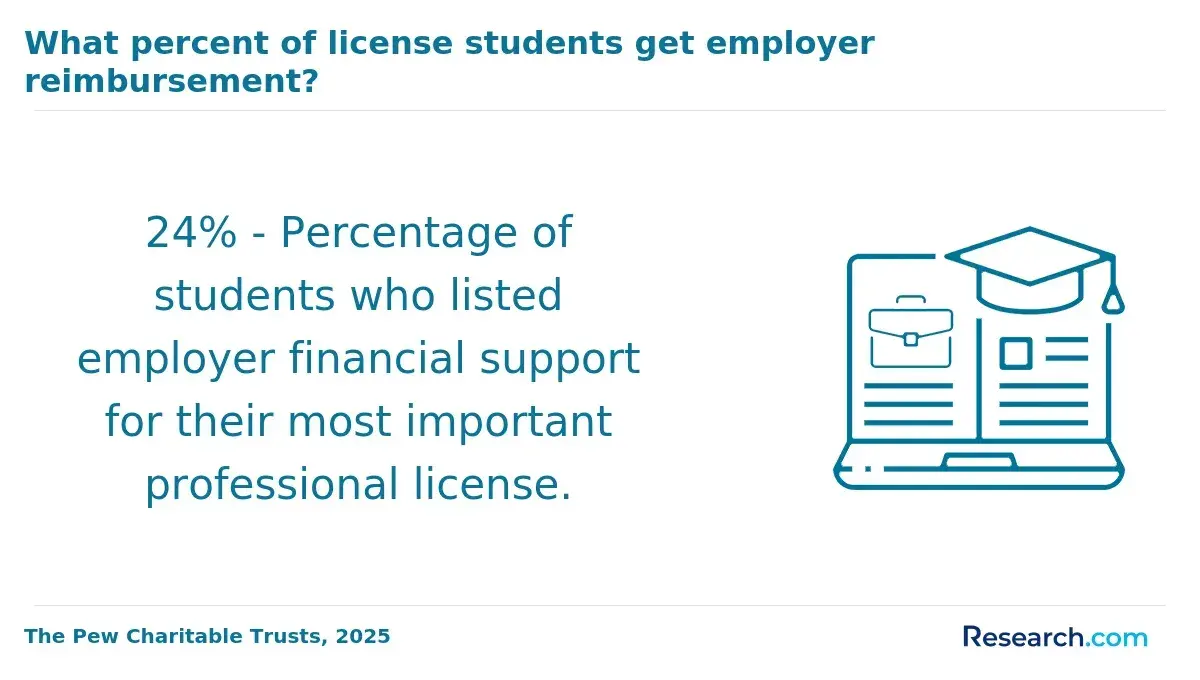
Spreading out tuition payments can ease short-term financial strain but might raise total investment over time, a tradeoff working professionals must weigh carefully. Employer tuition assistance programs in cybersecurity fields can substantially offset costs, making some part-time master's more affordable with the right benefits. Prospective students considering a part-time cybercrime master's degree should also assess other relevant options, such as online degree business administration programs, which some may find strategically complementary for advancing in cybersecurity leadership roles.
Do Programs Help Arrange Flexible Clinical Placements for Part-Time Students?
Part-time master's students in cybercrime rely heavily on academic programs' ability to coordinate clinical placements that fit their complex schedules. Many institutions achieve this by developing partnerships with law enforcement agencies, cybersecurity firms, and related organizations to create a distributed network of placement sites. Structured scheduling systems and dedicated placement coordinators often facilitate negotiations around evenings, weekends, or remote practicum opportunities, reflecting the shift toward more flexible experiential learning models. However, the extent of this flexibility varies widely depending on program resources, institutional priorities, and how the practicum is integrated into the curriculum.
Despite growing attention to accommodating working professionals, practical constraints frequently limit placement adaptability. Availability of suitable sites with a cybercrime focus can be scarce, and minimum hour requirements along with geographic restrictions pose additional challenges. Coordination between programs, students, and employer partners must navigate these rigidities, often constrained further by accreditation standards and professional licensing criteria that mandate specific practicum structures or timelines.
A 2024 report from the National Association of Colleges and Employers notes that while over two-thirds of graduate programs have increased flexible practicum offerings, many part-time students still encounter scheduling conflicts that risk prolonging completion or complicating work-study balance.
Strategically, students improve outcomes by initiating placement discussions early and exploring employer-based practicum options when available, which can mitigate some logistical barriers. Selecting programs with established placement pipelines tied to industry networks also enhances the likelihood of smoother coordination and timely completion. Ultimately, prospective students must weigh the program's capacity to support flexible, relevant practicum experiences against their own ability to manage communication and proactively secure placements amid competing commitments.
What Challenges Do Students Face in Part-Time Cybercrime Master's Programs?
Part-time cybercrime master's programs offer flexibility but impose distinctive academic and logistical demands that differ significantly from full-time study. The interplay of rigorous coursework with existing professional roles and personal obligations creates persistent pressures shaped by program structure, workload intensity, and external commitments.
- Time Management Constraints: Balancing intensive cybercrime coursework alongside full-time employment or family responsibilities necessitates strategic scheduling and prioritization. Many students find insufficient time for critical hands-on labs and updating technical skills, which can hinder mastery of applied competencies employers expect in cybersecurity roles.
- Extended Program Duration: Part-time paths often stretch across 3-5 years, diluting academic momentum and delaying potential career returns on investment. This protracted timeline can increase the risk of attrition and reduce engagement with evolving cybercrime threats during the study period.
- Reduced Networking Opportunities: Limited interaction with peers and faculty compared to full-time cohorts restricts access to professional connections and mentorship vital for navigating the cybersecurity job market. This isolation can impede the formation of collaborative relationships essential for knowledge sharing and career mobility.
- Integration of Theory and Practice: The fast-evolving nature of cybercrime requires continuous adaptation to new threats and tools, yet time limitations often prevent part-time students from deeply engaging with practical exercises. This gap risks creating a disconnect between theoretical understanding and real-world application, potentially weakening graduate employability.
- Elevated Cognitive and Emotional Load: Managing overlapping commitments in demanding cybersecurity roles while pursuing graduate study increases stress and burnout risks. Sustained cognitive overload can impair learning efficiency and compromise both academic performance and job effectiveness.
A 2024 National Center for Education Statistics report found that 62% of part-time graduate students identify balancing work and study as their primary challenge, illustrating the widespread nature of these pressures. Navigating these complexities requires disciplined time management and realistic alignment of program demands with personal and career circumstances.
Which Careers Benefit Most From Part-Time Graduate Education?
Part-time graduate education in cybercrime offers strategic value by enabling professionals to advance careers where hands-on experience, credential validation, and continuous skills enhancement converge. Its benefits are most pronounced in roles where employees can immediately apply coursework to workplace challenges and meet promotion or certification requirements without pausing employment.
- Cybersecurity Analysts: These professionals capitalize on part-time study to integrate new threat detection methods and risk mitigation strategies directly into their ongoing work. The synergy between daily operational roles and academic learning strengthens their practical expertise, often accelerating salary growth through enhanced technical credentials.
- Digital Forensics Experts: For specialists working within active investigative caseloads, part-time programs allow continuous skill updates on evolving forensic tools and cyber law. This ongoing education supports career progression by bridging knowledge gaps critical to handling complex digital evidence while maintaining case throughput.
- IT Auditors: Since IT auditors must consistently align with updated regulatory frameworks and security controls, part-time graduate education serves as an effective way to master compliance standards without disrupting audit cycles. This flexibility supports professional development pathways tied to credentialing and internal promotion.
- Law Enforcement Cyber Investigators: Officers engaged in cyber investigations benefit from part-time programs by directly enhancing their capacity to trace digital evidence and prosecute crimes. Maintaining active service during schooling ensures that educational insights translate quickly into operational effectiveness and eligibility for specialized assignments.
Data from the National Initiative for Cybersecurity Education (NICE) in 2024 highlights that approximately 62% of the cyber workforce uses part-time master's or certificate programs to upgrade skills while balancing job demands. Many working adults also juggle caregiving duties, with over 45% of students in part-time cybercrime graduate programs reporting such responsibilities, underscoring the necessity of flexible education options.
Employers frequently interpret the commitment to part-time study as indicative of discipline and strong time management, adding value to candidates' profiles. However, prospective students should weigh longer program durations and potential scheduling conflicts against the immediate, immersive learning gains offered by full-time enrollment.
For those seeking options to enhance credentials efficiently without halting work, exploring easy certifications to get can complement part-time cybercrime education and improve employability within high-demand roles.
What Factors Matter Most When Comparing Program Flexibility?
Program flexibility for part-time cybercrime master's programs is a multi-faceted concept that influences how effectively students can manage their academic workload alongside work and personal commitments. Flexibility is not a uniform feature; it varies considerably based on structural design, delivery methods, and institutional policies, all of which shape pacing, accessibility, and ultimately, completion outcomes. Understanding these dimensions helps identify a program's true adaptability beyond surface-level claims.
- Course Delivery Format: Asynchronous courses provide autonomy over when and where students engage with material, crucial for balancing work and cybercrime graduate study. In contrast, synchronous classes require fixed attendance, which can challenge professionals with inconsistent schedules.
- Pacing and Credit Load Adaptability: Options for part-time enrollment, accelerated tracks, or variable credit loads allow students to align progress with life demands and career timelines, reducing burnout and promoting steady momentum.
- Integration of Practical Components: Requirements such as internships, capstones, or practicums must offer scheduling flexibility or alternatives since rigid timelines can delay progress, especially when juggling employment.
- Administrative Responsiveness and Policy Clarity: Transparent policies on course withdrawals, leaves of absence, and credit transfer-including recognition of prior certifications-minimize disruptions and shorten total time-to-completion.
- Alignment with Career Continuity: Programs that facilitate credential stacking and allow students to apply lessons directly to current job roles enhance both engagement and employability, supporting sustained professional growth.
Recent data from the National Center for Education Statistics shows 68% of graduate students weigh flexible scheduling heavily when choosing programs, underscoring its critical role. Students evaluating part-time cybercrime master's program flexibility should analyze these criteria closely to ensure the program realistically accommodates their workload and life circumstances without compromising academic rigor or long-term career viability.
For those exploring options, it's useful to compare these factors with similar fields like online spanish degrees for veterans, where balancing education with work and personal commitments presents analogous challenges and solutions.
What Graduates Say About Studying Cybercrime Master's Programs Part-Time
- Bryson: "Finishing the part-time cybercrime master's program gave me a solid theoretical foundation, but landing a role meant going beyond the degree. Employers here heavily favored candidates with demonstrable portfolios and relevant internships over just the credential. After a few rejections, I focused on building hands-on projects and earned a few certifications, which significantly improved my job prospects."
- Tripp: "I chose the part-time track because I needed to keep working and couldn't afford to pause my career. The program's flexibility allowed me to upskill without quitting my job, and it opened doors to remote positions I wouldn't have found otherwise. Salary growth is steady but not explosive, so I'm exploring licensure options to break into management roles in the future."
- Joshua: "Right after graduation, I realized that many entry-level cybercrime jobs require practical experience more than a master's degree. I pivoted towards roles in cybersecurity consulting, where my degree gave me an analytical edge in assessing digital threats. The learning curve was steep, but having that advanced education helped me stand out when competing for those specialized positions."
Other Things You Should Know About Cybercrime Degrees
Part-time cybercrime master's students often experience fewer in-person networking opportunities compared to full-time cohorts, which can limit timely access to peer and faculty connections critical in such a fast-evolving field. Without immersive campus involvement, students may need to proactively engage in external professional groups or online forums to compensate. Prioritizing programs offering structured virtual networking events or mentorship can mitigate these gaps and influence post-graduation job prospects where relationships matter.
Part-time programs can stretch curriculum delivery over longer periods, sometimes diluting hands-on labs or industry simulations due to scheduling constraints. Working professionals must evaluate whether the program balances technical training and theory sufficiently to advance practical capabilities while accommodating their time limits. If employer support for skill application at work is limited, selecting a program with integrated cybersecurity exercises or project-based components becomes essential to maintain employability.
Employers in cybersecurity fields increasingly seek candidates with demonstrable applied knowledge and updated certifications alongside academic credentials. Part-time study allows working students to immediately apply learning, but without synchronized employer endorsement or recognition, degree value may be underutilized. It's advisable to align program choice with both professional goals and workplace requirements, potentially opting for university paths that offer industry partnerships or certifications embedded within the curriculum to meet employer standards.
While maximum schedule flexibility benefits students juggling family and irregular shifts, it may come at the cost of weaker peer interaction and structured academic support. Those with significant off-hours commitments should weigh whether asynchronous learning formats suit their discipline-specific needs and motivation levels. In many cases, partially synchronous programs that enable real-time collaboration without rigid attendance deliver a better balance between flexibility and engagement, supporting both retention and long-term career growth.
References
- Best university cybersecurity courses 2026 reviewed - Cutting Edge PR https://cuttingedgepr.com/articles/best-university-cybersecurity-courses-2026-reviewed/
- How to Choose the Best Cybersecurity Masters Degree Program - ByteScout https://bytescout.com/blog/best-cybersecurity-masters-degree-program.html
- Five reasons to study a masters in Criminology (Cybercrime and Cybersecurity) https://www.surrey.ac.uk/news/five-reasons-study-masters-criminology-cybercrime-and-cybersecurity
- Cybersecurity https://www.mtu.ie/courses/crkinse9/
- Top 10 Best Online Master's Cybersecurity Programs (2025) - Programs.com https://programs.com/programs/online-masters-programs/
- Top Careers After a Master’s in Cybersecurity Online https://edglobalacademy.com/career-opportunities-after-masters-in-cybersecurity-online/
- Cyber Security https://www.napier.ac.uk/courses/msc-cyber-security-postgraduate-distance-learning
- 20 Coolest Cybersecurity Careers and Jobs | SANS Institute https://www.sans.org/cybersecurity-focus-areas/cybersecurity-careers/20-coolest-cyber-security-careers
- Most Affordable Online Cybersecurity Master's Degrees in 2025 https://www.mastersinai.org/degrees/affordable-online-masters-in-cybersecurity/
- I have completed part-time studies, can I obtain a permit to look for a job? https://en.migrant.wsc.mazowieckie.pl/pl/faq/I-have-completed-part-time-studies%2C-can-I-obtain-a-permit-to-look-for-a-job%3F