2027 Comparing a Public Health BS With a Health Education Major

Co-Founder and Chief Data Scientist
A public health BS and a health education major can lead to overlapping entry-level work, but they prepare students for different kinds of tasks. That distinction matters when you are choosing courses, internships, and a degree you can afford to finish. This guide is for prospective and current undergraduates comparing population-health analysis with education and outreach. It explains what each pathway typically teaches, where graduates can start working, and which program details to verify before enrolling.
Key Things You Should Know
- A public health BS generally offers broader preparation across population health, data, policy, and prevention; health education usually concentrates more on planning, delivering, and evaluating learning initiatives.
- For health education specialist roles, compare hands-on education projects and current CHES eligibility—not the degree title alone. Neither major automatically awards a certification or clinical license.
- A bachelor's degree commonly takes four academic years of full-time study, but transfer credit, required course sequences, and fieldwork can change the time and cost for either major.
What is the difference between a public health BS and a health education major?
A public health BS is typically a broad undergraduate degree in preventing illness and improving health across populations. A health education major—sometimes called community health education or health promotion—usually places greater emphasis on assessing learning needs, communicating health information, and developing and evaluating education programs. Both can include community engagement, health equity, research methods, and internships.
The label is not a reliable substitute for reading the curriculum. A health education major may sit within a public health department, while a public health BS may offer a health promotion concentration. The useful distinction is what students actually practice and produce.
The comparison below describes common emphases, not requirements shared by every school:
| Decision factor | Public health BS | Health education major |
| Typical scope | Population health across several disciplines | Education, communication, and behavior-related programs |
| Common applied work | Interpreting community data or examining prevention and policy approaches | Designing materials, facilitating education, or evaluating outreach |
| Potential limitation | Broad exposure may leave less room for intensive teaching practice | Specialized focus may leave less room for data-intensive or policy coursework |
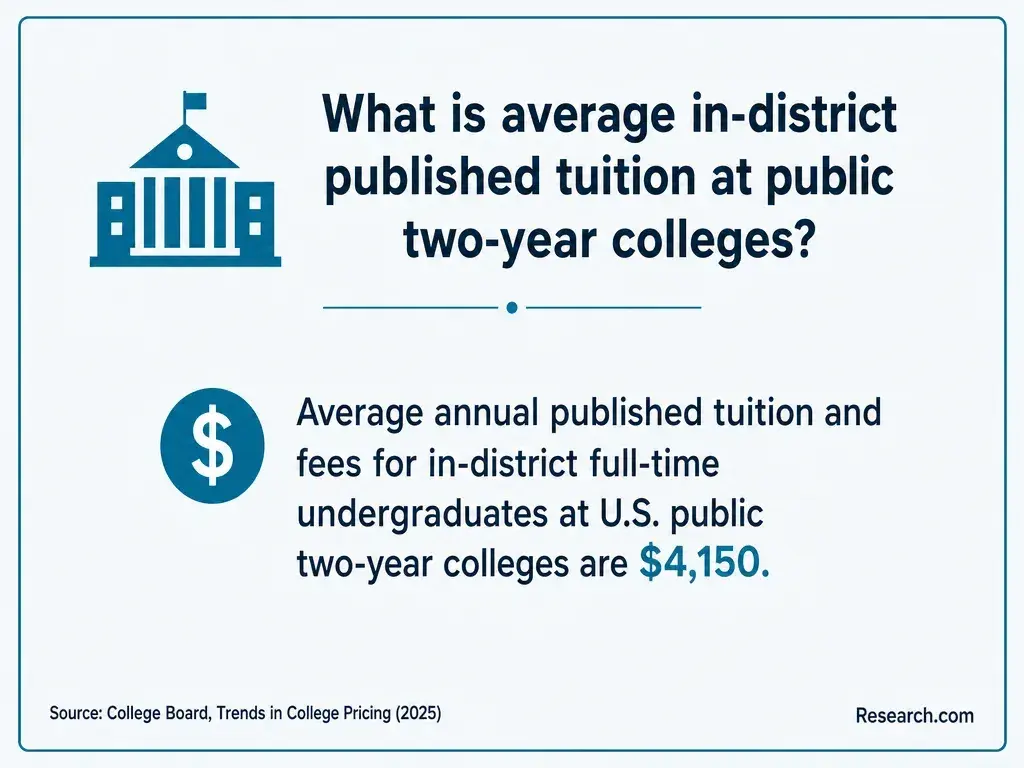
Choose the BS for flexibility if you are still deciding among public health functions. Favor health education if you want sustained practice creating and assessing education programs. In either case, compare the total price of suitable programs rather than assuming one major is cheaper; public health degree options with lower tuition can provide a starting point for that comparison.
Which careers can you pursue with a public health BS or health education degree?
Both degrees can support applications for entry-level positions in health departments, nonprofits, health systems, and community organizations. A health education major aligns closely with health education specialist work, such as assessing an audience's needs, developing materials, delivering programs, and evaluating participation. A public health BS can also support those applications, especially when the student has relevant communication and program-planning experience.
For either major, other plausible starting points include program assistant, outreach coordinator, research assistant, or community health worker. Duties and qualifications vary by employer; community health worker positions, in particular, may value local knowledge and supervised community experience alongside—or instead of—a particular major. An internship that produces a usable evaluation summary or accessible education resource can demonstrate more role-specific readiness than a degree title alone.
Neither bachelor's degree ordinarily prepares someone to enter independently as an epidemiologist, advanced analyst, or program director. Those goals may call for additional methods training, graduate education, and experience. If you later pursue graduate study, public health graduate bridge and entry pathways may help you assess preparation gaps; there is no need to assume one undergraduate major is universally required.
How do public health BS and health education salaries compare?
There is no dependable national salary figure for "public health BS graduates" versus "health education graduates." U.S. Bureau of Labor Statistics wage data describe occupations, not what people with a particular major earn. A health education specialist wage therefore reflects workers with different degrees, experience levels, employers, and locations; it is not an entry-level offer or a measured payoff from choosing health education.
For a meaningful comparison, identify two or three jobs you would actually apply for in the same region. Compare their posted pay ranges, required experience, credential preferences, and daily tasks. Then compare each degree's net cost, likely completion time, and access to relevant fieldwork. A lower-priced program with strong placement support may be a better investment than a more expensive program whose advertised career paths require further study.
Resources on online public health degrees balancing cost and time can help frame that calculation, but their program titles should not be read as salary guarantees.
A public health BS commonly introduces epidemiology, biostatistics or statistics, environmental health, health policy, and social and behavioral factors in health. A health education major often gives more course time to health communication, educational strategies, program planning, community assessment, and evaluation. Both may require research methods, an internship, or a capstone; the depth and sequence vary by institution.
Read course descriptions for the skills you want to leave with. A student interested in outreach should look for supervised opportunities to develop materials, work with a community partner, and evaluate whether a program reached its intended audience. A student considering data-focused work should check for statistics beyond an introductory survey course, opportunities to handle data responsibly, and room for additional quantitative electives.
Long-term plans can change which electives matter. If doctoral research is a possible goal, stronger method preparation now may be more useful than choosing a bachelor's major for its name. Comparing online PhD programs in public health by cost is a separate, later decision; an undergraduate course plan should first meet your immediate career or graduate-entry needs.
Requirements depend on the school and whether you are applying as a first-year student, a transfer student, or a current student declaring a major. Admission to the university does not always mean admission to a selective public health or health education major. Schools may specify introductory courses, a minimum academic standing, or an application before students enter upper-division coursework.
Transfer applicants should request a degree audit showing not just which credits are accepted, but which satisfy general education, major prerequisites, fieldwork, and graduation requirements. Send official transcripts and, when requested, course descriptions or syllabi to the office that evaluates equivalencies. Obtain written clarification on any course that appears to transfer only as an elective.
Do not apply graduate admissions rules to bachelor's programs. A later master's application may involve different documents and prerequisites; information about public health graduate admissions with fewer reference documents does not establish what an undergraduate institution requires now.
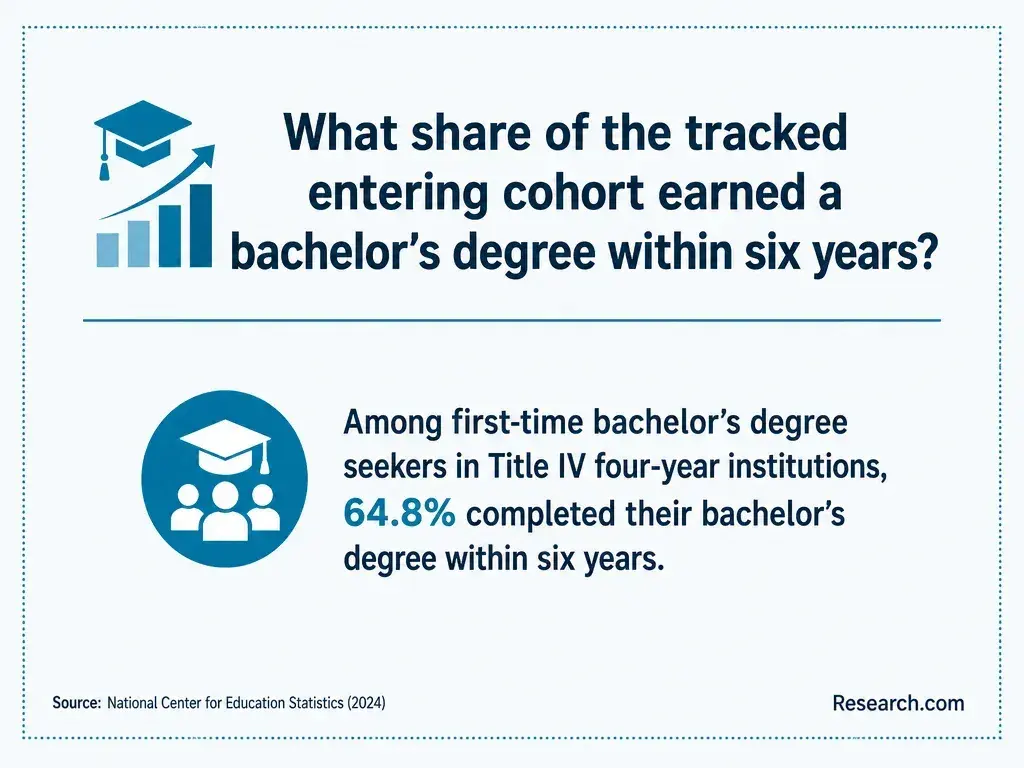
Four academic years of full-time study is a common bachelor's-degree plan for students starting without college credit. The actual timeline depends on accepted credits, how those credits apply to the major, course availability, enrollment pace, and any internship or capstone sequence. Neither major is inherently faster.
Ask for a term-by-term plan, especially if you are transferring or studying part time. A required course offered infrequently can delay graduation even when you have enough total credits. Check whether an internship must occur during specified hours or after particular prerequisites, and include its potential effect on paid work in your cost comparison.
If you are weighing these degrees as steps toward a much longer research career, separate the bachelor's timeline from later training. For example, an affordable epidemiology doctoral study with aid concerns a distinct decision with its own admissions, funding, and time commitments; it should not determine which bachelor's program you can complete successfully.
Online delivery does not, by itself, make a degree less credible. Compare the institution's accreditation, the actual curriculum, faculty access, assessment standards, and opportunities to complete supervised applied work. A credible online option should make clear how students obtain feedback, collaborate, and complete any local or remote field placement.
Format still affects fit. An online health education student may need to facilitate sessions or coordinate with a community site; a public health student may have scheduled group projects or a data-based capstone. Check live-class times, required visits, placement support, and whether the school approves a site near you. Listings of online public health bachelor's degrees and programs are useful for finding options, but confirm each program's format and requirements directly with the institution.
First, confirm that the university holds recognized institutional accreditation. Then check whether public health-specific accreditation matters to your goals. The Council on Education for Public Health (CEPH) accredits eligible public health schools and programs, but a university's affiliation with a CEPH-accredited unit does not prove that the particular bachelor's degree you are considering falls within its accredited scope.
Ask the school to identify the exact accredited unit or program and whether your proposed degree is covered. If a professional credential is important, verify its eligibility rules separately; neither institutional nor CEPH accreditation should be treated as automatic certification eligibility. Guidance on CEPH-accredited MPH program selection addresses a different degree level and should not be used to infer a bachelor's program's status.
Most general entry-level public health roles do not come with a single universal license. The Certified Health Education Specialist (CHES) credential may be relevant to health education roles, but eligibility is determined by the National Commission for Health Education Credentialing's current rules, including qualifying academic preparation. A major called "health education" does not confer CHES, and a public health BS should not be assumed ineligible without reviewing its coursework against those rules.
The Certified in Public Health (CPH) credential has its own eligibility pathways and is not awarded automatically with a bachelor's degree. Licenses for clinical care, school teaching, or other regulated work are separate and depend on the profession and jurisdiction. Before choosing a program for a named job, check current postings and the responsible credentialing or licensing body rather than relying on a school's general career list.
More education is not a substitute for a missing professional credential. Even public health doctoral programs with broader entry options address admission to an academic degree, not permission to perform licensed clinical work or automatic eligibility for CHES or CPH.
How do you choose the best public health or health education program?
Start with the work you want to try soon after graduation. For education and outreach, prioritize repeated practice in audience assessment, accessible communication, program delivery, and evaluation. For broader exploration, prioritize substantive exposure to data, policy, and community practice, with electives that let you build depth. A strong program in either major should help you demonstrate those skills through supervised work.
Before committing, compare programs on the same questions:
- Which required courses and applied projects directly support your target entry-level jobs?
- Who arranges internships, and what scheduling, travel, or unpaid-work obligations could they create?
- For transfers, which accepted credits actually meet degree requirements, and when are the remaining courses offered?
- What is the estimated total cost after grants and other aid, including fees and fieldwork expenses?
- What do current accreditation records and the program's published policies say about the exact degree and delivery format?
Request a written degree plan and cost estimate from each school, then compare them with local job postings. If graduate study is part of your longer-term plan, evaluate its financing separately; options for reducing MPH tuition with institutional awards do not reduce the price of your bachelor's degree unless a specific school confirms an applicable award.
Other Things You Should Know About Public Health
Possibly, but closely related majors may have overlap limits or require additional distinct credits. Ask for a degree audit and compare the added time with the value of a concentration, minor, or targeted electives.
Often, subject to the school's declaration or admission rules. Check which courses count toward the new major and whether a required sequence would change your graduation date.
Neither is automatically preferred. Choose a major in which you can succeed while completing the specific prerequisite courses, experiences, and other requirements of the medical schools you plan to consider.
Yes. Community outreach can expose you to education and engagement work, while a supervised project involving data or program operations can reveal other public health functions. Ask what tasks you would actually perform, not just the organization's mission.
- Educational Attainment and Nonwage Labor Market Returns in the United States - PMC https://pmc.ncbi.nlm.nih.gov/articles/PMC10923559/
- Educational and Community-Based Programs Workgroup | odphp.health.gov https://odphp.health.gov/healthypeople/about/workgroups/educational-and-community-based-programs-workgroup
- Characteristics of an Effective Health Education Curriculum | cdc.gov https://www.cdc.gov/assessing-improving-school-health/health-education-curriculum/index.html
- General Schedule Qualification Policies | U.S. Office of Personnel Management https://www.opm.gov/policy-data-oversight/classification-qualifications/general-schedule-qualification-policies/
- DAPIP | Homepage - Office of Postsecondary Education (OPE) https://ope.ed.gov/dapip/
- Certified Health Education Specialist (CHES) | missouri.edu https://healthsciences.missouri.edu/certified-health-education-specialist-ches/
- Public Health - UCSD Catalog https://catalog.ucsd.edu/curric/FMPH-gr.html
- Public Health Program Evaluation Explained | Tulane University https://online.tulane.edu/public-health/blog/public-health-program-evaluation
- Curriculum - Master of Public Health https://keck.usc.edu/mph-program/curriculum/
- Bachelor of Science in Public Health | charlotte.edu https://ech.charlotte.edu/degrees-and-programs/phs-undergraduate-programs/bachelor-science-public-health-bsph-2/