2027 Community Health Degree vs. Certificate: Which Should You Choose?
Audited and Verified:
Our Editorial and Data Verification Process
Research.com uses government datasets, official education statistics and primary institutional information to support its career and degree guides. Our review process checks factual accuracy, occupational definitions, source dates and the requirements associated with the credentials discussed.
How This Article Was Fact-Checked
Our editorial team verifies salary estimates, employment projections, education requirements and program information against original data providers and official organizations. Salary figures are checked against the relevant occupational definitions and reporting periods. Information about licensure, accreditation and required in-person training is reviewed separately.
Fact-checked and verified on:

Co-Founder and Chief Data Scientist
Today's students and professionals face important decisions when choosing between earning a degree or a certificate in community health. Both options can advance careers in public health, health education, and policy, but they differ in duration, depth of study, and career outcomes. Understanding these differences is crucial for making an informed choice aligned with individual goals.
A community health degree typically requires more time and offers comprehensive training, while a certificate provides focused skills in a shorter period. With nearly 30% of community health workers holding certificates, this article compares key factors like cost, career opportunities, and educational scope to help readers find the best fit for their lifestyle and ambitions.
Key Points About Community Health Degree vs. Certificate Programs
- Degree programs offer broader theoretical knowledge and leadership opportunities, often leading to higher salary potential, with a median wage approximately 15% greater than certificate holders.
- Certificate programs focus on practical skills and faster completion, ideal for those seeking immediate entry or specialization within community health roles.
- Community health degrees typically require 2-4 years, enhancing career advancement, whereas certificates take months, supporting flexible learning alongside existing jobs.
What Are the Differences Between Community Health Degree and Certificate Programs?
Both community health degrees and certificate programs offer valuable career paths, but they differ in important ways. Understanding these differences enables students to select the educational option that best aligns with their professional goals and available time. Below is a comparison highlighting key distinctions between community health degree and certificate programs.
- Career Advancement: Degrees typically provide more comprehensive training, preparing students for a wider range of roles and leadership positions. Certificates are often designed for quick entry or skill enhancement, making them ideal for those seeking to enter the field rapidly or update specific skills.
- Depth of Learning: Degree programs cover broader subject matter and emphasize critical thinking and theory, suitable for learners wanting an in-depth understanding. Certificate courses focus on practical skills and targeted knowledge, appealing to students aiming for immediate application in the workplace.
- Time Commitment: Degree pathways usually require a longer time frame, which may suit individuals planning a long-term career. Certificates offer shorter durations, accommodating those with limited time or those balancing work and study.
- Flexibility: Certificate programs often provide more flexible scheduling options, which benefits working adults or those with other responsibilities. Degree programs are more structured and may require a greater time investment on campus or online.
How Long Does It Take to Complete a Community Health Degree vs. a Certificate Program?
Completion time is one of the most important factors for students choosing between a community health degree vs. certificate. Understanding the typical length and flexibility of each option helps prospective students make informed decisions aligned with their career goals and personal schedules.
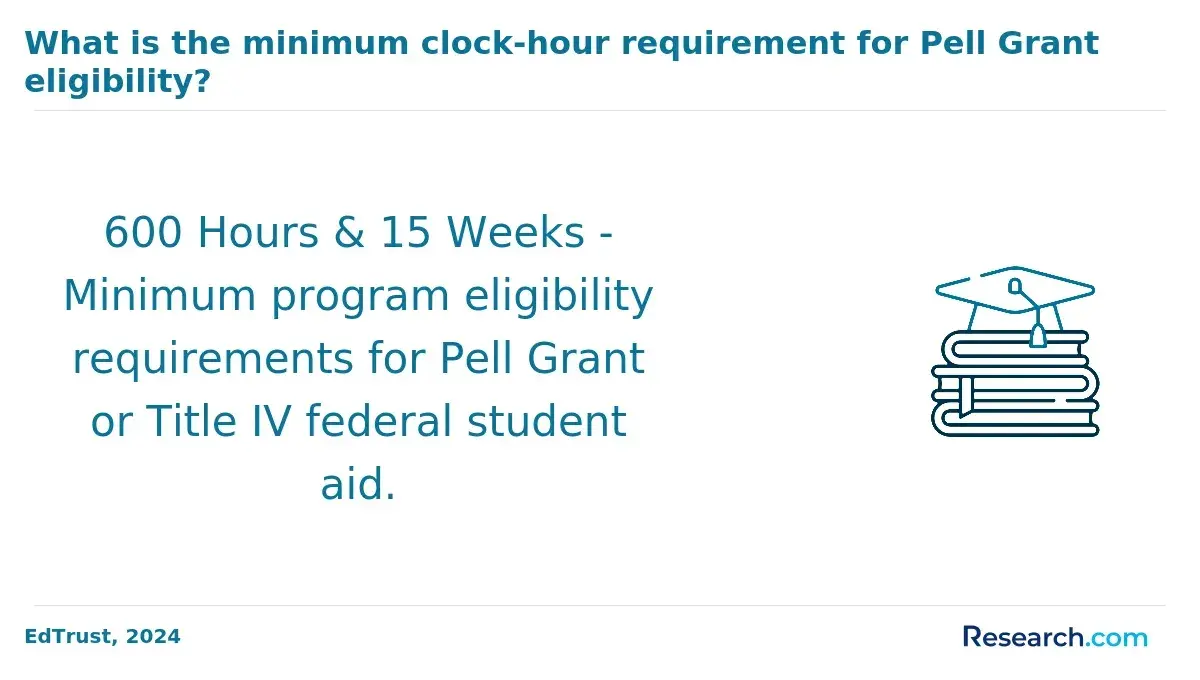
- Typical Duration: A community health certificate program generally takes about 6 to 12 months to complete, making it the fastest pathway. In contrast, community health degrees take longer: an associate degree usually requires around 2 years of full-time study, while a bachelor's degree commonly requires 4 years full-time.
- Flexibility: Certificate programs are designed primarily for part-time study, offering greater flexibility for working professionals and those needing a faster credential. Degree programs tend to demand full-time enrollment, though some online or asynchronous options can provide increased pacing control.
- Factors Affecting Timeline: Program structure plays a key role; some formats enable accelerated completion, especially in certificates. Transfer credits and prior learning applicable to a community health degree program length may shorten time to graduation. Graduate-level community health degrees typically require 1-2 years after earning a bachelor's degree, with options including online 1 year masters programs.
In summary, community health certificate programs offer a quicker route, often completed in less than a year with flexible scheduling. Degrees offer more comprehensive preparation but entail longer commitments, influenced by enrollment status, curriculum design, and transfer credits. These timing considerations are crucial for students balancing education with career and life demands.
Can You Complete a Community Health Degree or Certificate Entirely Online?
The growth of online education has made it possible to explore many flexible options in higher education, including community health. Many accredited U.S. institutions offer online community health degree programs that allow students to complete their bachelor's or master's degrees remotely. Schools such as Monroe University, Arizona State University, and Wayne State University provide fully online courses covering core subjects, electives, and sometimes capstone projects or internships.
Additionally, a fully online community health certificate is widely available, generally requiring fewer credits and serving as a fast-track option for those seeking career advancement or enhanced skills. For more information on accessible programs, exploring the open enrollment colleges can be helpful.
However, prospective students should be aware that many programs, whether degree or certificate, may require hands-on training, internships, or field experiences to fulfill graduation or licensure requirements. Even in fully online formats, these practical elements are often completed at approved local sites. When choosing between online formats, it is important to evaluate your career goals, any certification or licensure needs, and whether the program offers hybrid options or mandates in-person attendance. Verifying these details beforehand ensures the chosen program aligns well with individual professional aspirations and logistical needs.
Admission requirements are essential for determining eligibility and readiness when choosing between a community health degree and a certificate program. Knowing these criteria helps prospective students select the option that best fits their educational background and career goals. Below is a comparison outlining the typical admission requirements for both program types.
Admission Requirements for Community Health Degree Programs
- Educational Background: Most bachelor's degree programs require a high school diploma, GED, or associate degree from an accredited institution. Graduate degrees like a Master of Public Health (MPH) generally require a completed undergraduate degree from an accredited university.
- GPA Standards: Many universities set minimum GPA requirements, often around 2.5 for undergraduates to 3.0 or higher for graduate admissions, with some programs demanding competitive GPAs.
- Standardized Tests: Some programs request SAT, ACT, or GRE scores, although an increasing number are adopting test-optional policies.
- Personal Statement or Essay: Applicants typically submit a personal statement outlining their career goals and interest in community health.
- Interview: Certain degree programs may include a pre-admission interview to assess fit and motivation.
- Relevant Experience: Advanced or accelerated master's programs often recommend or require prior work or volunteer experience in health-related fields, particularly for executive-level tracks.
Admission Requirements for Community Health Certificate Programs
- Educational Background: These programs usually require only a high school diploma or equivalent, with some non-credit certificates accepting applicants without formal credentials.
- Professional Experience: Most certificate programs do not demand prior health-related experience, making them suitable for career changers or those new to the field.
- Application Materials: A basic application form and sometimes a brief statement of interest are usually sufficient; formal essays and interviews are rarely required.
- GPA Requirements: Minimum GPA thresholds are uncommon but may be requested if the certificate offers college credit.
These community health degree admission requirements tend to be more rigorous due to the comprehensive nature of degree programs. In contrast, community health certificate program prerequisites offer a more accessible path for students seeking foundational knowledge or quick workforce entry. For those considering advancement, exploring masters programs that make the most money may provide insight into lucrative career opportunities post-degree completion.
Understanding credit requirements is crucial for students to effectively plan their academic schedules and anticipate the time commitment involved. Comparing the credit demands of community health degree and certificate programs provides clearer insight into what each pathway entails.
Here is how the credit expectations typically differ:
- Community health degree: A bachelor's degree usually requires around 120 semester credits, covering major courses and general education. Master's programs can demand between 45 and 68 credits, often including practical fieldwork components.
- Community health certificate: These programs generally require far fewer credits, typically between 12 and 18, focusing on core skills for entry-level roles and designed for faster completion, often online or part-time.
When speaking with a student pursuing a community health certificate program, he explained that balancing work and study was a significant challenge but made manageable by the shorter credit load. "I appreciated how the certificate concentrated on practical knowledge without overwhelming me," he said. Navigating the application and coursework felt efficient, and he found the program flexible enough to fit around his job. Reflecting on his decision, he noted, "Choosing the certificate was about gaining essential skills quickly and entering the workforce sooner, which really suited my current life situation." This perspective highlights how credit requirements directly impact students' educational choices and timelines.
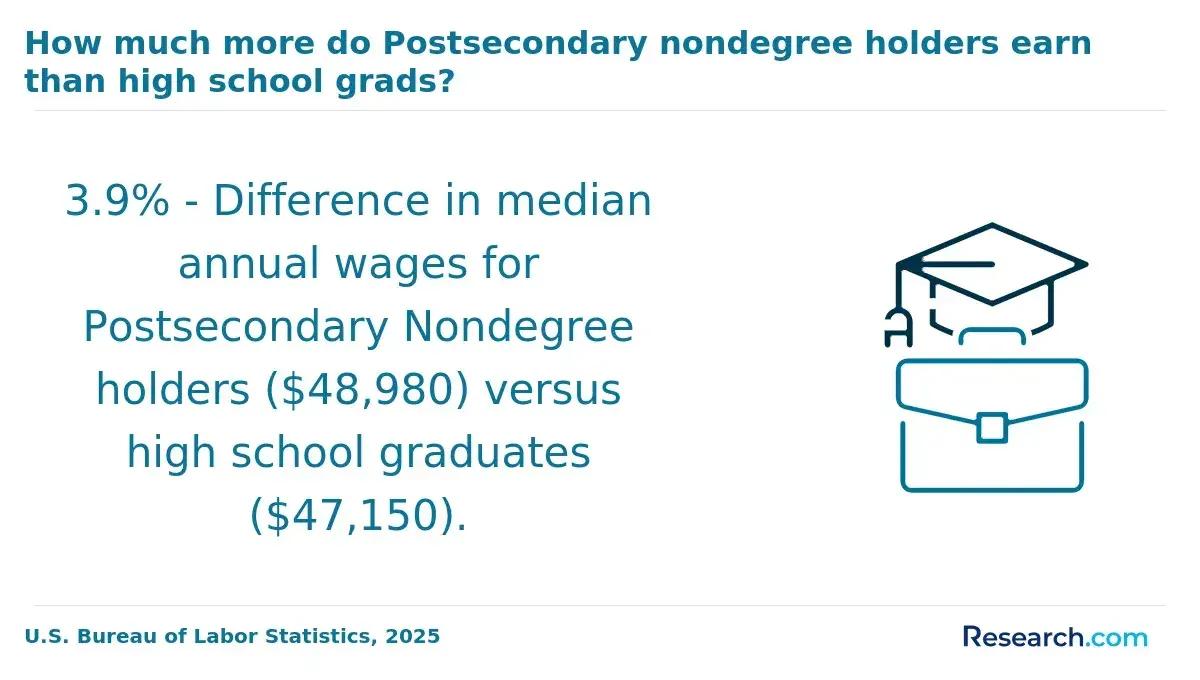
Tuition costs play a crucial role in deciding between pursuing a community health degree or enrolling in a certificate program, impacting both short-term affordability and long-term financial planning. Comparing the average tuition ranges helps students understand the investment required for each educational pathway.
The following breakdown highlights the key tuition factors and typical costs associated with each route.
Average Tuition for Community Health Degree Programs
- Tuition Range: A bachelor's degree in community or public health typically costs about $10,502 for in-state students and $31,365 for out-of-state students annually at four-year institutions.
- Program Length: Degree programs usually last four years, meaning total tuition may range from $40,000 to over $120,000 depending on residency and institution.
- Public vs. Private Schools: Public universities generally offer lower tuition for residents, while private schools average around $38,421 per year.
- Online vs. On-Campus: Some online degree programs offer reduced costs, with annual tuition as low as $8,092 to $9,324 at accredited institutions.
- Community College Pathways: Pursuing an associate degree at a community college is less costly, averaging about $3,764 per year for in-state students.
Average Tuition for Community Health Certificate Programs
- Tuition Range: The cost of community health certificate programs is often lower, with total tuition from $1,632 to $4,000 at community colleges for the full program.
- Program Length: Certificate programs generally take one year or less to complete, reducing overall expenses compared to degrees.
- Public vs. Private Schools: Public community colleges offer the most affordable certificates, while private institutions may charge $14,275 or more annually.
- Online Options: Many certificate programs are available online at discounted per-credit rates versus on-campus classes.
- Additional Fees: While certificate students may have to pay for materials or licensing exams, these fees are usually lower than those for degree students.
For those weighing the average tuition for a community health degree program and cost of community health certificate programs, exploring options at non profit accredited colleges with available online learning can provide more affordable paths without compromising quality.
Yes, transferring credits earned from a community health certificate toward a related degree is often possible, but it depends heavily on institutional policies. Many colleges allow coursework from accredited certificate programs to count toward associate or bachelor's degrees when courses align closely with the degree curriculum. For example, some institutions accept credits from community health assessments or behavioral science certificates if they meet academic standards. Accreditation and the relevance of the courses are critical; only credits from recognized schools and applicable subjects usually qualify for transfer.
Key factors influencing credit transfer include limits on how many certificate credits apply to a degree, minimum grade requirements-commonly a C or higher-and the need to double-check policies before enrolling. Some universities, for instance, cap transferable certificate credits to protect degree integrity, and others require early consultation with academic advisors to avoid surprises. Verifying credit transfer options ahead of time helps students make informed decisions and ensures their certificate work strengthens their educational path.
When I spoke with a student who pursued a community health degree after completing a certificate program, she shared how navigating credit transfer was initially uncertain. "I wasn't sure which courses would count," she explained, "so I had several advising sessions and had to gather syllabi to prove course relevance." Ultimately, she successfully transferred many credits, which eased her degree completion timeline. Reflecting on the process, she described it as challenging but rewarding and emphasized that early research and communication with advisors made all the difference in maximizing her learning investment.
Certificate programs in community health are not accredited in the same manner as degree programs. Most community health degrees, whether bachelor's, master's, or doctoral, hold accreditation from specialized agencies like the Council on Education for Public Health (CEPH), which is regarded as the leading authority for public health education and recognized by the U.S. Department of Education.
In contrast, certificate programs typically receive accreditation at the institutional or regional level from bodies such as the Higher Learning Commission (HLC) or the Northwest Commission on Colleges and Universities (NWCCU). Unlike degree programs, there is no national, program-specific accrediting agency exclusively for community health certificates, meaning the quality and acknowledgment of these certificates can differ significantly.
Accreditation is crucial because it assures minimum standards of academic excellence and professional relevance, affecting credit transfer, eligibility for certifications, and hiring prospects. Employers often prefer candidates with CEPH-accredited degrees, while some accept certificates accredited regionally. When choosing a program, students should verify the type of accreditation, consider employer requirements, and evaluate whether curricula align with current community health demands. Always confirm that the program is recognized by reputable accrediting agencies and valued by employers before enrolling.
Both community health degrees and certificates offer pathways to meaningful careers in health-related fields, but they typically prepare graduates for different roles and levels of responsibility. Understanding how each credential aligns with job opportunities can help you decide which is best suited for your career goals. Below is a comparison of potential positions associated with each credential.
Jobs You Can Get with a Community Health Degree
- Health coach: Guides individuals to improve their health behaviors and achieve wellness goals, often working in gyms, clinics, or corporate wellness programs.
- Research assistant: Supports public health studies by collecting data, assisting with analysis, and contributing to reports in research institutions.
- Wellness consultant: Designs and implements health promotion initiatives for organizations to improve employee wellbeing.
- Patient service coordinator: Manages administrative and patient-related tasks in healthcare facilities to ensure smooth service delivery.
- Health educator: Develops educational programs to inform communities about health issues, often employed by nonprofits or public agencies.
- Community health organizer: Leads outreach efforts and programs aimed at improving public health at the local level, frequently working with government or nonprofit groups.
Jobs You Can Get with a Community Health Certificate
- Community health worker (CHW): Acts as a link between health services and the community, promoting wellness and providing support in clinics or social service organizations.
- Health outreach worker: Conducts outreach campaigns to educate and engage targeted populations on health topics, often in nonprofit or public health settings.
- Health program assistant: Provides administrative and on-the-ground support for health initiatives, assisting staff in clinics or community centers.
- Wellness promoter: Facilitates wellness activities and provides health information to groups in diverse settings such as schools or community programs.
Salary potential often varies significantly between community health certificate holders and those with a community health bachelor's degree. Understanding these differences is crucial when planning your educational and career path in this growing field.
Below is a side-by-side comparison of the average salary for community health certificate holders versus the community health degree starting salary in the US, along with common factors influencing earnings and career outlook.
- Typical Salary Range: Graduates with a community health certificate typically earn between $35,000 and $45,000 per year, representing entry-level positions that require less education.
- Higher Degree Earnings: Those with a community health bachelor's degree can expect a higher starting salary, generally ranging from $50,000 to $63,000 annually, with the median annual wage reported at $51,030 in 2024.
- Education Level Impact: Education greatly influences starting pay, as degree holders qualify for advanced roles and better compensation compared to certificate holders.
- Experience and Industry: Prior work or internships boost salaries; additionally, government agencies, hospitals, and research institutes usually pay more than small nonprofits or local organizations.
- Location Influence: Areas with higher living costs and demand-such as urban centers and states like North Dakota-often offer better wages.
- Career Outlook: Employment in community health is projected to grow 11% from 2024 to 2034, a rate faster than many other fields, encouraging long-term professional stability.
- Certification Advantage: Certified workers tend to earn about 4.8% more than uncertified peers, highlighting the value of credentials even at entry level.
- Additional Resources: For individuals interested in roles compatible with a reserved personality, check out great careers for introverts that often align with community health positions.
Here's What Graduates of Community Health Programs Say About Their Degree or Certificate
- Riggs: "Pursuing the community health certificate was a perfect choice for me because it offered a faster, more focused learning experience compared to a degree program. I appreciated that the cost was significantly lower, which made advancing my skills without a huge financial burden possible. For anyone considering options, remember that certificates provide practical knowledge quickly, which is ideal if you want to enter the workforce sooner."
- Curtis: "Enrolling in the community health degree program was a transformative experience that allowed me to dive deep into public health concepts at a measured pace. Although the program demanded more time and a higher financial commitment, it opened doors to leadership roles and a broader career impact. For those weighing their options, the degree offers comprehensive training but requires dedication and investment."
- Waylon: "Completing both the community health certificate and degree programs provided me with a unique blend of quick skill acquisition and in-depth understanding. The certificate gave me immediate applicable skills, while the degree built on that foundation, enhancing my career prospects considerably despite the higher cost and longer duration. It's vital to consider your personal goals and timing-combining both can be highly beneficial if you're ready to invest in your future."
Other Things You Should Know About Community Health Degrees
Yes. Many community health certificates and associate or bachelor’s degrees include supervised practicum or fieldwork, often 100 to 300 hours, to meet employer and accreditation expectations. Programs usually place students in clinics, nonprofits, or public health agencies and may require background checks or immunization records.
In many cases, credits from a community health certificate program can be transferred toward a degree if the programs are offered by the same institution or have articulation agreements. This process varies widely, so students should verify credit transfer policies before enrolling if they plan to pursue a degree afterward.
- The Best Public Health Certificate Program for You: How to Navigate the Options for the Right Outcome https://masterspublichealth.com/public-health-certification-programs/
- CE0039 Community Health Worker Certificate https://ce.berkeleycollege.edu/public/category/courseCategoryCertificateProfile.do
- Community Health and Wellness Proficiency Certificate https://www.ccp.edu/college-catalog/degree-programs/proficiency-certificate/community-health-and-wellness-proficiency
- Community-Based Public Health Certificate Program | Johns Hopkins Bloomberg School of Public Health https://publichealth.jhu.edu/academics/community-based-public-health-certificate-program
- How Much Can You Earn With A Public Health Degree? https://und.edu/blog/public-health-major-salary.html
- Tuition & Fees – Public Health – Graduate Certificates & Minors | Oregon State Ecampus https://ecampus.oregonstate.edu/online-degrees/tuition/
- Certificate in Community Health Worker https://discover.trinitydc.edu/catalog-22-23/certificate-in-community-health-worker/
- What Is a Community Health Worker Certification, and How Can You Get One? https://www.coursera.org/articles/community-health-worker-certification
- Community and Public Health (Certificate) https://www.hvcc.edu/programs/all/health/community-and-public-health-certificate.html
- Today’s Guide to Public Health Certifications https://www.publichealthdegrees.org/resources/public-health-certifications/