2027 Do Employers Pay for Community Health Degrees: Tuition Reimbursement and Sponsorship Options
Audited and Verified:
Our Editorial and Data Verification Process
Research.com uses government datasets, official education statistics and primary institutional information to support its career and degree guides. Our review process checks factual accuracy, occupational definitions, source dates and the requirements associated with the credentials discussed.
How This Article Was Fact-Checked
Our editorial team verifies salary estimates, employment projections, education requirements and program information against original data providers and official organizations. Salary figures are checked against the relevant occupational definitions and reporting periods. Information about licensure, accreditation and required in-person training is reviewed separately.
Fact-checked and verified on:

Co-Founder and Chief Data Scientist
Many prospective students hesitate to pursue a community health degree due to rising education costs and student debt. On average, community health programs can cost between $20,000 and $50,000, leading to considerable financial strain. A recent national survey found that nearly 60% of students rely on financial aid, yet employer tuition reimbursement programs remain underutilized.
Understanding whether employers pay for community health degrees through tuition reimbursement or sponsorship can greatly influence educational planning. This article explores available employer-sponsored financial aid options, eligibility criteria, and how to leverage these benefits to minimize out-of-pocket expenses for working professionals seeking advancement in community health.
Key Benefits of Employers Paying for Community Health Degrees
- Employers offering tuition reimbursement lower student debt, with average community health degrees costing between $20,000 and $50,000.
- Sponsorship programs often include mentorship opportunities, enhancing practical skills and job readiness while supporting degree completion.
- Financial support from employers can increase employee retention by up to 70%, fostering long-term workforce stability in community health sectors.
Do employers pay for community health degrees?
Many employers provide tuition reimbursement or sponsorship programs to support employees pursuing further education, making this a reasonably common benefit. According to the Society for Human Resource Management, about 54% of U.S. organizations offer some form of tuition assistance.
Companies often invest in education related to community health degrees because it directly improves workforce skills in public health, wellness promotion, and preventative care. These areas align with organizational goals around employee well-being and community engagement.
Employers see value in supporting educational advancement as it can boost retention and enhance job performance. Employees exploring employer tuition reimbursement for community health degrees should consider that such sponsorship programs often reflect these strategic priorities.
Employer payment trends for community health degree sponsorship programs by employers vary widely depending on industry, job relevance, and workforce needs. Healthcare and nonprofit organizations with community outreach missions are more likely to cover costs since these degrees directly benefit their operations.
In contrast, sectors less connected to community health may be reluctant to fund such education unless it clearly supports the employee's role. When deciding to pursue a community health degree, prospective students should assess their employer's willingness to invest in their education, which can significantly affect the overall financial return.
Those interested might also explore educational options like the shortest DNP program online as part of their degree pathway planning.
What types of tuition assistance do employers offer for community health degrees?
Employer-provided tuition support is a valuable resource for professionals pursuing a community health degree, as it can significantly reduce out-of-pocket expenses and financial risk. These benefits encourage continued education and help build a skilled workforce within the healthcare sector. Understanding the different types of employer tuition assistance can help students maximize their return on investment in education.
- Tuition Reimbursement: This common program reimburses employees a percentage or the full cost of tuition after they successfully complete courses with passing grades. It effectively lowers the financial burden by paying back actual education expenses, making it a popular choice among employers offering employer tuition reimbursement programs for community health degrees.
- Tuition Sponsorship: Some employers directly pay tuition fees upfront to educational institutions. This immediate financial relief is often part of broader professional development initiatives and can cover partial or full tuition costs depending on company policy.
- Tuition Discounts or Scholarships: Through partnerships with specific universities, employers may offer discounted tuition rates or scholarships to employees. These reductions lower the amount employees must pay initially and apply to various community health degree sponsorship options by employers.
- Education Stipends or Annual caps: Employers may provide yearly stipends or set maximum limits, often ranging from a few thousand dollars to $5,000 or more, to cover tuition or education-related expenses. These programs help manage education costs while supporting ongoing workforce education.
For those looking to enter the healthcare field quickly, exploring a certified medical assistant program can also be a viable option alongside pursuing broader community health studies.
Who is eligible for employer tuition reimbursement for community health degrees?
Eligibility requirements for employer tuition reimbursement play a vital role in planning how to finance a community health degree. These criteria influence when students can enroll, which programs qualify for assistance, and ultimately affect the return on investment from employer-sponsored education. Careful attention to these factors helps prospective students align their education path with available financial support and career objectives.
- Employment Status: Full-time employees often receive priority for tuition reimbursement, though some tuition assistance programs eligibility extends benefits to part-time workers, depending on company policy.
- Tenure Requirements: Many employers require employees to have worked for a minimum period-commonly six months to one year-before becoming eligible for tuition reimbursement.
- Degree Relevance: The community health degree must typically be relevant to the employee's current role or a foreseeable career path within the organization, ensuring alignment with business needs and employee growth.
- Academic Performance: Continued eligibility may depend on maintaining minimum academic standards, such as a specific GPA or passing grades, to demonstrate satisfactory progress.
- Approval Process: Employees usually need to secure pre-approval from supervisors or human resources before starting courses, ensuring the program meets employer criteria.
- Ongoing Employment: Companies often expect recipients to remain employed for a designated period after completing their degree to avoid reimbursement clawbacks.
These common eligibility factors for employer tuition reimbursement community health degrees require careful consideration. Balancing program selection with employer requirements maximizes the financial and professional benefits of tuition assistance. Those seeking flexible options might explore a health administration degree online as an alternative or complement to their community health studies.
Knowing how employer tuition reimbursement programs operate can significantly reduce education costs for those pursuing a community health degree while working. These programs offer financial assistance but come with specific steps and requirements. Here's a closer look at how such support typically works.
- Approval Process: Employees usually need to secure prior authorization from their employer before starting any courses. This involves submitting an education plan that details the program's relevance to their current role or career growth.
- Payment and Reimbursement: Tuition fees must often be paid upfront by the employee, who then submits claims for reimbursement after completing coursework. This ensures employers only fund verified education expenses.
- Documentation Requirements: Employers typically require proof of tuition payment along with official transcripts or grade reports. These documents demonstrate satisfactory academic progress and eligibility for reimbursement.
- Reimbursement Limits: Programs often cap reimbursement amounts annually or per semester based on company policy. Such limits might cover only tuition or extend to related expenses like fees and textbooks.
- Academic Performance Expectations: Maintaining a minimum grade, often a "C" or higher, is usually necessary to qualify for continued funding. Poor academic results can result in losing reimbursement privileges.
Many employers have become more open to sponsoring online community health degrees as these programs gain credibility. While tuition reimbursement for online education was once limited due to doubts about quality, acceptance is increasing alongside the rise of accredited online offerings.
A recent study found that approximately 70% of employers regard online degrees as comparable in value to traditional ones, though this acceptance varies by industry and company size, indicating that sponsorship is becoming more common but is not yet universal.
When determining eligibility for sponsorship, employers often focus on specific program qualities such as recognized accreditation, the direct applicability of coursework to the employee's current or future job responsibilities, and assurances that the academic standards are comparable to on-campus programs.
Additionally, companies assess whether the degree supports broader organizational goals like talent development or strategic growth. A professional who completed an online community health degree with company support shared that navigating the sponsorship process was initially challenging.
He described it as "a matter of clearly demonstrating how the degree would enhance my contributions at work." Gaining approval required gathering detailed program information and aligning it with his role's expectations, which took persistence but ultimately led to full tuition reimbursement. He reflected that having this backing not only eased financial stress but also reinforced his motivation to succeed in both his studies and his job performance.
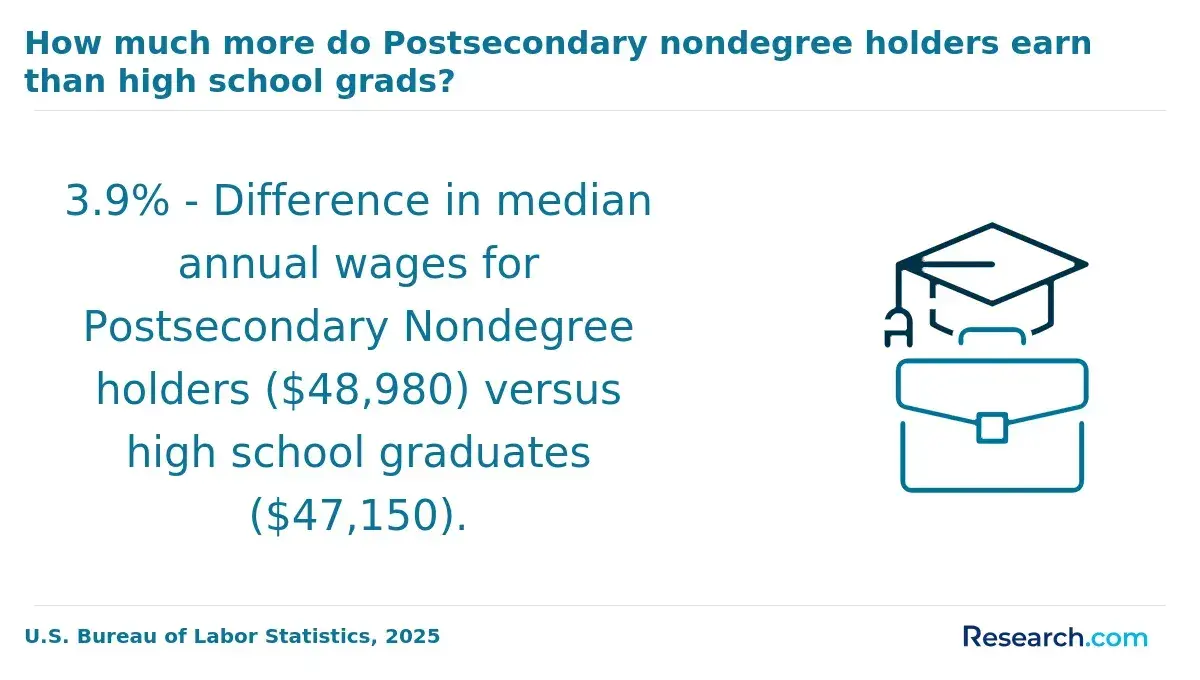
Tuition reimbursement limits play a significant role in determining the affordability and return on investment of a community health degree. Many students rely on employer-sponsored aid to offset costs, but these funds can vary widely and directly impact overall expenses.
According to a Society for Human Resource Management survey, 56% of large employers provide tuition assistance averaging around $4,700 annually per employee. Understanding these figures helps prospective students gauge potential financial support against program costs.
Typical annual reimbursement caps often fall between $3,000 and $10,000, while lifetime maximums may range from $20,000 to $50,000. These amounts fluctuate based on factors such as industry, company size, and how closely the degree relates to an employee's role. Federal tax regulations also influence reimbursement plans by allowing employers to offer up to $5,250 tax-free per year, shaping how organizations structure their education benefits without providing legal advice.
Knowing the potential penalties for leaving an employer-sponsored community health degree program early is vital for employees weighing educational benefits against job commitments. Nearly 60% of companies with tuition reimbursement programs enforce service agreements requiring stay periods or repayment, making it essential to consider these terms carefully. Below are common penalty situations to be aware of:
- Tuition Repayment Obligations: Employees may have to repay tuition amounts already reimbursed if they resign before fulfilling the agreed employment term. This ensures employers can recover costs when education investments do not translate into longer service.
- Prorated Repayment Plans: Repayment often decreases the longer an employee remains employed after benefiting from the tuition support. For instance, if a two-year commitment is set, leaving halfway may require reimbursing approximately half the tuition paid.
- Early Termination Clauses: Contracts usually specify minimum employment periods post-graduation to retain financial benefits. Leaving earlier than outlined typically triggers penalty provisions, discouraging premature departures.
- Impact on Future Benefits: Breaking agreements by leaving early can reduce or eliminate eligibility for future tuition assistance or other company-sponsored educational incentives, affecting ongoing professional development opportunities.
When asking a professional who completed a community health degree with employer tuition aid about her experience regarding potential penalties, she reflected on the difficult but deliberate choice to stay with her company. "I knew leaving early meant paying back a significant sum," she said, "so I made it a priority to fulfill my commitment."
She described feeling a mix of pressure and motivation, noting that the arrangement gave her a clear career path and financial support she might not have had otherwise. Although juggling work and studies was challenging, she appreciated how the employer's support aligned with her long-term goals. "It was reassuring to know that by sticking with the company, I was honoring the agreement and investing in my future," she shared, highlighting how understanding the penalties ultimately helped her make an informed and positive decision.
Evaluating the impact of employer-sponsored education on career earnings is crucial for working professionals considering a community health degree. Employer-paid programs can reduce financial barriers, making advanced education more accessible and potentially leading to improved long-term earning potential.
For instance, research shows that workers with bachelor's degrees earn about 84% more over their lifetimes compared to those with only a high school diploma, highlighting the value of educational investment.
- Increased Promotion Opportunities: Employees with employer-paid community health degrees often find themselves better positioned for promotions. Enhanced qualifications can set workers apart, increasing their chances of moving into leadership or specialized roles.
- Faster Career Progression: Employer-sponsored education supports quicker advancement by equipping individuals with skills that meet evolving job demands. This can result in shorter timelines to reach higher-level positions and greater career satisfaction.
- Access to Higher-Paying Roles: Earning a community health degree with employer support opens doors to well-compensated careers in fields like healthcare administration, public health programming, and policy development. These roles frequently offer greater job security and benefits.
- Enhanced Skills and Qualifications: The practical knowledge and leadership abilities gained through community health programs improve an employee's marketability. This can translate into improved job performance, greater workplace influence, and better negotiation power for salary increases.
- Return on investment: Employer-paid degrees alleviate immediate financial strain and contribute to sustainable income growth. Investing in such education typically yields long-term benefits, including career stability and higher lifetime earnings.
For those interested in exploring affordable options to complement employer sponsorship efforts, affordable NP programs offer another pathway to advanced healthcare qualifications that align well with community health career goals. Considering the long-term earning potential with employer-sponsored community health programs can guide professionals toward making informed decisions about their education and career trajectories.
Proactively communicating and preparing when requesting employer support for education can significantly improve your chances of receiving tuition assistance. Studies indicate that 56% of employers offer tuition reimbursement, yet employees who initiate discussions about their educational goals are more likely to gain approval. Below are key strategies to effectively ask your employer to pay for a community health degree.
- Research Company Tuition Policies: Review your employer's tuition reimbursement or sponsorship guidelines, typically found in employee handbooks or HR portals. Understanding these policies helps you align your request with company procedures and increases its credibility.
- Prepare a Strong Business Case: Clearly articulate how pursuing a community health degree will benefit your current role or support organizational goals. Emphasize specific skills or knowledge you will gain and the potential return on investment in terms of improved job performance or qualification for advancement.
- Schedule a Formal Meeting: Request a dedicated time with your supervisor or HR representative to professionally present your proposal. Being concise and focused during this meeting helps convey your commitment and demonstrates respect for their time.
- Connect Education to Career Growth: Show how the degree is directly relevant to your job responsibilities or future career trajectory within the company. Making this connection underscores the mutual value of investing in your community health education.
- Follow Up with Documentation: Provide any necessary materials post-meeting, such as program details, tuition costs, and anticipated timelines. This transparency supports informed decision-making and keeps the conversation moving forward.
For those seeking the cheapest RN to BSN options as part of their community health education journey, employer tuition sponsorship can help significantly reduce out-of-pocket expenses. Implementing these tips for getting employer sponsorship for community health education and understanding how to request employer tuition reimbursement for community health degree planning will strengthen your approach and improve your chances of success.
Paying for a community health degree without employer support requires careful financial planning to avoid overwhelming debt. Nearly 85% of college students receive some type of financial assistance, underscoring the necessity of exploring diverse funding sources. Below are practical strategies to help manage educational expenses effectively.
- Federal or State Financial Aid: Complete the FAFSA to access grants, work-study programs, and low-interest loans that can reduce the immediate cost of tuition and related fees.
- Scholarships and Grants: Look for awards offered by nonprofit groups, health organizations, and professional associations related to community health that do not require repayment.
- Personal Savings and Student Loans: Use your savings wisely or consider borrowing, making sure to compare interest rates and loan terms to ensure manageable repayment.
- Income-Share Agreements (ISAs): Consider funding arrangements where an investor covers your tuition in exchange for a fixed percentage of your future earnings, which can lower upfront financial pressure.
- Part-Time or Online Programs: Enroll in flexible course formats that may offer reduced tuition rates and allow you to maintain employment while advancing your degree.
Combining these options can make pursuing a community health degree realistic without employer funding, helping you maintain financial stability while achieving your career objectives.
What Graduates Say About Employers Paying for Their Community Health Degrees
- Kendra: "Completing my community health degree was a significant financial commitment, with tuition averaging around $20,000. Thanks to my employer's generous tuition assistance program, I was able to focus on my studies without the heavy burden of debt. This sponsorship not only made the education affordable but also opened doors for advancement within my organization."
- Nisha: "The community health program cost was daunting at first, nearly $22,000, but my employer's tuition sponsorship made it manageable. This support allowed me to pursue my passion without worrying about finances, and it has truly transformed my career by qualifying me for leadership roles in public health initiatives. I'm grateful for an employer who invests in their employees' growth. "
- Lila: "Pursuing a community health degree came with an average price tag of about $19,500, which seemed out of reach until my employer stepped in with financial assistance. Their sponsorship was a pivotal factor in my ability to complete the program while continuing to work full-time. It enhanced my professional credibility and gave me practical skills that have been invaluable in advancing my role in healthcare management."
Other Things You Should Know About Community Health Degrees
Most employers cap tuition reimbursement at $5,250 per calendar year to match the IRS tax-free threshold. Amounts above that limit are usually taxable unless the employer applies a separate educational assistance policy and the employee meets any service or grade requirements in writing.
Many tuition reimbursement agreements for community health degrees include a service commitment clause requiring employees to stay with the company for a set period after program completion. If an employee leaves early, they may be required to repay some or all of the reimbursed tuition. Applicants should carefully review contract terms before enrolling to avoid unexpected obligations.
Yes, some employers offer tuition reimbursement for part-time employees pursuing community health degrees. Eligibility criteria vary, so employees should check with their HR department. Factors like length of employment and degree relevance may influence the decision.
- 3 Proven Tips to Help You Get an Employer-Sponsored Education https://www.saintleo.edu/about/stories/blog/3-proven-tips-to-help-you-get-an-employer-sponsored-education
- Penalties for Benefits Noncompliance https://www.trinet.com/insights/penalties-for-benefits-noncompliance
- What is a Tuition Reimbursement & Case Study on How it Helps Employers https://incentfit.com/wellness-word/what-is-tuition-reimbursement-case-study-on-how-it-helps-employers/
- 25 Companies with College Tuition Reimbursement Programs https://getschooled.com/article/5206-companies-with-great-tuition-reimbursement-programs
- What is Tuition Reimbursement? The Often-Overlooked Employee Benefit https://www.snhu.edu/about-us/newsroom/education/what-is-tuition-reimbursement
- Education Support | CenterWell https://www.centerwellcareers.com/us/en/education-support
- How to Get Your Employer to Pay for College With Tuition Assistance Programs https://www.umassglobal.edu/blog-news/get-your-employer-pay-college-tuition-assistance-programs
- DOL sets 2024 penalties for health and welfare benefit plan violations https://www.mercer.com/insights/law-and-policy/dol-sets-2024-penalties-for-health-and-welfare-benefit-plan-violations/