2027 How to Verify Accreditation for Community Health Degree Programs
Audited and Verified:
Our Editorial and Data Verification Process
Research.com uses government datasets, official education statistics and primary institutional information to support its career and degree guides. Our review process checks factual accuracy, occupational definitions, source dates and the requirements associated with the credentials discussed.
How This Article Was Fact-Checked
Our editorial team verifies salary estimates, employment projections, education requirements and program information against original data providers and official organizations. Salary figures are checked against the relevant occupational definitions and reporting periods. Information about licensure, accreditation and required in-person training is reviewed separately.
Fact-checked and verified on:

Co-Founder and Chief Data Scientist
Choosing a community health degree program without verifying its accreditation can lead to wasted tuition and limited career options. For instance, many students unknowingly enroll in unaccredited programs, resulting in ineligibility for federal financial aid and professional licensure. According to the National Center for Education Statistics, nearly 15% of community health-related programs currently lack recognized accreditation, raising risks for prospective students.
This article will guide readers through the process of confirming accreditation status, explaining which accrediting bodies to trust, and how this verification can protect both educational investment and future employment prospects.
Key Benefits of Accredited Community Health Degree Programs
- Accreditation ensures academic quality by meeting national standards, improving curriculum rigor and faculty qualifications in community health degree programs.
- Only accredited programs qualify students for federal financial aid, crucial for reducing education costs and increasing program accessibility.
- Employers and licensing boards recognize accredited degrees, enhancing job prospects and eligibility for certifications or advanced training in community health.
What Does Accreditation Mean for Community Health Degree Programs?
Accreditation in higher education signifies that a community health degree program meets rigorous standards set by independent agencies such as the Council on Education for Public Health (CEPH) or the Commission on Accreditation of Healthcare Management Education (CAHME). This formal recognition assures students that the program's curriculum, faculty credentials, and student outcomes align with accepted academic and professional benchmarks.
According to the Council for Higher Education Accreditation, more than 7,000 institutions in the U.S. are accredited, serving over 19 million students, which underscores the importance of accreditation as a marker of quality. For those researching community health programs, identifying accredited options is essential to confirm academic credibility and program legitimacy, especially when considering career paths that involve professional licensure or certifications.
Attending an accredited community health program generally means access to a curriculum designed around current industry standards and best practices, which is crucial for career readiness in this field. Such programs undergo regular evaluations to promote continuous improvement, ensuring they stay relevant to evolving healthcare needs and educational reforms.
Accreditation fosters a structured learning environment staffed by qualified instructors and equipped with appropriate resources, contributing to a more valuable educational experience. Students interested in pathways like RN to BSN online programs can also benefit from understanding how accreditation impacts the quality and credibility of community health degree programs, which directly affects professional preparedness and licensure prospects.
What Types of Accreditation Should a Community Health Degree Program Have?
Knowing the various types of accreditation is essential for assessing the quality and legitimacy of community health degree programs, particularly for ensuring academic standards and professional recognition. Below are the main accreditation categories relevant to prospective students seeking reputable programs.
- Institutional Accreditation: This certifies the overall quality of the entire college or university, impacting credit transferability between schools and eligibility for federal financial aid. Choosing an institution with recognized accreditation helps secure academic credibility and long-term educational benefits.
- Programmatic or Specialized Accreditation: This type of accreditation focuses specifically on community health degree programs, ensuring they meet industry standards and curriculum requirements tailored to the field. It directly influences the program's reputation and its graduates' preparedness for professional roles.
- Regional and National Accreditation: Regional accreditation is typically viewed as more prestigious and widely accepted by employers and other academic institutions, which can be a crucial factor when evaluating regional and national accrediting agencies for community health programs. National accreditation often applies to vocational or specialized schools and might affect transfer options and employer perceptions.
- Accreditation for Licensure and Professional Practice: Some accreditations align directly with requirements for certification and licensure in the community health sector. Enrolling in programs with the appropriate accreditation ensures graduates meet eligibility standards for licensure exams and professional credentials, which are vital for career advancement.
For students considering accelerated training routes alongside degree programs, identifying accredited options can also guide choices such as the fastest medical assistant program available, which often complements community health studies effectively.
How Can You Verify If a Community Health Degree Program Is Accredited?
Confirming that a community health degree program is accredited is vital for assuring the quality of education, qualification for federal financial aid, and positive career or licensure prospects. This verification helps students avoid programs that lack recognized academic standards.
Several key methods can assist in verifying accreditation.
- U.S. Department of Education Database: Use the official database to identify recognized institutional and programmatic accreditors. This ensures the school's accreditation is legitimate and federally acknowledged.
- Council for Higher Education Accreditation (CHEA): Review accredited community health programs and institutions listed on the CHEA website, an independent source confirming accreditation status for various programs.
- Direct School Confirmation: Reach out to the program's admissions or registrar's office to request detailed accreditation information, including the accrediting agencies and the nature of the accreditation.
- Programmatic Accreditation: Check if the community health degree holds specialized accreditation from agencies that focus on public or community health disciplines, which provide an additional layer of quality assurance.
- Exploring Related Degrees: Prospective students interested in healthcare fields might also compare options like a healthcare administration degree online to find programs with strong accreditation and career support.
Spotting warning signs of unaccredited community health programs is crucial to safeguard academic legitimacy, qualify for financial aid, and ensure viable career pathways. Below are key indicators that a program's accreditation may be questionable.
- Claims of "Lifetime" Accreditation: Genuine accreditation requires regular review by recognized agencies to maintain quality standards. Programs advertising permanent or "lifetime" accreditation often signal deceptive marketing or lack of oversight, so students should verify accreditation dates and renewal policies.
- Absence of Recognized Accreditor: Accreditation must come from bodies acknowledged by the U.S. Department of Education or the Council for Higher Education Accreditation. Without approval from one of these entities, programs might not meet essential academic benchmarks, risking employer rejection or loss of licensure eligibility.
- Unusually Low Tuition: While affordability is important, fees dramatically below comparable programs may indicate compromised educational quality or unaccredited status. Students should compare costs carefully and question programs offering suspiciously cheap tuition.
- Vague Program Descriptions: Lack of detailed information about courses, credit transferability, or graduate success rates can be a red flag. Transparent programs provide clear curriculum outlines and outcomes, helping students make informed decisions.
Online community health degree programs can indeed be accredited, ensuring they meet rigorous standards for instructional quality, learning outcomes, and institutional oversight just like traditional on-campus programs. Accreditation plays a vital role in maintaining academic credibility, qualifying students for federal financial aid, and securing recognition from employers and licensing organizations.
Recent data indicate that about 37% of U.S. higher education students were enrolled exclusively in distance learning, underscoring the expanding reach of online education. Accrediting bodies use the same evaluation criteria for online and campus-based programs, including faculty qualifications and student support, to guarantee students receive a comparable quality education regardless of how courses are delivered.
When I spoke with a graduate of an online community health degree program about their experience, they shared that the process felt at times isolating but ultimately rewarding. "It was challenging managing coursework alongside work and family responsibilities," he explained, emphasizing the importance of discipline and time management.
He appreciated the accessibility of resources and interactions with instructors, which helped reassure him of the program's legitimacy. "Knowing it was accredited made a huge difference when applying for jobs," he added, reflecting on how it boosted his confidence in the degree's value during career transitions.
Accreditation is essential for students aiming to enter licensed or regulated community health professions because it directly affects their ability to become licensed and work legally in the field. The following points highlight how accreditation influences various aspects of licensure eligibility and professional acceptance.
- Licensure Exam Eligibility: Accreditation ensures that graduates meet the academic standards required to sit for professional licensure exams, a critical step in entering many community health careers. Without graduating from an accredited program, candidates often cannot qualify to take these exams.
- Licensing Board Requirements: Most state and regional licensing boards mandate completion of an accredited program before granting licensure. This requirement maintains consistency and quality across the profession and protects public health interests.
- Employer and Regulatory Recognition: Degrees from accredited institutions are more widely recognized by employers and regulatory agencies, improving job prospects and validating professional credentials. Those from non-accredited programs may struggle with limited acceptance in the workforce.
- Limitations of Non-Accredited Programs: Students attending non-accredited programs face significant hurdles, including ineligibility for licensure exams, difficulty obtaining certification, and restricted access to financial aid or scholarships. These challenges can delay or block career progression in community health.
Verifying accreditation before enrollment is a strategic step that helps students ensure their education aligns with professional standards and supports their goals for licensure and employment in community health fields.
For students who may change schools, pursue advanced degrees, or relocate, ensuring that credits from a previous program transfer successfully is essential to avoid losing time and resources. Several important factors influence whether credits from an accredited community health program will be accepted by another institution.
- Institutional Accreditation Type: Credits from programs approved by recognized regional or national accreditation bodies have a higher likelihood of transfer. Accreditation acts as a quality assurance mechanism, signaling to receiving institutions that coursework meets established academic standards.
- Course Equivalency and Curriculum Alignment: Transfer approval depends on how closely the courses match the new school's curriculum in terms of content and credit hours. Courses that align well with program requirements and learning outcomes are more easily accepted for credit.
- Receiving School Transfer Policies: Each institution sets its own criteria for accepting transfer credits, often detailed in their transfer guidelines. Some schools have restrictions on the total number of credits accepted or limitations on credits from certain types of programs or institutions.
- Limits on Transfer Credits: Even when courses are accepted, schools may cap the number of credits applied toward degree requirements. These limits can impact how long it takes to graduate and the overall cost of the new program.
When I spoke with a graduate of a community health degree program about her experience, she shared the mixed emotions and practical challenges she encountered during credit transfer. "I was relieved that most of my credits were recognized," she said, "but navigating the paperwork and getting official approval took longer than expected."
She emphasized the importance of early communication with admissions and academic advisors to understand specific transfer rules. "It felt like solving a puzzle where every piece had to fit perfectly," she reflected. Ultimately, her proactive approach and persistence helped her transition smoothly, underscoring that while credit transfer can be complicated, securing an accredited program's credits is often possible with preparation and patience.
Accreditation critically determines a student's access to federal, state, and institutional financial aid, with about 85% of health-related degree programs accredited by recognized agencies. Understanding the impact of accreditation can clarify eligibility and potential costs for community health students.
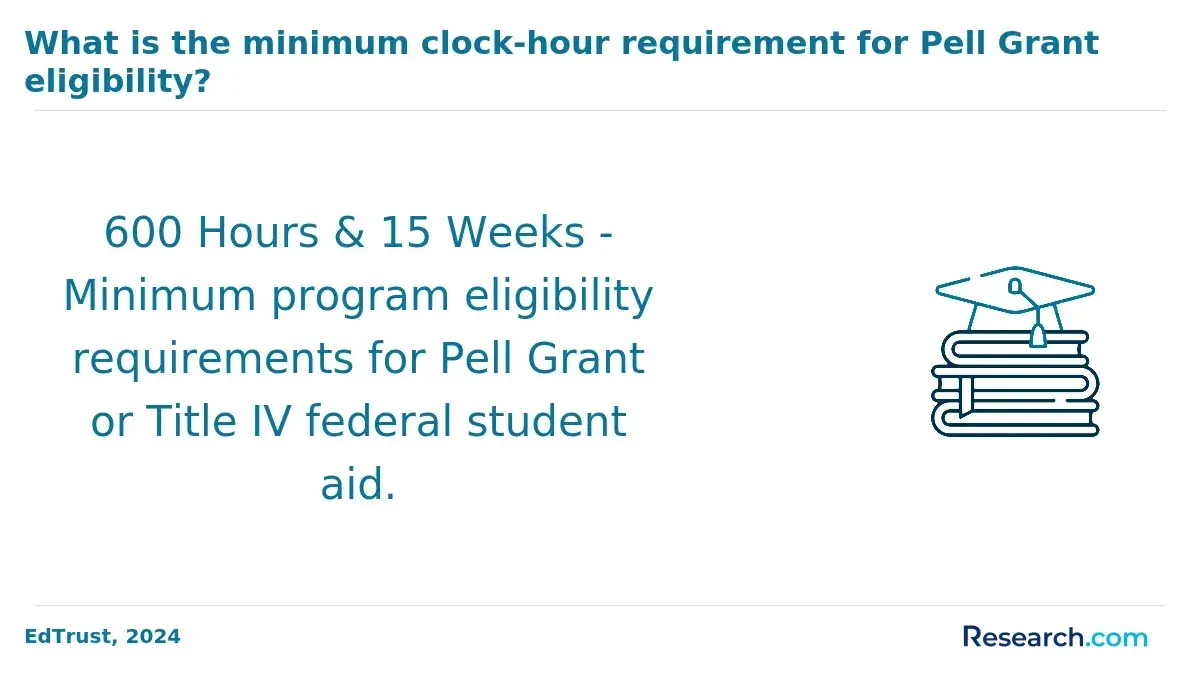
- Federal Aid Eligibility: Only community health programs accredited by agencies approved by the U.S. Department of Education qualify for Title IV financial aid programs, including Pell Grants and federal loans. Without this accreditation, students are ineligible for most federal funding options.
- State and Military Benefits: Many state grants and scholarships require enrollment in accredited programs, while military tuition assistance often mandates institutional approval. Students attending non-accredited programs may lose vital financial support from these sources.
- Institutional Scholarships: Colleges frequently limit scholarships, grants, and work-study opportunities to students in accredited programs. Accreditation signals academic quality, so non-accredited enrollment can increase out-of-pocket expenses.
- Academic Credibility and Outcomes: Accreditation not only affects financial aid but also ensures program quality, influencing future licensure and career prospects. Choosing an accredited community health program supports both funding access and professional validation.
Accreditation is a key factor for students considering career prospects and job market credibility in community health fields because it signals educational quality and industry compliance.
According to the National Center for Education Statistics, about 85% of employers prioritize hiring graduates from accredited programs, highlighting a prevalent employer preference. This article explores the main ways accreditation influences employability in these fields.
- Employer Recognition: Employers often favor candidates from accredited community health programs as accreditation ensures the education meets established professional standards. This recognition makes it easier for graduates to secure interviews and job offers, directly enhancing their employment prospects.
- Professional Credibility: Graduating from an accredited program bolsters a candidate's reputation within the community health workforce. This credibility helps in building a successful career by fostering trust among employers and colleagues alike.
- Eligibility for Advanced Certifications: Many positions in community health require certifications or licensure that are only available to graduates of accredited programs. Accreditation increases eligibility for these credentials, expanding career opportunities.
- Competitiveness in the Job Market: Candidates with accredited degrees stand out among applicants with non-accredited credentials, gaining a competitive edge in recruitment processes. This distinction is crucial when seeking roles in a growing and competitive sector.
Students researching community health degree accreditation and career opportunities should also consider affordability alongside accreditation. For those looking to balance cost and quality, exploring options such as the cheapest online healthcare administration degree programs can provide accessible pathways to accredited credentials and better employability outcomes.
Accreditation plays a significant role in influencing earnings potential for community health graduates by enhancing program credibility and signaling quality education. Average salaries for accredited community health graduates in the US typically range from $45,000 to $60,000 annually, while those from non-accredited programs often earn between $35,000 and $45,000. Several key factors explain this disparity.
- Employer Preference: Healthcare employers and public health agencies often prioritize candidates from accredited programs, viewing accreditation as proof of rigorous training and verified competencies that align with industry standards.
- Eligibility for Advanced Roles: Graduates of accredited programs are usually qualified for higher-level positions, including leadership and specialized roles, where advanced credentials are mandatory.
- Industry Recognition: Accreditation boosts professional credibility, improving access to certifications, licenses, and memberships in associations that are valuable for salary growth and career opportunities.
- Long-term Career Growth: Accredited programs offer stronger alumni networks, internships, and professional development resources, supporting sustained advancement and earnings over time.
For prospective students evaluating community health degree programs, verifying accreditation is essential not only for academic credibility but also for eligibility for financial aid and maximizing long-term career or licensure outcomes. To explore related nursing pathways, consider affordable RN to BSN online programs that complement community health careers.
What Graduates Say About Their Accredited Community Health Degree
- Lara: "Learning about the importance of accreditation was a real eye-opener during my Community Health studies. I made sure to verify the program's accreditation through official education boards and it gave me confidence that my degree would be recognized professionally. Graduating from an accredited program has opened doors for me in the healthcare field that might have otherwise been closed. "
- Jillian: "I took a reflective approach to choosing my Community Health degree by researching various accrediting agencies and confirming the program's status through multiple sources. Understanding accreditation helped me appreciate the quality and rigor behind the curriculum. This foundation has been invaluable as I now work in policy development, knowing my education is respected and trusted."
- Erin: "My professional journey was strongly influenced by the accredited Community Health degree I earned. I enthusiastically checked the program's credentials through recognized accrediting bodies before enrolling, which reassured me about my investment. This accreditation has been a crucial factor in advancing in my career and gaining trust among colleagues and employers. "
Other Things You Should Know About Community Health Degrees
Check the U.S. Department of Education’s Database of Accredited Postsecondary Institutions and Programs and CHEA’s accreditation directory. Both list recognized institutional and programmatic accreditors, including the agency name, status, and scope. Use them to confirm that the accreditor covers the specific community health degree level.
To verify accreditation, students should check the program's status with recognized accrediting bodies like the Council on Education for Public Health (CEPH) or other relevant boards. They can also visit the U.S. Department of Education's database for current accreditation status and confirm through direct communication with the institution's admissions office.
Students can verify accreditation for community health degree programs in 2027 by checking the program's status on the official website of accrediting organizations such as the Council on Education for Public Health (CEPH). They should also confirm that the university is recognized by the U.S. Department of Education or the Council for Higher Education Accreditation (CHEA).
- Schools of Public Health https://www.apha.org/professional-development/public-health-careermart/schools-of-public-health
- 7 Warning Signs an Online Degree is a Scam https://www.yahoo.com/news/7-warning-signs-online-degree-143816338.html
- Benefits of Joint Commission Accreditation https://www.jointcommission.org/en-us/accreditation/benefits-of-accreditation
- Accreditation & Recognition - Public Health Accreditation Board https://phaboard.org/accreditation-recognition/
- How to Transfer Schools: An Online Guide for Students in Healthcare https://www.edumed.org/resources/how-to-transfer-schools-as-a-healthcare-student/
- Council on Education for Public Health | Council for Higher Education Accreditation https://www.chea.org/council-education-public-health
- Online Bachelor’s Degree in Community Health and Wellness https://www.monroeu.edu/academics/undergraduate-programs/school-allied-health-professions/online-bachelors-degree-community
- Health Education Degree Online https://www.snhu.edu/online-degrees/bachelors/bs-in-community-health-education
- Navigating Your Future in Public Health: The Value of Accreditation https://masterspublichealth.com/accredited-school-of-public-health/