2027 Best Community Health Degrees for Working Adults
Audited and Verified:
Our Editorial and Data Verification Process
Research.com uses government datasets, official education statistics and primary institutional information to support its career and degree guides. Our review process checks factual accuracy, occupational definitions, source dates and the requirements associated with the credentials discussed.
How This Article Was Fact-Checked
Our editorial team verifies salary estimates, employment projections, education requirements and program information against original data providers and official organizations. Salary figures are checked against the relevant occupational definitions and reporting periods. Information about licensure, accreditation and required in-person training is reviewed separately.
Fact-checked and verified on:

Co-Founder and Chief Data Scientist
Balancing full-time work with advancing education presents a significant challenge for adults seeking community health degrees. Many professionals worry about the time commitment and flexibility of programs while aiming to meet growing workforce demands. The U.S. Bureau of Labor Statistics projects a 12% growth in community health jobs through 2030, highlighting the increasing need for qualified workers.
In this article, we'll explore the best community health degree options tailored for working adults. It will focus on accredited, flexible programs that support career advancement without compromising current employment responsibilities.
Key Things to Know About Community Health Degrees for Working Adults
- Flexible scheduling and online or hybrid program formats enable working adults to balance coursework with employment, increasing degree completion rates by up to 40% compared to traditional programs.
- Many community health degrees emphasize employer-relevant skills, such as public health policy and program management, enhancing job placement opportunities in a growing field projected to expand 13% by 2032.
- Accelerated pacing options and dedicated support services, including career counseling and tech assistance, help working professionals advance efficiently without sacrificing work responsibilities.
What Are the Best Community Health Degrees for Working Adults?
The best community health degrees for working adults depend on factors like schedule flexibility, alignment with career goals, and return on investment. A notable trend is the growing availability of part-time and online options designed to meet the needs of adult learners balancing full-time employment. These programs enhance access and provide skills in demand by employers, improving job prospects for graduates.
Here are some community health degree options well suited for working adults:
- Community Health Education: This option delivers comprehensive knowledge about health promotion, often through online or evening classes, allowing employed students to balance work and study efficiently.
- Health Administration: Focused on management within community health organizations, it offers flexible formats and practical leadership training relevant for career advancement.
- Public Health with a Community Focus: Emphasizing epidemiology and health policy, these programs often allow part-time study with online coursework, supporting professionals who need adaptable schedules.
- Health Communication: Combining community health principles with media and communication skills, this specialization frequently offers remote study options to fit diverse career objectives.
For working adults exploring the best online community health degrees for working adults or top community health degree programs for adult learners, considering flexible and accredited programs is essential. Additionally, those interested in advancing clinical careers may also explore DNP online programs designed with working professionals in mind.
What Are the Admission Requirements for Working Adults in Community Health Degree Programs?
Admission requirements for working adults pursuing community health degrees often differ from those designed for traditional students due to the need to balance full-time employment and personal commitments. This is reflected in recent trends showing nearly 40% of graduate students enroll part-time, underscoring the importance of programs that accommodate busy professionals and career changers.
Common criteria for enrolling in community health programs for professionals typically include the following considerations:
- Prior Work Experience: Many programs place significant value on relevant professional experience in healthcare or related fields, which can sometimes outweigh academic records in admissions decisions.
- GPA Expectations: While a minimum undergraduate GPA is often required, some schools offer waivers or alternative evaluations for applicants with substantial work experience or demonstrated competency in the field.
- Standardized Test Waivers: Requirements for GRE or similar exams are frequently waived for adult learners who have strong professional backgrounds or hold advanced degrees.
- Professional Recommendations: Letters from supervisors or colleagues who can attest to an applicant's skills, work ethic, and commitment are commonly requested as part of the application.
- Flexibility for Part-Time or Online Learners: Programs tend to adapt admissions processes and coursework schedules to support nontraditional formats, enabling students to balance study with ongoing careers effectively.
Working adults aiming to start or advance in health-related fields might also explore accelerated options, including the fastest medical assistant program, to complement their community health degree. Such flexible educational paths provide meaningful opportunities for career growth while accommodating the demands of full-time employment.
What Coursework Is Required in Community Health Degree Programs for Working Adults?
Coursework in community health degree programs for working adults is carefully structured to balance career relevance, practical skill development, and flexible learning formats such as online or hybrid classes. Nearly 60% of students in these programs are returning adults who seek to advance their skills without interrupting their full-time employment. Emphasizing applicable knowledge and flexibility helps accommodate the needs of busy professionals aiming for career growth.
Many community health degree coursework for working adults includes these essential areas:
- Introduction to Community Health: This course covers key concepts of health promotion, disease prevention, and community assessment, providing foundational knowledge crucial for improving population health outcomes in diverse settings.
- Health Program Planning and Evaluation: Students learn how to design, implement, and evaluate health programs, cultivating project management skills that enhance effectiveness in healthcare roles.
- Health Communication: Focused on crafting and delivering impactful messages, this course aids professionals in engaging with diverse populations to boost outreach and education efforts.
- Research Methods and Data Analysis: Training on gathering and interpreting health data equips students for evidence-based decision-making important in policy and practice.
- Ethics and Cultural Competency in Health: This area emphasizes understanding and respecting cultural diversity and ethical standards to work effectively in varying communities.
For those interested in expanding their healthcare-related qualifications, programs related to medical billing and coding classes online offer useful complementary skills. These courses can align well with the required classes in community health programs by enhancing professional versatility.
The time it takes for working adults to finish a community health degree can vary widely due to different personal and academic circumstances. On average, completing a bachelor's degree in community health while employed ranges from about two to six years, depending on individual situations and program options.
Several important factors affect this timeline:
- Program Format: Online and hybrid courses often provide the flexibility needed to study around a full-time job, enabling some students to move at a pace that suits their schedule better than traditional on-campus formats.
- Course Load: Taking fewer courses per semester can ease the challenge of balancing work and study, although it extends the overall time to graduate.
- Prior Credits: Credits transferred from previous education or professional certifications can significantly shorten the degree path by fulfilling some course requirements beforehand.
- Work Schedule: Irregular hours or shift work can limit study time, often prolonging the degree completion process.
- Accelerated Options: Some programs offer intense summer or compressed terms, allowing motivated students to finish faster if their work commitments allow.
A professional who completed an online community health degree while working shared how challenging it was to juggle responsibilities: "Balancing late-night study sessions with a 40-hour workweek was exhausting, but having access to course materials whenever I had time made a huge difference." He noted that self-discipline was critical but rewarding; "I often felt overwhelmed, yet the flexibility to choose when I studied helped me stay on track. It wasn't easy, but seeing steady progress kept me motivated."
For working adults, managing the cost of a community health degree is essential, given their financial commitments. Recent data shows that part-time students often spend about 15% more per credit hour than full-time students, largely due to extended program durations and associated fees.
Several elements influence the overall expenses for employed learners pursuing such degrees. Key factors affecting the cost include:
- Tuition Per Credit: Tuition fees can vary considerably between programs and institutions. Online courses sometimes have different pricing compared to traditional on-campus classes, impacting the cost per credit.
- Program Length: Part-time enrollment usually means more semesters to complete the degree, increasing cumulative tuition and fees.
- Additional Fees: Beyond tuition, students often face extra charges like technology, laboratory, and activity fees, which add several hundred dollars each term.
- Textbooks and Materials: Depending on course requirements, costs for physical textbooks may be higher than for digital versions, influencing total spending.
- Online Versus On-Campus Format: While online formats cut commuting costs, they may include separate technology fees that affect the budget.
Financial support options, including employer tuition reimbursement programs, scholarships tailored for adult learners, and federal loan subsidies, can help reduce the monetary burden. Careful consideration of these cost components enables working adults to plan their education efficiently alongside career demands.
Balancing work, education, and family demands can make financing a community health degree challenging for adult learners. Access to financial aid helps reduce stress and enables students to concentrate on their studies and career goals.
Here are some common financial aid options available for working adults pursuing a community health degree:
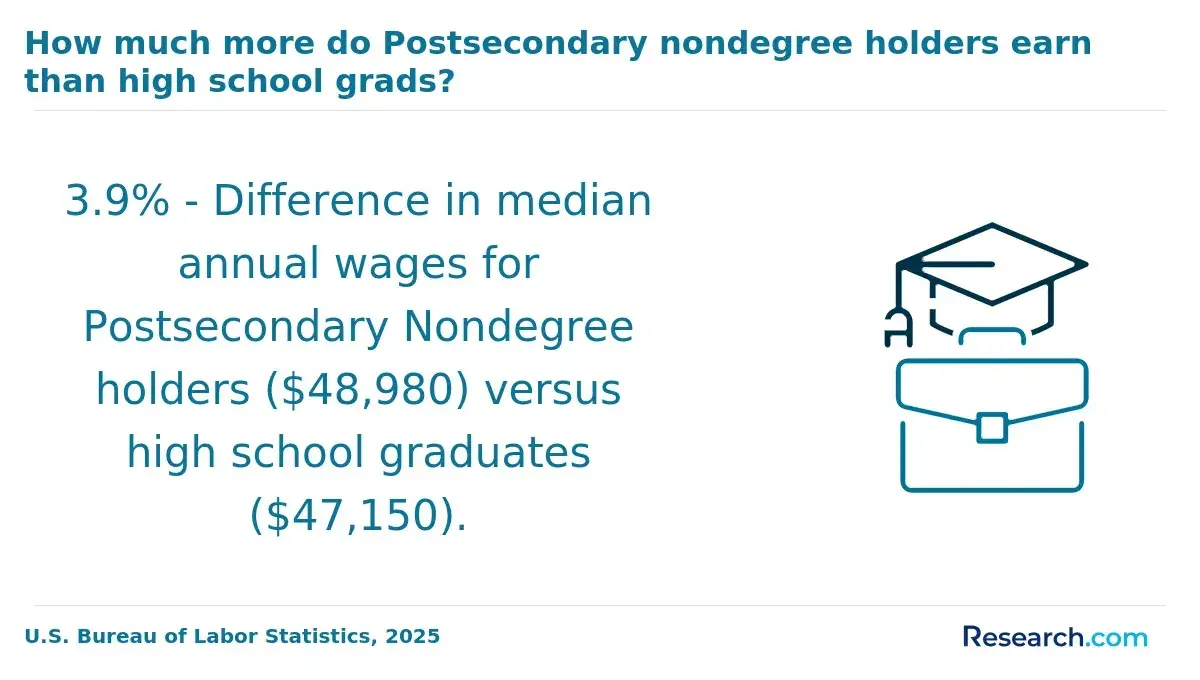
- Federal Aid: This includes Pell Grants and federal student loans aimed at students with financial need. Applicants must complete the FAFSA and meet certain income or enrollment criteria to qualify.
- Employer Tuition Assistance: Many employers provide tuition reimbursement or aid to support employee development. Usually, recipients need to remain with the company for a designated period and maintain good academic standing.
- Adult Learner Scholarships: Various organizations offer scholarships specifically for returning adult students, often based on career aspirations, community involvement, or other personal factors.
- Grants: State and private grants can offset educational expenses without requiring repayment. These funds are typically merit- or need-based and sometimes target fields like community health.
- Payment Plans: Flexible tuition payment options offered by schools allow students to pay fees in installments, easing financial strain alongside other obligations.
When asked about her experience navigating financial aid, a professional who completed a community health degree while working shared, "Managing full-time work alongside school was exhausting, and the financial aid process initially felt overwhelming."
She explained how carefully planning her expenses and using employer tuition assistance made a significant difference. "Without that support, I might have had to pause my studies." Reflecting on the journey, she found that combining multiple aid sources and setting realistic goals helped her succeed without sacrificing her family's well-being or job performance.
Balancing work, family, and coursework presents significant challenges for adults pursuing community health degrees. Access to targeted institutional support services is essential for helping these students stay on track and succeed academically.
- Flexible scheduling: Enables learners to attend classes or complete assignments at convenient times, accommodating work shifts and personal commitments. This flexibility reduces conflicts and helps maintain consistent progress.
- Academic advising: Offers tailored guidance on course choices and degree planning, ensuring students meet graduation requirements while managing external responsibilities. Advisors help create realistic timelines that fit individual circumstances.
- Online learning support: Provides technical assistance and resources to smoothly navigate virtual classrooms and platforms. This support enhances students' ability to engage with content remotely and troubleshoot challenges quickly.
- Cohort-based learning: Fosters peer connections and collaboration, promoting motivation and accountability. Being part of a supportive group encourages persistence and builds a sense of community.
- Mental health resources: Supplies counseling and wellness tools to manage stress and emotional well-being, which are vital for maintaining focus and resilience throughout the program.
Accreditation signifies that community health programs meet established academic and administrative standards, ensuring a quality education for working adults. This recognition directly influences the value of the degree by guaranteeing employers acknowledge the program's credibility.
Additionally, accreditation is often a requirement for federal financial aid, which is vital for many adult learners balancing education and employment. Currently, over 40% of graduate students nationwide are adults, highlighting the demand for flexible, accredited programs tailored to their needs.
Accredited community health degrees also enhance long-term benefits by facilitating the transfer of credits between institutions, which is crucial for adults pursuing further education. Graduates from accredited programs are typically eligible for licensure or certification required in many health-related careers. Without accreditation, students may face obstacles in advancing their careers or obtaining necessary credentials, potentially limiting employment flexibility and development opportunities.
Salary growth is a key motivator for working professionals pursuing a community health degree, as it can improve earning potential without requiring a career break. Typical community health degree salary increases range between $40,000 and $70,000 annually, with experienced or leadership professionals earning above $80,000.
Several factors determine how much a community health degree can impact salary for working adults, influencing career growth with community health degree programs.
- Industry Demand: Regions and sectors with high public health needs generally offer better salaries. Increased demand for qualified community health professionals can lead to more competitive pay.
- Role Advancement: Obtaining a degree often qualifies individuals for supervisory or specialized roles, which typically offer higher compensation than entry-level positions.
- Employer Policies: Many organizations have structured pay scales or promotion incentives tied directly to degree completion, rewarding employees who upgrade their qualifications.
- Years of Experience: Combining hands-on experience with formal education usually results in higher remuneration, as employers value both theoretical knowledge and practical skills.
- Specialization: Focusing on niche areas such as epidemiology or health education can command premium salaries due to the specialized expertise required.
Working adults looking for flexible options to fit full-time employment can explore accredited programs, including a cheapest online healthcare management degree that supports career advancement and complements their goals for salary increase and professional growth.
A community health degree enables working adults to access higher-level, specialized, or leadership-oriented roles rather than remaining in entry-level positions. This credential equips experienced professionals with advanced knowledge and skills necessary for managing programs, analyzing health data, and shaping public health policies, vital for career advancement and stability.
Here are some career opportunities with a community health degree that demonstrate this upward mobility:
- Community Health Program Manager: This role involves overseeing health initiatives, coordinating team activities, and aligning program goals with community needs. It requires leadership, budgeting, and project management skills that build on prior experience and formal health education.
- Health Educator Specialist: Professionals design and execute targeted educational campaigns to promote healthier behaviors. Expertise in community dynamics and health communication gained through a community health degree supports success here.
- Public Health Analyst: Analysts interpret health data to detect trends and assess intervention outcomes, using strong data analysis and policy evaluation abilities, which are critical for influencing public health decisions.
- Healthcare Outreach Coordinator: This position focuses on developing partnerships and managing outreach efforts to enhance healthcare access, demanding excellent interpersonal and organizational capabilities.
- Community Health Director: Leading departments or organizations, directors shape strategy, manage funding, and supervise staff to maximize community health impact, making leadership experience combined with a community health degree essential.
Working adults pursuing these community health jobs for working adults typically combine previous experience with new academic skills to drive meaningful improvements in population health outcomes. To find flexible, affordable programs that support this career growth while accommodating full-time work, consider exploring cheap RN to BSN online programs.
What Graduates Say About Their Community Health Degrees for Working Adults
- Kelly: "Choosing an online community health degree program while working full-time was a challenging but rewarding decision. The flexibility allowed me to manage both my job and studies without overwhelming stress. Considering the average cost of $15,000 to $25,000, it felt like a smart investment, and completing the program truly opened new doors in my public health career. "
- Paula: "As someone who needed to continue working, enrolling in a part-time community health degree program was the practical choice. The lower tuition fees compared to traditional programs made it more affordable, which lessened my financial worries. Graduating helped me gain confidence and credibility, significantly advancing my role in community outreach initiatives. "
- Antonia: "Balancing work with an online community health degree program was a demanding experience, but absolutely worth it. The cost was reasonable considering the value I received; many working adults like myself find the investment manageable with employer tuition assistance. This accomplishment has elevated my professional standing and directly contributed to improved strategies in my health education work. "
Other Things You Should Know About Community Health Degrees
Yes, many community health degree programs offer online or hybrid formats specifically designed for working adults. These flexible options allow students to complete coursework on their own schedules while maintaining full-time employment. Online courses often include interactive elements like discussion boards and virtual group projects to support engagement.
Yes, many institutions offer flexible learning options for working adults pursuing community health degrees in 2027. These options often include online classes, evening or weekend courses, and accelerated programs, allowing students to balance their professional and personal commitments while advancing their education.
A community health degree should come from a regionally accredited college, and the school’s public health or health education programs should also hold CEPH accreditation when available. For jobs tied to state licensing or certification, employers may also look for approval from a state board or recognized professional body.
- Community Health Worker Salary: Your 2025 Guide https://www.coursera.org/articles/community-health-worker-salary
- Online Bachelor’s Degree in Community Health and Wellness https://www.monroeu.edu/academics/undergraduate-programs/school-allied-health-professions/online-bachelors-degree-community
- Scholarships, Loans, and Loan Repayment for Rural Health Professions Overview - Rural Health Information Hub https://www.ruralhealthinfo.org/topics/scholarships-loans-loan-repayment
- Accredited courses https://www.communitywork.org.au/education-training/course
- Top 25 Online MPH Community Health Degree Programs - MPH Online https://www.mphonline.org/best-online-mph-community-health/
- Frequently Asked Questions https://www.csus.edu/college/health-human-services/health-science/frequently-asked-questions.html
- Health Education Degree Online https://www.snhu.edu/online-degrees/bachelors/bs-in-community-health-education
- What Can You Do With a Community Health Degree | CUNE https://www.cune.edu/news/what-can-you-do-with-community-health-degree