2027 Accelerated vs. Traditional Community Health Degrees: Pros & Cons
Audited and Verified:
Our Editorial and Data Verification Process
Research.com uses government datasets, official education statistics and primary institutional information to support its career and degree guides. Our review process checks factual accuracy, occupational definitions, source dates and the requirements associated with the credentials discussed.
How This Article Was Fact-Checked
Our editorial team verifies salary estimates, employment projections, education requirements and program information against original data providers and official organizations. Salary figures are checked against the relevant occupational definitions and reporting periods. Information about licensure, accreditation and required in-person training is reviewed separately.
Fact-checked and verified on:

Co-Founder and Chief Data Scientist
Choosing between accelerated and traditional community health degrees involves weighing distinct advantages. Accelerated programs suit working adults and career changers by enabling faster completion, with enrollment in such formats growing by over 20% nationwide in recent years. Traditional programs, in contrast, deliver a more flexible pace and often foster deeper academic engagement through extended coursework and immersive experiences.
This article will explore differences in time commitment, learning experience, and career outcomes for both paths, guiding students through key considerations when selecting the right community health degree program to fit their personal and professional goals.
Key Points About Accelerated vs. Traditional Community Health Degrees
- Accelerated community health degrees provide flexibility for working adults or career changers, allowing faster completion and earlier entry into the workforce, often reducing tuition and living expenses.
- Traditional programs foster deeper academic engagement with extended study periods, supporting thorough skill mastery and comprehensive understanding of community health principles.
- Students in traditional tracks benefit from stronger peer connections and networking opportunities, enhancing collaboration and long-term professional relationships within the community health field.
What Are the Differences Between Accelerated vs. Traditional Community Health Programs?
Community health degree programs differ notably in their structure, especially regarding pacing, scheduling, and learning intensity. These variations create distinct academic environments and shape different student experiences.
Understanding the differences between accelerated and traditional community health degrees helps students choose the best fit for their learning preferences and goals.
- Course Intensity: Accelerated programs pack more material into shorter terms, demanding a higher course load each semester and often requiring summer sessions. Traditional programs spread coursework over a longer period, allowing a more balanced workload.
- Content Coverage and Sequence: Accelerated community health program vs traditional program structure shows that accelerated formats may reduce or combine certain clinical rotations, electives, and extracurriculars to fit the faster timeline, while traditional tracks offer broader opportunities for extended learning and elective exploration.
- Learning Modality: Accelerated degrees commonly use hybrid or online models to support rapid progression. In contrast, traditional programs typically emphasize in-person formats, fostering peer interaction and campus engagement.
- Student Cohort and Support: Traditional formats give students more time to develop relationships, engage in campus life, and access continuous academic support. Accelerated students face limited opportunities for networking or involvement outside academics, which may affect professional development.
- Early Specialization: Accelerated tracks often require early decision-making on specializations, especially for those with prior degrees or experience. Traditional programs generally provide flexibility to explore different areas before choosing a focus.
For those interested in exploring options beyond typical timelines, an expedited bachelor's degree offers an alternative path to completing higher education efficiently.
How Fast Can You Finish an Accelerated vs. Traditional Community Health Program?
The length of community health degree programs varies significantly between accelerated and traditional options. Accelerated formats condense coursework into shorter terms with more intensive scheduling, while traditional paths follow a standard academic pace across multiple years.
A comparison of both programs reveals distinct timelines:
- Transfer Credits: Students who enter with prior credits, such as from an associate degree, can finish accelerated programs much faster. These credits reduce the total coursework required, whereas traditional programs may have less flexibility in accepting transfer credits.
- Full-Time vs. Part-Time Enrollment: Full-time students usually complete degrees quicker in either format. Accelerated programs often require full-time status due to the intensity of courses, while part-time students may extend their traditional degrees over a longer period.
- Course Intensity and Format: Accelerated programs use shorter, frequent courses like seven-week sessions, speeding up completion. Traditional programs typically use semester-long courses that follow a more extended schedule.
- Double-Counted Credits: Many accelerated paths allow certain graduate courses to count toward both undergraduate and graduate degree requirements, reducing overall time. This option is less common in traditional programs.
- Admission Requirements: Accelerated tracks often demand a high GPA and strong academic standing, potentially limiting eligibility. Traditional programs usually have broader admission criteria, affecting student progress and program length.
For students exploring options, knowing what is the easiest online degree to get may also help in selecting a program that fits their timeline and academic strengths.

What Are the Admission Requirements for Accelerated vs. Traditional Community Health Programs?
Admission requirements for accelerated and traditional community health programs often share foundational standards such as GPA benchmarks, prerequisite coursework, and application materials. However, they differ in how they evaluate academic readiness and relevant professional or undergraduate experience.
Let's delve into those differences:
- Academic Performance: Accelerated programs typically require a higher minimum GPA, usually between 3.0 and 3.5, reflecting the need to manage graduate-level coursework at a faster pace. Traditional programs often accept a minimum GPA of around 3.0, catering to a broader range of applicants.
- Prerequisite Courses: Applicants to accelerated tracks generally must have completed specific undergraduate courses, such as Introduction to Public Health or Epidemiology, with minimum grades of B or higher. Traditional programs tend to have more flexible prerequisites and accept students from diverse academic backgrounds.
- Application Timing and Enrollment Status: Those applying to accelerated programs must often submit their applications while still undergraduates, typically after completing at least 60 credits, and stay enrolled throughout both undergraduate and graduate phases. In contrast, traditional program candidates usually apply after completing their bachelor's degrees and are not required to be currently enrolled.
- Letters of Recommendation and Personal Statements: Both program types require these, but accelerated programs emphasize academic potential and readiness for graduate work, sometimes requesting recommendations from faculty in specific prerequisite courses.
- Program-Specific Plans: Accelerated community health degree admission requirements frequently include submitting a detailed plan of study that outlines double-counted courses and anticipated graduation dates, signed by students and advisors. Traditional programs rarely require this level of advance planning.
Students exploring these pathways should consider how each format aligns with their academic record and career goals.
For those seeking an accelerated path, managing rigorous coursework and maintaining high standards early is essential. Those interested in the broader access offered by traditional programs might appreciate the flexibility in prerequisites and application timing.
For additional context on related fields, it is useful to explore the top majors that make the most money.
Accelerated community health programs streamline the same curriculum into a shorter period by intensifying pace, workload, and delivery methods. These programs contrast with traditional courses by offering faster progression, often blending undergraduate and graduate studies, and utilizing flexible formats like online or hybrid classes.
Below is a breakdown of key differences between accelerated and traditional community health programs:
- Course Length: Accelerated programs condense bachelor's and sometimes master's coursework into about five years, while traditional routes typically follow a four-year bachelor's plus two-year master's timeline. Accelerated paths fit driven students aiming for quicker workforce entry.
- Weekly Workload: Students in accelerated formats manage heavier, overlapping assignments requiring strong time management, whereas traditional students experience a lighter, more evenly spread workload encouraging deeper topic exploration. Those who prefer steady pacing benefit from traditional programs.
- Instruction Style: Accelerated courses often deliver content through online or hybrid models suited for working professionals or career changers, while traditional programs emphasize campus-based learning promoting peer interaction. Both maintain academic standards and core competencies through required practicums despite pace differences.
Tuition and overall expenses for community health degree programs can vary significantly between accelerated and traditional formats. Accelerated programs typically have lower total costs due to their condensed timeframes and reduced credit requirements, while traditional programs often involve higher tuition and longer study periods.
Key cost-related differences between these program types include the following:
- Program Duration and Total Cost: Accelerated programs generally last 11 to 18 months, compared to 2 to 4 years for traditional tracks. This shorter timeframe usually results in lower tuition bills and fewer additional expenses, such as fees and living costs.
- Tuition Rate per Credit: While accelerated programs may charge a comparable or slightly higher per-credit rate, students take fewer total credits. Traditional programs require more credits overall, raising total tuition even if per-credit rates are lower.
- Opportunity Cost: Faster completion in accelerated programs enables earlier entry into the workforce, reducing lost income and potentially increasing lifetime earnings. Traditional program students spend more time studying and postponing their careers.
- Credit Load Intensity: Accelerated degrees demand a heavier course load per term, which can be challenging but shortens total study time. Traditional programs typically spread credits over more semesters with lighter individual course loads.
- Financial Aid Availability: Both program types qualify for federal scholarships, grants, and loans, but shorter accelerated programs may limit access to multi-year funding options that benefit traditional students.
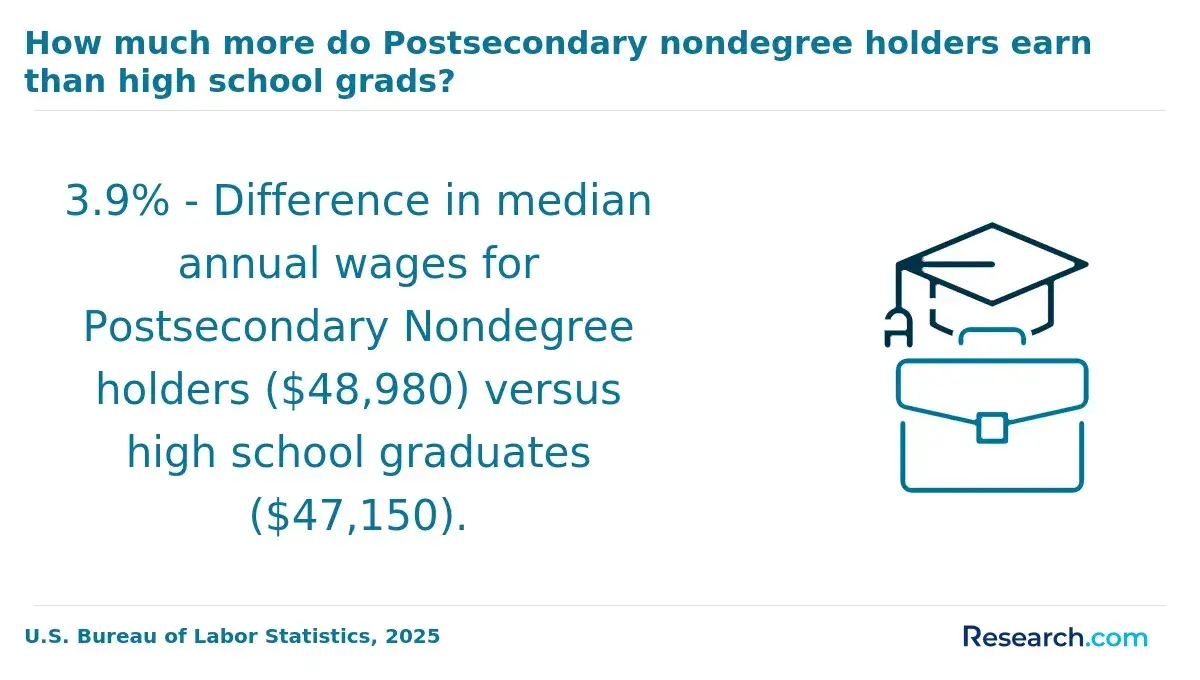
Students pursuing either accelerated or traditional community health degrees in the US can typically qualify for federal financial aid, including Pell Grants and loans, as long as their programs are accredited and enrollment requirements are met. However, the timing and availability of funds often vary due to differences in program length and schedule intensity.
Below is a comparison outlining key financial aid considerations for each format:
- Federal Aid Eligibility: Both program types qualify for federal aid; however, accelerated students might reach annual borrowing limits faster due to shorter program durations.
- Scholarship Timelines: Scholarships are accessible for both, but some awards may be prorated or have restrictions if the accelerated program doesn't align with standard academic terms.
- Employer Tuition Assistance: Employees in either program can seek employer support, though accelerated students may face challenges balancing intensive course loads with work schedules.
- Aid Disbursement and Renewal: Accelerated students need to carefully track disbursement schedules and eligibility since condensed terms sometimes affect the timing and amount of aid renewal.
Reflecting on his experience, a professional who pursued an accelerated community health degree shared that navigating financial aid was "a learning curve" due to the year-round pace.
"I had to stay very organized, especially managing loan disbursements across shorter terms," he noted. Despite occasional hurdles with scholarship timing, he appreciated how the grants helped reduce financial strain.
"The support made it possible to focus on coursework without constant stress about payments," he added, highlighting the personal impact of aid in an accelerated program setting.
Student support significantly influences academic achievement, with accelerated and traditional community health programs differing in how and when they provide services. These programs vary in the availability, frequency, and delivery methods of key student resources, affecting the overall educational experience.
Below is a comparison of common support systems across both formats.
- Academic Advising: Accelerated programs offer more frequent, structured advising to help students meet tight deadlines and stay on track, while traditional programs provide advising at regular, often less frequent intervals, allowing for deeper, long-term planning and stronger advisor relationships.
- Tutoring: In accelerated settings, tutoring tends to be intensive and flexible, designed to quickly address immediate challenges, whereas traditional programs schedule tutoring more regularly, giving students additional time to grasp complex topics.
- Career Services: Accelerated programs integrate focused career guidance early, including workshops and faculty mentorship aimed at fast workforce entry, while traditional programs emphasize broader career development over time, encouraging exploration and networking.
- Peer Interaction: Traditional community health programs usually foster stronger peer connections due to longer durations, whereas accelerated programs may offer less time for developing these networks but compensate with structured mentoring and coaching.
Employment outcomes often influence the choice between accelerated and traditional community health programs. Both paths offer strong career prospects, but factors like training style and job market needs can affect how soon graduates find work.
Here's a look at how these elements impact the hiring pace for each type of program.
- Employer Perception: Traditional program graduates are sometimes seen as having more extensive training, providing employers confidence in their depth of knowledge. Accelerated graduates, meanwhile, are valued for their agility and comfort with online technologies, earning favor in growing digital health fields.
- Career Readiness: Accelerated degrees often emphasize intense, hands-on experience, which can make graduates ready for fast-moving or remote roles. This practical focus is appealing for telehealth and hybrid care positions seeking adaptable employees.
- Industry Demand: The expanding telemedicine market, projected to reach $432.31 billion by 2032, fuels demand for digitally skilled community health workers. Programs integrating online tools can help graduates secure jobs more quickly as this trend accelerates.
- Job Placement Speed: Evidence points to online program alumni generally experiencing similar or slightly faster employment than traditional peers, especially where digital skills are crucial.
A professional who recently completed a traditional community health degree shared her candid experience on job hunting. She recalled the initial stress of standing out among many applicants with similar qualifications and the patience required during multiple interview rounds.
However, her solid foundation and thorough training gave her "confidence to handle complex cases," which impressed employers. She emphasized that while the job search took a few months, the preparation she received eased her transition into the role.
"Looking back, the depth of my education was a key factor in being hired quickly, even if the path wasn't the fastest," she reflected.
Accreditation ensures academic quality and legitimacy for both accelerated and traditional community health programs, regardless of their pacing or delivery format. It plays a crucial role in determining federal financial aid eligibility, credit transferability between institutions, and employer recognition of the degree earned.
Both types of programs must uphold rigorous academic standards to maintain their credibility. Therefore, whether a student chooses an accelerated format or the traditional pathway, the value of their community health degree depends largely on its accredited status. Confirming that the institution meets these standards protects students' investment and future career opportunities.
The difference between accelerated and traditional community health program accreditation mainly lies in the program design rather than the accreditation criteria themselves.
Accrediting bodies such as regional commissions or the Council on Education for Public Health (CEPH) apply the same standards to ensure competency across all formats. However, accelerated courses tend to compress material into shorter, intensive periods while still covering essential subjects like epidemiology and health promotion.
Prospective students should verify that their institution holds recognized accreditation, as this affects not only degree recognition but also access to aid and licensure.
For those interested in completing their studies faster, exploring the quickest degrees that make the most money can provide insight into viable accelerated options that meet accreditation requirements.
Choosing between an accelerated and a traditional community health degree depends largely on your career goals, schedule flexibility, and preferred learning pace. Both options offer distinct advantages depending on your personal circumstances.
Below are the main elements to evaluate before deciding which path fits you best.
- Time Commitment: Accelerated programs last 12 to 24 months and require full-time dedication, ideal for those who want to enter the workforce quickly and can forgo part-time work. Traditional degrees typically take three to four years, providing a slower, more flexible pace for students balancing employment or family responsibilities.
- Learning Style: Accelerated formats suit students who thrive in fast-paced, immersive environments and can manage heavy workloads efficiently. Meanwhile, traditional programs favor learners who benefit from extended study periods and more in-depth exploration of community health topics over time.
- Career Goals: If your goal is to start working sooner or to reduce education-related debt, the accelerated route offers practical advantages. However, both degrees provide the same credentials and job market value. Employers generally do not distinguish between graduates of accelerated versus traditional programs, as seen when comparing career outcomes for accelerated vs. traditional Community Health degree graduates.
Ultimately, the right choice reflects your unique needs and lifestyle. For those still considering options, exploring which career fits an introvert well might be helpful; check out this career for introvert resource for further insight.
What Students of Accelerated vs. Traditional Community Health Programs Say About Their Degree
- Eugene: "The traditional community health program I enrolled in provided a deep and thorough learning experience, allowing me to absorb complex concepts at a manageable pace. Although the cost was somewhat higher than I expected-around $15,000 annually-the comprehensive curriculum and supportive faculty made it worthwhile. This degree has opened doors for me to work in local health departments, which is incredibly rewarding. "
- Harris: "Balancing life and studies in a traditional community health degree was challenging but manageable, and it gave me valuable time to reflect on each topic. I appreciated the steady rhythm, even if the overall timeline was longer, and while the cost can accumulate over time, scholarships helped offset expenses. This education has truly shaped my career focus toward health promotion in underserved communities. "
- Paul: "The accelerated community health program was intense and demanding, but it fast-tracked my career goals by compressing what would normally take years into a matter of months. The fast pace left little room for breaks, which was tough, and the cost was a bit steep upfront; however, completing quickly reduced overall expenses like housing and allowed me to start working sooner. I feel energized and ready to make an impact in public health right away. "
Other Things You Should Know About Traditional vs. Accelerated Community Health Degrees
Most community health degrees require 120 to 300 practicum hours in supervised field settings. Programs in public health, health education, or community health also require an approved site, a faculty supervisor, and documented learning objectives before students can graduate.
Most employers regard accelerated and traditional community health degrees as equally credible, provided both come from accredited institutions. The key factor for employers is the program's accreditation and the graduate's skills rather than program length. However, because accelerated degrees are intensive, employers may expect graduates to demonstrate strong time management and adaptability.
- Voices of the accelerated: key themes when considering implementation of an accelerated medical school program https://pmc.ncbi.nlm.nih.gov/articles/PMC11299450/
- Top Health Science Career Pathways to Success https://bouve.northeastern.edu/news/health-science-career-pathways/
- Reliability estimation from two types of accelerated testing considering individual difference and measurement error - ScienceDirect https://www.sciencedirect.com/science/article/abs/pii/S0266892024000067
- How To Choose Between Online Vs. Traditional Education Programs | PLNU https://www.pointloma.edu/resources/accelerated-undergraduate/how-choose-between-online-vs-traditional-education-programs
- Careers https://www.publichealthdegrees.org/careers/
- Med School Students in Accelerated Courses Perform as Well as Peers in Traditional Programs | International Medical Aid https://medicalaid.org/blog/med-school-students-in-accelerated-courses-perform-as-well-as-peers-in-traditional-programs/
- Traditional vs. Accelerated Nursing Programs: Which Path is Right for You? https://www.alliant.edu/blog/traditional-vs-accelerated-nursing-programs-which-path-right-you
- Public Health, B.S. to Public Health, M.P.H. Accelerated Program https://catalog.slu.edu/colleges-schools/public-health-social-justice/undergraduate-programs/public-health-accelerated/
- One Year MPH Programs: An Accelerated Master of Public Health Graduate Degree https://masterspublichealth.com/one-year-mph-programs/
- Accelerated BSN Cost of Study https://www.sonhs.miami.edu/academics/bachelors-programs/accelerated_bsn/cost-of-study/index.html