2027 Return on Investment (ROI) of a Community Health Degree Program
Audited and Verified:
Our Editorial and Data Verification Process
Research.com uses government datasets, official education statistics and primary institutional information to support its career and degree guides. Our review process checks factual accuracy, occupational definitions, source dates and the requirements associated with the credentials discussed.
How This Article Was Fact-Checked
Our editorial team verifies salary estimates, employment projections, education requirements and program information against original data providers and official organizations. Salary figures are checked against the relevant occupational definitions and reporting periods. Information about licensure, accreditation and required in-person training is reviewed separately.
Fact-checked and verified on:

Co-Founder and Chief Data Scientist
Graduates of community health degree programs often face uncertainty about job stability and salary growth in a competitive healthcare landscape. Despite strong demand for public health professionals, approximately 19% of community health workers report concerns about underemployment. This uncertainty can deter prospective students from investing time and money in their education.
This article examines the return on investment (ROI) of pursuing a community health degree, analyzing costs, employment prospects, and salary trends. It will help readers make informed decisions by highlighting the career benefits relative to the program's costs and time commitments.
Key Things to Know About Community Health Degree ROI
- Community health graduates see a median salary growth of 15% over ten years, reflecting strong long-term earning potential compared to related public health fields.
- Degree holders benefit from diverse career paths in healthcare, nonprofit, and government sectors, enhancing job stability and advancement opportunities.
- Flexible skill sets gained allow professionals to adapt across industries, supporting sustained employment even amidst shifting workforce demands.
How Is ROI Calculated for a Community Health Degree Program?
Return on investment (ROI) in higher education compares the financial gains a student achieves from a degree against the costs and time dedicated to earning it. This measure helps prospective students weigh the value of a community health degree by balancing future earnings with educational expenses.
Several factors are important when calculating ROI for a community health degree program:
- Tuition and fees: This includes the total cost of enrollment, covering tuition, fees, books, and necessary materials. Considering these upfront expenses is vital when analyzing the community health degree program cost vs earnings.
- Opportunity cost: The income a student foregoes while studying full-time affects ROI significantly. Estimating wage loss during this period helps gauge the financial sacrifice involved.
- Time to completion: The length of the program influences both opportunity cost and how soon graduates can start earning. Shorter programs generally lead to quicker returns on investment.
- Post-graduation salary outcomes: Starting salaries and income growth in community health careers play a direct role in offsetting education costs. These earnings projections help in calculating ROI for community health degrees.
- Career advancement and long-term earning potential: The prospects for promotions and sustained income increases in community health roles add to the financial benefits over time, enhancing overall ROI.
For those also exploring related fields, the best online pharmacy programs can offer insights into balancing investment against career outcomes.
How Much Does a Community Health Degree Program Cost?
Grasping the full financial commitment of a community health degree is vital for accurately judging its return on investment. Graduate tuition costs have steadily climbed, with the average student debt for graduates surpassing $66,000, underscoring the need to consider all related expenses carefully.
Several key factors influence the overall cost and thus the ROI of pursuing a community health degree:
- Tuition and fees: This usually represents the largest portion of expenses and differs significantly based on whether the program is public or private, and if students qualify for in-state tuition or must pay out-of-state rates.
- Books and materials: Specialized coursework often demands current textbooks and possibly other resources or equipment, adding a notable cost beyond tuition.
- Living or relocation expenses: Especially relevant for full-time students, these costs include housing, food, and transportation, potentially including moving closer to campus.
- Opportunity cost: Time devoted to studying may reduce income if students reduce work hours or leave jobs temporarily, impacting overall financial balance.
- Hidden or indirect costs: These can include technology requirements, additional certification fees, or transportation costs not immediately evident at enrollment.
One graduate of a community health degree shared that balancing costs extended far beyond tuition. He recalled, "The hardest part was managing unexpected expenses like software licenses and frequent travel for fieldwork."
Despite budgeting carefully, "I underestimated how much relocating and daily commuting would add up, which made the financial side more stressful than I initially thought." His experience highlighted how indirect costs and lifestyle adjustments play a substantial role in the true price of the degree.

What Financial Aid Is Available for Community Health Degree Programs?
Financial aid can significantly reduce upfront expenses for students pursuing community health degrees, thereby improving the long-term return on investment by lowering debt and enabling focus on education. Statistics show that about 85% of graduate students utilize some form of financial aid to help manage the cost of their studies.
The following are common types of financial aid that enhance affordability and career value.
- Scholarships: These awards, based on merit or financial need, directly cut tuition costs, reducing out-of-pocket spending and the necessity for borrowing.
- Grants: Typically need-based and non-repayable, grants decrease the overall program expense, improving the ratio of future earnings to educational costs.
- Fellowships: Awarded for academic or research distinction, fellowships often provide stipends that cover tuition and living expenses, minimizing financial pressure during study.
- Employer tuition assistance: Some employers contribute toward education costs, which lowers personal debt and offers valuable professional experience that can enhance earning potential.
- Federal loans: While adding to debt, federal loans usually offer lower interest rates and flexible repayment options compared to private loans, helping to manage financial commitments over time.
Time required to finish a community health degree significantly affects its return on investment (ROI) because it influences opportunity cost, potential earnings, and overall expenses. Graduating earlier minimizes income lost while studying and reduces tuition and living costs, leading to a stronger financial outcome.
Several factors shape how long it takes to complete this degree and, consequently, impact its ROI.
Key factors affecting time to completion include:
- Enrollment status: Attending full-time typically speeds up graduation compared to part-time, though balancing work or family responsibilities can complicate this choice and extend the timeline.
- Program format: Online or accelerated programs offer more flexibility and often allow students to earn their degree faster than traditional in-person schedules.
- Transfer credits: Students who bring previous college credits can shorten their study period, reducing both time and education costs.
- Internship or thesis requirements: Experiential components add valuable skills and can improve job prospects but may lengthen the program's duration.
- Scheduling flexibility: Programs that allow for adaptable course times help students manage outside commitments, which can hasten or delay completion depending on individual circumstances.
I spoke with a community health degree graduate who shared her journey balancing studies with a part-time job and caregiving responsibilities. She explained that although she enrolled part-time to manage her schedule, this extended her program beyond the usual timeframe.
She found the internship both challenging and rewarding, as it deepened her understanding but added months to her studies. Reflecting on her experience, she emphasized that the flexibility of an online program saved her from dropping out and that despite a longer path, finishing allowed her to secure a role that aligned perfectly with her passion.
"It wasn't always easy, but every extra semester felt worth it knowing I gained real-world skills and a degree I'm proud of," she said, highlighting how the time invested directly contributed to her career readiness and confidence.
The delivery format of community health degree programs significantly impacts return on investment (ROI) due to differences in cost, flexibility, and career outcomes. Online enrollment in higher education has increased by over 30% in the past decade, reflecting growing acceptance of remote credentials among students and employers.
This trend influences the community health program return on investment comparison as prospective students weigh options based on financial and professional factors.
Several key points highlight the distinctions between online and on-campus community health degree ROI:
- Tuition and fees: Online programs typically cost less in tuition and associated fees, lowering initial financial burden and debt for students compared to traditional on-campus options.
- Opportunity cost: Online students often maintain employment while studying, reducing income loss during education and improving overall financial efficiency.
- Time to completion: Many online programs offer accelerated tracks, enabling faster entry or advancement in the workforce, which enhances ROI through earlier salary gains.
- Networking and career services: On-campus students usually benefit from direct access to networking events and institutional career support, which can enhance job placements and long-term salary growth.
- Employer perception: Although both formats gain acceptance, some employers still prefer on-campus credentials, potentially affecting career advancement and earnings.
For individuals seeking flexible and cost-effective education with strong financial returns, exploring medical billing and coding online schools may provide valuable insights alongside community health program options.
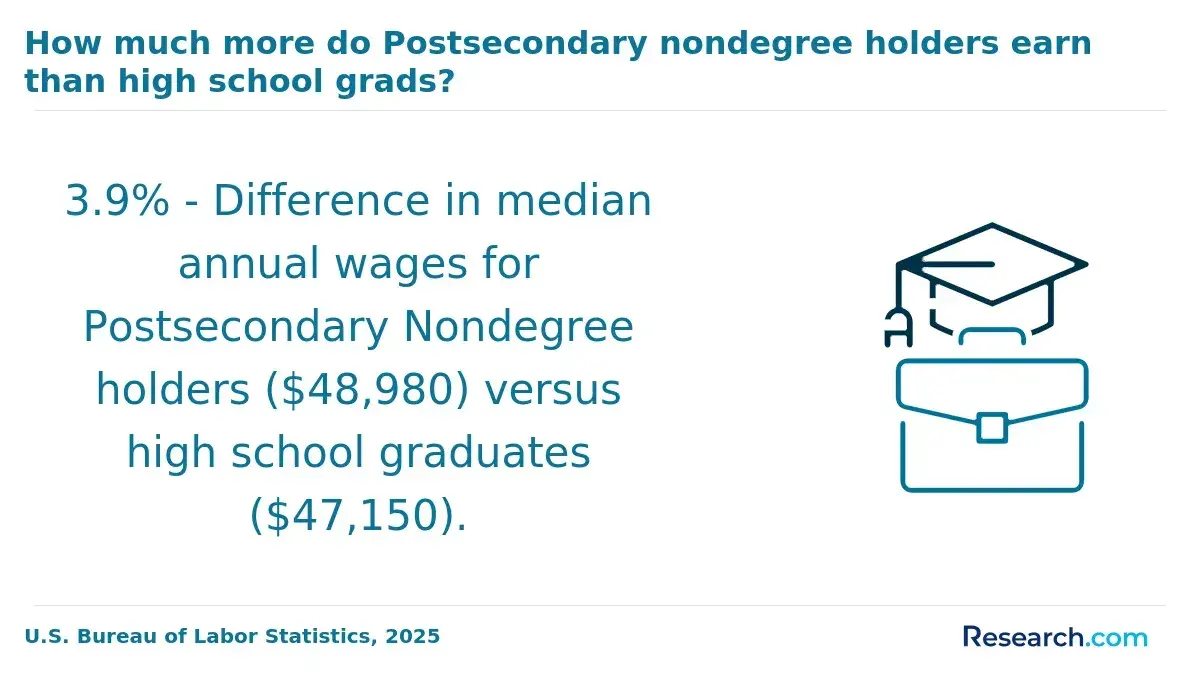
Post-graduation salary plays a crucial role in determining the return on investment (ROI) of a community health degree by impacting how quickly graduates can recover education costs and lost income during their studies. The average community health degree salary typically ranges from $45,000 to $75,000 annually, with variations based on experience and job role.
Understanding typical earnings with a community health degree helps prospective students gauge financial prospects.
Several factors influence salary outcomes and thus the ROI of this degree:
- Industry: Roles within government agencies and large healthcare organizations often offer higher pay than nonprofit or smaller community health settings, affecting earning potential significantly.
- Geographic location: Salaries differ widely across states and between urban and rural areas, with metropolitan regions generally providing better compensation due to higher living costs.
- Prior experience: Graduates who enter the field with relevant internships or related work experience typically secure higher-paying positions faster, improving ROI.
- Specialization: Focusing on areas like epidemiology or health policy can lead to enhanced salaries by leveraging advanced expertise.
- Career level: Progressing into supervisory or management roles substantially increases income over time.
Those interested in related fields might also consider pursuing a healthcare management degree online to expand career opportunities and earning potential.
Promotions contribute significantly to the return on investment (ROI) of earning a community health degree by bringing salary increases, expanded responsibilities, and greater career mobility. These advancements bolster both financial gains and professional growth for degree holders.
A notable workforce trend influencing this dynamic is the increasing adoption of credential-based promotion policies, where employers set formal educational benchmarks to guide career advancement.
Key ways a community health degree impacts promotion opportunities and enhances ROI include:
- Credential requirements: Many supervisory and management positions require specific degrees, making a community health degree essential to qualify for these roles and increase promotion prospects.
- Leadership preparation: Community health programs equip graduates with critical thinking and leadership skills, enabling them to handle expanded job responsibilities effectively.
- Tuition support: Employees with community health degrees often become eligible for employer tuition reimbursement or professional development benefits, lowering the overall cost of education and improving ROI.
- Internal promotion policies: Organizations frequently prioritize candidates with relevant degrees over less-educated peers when making promotion decisions, strengthening career advancement chances.
- Experience synergy: Combining practical work experience with a community health degree creates a robust portfolio that employers value highly for leadership roles and promotions.
Given these factors, actively pursuing promotions with a community health degree can markedly increase career advancement opportunities. For those interested in similar healthcare education routes, exploring options such as the cheapest online acute care nurse practitioner programs can also complement career growth strategies in the health sector.
Return on investment (ROI) for those with a community health degree varies considerably by industry due to differences in salary levels, career progression, and demand for specialized skills. The variation in ROI reflects how different sectors value and utilize community health expertise, impacting long-term earnings and job growth.
Industries with strong public health needs and leadership opportunities generally provide the best financial outcomes. The following industries commonly offer high ROI for community health graduates:
- Healthcare administration: This sector offers high compensation growth and leadership opportunities as graduates manage programs and develop policies that improve healthcare delivery, resulting in enhanced job stability and career prospects.
- Public health agencies: Government and nonprofit organizations provide stable demand and opportunities for promotion by leveraging community health skills to manage large-scale population health initiatives, ensuring job security despite moderate starting salaries.
- Health education and promotion: Graduates in this field enjoy diverse career paths using their expertise to design wellness programs, benefiting from steady demand driven by increased health awareness.
- Healthcare consulting: This industry capitalizes on graduates' analytical and strategic skills, leading to strong earnings and rapid career growth by improving health service efficiency.
Exploring these top paying industries for community health graduates can guide students and professionals aiming to maximize their ROI. While evaluating career options, consider how the degree's cost compares with potential salary growth in each sector. For those seeking cost-effective educational pathways, programs like the cheapest RN to BSN program online can offer affordable routes to advancing healthcare expertise.
In community health degree programs, accreditation signifies that a program adheres to rigorous quality standards established by recognized agencies. This endorsement confirms that the education provided is credible and meets industry benchmarks.
Increasingly, employers show a strong preference for graduates from accredited programs, which better prepare students for the practical challenges they will face. Additionally, accreditation often affects eligibility for required licensure or certifications, which can be essential for many community health careers.
Accreditation can substantially impact the long-term return on investment by enhancing employer confidence in the graduate's skills and knowledge, boosting job prospects and salary potential. It also opens the door to federal financial aid, making education more affordable and reducing students' financial burden.
Credits earned through accredited programs tend to transfer more easily if students pursue further education. These advantages combined support greater career flexibility and financial rewards over time compared to degrees lacking accreditation.
The return on investment for a community health degree largely depends on tuition expenses, program length, and expected earnings. Typically lasting two to four years, these programs vary in cost, affecting the total investment. Graduates usually start with salaries between $40,000 and $60,000, and those with additional qualifications can earn significantly more.
Employment in community health fields is expected to grow faster than the average, highlighting the potential for steady job availability and career progression.
The value of a community health degree also hinges on factors like industry demand, study format, and financial support options. Flexible scheduling through online or part-time programs may lower opportunity costs, making the degree more accessible to working students.
Scholarships and grants can further reduce financial burdens, enhancing overall ROI. Ultimately, the degree may be most worthwhile for individuals committed to public health careers, as personal goals and non-financial rewards play a crucial role in assessing its true benefit.
What Graduates Say About The ROI of Their Community Health Degree
- Lee: "Choosing a community health degree as a traditional student was one of the best decisions I ever made. Although the average cost of attendance was around $25,000, I saw it as an investment with great long-term ROI given the increasing demand for public health professionals. Graduating opened doors to meaningful work where I truly feel I'm making a difference every day. "
- Patricia: "As an online learner, I carefully weighed the costs-approximately $20,000 total-and honestly, the flexibility and affordability made it worth every penny. The degree has significantly boosted my career, allowing me to step into leadership roles in healthcare outreach programs. It's a decision I often reflect on with gratitude for how it balanced education and life commitments. "
- Cathryn: "Pursuing my community health degree part-time was a strategic choice, especially considering the costs hovered near $22,000. The return on this investment was clear: the program equipped me with skills that elevated my professional profile and expanded my impact in community wellness initiatives. The journey required dedication, but the career advancements have been undeniably rewarding. "
Other Things You Should Know About Community Health Degrees
Many employers prefer, but do not always require, CHES certification for entry-level community health roles. The certification is offered by the National Commission for Health Education Credentialing, and candidates must meet education or experience eligibility rules before taking the exam.
The ROI of a Community Health Degree Program in 2027 depends significantly on factors such as tuition costs, job placement rates, salary prospects, and geographic location. High-demand regions and roles that offer competitive salaries will typically provide a better ROI. Additionally, scholarships and funding opportunities can improve the financial return on the degree.
- Community Health Worker Salary: Your 2025 Guide https://www.coursera.org/articles/community-health-worker-salary
- Are Public Health Degrees Still Worth It? Short Answer, Yes. - The Public Health Millennial https://thephmillennial.com/are-public-health-degrees-still-worth-it-short-answer-yes/
- Is Community College Worth It? A Comprehensive Return on Investment Analysis - FREOPP https://freopp.org/whitepapers/is-community-college-worth-it-a-comprehensive-return-on-investment-analysis/
- How to Become a Community Health Nurse https://www.allnursingschools.com/specialties/community-health-nurse/
- Is it Worth to Invest in Hospital Accreditation? https://www.heraldopenaccess.us/openaccess/is-it-worth-to-invest-in-hospital-accreditation
- Early Results Show It Pays to Be Accredited https://www.providermagazine.com/Articles/Pages/Early-Results-Show-It-Pays-to-Be-Accredited.aspx
- Healthcare Administrator ROI Guide https://www.healthadministrationdegrees.com/articles/healthcare-administrator-roi-guide/
- The ROI of Health and Well-Being: Business Investment in Healthier Communities - NAM https://nam.edu/perspectives/the-roi-of-health-and-well-being-business-investment-in-healthier-communities/
- Master of Public Health: Community Health Education (MPH) https://tsengcollege.csun.edu/programs/MPH/tuition-and-fees
- What Can You Do With a Community Health Degree | CUNE https://www.cune.edu/news/what-can-you-do-with-community-health-degree