2027 Is a 2-Year Community Health Degree Worth It: Accelerated Bachelor's ROI & Time Trade-Offs
Audited and Verified:
Our Editorial and Data Verification Process
Research.com uses government datasets, official education statistics and primary institutional information to support its career and degree guides. Our review process checks factual accuracy, occupational definitions, source dates and the requirements associated with the credentials discussed.
How This Article Was Fact-Checked
Our editorial team verifies salary estimates, employment projections, education requirements and program information against original data providers and official organizations. Salary figures are checked against the relevant occupational definitions and reporting periods. Information about licensure, accreditation and required in-person training is reviewed separately.
Fact-checked and verified on:

Co-Founder and Chief Data Scientist
Prospective students often face uncertainty about whether pursuing a 2-year accelerated bachelor's degree in community health justifies the time and financial investment. National data shows that accelerated public health programs can reduce completion time by up to 30%, appealing to those eager to enter the workforce sooner.
However, questions remain about salary growth and career advancement compared to longer degree routes. This article examines the true return on investment of accelerated community health degrees through analysis of earning potential, employment trends, and time trade-offs, helping readers make informed decisions about their educational and professional futures.
Key Benefits of a 2-Year Community Health Degree
- Accelerated 2-year community health degrees reduce time-to-entry in the workforce, enabling earlier salary gains compared to traditional 4-year programs.
- Data shows median salaries for community health roles post-degree often exceed associate-level wages by 15-25%, enhancing overall ROI.
- Shorter program duration lowers educational costs and debt, improving financial benefits relative to time invested in education.
How Do 2-Year Community Health Programs Work?
Two-year community health programs provide an accelerated pathway for students aiming to enter the health field more quickly than traditional degrees. These programs are structured to compress learning timelines, making them an attractive option for those balancing careers or seeking faster completion.
Understanding the 2 year community health program structure helps students evaluate the demands and benefits of this accelerated degree path.
- Accelerated pacing and year-round enrollment: Programs often run continuously without long breaks, allowing students to progress steadily and graduate sooner than in traditional schedules.
- Condensed course terms: Courses are typically offered in 8 to 12-week terms instead of 16 weeks, requiring faster adaptation to material and tight time management.
- Credit load expectations: Students usually take 15 to 18 credits per term or an equivalent workload in shorter sessions, increasing semester intensity.
- Instructional format: A mix of in-person, online, or hybrid classes offers flexibility to accommodate working adults and non-traditional students.
- Core curriculum components: Foundational courses include public health, epidemiology, health promotion, and community outreach, combined with practical internships or fieldwork for real-world experience.
- Assessment methods: Regular quizzes, written projects, presentations, and exams assess progress within the accelerated schedule.
- Progression through the curriculum: Continuous enrollment and consistent effort are critical for success, aligning with the increasing demand for health educators projected to grow by 11% through 2031.
Students researching accelerated community health degree admissions should consider how these program requirements will fit their lifestyle and career goals.
For those interested in nursing pathways with minimal clinical hours, exploring options such as rn to bsn no clinicals programs may provide additional flexibility.
What Are the Admission Requirements for a 2-Year Community Health Degree?
For students exploring an accelerated bachelor's in community health, understanding the admission requirements is essential to assess readiness and plan their educational journey. Meeting these criteria ensures a smoother application process and increases the chance of acceptance into competitive programs.
Below is a detailed breakdown of the typical expectations candidates should be aware of when considering 2-year community health degree admission criteria.
- Prior Education: Applicants generally need a high school diploma or an equivalent credential such as a GED. This foundational qualification is a baseline for admission to most programs focused on accelerated community health programs.
- GPA Expectations: Many programs require a minimum GPA ranging from 2.0 to 2.5 on a 4.0 scale. While some schools may have more competitive standards, this range reflects the goal of accessibility within accelerated tracks.
- Standardized Tests: The SAT or ACT is increasingly optional, with many institutions adopting test-optional policies. However, certain programs might still require placement tests in English and math to ensure students possess necessary skills.
- Prerequisite Courses: Foundational knowledge in subjects like biology, health, or social sciences is often expected. Some accelerated community health programs require applicants to have completed these prerequisite courses to prepare for rigorous coursework.
- Relevant Experience: While not always mandatory, relevant work or volunteer experience in health-related settings can strengthen an application by demonstrating commitment and practical understanding.
These requirements are designed to streamline admission for those aiming to quickly advance in community health fields.
Accelerated bachelor's programs have been shown to save students one to two years compared to traditional paths, with graduates often seeing median earnings rise by roughly 15% versus associate degree holders, according to the U.S. Bureau of Labor Statistics (2023).
For those interested in further advancing their health credentials, exploring easy dnp programs can be an effective next step.
What Does a Typical Week Look Like in a 2-Year Community Health Program?
For those weighing the demands of an accelerated community health program, knowing what a typical week entails is crucial to balancing study commitments with personal and professional responsibilities. This insight helps prospective students anticipate workload, plan their time effectively, and determine if the pace suits their learning style.
Below is an overview of common weekly elements within a two-year community health curriculum.
- Class sessions and lectures: Students usually attend several classes weekly, accumulating between 12 and 15 hours focused on fundamental subjects like epidemiology and health policy.
- Assignments and assessments: Weekly deadlines often include essays, case analyses, quizzes, and presentations designed to deepen comprehension and track progress consistently.
- Group collaboration: Team projects are regularly integrated to build essential communication and cooperative skills, requiring coordination beyond scheduled class times.
- Independent study: Learners devote significant hours to reading, researching, and preparing projects to keep pace with the accelerated format's rapid flow.
- Instructor engagement: Access to faculty is facilitated through office hours, emails, or online forums, offering timely feedback and academic support.
- Time management: The condensed schedule demands strong organizational abilities to meet overlapping deadlines and maintain steady progress.
When asked about his experience with a two-year accelerated bachelor's degree in community health, a recent graduate shared that managing the swift rhythm was initially overwhelming. "The volume of reading and frequent presentations meant I had to develop strict daily routines quickly," he explained.
He recalled late nights preparing group projects and the pressure of simultaneous assignments but highlighted how these challenges fostered resilience and sharpened his multitasking skills.
The professional also noted that direct access to instructors was invaluable, allowing him to clarify difficult topics without delay. Ultimately, the immersive environment "pushed me beyond what I thought possible in a short timeframe," reinforcing the need for commitment and strategic planning to succeed.
Breakdown of All 2-Year Online Title IV Institutions

Delivery format plays a crucial role for students pursuing an accelerated community health degree, impacting flexibility, accessibility, and effective time management. Choosing between fully online or hybrid options can influence how well students balance studies with other responsibilities.
Below is a breakdown of key aspects related to the online format of these 2-year programs.
- Fully Online vs. Hybrid Formats: Programs may be offered entirely online or as a hybrid combining remote coursework with occasional in-person sessions, allowing students to select the option that best fits their lifestyle and commitments.
- Asynchronous and Synchronous Learning: Many courses blend self-paced asynchronous materials with scheduled live discussions, providing flexibility while maintaining opportunities for real-time interaction and collaboration.
- Technology Requirements: Learners need reliable internet, compatible devices, and familiarity with virtual platforms. Institutions generally offer guidance and tech support to ensure smooth access and participation.
- Student Support Services: Resources like virtual libraries, tutoring, and academic advising are often tailored to online students, helping sustain motivation and address challenges throughout the accelerated timeline.
- Pacing and Engagement: Online delivery enables self-directed progress, helping students accelerate completion by approximately 25% compared to traditional formats, while synchronous components promote accountability and connection with peers and instructors.
Evaluating the total cost is critical for prospective students considering an accelerated community health degree, as it directly impacts the return on investment (ROI) and overall financial planning. Accelerated programs condense the curriculum into a shorter time frame, which can affect both the tuition structure and ancillary expenses.
The following breakdown highlights key cost components to help you better understand the average cost of a 2-year community health degree.
- Tuition structure: Tuition is usually charged per credit or per term, often making accelerated community health programs more expensive on a term-by-term basis due to higher course loads, even though the total duration is shorter.
- Additional fees: Registration, technology, and lab fees can significantly increase total expenses, with accelerated programs sometimes requiring upfront payments that reflect the intensive nature of the coursework.
- Textbooks and learning materials: Faster pacing often necessitates purchasing textbooks and digital materials more quickly, which can lead to higher upfront costs in comparison to traditional programs.
- Technology and lab costs: Some courses demand access to specialized software or lab equipment, adding to the overall expenditure beyond standard tuition and fees.
- Impact of accelerated pacing: While the compressed schedule can result in higher short-term financial burdens, it reduces living expenses and opportunity costs by allowing students to enter the workforce sooner, ultimately supporting a favorable ROI.
The tuition and fees for accelerated community health programs are an important part of this calculation. For those looking into options or curious about related educational paths, there is useful information on whats the easiest nursing program to get into?
Financing an accelerated community health degree is a critical factor for many students weighing their educational options, as costs and funding timelines can differ from traditional programs. Knowing the types of aid available and how accelerated pacing impacts access to funds helps prospective students plan effectively.
Below is an overview of common financial aid resources relevant to two-year community health studies.
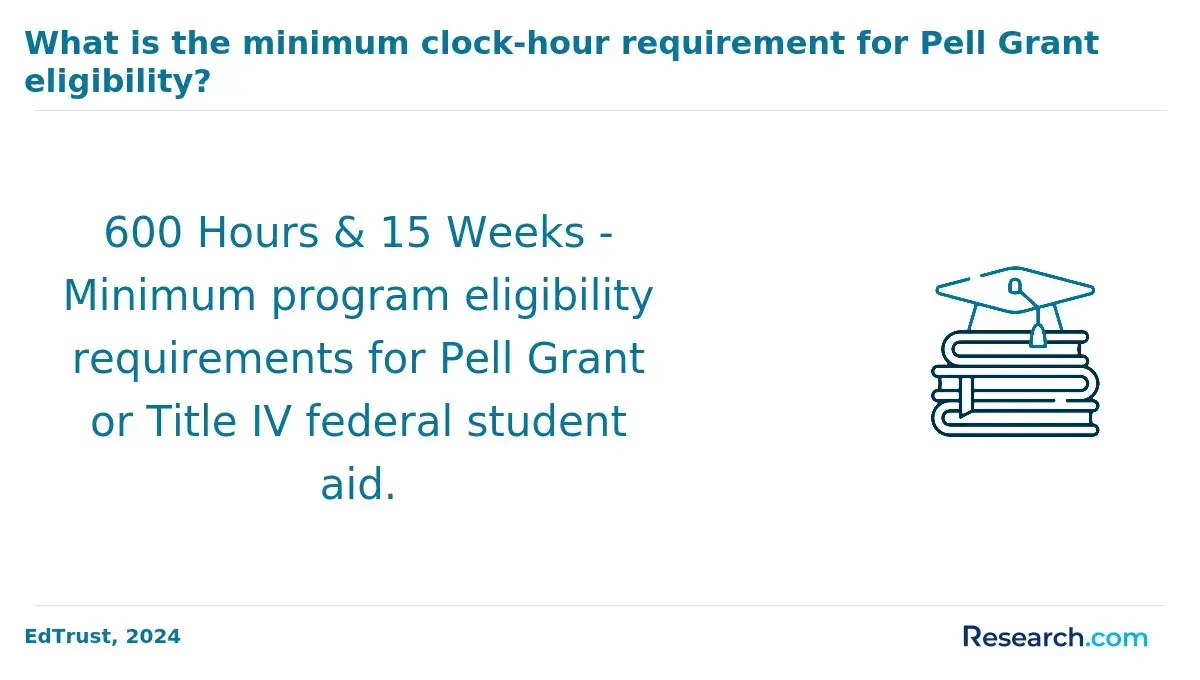
- Federal Student Aid Eligibility: Students enrolled in accredited community health programs may qualify for Pell Grants and Direct Loans. However, accelerated schedules can alter disbursement timing because aid is often linked to credit hours completed within each term, requiring careful coordination with the financial aid office.
- Scholarships and Grants: Numerous scholarships target community or allied health fields, often provided by private organizations or state agencies. These awards typically do not require repayment and can substantially offset tuition fees.
- Employer Tuition Assistance: Working adults pursuing accelerated degrees frequently benefit from employer-sponsored tuition reimbursement programs. These arrangements can cover part or all of the educational expenses, easing financial burdens while advancing career goals.
- Payment Plans: Many schools offer options to spread tuition payments over several months or terms. This flexibility is especially valuable in accelerated programs, which may demand large upfront payments due to condensed course timelines.
When I spoke with a professional who completed an accelerated bachelor's degree in community health, she emphasized the importance of proactive financial planning. "Managing financial aid took as much effort as balancing coursework because the aid was dispersed differently than in a traditional program," she shared.
Despite initial uncertainty, she was able to combine federal loans, scholarships, and employer tuition support. "At times, I worried whether my funds would cover all terms, but staying in close contact with the financial aid office made a big difference."
Her experience highlights that while financial aid is accessible for accelerated community health students, understanding and navigating disbursement nuances is essential for success.
Evaluating the job prospects available with a 2-year community health degree is essential when considering whether to pursue an accelerated community health bachelor's program. Understanding potential career outcomes helps students and working adults weigh the time commitment against the return on investment.
This perspective naturally leads to exploring the variety of roles graduates can expect after finishing these programs.
- Health Educator Assistant: Graduates often begin as assistants who support the development and distribution of health information. This role involves educating communities on wellness practices and helping facilitate public health initiatives.
- Community Health Worker: This position focuses on outreach and connecting individuals to healthcare resources, often working within public health departments and nonprofit organizations to improve healthcare access and education.
- Outreach Coordinator: Responsibilities include organizing community programs and events aimed at promoting health awareness. The role requires skills in communication and program planning, which the accelerated format emphasizes for fast-tracked workforce readiness.
- Public Health Support Roles: Entry-level jobs in government agencies or nonprofit sectors that allow graduates to apply hands-on training immediately, assisting with data collection and program implementation as part of larger health campaigns.
The accelerated community health bachelor's program builds on the foundational skills gained in a 2-year community health degree, offering additional practical experience in areas like health communication that enhance career opportunities.
Students benefit from completing their degree faster, often saving one to two years, which appeals to those balancing work and education. This streamlined approach aligns with growing industry demand; according to the Bureau of Labor Statistics, employment of community health workers is projected to grow 17% from 2022 to 2032.
For those interested in advancing further, an online healthcare administration degree can complement community health training, opening doors to leadership roles in public health and healthcare management.
Overall, incorporating career opportunities with accelerated community health program study helps ensure students make informed educational choices aligned with their professional goals.
Salary outcomes are a critical factor when evaluating the return on investment (ROI) of accelerated versus traditional degree paths in community health.
Understanding how earnings vary between graduates with 2-year community health degrees and those holding traditional bachelor's degrees can help prospective students make informed decisions about their education and career goals.
The following comparison examines key aspects of salary trajectories and career progression.
- Early-career earnings: Graduates with a 2-year community health degree typically begin with salaries ranging from $35,000 to $45,000, reflecting entry-level roles such as health educators or community health workers.
- Long-term earning potential: While 2-year degree holders enter the workforce faster, bachelor's graduates usually experience faster salary growth and can surpass $60,000 annually with experience. This difference is due to greater eligibility for advanced roles and managerial positions.
- Employer perception and career progression: Employers often perceive bachelor's degrees as more comprehensive, which can accelerate promotion timelines and access to professional development. Accelerated bachelor's degrees narrow time-to-degree gaps, enabling quicker advancement without sacrificing credentials.
- Workforce entry and lifetime earnings: Although 2-year degree graduates join the workforce sooner, this head start may not fully offset the higher long-term earnings potential of bachelor's degree holders. Over a lifetime, the cumulative salary difference tends to favor those with bachelor's credentials.
These considerations highlight why prospective students interested in 2-year community health degree salary comparison and earnings after accelerated community health bachelor's should weigh both immediate financial benefits and long-term growth.
For those exploring accelerated pathways, consulting resources like the cheapest dnp programs online can provide additional guidance on affordable degree completion options.
Return on investment (ROI) plays a crucial role for students deciding on accelerated community health degree programs, as it directly impacts both financial and career prospects. Evaluating how different factors influence ROI can help learners make informed choices about their education path.
The following points outline the main aspects shaping the value of accelerated degrees in this field.
- Time-to-completion: Accelerated programs reduce the traditional four-year timeline by several months, enabling students to enter the workforce sooner. This shorter duration lowers both tuition payments and living expenses, minimizing overall education costs.
- Tuition and total cost: Although compressed terms sometimes raise per-credit fees, the total tuition often ends up lower due to fewer required credits or a faster pace. This balance helps maintain educational quality while enhancing cost efficiency.
- Opportunity cost savings: Completing the degree faster means less time spent away from full-time employment, which is especially important for adults juggling work and study. Many programs also support paid internships or work experiences alongside coursework, preserving income streams during education.
- Employment outcomes and industry demand: The community health sector is expected to grow faster than many other fields, with projected job increases around 10% over the next decade. Graduates typically start with competitive salaries, offering positive prospects for long-term earning potential.
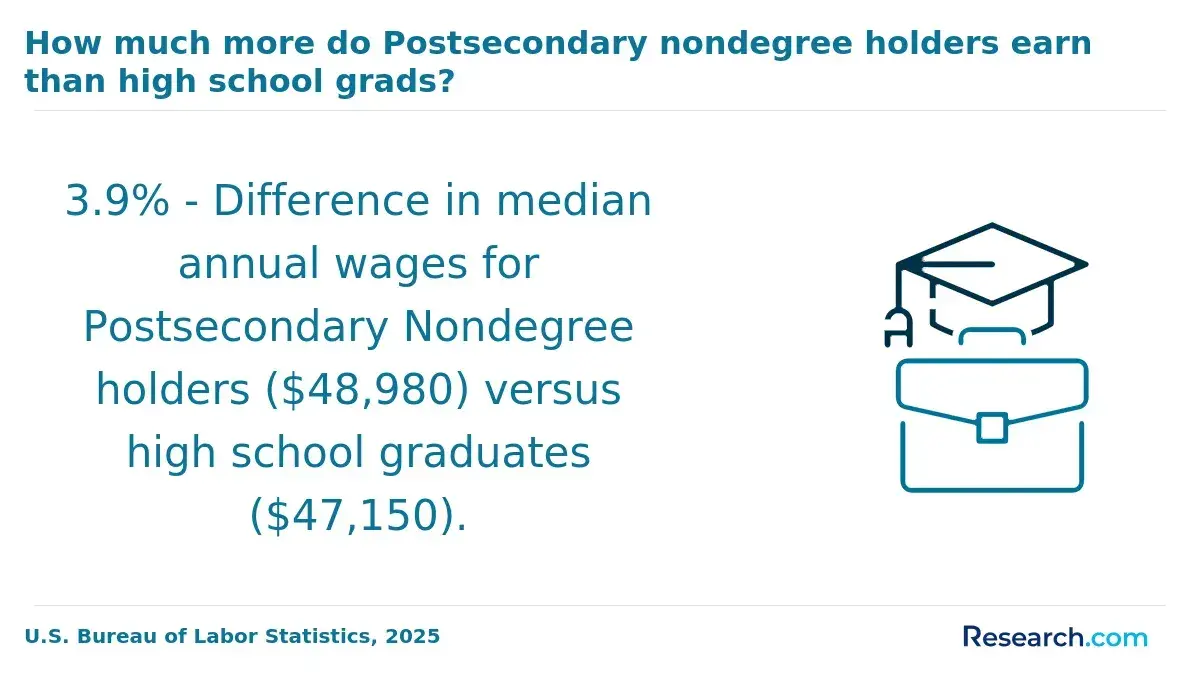
- Salary growth: Individuals holding bachelor's degrees in community health often earn 15-20% more than those with associate degrees, reflecting increased qualifications and greater advancement opportunities over time.
- Transferability of skills: Accelerated degrees develop versatile abilities like health education, program planning, and data analysis. These competencies allow graduates to adapt across various roles and sectors, boosting job security and career flexibility.
When deciding if a two-year community health degree fits your goals, consider your learning preferences and capacity for an intensive schedule. These programs often condense traditional four-year content into half the time, requiring strong discipline and quick adaptation to a faster pace.
Availability for study and balancing other commitments is crucial, as the workload can be demanding. Additionally, reflect on how urgently you need to enter or advance in the workforce since accelerated tracks can speed career progression. Understanding your level of readiness for such a challenge helps ensure success and satisfaction.
Financially, accelerated degrees typically lower tuition costs and reduce time out of work, potentially improving your return on investment. However, it's important to weigh savings against anticipated earnings and job prospects in community health fields.
Employer requirements vary, with some positions accepting associate-level qualifications while others demand a full bachelor's degree, influencing your flexibility and career development.
Projected employment growth in health education remains positive, but confirm how your credentials align with your desired role to maximize long-term benefits.
What Graduates Say About Their 2-Year Community Health Degree
- Riggs: "I chose the 2-year accelerated community health degree because I wanted to jumpstart my career without the long wait. Balancing the intense coursework with my part-time job was challenging, but the structured schedule kept me disciplined and focused. Knowing the average cost of attendance was manageable made it an even better decision, and now I'm thriving as a health educator thanks to this focused program."
- Curtis: "Reflecting on my time in the 2-year community health program, I appreciated the ability to complete my degree quickly while still gaining deep knowledge. The tight schedule demanded careful time management, but it taught me valuable skills that I use daily in my role as a community outreach coordinator. The relatively affordable expense reinforced my belief that this pathway was both a practical and rewarding investment."
- Waylon: "Professionally, the 2-year community health degree was a game-changer. I chose it explicitly to reduce educational costs and time, considering the average attendance fees, so I could step into the workforce sooner. Although the pace was intense, I adapted by prioritizing my studies effectively, which has led to rapid career advancement in public health administration."
Other Things You Should Know About Community Health Degrees
Most accelerated bridge programs require a 2.5 to 3.0 GPA, official transcripts, and prerequisites such as anatomy, physiology, statistics, and introductory public health. Many schools also require 30 to 60 transferable semester credits and proof of immunizations or background screening before enrollment.
Many accelerated bachelor's programs accept transfer credits from completed 2-year community health degrees, especially if earned at accredited institutions.
Transferring credits can reduce both the time and cost needed to finish the bachelor's degree. It is important to verify transfer policies with the specific accelerated programs you consider.
Completing an accelerated bachelor's after a 2-year community health degree can significantly enhance career advancement opportunities.
A bachelor's degree often qualifies graduates for higher-level roles such as program coordination or public health analysis, which typically offer better salaries and greater responsibility. The accelerated format reduces time away from the workforce compared to traditional bachelor's pathways.
- NHSC Scholarship Program Overview https://nhsc.hrsa.gov/scholarships/overview
- Careers https://www.publichealthdegrees.org/careers/
- Associate Degree in Community Health and Wellness https://www.monroeu.edu/academics/undergraduate-programs/school-allied-health-professions/associate-degree-community-health
- Two-Year Accelerated Degree https://www.kent.ac.uk/courses/undergraduate/two-year-accelerated-degree
- Health Professions Students Seeking Scholarships https://www.ruralhealthinfo.org/topics/scholarships-loans-loan-repayment/healthcare-students
- BS+MPH Accelerated Program https://sph.umd.edu/academics/dual-degrees/bsmph-accelerated-program
- Community Health Workers https://www.bls.gov/ooh/community-and-social-service/community-health-workers.htm
- Accelerated BSN program summary https://www.unk.edu/academics/nursing/accelerated-bsn-grogram-summary.php
- College Scholarship Opportunities - Health Career Collaborative https://healthcareercollaborative.com/college-scholarship-opportunities/
- A Guide to Accelerated Bachelor's Degrees https://www.coursera.org/articles/accelerated-bachelors-degree