2027 Choosing a BS in Business Administration When Your Military Transcript Includes Logistics Training
Audited and Verified:
Our Editorial and Data Verification Process
Research.com uses government datasets, official education statistics and primary institutional information to support its career and degree guides. Our review process checks factual accuracy, occupational definitions, source dates and the requirements associated with the credentials discussed.
How This Article Was Fact-Checked
Our editorial team verifies salary estimates, employment projections, education requirements and program information against original data providers and official organizations. Salary figures are checked against the relevant occupational definitions and reporting periods. Information about licensure, accreditation and required in-person training is reviewed separately.
Fact-checked and verified on:

Co-Founder and Chief Data Scientist
Your military transcript may document logistics training that a college recognizes for credit - but recognition alone will not tell you how close you are to a BS in Business Administration. For service members and veterans considering civilian operations, procurement, or supply chain work, the deciding factor is where that credit fits in a specific degree plan.
This guide explains how to compare evaluations, choose a program, estimate remaining time and cost, and connect your military experience to realistic career options before you enroll.
Key Things You Should Know
- Ask each college for a written degree audit: military credit accepted as electives may leave accounting, statistics, and other business requirements untouched.
- Compare the BS curriculum with a supply chain degree if logistics is your clear career target; the shorter path depends on how each school applies your credits.
- The U.S. median annual wage for logisticians was $82,320 in May 2025, but that occupation-wide figure is not a starting salary or a promised return on the degree.
How Can Military Logistics Training Apply Toward a Business Administration Degree?
A service-issued Joint Services Transcript (JST) or, where applicable, a Community College of the Air Force transcript can document training and learning evaluated for college credit. An American Council on Education credit recommendation is a starting point, not a college's decision to award credit. The receiving institution determines what it accepts and how it applies each award.
Logistics training might satisfy an elective, a general education requirement, or - in a closer content match - an operations or supply chain requirement. It may also receive no credit under a particular school's policy. The distinction matters: a large transfer award can still leave most of the business core unfinished. If you are also considering a specialized degree, compare colleges accepting coursework toward project management bachelor's study using the same requirement-by-requirement test.
Before committing to a school, take these steps:
- Send official military and previous college transcripts to each institution under consideration.
- Request an evaluation showing credit applied to general education, the business core, a concentration, and electives - not just a total accepted.
- Ask the transfer office about a documented review or appeal if training appears closely related to an unmet requirement; ask a business adviser to confirm the resulting course plan.
Keep course descriptions, training records, and any supporting syllabi you can obtain. The school's official evaluation and degree audit - not a preliminary estimate - control your graduation plan.
What Is a BS in Business Administration With a Logistics Background?
A BS in Business Administration is a broad undergraduate business degree. Your logistics background can give you examples to draw on in operations and management courses, but it does not change the degree's official name. A supply chain concentration exists only if the institution formally offers and awards it; several logistics electives do not necessarily constitute one.
The right degree depends on whether you want to broaden your options or deepen a specific function. This comparison shows the main trade-off to test against your transcript evaluation.
| Path | Potential advantage | Question to resolve |
| General BS in Business Administration | Broad grounding in finance, management, marketing, and operations | How many military credits apply beyond free electives? |
| BS in Business Administration with a formal supply chain concentration | Broad core plus designated logistics-related study | Will concentration courses add credits or delay completion? |
| Specialized supply chain bachelor's degree | Greater functional depth for a focused logistics goal | Will its specialized requirements make the remaining path longer? |
If you intend to stay in logistics, compare the actual course plans and credit evaluations rather than assuming the specialized title is better. Resources for planning an affordable supply chain education route can help identify alternatives to evaluate, but only the colleges can establish your remaining requirements.
How Do You Choose an Accredited Business Administration Program?
Start with recognized institutional accreditation, then confirm that the specific BS program, location, and delivery format are offered by that institution. AACSB, ACBSP, and IACBE are business-focused accreditors; if a school claims one of these accreditations, check its scope rather than assuming every degree it offers is covered. Accreditation matters, but it does not establish that military training will meet your major requirements or lead to a job.
For this decision, a useful comparison is each school's written credit evaluation, remaining required courses, course availability, veteran advising, and career support for civilian operations roles. Ask whether required classes rotate infrequently and who resolves a disputed equivalency. You can consider colleges with no upfront application payment when narrowing options, but confirm both accreditation and credit policies independently; a waived application fee is minor compared with an extra term of study.
Expect the business core to address accounting, finance, economics, marketing, management, and quantitative decision-making, although course names and depth vary. For a logistics-trained student, financial statements and cost analysis can help translate supply decisions into business terms; statistics and spreadsheets can support demand and inventory analysis. Business law and organizational behavior add context for civilian contracting and cross-functional teamwork.
Look beyond course titles for operations, procurement, analytics, or project courses with applied assignments. Military experience may supply a useful perspective, but it does not automatically replace accounting or quantitative prerequisites. If your goal is primarily people leadership rather than supply chain work, compare the required courses in fast-paced online organizational leadership bachelor's programs; a shorter advertised schedule is useful only if your credits apply and the curriculum fits the role you want.
Either format can work, depending on your duty schedule, employment, location, and preferred support. Online does not necessarily mean self-paced: courses may have fixed deadlines, live meetings, group work, proctored exams, or required visits. On-campus study may offer easier access to classmates and local employers but can be harder to sustain through relocation or irregular shifts.
Request a sample schedule for the remaining required courses, not just the program's general format. Confirm whether those courses are available online, when they run, and how leave or deployment affects enrollment. For a veteran employed full time, online business administration pathways alongside an existing career are worth comparing against actual weekly obligations and advising access.
Military affiliation does not replace institutional admission requirements. Schools commonly request evidence of prior education and official transcripts, while GPA rules, business-major entry requirements, and prerequisite policies vary. Admission to the college, admission to the business major, and award of military credit are separate decisions.
Tell admissions whether you are applying as a first-time student or a transfer student, then ask which transcripts are required and when a formal credit evaluation becomes available. If an accelerated option appeals to you, check its entry rules and course sequence separately; online colleges with accelerated business programs do not necessarily admit students to every cohort or accept the same military credits. A veteran-services office can help you navigate school procedures, but the admissions and transfer offices retain authority over their respective decisions.
Your completion time depends on requirements left after evaluation, prerequisites, course sequencing, and how many classes you can take while working or serving. Count credits applied to the degree, not merely credits accepted. A required accounting class offered only in certain terms can matter more to your graduation date than several additional elective credits.
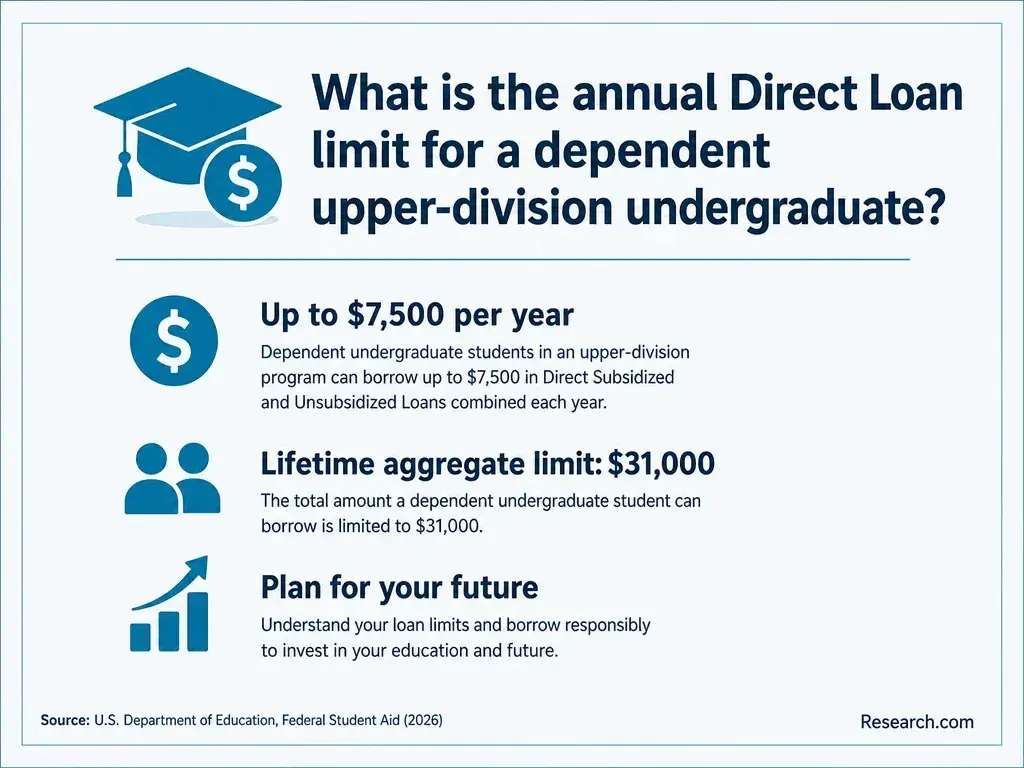
For a meaningful cost comparison, request a remaining-course plan and price it using each school's tuition and fees, books, technology charges, and any required travel. Compare cheaper business administration college programs on estimated completion cost rather than advertised per-credit price alone. Ask the school's financial-aid and veterans-benefits offices which charges may be covered and how enrollment intensity affects your aid. GI Bill eligibility and Yellow Ribbon participation depend on your circumstances and the institution; do not subtract a benefit from your budget before it is confirmed.
Military logistics experience may be relevant to inventory coordination, purchasing support, transportation operations, supply chain analysis, or project coordination. The strongest entry point depends on what you actually did - such as tracking assets, improving a process, coordinating vendors, or supervising a team - and whether an employer requires civilian systems or industry experience. Translate your responsibilities into unclassified, measurable descriptions without implying you held civilian purchasing or budget authority you did not have.
Logistician is a relevant occupation to investigate: the U.S. Bureau of Labor Statistics projects 18% employment growth from 2025 to 2035. That outlook indicates demand across the occupation, not guaranteed openings for any graduate. If your experience centers on schedules and deliverables rather than inventory or distribution, compare the coursework and cost of project management schools with competitive tuition before choosing a broader business degree. Either way, seek civilian-facing evidence through relevant work, an approved internship, or a course project using information you have permission to share.
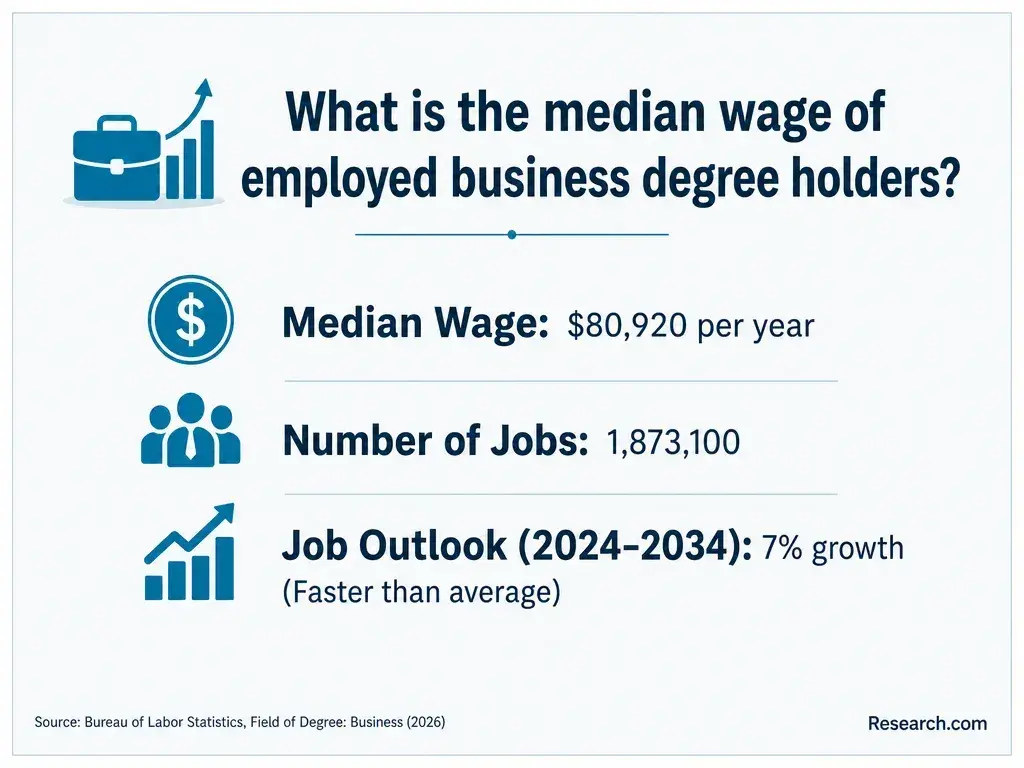
The BLS reports a $82,320 median annual wage for logisticians in May 2025. This is the midpoint for people employed in that occupation across experience levels, industries, and locations - not the expected pay for a newly graduated veteran or every business administration major. Compare actual postings for your target location and duties, including their software and experience requirements.
Assess the degree as a career investment against those postings and your remaining education cost. If project coordination is your alternative goal, guidance on budgeting for online project management college study can provide a comparison framework, but use each school's written credit evaluation and aid offer for your own calculations. A higher occupation-wide median cannot, by itself, justify additional tuition or time away from work.
Which Certifications Strengthen a Business Administration Logistics Career?
A certification can signal focused knowledge, but it serves a different purpose from a bachelor's degree and does not replace relevant work. Depending on your target job, investigate supply chain credentials from ASCM, purchasing credentials from ISM, or project management credentials from PMI. Review the issuing organization's eligibility rules, exams, renewal obligations, and fees before paying; military service or a business course does not automatically confer eligibility.
Choose a credential only after checking job postings for the function you want. If employers primarily require a bachelor's degree, compare that route - including shorter undergraduate business programs across the US - against a certification-first plan. If you already hold the degree employers request and need a specific procurement or planning skill, targeted training may be the more direct next step.
Other Things You Should Know About Business Administration
Follow the transcript issuer's correction procedure and gather records supporting the change. A college cannot normally correct a service-issued training record for you; request an updated evaluation after the issuer amends it.
Contact your adviser and registrar before withdrawing, if possible. Ask how leave, withdrawal deadlines, course sequencing, and your return term affect the degree plan, and discuss benefit implications with the school's veterans-benefits office.
Possibly. Ask each college whether it accepts the specific exam, what requirement the award would meet, and whether its rules prevent duplicate credit for material already recognized through military training.
Not automatically. Promotion rules depend on your service, status, and career field. Check the applicable military guidance rather than treating a civilian degree or concentration as a guaranteed promotion credential.
- The Basics of School Accreditation - Study in the States https://studyinthestates.dhs.gov/schools/apply/the-basics-of-school-accreditation
- Military Training Evaluation Program (MTEP) | dantes.mil https://www.dantes.mil/credit4training/
- Understanding U.S. Accreditation | EducationUSA https://educationusa.state.gov/understanding-us-accreditation
- Post-9/11 GI Bill (Chapter 33) | Veterans Affairs https://www.va.gov/education/about-gi-bill-benefits/post-9-11/
- Request Official Joint Services Transcript - JST https://jst.doded.mil/official.html
- DAPIP | Homepage - Office of Postsecondary Education (OPE) https://ope.ed.gov/dapip/
- Is a Bachelor's Degree in Supply Chain, Transportation and Logistics Management Worth It? | Bellevue University https://www.bellevue.edu/articles/is-a-bachelors-degree-in-supply-chain-transportation-and-logistics-management-worth-it/
- Military Credit Excess SAP: Guidelines & Policies | iu.edu https://transfer.iu.edu/policies/military-credit-excess-SAP.html
- Transfer Credits & Military Affiliations | Norwich University https://online.norwich.edu/online/military/transfer-credits-military-affiliations
- Regional vs. National Accreditation: Which is Better? | Drexel University Online https://www.online.drexel.edu/news/national-vs-regional-accreditation.aspx