2026 Career Paths with an Industrial Engineering Master's Degree Explained

Co-Founder and Chief Data Scientist
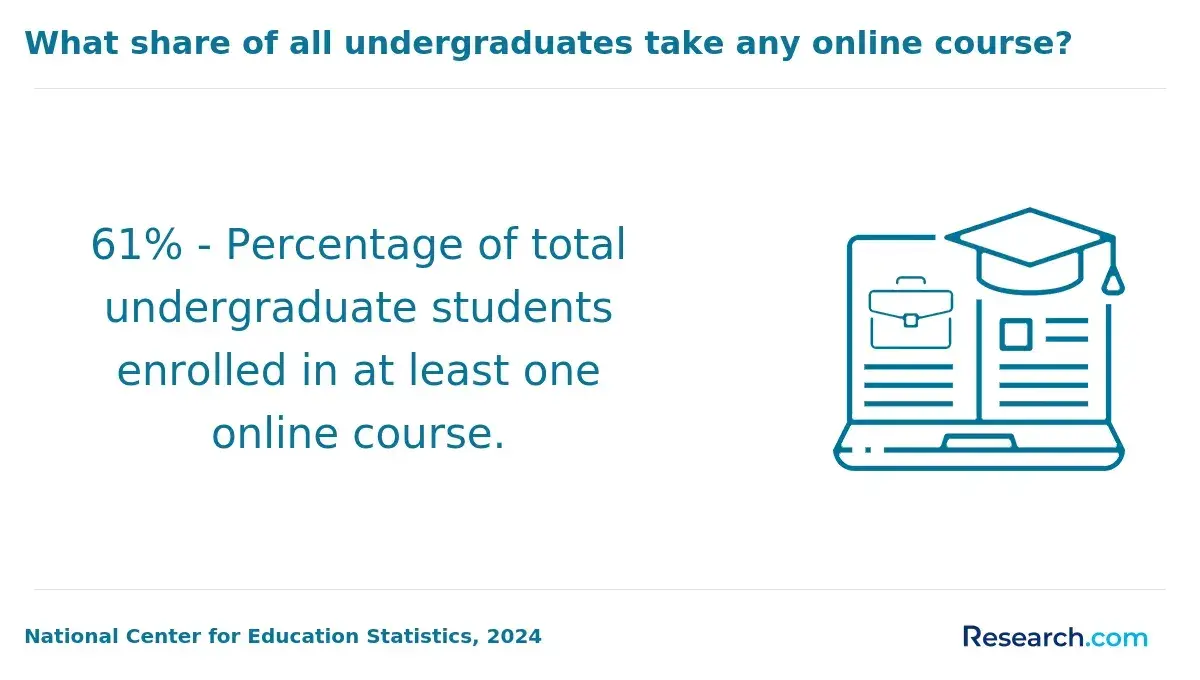
The demand for advanced expertise in industrial engineering continues to reshape career trajectories, as employers emphasize leadership, data-driven decision-making, and technical mastery within complex systems. Graduate-level study equips professionals to navigate evolving workplace technologies like digital twin simulations, lean manufacturing software, and integrated supply chain platforms. Industrial engineering master's programs foster competencies in cross-disciplinary collaboration and regulatory compliance, preparing graduates for roles that require strategic oversight and operational innovation. According to the National Center for Education Statistics in 2024, flexible scheduling and online options have widened access to graduate study among mid-career engineers, reflecting a shift toward balancing professional responsibilities with continued learning. This article explores career paths tied to an industrial engineering master's degree to clarify their alignment with various long-term professional goals.
Key Things to Know About Career Paths With a Industrial Engineering Master's Degree
- Industrial engineering master's programs often require a balance between technical specialization and system-wide strategic skills, forcing candidates to weigh deep expertise against broader leadership potential, which shapes mid- to senior-level role readiness.
- Employers increasingly seek candidates with integrated skills in data analytics and operations, reflecting industrial engineering's evolving workforce demand for professionals who optimize complex supply chains and automation workflows.
- Rising enrollment of adult learners in part-time or online industrial engineering master's programs, supported by 2024 NCES data, highlights access tradeoffs affecting timing, cost, and networking opportunities critical for career advancement.
What Can You Do With a Industrial Engineering Master's Degree?
The decision to pursue a master's degree in industrial engineering frequently hinges on one's intended role and long-term career trajectory. Unlike bachelor's programs that tend to prepare graduates for entry-level technical positions, a graduate degree broadens eligibility for roles demanding systems-level thinking and leadership in process optimization. This distinction matters particularly in sectors such as manufacturing or healthcare, where senior engineers must balance technical expertise with management skills and strategic planning. Choosing to specialize in certain areas can limit mobility but often leads to higher compensation and niche roles, while a more generalist approach offers flexibility but may cap advancement options.
- Process Engineer Advancement: With a master's degree, professionals can move beyond routine workflow tasks to designing and implementing complex production systems. This elevation requires deeper analytical skills and often leads to oversight of cross-functional teams, setting the stage for leadership roles within manufacturing and logistics operations.
- Operations Manager Track: Combining engineering knowledge with project management competencies, graduates frequently transition into operations management, where decision-making directly affects efficiency and cost controls. This path demands effective communication and coordination across departments, expanding influence beyond technical contributions.
- Supply Chain Specialist: The degree's emphasis on systems optimization prepares graduates to handle complex supply chain analytics and strategy, roles increasingly valued in globalized industries. Mastery here can lead to roles that blend technical insight with market responsiveness, affecting sourcing, distribution, and inventory management.
- Quality Control Engineer Role: In industries where compliance and standardization are critical, advanced training enhances the ability to design robust quality systems and lead continuous improvement initiatives. These roles often align with regulatory environments, particularly in pharmaceuticals, aerospace, or automotive sectors.
- Data Analyst Specialization: Data analytics capabilities developed in graduate programs open doors to positions where interpreting production or operational data drives strategic decisions. These specialists bridge the gap between raw data and actionable business insights, supporting innovation and efficiency gains across sectors.
What Are the Highest-Paying Careers With a Industrial Engineering Master's Degree?
Compensation for graduates with a master's degree in industrial engineering is closely tied to their specialization, leadership roles, and the complexity of challenges they address within high-demand sectors. Those who leverage advanced technical skills and strategic oversight can access significantly higher salaries, although this often comes with increased responsibility and the need for continuous skill development. For instance, choosing a supply chain management role in a multinational firm may yield substantial financial rewards but requires proficiency in data analytics and navigating global operational complexities.
- Senior Supply Chain Manager: These professionals optimize complex logistics and production networks, commanding salaries well over $130,000. Their strategic role in technology-driven or multinational companies requires advanced analytics, software proficiency, and leadership in high-stakes decision-making.
- Operations Research Analyst in Management Consulting: Specialists applying industrial engineering to improve efficiency and reduce costs in large organizations can earn between $110,000 and $150,000. Their compensation reflects the demand for deep quantitative skills and the ability to influence significant operational changes.
- Process Improvement Manager: Often situated in advanced manufacturing industries such as aerospace or pharmaceuticals, these managers focus on quality assurance and regulatory compliance, typically earning upwards of $120,000. Their role demands a combination of technical knowledge and management capabilities under industry-specific constraints.
- Data Engineer or Systems Architect in Financial Technology: Industrial engineering graduates who integrate systems optimization with data modeling in fintech and software sectors can command salaries starting at $125,000. These positions blend technical and managerial responsibilities and require staying current with rapidly evolving technologies.
The reality is that while these roles offer lucrative pay, pursuing them involves weighing the upfront investment in a graduate education against the expected long-term advancement. Additionally, maintaining relevance requires ongoing certifications and adapting to new tools as employer expectations continuously evolve in these competitive fields.
Which Industries Hire Graduates With a Industrial Engineering Master's Degree?
Graduates with a master's degree in industrial engineering often find their skill set in high demand across sectors that prioritize efficiency and systems optimization, yet the nature of their roles varies significantly by industry focus. In manufacturing, for example, these professionals typically engage in refining production workflows, balancing automation with human factors to minimize downtime and material waste, which reinforces the sector's ongoing reliance despite broader automation trends. Logistics and supply chain employers look for industrial engineers skilled in dynamic scheduling and inventory control, where graduates must adapt analytical tools to fluid, high-variability environments-a challenge that demands both technical expertise and flexibility that not all programs equally emphasize. Healthcare presents a distinct set of operational challenges, requiring engineers to reconfigure resource allocation and patient flow under regulatory and human-centered constraints, meaning success often depends on complementary knowledge of health systems and stakeholder communication rather than purely quantitative skills. These distinctions highlight how specialization and the ability to navigate unique regulatory or operational complexities influence not just employability but also the trajectory of career advancement and salary growth across industries.
The consulting and technology sectors demand graduates who couple analytical rigor with strategic insight, frequently expecting them to translate complex data into actionable business solutions or product improvements. Industrial engineers moving into these roles often face a steeper soft skills requirement and must excel at cross-functional collaboration, which can limit opportunities for those with purely technical backgrounds. Meanwhile, government and defense industries tend to prioritize project management and systems integration capabilities, offering roles that emphasize long-term planning and compliance adherence but may offer less dynamic work environments compared to private sectors. Tradeoffs between industry settings also include differences in work-life balance expectations and geographic mobility, with manufacturing and logistics hubs often clustered in specific regions, potentially influencing lifestyle decisions. Recognizing these nuances enables graduates and career changers to better align their educational focus, certifications, and networking efforts with industries that match their professional goals and personal circumstances.
One industrial engineering master's graduate recounted deliberating between a position at a large manufacturing firm and a healthcare system. The manufacturing role promised stable advancement and technical challenges centered on automation integration. However, the healthcare option, though initially less lucrative, offered exposure to interdisciplinary teams and process redesign projects directly impacting patient outcomes. The graduate noted feeling uncertain about making the "right" choice, weighing practical compensation against the desire for meaningful, varied work. Ultimately, this individual recognized that industry selection not only shaped immediate job responsibilities but also dictated the development of transferable skills and long-term career flexibility.
What Is the Job Outlook for Careers Requiring a Industrial Engineering Master's Degree?
The job outlook for careers requiring a master's degree in industrial engineering reflects a steady upward trajectory influenced by critical shifts in industry demands and technology integration. Employment growth trends for industrial engineering master's graduates indicate a roughly 10% increase between 2022 and 2032, outpacing many other fields according to U.S. Bureau of Labor Statistics projections. This growth is especially pronounced in sectors like healthcare and logistics, where efficiency and process optimization are paramount. Professionals with advanced degrees often command an edge for leadership or specialized roles involving systems engineering and data analytics, yet competition intensifies in mature markets, requiring continuous skill updates and adaptability to AI and automation advances. Geographic variability also matters; regions with dense manufacturing or tech hubs tend to offer stronger opportunities than others, highlighting the importance of location in career planning.
Graduates face tradeoffs between credentialing and practical experience, as employers increasingly seek candidates combining technical mastery with cross-disciplinary business acumen. The job outlook for careers requiring a master's degree in industrial engineering calls for strategic decision-making around specialization and ongoing education to maintain relevance amidst evolving regulatory and sustainability pressures. Salary and advancement prospects are contingent on the ability to navigate these complexities while embracing emerging tools. For those assessing degree options, balancing cost against outcomes is essential, and exploring resources such as affordable psychology degree online options can provide useful comparative insights for managing educational investments effectively.
What Entry-Level and Advanced Jobs Can You Get With a Industrial Engineering Master's Degree?
Pursuing a master's degree in industrial engineering often positions graduates for entry-level roles focused on operational efficiency and systems optimization, but immediate access to advanced positions depends heavily on prior experience and industry sector. Entry-level roles typically emphasize hands-on process improvements, data analysis, and quality control within manufacturing, logistics, or healthcare. However, these initial positions frequently demand practical experience with tools like simulation software and methodologies such as Lean or Six Sigma to meet employer expectations. Notably, organizations vary in how they value a master's credential; some view it as a qualifier for accelerated promotion, while others regard it as a complement to experience, requiring graduates to navigate through several intermediate roles before assuming leadership or specialized positions.
Transitioning into senior roles such as supply chain manager, operations director, or engineering consultant entails greater decision-making responsibility, strategic planning, and often, cross-functional leadership. These positions reward technical depth and management skills with significantly higher compensation; for example, median salaries for industrial engineering managers often exceed $120,000 annually, reflecting the premium on expertise and accountability according to 2024 labor data. Specialization choices and professional certifications can further influence career mobility by differentiating candidates in competitive sectors or enabling shifts into emerging fields like sustainability or data analytics. Thus, while a master's degree broadens potential pathways, graduates should anticipate a career trajectory shaped by a combination of industry norms, credentials, and accumulated experience, requiring intentional skill development for sustained long-term advancement.
Can a Industrial Engineering Master's Degree Help You Change Careers?
Industrial engineering master's degree programs can facilitate career transitions by equipping professionals with a hybrid skill set that integrates quantitative analysis, process optimization, and management competencies. These programs help candidates build measurable expertise applicable to multiple industries, from manufacturing to healthcare, enabling them to reposition professionally. However, the effectiveness of this degree as a career transition tool depends heavily on how individuals leverage prior experience alongside newly acquired competencies. For example, a mid-career professional shifting into healthcare operations may need practicum experiences and strategic networking to overcome employer skepticism toward career changers. Tuition data shows that industrial engineering programs with rolling admissions can range between $15,000 and $40,000, reflecting diverse accessibility options that impact return on investment calculations for career seekers.
Those with technical backgrounds adjacent to industrial engineering often use the master's to advance into leadership or specialization roles by formalizing skills such as systems thinking and data-driven decision-making, which are highly valued across sectors. Conversely, individuals transitioning from non-technical fields face higher barriers, including the need for updated credentials and internships that demonstrate applied competence. Employers typically expect evidence of domain-specific familiarity and tangible project experience, especially when hiring into highly regulated or specialized sectors. Graduates should anticipate potential salary resets and temporary entry-level roles during transitions. This underscores the importance of thoughtfully choosing a specialization and understanding long-term industry demand, reflecting the complex tradeoffs inherent to career repositioning with an industrial engineering master's degree. For those seeking more flexible options, programs comparable in cost and structure can be found when researching an urban planning degree online, which may offer analogous pathways in related fields.
What Leadership and Management Roles Can You Pursue With a Industrial Engineering Master's Degree?
Leadership roles accessible to those with a master's degree in industrial engineering typically demand a synthesis of operational insight with strategic oversight. Graduates move beyond technical tasks to manage workflow coordination, resource allocation, and cross-functional team leadership. In manufacturing, for instance, a mid-level manager might oversee production schedules and quality assurance while simultaneously aligning processes with corporate cost-control objectives. Advancement often entails increasing accountability for metrics like efficiency and compliance, with organizations valuing candidates who can bridge engineering expertise and personnel management. However, the path and responsibilities of leadership vary sharply by sector; healthcare leaders must emphasize regulatory adherence and patient safety, while technology firms prioritize innovation and intellectual property management. This differentiation reflects broader workforce realities where an industrial engineering manager in a startup might experience rapid role expansion compared to the clearly tiered promotion frameworks in large corporations.
Industrial engineering leadership also requires balancing technical depth against broader managerial skills. Senior roles often shift focus from hands-on engineering toward directing budgets, policy implementation, and stakeholder negotiation, demanding advanced credentials and nuanced communication abilities. Employers seek candidates capable of navigating cross-departmental challenges and driving strategic outcomes, which influences both promotion eligibility and compensation trajectories. Notably, a growing number of programs survey indicate that leadership readiness increasingly hinges on demonstrated experience with data-driven decision-making and team leadership, underscoring the premium placed on these competencies. This complexity means not all graduates will follow a uniform leadership track; the diversity of industries and organizational types results in widely varying expectations for those entering managerial roles with this degree.
One graduate recounted applying amid rolling admissions, feeling pressured to finalize a decision even while awaiting potential acceptances. They described a tense period balancing job responsibilities with application updates and preparation for interviews, uncertain which offers would materialize first. Ultimately, the choice hinged not just on program reputation but on timing and a clear understanding of how each option would support their goal of moving into industrial engineering management. The experience highlighted the emotional and strategic calculations professionals often face during the admissions process, reflecting how practical timing can shape career pathways as much as academic credentials.
What Skills Do Employers Expect From Graduates With a Industrial Engineering Master's Degree?
The expectations placed on graduates with a master's degree in industrial engineering extend well beyond foundational technical knowledge, emphasizing a blend of specialized skills tailored to real-world applications. Employers demand proficiency in systems modeling, simulation, and optimization algorithms, as these competencies enable graduates to significantly enhance production efficiency and reduce operational costs. In manufacturing settings, for example, a graduate might lead efforts to redesign assembly line workflows using lean management principles, directly affecting output quality and profitability. Master's programs typically develop these skills through intensive projects and the use of industry-standard tools, creating immediate workplace value. However, the ability to apply advanced data analytics-such as handling large datasets and generating predictive models-is increasingly decisive in differentiating candidates, with those lacking such expertise often seeing limited salary growth; recent 2024 salary surveys report mid-career industrial engineers with analytics skills earn up to 20% more on average than peers without.
Leadership and interpersonal competencies carry distinct weight, particularly as graduates transition into cross-functional roles that coordinate supply chains or manage quality control teams. Organizations vary in prioritizing these skills: healthcare and logistics sectors often stress process optimization and regulatory compliance, while automotive or aerospace firms may place higher value on strategic planning and environmental impact awareness. Graduates who can effectively communicate complex technical details to non-technical stakeholders and facilitate organizational change frequently enjoy broader career mobility and access to senior management tracks. Programs fostering such capabilities through internships and collaborative applications better prepare graduates for these nuanced demands. Without leadership or advanced analytical capacity, professionals risk stalling in specialized technical roles, limiting their capacity to influence broader operational decisions or adapt to evolving industry standards.
Are Remote and Flexible Careers Available With a Industrial Engineering Master's Degree?
Remote and flexible careers in industrial engineering are feasible but come with clear operational constraints shaped by job function and industry demands. Roles centered on data analysis, simulation modeling, and systems optimization typically offer more opportunities for remote or hybrid work due to their reliance on digital tools and less need for physical presence. Conversely, industrial engineers engaged in on-site process management, manufacturing oversight, or regulatory compliance often face stringent requirements for being physically present, limiting the availability of remote setups. For example, professionals working in aerospace or healthcare sectors may need to conduct in-person audits or facility inspections, which reduces flexibility. The demand for constant collaboration and immediate problem-solving in some roles, especially those involving multidisciplinary teams or client-facing duties, also influences employer preferences for hybrid rather than fully remote arrangements. This dynamic highlights how practical job responsibilities directly impact the viability of flexible work, underscoring the need to weigh work-life integration benefits against operational realities.
Such variation extends across industries and employer types, making remote work accessibility uneven among industrial engineering master's graduates. Senior-level consultants or project managers in logistics or supply chain fields often enjoy greater flexibility, whereas entry-level engineers typically encounter fewer remote opportunities due to hands-on training demands and supervision needs. According to recent enrollment data from 2024, programs emphasizing hybrid learning models have attracted more working professionals seeking a remote education option aligned with flexible career paths with an industrial engineering master's degree. However, professionals should note that increased flexibility can trade off with visibility for advancement and compensation, making strategic career decisions critical. Those considering remote industrial engineering roles must also factor in the digital collaboration demands and security protocols governing sensitive data, often influencing location independence. Prospective students balancing cost concerns might explore related options like an online MBA less than $10000 to complement their technical expertise and expand flexible career prospects.
What Certifications or Licenses Complement a Industrial Engineering Master's Degree?
Certifications and licenses play critical and distinct roles in substantively advancing careers for graduates holding a master's degree in industrial engineering. While the degree itself signals advanced technical expertise and problem-solving ability, many employers specifically seek credentials that verify applied competencies or legal authority to operate in regulated environments. For example, the Professional Engineer (PE) license is not merely an optional add-on but a mandatory credential for certain public sector and consulting roles where signing off on projects or ensuring compliance with safety standards is legally required. Professionals without a PE license in these contexts often face concrete limitations in career advancement and job eligibility, underscoring the license's function as a gatekeeper to particular high-responsibility positions. This functional necessity distinguishes it sharply from widely recognized but voluntary certifications like Six Sigma Green Belt or Lean Manufacturing, which primarily bolster process optimization skills rather than legal practice rights.
Industrial Engineering master's graduates often enhance their employability and salary potential through certifications that align with industry demands and career stages. Six Sigma or Lean credentials are especially relevant in manufacturing and logistics, translating theoretical knowledge into demonstrable operational efficiency gains valued by employers. Project Management Professional (PMP) certification similarly strengthens leadership and cross-disciplinary project management qualifications, augmenting advancement opportunities in sectors such as healthcare and technology. Since the value of such certifications varies by industry and employer, candidates-especially career changers-must strategically select credentials that bridge their existing experience with the demands of industrial engineering roles. This strategic alignment optimizes return on investment in graduate education and credentials, rather than accumulating unsupported titles. For those interested in foundational pathways, exploring easiest bachelors degree options may offer insight into broader educational trajectories connected to these certifications.
What Graduates Say About Career Opportunities With a Industrial Engineering Master's Degree
- Finley: "Balancing a full-time job with my master's in industrial engineering was a real challenge, but I opted for a part-time program that allowed me to build a portfolio through project collaborations instead of traditional exams. That decision paid off when I secured a position at a manufacturing firm, where they valued my practical internship experience over licensure credentials. However, I did notice starting salaries were capped without a professional engineering license, which is something I'm considering for future growth."
- Colby: "I had a fixed budget and couldn't afford to pause my career, so I chose an accelerated industrial engineering program focused on data analytics and supply chain management. The intense workload pushed me to prioritize internships, which ultimately opened doors to remote work opportunities in logistics. Employers were more interested in my hands-on experience and problem-solving skills than certifications, though I did have to compete with peers who had more traditional engineering backgrounds."
- River: "After switching from a non-technical background, I enrolled in an industrial engineering master's program with hopes of pivoting into operations management. The limited time I could dedicate meant I focused heavily on skill acquisition rather than research, and that paid off when I landed a role through a university-sponsored internship. Still, I found that without a license, some advancement opportunities in larger firms were limited, which made me weigh the benefits of further certification down the line."
Other Things You Should Know About Industrial Engineering Degrees
The decision between a thesis and a coursework-only track significantly shapes your skill set and career prospects. A thesis track demands conducting original research and can open doors to roles involving complex problem-solving and innovation, often valued in R&D or consulting firms. Conversely, a coursework-only path accelerates program completion and focuses on practical applications, which suits candidates aiming to quickly enter industry roles centered on process improvement or operations management. Prioritize the thesis track if you seek a career emphasizing analytical depth and long-term project ownership; choose coursework-only if your goal is immediate workforce entry with applied skills.
Part-time programs offer flexibility essential for balancing work and study but generally extend the overall time to degree completion and may limit networking opportunities. Full-time programs provide immersive learning and potentially better integration into academic research and internship placements but demand a hiatus from full-time employment or a significant reduction in work hours. Working professionals should weigh their tolerance for workload and urgency of career advancement; those prioritizing steady income and immediate applied learning tend to benefit from part-time routes, while those seeking accelerated trajectory and employer-supported credentials might lean toward full-time options.
In 2026, graduates with a Master’s Degree in Industrial Engineering can pursue diverse career paths, including roles in supply chain management, operations research, systems engineering, data analysis, and process optimization. They may find opportunities in sectors like manufacturing, healthcare, transportation, and technology.
Industrial engineering master's programs typically require rigorous quantitative coursework and project-based assignments, demanding substantial weekly study hours alongside any professional obligations. Students attempting career transitions must realistically assess their capacity to balance job search, networking, and academic responsibilities concurrently. Programs with flexible scheduling, part-time options, or industry partnerships can mitigate these pressures, making it easier to switch fields during study. Prioritize programs that explicitly support working professionals with tailored resources if simultaneous career transition is a priority.
References
- U.S. Bureau of Labor Statistics (BLS): Industrial Engineers Occupational Outlook & Architectural and Engineering Managers Outlook. https://www.bls.gov/ooh/architecture-and-engineering/industrial-engineers.htm
- National Association of Colleges and Employers (NACE): Graduate Market Trends and Entry/Mid-Level Compensation Benchmarks. https://www.naceweb.org/job-market/compensation/
- Payscale Human Capital Index: Master of Science (MS), Industrial Engineering (IE) Salary and Degree Value Data. https://www.payscale.com/research/US/Degree=Master_of_Science_(MS)%2C_Industrial_Engineering_(IE)/Salary