2026 Industry Demand for Industrial Engineering Master's Graduates: Job Outlook & Hiring Trends

Co-Founder and Chief Data Scientist
The current hiring landscape for industrial engineering master's graduates reflects nuanced shifts in employer demands, emphasizing specialized expertise in process optimization, compliance with increasingly complex regulatory frameworks, and proficiency with data analytics tools. Roles like process engineers, operations analysts, and supply chain managers now often require credentials such as Six Sigma certifications or licensed professional engineer status, reshaping credential expectations for career changers or working professionals.
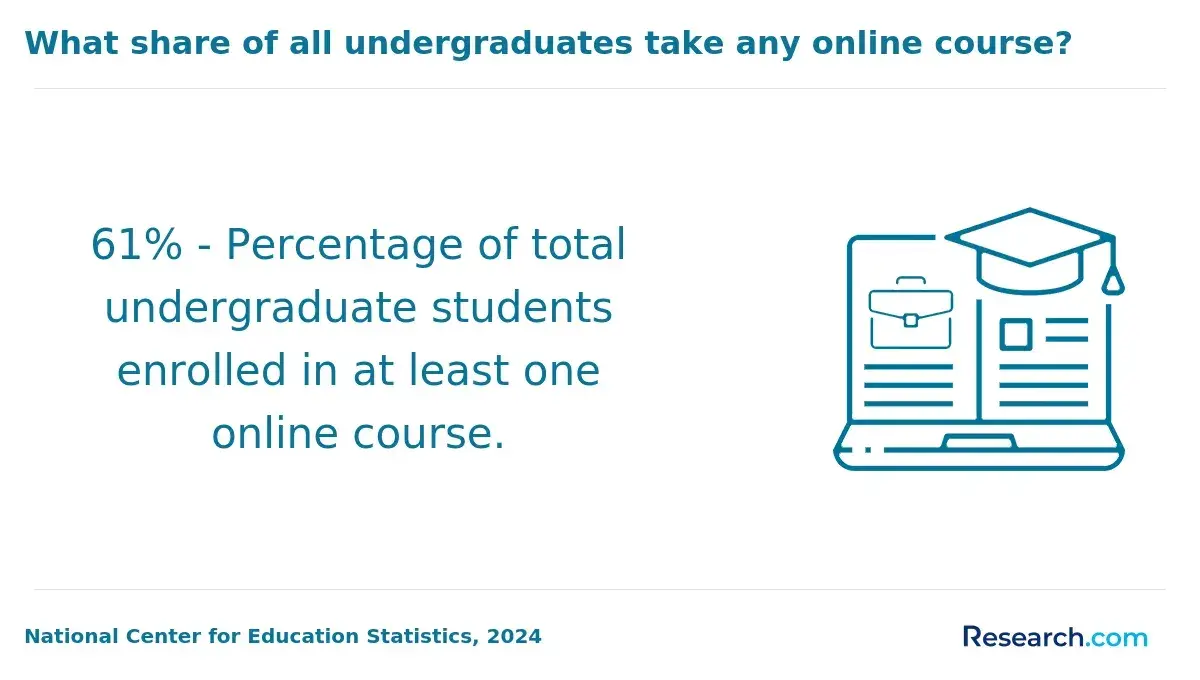
According to the National Center for Education Statistics, enrollment in online graduate engineering programs increased by nearly 15% in 2024. Advanced study helps graduates develop applied leadership skills and portfolio-ready projects aligned with these evolving priorities, supporting budget-conscious students seeking measurable ROI. This article examines hiring trends, industry demands, and program attributes to help readers assess if pursuing a master's degree in industrial engineering supports their professional trajectory, financial considerations, and targeted employment sector.
Key Things to Know About Industry Demand for Industrial Engineering Master's Graduates
- Specialized hiring for industrial engineering master's roles increasingly favors candidates skilled in data analytics and systems optimization, requiring learners to adapt curricula' focus to match evolving employer demands, which can narrow elective options.
- Employers prioritize advanced credentials aligned with sector-specific methodologies, meaning graduates must balance broad engineering skills with niche expertise to remain competitive amid automation-driven workforce restructuring.
- Rising adult enrollment in online industrial engineering master's programs, growing over 12% since 2022 per National Center for Education Statistics, highlights flexibility tradeoffs where program pacing affects workforce reentry timing and career mobility.
What is the Current Job Outlook for Industrial Engineering Master's Graduates?
The job outlook for industrial engineering master's graduates is shaped by a complex interplay of evolving employer demands, technological shifts, and sector-specific dynamics that influence how their advanced skills translate into practical roles and career trajectories. The nuanced factors below clarify the real-world conditions these graduates face as they navigate the labor market.
- Industry Concentration: Manufacturing, healthcare, and logistics remain primary sectors hiring industrial engineering master's degree holders due to ongoing needs for efficiency improvements and systems integration. Opportunities are often concentrated in organizations with complex supply chains or large-scale operations requiring process optimization expertise.
- Specialized Skillsets: Candidates with competencies in data analytics, automation, and Industry 4.0 technologies like artificial intelligence or digital twins have a competitive edge. Employers increasingly expect master's graduates to bridge traditional engineering knowledge with current digital transformation initiatives.
- Credential Complementarity: While a professional engineering license is less critical for industrial engineers, certifications in project management, Six Sigma, and Lean practices significantly enhance employability by signaling applied process improvement capabilities valued by hiring managers.
- Geographic and Remote Variability: Regions with dense manufacturing bases or robust healthcare infrastructures offer more abundant job openings. However, remote and hybrid work models are expanding, albeit unevenly, creating varied hiring patterns that depend on sector and company readiness to support flexible work arrangements.
- Career Mobility and Advancement: Holding a master's degree often positions candidates for leadership or strategic roles rather than entry-level technical positions, affecting starting salary benchmarks and long-term advancement potential. The degree's value largely depends on the graduate's ability to integrate emerging technologies with operational decision-making.
- Workforce Gaps: The evolving demands for expertise in automation and data-driven process improvements create pockets of workforce shortages, placing master's holders in higher demand within niche roles. Yet, stagnation in sectors experiencing automation-led contraction may limit opportunities for career changers lacking domain-specific experience.
For budget-conscious adult learners and career changers assessing employment trends for industrial engineering master's degree holders, it is critical to weigh how specific skill updates and regional industry health influence hiring prospects. Similarly, comparing the return on investment of an industrial engineering master's degree against other advanced pathways can sharpen decision-making about educational commitments aligned with workforce realities.
This includes an accelerated psychology bachelor's degree or equivalent credentials.
Which Industries Hire the Most Industrial Engineering Master's Graduates?
The demand for industrial engineering master's graduates aligns closely with industries where optimizing complex systems directly impacts operational success and compliance with evolving technical or regulatory standards. Hiring trends mirror nuanced workforce requirements that prioritize not just technical skills but also strategic adaptability to sectors facing distinct challenges in efficiency, safety, and innovation.
- Manufacturing: Employers in manufacturing emphasize advanced expertise in process optimization and supply chain strategy to remain competitive amid global shifts and automation. Master's-level graduates frequently lead digital innovation projects, applying lean and agile frameworks to improve flexibility and regulatory adherence in production environments.
- Healthcare: This sector values industrial engineering professionals for enhancing patient throughput, resource allocation, and safety within hospital systems and medical manufacturing. Graduate training in quantitative modeling and systems analytics supports critical decision-making in high-stakes, complex care delivery frameworks.
- Logistics and Transportation: The rise of e-commerce and demand for resilient supply chains heighten needs for graduates skilled in routing optimization and inventory strategies. Master's education typically deepens knowledge in stochastic modeling and predictive analytics, directly addressing these industries' operational volatility and cost-containment pressures.
- Consulting and Technology: These employers seek candidates with strong analytical and project management capabilities to guide process re-engineering and AI-driven operational solutions across diverse clients. The complexity of challenges requires professionals trained to balance technical rigor with practical, scalable interventions.
Hiring patterns across these industries reflect different emphases on experience and skill sets. Manufacturing and healthcare often require demonstrable, hands-on project experience alongside academic credentials, while consulting prioritizes analytical depth and communication.
For career changers and working professionals evaluating accredited, flexible, online industrial engineering master's programs, understanding how these sector-specific demands translate into curriculum focus and practical skill acquisition is critical to maximizing return on investment in education.
What are the Most Common Job Titles for Industrial Engineering Master's Degree Holders?
Common job titles for industrial engineering master's graduates reveal a layered employer approach to differentiating expertise, leadership, and industry focus. Hiring managers often use these titles not only to signal specific technical competencies but also to manage expectations around experience level, certification requirements, and cross-disciplinary skills.
For instance, entry-level roles typically emphasize foundational process improvements, while titles indicating managerial or advanced analytical responsibilities reflect expectations for strategic influence and broader operational oversight.
- Industrial Engineer: Often an entry point for master's holders, this role demands broad process optimization skills applicable across sectors. Employers expect a balance of technical acumen and adaptability, with career paths frequently leading toward specialization or project leadership.
- Process Improvement Engineer: Focused on targeted efficiency gains, this title tends to appear in manufacturing, healthcare, and logistics settings. Master's graduates here leverage data-driven methodologies such as Lean and Six Sigma, distinguishing themselves through measurable operational impact.
- Operations Research Analyst: Representing a research-intensive trajectory, these positions require proficiency in quantitative modeling and advanced analytics. Graduates with strong mathematical backgrounds often transition into these roles to influence decision-making at organizational and strategic levels.
- Quality Engineer: With a clear compliance and standards orientation, these roles call for statistical expertise and familiarity with regulatory environments. Industrial engineering graduates who pursue relevant certifications find pathways into quality assurance positions across manufacturing and service industries.
- Supply Chain Analyst or Engineer: These roles spotlight supply chain optimization, cost reduction, and timeline management. A growing emphasis on globalized logistics and retail supply chains has expanded demand for master's level candidates skilled in integrated systems and predictive analytics.
- Project Engineer or Project Manager: Combining technical and managerial skills, this job title signals readiness for leadership and coordination responsibilities. Experience coupled with credentials such as PMP often differentiates candidates prepared for overseeing complex engineering projects.
- Engineering Manager or Supervisor: Reserved for those with multiple years post-master's experience, these positions reflect a shift towards leadership, strategic planning, and team management. Employers expect a mix of interpersonal, operational, and financial oversight capabilities in these roles.
A recent graduate recounted navigating job listings during their industrial engineering master's program, initially focused on titles like "industrial engineer" and "quality engineer." They found overlap with roles labeled "process improvement engineer" and even "operations research analyst" in job postings, which required parsing subtle differences in employer expectations and credentials.
This exploration prompted a better understanding of how advanced analytical skills and certifications translated into varied titles, informing the graduate's strategy to target roles that aligned closely with their quantitative strengths and long-term interest in operational leadership rather than purely technical execution.
How Does Salary for Industrial Engineering Master's Graduates Compare to Other Advanced Degrees?
Salary comparisons for industrial engineering master's graduates reveal nuanced tradeoffs shaped by employer valuation of system optimization skills versus other graduate credentials. While compensation often trails behind fields like computer science or business administration, these professionals benefit from steady demand and versatile application across sectors, yielding stable salary progression rather than steep initial pay jumps.
- Industry Premium: Certain specialized fields, such as aerospace or pharmaceuticals, pay industrial engineering graduates a premium compared to traditional manufacturing, reflecting targeted expertise needs that few other advanced degrees fulfill.
- Role Specialization: Compared to MBAs who might ascend rapidly into high-level management roles, industrial engineering graduates often occupy technically focused or operational positions, which emphasize incremental salary growth tied to productivity improvements more than large bonus-driven payouts.
- Credential Signaling: Certifications like Six Sigma or PMP can substantially boost earning potential by validating applied skills, an advantage less common in some other technical master's pathways that rely more on academic prestige than practical certifications.
- Geographic Variation: Urban and high cost-of-living regions offer better pay but also come with higher expenses, demanding graduates weigh net ROI especially compared to degrees whose skills transfer more uniformly nationwide.
- Advancement Ceiling: Industrial engineering's salary trajectory is often steadier but may plateau earlier than fields with rapid tech disruption, favoring candidates prioritizing long-term employment stability over volatile spikes.
- Return-on-Investment Tradeoff: For career changers or budget-conscious learners, an industrial engineering master's balances moderate starting salaries with broad employer interest and flexible skill application, making it a pragmatic choice versus costlier or niche-focused programs.
This perspective reflects how salary progression and earning potential for industrial engineering master's degree holders versus other professional fields depend on aligning industry demand and hiring trends with individual career goals. Adult learners interested in affordable, flexible options can explore options like the cheapest EdD programs online to compare pathways but should consider how industrial engineering's balanced profile fits their priorities.
What Hiring Trends are Shaping Demand for Industrial Engineering Master's Talent?
Current hiring trends emphasize the value of industrial engineering master's graduates who deliver a robust mix of deep technical knowledge and cross-functional leadership. Employers increasingly assess candidates on their ability to navigate complex digital tools while driving collaboration across departments-a necessity as manufacturing and systems integration grow more interconnected.
For example, engineers who can lead automation projects while managing stakeholder expectations stand out in competitive talent pools.
- Technical Specialization: Mastery of Industry 4.0 technologies, including digital twins and advanced analytics, is crucial. Candidates who translate these competencies into optimized operational workflows tend to secure higher-level roles sooner.
- Leadership Preparedness: Employers expect industrial engineers to spearhead multi-disciplinary teams and manage agile projects. Practical experience with cross-functional leadership can significantly influence hiring decisions and early promotions.
- Regulatory Credentials: Familiarity with certifications like ISO and Six Sigma aligns candidates with stringent compliance environments, signaling readiness for regulated manufacturing or quality assurance positions.
- Applied Problem-Solving: Real-world exposure through internships or applied research in scenario analysis under uncertainty is highly valued. Employers prioritize these findings as indicators of immediate role fit.
- Communication and Influence: The ability to distill technical data for non-engineering stakeholders enhances impact and supports broader organizational goals, a key factor in career advancement.
These hiring dynamics reveal a labor market where industrial engineering master's graduates must blend technical depth with adaptive leadership and communication skills to remain competitive in roles that increasingly require both innovation and operational discipline.
What Skills and Specializations are Most in Demand for Industrial Engineering Master's Roles?
Employer demand for industrial engineering master's graduates centers on specialized technical expertise that enables focused, data-driven solutions to complex operational challenges. Hiring processes increasingly prioritize candidates who demonstrate mastery in precise analytical tools and methods applicable to manufacturing, logistics, healthcare, and service industries rather than general management proficiency.
For example, employers screening applicants for roles in supply chain analytics often require hands-on experience with advanced simulation software and optimization algorithms to forecast demand and reduce costs effectively.
- Advanced Data Analytics: Mastery of programming languages such as Python and R, coupled with proficiency in simulation tools like Arena or AnyLogic, allows graduates to build predictive models integral to strategic operations. This technical depth helps distinguish candidates who can navigate complex datasets to inform decision-making and risk assessments.
- Supply Chain Digitalization: Specialization in digital transformation and sustainability through tools like SAP SCM or Oracle SCM Cloud aligns with employer priorities in resilient, lean supply chains. Graduates with this skillset address evolving demands for eco-efficient logistics and global operations leadership.
- Quality Engineering & Six Sigma: Expertise in DMAIC methodology and certifications such as Lean Six Sigma Black Belt signal a candidate's capability to enforce rigorous quality control, reduce defects, and lead continuous improvement efforts. These competencies are critical in industries with tight regulatory and compliance requirements.
- Systems & Human Factors Engineering: Proficiency in system integration and ergonomics supports roles focused on smart manufacturing and workplace safety, particularly amid growing automation and IoT adoption. This specialization prepares graduates for emerging fields within Industry 4.0 and advanced manufacturing technologies.
Understanding the industry demand for industrial engineering master's specializations and skills in demand is essential for aligning educational choices with realistic career paths. Candidates weighing return on investment should seek programs that offer flexible schedules and practical training relevant to these applied competencies. The operational focus seen here contrasts with broader business degrees, underscoring the importance of targeted skill acquisition in job market positioning.
Interested learners can also explore related opportunities through online degrees with proven outcomes, such as the top master's in social work programs, which provide comparable flexibility and ROI for those considering adjacent career switches or interdisciplinary expertise.
How Do Employers Describe the Value of Industrial Engineering Master's Graduates?
Employers often frame the value of industrial engineering master's graduates around several distinct competencies that differentiate them from bachelor's-level peers, directly influencing hiring and advancement decisions. This advanced preparation signals readiness to handle complex challenges with both technical precision and strategic oversight in dynamic sectors such as manufacturing, healthcare logistics, and supply chain optimization.
- Technical Proficiency: Employers expect graduates to command specialized tools like process simulation software and advanced systems analytics. This expertise enables rapid identification and resolution of operational inefficiencies that lower-level candidates may struggle to address effectively.
- Applied Problem-Solving: Hands-on project experience embedded in master's programs reduces ramp-up time. Firms emphasize candidates' ability to translate theoretical models into actionable improvements, which aligns with urgent real-world demands for productivity and cost control.
- Leadership Readiness: Hiring managers prioritize graduates who can manage multidisciplinary teams and communicate insights clearly across organizational levels. Proven capacity to lead change initiatives positions these candidates for roles with broader managerial scope beyond purely technical functions.
- Credential Signaling: A master's degree acts as a filter in competitive screenings, particularly for roles involving higher complexity or responsibility. While some industries still value certifications, many view the degree as essential for succession pipelines and innovation-driven positions.
- Cross-Functional Communication: Effective collaboration with stakeholders in engineering, operations, and business ensures that technical solutions are both feasible and strategically aligned. Graduates adept at bridging these domains tend to receive stronger hiring interest.
One recent graduate recalled their interview experience during a winter hiring cycle for a midsize manufacturing firm. The interviewers quickly shifted focus from general qualifications to specific projects in supply chain simulation carried out during their master's capstone. The employer valued their ability to present nuanced results to non-technical managers, viewing this as a rare but necessary skill in cross-department teams.
While the candidate's prior bachelor's-level work was discussed, it was clear the team expected the master's training to close gaps in leadership and system-level problem-solving. The graduate noted how this nuanced distinction between foundational experience and advanced preparation shaped salary discussions and role expectations, underscoring the pragmatic impact of master's-level industrial engineering credentials in actual hiring decisions.
What ROI Do Industrial Engineering Master's Graduates Typically See from Their Degree Investment?
Return on investment (ROI) for industrial engineering master's graduates extends beyond initial salary increases to encompass a strategic balance of costs, employer expectations, and career mobility. Understanding this interplay helps working professionals and career changers navigate program selection and employment prospects with clearer financial and professional outcomes in mind.
- Tuition and Opportunity Cost: High tuition fees combined with time away from the workforce can delay ROI realization, especially when programs lack flexible options. Affordable online or part-time pathways enable students to maintain employment and mitigate income disruption, which is critical for budget-conscious learners.
- Promotion Access: Employers often view an advanced degree as evidence of technical expertise and leadership readiness, which can lead to faster progression into management or specialized roles rather than immediate pay hikes. This ongoing upward mobility frequently compounds ROI over time.
- Employer Tuition Support: Tuition reimbursement programs reduce net education expenses significantly, turning costly degrees into more worthwhile investments-particularly for those already employed in industries valuing industrial engineering expertise.
- Licensure and Certifications: Credentials tied to industrial engineering enhance professional credibility and broaden job opportunities. Programs integrating or preparing students for these certifications can materially improve ROI by aligning with employer hiring benchmarks.
- Job-Market Resilience: ROI is sensitive to local and sector-specific hiring trends. Industrial engineering graduates with skills in data analytics or systems optimization remain in steady demand across manufacturing, logistics, and technology, but geographic mobility and adaptability critically influence outcomes.
What Job Search and Hiring Strategies Work Best for Industrial Engineering Master's Candidates?
Industrial engineering master's candidates face a hiring market where employers prioritize concrete demonstrations of how advanced training translates to improved systems and operational efficiency. Generalist applications often get filtered out early by applicant tracking systems or recruiter screens, making a focused job search strategy critical.
Candidates who effectively align their credentials and project experience with the precise language and expectations of roles in areas like supply chain optimization or human factors engineering gain a measurable advantage in competitive pools.
- Credential Positioning: Highlight applied projects and methodologies that provide practical problem-solving evidence rather than relying solely on coursework or GPA. Employers look for mastery of tools that directly impact productivity and quality control.
- Targeted Employer Research: Focus on organizations with specific industrial engineering needs, such as manufacturers scaling operations or healthcare systems optimizing workflows, rather than broad engineering roles. This increases relevance and decreases wasted applications.
- Portfolio Development: Provide portfolios or case studies showcasing successful project outcomes, bridging theoretical knowledge and real-world challenges. This can differentiate candidates in screening by substantiating claims beyond the résumé.
- Interview Preparation: Prepare for scenario-based questions involving systems analysis and process improvements, emphasizing how advanced studies fuel problem-solving. Demonstrating readiness here counters the generalized narratives many candidates present.
- Timing Alignments: Apply in sync with industry hiring cycles, often tied to fiscal quarters or project launches, maximizing recruiter receptivity during active hiring phases.
Networking remains integral within industrial engineering master's job search strategies, especially through industry groups or alumni who can provide insider access to unadvertised positions. Practically, candidates should seek flexible and affordable program options that support ongoing employment while they build strategic leveraging resources like a non-profit online university can offer that balance without sacrificing credential quality.
How Will Future Trends Like AI And Automation Affect Hiring for Industrial Engineering Master's Graduates?
The integration of artificial intelligence (AI) and automation is reshaping hiring demand for industrial engineering master's graduates by shifting role expectations rather than simply replacing positions. Employers are prioritizing candidates who couple technical fluency with strategic judgment, enabling them to oversee AI-enhanced workflows and lead complex, technology-driven projects.
For example, an industrial engineer managing a manufacturing line may now need to coordinate AI predictive maintenance schedules while ensuring compliance with evolving ethical standards, reflecting a role that blends technical oversight with regulatory insight.
- Advanced Skill Requirements: Mastery of AI-driven analytics, machine learning basics, and automation integration has become essential, reflecting employers' need for engineers who can interpret and optimize data-intensive systems.
- Automation-Resistant Tasks: Employers place value on responsibilities requiring nuanced human judgment, such as interpreting algorithmic outputs and making decisions in ambiguous contexts that AI cannot fully resolve.
- Cross-Functional Collaboration: Industrial engineers increasingly work alongside software developers, data scientists, and robotics experts, emphasizing communication and leadership skills within interdisciplinary teams.
- Ethical Oversight: Graduates must address issues like bias mitigation and responsible data use in AI deployment, as businesses face growing scrutiny on social responsibility and compliance.
- Continuous Learning: A mindset geared toward ongoing skill development is critical, given rapid technological advances and the evolving nature of digital workflows in industrial contexts.
These trends illustrate the emerging skill requirements for industrial engineering master's graduates in AI-driven industries, where adaptability and multi-dimensional expertise influence hiring and long-term career resilience. For professionals seeking to enhance their qualifications amid this landscape, considering complementary credentials such as a cybersecurity course online can provide valuable skills relevant to safeguarding automated systems and data integrity.
What Do Graduates Say About Industry Demand for Industrial Engineering Master's Graduates?
- Finley: "Balancing a full-time job with the master's program was challenging, but I chose industrial engineering because of its broad application across sectors. The workload was intense, and allocating time for internships felt impossible at times. However, focusing on project-based assignments allowed me to build a portfolio that ultimately helped me secure a position where employers valued hands-on skills more than licensure."
- Colby: "After considering the financial strain of returning to school, I opted for a part-time industrial engineering master's program to manage costs and keep earning. I decided to pursue certifications alongside my degree because many companies prioritized that over academic credentials alone. Though it delayed my entry into a leadership role, the flexibility gave me access to remote internships that expanded my practical experience significantly."
- River: "Switching careers meant I had to quickly decide how best to make myself competitive in the industrial engineering field. Despite the program's rigor, I embraced the challenge because I knew experience was king. While some employers still sought licensure, I found that emphasizing my internship outcomes and problem-solving portfolio was key to landing a core engineering analyst role, though upward mobility without further certification remains limited."
Other Things You Should Know About Industrial Engineering Degrees
In 2026, regional industry demand significantly influences job prospects for industrial engineering master's graduates. Areas with robust manufacturing or logistics sectors may offer more opportunities, while regions with less industrial activity might present challenges, emphasizing the need for graduates to be open to relocation for optimal employment.
Working professionals and career changers often benefit from flexible, part-time, or online master's programs because these allow continuation of income and work experience accumulation during study. However, extended program durations may delay access to higher salary brackets and promotions. Students must balance immediate income needs against long-term benefits, recognizing that some employers may value intensive, full-time programs more highly due to perceived rigor and networking opportunities. Prioritizing flexibility is advisable if job security or employer sponsorship is limited, but the tradeoff includes longer time to career advancement.
Industrial engineering job demand varies significantly by geography, with stronger markets in manufacturing hubs, logistics centers, and tech corridors. Graduates unable or unwilling to relocate may find fewer opportunities or lower growth potential locally. This geographic factor should influence program selection-securing internships, co-ops, or alumni networks linked to high-demand regions increases practical hiring chances. Prospective students must realistically assess their willingness to move or settle for narrower local markets, which may affect salary growth and career trajectory.
While a master's degree in industrial engineering establishes foundational expertise, certain certifications like Six Sigma, Lean Manufacturing, or PMP are frequently requested by employers and can differentiate candidates in competitive hiring pools. Incorporating such certifications during or immediately after the degree can accelerate career progression and expand job options. Students should evaluate program structures that offer integrated certification paths or allocate time for certifications post-graduation to maximize return on investment and align with employer expectations for continuous, practical skill development.
References
- The Master's Degree ROI Problem - Which Programs Actually Pay Off? https://www.campusroi.com/blog/masters-degree-roi/
- Top 10 Industrial Engineering Masters | NEWENGINEER https://newengineer.com/advice/top-10-industrial-engineering-masters-1152451
- Mid-Year Review 2024: Best Practices for Streamlining the Industrial Engineering Hiring Process https://www.vbeyond.com/blog/mid-year-review-2024-best-practices-for-streamlining-the-industrial-engineering-hiring-process/
- Rethinking recruitment for graduate engineering programs https://eab.com/resources/blog/adult-education-blog/rethinking-recruitment-for-graduate-engineering-programs/
- Graduates pivot careers due to AI and job automation https://ise.org.uk/knowledge/insights/431/graduates_pivot_careers_due_to_ai_and_job_automation/
- The Staffing of Engineering Jobs Requires a Renaissance https://www.manpowergroup.com/en/insights/blogs/the-staffing-of-engineering-jobs-requires-a-renaissance
- Industrial Hiring Trends in 2026 | Manufacturing & Engineering Report https://hirebuz.com/insights/industrial-hiring-trends-2026
- Job Search Strategies for Engineering Graduates https://www.engineeringtutoring.co.uk/job-opportunities-job-search-strategies-for-engineering-graduates
- Is College Worth it? | Return on Investment Analysis of College Degree https://educationdata.org/college-degree-roi
- Hiring Strategies for Engineering Roles in Demand for 2026 https://taggd.in/blogs/hiring-strategies-for-engineering-roles-in-demand/