2026 Capstone vs Thesis Requirements for Industrial Engineering Master's Programs

Co-Founder and Chief Data Scientist
The decision between capstone and thesis requirements critically shapes graduate experiences for industrial engineering master's candidates balancing professional and academic demands. Capstone projects often emphasize applied use of software like Arena or Simio, requiring intensive short-term teamwork and final presentations aligned with industry project-delivery cycles. Thesis paths demand mastery of research frameworks, longitudinal data analysis using tools like R or MATLAB, and navigation of thesis committees, introducing extended timelines and rigorous defense processes. With the 2024 National Center for Education Statistics noting a 12% rise in adult enrollment in graduate STEM programs, accessibility and timing remain paramount. This article clarifies how these formats influence workload, skill development, and career trajectories to aid choosing the best fit.
Key Things to Know About Capstone vs Thesis Requirements for Industrial Engineering Master's Programs
- Thesis requirements demand deep research rigor, often extending time-to-degree by a semester or more, challenging working professionals balancing job demands alongside intensive data analysis and modeling in industrial engineering.
- Capstone projects emphasize applied skills aligned with current industry needs, making graduates more immediately employable in operational roles but potentially limiting opportunities in research-driven career tracks.
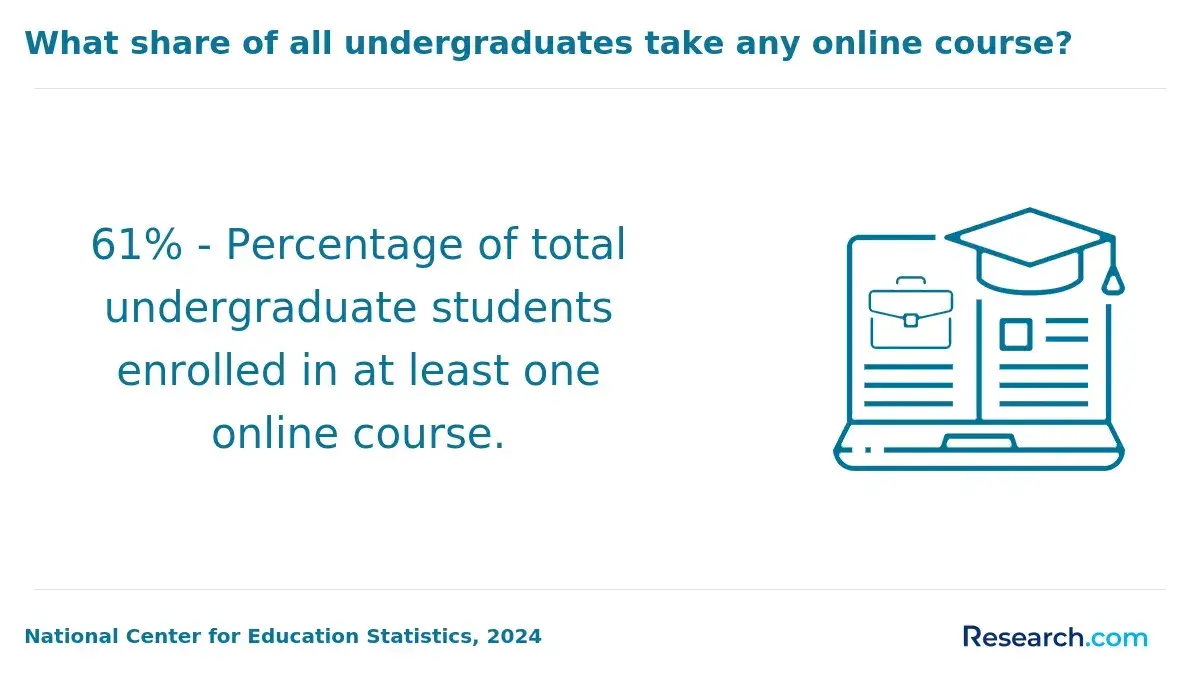
- According to the National Center for Education Statistics, increased online access has expanded enrollment of adult learners in industrial engineering, favoring capstone options that offer flexible, project-based timelines over fixed thesis milestones.
What Is a Capstone Project in a Industrial Engineering Master's Program?
A capstone project in an industrial engineering master's program functions as a practical demonstration of a student's ability to integrate theoretical principles with real-world problem solving. Unlike a thesis, which centers on original research and theoretical contributions, the capstone requires applying engineering concepts to tangible challenges frequently supplied by industrial partners or through simulated operational settings. This creates a focused opportunity for students to develop solutions that align closely with employer expectations in sectors reliant on systems optimization and process improvement.
- Professional Alignment: Capstone projects are designed to mirror the complexity of industrial engineering roles in consultancy, manufacturing, or logistics, requiring students to deliver actionable outcomes rather than purely academic analysis. This emphasis addresses the skills gap many employers cite, favoring graduates who can move swiftly from problem identification to implemented solutions.
- Structured Workflow: The capstone typically follows a defined timeline with milestones that integrate project management, teamwork, and communication tasks-reflecting how cross-functional teams operate in industry. This contrasts with the often open-ended research process of a thesis, making capstones more predictable for students balancing career and study.
- Curriculum Flexibility: Industrial engineering programs use capstones to offer alternative pathways to degree completion that are more compatible with working professionals or career changers. Capstones reduce the unpredictability inherent in thesis research, helping students manage time-to-degree effectively while still engaging in rigorous problem-solving.
- Career Impact: The nature of capstone deliverables-a prototype tool, redesigned workflow, or decision-support model-provides concrete portfolio assets valued by hiring managers. Graduates who complete capstone projects are often better prepared for operational or project-focused roles, whereas thesis completers may gravitate toward research-intensive or academic career tracks.
For example, a student might collaborate with a manufacturing firm to improve supply chain logistics through a capstone project, producing a data-driven decision tool as the final deliverable. This product delivers immediate value to the partner company and serves as a credible demonstration of applied expertise to future employers, illustrating the practical nature of capstone requirements in industrial engineering master's programs.
Those evaluating industrial engineering pathways should weigh these distinctions carefully, especially if they are working professionals seeking a faster yet skills-relevant degree completion. While a thesis might open doors to doctoral study or R&D positions, capstone projects remain the preferred choice for students targeting hands-on engineering roles with strategic operational impact.
Individuals interested in healthcare applications might also explore specialized graduate training options like a master's in speech pathology online, where applied capstone versus thesis tradeoffs present different considerations based on the field's clinical or research focus.
What Is a Master's Thesis in Industrial Engineering Programs?
A master's thesis in industrial engineering programs represents a rigorous scholarly endeavor aimed at developing advanced analytical skills and original research competence rather than simple project completion. For working professionals and career-changers, this requirement demands substantial self-direction and long-term investment, often stretching over multiple semesters-factors that heavily influence program selection and workload management.
- Purpose and Focus: A thesis centers on formulating a specific research question addressing systems optimization, manufacturing efficiency, or supply chain challenges, requiring students to engage deeply with complex, discipline-specific problems beyond routine coursework.
- Faculty Mentorship: Close collaboration with faculty advisors skilled in industrial engineering methods ensures research design rigor and the use of appropriate quantitative tools such as simulation modeling or lean process analysis, which adds a layer of academic and practical validation absent in capstone projects.
- Evaluation Process: The multi-stage assessment-proposal defense, progress checkpoints, and final oral defense-provides iterative feedback to refine technical accuracy and communication skills, enhancing candidates' readiness for research roles or doctoral pursuits.
- Workload and Time Commitment: Compared to capstones, theses generally require a higher time investment and self-motivation, creating a potential tradeoff for students balancing professional responsibilities and degree completion timelines.
- Employability Impact: Employers in sectors valuing innovation and complex system analysis often regard a completed thesis as evidence of advanced problem-solving capability, differentiating graduates in competitive job markets, particularly for research-oriented or leadership roles.

When Should You Choose a Capstone Over a Thesis in a Industrial Engineering Master's Program?
Choosing a capstone over a thesis is often the smarter choice for industrial engineering master's students prioritizing pragmatic skill application and expedited degree completion. Unlike a thesis, which demands original research under close faculty supervision, the capstone centers on solving real-world problems within fixed timelines, frequently supported by industry collaborations. This practical orientation suits students balancing work, study, and personal commitments while seeking credentials that directly align with operational roles in manufacturing, supply chain, or quality assurance.
- Time Efficiency: Capstones typically require less time than theses, helping students avoid the extended research cycles that can delay graduation. This translates into reduced opportunity costs and faster workforce re-entry, critical for professionals aiming to leverage advanced skills without prolonged academic detours.
- Industry Relevance: Projects often involve direct input from employers or industry partners, ensuring outcomes address current operational challenges. This enhances networking opportunities and delivers experience valued by hiring managers emphasizing measurable improvements over theoretical contributions.
- Focused Outcomes: The capstone's structured deliverables emphasize applied problem-solving and project management, which aligns with roles centered on process optimization rather than academic innovation or research development.
- Workload Balance: Compared to thesis demands, capstones offer more predictable schedules and clearer milestones. This supports working professionals managing employment and study concurrently, minimizing disruptions caused by evolving research questions or experimental setbacks.
A graduate recalled facing the choice during their final semester while employed full-time in logistics. Though initially drawn to research, the immediate need to demonstrate practical competencies led them to a capstone project with their employer's operations team. This partnership provided resources but limited scope for exploratory study, requiring a focus on tangible process improvements over academic novelty. The capstone path allowed timely completion without compromising job responsibilities, a tradeoff they accepted as necessary given their career stage and workload.
When Is a Thesis the Better Option for Industrial Engineering Students?
Selecting a thesis over a capstone in industrial engineering master's programs represents a deliberate commitment to research depth and long-term academic preparation rather than immediate applied output. Thesis tracks persist in programs emphasizing analytical rigor and original contributions, equipping students with competencies beyond typical project execution skills. This path is distinctly advantageous for those aiming to engage in graduate research or specialized roles where research credibility and methodical expertise are crucial.
- Research Readiness: A thesis demands original inquiry involving hypothesis formulation, extensive literature review, and advanced methodology. This process hones skills vital for doctoral studies and research-intensive careers, providing a substantial portfolio that distinguishes graduates in fields valuing sustained innovation and publication record.
- Faculty Mentorship: Access to faculty with active research agendas is integral to thesis success. These mentors not only guide technical quality but also facilitate professional networks and alignment with current industry or academic questions, thereby increasing employability in R&D settings.
- Program Fit: Industrial engineering programs maintaining thesis options often embed research intensity in their curriculum, targeting candidates who plan to specialize deeply rather than prioritize expedited degree completion commonly sought by working professionals.
- Career Trajectories: For students targeting PhD admission or roles in sectors like government laboratories or advanced product development, a thesis signals expertise in continuous improvement and analytics. This contrasts with capstone projects that typically emphasize practical problem-solving skills more suitable for immediate industry application.
- Time Commitment Tradeoff: Unlike capstones, theses require substantial time and sustained effort, which may conflict with full-time work schedules. Students must weigh these demands against the long-term advantage in academic or research-oriented industrial engineering careers.
Industrial engineering students balancing career change or job demands may also explore options such as a cheapest online cyber security degree to diversify their credentials alongside technical expertise cultivated in thesis work.
How Do Time, Workload, and Stress Compare Between Capstone And Thesis in a Industrial Engineering Master's Program?
Choosing between thesis and capstone options in industrial engineering master's programs carries significant implications for time management, workload distribution, and stress sources. These factors play a crucial role in how students, especially working professionals, balance academic demands with career responsibilities.
- Time Commitment: Thesis tracks require prolonged engagement, often spanning multiple semesters to accommodate in-depth research, iterative data analysis, and repeated faculty feedback. This extended timeline can clash with full-time employment schedules, especially when unpredictable fieldwork or advisor availability causes delays. Capstone projects typically fit into a single term with structured deadlines, offering clearer pacing that benefits those needing fixed milestones.
- Workload Intensity: Thesis work demands deep, independent investigation involving comprehensive literature reviews, hypothesis validation, and experimental or modeling tasks. The unpredictability of research challenges can cause spikes in effort. In contrast, capstones prioritize collaboration on applied problems, distributing tasks among team members and requiring additional project management and coordination, which shifts workload dynamics from purely technical to broadly organizational.
- Stress Factors: Thesis students often face stress linked to academic rigor, including pressure to produce publishable-quality results and navigate extended revision cycles under advisor scrutiny. Capstone participants, while encountering less academic depth, may experience stress from fixed, tight deadlines and the need to satisfy external stakeholders or clients, introducing real-world accountability pressures distinct from traditional academic challenges.
- Decision Tradeoffs: Selecting a thesis may suit those targeting research-oriented roles or doctoral pathways but demands flexible scheduling and tolerance for uncertainty in timelines. Capstones align better with professionals seeking practical experience and teamwork skills, offering a more predictable workload that fits alongside jobs but requires balancing group dynamics and external expectations.
How Do Capstone and Thesis Choices Affect Career Outcomes in a Industrial Engineering Master's Program?
The choice between completing a capstone project or a thesis in industrial engineering master's programs directly shapes graduate employability and professional positioning. Hiring managers interpret these experiences as distinct signals about a candidate's readiness for applied roles versus research-focused positions. This decision influences how students should communicate their expertise and align their profiles with sector expectations.
- Industry Alignment: Capstone projects demonstrate practical problem-solving and teamwork with industry partners, making graduates attractive for roles emphasizing systems integration and operational efficiency. This pathway fits candidates aiming for immediate impact in manufacturing, logistics, or service operations where applied skills are paramount.
- Research Signaling: A thesis reflects depth in research, methodological rigor, and theoretical exploration, which doctoral programs and R&D departments prioritize. Candidates with a thesis can better position themselves for advanced analytics, academic careers, or specialized consultancy roles requiring analytical sophistication.
- Time and Commitment Tradeoff: Capstones typically require less time, suiting working professionals or career changers eager to reenter or advance within the workforce quickly. In contrast, theses demand sustained focus that may delay job market entry but yield stronger scholarly credentials and publishable work.
- Employer Perceptions: Many employers in applied fields prioritize tangible portfolios over theoretical knowledge, viewing capstone graduates as ready to address real-world engineering challenges. Conversely, organizations with research mandates may see theses as proof of critical inquiry skills and subject-matter expertise.
For students pursuing master's programs in industrial engineering, the choice between capstone and thesis significantly influences career trajectories. Capstone projects tend to emphasize applied workplace evidence, allowing students to develop tangible portfolios that demonstrate problem-solving abilities and practical skills highly valued by employers in industry and practice-focused organizations. This hands-on experience can enhance interview relevance by providing concrete examples of managing real-world engineering challenges, which often resonate more effectively during job assessments.
Those interested in exploring options beyond industrial engineering master's programs should consider resources like the best AACSB online MBA programs, which may complement technical expertise with managerial skills.
How Do Research-Based and Applied Learning Differ in a Industrial Engineering Master's Program?
The choice between research-based and applied learning in industrial engineering master's programs signals a fundamental divergence in skill development and career trajectory. Opting for a thesis often aligns with careers demanding deep analytical rigor and original academic contributions, whereas capstone projects cater to immediate, pragmatic industry needs. This division is more than academic-it actively shapes how students allocate time, engage with faculty, and present their competence to employers.
- Skill Focus: Thesis students delve deeply into theoretical frameworks and data analysis, developing competencies in hypothesis testing and methodological precision. Capstone participants prioritize hands-on problem solving, system optimization, and delivering actionable outcomes tailored to specific organizational contexts.
- Faculty Expectations: Research work prompts faculty to evaluate originality, scholarly merit, and detailed knowledge advancement, demanding close mentoring and iterative feedback on conceptual soundness. In contrast, capstone projects are judged on practicality, usability, and professional polish, often reflecting client-style interactions and deliverable standards.
- Time Commitment: Completing a thesis typically requires sustained focus over multiple semesters involving extensive literature review and experimentation. Capstone work usually fits tighter schedules, promoting agile development cycles and iterative design suited to working professionals balancing commitments.
- Career Pathways: A thesis often serves as a stepping stone for doctoral programs or innovation-driven R&D roles requiring mastery of research methods. Capstones better prepare students for roles in consultancy, operations management, or engineering implementation where applied skills command higher immediate value.
- Evidence Presentation: Thesis outcomes culminate in comprehensive scholarly reports that inform future academic inquiries. Capstone deliverables take the form of prototypes, process models, or implemented solutions that demonstrate direct impact and client readiness.
A recent graduate recounted debating the thesis versus capstone routes during their spring semester. Initially drawn to the thesis for its academic depth, they encountered unexpected delays securing proprietary data essential for their experiment. Faculty supervision was rigorous but limited due to the advisor's competing research commitments. Conversely, the capstone option offered a structured team environment with industry partners providing real data and immediate project goals, albeit with tighter deadlines. Balancing these factors, the graduate chose the capstone, appreciating the clear milestones and professional collaboration that eased juggling part-time work. They later noted that while the thesis might have bolstered their research credentials, the applied experience accelerated their hiring into a manufacturing process engineering role, confirming the tradeoff between depth and practical readiness in industrial engineering master's pathways.
How Does Advising and Mentorship Differ in a Industrial Engineering Master's Program?
Advising and mentorship in industrial engineering master's programs represent fundamentally different frameworks that shape student experience and professional readiness. Choosing between a thesis and a capstone project effectively means deciding on guidance models that influence autonomy, stakeholder engagement, and the nature of academic challenges faced.
- Faculty Involvement: Thesis advising involves intensive, ongoing faculty supervision focused on research rigor and methodological precision. This model expects students to independently navigate theoretical complexities under tightly structured academic oversight.
- Mentor Diversity: Capstone mentorship often engages multiple mentors, including faculty and industry practitioners, promoting diverse perspectives and practical problem-solving aligned with real-world constraints and client priorities.
- Project Focus: Thesis advising prioritizes scholarly contribution and theoretical innovation, demanding iterative research refinement. Capstone mentorship centers on applied deliverables and meeting milestone-based expectations linked to organizational challenges.
- Decision-Making Dynamics: Thesis students assume primary control over research direction guided by academic standards, while capstone students balance input from various stakeholders, reflecting the collaborative nature of industrial engineering in professional settings.
For example, a student pursuing a thesis might spend months developing a novel optimization algorithm under direct advisor feedback, positioning themselves for research-intensive roles or doctoral studies. In contrast, capstone students may coordinate with manufacturing partners to streamline processes, requiring adaptability and client communication skills highly valued in industry. Understanding these advising distinctions is essential as they directly affect workload distribution, professional skill development, and alignment with specific career trajectories within industrial engineering.
What Are the Typical Structures and Deliverables in a Industrial Engineering Master's Program?
Choosing between thesis and capstone pathways in industrial engineering master's programs involves assessing distinct structural and deliverable demands that shape career preparation and workload management. Unlike capstones that emphasize actionable solutions within tight industry timelines, thesis projects demand extended research investment and academic rigor, which affects how students allocate effort and develop expertise aligned with their professional goals. For example, a working professional targeting rapid skill application may find capstone requirements more feasible, while one aiming for a research-intensive career or doctoral admission must consider thesis commitments carefully.
Typical structures and deliverables differ notably:
- Research Depth: Thesis programs engage students in original research requiring comprehensive literature reviews, data collection, and analysis, culminating in a detailed written document that contributes novel insights to the field.
- Practical Application: Capstone projects focus on solving real-world industrial challenges, often involving collaboration with faculty and industry partners, yielding practical reports or presentations with implementable recommendations within a single semester timeframe.
- Evaluation Process: Thesis candidates defend their work before a faculty committee, enforcing rigorous scrutiny and preparing them for research roles, whereas capstone assessments emphasize project management and applied skills with more streamlined review procedures.
- Time Commitment: Theses span multiple semesters to accommodate deep analysis and writing, contrasting with capstones' concise semester-long schedules that align with working professionals' time constraints.
These distinctions illuminate how industrial engineering master's capstone project requirements align with immediate industry relevance, while thesis versus capstone format in industrial engineering programs delineates pathways based on research versus application priorities. Prospective students should weigh these tradeoffs along with time availability and career objectives.
Moreover, for those considering career changes or growth within sectors like healthcare where roles such as a speech language pathologist salary reflect demand, understanding program outcomes linked to capstone or thesis choices can sharpen strategic decision-making regarding graduate study focus and long-term employability.
How Flexible Are Program Policies in a Industrial Engineering Master's Program?
Program policy flexibility decisively shapes graduate student choices between capstone and thesis tracks in industrial engineering master's programs, influencing workload, timelines, and career alignment. For example, a working professional pursuing a capstone may benefit from project substitutions aligned with immediate job needs, whereas a researcher-bound student might face rigid thesis deadlines designed to meet faculty and committee review standards. Understanding these institutional tradeoffs is crucial for tailoring degree pathways to individual circumstances.
- Policy Variation: Flexibility differs widely depending on institutional emphasis. Research-focused programs tend to impose strict thesis proposal deadlines and defense criteria to safeguard scholarly rigor, while professionally oriented curricula often permit more adaptable capstone options linked to real-world projects.
- Track Switching: Some programs allow early changes between thesis and capstone tracks, providing leeway for students adjusting career goals; others enforce lock-in after course registration, limiting flexibility and potentially extending completion time.
- Approval and Defense: Thesis projects generally require rigorous committee approvals and defense, reflecting their research intensity, whereas capstones usually have streamlined review processes that accommodate applied, often team-based formats.
- Part-Time and Working Students: Programs designed for adult learners may extend deadlines or offer customized scopes to address scheduling constraints, especially valuable for those pursuing doctoral programs online no dissertation, where flexibility in culminating projects becomes pivotal.
These nuanced policies directly impact planning for those balancing career pivots or workforce demands, making it essential to evaluate program rules against personal timelines and professional aspirations.
Flexible capstone and thesis requirements in industrial engineering master's programs significantly affect a student's ability to tailor their culminating experience, reinforcing the importance of policy clarity before enrollment.
Policy flexibility for industrial engineering graduate culminating projects often reflects institutional priorities, faculty availability, and workforce integration needs rather than arbitrary accommodations.
What Do Industrial Engineering Master's Graduates Say About Their Capstone Vs Thesis Experiences?
- Finley: "Balancing a full-time job while completing my industrial engineering thesis was undoubtedly a time crunch. I chose a project focused on optimizing supply chain workflows because I knew it would align with the internship opportunities I aimed to secure. Ultimately, the thesis helped me build a portfolio that stood out during interviews, even though I felt employers still weighed practical internship experience heavier than academic credentials."
- Colby: "After shifting careers into industrial engineering, I faced the challenge of limited budget and time for certifications. Opting for a capstone project related to manufacturing process improvement was a strategic choice to quickly showcase relevant skills. While it didn't guarantee a high-paying role immediately, the project did open doors to remote consulting gigs where I could continue building experience without the need for immediate licensure."
- River: "My master's thesis in industrial engineering required juggling heavy coursework and research deadlines, which was tough alongside family obligations. I decided on a topic that allowed collaboration with a local company, hoping to boost my job prospects. Although the thesis deepened my technical abilities, I realized companies often prioritized candidates with internships, so I proactively sought summer positions to complement my academic work for better advancement opportunities."
Other Things You Should Know About Industrial Engineering Degrees
Choosing a thesis often leads to deeper engagement with faculty and specialized researchers, which can connect you to academic and industry networks focused on innovation and research. In contrast, a capstone project typically involves collaboration with industry partners or companies, offering more direct exposure to workplace contacts and practical problem-solving contexts. For students prioritizing immediate industry connections and applied skills, a capstone may provide networking advantages aligned with hiring managers' expectations in manufacturing or systems optimization roles. Conversely, a thesis might better serve those aiming for research-heavy positions or pursuing doctoral studies.
Capstone projects usually have a defined timeframe with structured milestones that align with coursework, making it relatively easier to plan around job obligations. Thesis work, however, demands ongoing independent research often without fixed deadlines beyond the defense, requiring significant time management and sustained effort over months or years. For working professionals seeking predictable pacing and clearer interim goals, the capstone generally imposes fewer risks of unexpected time overruns or burnout. Those comfortable with self-directed schedules and longer-term commitments may find thesis projects compatible but should prepare for intensive research periods.
Employers favoring immediate application of skills often view capstone projects as strong evidence of a graduate's ability to deliver tangible solutions to real-world problems, reflecting high readiness for operational roles. Thesis work, while respected for its demonstration of analytical rigor and deep subject knowledge, may be seen as less directly connected to practical industry challenges unless the research topic has obvious commercial relevance. Therefore, candidates targeting roles in process improvement, supply chain management, or technical operations may benefit more from a capstone portfolio, while those interested in R&D or consulting might leverage the thesis to stand out.
Employers in industrial engineering often perceive capstone projects as more directly applicable to real-world problems, valuing the practical experience they provide. While a thesis may demonstrate deep theoretical understanding and research skills, capstones are favored for their focus on hands-on, solution-oriented skills.
References
- 7 Reasons Why You Should Study Industrial Engineering at ITS - Departemen Teknik Sistem dan Industri https://www.its.ac.id/tindustri/en/7-reasons-why-you-should-study-industrial-engineering-at-its/
- Capstone Project vs Thesis in University: Key Differences Explained https://www.quetext.com/blog/capstone-project-vs-thesis
- Research Based Learning: a Lifelong Learning Necessity - Solution Tree Blog https://www.solutiontree.com/blog/research-based-learning-a-lifelong-learning-necessity/
- Capstone Options in Master's in Communication Programs (Thesis vs Project) https://www.mastersincommunications.com/features/guide-to-graduate-communication-capstone-options
- Mentors, Coaches, and Trusted Advisors: What’s the difference? - Your CEO Mentor https://yourceomentor.com/mentor-coach-advisor/
- Work Breakdown Structure in Project Management: Short Guide https://productive.io/blog/work-breakdown-structure-in-project-management/
- DSpace https://uzspace.unizulu.ac.za/bitstreams/0f4cb128-9ffe-4aa3-9ac3-2d0e474f86a1/download
- Project Deliverables: Your Guide to Successful Project Outcomes - SixSigma.us https://www.6sigma.us/project-management/project-deliverables/
- Industrial Engineering Master's Program (with Thesis) | Eastern Mediterranean University Cyprus https://www.emu.edu.tr/en/programs/industrial-engineering-masters-program-with-thesis/1090
- Capstone vs Thesis – A Complete Guide for Undergraduate and Graduate Students https://www.affordable-dissertation.co.uk/blog/2025/08/05/capstone-vs-thesis/