2026 Top Universities Offering Online Industrial Engineering Master's Degrees

Co-Founder and Chief Data Scientist
Employers in manufacturing and service sectors increasingly expect advanced industrial engineering graduates to bring specialized skills that align with evolving operational demands, including data analytics, systems optimization, and sustainable practices. Online master's programs differ significantly in how they integrate these competencies through curriculum design, faculty expertise, and practicum opportunities.
Accreditation status and alignment with current certification standards also impact graduate credibility and workforce readiness. Moreover, scheduling models and support for employed students vary, influencing program accessibility and long-term career outcomes.
This comparison highlights top universities offering online industrial engineering master's degrees by their distinct academic frameworks and professional relevance rather than institutional prestige.
Key Benefits of Top Universities Offering Online Industrial Engineering Master's Degrees
- Online industrial engineering programs often emphasize simulation and optimization tools, requiring significant self-directed effort; this tradeoff may challenge students lacking strong independent learning skills, affecting completion rates.
- A 2024 study shows 62% of employers prefer graduates from accredited online programs, indicating program accreditation directly influences employability and industry credibility in industrial engineering roles.
- Flexible pacing in online industrial engineering degrees reduces geographic barriers but can extend time-to-degree by 25% on average, impacting cost and workforce reentry timing for midcareer professionals.
Which Universities Offer the Best Online Industrial Engineering Master's Degrees?
Universities delivering the best online industrial engineering master's programs tend to demonstrate a strong alignment between academic depth and practical application.
These institutions typically feature faculty with significant industry experience coupled with active research profiles, which enriches course content, particularly in areas like systems optimization, supply chain analytics, and human factors.
Curriculum design in leading programs balances foundational industrial engineering theory with specialized electives and integrates applied learning components such as virtual labs or project-based assignments.
This structure supports both mastery of core competencies and exposure to emerging technologies, creating a comprehensive educational experience that suits professionals seeking technical rigor and relevance.
These institutional qualities directly influence graduate outcomes, especially concerning employability and skill readiness.
Programs emphasizing ABET accreditation and career-aligned coursework produce students who demonstrate stronger preparation for certification and immediate workplace challenges, contributing to enhanced job placement rates within six months post-graduation, according to recent Department of Education data.
However, candidates must weigh this rigor against workload and pacing, as programs with deeper specialization and extensive experiential components can demand significant time investment, which may affect those balancing full-time jobs.
Those evaluating the best universities for online industrial engineering master's degrees often prioritize how well a program's structure aligns with their professional goals and existing commitments.
Tradeoffs between flexibility and academic intensity often arise in program selection, as more accessible asynchronous formats sometimes limit opportunities for hands-on collaboration or synchronous interaction with faculty and peers.
Conversely, programs that require synchronous participation or offer intensive virtual labs may better simulate in-person experiences but reduce scheduling flexibility.
Prospective students should consider their tolerance for workload and desired depth of specialization, recognizing that highly tailored curricula can substantially increase expertise but may also prolong time to completion.
For a broader understanding of academic pathways and program differentiation, reviewing research on college majors can provide additional context for making informed decisions in this space.
Why Does Accreditation Matter for Online Industrial Engineering Master's Programs?
Accreditation functions as a practical benchmark that ensures online industrial engineering master's programs maintain rigorous academic standards and institutional accountability. Rather than merely symbolizing legitimacy, it enforces structured curriculum requirements aligned with industry expectations and faculty qualifications.
This oversight protects students from programs with outdated or insufficient content and guarantees essential resources are in place to support effective learning outcomes. Programs with recognized accreditation also adhere to financial aid and ethical guidelines, which safeguards enrolled students against substandard educational offerings that may impede their academic progress.
The implications of accreditation extend beyond academics into tangible career limitations and opportunities. Employers consistently prefer candidates from accredited programs due to the assurance of curriculum relevance and validated skills; a 2024 survey by the National Association of Colleges and Employers found over 78% of engineering firms prioritize such credentials.
Moreover, many licensing boards and certification bodies mandate degrees from accredited institutions, directly impacting eligibility for advanced professional qualifications. For instance, a student aiming to pursue doctoral studies or specialized certification may find their credits rejected or licensure denied without proper accreditation.
Choosing a non-accredited or regionally lesser-known program often restricts credit transfer options and narrows professional mobility, highlighting the crucial tradeoff between short-term savings and long-term career flexibility in industrial engineering graduate education.
Which Universities Offer the Most Flexible Online Industrial Engineering Master's Programs?
Flexibility in online industrial engineering master's programs hinges primarily on how curricula are structured rather than on institutional prestige. Core factors include availability of asynchronous coursework, which allows students to engage in lectures and assignments on their own schedule, and part-time enrollment options that accommodate working professionals.
Programs employing modular designs with rolling admissions provide frequent start dates, enabling students to begin without waiting for traditional semesters, while some adopt cohort models that may limit pacing freedom but foster peer interaction.
Elective scheduling flexibility further contributes to adaptability by allowing learners to prioritize courses aligning with their professional needs and personal constraints.
This structural flexibility influences how students balance workload, often affecting time to degree completion and access to applied learning such as internships or practicum projects.
For instance, asynchronous formats maximize scheduling convenience for those juggling full-time jobs but may reduce opportunities for synchronous collaboration and networking, which are critical in multidisciplinary team environments typical of industrial engineering roles.
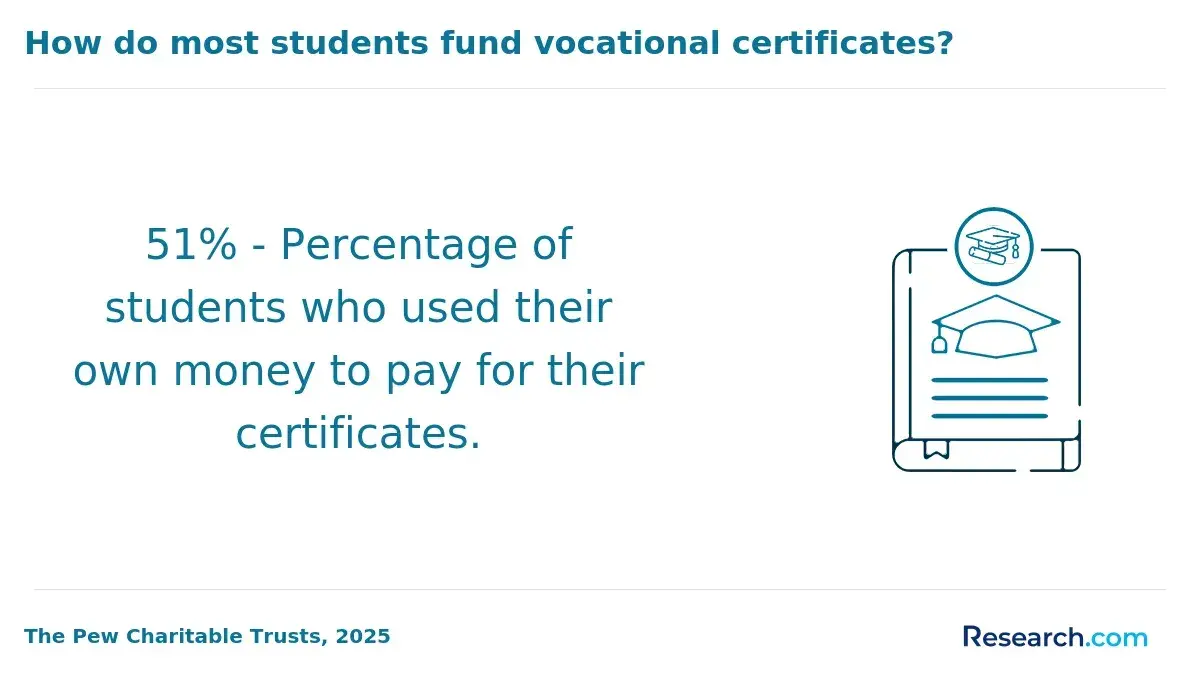
According to a 2024 report by the National Center for Education Statistics, over 65% of graduate engineering students prioritize programs supporting part-time and self-paced study to better manage such demands. However, extended timelines can challenge academic momentum and institutional support consistency, introducing tradeoffs between flexibility and sustained engagement.
A recent graduate shared how she initially hesitated between programs offering fully asynchronous paths and those with limited synchronous requirements. She ultimately valued a program combining mostly self-paced modules with occasional live seminars, which allowed her to coordinate study around irregular shift work while maintaining essential peer connections for project discussions.
This blend of flexibility and structured interaction was crucial in helping her stay motivated and meet both academic and professional goals without sacrificing one for the other.
Which Universities Are Best for Working Professionals Earning a Industrial Engineering Master's Online?
Programs designed for working professionals pursuing an online industrial engineering master's degree typically emphasize flexible scheduling models, including asynchronous coursework and part-time enrollment options, to accommodate diverse work commitments.
High-value curricula align closely with industry demands, often incorporating topics like systems optimization and supply chain analytics, while faculty members commonly possess both academic credentials and practical industry experience.
Accessibility to responsive faculty and robust technical support complements these features, allowing learners to engage deeply despite professional obligations. Such structural considerations are crucial for maintaining steady progress without sacrificing job performance or work-life balance.
In practical terms, these program characteristics help mitigate the challenge of balancing demanding work schedules with academic deadlines, supporting more consistent learning engagement among employed students.
According to recent 2024 data from accredited educational research entities, programs offering transparent career outcome statistics and clear employer alignment tend to produce graduates with stronger job placement rates and salary growth, underlining the importance of practical relevance over prestige alone.
Working professionals must assess how an online industrial engineering master's program fits their career trajectory and time capacity rather than relying solely on recognizable institutional brands.
Tradeoffs include longer degree completion timelines and less frequent cohort interaction, factors that may impact networking and experiential learning opportunities such as internships or practicums. These constraints require deliberate planning and can affect the immediacy of career advancement.
Individuals exploring the best flexible industrial engineering master's degrees for professionals should balance these realities against their professional and personal goals.
For those considering fields where workforce integration is essential, such as criminal justice majors or similarly structured programs, recognizing these tradeoffs can inform wiser enrollment decisions.
How Much Do Top Online Industrial Engineering Master's Programs Cost?
Tuition for leading online industrial engineering master's programs in 2024 generally ranges between $20,000 and $60,000 for the full degree, though these figures reflect significant variation tied directly to program structure and delivery.
Programs requiring 30 to 36 credit hours or more typically push costs higher, especially when incorporating specialized capstone projects, synchronous course components, or additional technology fees.
Public institutions tend to offer more affordable tuition rates for in-state students, whereas private universities price consistently higher regardless of residency status. These cost differences often correspond to variations in curriculum intensity, access to experiential learning, and support services rather than purely institutional prestige.
The financial considerations for prospective students extend beyond sticker price to include tradeoffs in flexibility, expected return on investment, and employer tuition reimbursement availability.
Accelerated formats or programs with specialized tracks may carry premium costs but provide focused outcomes for professionals aiming for specific roles, while part-time or broader curriculum options can reduce short-term expenses but potentially extend debt duration.
For example, a working professional might prioritize a more costly online program offering asynchronous classes and robust career services to maintain employment while studying, in contrast to accepting a less expensive but more rigid schedule that could hinder work-life balance.
Weighing these financial and practical factors is essential to align educational costs with realistic professional and personal goals.
One student recounted hesitating to commit to an online industrial engineering master's program amid rolling admissions, delaying applications to strengthen prerequisite coursework.
The uncertainty of acceptance timing complicated financial planning and raised concerns about tuition inflation, prompting her to monitor employer reimbursement policies closely while evaluating programs offering extended application windows.
Ultimately, the delay pressured her to choose a program with a later start date but more predictable costs and support structures, reflecting a common tension in balancing preparedness, affordability, and admissions timing in program selection.
Which Online Industrial Engineering Master's Programs Are Hardest to Get Into?
Online industrial engineering master's programs that are hardest to get into commonly feature structural factors beyond brand reputation, such as limited cohort sizes, demanding academic prerequisites, and expectations for relevant professional experience.
These programs often restrict admissions to maintain low faculty-to-student ratios and provide cohort-based learning environments, which reflects their prioritization of academic rigor and workforce alignment.
Selectivity is frequently tied to programs emphasizing specialized skills in areas like systems optimization or supply chain analytics, where applied projects and industry partnerships demand candidates with proven quantitative and leadership competencies.
According to a 2024 report from the National Center for Education Statistics, some selective online programs admit fewer than 30% of applicants, underscoring how these admissions hurdles serve as deliberate filters rather than arbitrary barriers.
The admissions competitiveness of online industrial engineering master's programs influences candidate preparation significantly, requiring prospective students to plan for prerequisites such as higher undergraduate GPAs, relevant work experience, and sometimes standardized test scores.
Applicants who are working professionals must also consider application timing and program formats, as cohort-based models necessitate synchronized start dates and sustained engagement.
This selectivity means that some programs implicitly favor candidates who can demonstrate both academic readiness and professional maturity, while others that are less selective tend to prioritize accessibility for career changers or those seeking a more flexible path.
These distinctions in program admissions impact not only the applicant pool but also shape employers' evaluations of degree rigor and long-term career implications.
The tradeoffs between selectivity and accessibility are central to understanding the value proposition of online industrial engineering master's degrees. Highly selective programs often produce tighter peer networks and more intense cohort experiences, which can enhance learning outcomes but reduce scheduling flexibility.
Conversely, programs with more accessible admissions may offer greater flexibility but sometimes at the cost of perceived rigor and employer preferences in highly competitive markets. Prospective students must weigh these factors carefully, including curriculum relevance and accreditation.
For example, professionals comparing pathways should contrast these considerations alongside options in related fields, such as a sports management online degree, which illustrates how program selectivity varies widely across disciplines based on workforce demands and educational models.
Which Universities Are More Transfer-Friendly for Graduate Students?
Universities that facilitate a higher volume of graduate transfer credits in online industrial engineering master's programs often exhibit institutional flexibility through several key features. These include established prior learning assessment frameworks, articulated transfer pathways, and curricula designed with adult learners and working professionals in mind.
Public research universities frequently fall into this category because they maintain more adaptable credit evaluation policies and robust support systems for nontraditional students.
Additionally, competency-based programs and professionally oriented schools tend to accept relevant transfer credits when previous coursework aligns with demonstrable skill outcomes, enabling more efficient degree progression without redundant content.
Transfer-friendly policies can shorten time-to-degree and reduce tuition expenses by recognizing prior academic work, but they also introduce tradeoffs in specialization continuity and curricular customization.
For instance, a working professional moving into a supply chain concentration may benefit from broad credit acceptance yet face challenges ensuring transferred courses meet specific accreditation standards or core curriculum requirements.
According to 2024 data from the National Center for Education Statistics, about 35% of graduate students successfully transfer master's level credits, underscoring how transfer policies vary significantly across institutions.
Consequently, students must weigh the operational gains of accelerated completion against potential limitations such as constrained elective options or stricter alignment with institutional learning objectives when evaluating online industrial engineering master's programs.
Which Online Industrial Engineering Master's Programs Help Students Secure Internships?
Online industrial engineering master's programs that effectively facilitate internships typically incorporate structured experiential components directly into the curriculum while maintaining robust institutional partnerships with industry stakeholders.
Programs with dedicated career services actively coordinating placements, alumni networks providing networking support, and regional or national consortia connecting students with employers create stronger pipelines for internship opportunities.
Cohort models and embedded requirements, such as practicum or cooperative education mandates, further enhance consistency in applied learning availability.
According to recent data from the National Association of Colleges and Employers (NACE), graduate students in STEM fields participating in internships experience a 20% higher full-time job offer rate within six months of graduation, underscoring the critical role of these program design factors.
These structural supports translate to practical benefits, including higher-quality placements aligned with industrial engineering workforce demands, better scheduling flexibility for remote or working students, and improved readiness for employer expectations through exposure to real-world problem solving.
Programs lacking these coordinated channels often leave students responsible for independently sourcing internships, which can limit placement quality and job market competitiveness. Furthermore, involvement in virtual career fairs and employer networking events tailored to remote learners helps mitigate geographical constraints that otherwise hinder internship access.
Tradeoffs arise when balancing comprehensive placement support with program flexibility; fully self-paced or research-focused curricula may offer convenience but typically fall short in guaranteed experiential pathways, affecting immediate employability outcomes.
Geographic location also influences available employer networks, creating disparities for students outside key industrial hubs. Prospective students must weigh the practical value of applied learning integration against scheduling and location considerations to align their graduate education with long-term career objectives in industrial engineering.
Which Online Industrial Engineering Master's Programs Have the Best Job Placement Rates?
The strongest job placement outcomes in online industrial engineering master's programs are typically driven by program elements that align curricular depth with practical application. Programs emphasizing rigorous coursework, integrated internships, capstone projects, and close collaboration with industry partners tend to prepare graduates for immediate roles in the workforce.
Employer engagement throughout the educational process often translates into pipeline opportunities, allowing students to develop relevant skills and professional networks before graduation.
These structural factors outweigh brand recognition, highlighting how curriculum design and experiential learning significantly affect graduate employability in a field increasingly focused on data-driven optimization and operational efficiency.
Prospective students comparing the top online industrial engineering graduate programs for employment outcomes should prioritize such program attributes over surface-level rankings.
Real-world implications of program design become evident when examining placement rates across various specializations and student profiles.
For instance, graduates specializing in supply chain management or quality engineering often experience more direct hiring advantages due to high market demand, while fields like systems simulation may require greater technical expertise, which influences both placement speed and starting salary.
Additionally, working professionals pursuing degrees part-time frequently access employer-sponsored projects and established workplace networks, potentially enhancing their employment outcomes versus traditional full-time students.
However, reported placement data can vary widely in reliability, with some programs using self-reported outcomes or differing timeframes post-graduation, complicating direct comparisons for workforce-oriented decision-making.
Moreover, limitations in placement metrics include timing of employment measurement and local labor market dynamics that impact industrial engineering graduates unevenly.
For example, regional demand surges in logistics or sustainable manufacturing can elevate placement success independently from program quality. Thus, individual applicants should interpret placement rates contextually and consider accreditation, career services quality, and experiential learning offerings as key predictors of employment success.
For those exploring adjustments or career pivots, even fields tangentially related, like a masters in library science, demonstrate how specialized graduate programs tie practical skills with sector demands, underscoring the importance of contextualized program evaluation beyond headline statistics.
What Factors Matter Most When Comparing Graduate Schools?
Choosing among graduate schools offering online industrial engineering master's programs involves navigating complex tradeoffs in curriculum design, specialization depth, flexibility, cost, and career outcomes.
Differences in program structure-not institutional prestige alone-significantly affect skill development, employability, and long-term professional positioning within industrial engineering fields.
- Curriculum Structure and Rigor: The alignment of coursework with current industry demands such as systems optimization, supply chain management, and data analytics shapes graduates' practical readiness. Overly broad or outdated curricula risk leaving skill gaps that complicate timely workforce integration.
- Accreditation and Academic Credibility: Accreditation from bodies like ABET ensures compliance with quality standards, impacting eligibility for licensure and employer recognition. Programs lacking recognized accreditation may delay or obstruct professional advancement.
- Specialization Depth: Programs offering focused tracks in relevant subfields better prepare students for niche roles. However, deeper specialization can extend time-to-completion and reduce curricular flexibility, which matters for working professionals balancing other responsibilities.
- Experiential Learning Integration: Incorporation of internships, practicum, or project-based experiences enhances real-world applicability of skills and networking. Many employers prioritize such exposure over brand reputation, as highlighted by a 2024 National Association of Colleges and Employers survey emphasizing practical skills.
- Delivery Format and Flexibility: Asynchronous courses and part-time options increase accessibility for working adults but require disciplined time management. Programs with rigid schedules may exclude candidates needing workload accommodation.
- Cost and Financial Tradeoffs: Tuition and fees must be weighed against expected salary uplift and career outcomes. Lower tuition programs may sacrifice resources critical for experiential learning, affecting return on investment.
- Internship or Practicum Availability: Access to industry internships materially enhances hiring prospects and skill validation. Programs without robust industry ties risk placing graduates at employability disadvantages.
- Faculty Industry Experience: Instructors with current or recent professional engineering roles bring applied knowledge that enriches learning and alignment with employer expectations.
- Employer Alignment and Job Placement Outcomes: Graduates fare better when programs actively facilitate job placement through networking, career services, or partnerships. Prospective students should scrutinize placement data rather than rely on reputation alone.
- Transfer Credit or Prior Learning Policies: Efficient recognition of previously earned credits shortens degree timelines and reduces costs, important for professionals with varied academic backgrounds.
Students comparing top online industrial engineering master's programs must prioritize these operational factors in light of their personal constraints and career goals.
For those considering financial efficiency alongside skilled workforce preparation, resources like the online MFA creative writing listings illuminate how affordability intersects with rigorous program design in graduate education broadly.
What Graduates Say About Top Universities Offering Online Industrial Engineering Master's Degrees
- Finley: "Completing my online master's in industrial engineering helped me pivot from a purely technical role to a hybrid position involving supply chain analytics. However, I found that employers often prioritized candidates with industry certifications and demonstrated project experience over just the degree. It pushed me to actively seek internships and build a portfolio alongside coursework to stay competitive in hiring processes."
- Colby: "Going through the program remotely gave me the flexibility to maintain my job while upgrading my skills, which was crucial for avoiding career downtime. Although salary growth was somewhat limited without a professional engineering license, I gained access to roles focused on process improvement and data-driven decision-making that wouldn't have been possible otherwise. The challenge was navigating the trade-off between immediate work continuity and slower advancement up the hierarchy."
- River: "My experience was shaped by the reality that many advanced roles still require licensure or on-site experience. While the master's degree expanded my theoretical knowledge and opened doors to remote consulting gigs, I found myself needing to supplement it with certifications like Six Sigma to be seriously considered. This program works best if you're ready to complement it with practical credentials and tailor your career path thoughtfully."
Other Things You Should Know About Industrial Engineering Degrees
In 2026, top universities offering online master's degrees in industrial engineering include Georgia Institute of Technology, Purdue University, and Texas A&M University. These programs offer robust curricula tailored to industry needs, emphasizing flexibility without compromising educational quality.
Most top online industrial engineering master's programs expect rigorous engagement with quantitative coursework, including optimization, statistics, and systems modeling. These demands mean working professionals must manage time carefully to avoid burnout, as assignments often require sustained analytical effort. Programs that offer asynchronous coursework with periodic live sessions tend to provide better flexibility but still require strong self-discipline to maintain steady progress.
The acceptance of online degrees varies widely by industry and employer, but reputation and accreditation remain the strongest indicators of program quality. Employers in manufacturing and logistics sectors increasingly recognize online degrees when candidates demonstrate competencies through portfolios or relevant work experience. Candidates should prioritize programs with robust alumni networks and faculty engaged in applied research to enhance employer confidence in their education.
Yes, selecting a program that provides advanced electives in areas such as supply chain analytics, human factors, or quality engineering can significantly influence career trajectory. Specialized coursework not only deepens expertise but also signals to employers a targeted skill set aligned with industry needs. Students should evaluate whether programs allow customization of their curriculum to match evolving market demands rather than completing generic industrial engineering requirements.
References
- 2025 Most Affordable Online Master's Degrees in Industrial Engineering https://www.onlineu.com/most-affordable-colleges/industrial-engineering-masters-degrees
- Top 10 Industrial Engineering Masters | NEWENGINEER https://newengineer.com/advice/top-10-industrial-engineering-masters-1152451
- MS in Industrial Engineering, Manufacturing Systems Engineering https://www.expertsglobal.com/ms-in-industrial%20engineering-and-manufacturing-systems-engineering-ranking/