2026 Remote Jobs You Can Get With an Industrial Engineering Master's Degree

Co-Founder and Chief Data Scientist
Consider a midcareer professional with a master's degree in industrial engineering, keen to transition into fully remote work without sacrificing career growth or job stability. Although remote positions in industrial engineering increased by only 12% between 2022 and 2024, less than in many tech fields, employers remain cautious, preferring candidates with strong digital collaboration, supply chain modeling, or data analytics experience. Many advertised "flexible" roles still require occasional onsite visits, specialized software skills, or professional licensure, complicating the remote job search.
This article analyzes realistic remote opportunities for industrial engineering master's holders, focusing on where their skills align with actual employer expectations and location-independent work.
Key Things to Know About Remote Jobs You Can Get With a Industrial Engineering Master's Degree
- The specialized analytical skills from an industrial engineering master's degree enable methods engineering roles that employers often limit to fully remote candidates with proven data modeling experience, reflecting a tightening in remote eligibility.
- A 2024 workforce report found 28% of industrial engineering-related remote positions require hybrid work for on-site process audits, implying fully remote roles remain scarce and candidate flexibility is key.
- The protracted credentialing and software expertise demands lengthen time-to-remote employment, meaning graduates must strategically balance additional certifications versus immediate hybrid entry-level roles to optimize career trajectory.
What Remote Jobs Can You Get With a Industrial Engineering Master's Degree?
The reality for graduates with a master's degree in industrial engineering seeking remote jobs is that these roles tend to cluster around analytical and strategic functions rather than traditional hands-on engineering tasks. Positions such as supply chain analysts, logistics consultants, and process optimization specialists leverage the advanced modeling, risk assessment, and data interpretation skills honed during graduate study. However, many employers expect candidates to have a proven ability to manage complex projects virtually and often require hybrid work arrangements to accommodate periodic on-site collaboration or client visits, which can limit the extent of full remote flexibility.
According to a 2024 report by the U.S. Bureau of Labor Statistics and the National Association of Colleges and Employers, roughly 35% of engineering and technical roles, including those relevant to industrial engineering, offer fully remote or hybrid working options, highlighting the need for realistic expectations about job availability and structure.
Remote jobs for industrial engineering master's graduates frequently involve roles tied to continuous process improvement, capacity forecasting, and virtual quality assurance, where cloud-based data platforms and collaborative tools enable distance-based performance. For example, a quality assurance manager might conduct virtual audits and data-driven process simulations without on-site presence, but this requires strong interdisciplinary communication and remote project management skills, which many employers now prioritize.
Additionally, roles in emerging fields like operations research and data analytics are increasingly accessible remotely due to their heavy reliance on computational analysis and scenario planning. Graduates planning their career trajectory should also consider certification paths or additional credentials, such as BCBA certification online, when aligning their skillsets with evolving remote opportunities and industry demands to maintain competitive employability in this nuanced labor market.
Which Industries Hire Remote Professionals With a Industrial Engineering Master's Degree?
The demand for remote professionals with a master's degree in industrial engineering varies significantly across industries, driven by each sector's operational complexity and regulatory environment. Manufacturing, while still a major employer, typically limits remote roles to systems analysis, process optimization, and supply chain coordination, since on-site presence remains critical for many functions. In contrast, logistics and supply chain firms have rapidly expanded remote engineering roles due to their reliance on simulation, data analytics, and digital tools; a 2024 report from the Council of Supply Chain Management \
Professionals noted that 40% of these specialized positions were remote. Technology and consulting sectors often provide the greatest geographic flexibility, leveraging industrial engineers' expertise in workflow and operational strategy through virtual collaboration, but this can also reflect expectations for higher client engagement or project-based deliverables that require adaptable work patterns.
The choice of industry substantially impacts not only the availability of remote jobs but also career progression paths for industrial engineering graduates. For example, roles in manufacturing may offer more stable advancement but less flexibility, whereas consulting roles provide varied projects and remote autonomy but often demand frequent virtual client communication, which can blur traditional work hours. Technology firms tend to prioritize strong quantitative and systems design skills aligned to product lifecycle management, influencing the kind of remote work offered and the technical competencies emphasized in hiring. Understanding these dynamics is crucial for professionals balancing work location preferences with long-term development goals, since sector-specific norms and digital maturity directly shape remote hiring decisions and role responsibilities.
A remote industrial engineering professional recalled applying to positions in manufacturing, logistics, and tech consulting over several months. They noticed manufacturing listings repeatedly required some on-site attendance, which conflicted with their priority for fully remote work. Meanwhile, logistics roles valued their simulation modeling background but often emphasized familiarity with specific supply chain software. Opportunities in consulting appeared to offer full remote flexibility but came with high expectations for client interaction and rapid adaptability to shifting projects. This experience underscored how each industry weighs the industrial engineering master's degree differently and how tailoring applications to these nuances can critically influence remote job search success.
What Are the Highest-Paying Remote Jobs for Industrial Engineering Master's Degree Graduates?
The highest-paying remote roles available to graduates with a master's degree in Industrial Engineering tend to concentrate in specialized fields like operations research, supply chain analytics, and systems engineering, where quantitative and process optimization skills are paramount. These positions, commonly found within technology, manufacturing, and logistics industries, often require advanced technical capabilities such as machine learning and digital simulation, reflecting employer expectations for both analytical rigor and adaptability to digital collaboration environments. However, leadership roles involving site management or extensive client interaction frequently limit remote flexibility due to licensure or travel obligations, forcing professionals to weigh the tradeoff between higher pay and genuine remote work options.
Realistically, breakthrough remote opportunities with top compensation depend heavily on a candidate's technical depth and experience in niche specializations, as generalist industrial engineers may encounter more competition and fewer fully remote options. The U.S. Bureau of Labor Statistics indicates that salaries for roles integrating advanced analytics and strategic process improvement levels significantly exceed those of more traditional engineering functions, underlining the value of continual upskilling. Additionally, geographic salary disparities persist despite the spread of remote work, influenced by employer policies and sector demand, meaning location-independent candidates still face variability tied to the employer's remote infrastructure and market location. Long-term career advancement also often necessitates blending remote-capable technical roles with periodic in-person responsibilities to access senior management tracks.
Can You Get a Remote Job With a Industrial Engineering Master's Degree and Little or No Experience?
Securing a remote job with a master's degree in industrial engineering but minimal professional experience involves navigating specific employer expectations that often prioritize proven skills over academic credentials alone. According to the U.S. Bureau of Labor Statistics' 2024 report, nearly 29% of engineering roles offer partial remote options, yet entry-level remote opportunities typically require internships, co-op experience, or portfolios demonstrating applied problem-solving and project management capabilities. Candidates without hands-on experience must contend with peers who showcase measurable results or certifications in areas like data analytics or process improvement, underscoring the importance of bridging theory with practical application for remote hiring managers.
For early-career industrial engineering remote jobs, employers place substantial weight on transferable skills developed through remote internships, consulting roles, or robust digital portfolios that evidence industry-relevant work. Licensure, such as obtaining a Professional Engineer credential, can enhance credibility but is less critical for initial remote roles focused on support functions or process optimization. Job seekers should realistically appraise their competitiveness by targeting organizations known for skills-based hiring and remote onboarding, as opportunities permitting entry-level remote careers in industrial engineering with a master's degree remain limited and highly competitive.
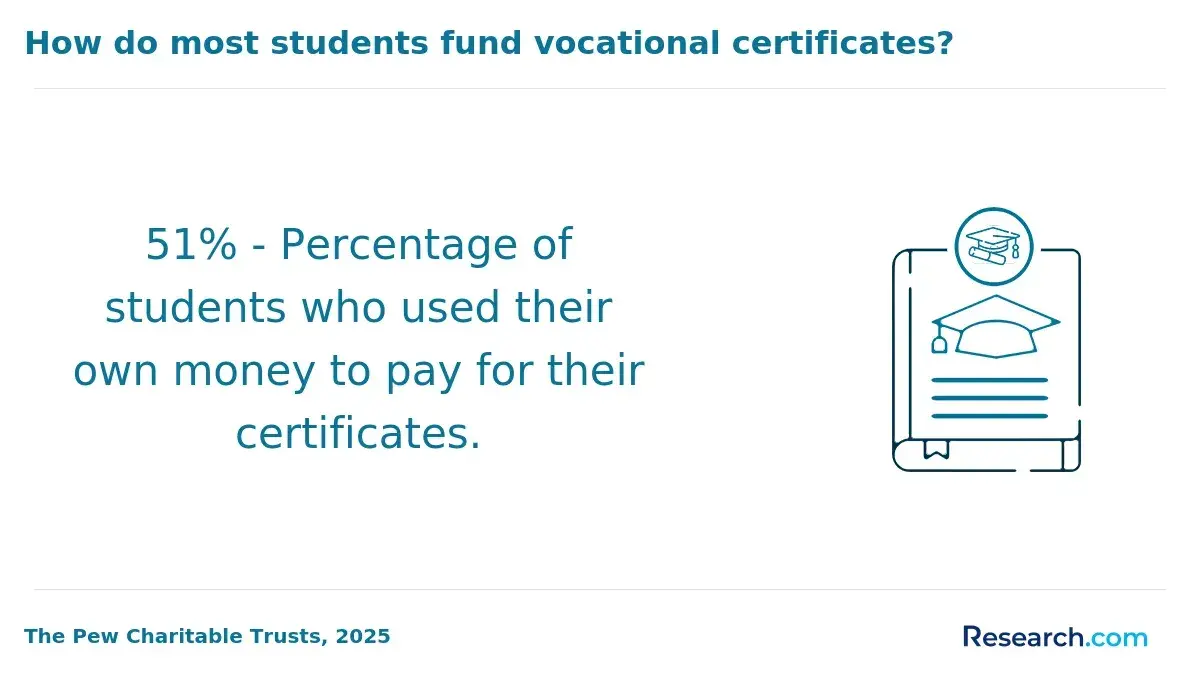
Graduates and career changers considering remote work with an industrial engineering background must supplement their degree with ongoing skill development and strategic experience acquisition, including online credentials or research projects. Those exploring cost-effective educational upgrades may find value in programs listed under the cheapest online master's degree offerings that emphasize applied learning. This approach helps position candidates to meet evolving employer demands in remote engineering roles, where practical outputs increasingly outweigh formal qualifications alone.
What Skills Do Employers Look for in Remote Candidates With a Industrial Engineering Master's Degree?
Success for remote roles requiring a master's degree in industrial engineering hinges on a candidate's ability to independently resolve operational problems while managing the nuances of virtual teamwork. Employers prioritize demonstrated expertise in systems optimization, data-driven decision-making, and supply chain analysis, combined with clear, concise written communication tailored for asynchronous collaboration. Mastery of digital project management tools and a track record of owning deliverables without direct supervision are critical, as these roles demand accountability across dispersed teams and fluctuating priorities.
Evidence of these competencies through detailed portfolios, capstone projects, or relevant certifications often distinguishes candidates by showing applied, measurable outcomes rather than theoretical knowledge alone. According to a 2024 report from the National Association of Colleges and Employers, 92% of employers emphasize written communication as an essential skill for effective remote collaboration in technical fields.
However, a master's degree by itself does not guarantee readiness for remote industrial engineering positions. Graduates may face gaps in practical tool fluency or struggle with asynchronous communication norms that underpin successful virtual work. Roles often require alignment with specific industry contexts, licensing, or compliance issues that academic programs cannot comprehensively cover.
Additionally, competition remains intense from candidates with hands-on remote experience, who have adapted their problem-solving and stakeholder management skills to fully digital environments. Hiring managers can be wary of over-relying on academic credentials without clear evidence of remote work acclimatization, especially when rapid decision-making and professional judgment must be exercised with limited oversight.
One candidate, armed with a master's in industrial engineering, shared how their remote job search became more focused after an early interview highlighted the need for real examples of managing projects independently in a virtual setting. Despite solid technical skills, the employer was hesitant until the candidate showcased a detailed case study from their capstone project that involved coordinating cross-time-zone supply chain simulations and delivering asynchronous reports using collaborative software. This demonstration helped bridge concerns about remote work self-direction and reinforced the candidate's adaptability-turning initial uncertainty into cautious confidence on the employer's part during final evaluations.
How Can a Industrial Engineering Master's Degree Help You Qualify for Remote Leadership and Management Roles?
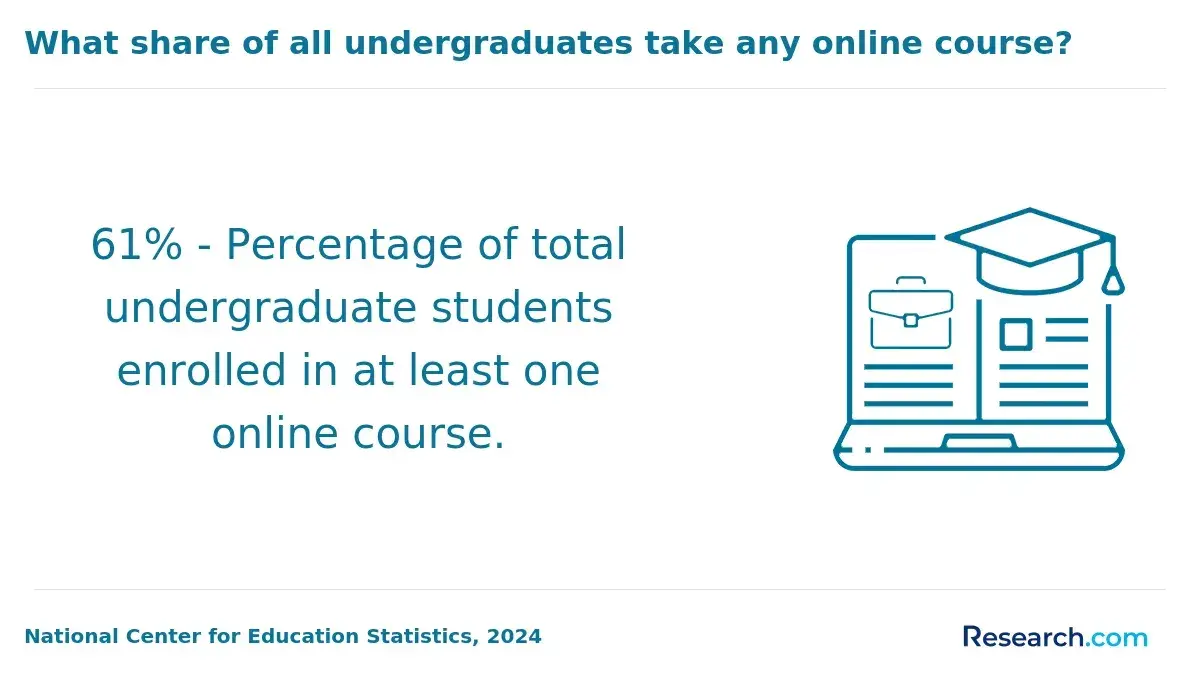
A master's degree in industrial engineering can significantly enhance a candidate's fit for remote leadership opportunities with industrial engineering master's degree backgrounds, particularly in roles requiring strategic communication and cross-functional decision-making. Remote management differs from in-person supervision by demanding greater reliance on measurable outcomes, asynchronous communication, and trust-building across dispersed teams. Employers expect managers to demonstrate not only technical expertise but also proficiency in coordinating complex projects involving design, supply chain, and manufacturing units spread across varied locations. For example, an engineering manager overseeing global operations must align diverse teams without direct supervision, emphasizing analytical judgment and accountability through digital collaboration platforms.
Management roles for industrial engineering graduates in remote settings often hinge on the ability to integrate process optimization with virtual team leadership, demanding skills beyond the core curriculum. While the master's program develops critical capabilities in operations management and technology integration, success in remote roles also requires fluency in contemporary collaboration tools and facilitation of asynchronous workflows. Data shows that nearly 62% of engineering managers engage in remote collaboration, yet those without formal training in digital management face engagement challenges, underscoring that practical experience or complementary skill-building is essential alongside academic credentials.
For career-minded professionals exploring flexible work options, pairing an industrial engineering degree with supplemental training or experience in digital leadership can open paths to senior roles managing distributed teams and complex projects. Those considering alternative or hybrid study options might also weigh how a degree compares with other fields, such as an urban planning degree online, especially for roles focused on location-independent project management. Ultimately, while an Industrial Engineering master's furnishes a strong foundation in process and systems thinking, advancing into remote leadership depends heavily on the ability to leverage technology, maintain clear accountability, and foster cohesive virtual teams across geographic boundaries.
Can You Work as a Freelance Consultant With a Industrial Engineering Master's Degree?
Working as a freelance consultant with a master's degree in industrial engineering demands more than technical knowledge; it requires a strategic balance between specialized expertise and market positioning. For example, a consultant advising a manufacturing firm on process optimization must present quantifiable outcomes like reduced cycle times or cost savings to build client trust. The independence of consulting offers opportunities to target niche areas such as supply chain analytics or quality control, but this often means accepting variability in project volume and income. Furthermore, success depends heavily on demonstrating credentials beyond the degree-such as Six Sigma or PMP certifications-and maintaining a portfolio that proves measurable impact rather than solely academic achievements.
Remote consulting in industrial engineering can respond well to rising client demands for flexible, expertise-driven engagements, as recent U.S. labor statistics show an uptick in contract roles within this sector. However, freelancers face clear tradeoffs: without the organizational backing of traditional employment, they must invest effort into client acquisition, cultivating referrals, and frequently updating skills to stay relevant.
Additionally, industrial engineering consulting occupies a regulatory grey area compared to licensed professions; freelancers need to define their scope carefully, especially if projects border on safety-critical or compliance-intensive tasks. Deciding between consulting and employment thus hinges on one's capacity to manage these professional risks alongside the operational challenges of remote delivery and intermittent workloads.
Where Can You Find Legitimate Remote Jobs for Industrial Engineering Master's Degree Holders?
Locating legitimate remote positions for industrial engineering master's degree holders demands more than broad job board searches due to the nuanced demands of such roles and the variability in employers' remote work policies. Employers increasingly seek candidates who not only hold advanced credentials but can also navigate complex operational challenges virtually, requiring transparent project scopes and verified collaboration tools in job postings. A 2024 U.S. Bureau of Labor Statistics report highlights a 15% growth in remote engineering roles since 2022, signaling expanding opportunities but also intensified competition where candidates must discern authentic remote offers from hybrid or misclassified listings.
To access credible remote roles, industrial engineering graduates should prioritize industry-specific channels such as the Institute of Industrial & Systems Engineers and affiliated professional associations, which offer curated listings and reduce exposure to scams or vague job descriptions. Alumni networks and employer career pages for supply chain analytics, advanced manufacturing tech firms, or operations consulting agencies often provide direct pathways to fully remote positions with clear employer expectations. Due diligence through employer websites and third-party reviews remains critical since many listings lack explicit remote work details or impose geographic restrictions despite the purported flexibility.
What is the Salary Potential for Remote Professionals with a Industrial Engineering Master's Degree?
Salary potential for remote industrial engineering professionals varies significantly based on role type, specialization, experience, and industry demands rather than being a fixed outcome of earning a master's degree. For example, an industrial engineer specializing in supply chain analytics within a national technology firm may earn well above the $95,000 median wage reported by the U.S. Bureau of Labor Statistics in 2024, with salaries often exceeding $120,000 for advanced or leadership roles. However, geographic pay practices remain relevant even in remote contexts, as some employers adjust compensation based on the employee's location, while others maintain uniform national standards, especially in competitive fields like manufacturing optimization and automation.
Remote job salary expectations for industrial engineering master's graduates are also influenced by certifications such as Professional Engineer (PE) licensure and demonstrated software proficiency, which employers increasingly prioritize for remote candidates managing complex projects independently. A 2024 report from the National Association of Colleges and Employers shows a 15-20% wage premium for master's graduates over bachelor's holders, reflecting not just educational attainment but also applied skills. Opting for sectors like aerospace or pharmaceuticals usually commands higher pay but may require specialized expertise and ongoing credential maintenance. These factors underscore the tradeoffs in targeting remote positions that balance flexibility with competitive compensation.
Given the evolving landscape, remote industrial engineering professionals should consider continuous skill development and credentials as integral to maximizing earnings. For those exploring further academic advancement, opportunities exist in online doctoral programs without dissertation, which may enhance long-term salary prospects by supporting applied research and leadership capabilities. Navigating these options with attention to real-world labor-market trends and employer expectations is critical for informed career decisions in this flexible yet nuanced field.
What is the Long-Term Career Outlook for Remote Jobs Requiring a Industrial Engineering Master's Degree?
The long-term career outlook for remote jobs requiring a master's degree in industrial engineering presents a cautiously promising but nuanced landscape. The U.S. Bureau of Labor Statistics (2024) projects a 10% growth rate in jobs for industrial engineers from 2022 to 2032, signaling stronger-than-average demand tied to efficiency improvements and supply chain optimization. However, remote roles in this field often depend on mastery of advanced technologies and digital tools that facilitate virtual collaboration and process modeling, reflecting changing employer expectations about technical specialization and leadership in distributed teams.
This growth trend also highlights a practical workforce implication: professionals must navigate tradeoffs between geographic flexibility and the industry's partial reliance on on-site interactions with physical systems or machinery. Networking and mentorship opportunities, which are critical for career progression, may be constrained in fully remote environments, prompting many employers to prefer hybrid arrangements. Graduates exploring remote career prospects for industrial engineering graduates should weigh these mixed signals carefully, staying vigilant about upskilling to remain competitive amid a global talent pool and evolving remote hiring practices.
Ultimately, while long-term job growth in remote industrial engineering roles is real, success frequently hinges on blending technical proficiency with soft skills that enable effective virtual leadership and compliance oversight across jurisdictions. For those balancing educational investment with career flexibility, understanding cost implications is also vital; prospective students can assess financial factors related to this path, such as through resources like the computer science cost comparison, which offers broader context on educational affordability and value.
What Do Graduates Say About Working Remotely With a Industrial Engineering Master's Degree?
- Finley: "After completing my master's in industrial engineering, I learned that certifications and a strong portfolio often outweigh traditional licensure when applying for remote roles. Many employers emphasized practical experience with process optimization tools and data analytics during interviews, which shaped how I pursued projects and internships throughout my studies."
- Colby: "Working remotely has given me flexibility, but I quickly realized that career advancement in industrial engineering without a professional license can be limited. While salary growth has been steady, moving into management or specialized roles sometimes requires additional credentials or in-person networking, which I'm actively planning for as I gain experience."
- River: "The transition from campus to remote work in industrial engineering required me to adjust my approach significantly. I found that competing for certain positions meant highlighting not just my degree but also my ability to collaborate virtually and manage projects independently. This reality pushed me to develop skills beyond technical coursework, like digital communication and client management."
Other Things You Should Know About Industrial Engineering Degrees
Employer expectations often require industrial engineering graduates to demonstrate strong problem-solving and technical skills from the start. Consequently, remote onboarding programs aim to swiftly integrate new hires into projects. Career advancement typically hinges on adaptability, clear communication, and the ability to independently drive performance metrics.
Remote industrial engineering jobs frequently involve managing complex projects that demand asynchronous communication and significant self-discipline. Without in-person oversight, employees must proactively coordinate with cross-functional teams and navigate time zone differences, which can extend work hours unpredictably. Prioritizing program curricula that develop project management and virtual communication skills is advisable, as these competencies directly impact success and work-life balance in remote contexts.
Specializing in niches like supply chain analytics or quality control within an industrial engineering master's can enhance job prospects but may restrict the variety of remote opportunities available. Broad-based programs offer greater flexibility across industries and roles but may not equip graduates with the deep expertise some remote employers require. Candidates should weigh their career priorities carefully, opting for depth only if aligned with recognized remote industry demands, otherwise favoring breadth for adaptability.
Employers hiring remote industrial engineers often expect candidates to demonstrate advanced self-motivation and rapid assimilation into virtual teams, as traditional onboarding is truncated or adapted. This can slow early career progression if graduates lack practical remote collaboration experience. It is recommended that students seek programs with remote capstone projects or internships, as these experiences visibly enhance readiness and mitigate the risk of stalling in remote roles.
References
- What can you do with your degree: master’s in engineering jobs | edX | edX https://www.edx.org/resources/job-opportunities-after-a-masters-in-engineering
- Master's degree in Industrial Engineering https://www.mci.edu/en/study/master/industrial-engineering-management
- What Does An Industrial Engineer Do? | Career insights & Job Profiles https://www.freelancermap.com/blog/what-does-industrial-engineer-do/
- Find and Hire Freelance Industrial Engineering Experts https://www.kolabtree.com/find-an-expert/subject/industrial-engineering
- The Best Remote Jobs for Engineers: How to Find (& Get) Your Dream Job https://taskerplatform.com/remote-jobs-for-engineers/
- Career Possibilities for Industrial Engineering Graduates | East Texas A&M https://www.etamu.edu/career-possibilities-for-industrial-engineering-graduates/
- Industrial Engineer, Production Controls & Simulation at Anduril Industries - Remote https://remoteleaf.com/company/anduril-industries/industrial-engineer-production-controls-simulation-united-states/
- Industrial Engineering Jobs, Employment | Freelancer https://www.freelancer.com/jobs/industrial-engineering
- Top 10 Industrial Engineering Masters | NEWENGINEER https://newengineer.com/advice/top-10-industrial-engineering-masters-1152451
- Boosting Your Employability as a Graduate Engineer | STEM Graduates https://stemrecruitment.com/content-hub/engineering-graduate-employability/