2027 Can You Get Into an Applied Behavior Analysis Bachelor's Degree Program with a Low GPA? Admission Chances & Workarounds

Co-Founder and Chief Data Scientist
A low GPA can make applying to an applied behavior analysis bachelor’s degree feel risky, but it does not automatically close the door. The real question is not simply whether a school will accept you; it is which programs are realistic, what evidence can offset weak grades, and what route gives you the best chance of finishing the degree. ABA programs may look at GPA, but many also consider improvement over time, relevant work or volunteer experience, recommendations, essays, transfer coursework, and conditional admission options.
This guide explains how admissions typically work for applicants with lower GPAs, what minimum GPA ranges to expect, which types of colleges may be more flexible, and how to strengthen your application before you apply. It also covers community college transfer routes, conditional admission, no-GPA and test-optional policies, and what matters after graduation when employers review your credentials.
Key Things to Know About Applied Behavior Analysis Bachelor's Degree Program Admission Chances & Workarounds
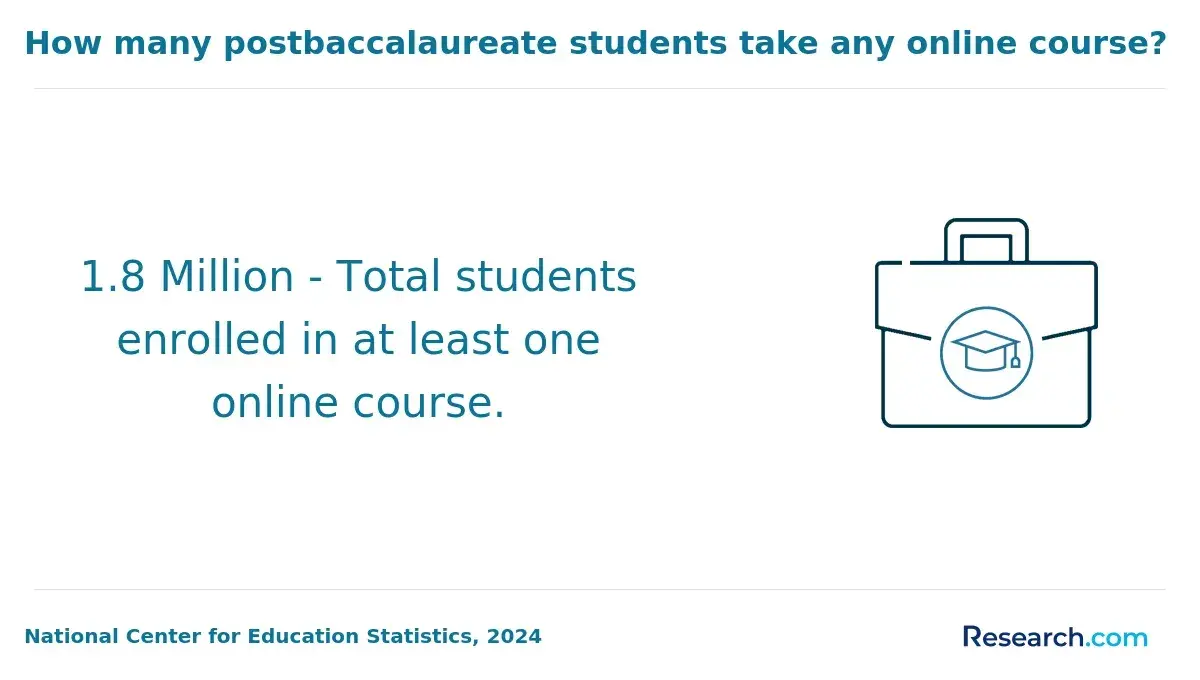
- Consider enrolling in postbaccalaureate or community college courses to raise your GPA, a common strategy since 40% of ABA programs weigh recent academic performance heavily.
- Admissions often use holistic reviews, valuing relevant experience, recommendation letters, and personal statements alongside GPA.
- Strengthen applications by gaining volunteer experience in behavioral health settings and completing ABA-related certifications to demonstrate commitment and practical skills.
Can I Get Into a Applied Behavior Analysis Bachelor's Degree With a Low GPA?
Yes. You can get into an applied behavior analysis bachelor’s degree program with a low GPA, but your chances depend on the school, the program’s selectivity, and the strength of the rest of your application. A low GPA is a concern because ABA coursework often requires steady reading, data interpretation, ethics, psychology, research methods, and applied practice. Still, many admissions teams do not treat GPA as the only measure of readiness.
Research shows that roughly 20% of applicants to competitive programs are accepted despite having GPAs below the average accepted scores. That does not mean admission is easy, but it shows that applicants can overcome a weaker academic record when they provide clear evidence of motivation, maturity, relevant experience, and academic improvement.
The most realistic strategy is to apply to a mix of programs. Include schools where your GPA falls within or near the stated range, schools with holistic review, and transfer-friendly institutions. If your GPA is far below the minimum, ask admissions whether you can be considered through conditional admission, nondegree coursework, transfer credits, or a probationary first term.
Applicants comparing timelines may also want to review fast online degree options, but speed should not be the only factor. For ABA, you should prioritize accreditation, transfer policies, course quality, field experience opportunities, and whether the degree supports your long-term career or graduate study plans.
What Is the Minimum GPA for Applied Behavior Analysis Bachelor's Degree Programs?
The minimum GPA requirement for applied behavior analysis bachelor’s degree programs typically falls between 2.5 and 3.0 on a 4.0 scale. Many programs set the baseline closer to 2.75 or 3.0, while more selective programs may expect stronger academic records. Data showing that approximately 70% of admitted students in behavioral science-related bachelor’s programs have undergraduate GPAs of 3.0 or higher reflects how competitive some pathways can be.
A stated minimum GPA is not always the same as the GPA that makes an applicant competitive. For example, a school may accept applications at 2.5, but students admitted with lower GPAs may need stronger supporting materials. In contrast, a program with a 3.0 minimum may still consider applicants below that level if the policy allows exceptions and the applicant shows recent academic improvement.
GPA expectations also vary by program structure. A standalone ABA program may review applicants differently from a psychology, education, human services, or behavioral science degree with ABA-related coursework. Online and transfer-friendly programs may be more flexible, but flexibility should not be confused with low standards. You still need to show that you can handle the coursework and complete assignments reliably.
- Below 2.5: Admission may be difficult at many four-year programs. Consider community college coursework, retaking key classes, or asking about conditional admission.
- 2.5 to 2.9: Some programs may consider you, especially if you show improvement, relevant experience, and strong recommendations.
- 3.0 or higher: You may meet the baseline for more programs, though selective schools may still look closely at course difficulty and grades in related subjects.
If you are thinking beyond the bachelor’s degree, it can also help to understand master’s degree costs in psychology, since some ABA career goals may require graduate education or additional credentials.
What Factors Matter Besides GPA for Applied Behavior Analysis Bachelor's Degree Admission?
Admissions teams for applied behavior analysis bachelor’s programs often review more than grades. Nearly 70% of colleges use holistic review methods, which means they may evaluate your background, goals, preparation, and fit for the program alongside your transcript. For applicants with a low GPA, the goal is to provide evidence that your past grades do not define your current ability to succeed.
- Academic trend: A weak start followed by stronger recent grades can help. Admissions readers often look for evidence that you corrected earlier problems and can now manage college-level work.
- Relevant coursework: Grades in psychology, biology, statistics, child development, education, research methods, or social science courses may matter more than unrelated classes.
- Personal statement: Use the essay to explain your interest in ABA, describe what changed academically, and connect your experience to your goals. Avoid making excuses; focus on accountability and readiness.
- Letters of recommendation: Strong letters from teachers, supervisors, volunteer coordinators, or professionals who know your work habits can help offset a lower GPA.
- Relevant experience: Volunteer work, caregiving, classroom support, autism services, behavioral health work, tutoring, or human services experience can show genuine commitment to the field.
- Standardized test scores: When required, strong SAT or ACT results can help demonstrate academic readiness, especially if your transcript is uneven.
- Interview or portfolio: If offered, these can help you show maturity, communication skills, and understanding of what ABA work involves.
A common mistake is submitting the same generic application to every school. Applicants with lower GPAs should customize materials carefully. If a program emphasizes fieldwork, highlight service experience. If it emphasizes research, discuss coursework or projects involving data, observation, or behavioral principles. If it serves working adults, explain how you will manage time, assignments, and professional responsibilities.
One graduate described the difference this way: they “wrote honestly about setbacks and what kept me motivated” and relied on recommendation letters that “really made a difference by showing my dedication outside the classroom.” That is the right approach: tell the full story, but support it with concrete evidence.
Which Colleges Accept Low GPA for Applied Behavior Analysis Bachelor's Degree Programs?
Colleges most likely to consider applicants with lower GPAs are usually those with open admission, broad-access missions, transfer-friendly policies, adult learner pathways, or holistic review. Open-admission schools often have acceptance rates exceeding 80%, which can make them more accessible for students whose academic records are not competitive at selective institutions.
- Open-admission colleges: These schools generally focus on access and may admit students regardless of prior GPA. They can be a practical starting point if you need to rebuild academic momentum.
- Community colleges: Community colleges may offer associate degrees, prerequisite coursework, psychology or education pathways, and transfer agreements. They are often one of the strongest options for students who need to improve their GPA before applying to a bachelor’s program.
- Regional public universities: Some state and regional institutions use holistic review and may consider applicants with lower GPAs if they show recent academic progress or relevant experience.
- Online-focused schools: Online programs may offer rolling admissions, multiple start dates, and flexible formats for working adults. Review quality carefully, including accreditation, faculty support, transfer policies, and field experience expectations.
- Less selective private colleges: Some private institutions may review applicants individually and consider essays, recommendations, and life experience, though tuition and financial aid should be evaluated closely.
Do not choose a program only because it accepts your GPA. Before enrolling, confirm that the institution is properly accredited, that credits can transfer if needed, and that the curriculum aligns with your goals. If you eventually plan to pursue graduate study, certification, or licensure-related pathways, ask whether graduates commonly continue into those routes and what additional education is required.
Applicants comparing affordable and accessible online education pathways may also review programs such as those discussed in this University of North Georgia resource.
Are There No-GPA or Test-Optional Applied Behavior Analysis Bachelor's Degree Programs?
Some applied behavior analysis bachelor’s degree pathways use flexible admissions policies, but true no-GPA programs are less common than test-optional programs. About 65% of four-year colleges have embraced test-optional or flexible admissions, which means many schools no longer require SAT or ACT scores or allow applicants to choose whether scores strengthen their application.
Flexible admission can help students whose GPA does not fully reflect their ability. However, “test-optional” does not mean “standards-optional.” Schools may still review your transcript, course history, essay, recommendations, work experience, and readiness for college-level assignments. Some may also require placement testing, prerequisite coursework, or conditional admission if your GPA is below the preferred range.
- Test-optional: You may choose whether to submit SAT or ACT scores. Submit scores only if they strengthen your application.
- Holistic review: The school considers grades along with essays, recommendations, experience, and personal context.
- No minimum GPA stated: The program may not publish a strict cutoff, but it can still deny applicants who do not show readiness.
- Conditional or probationary admission: You may be admitted if you meet specific academic requirements after enrollment.
- Transfer-based admission: Your recent college credits may matter more than your high school GPA, especially after completing a set number of credits.
If your GPA is low, contact admissions before applying and ask direct questions: Is there a minimum GPA? Are exceptions allowed? Can recent coursework replace older grades in the review? Are test scores helpful? Is conditional admission available? Getting clear answers can save application fees and help you target realistic programs.
One graduate explained that a flexible review process “gave me hope when I thought doors were closing” because the program considered volunteer work, an interview, and a personal statement alongside grades. That kind of review can be helpful, but applicants still need to prove they are prepared for sustained academic work.
What Is Conditional Admission for a Applied Behavior Analysis Bachelor's Degree?
Conditional admission allows a student who does not fully meet standard admissions requirements to enroll under specific terms. For an applied behavior analysis bachelor’s degree, this may mean you are accepted only if you earn a required GPA in your first courses, complete prerequisites, meet with an advisor, or pass a review after an initial term. This option is relatively common, with about one in five applicants in some behavioral science fields gaining entry through conditional status.
Conditional admission can be valuable, but it should be taken seriously. It is not a guarantee of full admission or long-term enrollment. If you do not meet the conditions, you may lose your place in the program, be limited in course registration, or need to repeat coursework.
- Eligibility criteria: Schools may consider your GPA, test scores if required, recommendations, personal statement, work history, and explanation of academic challenges.
- Initial academic requirements: You may need to maintain a specific GPA during the first term or first set of credits.
- Course restrictions: Some students may be limited to general education or prerequisite courses until they prove readiness.
- Progress monitoring: Advisors may review grades, attendance, and course completion to identify problems early.
- Support expectations: You may be encouraged or required to use tutoring, advising, writing support, or academic coaching.
- Advancement to full admission: If you meet the stated benchmarks within the required timeframe, you may move from conditional to regular admission status.
Before accepting conditional admission, ask for the conditions in writing. Confirm the GPA you must earn, which courses count, how long the conditional period lasts, what happens if you fall short, and whether financial aid is affected. Clear expectations can prevent surprises after enrollment.
Does Starting at Community College Improve Applied Behavior Analysis Bachelor's Degree Acceptance?
Starting at community college can improve your chances of entering an applied behavior analysis bachelor’s degree program, especially if your current GPA is too low for direct admission. It gives you a second academic record, a lower-risk way to build college skills, and a chance to complete transferable general education or prerequisite courses before applying to a four-year institution.
Recent data from the National Student Clearinghouse reveals that nearly 38% of students who begin at community colleges transfer successfully to four-year institutions. For students with lower GPAs, this pathway can be especially useful because recent college performance may carry more weight than older academic setbacks.
- Academic reset: Strong grades in community college courses can show that you are now prepared for bachelor’s-level work.
- Lower cost exposure: Completing early credits at community college may reduce the financial risk of starting over academically.
- Transfer planning: Advisors can help identify courses that match bachelor’s degree requirements.
- Smaller classes and support: Many students benefit from accessible tutoring, advising, and instructor contact.
- Relevant preparation: Courses in psychology, statistics, education, child development, sociology, or biology can support later ABA coursework.
The main risk is credit transfer. Not every course will apply to every bachelor’s program, and changing schools without a transfer plan can delay graduation. Before enrolling, ask the target four-year college which courses transfer, whether there is an articulation agreement, what GPA is needed for transfer admission, and whether ABA-related prerequisites must be completed at the bachelor’s institution.
Community college is not a “backup” in a negative sense. For many students, it is the most strategic route: build a stronger transcript, clarify your goals, and transfer when your application is more competitive.
How Can I Improve My Applied Behavior Analysis Bachelor's Degree Application With a Low GPA?
If your GPA is low, strengthen your application by showing three things: you understand the field, you have improved academically, and you are prepared to complete the degree. Studies show that nearly 30% of students facing academic hurdles improve their admission chances by emphasizing other strengths. The best applications do not ignore weak grades; they explain them briefly and then provide evidence of readiness.
- Retake key courses when possible: If you earned low grades in subjects related to psychology, statistics, writing, or science, retaking them can show improvement and repair part of your academic record.
- Complete recent college coursework: A few strong, recent grades can be persuasive, especially if your low GPA reflects older circumstances.
- Gain relevant experience: Volunteer or work in settings involving children, disability services, behavioral health, education, autism support, caregiving, or human services.
- Write a focused personal statement: Explain what contributed to the low GPA, what changed, and why you are now ready. Keep the tone accountable and specific.
- Secure targeted recommendations: Choose recommenders who can speak to reliability, communication, patience, ethical judgment, and learning ability.
- Show familiarity with ABA: Discuss observation, data collection, reinforcement, behavior support, client dignity, or ethical practice only if you understand them accurately. Avoid overstating expertise.
- Apply strategically: Include transfer-friendly, online, regional, and holistic-review programs rather than applying only to highly selective schools.
- Contact admissions early: Ask whether your GPA is competitive, whether exceptions are possible, and what additional materials would help.
If your long-term plan includes graduate-level ABA study, compare costs early rather than waiting until senior year. Researching cheapest aba master's programs online can help you understand how today’s bachelor’s choice may affect tomorrow’s budget.
Students considering broader leadership roles may also explore an online master’s degree in organizational leadership, although the best graduate path depends on whether your goal is clinical practice, education, management, research, or organizational work.
Can I Succeed in a Applied Behavior Analysis Bachelor's Degree After a Low GPA Admission?
Yes. A low GPA at admission does not determine how you will perform in an applied behavior analysis bachelor’s degree program. It does signal that you should enter with a plan. Studies reveal that retention rates for students entering with below-median GPAs can reach around 65%, which shows that many students persist when they use support systems and improve their academic habits.
Success in an ABA-related bachelor’s program depends on consistency. You may need to read research-based material, write clearly, interpret behavioral data, participate in discussions, complete projects, and connect theory to practice. Students who struggled previously often do better when they treat the first term as a structured reset rather than a continuation of old habits.
- Use advising before problems become urgent: Meet with an advisor early to understand degree requirements, course sequencing, and transfer credits.
- Build a weekly study routine: ABA coursework often rewards steady review more than last-minute studying.
- Get writing support: Clear documentation and written analysis are important in behavioral and human services settings.
- Practice data skills: Pay attention to statistics, measurement, observation, and graphing concepts when they appear in coursework.
- Connect with faculty: Ask questions early, attend office hours, and seek feedback before major assignments are due.
- Protect fieldwork professionalism: If your program includes practicum, observation, or service learning, reliability and ethical behavior matter.
- Monitor your GPA each term: If you entered conditionally or plan to apply to graduate school, every course can matter.
For students exploring adjacent helping-profession pathways, online speech-language pathology bridge programs may be relevant, but each field has different admission, clinical, and credentialing requirements. Do not assume that one degree automatically qualifies you for another profession.
Do Employers Care About GPA After Completing a Applied Behavior Analysis Bachelor's Degree?
Employers may look at GPA for some entry-level roles, but it usually becomes less important as you gain relevant experience. Studies show about 60% of employers focus on academic performance for recent graduates, but this concern drops significantly as candidates accumulate work experience. In ABA-related and behavioral services roles, employers often care more about reliability, professionalism, client-centered communication, documentation skills, and the ability to follow ethical and evidence-based procedures.
A bachelor’s degree in applied behavior analysis may support roles in behavioral health, education support, human services, case support, autism services, or related settings, depending on employer requirements and state rules. Some advanced ABA roles may require graduate education, supervised experience, certification, or licensure-related steps. Always verify requirements for the job title and state where you plan to work.
- Relevant experience: Work or volunteer experience in behavioral, educational, disability, mental health, or human services settings can matter more than GPA.
- Internships and practicum work: Supervised field exposure helps employers see that you can apply classroom learning responsibly.
- Data and documentation skills: ABA-related work often involves accurate observation, tracking, and reporting.
- Professional judgment: Employers value applicants who understand boundaries, confidentiality, dignity, and ethical conduct.
- Communication skills: Clear communication with clients, families, teachers, supervisors, and care teams is essential.
- Dependability: Showing up on time, following plans, and responding well to feedback can outweigh a transcript weakness.
- Additional credentials: Some employers may prefer or require specific training or credentials depending on the role.
If your GPA is low after graduation, you usually do not need to highlight it unless an employer asks. Focus your resume on degree completion, field experience, measurable responsibilities, relevant projects, training, and references who can speak to your performance.
What Graduates Say About Applied Behavior Analysis Bachelor's Degree Program Admission Chances & Workarounds
- : "Getting into an applied behavior analysis bachelor's degree program with a low GPA felt daunting at first, but I focused on thoroughly researching schools that considered more than just grades in their admissions. I prepared by strengthening my personal statement and gaining volunteer experience working with children with developmental disabilities, which boosted my confidence. Completing the degree opened a whole new career path for me, and now I'm actively involved in behavioral intervention, which I find incredibly rewarding. — Eddie"
- : "When I started exploring applied behavior analysis programs, my low GPA was a significant concern. I spent a lot of time assessing different options like community colleges with transfer opportunities and programs that offered conditional acceptance. Preparing with extra coursework and seeking mentorship helped me stay grounded, and finishing the degree truly transformed my professional outlook by equipping me with skills to make a meaningful impact in special education. — Sage"
- : "Pursuing an applied behavior analysis bachelor's degree despite a low GPA required a strategic approach-I prioritized programs valuing holistic admissions and invested in preparing by retaking key prerequisite classes. The journey demanded perseverance, but completing the program has been instrumental in my career change, allowing me to shift from retail management to a fulfilling role in behavioral health services. This degree gave me the credentials and confidence to make that leap. — John"
Other Things You Should Know About Applied Behavior Analysis Degrees
Retaking courses or earning certifications can demonstrate commitment and capability, enhancing your application despite a low GPA. In 2027, many programs value these efforts as they reflect a dedication to mastering key concepts and skills within applied behavior analysis.
Strong letters of recommendation can positively influence admission decisions, especially if an applicant's GPA is below the program's preferred range. Recommendations from supervisors or professors who can attest to the applicant's work ethic, aptitude for behavior analysis, and potential for success may provide important context beyond numerical grades. These letters help admissions committees see the applicant's strengths in real-world settings.
Yes, submitting a personal statement can be critical for admission into applied behavior analysis programs in 2027. It provides an opportunity to explain your low GPA, highlight relevant experiences, and demonstrate enthusiasm for the field, potentially compensating for academic shortcomings.
References
- Psychology, B.S. - Applied Behavior Analysis https://catalog.southernct.edu/undergraduate/programs-and-degrees/psychology-bs-applied-behavior-analysis.html
- ABA Concentration https://www.sfu.ca/psychology/undergraduate/programs/aba-concentration.html
- Achieving BCBA with a Bachelor's Degree | Connect n Care ABA https://www.connectncareaba.com/blog/can-you-be-a-bcba-with-a-bachelors-degree
- A Comprehensive Guide to ABA Therapist Requirements https://aimhigheraba.com/a-comprehensive-guide-to-aba-therapist-requirements/
- Applied Behavior Analysis, B.A. https://www.fit.edu/programs/applied-behavior-analysis-ba/
- 11 Top ABA Schools That Lead to Certification in 2026 - Online ABA Programs https://onlineabaprograms.org/schools/
- Best Schools with Bachelor’s in ABA and BCaBA Course Sequences https://www.appliedbehavioranalysisedu.org/57-best-schools-for-aba-assistants-bcaba/
- How To Get into Grad School With a Low GPA https://www.princetonreview.com/grad-school-advice/how-to-get-into-grad-school-with-low-gpa
- Association for Behavior Analysis International Accreditation Board https://accreditation.abainternational.org/accredited-programs.aspx
- The Prerequisites for Applying to an ABA Grad Program: What You Need to Know — Ruby's Nest https://www.rubysnest.com/blog/the-prerequisites-for-applying-to-an-aba-grad-program-what-you-need-to-know