2027 Online Applied Behavior Analysis Bachelor's Degrees for Adults Over 30

Co-Founder and Chief Data Scientist
Going back to school after 30 is less about age and more about fit: Can the program work with your schedule, budget, career goals, and family responsibilities? For adults considering applied behavior analysis, the decision also includes whether a bachelor’s degree is the right entry point or whether future graduate study may be needed for more advanced credentials.
Applied behavior analysis focuses on understanding behavior, measuring change, and using evidence-based strategies to support learning, communication, and daily functioning. It is used in schools, clinics, community programs, healthcare settings, and social services. Demand is one reason adults are paying attention to this field: applied behavior analysis is associated with a 20% projected job growth rate through 2032, reflecting continued need for behavioral health support.
This guide explains what adults over 30 should know before enrolling in an online applied behavior analysis bachelor’s program, including flexibility, study time, cost, completion timelines, common challenges, adult-friendly features, and possible career paths.
Key Benefits of Online Applied Behavior Analysis Bachelor's Degrees for Adults Over 30
- Online applied behavior analysis bachelor's programs offer flexible scheduling, allowing adults over 30 to study at their own pace alongside full-time jobs and family commitments.
- Graduates enhance career advancement prospects, as demand for certified professionals in behavior analysis is projected to grow 25% by 2030, per labor statistics.
- The ability to balance education with personal and professional responsibilities supports sustained academic success without sacrificing existing obligations or income sources.
Is 30 Too Old to Start an Applied Behavior Analysis Bachelor's Degree?
No. Age 30 is not too old to start an applied behavior analysis bachelor’s degree. In many cases, adults over 30 bring strengths that younger students are still developing: work discipline, communication skills, patience, and a clearer reason for pursuing the degree.
The bigger question is whether the program matches your current life. A strong online bachelor’s program should make it possible to study while working, parenting, caregiving, or managing other responsibilities. That does not mean the degree will be easy. It means the structure should be realistic for adults who cannot put the rest of life on hold.
Adults returning to college should look for schools that offer clear academic advising, transfer credit reviews, tutoring, career services, and technical support. These services matter because many adult students are not just learning course content; they are also rebuilding study routines and adjusting to online learning systems.
It is also important to understand where a bachelor’s degree fits in the field. A bachelor’s in applied behavior analysis can support entry-level and support roles, but advanced practice, supervision, licensure, or certification requirements may vary by state, employer, and credentialing pathway. If you already know you want graduate-level training later, it may be useful to understand longer-term education options, including resources on accelerated online doctoral programs.
Why Do Adults Over 30 Choose Online Degree Programs?
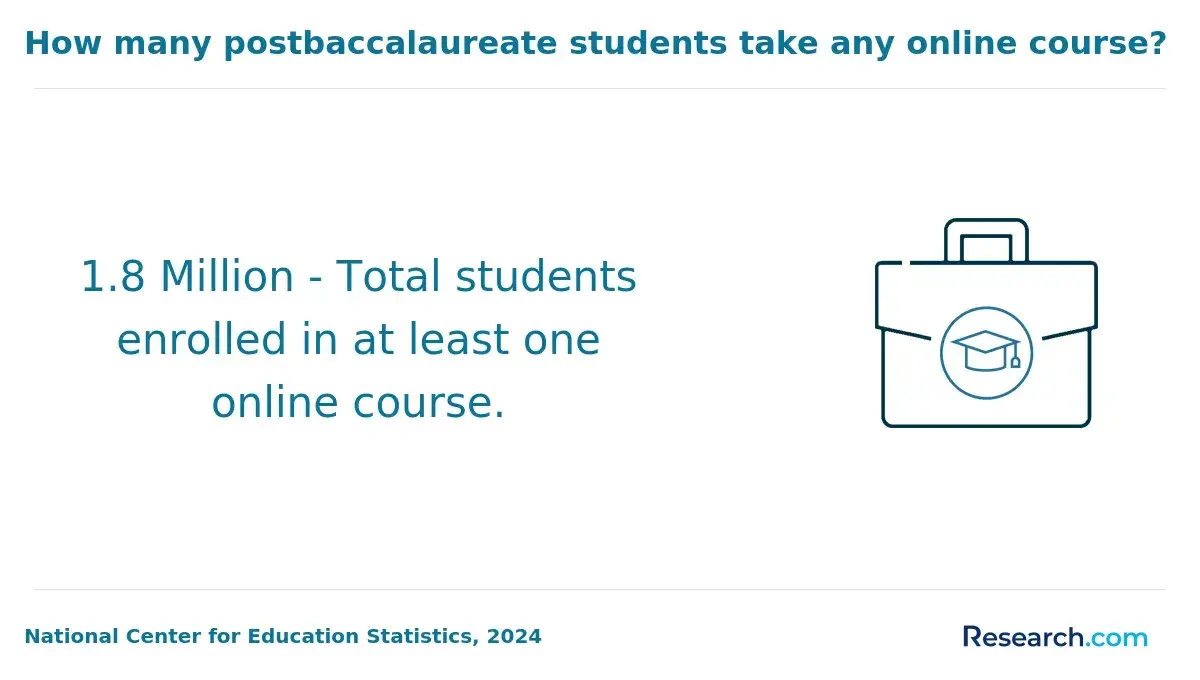
Adults over 30 often choose online applied behavior analysis bachelor’s programs because they need education that fits around existing responsibilities. According to the National Center for Education Statistics, more than 40% of all undergraduate online enrollment in the United States consists of adult learners aged 30 and above, which shows that online learning is not a niche option for this age group.
The main reasons adults choose online programs include:
- Work-life-school balance: Adults may already have full-time jobs, children, caregiving duties, or financial obligations. Online coursework can reduce commuting time and make it easier to study during evenings, weekends, or other available hours.
- Career change or advancement: Applied behavior analysis attracts adults who want to move into behavioral health, education, developmental services, social services, or related support roles. Some students are changing careers; others are formalizing skills they already use at work.
- Access from any location: Online programs can help students who live far from a campus, work irregular hours, or cannot relocate. This is especially valuable for adults who need a specific major but have limited local options.
- More control over pacing: Many online courses are asynchronous, meaning students can complete lectures, readings, discussions, and assignments without attending live class at a fixed time. This format can work well for disciplined adult learners.
- Lower disruption: Returning to school can affect income, childcare, transportation, and family routines. Online programs may reduce some of that disruption, although they still require consistent weekly study time.
Adults comparing education paths may also evaluate adjacent fields before committing. For example, someone interested in information services rather than behavioral services might compare an ABA pathway with a master’s in library science. The right choice depends on the work environment, population, and long-term credential requirements you prefer.
What Challenges Do Adults Over 30 Face in Online Applied Behavior Analysis Programs?
Adults over 30 can succeed in online applied behavior analysis programs, but they should expect an adjustment period. The most common challenges are not about ability; they are about time, confidence, technology, and competing responsibilities.
Common challenges include:
- Rebuilding academic habits: Adults who have been away from school may need time to get comfortable with research, writing, exams, discussion boards, citations, and weekly deadlines. Study skills usually return with practice, but the first term can feel demanding.
- Managing limited time: Work schedules, family care, and household responsibilities can make it hard to create uninterrupted study blocks. Without a weekly plan, small assignments can quickly become overdue work.
- Learning online systems: Students may need to use a learning management system, video tools, digital textbooks, proctoring software, online library databases, and assignment portals. Even tech-confident adults should plan time to learn each platform.
- Handling fatigue: Studying after a workday or after children are asleep can be mentally draining. Burnout becomes more likely when students take too many credits at once or skip rest entirely.
- Feeling isolated: Online students may not naturally form relationships with classmates. Adults can feel disconnected if courses do not include meaningful interaction or if they hesitate to contact instructors.
- Applying feedback: Applied behavior analysis coursework often emphasizes data, observation, intervention planning, ethics, and evidence-based decision-making. Students may need to learn how to revise their thinking based on instructor feedback and measurable outcomes.
One adult learner who completed an online applied behavior analysis bachelor’s degree after turning 30 described the hardest part as “retraining my brain to study effectively.” He said deadlines and technology felt overwhelming at first, especially with family responsibilities, but setting fixed study hours made the workload more manageable.
His experience highlights a practical lesson: adults should not wait until they feel fully ready. Instead, they should build support early by contacting instructors, using tutoring, asking advisors about course sequencing, and setting expectations with family or employers before the term begins.
How Flexible Are Online Applied Behavior Analysis Bachelor's Degrees for Adults Over 30?
Online applied behavior analysis bachelor’s degrees can be flexible, but flexibility varies by school. Some programs are highly asynchronous and adult-friendly, while others still require live sessions, strict weekly deadlines, field experiences, or scheduled exams. Adults over 30 should look closely at the format before enrolling.
Over 40% of higher education students now participate in distance learning, reflecting demand for options that work beyond the traditional campus schedule. For adult learners, the most useful flexibility features usually include:
- Asynchronous coursework: Students can watch lectures, read materials, and complete assignments without attending class at a fixed time. This is often the best fit for adults with work or caregiving responsibilities.
- Evening or weekend options: Some programs include live sessions, advising, or group work outside standard business hours, which can help working adults participate more consistently.
- Part-time enrollment: Taking fewer courses each term can reduce stress and improve retention, although it may extend the time needed to graduate.
- Accelerated courses: Shorter course formats may help motivated students move faster, but they can also create a heavier weekly workload. Adults should be cautious about stacking multiple accelerated courses while working full time.
- Multiple start dates: Programs with several start dates per year may help adults begin when work and family schedules are more stable.
- Mobile access: A learning platform that works well on phones and tablets can make it easier to review readings, check announcements, or participate in discussions during short breaks.
Flexibility should not be confused with lack of structure. The best online programs give adults room to manage their schedule while still providing clear deadlines, instructor access, advising, and academic support. Students comparing formats in other disciplines may see similar scheduling models in programs such as a business administration online degree.
How Many Hours Per Week Do Online Applied Behavior Analysis Students Study?
Adults over 30 in online applied behavior analysis bachelor’s programs generally spend between 12 and 20 hours per week on coursework. The exact number depends on course load, reading volume, assignment deadlines, prior academic experience, and whether the program uses standard or accelerated terms.
On average, undergraduate students devote about 15 hours weekly to academic activities, including reading, writing, assignments, discussions, exams, and applied projects. Adults taking heavier course loads or accelerated classes should expect to be closer to the higher end of the 12 and 20 hours per week range.
A realistic weekly plan might include:
- Reading and lecture review: Time to understand behavior principles, terminology, ethics, and research-based practices.
- Written assignments: Applied behavior analysis courses often require clear explanations, case-based analysis, and data-informed recommendations.
- Discussion participation: Online courses may require responses to peers and instructors, often with deadlines spread across the week.
- Projects and observation-based work: Some courses may include behavior tracking, intervention planning, or applied scenarios that require more than one sitting.
- Exam preparation: Students returning after a long break may need extra review time until they rebuild test-taking confidence.
One adult learner said that “finding consistent study time amidst work and family life was tough at first.” She found that shorter study sessions across the week worked better than waiting for one long block of free time. That approach is often more realistic for adults because it reduces the risk that one unexpected work shift, sick child, or family obligation will derail the entire week.
Before enrolling, adults should test their schedule honestly. If 12 hours per week is already difficult to protect, part-time enrollment may be the better starting point.
How Long Does It Take to Earn an Applied Behavior Analysis Degree Online After 30?
Adults over 30 who pursue an online applied behavior analysis bachelor’s degree usually take between three and six years to finish. The timeline depends less on age and more on enrollment intensity, transfer credits, program structure, and how consistently the student can stay enrolled.
Key factors that affect completion time include:
- Course load: Full-time students usually progress faster, while part-time students may take longer but have more room for work and family obligations. Adults should choose a pace they can sustain, not just the fastest option.
- Transfer credits: Prior college coursework may shorten the degree if the school accepts those credits toward general education, electives, or major requirements. Transfer policies vary, so students should request an official credit evaluation before committing.
- Prior learning or professional experience: Some institutions offer credit for prior learning, military training, certifications, or workplace experience. Policies differ widely, but this can reduce both time and cost when available.
- Accelerated terms: Shorter courses can help students move quickly, but they compress reading and assignments into fewer weeks. This format works best for students with predictable schedules and strong time-management skills.
- Continuous enrollment: Students who take courses in consecutive terms, including summers, may finish sooner. Taking breaks can be necessary, but each interruption may extend the graduation date.
- Required practicum or field components: Some programs may include applied assignments or supervised experiences. Adults should ask early whether any in-person, site-based, or scheduled participation is required.
The best timeline is the one that leads to completion without creating unsustainable stress. For many adults, starting with a manageable course load and increasing later is safer than overloading the first term and stopping out.
How Much Do Online Applied Behavior Analysis Bachelor's Degrees Cost for Adults Over 30?
Online applied behavior analysis bachelor’s degree programs for adults over 30 typically charge tuition by the credit hour, with total costs generally ranging between $15,000 and $40,000. The final cost depends on the school, residency rules, transfer credits, fees, course load, and how long the student remains enrolled.
Adults should review the full cost of attendance, not just the advertised tuition rate. Important cost factors include:
- Tuition per credit: Most programs charge between $300 and $600 per credit hour. Private institutions often cost more than public options, although online tuition policies vary by school.
- Residency status: Public universities may charge different rates for in-state and out-of-state students. Some online programs use a separate online tuition rate, so students should confirm the exact policy.
- Technology and online learning fees: Online students may pay platform fees, proctoring fees, course fees, graduation fees, or other administrative charges.
- Books and materials: Digital materials can reduce costs, but some courses may still require textbooks, assessments, software, or supplemental resources that add several hundred dollars each semester.
- Transfer credit savings: Accepted credits from prior college work can reduce the number of courses needed, lowering both tuition and time in school.
- Financial aid: Adults over 30 should check federal aid eligibility, scholarships, grants, payment plans, and employer tuition reimbursement. Working students should ask employers whether reimbursement applies to online programs and whether minimum grades are required.
- Opportunity cost: Even when studying online, adults may reduce work hours, decline overtime, or pay for childcare. These indirect costs should be part of the budget.
Before enrolling, ask the school for a written estimate that includes tuition, fees, expected credits to graduation after transfer evaluation, and any required materials. A lower tuition rate is not always cheaper if the program accepts fewer transfer credits or requires more total courses.
What Features Make an Online Applied Behavior Analysis Bachelor's Program Adult-Friendly?
Nearly 40% of online students are over 30, so adult-friendly design is not a bonus; it is a major quality factor. A good online applied behavior analysis bachelor’s program should recognize that many students are working adults who need predictable expectations, responsive support, and flexible access.
Look for these features when comparing programs:
- Clear asynchronous structure: Courses should make it easy to see weekly deadlines, assignment requirements, grading rubrics, and instructor expectations. Flexibility works best when the course is well organized.
- Adult-focused advising: Advisors should help with transfer credits, part-time pacing, course sequencing, financial aid questions, and graduation planning. Adults need practical planning, not generic first-year advice.
- Accessible faculty: Instructors should offer timely feedback and reasonable communication options, such as email, virtual office hours, or scheduled appointments.
- Strong technical support: Online learners need help with login issues, assignment uploads, video tools, proctoring systems, and library access. Support should be available when adults are likely to study, not only during standard weekday hours.
- Career services for working adults: Resume help, interview preparation, job search support, and guidance on behavioral health roles can help students connect coursework to employment goals.
- Transfer-friendly policies: Adult students often have prior credits. A transparent transfer evaluation can prevent wasted time and repeated coursework.
- Relevant applied coursework: Courses should connect behavior principles to realistic settings such as schools, clinics, family support, disability services, and community programs.
- Accreditation transparency: Students should verify institutional accreditation and ask how the degree aligns with employer expectations, graduate study, and any state-specific requirements that may affect future roles.
Adults comparing flexible professional programs across different fields may also encounter unrelated uses of the acronym ABA, such as ABA-approved paralegal programs. For applied behavior analysis, make sure the curriculum, faculty expertise, and career outcomes are specific to behavioral science rather than a similarly named field.
What Jobs Can You Get With an Applied Behavior Analysis Bachelor's Degree After 30?
An applied behavior analysis bachelor’s degree after 30 can support entry-level and support roles in behavioral health, education, developmental services, rehabilitation, and social services. Employment in behavioral health is projected to grow by 12% over the next decade, reflecting continued demand for workers who understand behavior support and evidence-based intervention.
Adults should be careful, however, not to assume that a bachelor’s degree automatically qualifies them for every ABA-related title. Some roles require supervision, certification, graduate education, state licensure, or employer-specific training. If your long-term goal is to become a Board Certified Behavior Analyst or pursue advanced supervisory roles, compare bachelor’s options with bcba master's programs so your education plan matches the credential you want.
Common roles for bachelor’s-level graduates may include:
- Behavior Technician: Implements behavior intervention plans under supervision, collects data, supports clients during sessions, and helps apply strategies designed by qualified professionals.
- Case Manager: Coordinates services, communicates with families or providers, monitors client progress, and helps connect behavioral goals with broader care plans.
- School Behavior Specialist: Supports students and educators by helping track behavior patterns, reinforce positive behaviors, and contribute to school-based support plans. Requirements vary by district and state.
- Social Service Specialist: Works with individuals or families in community settings, helping connect clients to resources and support plans informed by behavioral principles.
- Rehabilitation Specialist: Supports skill-building, independence, and adjustment for individuals recovering from injury, trauma, or other life changes.
- Residential Program Staff or Coordinator: Helps support individuals in group homes, supported living programs, or community-based care settings, often using behavior support plans and documentation.
Adults over 30 may also bring advantages to these roles, especially if they have experience in education, healthcare, childcare, social services, management, or caregiving. For career advancement beyond the bachelor’s level, some students later compare graduate options, including the fastest online master’s degree programs in related fields.
Does Age Affect Hiring After Earning an Online Applied Behavior Analysis Degree?
Age by itself should not be the deciding factor in hiring. Employers in applied behavior analysis and behavioral health typically look for relevant education, supervised experience, communication skills, reliability, ethical judgment, and the ability to collect and use behavioral data appropriately.
Research from the Society for Human Resource Management (SHRM) in 2021 found that 64% of employers value age diversity, recognizing that different age groups can contribute different perspectives and problem-solving approaches. For adults over 30, this can be an advantage when paired with current training and a clear understanding of the field.
Adult graduates can strengthen their job search by showing employers that they are ready for the practical demands of the work. Helpful steps include:
- Translate prior experience: Connect previous work in teaching, healthcare, customer service, childcare, management, or caregiving to skills used in behavior support roles.
- Highlight current coursework: Emphasize applied behavior analysis concepts, ethics, data collection, intervention support, and experience with case-based assignments.
- Be clear about credentials: State what the bachelor’s degree qualifies you for and what additional certification, supervision, or graduate study you are pursuing if needed.
- Prepare for skills-based interviews: Employers may ask how you handle challenging behavior, document progress, follow a treatment plan, or communicate with families and supervisors.
- Show comfort with learning: Earning an online degree can demonstrate persistence, self-direction, and the ability to adapt to new systems.
Adults should also watch for age-related assumptions during the job search, such as concerns about technology or adaptability. A strong resume, recent coursework, practicum or work examples, and confident interview answers can help keep the focus on qualifications rather than age.
What Graduates Say About Online Applied Behavior Analysis Bachelor's Degrees for Adults Over 30
- : "Choosing to pursue an online applied behavior analysis bachelor’s degree at over 30 gave me a way to keep moving toward my career goals without stepping away from my family responsibilities. The flexibility mattered, but so did the instructors who understood that adult students are managing more than coursework. It was challenging, but the structure helped me stay committed. — Eddie"
- : "Returning to school in my early thirties was intimidating at first. Once classes started, I realized that my work and life experience actually helped me understand the practical side of applied behavior analysis. The online format let me apply concepts to my job right away, which made the degree feel relevant instead of abstract. — Sage"
- : "Completing my online applied behavior analysis bachelor’s degree at 31 changed how I saw my career options. I had to plan carefully around work and family, but the adult-centered support kept me from feeling like I was doing it alone. Earning the degree gave me more confidence and helped me pursue new professional opportunities. — John"
Other Things You Should Know About Applied Behavior Analysis Degrees
Yes, prior experience in fields such as education, social work, or healthcare can enhance an adult learner's understanding of applied behavior analysis concepts. This background often helps students more quickly grasp therapeutic techniques and improves their practical application skills during coursework and internships.
Accreditation ensures the program meets established academic standards, which is crucial for credibility and future employment. Additionally, completing an accredited online applied behavior analysis bachelor's program is often necessary for eligibility to pursue certification as a Board Certified Behavior Analyst (BCBA).
Online Applied Behavior Analysis Bachelor's programs in 2027 commonly offer flexible practicum opportunities tailored to students' locations. Many programs partner with local organizations, allowing students to engage in supervised fieldwork relevant to their coursework, giving them practical experiences to improve skills in conducting behavioral assessments and interventions.
References
- Top Online Bachelor's in Behavior Analysis https://www.appliedbehavioranalysisedu.org/bachelors-in-behavior-analysis-online/
- World's Largest platform as University Common Application https://www.planstudyabroad.uniagents.com/course-details.php
- Applied behavior analysis and autism: Flawed application of a proven science https://www.thetransmitter.org/spectrum/applied-behavior-analysis-and-autism-flawed-application-of-a-proven-science/
- Adult learners’ application behavior is changing—here’s how | EAB https://eab.com/resources/blog/adult-education-blog/adult-learners-application-behavior-changing/
- Let’s Be Frank: ABA Is About To Plunge Over A Demographic Cliff. Can It Survive The Landing? https://behavioranalysisblogs.abainternational.org/2025/02/05/lets-be-frank-aba-in-the-u-s-is-about-to-go-over-a-demographic-cliff-and-the-landing-wont-be-pretty/
- Online Master's in Applied Behavior Analysis https://onlinecounselingprograms.com/online-counseling-degrees/online-masters-in-aba-programs/
- Top 15 Best Online Applied Behavior Analysis Degree Programs https://www.appliedbehavioranalysisprograms.com/rankings/applied-behavior-analysis-online-programs/
- Applied Behavior Analysis Online - Niagara University https://www.niagara.edu/programs/applied-behavior-analysis-online/
- 14 Affordable ABA Programs: Expert-Verified Options Under $15,000 - Online ABA Programs https://onlineabaprograms.org/masters/affordable-aba-programs/
- 10 Benefits of an Applied Behavior Analysis Degree for Career Growth https://hireaba.today/blog-posts/10-benefits-of-an-applied-behavior-analysis-degree-for-career-growth