2027 What Jobs Can You Get With an Applied Behavior Analysis Bachelor's Degree?

Co-Founder and Chief Data Scientist
A bachelor’s degree in applied behavior analysis can lead to direct-service, education, behavioral health, case management, and program support roles. The important question is not simply whether jobs exist, but which jobs match your credentials, whether they require certification or supervision, and how far you can advance before needing graduate study.
This degree is especially useful for people who want to work with behavior change, skill development, autism services, developmental disabilities, school-based supports, or human services programs. It can also prepare graduates for roles outside traditional therapy settings because ABA coursework builds practical skills in observation, data collection, intervention planning, communication, and progress monitoring.
The labor market is also favorable for many behavior-related occupations, with employment in behavior analysis-related fields projected to grow by 13% over the next decade. Still, job titles, credential rules, and advancement paths vary by employer and state. This guide explains what jobs are realistic with an applied behavior analysis bachelor’s degree, which industries hire graduates, when certifications or a master’s degree may be required, and how to think about remote work, career switching, and long-term growth.
Key Benefits of the Jobs You Can Get With a Applied Behavior Analysis Bachelor's Degree
- Applied behavior analysis bachelor's degree holders can work in healthcare, education, social services, and corporate sectors, showcasing strong career versatility across multiple industries.
- Many jobs in this field offer competitive salaries, with the U.S. Bureau of Labor Statistics noting a median pay above $60,000, plus opportunities for rapid professional advancement.
- The degree supports long-term growth by providing foundational skills applicable to graduate studies and certifications, enabling access to diverse career pathways like behavior analyst or program coordinator roles.
What Entry-Level Jobs Can I Get With a Applied Behavior Analysis Bachelor's Degree?
With an applied behavior analysis bachelor’s degree, the most common entry-level jobs are direct-service and support roles. These positions usually involve implementing behavior plans, collecting data, supporting clients or students, and working under the supervision of a more advanced professional, such as a Board Certified Behavior Analyst (BCBA), licensed clinician, special education leader, or program manager.
National data indicate that about 65% of bachelor's degree holders secure employment related to their field within the first year after graduation. For ABA graduates, job readiness often depends on supervised experience, comfort working with clients, and familiarity with documentation and ethical service delivery.
| Entry-level role | What you typically do | Why the ABA degree helps |
| Behavior Technician | Work directly with clients, often children or adults with developmental disabilities, to implement behavior intervention plans under supervision. | ABA coursework prepares you to observe behavior, follow intervention protocols, collect data, and respond consistently during sessions. |
| ABA Therapist Assistant | Support certified therapists by helping clients build skills, reduce challenging behaviors, and practice treatment goals. | The degree provides a foundation in reinforcement, behavior assessment, skill acquisition, and treatment progress monitoring. |
| Case Manager Assistant | Help coordinate care, maintain records, track client progress, communicate with families, and support service planning. | ABA training strengthens organization, data interpretation, and goal-focused documentation. |
| Behavioral Interventionist | Implement behavior plans in homes, clinics, schools, or community settings and report changes to supervisors. | Graduates learn how behavior plans are structured and how intervention strategies are adjusted based on ongoing data. |
When comparing entry-level ABA jobs, look beyond the job title. Ask whether the employer provides supervision, whether certification is required, how client safety is handled, how caseloads are assigned, and whether the role creates a path toward higher-level credentials. Some positions are excellent stepping stones; others may offer limited advancement without additional training.
For students considering long-term academic pathways after gaining work experience, resources such as affordable online PhD program options can help frame future education decisions beyond entry-level applied behavior analysis jobs.
What Industries Hire Applied Behavior Analysis Bachelor's Degree Graduates?
Applied behavior analysis graduates are hired in industries where behavior, learning, skill development, safety, and support planning matter. Recent studies show that nearly 65% of employers in healthcare, education, and social services actively seek candidates with relevant bachelor's degrees.
The strongest fit is usually in settings that serve people with developmental, behavioral, learning, or mental health needs. However, ABA principles can also apply to employee training, organizational performance, and community programs.
- Healthcare and mental health services: Clinics, therapy providers, hospitals, and behavioral health organizations may hire graduates for technician, assistant, care coordination, or program support roles. These jobs often involve treatment plan implementation, progress documentation, and close coordination with clinicians.
- Educational institutions: Public schools, private schools, special education programs, and alternative learning environments may use ABA-informed strategies to support students with behavioral or developmental needs. Graduates may work alongside teachers, school psychologists, counselors, and special education teams.
- Social services and community agencies: Human services organizations may hire ABA graduates to support independent living skills, behavior management plans, family services, and community integration programs.
- Organizational and corporate settings: Some employers apply behavior-based methods to improve training, safety, productivity, and employee performance. These roles are less clinical and may require additional experience in organizational development, human resources, or training design.
- Early intervention and child development centers: These programs often serve young children with developmental delays and rely on structured observation, progress tracking, and individualized support strategies.
To choose the right industry, consider the population you want to serve, the level of supervision available, the emotional demands of the work, and whether the employer supports certification or graduate school. A school-based role may offer a predictable calendar, while a clinic or home-based ABA provider may offer more direct ABA experience. Social services roles may be broader but less specialized.
Students still comparing degree options can use affordable online bachelor's degree options to evaluate cost before committing to an education pathway.
Can You Get Jobs Outside Your Major With a Applied Behavior Analysis Bachelor's Degree?
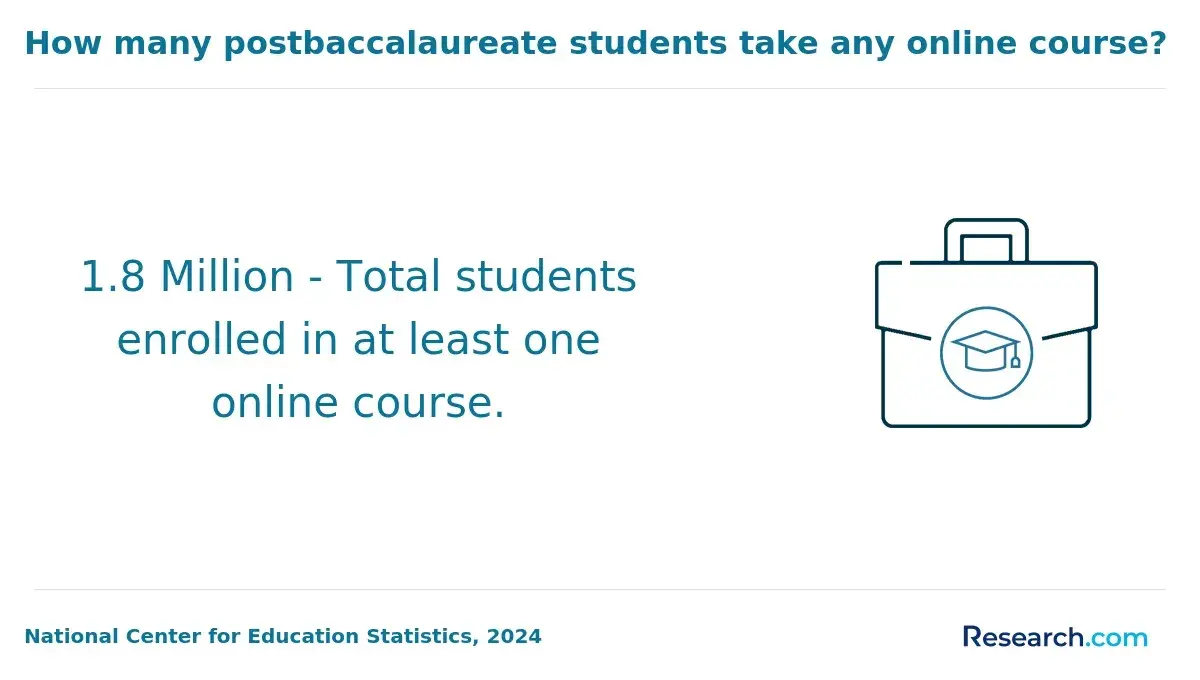
Yes. An applied behavior analysis bachelor’s degree can support jobs outside the ABA field because the training is built around practical, transferable skills. Research shows that nearly 41% of college graduates work in roles unrelated to their major, and ABA graduates may be competitive for positions that require communication, data tracking, coaching, documentation, and problem-solving.
The best outside-major options are usually adjacent fields rather than completely unrelated roles. For example, graduates may move into case coordination, education support, human services administration, workforce training, customer success, nonprofit programming, or behavioral health operations.
- Transferable skills: ABA programs develop observation, critical thinking, data analysis, documentation, intervention planning, and outcome measurement. These skills are useful in roles that require employees to identify patterns, test solutions, and monitor progress.
- Employer hiring trends: Many employers value communication, teamwork, reliability, empathy, and adaptability as much as major-specific knowledge. ABA graduates can demonstrate these traits through fieldwork, practicum experience, client interaction, and team-based service delivery.
- Experience and training: A degree alone may not be enough for a pivot. Internships, volunteer work, short courses, certifications, or entry-level administrative experience can help translate ABA knowledge into a new industry.
The main mistake is assuming employers will automatically understand how ABA applies to their field. On a resume, describe your work in business-friendly language: data collection, behavior support, training implementation, stakeholder communication, compliance documentation, and measurable outcomes.
What Remote Jobs Can I Get With a Applied Behavior Analysis Bachelor's Degree?
Remote opportunities exist for applied behavior analysis bachelor’s graduates, but they are not all fully independent clinical roles. Remote ABA-related work often involves telehealth support, caregiver coaching assistance, administrative coordination, documentation, scheduling, data review, or virtual education. Over 70% of employers offer some form of telecommuting, but ABA graduates should expect remote roles to vary in how much direct client interaction they include.
- Remote Behavioral Technician: Some employers offer virtual support roles where technicians assist with sessions, document behavior data, and help implement strategies under supervision. These jobs may require strong technology skills and clear boundaries around what can be done remotely.
- Remote Behavioral Consultant: Bachelor’s-level graduates may support consultation workflows, caregiver communication, data organization, or plan implementation under qualified supervision. Independent consulting may require advanced credentials depending on the services provided.
- Online ABA Tutor or Coach: Graduates may help parents, caregivers, or educators understand behavior strategies in a structured virtual setting. These roles require the ability to explain concepts clearly without overstating one’s credentials.
- Program Coordinator for ABA Services: Coordinators may manage schedules, records, authorizations, team communication, and service documentation for ABA providers. This can be a strong remote option for graduates who are organized and detail-oriented.
Remote ABA work requires more than clinical knowledge. Employers often look for candidates who can protect confidentiality, document accurately, use telehealth platforms, communicate proactively, and manage time without close in-person oversight. Before accepting a remote role, ask how supervision is provided, how emergencies are handled, what technology is required, and whether the position meets any certification experience requirements you may need later.
Can I Switch Careers With a Applied Behavior Analysis Bachelor's Degree?
Yes. A bachelor’s degree in applied behavior analysis can be used as a career-change foundation, especially for roles that involve training, support services, coaching, operations, compliance, or human behavior. Recent data indicate that about 30% of degree holders across various disciplines shift into new sectors within five years of graduating.
The easiest transitions are into fields that still use your ABA strengths: structured communication, behavior change, progress tracking, documentation, and support planning. Examples include education services, nonprofit program coordination, behavioral health administration, workforce training, client success, human resources support, and community services.
A successful switch usually requires translating your experience for the target industry. Instead of describing only therapy tasks, emphasize broader competencies such as collecting and interpreting data, implementing structured plans, training caregivers or staff, managing sensitive records, collaborating across teams, and measuring progress toward goals.
If you are considering a more substantial pivot, compare the cost, time, and credential requirements before enrolling in new training. For example, reviewing fields such as construction management courses can help you understand how different career paths may require different technical preparation.
What Are the Highest-Paying Jobs With a Applied Behavior Analysis Bachelor's Degree?
The highest-paying jobs available with an applied behavior analysis bachelor’s degree are typically roles that add responsibility beyond direct entry-level service. Pay can vary by industry, employer, location, supervision requirements, certification status, and experience. Graduates with bachelor’s degrees generally earn considerably more than individuals with only a high school diploma, but ABA-related salaries still depend heavily on credentials and scope of practice.
For bachelor’s-level graduates, higher earning potential is usually tied to program coordination, case management, specialized behavioral support, leadership duties, or progression toward certification.
- Behavior Analyst Assistant: This role supports licensed or board-certified behavior analysts by helping implement plans, collect data, and monitor client progress. Pay may improve with experience, certification, and the ability to handle more complex cases under supervision.
- Behavioral Therapist: Behavioral therapists use ABA-informed strategies to support people with developmental or behavioral challenges. Earnings can become more competitive as professionals gain direct client experience, stronger documentation skills, and specialized population experience.
- Case Manager: Case managers coordinate services, communicate with families and providers, monitor care plans, and connect clients to resources. Compensation often reflects the level of responsibility, caseload complexity, and agency funding.
- Program Coordinator: Program coordinators oversee schedules, staff communication, client records, quality standards, and service delivery goals. Because this role includes administrative and leadership responsibilities, it may offer higher pay than direct-service positions.
- Human Services Specialist: These specialists assess client needs, provide referrals, support behavioral health services, and advocate for clients in community settings. Pay varies widely based on the organization, funding source, and responsibilities.
If pay is a major decision factor, compare job postings carefully. Look at required credentials, travel expectations, billable-hour requirements, benefits, supervision quality, and advancement pathways. A role with slightly lower starting pay but strong supervision and certification support may be better for long-term earnings than a higher-paying job with limited growth.
What Career Growth Opportunities Are Available With a Applied Behavior Analysis Bachelor's Degree?
An applied behavior analysis bachelor’s degree can support steady career growth, but advancement often depends on experience, certification, graduate education, and the type of employer. Many graduates begin in direct-service roles and later move into senior technician, trainer, coordinator, case management, or supervisory support positions.
Common growth paths include:
- Direct service to lead support roles: Experienced behavior technicians or interventionists may train new staff, model implementation strategies, or help maintain treatment consistency.
- Direct care to coordination: Graduates who are strong in documentation and communication may move into program coordination, scheduling, intake, quality assurance, or case management.
- Client work to specialization: Some professionals develop expertise in autism services, early intervention, school behavior support, developmental disabilities, or behavioral health operations.
- Bachelor’s-level roles to graduate-level practice: Graduates who want to design behavior plans independently, supervise clinical teams, or pursue advanced credentials often continue into master’s-level study.
- ABA to leadership: With experience, some professionals move into operations, staff training, compliance, or program management roles within healthcare, education, or social services organizations.
Growth is not automatic. The strongest candidates document outcomes, seek supervision, learn ethical standards, build rapport with families and teams, and become skilled at explaining behavior data in plain language. Professionals who can combine technical ABA knowledge with leadership, empathy, and reliable communication are often better positioned for advancement.
A practical growth plan should include regular resume updates, a record of supervised experience, targeted certification planning, and conversations with supervisors about promotion criteria. If your goal is a clinical leadership role, identify early whether a master’s degree or state-specific license will be required.
What Jobs Require Certifications After a Applied Behavior Analysis Bachelor's Degree?
Many applied behavior analysis jobs either require certification or strongly prefer it. Certification rules depend on the job title, employer, state regulations, insurance requirements, and the population served. A bachelor’s degree can qualify you for some support roles, but additional credentials may be necessary for increased responsibility or certain supervised service positions.
- Behavior Technician: This entry-level role often requires the Registered Behavior Technician (RBT) certification. The credential signals that the professional has foundational ABA knowledge and can implement behavior plans under appropriate supervision.
- Behavior Analyst Assistant: Bachelor’s-level professionals supporting board-certified analysts may pursue RBT or Board Certified Assistant Behavior Analyst (BCaBA) certification, depending on employer expectations and role scope.
- Special Education Paraprofessional: School-based support roles may require paraprofessional certification or state credentials. An ABA degree can strengthen behavior management skills, but school systems often have separate hiring and credential rules.
- Care Coordinator in Behavioral Health Programs: Coordinators may need credentials such as Certified Autism Specialist (CAS) or a Licensed Behavior Analyst designation, based on state requirements and job duties.
- Early Intervention Specialist: Professionals working with young children may need early childhood intervention certification or licensure in addition to ABA-related knowledge.
If your long-term goal is BCBA-level practice, confirm the required degree, coursework, supervised experience, and exam pathway before choosing a program. Students comparing graduate options can also review a bcba online program to understand how affordability, accreditation, and supervised-experience planning may affect their next step.
Certification planning is also useful for students comparing related behavioral science fields. For example, those asking what you can do with a forensic psychology degree may find that many behavioral health careers depend not only on the degree earned but also on licensure, certification, and supervised experience.
What Jobs Require a Master's After a Applied Behavior Analysis Bachelor's Degree?
A bachelor’s degree can lead to meaningful ABA-related work, but some roles require a master’s degree because they involve assessment, independent treatment planning, clinical supervision, licensure, or advanced professional judgment. Recent data show that over 60% of advanced ABA roles prefer or require a master's-level credential.
Graduate school is most important if you want to move from implementing plans to designing, supervising, or authorizing them. Before enrolling, check the credential requirements for your state and intended role because licensure and certification rules can vary.
- Behavior Analyst: Behavior analysts design, implement, monitor, and revise behavior intervention plans for individuals with developmental disabilities and other behavioral needs. A master’s degree is usually required for the advanced knowledge, supervised preparation, and certification pathway associated with this role.
- Clinical Supervisor: Supervisors oversee behavior therapists, technicians, and treatment quality. Employers commonly expect a master’s degree because the role involves clinical judgment, ethics, staff oversight, and accountability for service delivery.
- School Psychologist: School psychologists assess students’ behavioral, emotional, and learning needs and collaborate with educators and families. Licensure standards almost always mandate a master’s or higher degree.
- Licensed Mental Health Counselor: Counselors working with behaviorally challenged populations generally need a master’s degree to meet licensure requirements and develop advanced therapeutic skills.
The decision to pursue a master’s should be based on career requirements, not assumptions. If your target job requires independent clinical practice, supervision, or licensure, graduate education may be necessary. If you prefer program coordination, case management, or support roles, a bachelor’s degree plus experience and targeted certification may be sufficient.
Students comparing different professional paths may also examine fields with very different labor-market requirements, such as artificial intelligence degree salary information, to understand how education level and specialization affect career outcomes across industries.
What Is the Job Outlook for Applied Behavior Analysis Careers?
The job outlook for applied behavior analysis careers is generally strong, especially in healthcare, education, autism services, developmental disability services, and behavioral health programs. Careers in applied behavior analysis are projected to grow significantly, with employment in related mental health and behavioral fields expected to rise by about 20% over the next ten years.
Demand is shaped by several factors: the availability of funding for behavioral services, state and insurance requirements, school support needs, regional provider shortages, and the growing use of data-driven intervention methods. Employers are likely to favor candidates who can communicate clearly, collect accurate data, follow ethical guidelines, and work well with families, educators, clinicians, and care teams.
Technology is also changing the field. Telehealth, digital data-collection tools, remote supervision models, and online caregiver coaching can expand access to services, but they also require stronger documentation, privacy awareness, and comfort with digital platforms. Graduates who adapt to these tools may have more options than those prepared only for traditional in-person service delivery.
The outlook is not identical in every location or setting. Urban areas may have more providers and more competition, while underserved regions may have fewer organizations but stronger demand. School-based positions may follow public funding cycles, while clinic and home-based ABA roles may be tied to insurance reimbursement and provider growth. For long-term stability, graduates should build a mix of direct-service experience, certification readiness, data skills, and professional references.
What Graduates Say About the Jobs You Can Get With a Applied Behavior Analysis Bachelor's Degree
- : "Choosing an applied behavior analysis major gave me a practical way to help people with developmental disabilities build meaningful skills. My coursework in behavior modification and data collection prepared me for clinical and educational roles, and employers recognized that I already understood the basics of structured intervention. — Barry"
- : "The bachelor’s program helped me clarify that I wanted to work in behavioral health. I learned research-backed intervention methods, but just as important, I learned how to communicate with clients and families. Those skills are central to my work as a behavioral therapist. — Maurice"
- : "Earning a degree in applied behavior analysis expanded my options in schools, healthcare, and social service organizations. The focus on data-driven decisions and individualized plans helped me work with complex cases and collaborate with multidisciplinary teams while preparing for future certification. — Robin"
Other Things You Should Know About Applied Behavior Analysis Degrees
Jobs in applied behavior analysis require strong analytical skills to interpret behavioral data accurately. Effective communication skills are also crucial, as practitioners often collaborate with clients, families, and other professionals. Additionally, attention to detail and patience are key traits for implementing behavior intervention plans successfully.
Yes, many applied behavior analysis roles focus on specific populations, such as children with autism spectrum disorder or individuals with developmental disabilities. However, some jobs allow practitioners to work with a broader range of clients, including those in educational, organizational, or mental health settings. The scope often depends on employer focus and certification level.
Internships and hands-on practical experience are highly valuable for securing jobs in applied behavior analysis. They allow students and graduates to apply theoretical knowledge in real-world settings and build essential skills. Employers often prefer candidates with supervised practicum experience, which can also be a prerequisite for certification programs.
References
- Top 10 Benefits of Working in Applied Behavior Analysis Therapy - Supplemental Health Care https://shccares.com/blog/schools/top-10-benefits-of-working-in-applied-behavior-analysis-therapy/
- Entry Level Jobs for Behavior Analysts - Online ABA Programs https://onlineabaprograms.org/jobs-for-behavior-analysts/
- BCBA and ABA Salaries by State https://www.appliedbehavioranalysisedu.org/salaries/
- Can You Get an ABA Job With Only a Graduate Certificate? https://www.appliedbehavioranalysisprograms.com/faq/can-you-get-an-aba-job-with-only-a-graduate-certificate/
- 9 Careers in Applied Behavior Analysis | The Chicago School https://www.thechicagoschool.edu/insight/career-development/4-ways-to-use-degree-in-applied-behavior-analysis/
- ABA Career Path: Job Opportunities in Applied Behavior Analysis - Apple ABA https://appleabacare.com/aba-therapy-careers/aba-career-path/
- Types Of ABA Therapy Jobs And Their Degree Requirements - Blog - Achieve Beyond https://www.achievebeyondusa.com/types-of-aba-therapy-jobs-and-their-degree-requirements/
- BCBA Job Outlook 2025 Shows Strong Growth and Demand https://blossomabatherapy.com/blog/bcba-job-outlook
- Applied Behavioral Science Careers – 15 Jobs to Consider (2025 Outlook) | UAGC https://www.uagc.edu/blog/applied-behavioral-science-careers-15-jobs-consider-2025-outlook
- Behavior Analyst Job and Salary Outlook https://teach.com/online-ed/psychology-degrees/online-masters-applied-behavior-analysis/careers-and-salary/