2027 Can You Get an Applied Behavior Analysis Bachelor's Degree After 30?

Co-Founder and Chief Data Scientist
Going back to school after 30 is less about age and more about fit: Can the program work around your job, family responsibilities, budget, and career goals? For adults considering an applied behavior analysis bachelor's degree, that question matters because the field often attracts people who already have experience in education, caregiving, healthcare, social services, military service, or human services.
Adult learners are not unusual in this path. With nearly 40% of bachelor's degree recipients in related behavioral sciences over age 30 between 2015 and 2020, many students are entering or returning to college after building careers and families. The challenge is choosing a program that recognizes that reality instead of assuming every student can attend full time, during the day, on campus.
This guide explains how adults over 30 can evaluate applied behavior analysis bachelor's programs, estimate time to completion, use prior credits or work experience, plan for financial aid, and balance school with work and family. It also covers admissions expectations, employer perceptions, and the support services that can make the difference between stopping out and graduating.
Key Things to Know About Getting a Applied Behavior Analysis Bachelor's Degree After 30
- Admission often requires a high school diploma or prior college credits, with many programs offering credit for relevant work experience or military service to accelerate completion.
- Financial aid options like scholarships, employer tuition reimbursement, and federal grants help adult learners manage costs amid family and job responsibilities.
- Graduates can expect improved long-term earnings-median salaries rise by 20% to 30% when combining the degree with certification in applied behavior analysis.
Can You Really Get a Applied Behavior Analysis Bachelor's Degree After 30?
Yes. Earning an applied behavior analysis bachelor's degree after 30 is realistic, and for many adults it is a practical route into work connected to behavior support, developmental services, education, autism services, case coordination, and related human-service roles. Age itself is not an admissions barrier. The more important questions are whether the program is accredited, whether the schedule is manageable, and whether the degree supports your intended career path.
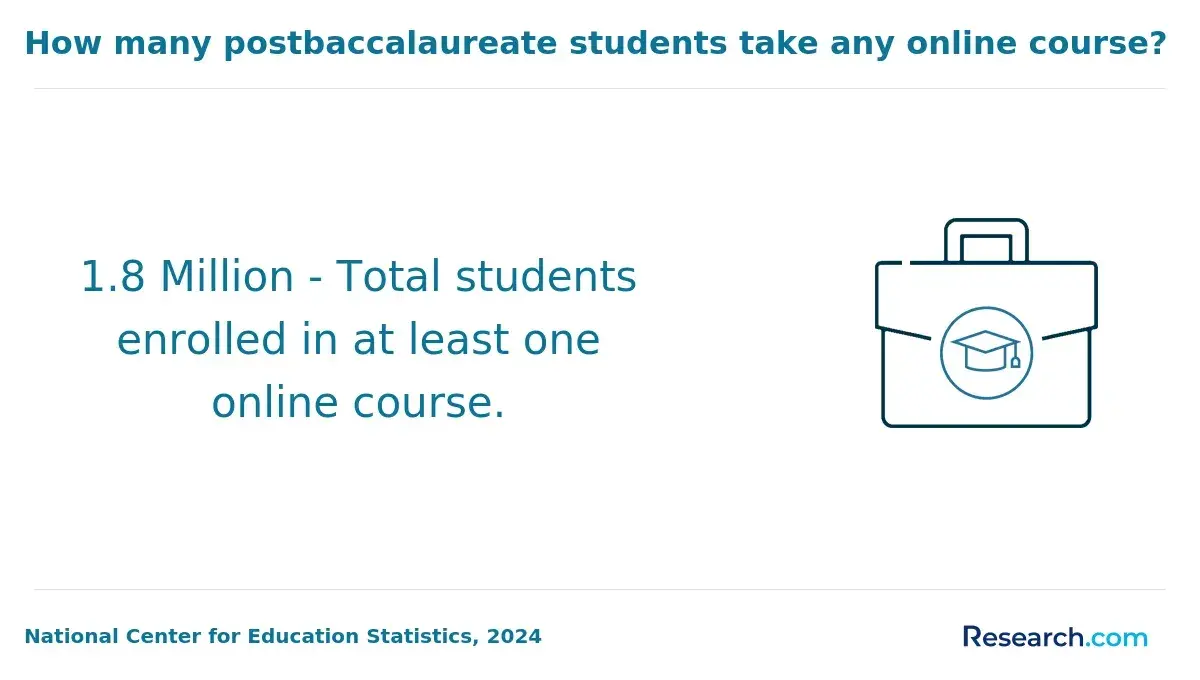
Data from the National Center for Education Statistics (NCES) shows a significant rise in adult learners aged 25 and older enrolling in bachelor's programs, including those focused on Applied Behavior Analysis. Colleges have responded with formats built for working adults: online courses, evening classes, part-time pacing, transfer-friendly policies, and advising for students returning after years away from school.
For adults over 30, success usually depends on planning before enrollment. A strong plan should answer five questions:
- How much time can you study each week? A realistic schedule matters more than an ambitious one that collapses after the first term.
- How many credits can you transfer? Prior college coursework, military training, CLEP exams, and professional learning may reduce the number of courses you need.
- What can you afford without overborrowing? Compare tuition, fees, books, technology costs, and any required field experience expenses.
- Does the program align with your career target? Applied behavior analysis is connected to several roles, but requirements vary by employer, state, and credential level.
- What support is available for adult learners? Advising, tutoring, career services, and flexible registration can help prevent avoidable delays.
Adult learners also benefit from thinking beyond the bachelor's degree. Some careers in behavior analysis require graduate education or additional credentials, so it can be useful to understand future options early. Students comparing long-term academic pathways may also review the easiest masters programs to get into while deciding how much time, cost, and academic preparation they may need after the bachelor's degree.
Why Are More Adults Over 30 Pursuing a Applied Behavior Analysis Bachelor's Degree?
More adults over 30 are pursuing an applied behavior analysis bachelor's degree because the program can connect prior life and work experience with a more focused credential. Longitudinal data from the Lumina Foundation, NCES, and the American Council on Education points to broader adult learner participation, especially among people changing careers, returning after employment disruption, or seeking advancement in service-oriented fields.
The increase is not driven by one factor. Most adult students are responding to several pressures at once: they want a more stable career, need a credential for promotion, want work with clearer social impact, or need a flexible program that can fit around caregiving and employment.
- Career transitions: Adults in their 30s and beyond often look for work that feels more meaningful or more durable. Applied behavior analysis can relate to roles in healthcare, education, disability services, behavioral support, and social services.
- Employer tuition benefits: Some employers provide tuition assistance or reimbursement when the degree connects to the employee's current or future role. This can make returning to school more financially realistic for working adults.
- Layoffs and workforce shifts: Post-pandemic restructuring pushed many workers to reconsider credentials. A bachelor's degree can help career changers show formal preparation instead of relying only on experience.
- Increased online program availability: Accredited online applied behavior analysis bachelor's programs can help parents, military veterans, full-time employees, and rural students reduce commuting and schedule conflicts.
- Wage premiums: Holding an applied behavior analysis bachelor's degree consistently results in higher wages. Adults may weigh that long-term benefit against the short-term cost of tuition and time.
The pandemic also normalized online learning, remote advising, and more flexible student support. For adults who plan to continue into graduate study in a behavioral field, a master in psychology online program may be part of a longer-term career plan, depending on the role and credential they eventually want to pursue.
What Are the Most Common Challenges Adults Over 30 Face When Pursuing a Applied Behavior Analysis Degree?
Adults over 30 can absolutely complete an applied behavior analysis degree, but the obstacles are usually different from those faced by traditional-age students. The biggest risks are not ability or motivation. They are time pressure, financial strain, unfamiliar systems, and the emotional challenge of returning to academic work after a long break.
Research from the Bill & Melinda Gates Foundation and Complete College America emphasizes that these barriers contribute to higher stop-out rates among adult learners, especially when students face several pressures at the same time. Recognizing the barriers early allows students to choose programs and supports that reduce the risk of interruption.
- Time constraints: Work schedules, childcare, eldercare, commuting, and unpredictable family needs can leave limited study time. A part-time plan may be slower but more sustainable.
- Financial pressures: Tuition, fees, books, transportation, technology, and reduced work hours can affect the household budget. Adults should build a full cost estimate before enrolling.
- Technology gaps: Online learning platforms, digital textbooks, citation tools, video assignments, and proctored exams can feel unfamiliar. Orientation and technical support are important.
- Imposter syndrome: Adults who have been away from school may question whether they still belong in college. This is common, especially in the first term.
- Academic bureaucracy navigation: Admissions, transfer evaluation, financial aid, registration, degree audits, and course sequencing can be confusing without proactive advising.
How to reduce the risk before you enroll
- Ask for a written transfer-credit evaluation before committing to a school.
- Request a sample course schedule for part-time and full-time enrollment.
- Confirm whether courses are asynchronous, synchronous, or a mix of both.
- Speak with financial aid about grant, loan, scholarship, and employer-benefit options.
- Use tutoring and writing support early, not only after grades decline.
A professional who enrolled in an applied behavior analysis bachelor's degree after 30 shared that "between balancing night shifts and caring for young children, finding dedicated study time felt nearly impossible." He also recalled feeling "increasingly anxious about using unfamiliar online systems," but said dedicated support helped him move through those hurdles.
He added, "I often questioned whether I belonged in class with younger students, but learning that many peers faced similar struggles made it easier to push through." His experience reflects a common adult learner pattern: the challenge is real, but it becomes more manageable when students choose a program with flexible pacing, responsive advising, and clear technical support.
What Types of Applied Behavior Analysis Bachelor's Degree Programs Are Best Suited for Adults Over 30?
The best applied behavior analysis bachelor's program for an adult over 30 is usually the one that minimizes friction: fewer unnecessary commutes, clear transfer policies, predictable scheduling, transparent costs, and advising that understands adult responsibilities. Program format matters because it affects how you study, how quickly you can finish, and how easily you can keep working.
- Hybrid programs: Hybrid formats combine online coursework with occasional in-person meetings. They work well for students who want flexibility but still value face-to-face interaction with instructors or classmates. The main trade-off is that campus meetings may create childcare, travel, or work-schedule conflicts.
- Fully online programs: Fully online options offer the most flexibility, especially when courses are asynchronous. They can be a strong fit for working adults, parents, military-connected students, and students who do not live near a campus. Institutions like WGU and Arizona State Online are examples of schools associated with flexible online learning. The main challenge is that students need strong self-management and reliable technology.
- Evening and weekend on-campus programs: These programs preserve a traditional classroom experience while scheduling courses outside standard work hours. They may suit students who learn better in person or want a predictable weekly routine. Commuting and limited course availability can be drawbacks.
- Competency-based education (CBE): CBE allows students to progress by demonstrating mastery rather than simply completing seat time. This can help adults with relevant work, military, or training experience move faster. It is not ideal for students who need frequent live instruction or a highly structured classroom rhythm.
- Accelerated cohort models: Cohort programs move a group of students through a fixed sequence together. They can create accountability and peer support, but they require steady commitment and may be harder to pause if work or family demands intensify.
How to choose the right format
- Choose fully online if your schedule changes often or commuting is a barrier.
- Choose hybrid if you want flexibility but still need some in-person connection.
- Choose evening or weekend classes if you prefer a traditional classroom and can commit to set meeting times.
- Choose CBE if you are highly self-directed and already have relevant knowledge or experience.
- Choose an accelerated cohort only if you can protect study time consistently.
If your long-term plan includes advanced behavior-analysis credentials, compare future graduate costs before choosing an undergraduate path; reviewing an affordable bcba school online can help you understand how the bachelor's degree may fit into a broader education plan.
Cost and structure vary widely across online programs. Although it covers a different field, Research.com's guide to online accounting degree programs can be useful for seeing how flexible online degrees are often compared by affordability, delivery format, and adult-learner fit.
How Long Does It Take to Earn a Applied Behavior Analysis Bachelor's Degree After 30?
The timeline depends on how many credits you already have, how many courses you can take each term, and whether the program offers transfer credit, prior learning assessment, or accelerated pacing. Data from the National Center for Education Statistics (NCES) show adult learners often take between three and six years to graduate, depending on whether they attend full- or part-time and how many credits are already earned.
Students entering with no prior college credit should generally plan around a traditional bachelor's timeline, adjusted for work and family obligations. Full-time students without prior credits typically need about four years. Part-time students often take longer, often six years or more. Adults who bring prior college credits, military training, CLEP exam results, or portfolio-based credit may shorten the path by up to two years.
- Prior credit recognition: Transfer credits, military credits, CLEP exams, and other approved learning may reduce duplicate coursework and shorten completion time by as much as two years.
- Enrollment status: Full-time study can move faster, but part-time study may be more realistic for adults managing employment, parenting, or caregiving.
- Accelerated tracks: Some institutions offer expedited programs that allow completion in as little as two to three years, depending on transfer credits and course load.
- Flexible formats: Online and hybrid options can help students continue taking courses during busy work or family periods.
- Completion trends: NCES data show a rise in adult learners choosing flexible ABA degrees, enabling faster, customized educational paths.
Questions to ask before estimating your timeline
- How many credits will the school accept from prior coursework?
- Will the program evaluate military training, workplace learning, or professional certifications?
- Are required courses offered every term or only once per year?
- Can you change from full-time to part-time without losing progress?
- Are fieldwork, internships, or capstone requirements built into the schedule?
A professional who completed her applied behavior analysis degree after 30 said credit transfers changed her timeline. "Knowing I could apply my prior military training made a huge difference," she said. "The flexible schedule allowed me to study evenings and weekends without feeling overwhelmed."
She described the experience as demanding but manageable because the program fit her life. "Looking back, it was a demanding journey-but one that felt tailored to my life, not the other way around." Her story illustrates why adults should not estimate time to degree from catalog language alone; they should request a personalized degree plan before enrolling.
How Can Adults Over 30 Pay for a Applied Behavior Analysis Bachelor's Degree?
Adults over 30 can use many of the same financial aid options as traditional-age students, and age alone does not disqualify a student from federal aid. The Free Application for Federal Student Aid (FAFSA) is accessible to all qualifying individuals, including adults over 25, military veterans, and parents returning to education. In fact, over 40% of FAFSA applications come from those aged 25 and older.
The best approach is to combine funding sources rather than rely only on loans. Adults should compare grants, employer benefits, scholarships, payment plans, and tuition differences across public, private, online, and campus-based programs.
- Federal financial aid: Pell Grants provide need-based funding that does not require repayment. Subsidized and unsubsidized federal loans may also be available with fixed interest rates and federal repayment options. Students must submit the FAFSA and meet eligibility requirements.
- Employer tuition assistance: Some employers reimburse tuition or pay part of the cost when the degree relates to the employee's role or career path. Ask whether benefits require minimum grades, continued employment, or preapproval.
- State adult learner grants: Many states offer funding for adults returning to college. Eligibility, award amounts, and program availability vary, so students should check state higher education agencies and school financial aid offices.
- Scholarships from ABA professional associations: Organizations such as the Association for Behavior Analysis International and regional chapters may offer scholarships for students committed to the field or demonstrating financial need.
- Income Share Agreements (ISAs): Some institutions offer ISAs, where repayment is based on a percentage of future income over a set period. Students should read the terms carefully and compare the total cost with federal loan options.
Cost-control steps before borrowing
- Submit the FAFSA early so you can compare aid packages before deciding.
- Ask your employer whether tuition reimbursement applies to an applied behavior analysis degree.
- Request a full cost of attendance, not just tuition per credit.
- Compare online and on-campus costs, including fees and commuting expenses.
- Ask whether transfer credits or prior learning assessment can reduce the number of courses you must pay for.
- Meet with a financial aid advisor before accepting loans.
Online Applied Behavior Analysis programs typically cost less than their on-campus counterparts, and public universities generally offer lower tuition than private institutions. Recent data also shows more adults enrolling in online Applied Behavior Analysis programs because affordability and flexible scheduling are especially important for students managing career and family responsibilities.
Will Employers Respect a Applied Behavior Analysis Bachelor's Degree Earned After 30?
Employers generally care more about accreditation, relevant skills, experience, and job fit than the age at which a candidate earned the degree. A regionally accredited Applied Behavior Analysis bachelor's degree can carry the same professional value whether it was completed at 22, 35, or later.
Data from the Society for Human Resource Management (SHRM) and the National Association of Colleges and Employers (NACE) confirm that hiring managers focus on the credential rather than when the degree was earned. For adult learners, the degree may also strengthen a resume by pairing formal education with previous work experience.
- Employer preference: Adult learners often bring professional maturity, communication skills, reliability, and persistence. These qualities can be valuable in applied behavior analysis settings where consistency and ethical judgment matter.
- Industry standards: In healthcare, educational services, and developmental disabilities support, a bachelor's degree in Applied Behavior Analysis is a mandatory credential for positions such as behavior technician and case manager. Requirements may vary by employer and location.
- Professional identity: Resumes and background checks verify the degree and institution, not the graduate's age. Accreditation and program relevance are more important than timing.
- Workforce trends: LinkedIn Workforce Insights highlights a 15% increase in professionals entering behavior analysis fields after age 30, indicating growing acceptance of adult learners in these roles.
Adult learners should present the degree as part of a coherent career story. For example, a former teacher, paraprofessional, healthcare worker, caregiver, or military veteran can connect previous experience to behavior-support roles. The key is to show employers how the new academic credential strengthens, rather than replaces, existing professional experience.
How Does Prior Work Experience Factor Into a Applied Behavior Analysis Bachelor's Degree Program After 30?
Prior work experience can help adults over 30 reduce time to degree, lower costs, and enter coursework with stronger context. The value depends on the school's policies. Some institutions convert approved workplace learning, military training, exams, or certifications into academic credit, while others only accept traditional college transfer courses.
Adult learners should ask about prior learning assessment before enrolling, not after. A generous policy can save time, but it must still fit the degree plan. Credits that transfer as electives may be helpful, but credits that satisfy major, general education, or prerequisite requirements are usually more valuable.
- Prior Learning Assessment (PLA): Institutions evaluate college-level learning gained through professional work, military service, training, or independent study. Students may submit documentation showing how their experience aligns with course outcomes.
- Portfolio evaluation: A portfolio may include job descriptions, supervisor letters, training records, work products, certifications, and reflections connecting experience to applied behavior analysis competencies. Strong programs offer up to 30 credits this way.
- CLEP and DSST exams: These standardized exams can award credit for demonstrated knowledge in approved subjects, including areas related to psychology or behavioral sciences when accepted by the institution.
- ACE-recommended credit for professional certifications: The American Council on Education recommends credit for some forms of training and certification. Credentials such as Registered Behavior Technician (RBT) may be considered by universities that recognize certified work experience.
CAEL research shows adults earn 16 to 30 credits through PLA, substantially shortening their degree path. Schools such as Texas Tech University, Capella University, and Arizona State University are known for robust PLA programs supporting applied behavior analysis students.
Applicants can strengthen their credit-review case by preparing a clear work-history file. Include job titles, dates, responsibilities, completed training, supervisor evaluations, certifications, and examples of tasks related to behavior support, data collection, client services, teaching, case coordination, or direct care. This framing helps admissions and academic departments see experience as validated learning rather than simply employment history.
For comparison, Research.com's overview of online sports management degrees shows how accelerated and transfer-friendly bachelor's pathways can vary across career-focused fields.
What GPA and Admission Requirements Apply to Applied Behavior Analysis Bachelor's Programs for Adult Learners?
Admission requirements for applied behavior analysis bachelor's programs vary by institution, but adult learners often have options beyond a traditional first-year admissions process. Many programs consider transfer credits, work history, military service, prior college performance, and readiness for online or upper-division coursework.
- GPA requirements: Programs typically expect a minimum GPA between 2.5 and 3.0 from prior college coursework. Schools with open or rolling admissions may be more flexible, especially for adults returning after a long gap.
- Standardized test waivers: Many schools waive SAT or ACT scores for applicants aged 25 or older because prior college work, employment, or military experience may provide a better measure of readiness.
- Letters of recommendation: One or two letters may be required. For adult learners, employers, supervisors, volunteer coordinators, military leaders, or academic mentors can often speak more directly to work ethic and maturity than a high school recommender.
- Personal statement: A statement may ask why you want to study applied behavior analysis, what experience shaped your interest, and how the degree fits your career goals.
- Residency and transfer credit policies: Schools may accept transfer credits but still require a certain number of credits to be completed through their institution. Adults should review these rules carefully.
- Addressing low GPA: Students with older academic difficulties may be able to use academic renewal, grade forgiveness, conditional admission, or a probationary first term to demonstrate current readiness.
How to strengthen an adult learner application
- Request unofficial transcript reviews from multiple schools before applying.
- Explain academic gaps briefly and professionally, focusing on readiness now.
- Highlight related work in caregiving, education, behavioral support, healthcare, human services, or military service.
- Choose recommenders who can discuss reliability, communication, ethics, and follow-through.
- Ask whether the program offers conditional admission if your GPA is below the usual range.
Adults comparing shorter career-entry options alongside degree programs may also review easy licenses and certifications to get, but certificates and bachelor's degrees serve different purposes. A certificate may help with a narrow skill or entry point, while a bachelor's degree usually provides broader academic preparation and may support longer-term advancement.
How Do Family and Work Responsibilities Affect Completing a Applied Behavior Analysis Degree After 30?
Family and work responsibilities do not prevent adults from completing an applied behavior analysis degree, but they do shape the pace and structure of the degree. Data from the Institute for Women's Policy Research shows these demands often extend time-to-degree or interrupt studies. Adults who graduate are usually those who build a realistic system before the term begins, rather than trying to fit school into leftover time.
Time blocking is one practical strategy: students reserve specific study periods around fixed work, childcare, caregiving, and household commitments. The goal is not to create a perfect schedule. It is to create a repeatable one. For many adults, steady part-time enrollment is more effective than overloading on courses and stopping out.
- Time management: Use time blocking, weekly planning, and assignment calendars to prevent coursework from becoming a last-minute crisis.
- Employer flexibility: Adjustable schedules, predictable shifts, educational leave, or remote-work days can make it easier to attend class and complete assignments.
- Family assistance: Help with childcare, transportation, meals, errands, or household tasks can protect study time and reduce burnout.
- Campus supports: Childcare referrals, emergency funds, counseling, tutoring, and adult learner offices can address barriers before they derail enrollment.
- Proactive advising: Advisors can help students choose a manageable course load, avoid scheduling conflicts, and plan around difficult terms.
Common planning mistakes
- Assuming online courses require less time than campus courses.
- Taking a full-time course load while working full time without backup support.
- Failing to tell family or employers when major assignments, exams, or field requirements are due.
- Waiting until grades drop before contacting instructors or tutors.
- Ignoring burnout signs until a temporary problem becomes a stop-out.
Before enrolling, adults should identify their nonnegotiable responsibilities and ask the program how coursework, exams, group projects, and any field-based requirements are scheduled. A degree plan that looks good on paper must also work in real life.
What Campus and Online Support Services Help Adults Over 30 Succeed in a Applied Behavior Analysis Program?
Support services matter because adult learners often leave college for reasons that are logistical rather than academic. Research from the National Student Clearinghouse and Complete College America reveals that adult learner success strongly depends on personalized academic support; students receiving frequent, tailored advising are more likely to graduate.
When comparing applied behavior analysis programs, adults should ask specific questions about support instead of assuming every school offers the same level of help. A flexible program without responsive advising can still be difficult to complete.
- Dedicated adult learner advisors: These advisors help with course planning, transfer credits, scheduling, and balancing school with work or family responsibilities.
- Prior Learning Assessment offices: PLA staff evaluate whether professional, military, or other approved learning can count toward degree requirements.
- Flexible tutoring options: Evening, weekend, and online tutoring can help students who cannot visit campus during business hours.
- Virtual library access: Remote databases, e-books, research guides, and librarian chat services help online and commuter students complete assignments.
- Career services for career changers: Adult-focused career advising can help students translate previous experience into applied behavior analysis roles and prepare for interviews.
- Peer networks for non-traditional students: Online groups, cohorts, mentoring programs, and adult learner communities can reduce isolation and provide practical advice.
Questions to ask a program before enrolling
- Will I have an advisor who works specifically with adult or transfer students?
- How quickly are transfer credits evaluated?
- Is tutoring available outside normal business hours?
- Can online students access the same library and career services as campus students?
- Are there peer groups, cohorts, or mentoring options for working adults?
- What happens if I need to pause enrollment for a term?
The best support systems are easy to access, not just listed on a website. Before committing, prospective students should contact advising, financial aid, tutoring, and career services to see how responsive they are. That early interaction can reveal how the school treats adult learners once they are enrolled.
What Graduates Say About Getting a Applied Behavior Analysis Bachelor's Degree After 30
- : "Returning to school after 30, I truly appreciated the range of financial support options available-it made pursuing my bachelor's degree in applied behavior analysis feasible without overwhelming debt. The program's accreditation reassured me I was investing my time wisely into a respected credential. Now, I'm confidently working in a professional role that aligns perfectly with my passion for behavioral interventions. — Eddie"
- : "As someone who shifted careers later in life, the applied behavior analysis program offered more than just education; it provided career-oriented guidance that helped me find rewarding opportunities post-graduation. The strong accreditation gave my resume credibility, making employers take my qualifications seriously. Plus, the financial support options eased the pressure and allowed me to focus fully on my studies and career goals. — Sage"
- : "Going back to school after 30 was intimidating, but the structured financial aid options and the program's recognized accreditation made the decision easier. Completing the bachelor's in applied behavior analysis opened doors I hadn't expected-leading to stable and meaningful employment in my field. Looking back, I value how the program balanced academic rigor with practical career preparation. — John"
Other Things You Should Know About Applied Behavior Analysis Degrees
Earning a bachelor's degree in applied behavior analysis after 30 can significantly improve long-term earning potential by opening doors to specialized roles in education, healthcare, and behavioral support services. Although starting later may mean fewer total working years, many adults find that their maturity and transferable skills allow for quicker advancement and salary growth within the field. Overall, the degree provides credentials necessary for certification and employment that typically leads to higher wages compared to non-degree alternatives.
Yes, several universities offer accelerated applied behavior analysis bachelor's programs that recognize prior college credits and relevant work experience, helping adults over 30 complete their degrees faster. These programs often provide flexible online or evening classes tailored to the schedules of working adults and parents. Credit-for-experience policies can reduce the time and cost required, making the pathway more accessible for those balancing multiple responsibilities.
A common misconception is that age limits learning ability, but adults over 30 can be just as successful in their studies. Another is that career paths are limited after 30, whereas an ABA bachelor's degree can open diverse career options, with many programs tailored to adult learners.
Adults over 30 should consider programs that offer flexibility, accreditation specific to applied behavior analysis, and support services tailored to adult learners. Key factors include the availability of accelerated tracks, recognition of prior learning, cost and financial aid options, and access to practicum or internship opportunities essential for certification. Reviewing the program's reputation and alignment with career goals can help ensure the chosen degree fits both lifestyle needs and professional ambitions.
References
- Top Applied Behavior Analysis Graduate Programs https://www.myteamaba.com/resources/applied-behavior-analysis-graduate-programs
- Let’s Be Frank: ABA Is About To Plunge Over A Demographic Cliff. Can It Survive The Landing? https://behavioranalysisblogs.abainternational.org/2025/02/05/lets-be-frank-aba-in-the-u-s-is-about-to-go-over-a-demographic-cliff-and-the-landing-wont-be-pretty/
- 20 Usual and Not-So-Usual Jobs in Applied Behavior Analysis - GSEP Blog | Pepperdine GSEP https://gsep.pepperdine.edu/blog/posts/20-usual-and-not-so-usual-jobs-in-applied-behavior-analysis.htm
- Can I Earn a Bachelor's Degree in Applied Behavior Analysis? - ABA Degree Programs https://www.abadegreeprograms.net/faq/can-i-earn-a-bachelors-degree-in-applied-behavior-analysis/
- Path to Becoming a BCBA: Years of College Needed | Blue Jay ABA https://www.bluejayaba.com/blog/how-many-years-of-college-do-you-need-to-be-a-bcba
- Applied Behavior Analyst Scholarships https://www.appliedbehavioranalysisedu.org/aba-scholarships/
- Rankings of Applied Behavioral Analysis Programs https://www.appliedbehavioranalysisprograms.com/rankings/
- Best ABA Master’s Programs Online in 2025: Get BCBA Certified https://www.onlinemastersdegrees.org/best-programs/applied-behavior-analysis-aba/
- ABA Career Path: Job Opportunities in Applied Behavior Analysis - Apple ABA https://appleabacare.com/aba-therapy-careers/aba-career-path/
- How Long Does It Take to Become an ABA Therapist? Our Guide https://championsaba.com/how-long-does-it-take-to-become-an-aba-therapist/