2027 Online Applied Behavior Analysis Bachelor's Degrees for Career Changers

Co-Founder and Chief Data Scientist
Changing careers into applied behavior analysis is not just a school decision; it is a timing, cost, schedule, and credential decision. An online applied behavior analysis bachelor's degree can help working adults move toward roles in behavioral health, education, developmental services, and autism support without stepping away from employment.
This path is especially relevant for early- and mid-career professionals who want work that is more service-oriented, structured, and evidence-based. The field also has momentum: behavior analysis-related roles are projected to grow 20% over the next decade. Still, a bachelor's degree is only one part of the transition. Career changers need to understand what the degree can qualify them for, what experience employers expect, which certifications matter, how long the transition may take, and what salary range is realistic at entry level.
This guide explains how online applied behavior analysis bachelor's programs fit into a career change, including full-time work considerations, skills needed for success, certification pathways, job options, salary expectations, and common planning mistakes to avoid.
Key Benefits of Online Applied Behavior Analysis Bachelor's Degrees for Career Changers
- Online applied behavior analysis bachelor's degrees offer flexibility through asynchronous courses, allowing working professionals to balance education with job and family commitments effectively.
- Many accredited programs are accessible nationwide, reducing geographic and financial barriers for career changers seeking quality credentials in this growing field.
- The curriculum aligns with emerging career paths, preparing graduates for roles such as behavior technicians, analysts, and educators in diverse settings.
Is an Online Applied Behavior Analysis Bachelor's Degree Good for Career Changers?
An online applied behavior analysis bachelor's degree can be a strong option for career changers who want a practical entry point into behavioral services, especially if they need to keep working while studying. The degree introduces students to behavior principles, data collection, intervention planning, ethics, and client-centered support—skills that connect directly to entry-level roles in schools, clinics, community agencies, and behavioral health organizations.
It is not the right fit for every career changer. ABA work can be emotionally demanding, highly structured, and documentation-heavy. Many positions involve direct support for children, individuals with developmental disabilities, or clients with complex behavioral needs. Students who prefer evidence-based practice, measurable goals, and one-on-one or small-group support may find the field rewarding. Those who want a purely administrative or low-contact role may need to evaluate job descriptions carefully before enrolling.
The online format matters because many adult learners are not traditional full-time students. About 38% of undergraduate students are aged 25 or older, which shows how common it is for adults to return to school while managing jobs, caregiving, and financial obligations. Online programs can reduce commuting time and make it easier to complete coursework around a work schedule, but they still require consistent weekly effort.
Why this degree can work for a career pivot
- Clear connection to a growing field: ABA coursework is directly tied to behavioral health, autism services, education support, and developmental disability services.
- Transferable skill use: Career changers from teaching, healthcare, social services, customer service, management, and caregiving may already have communication, documentation, and problem-solving experience that applies to ABA settings.
- Flexible access: Virtual classrooms, online advising, digital library resources, and remote student support can make the degree more manageable for nontraditional students.
- Step-by-step academic structure: Programs typically build from foundational behavior concepts to assessment, intervention, ethics, and applied practice, which helps students entering the field without prior ABA training.
Cost and program quality should be reviewed together. Similar to how students compare affordable online MSW programs, ABA degree seekers should look beyond tuition alone and examine accreditation, curriculum alignment, fieldwork support, student services, and graduate outcomes.
Can I Work Full-Time While Studying an Online Applied Behavior Analysis Degree?
Yes, many students work full-time while completing an online applied behavior analysis degree, but success depends on the program format, course load, employer flexibility, and the student's ability to protect study time. Online learning makes full-time work more realistic, especially when courses are asynchronous, but it does not make the degree effortless.
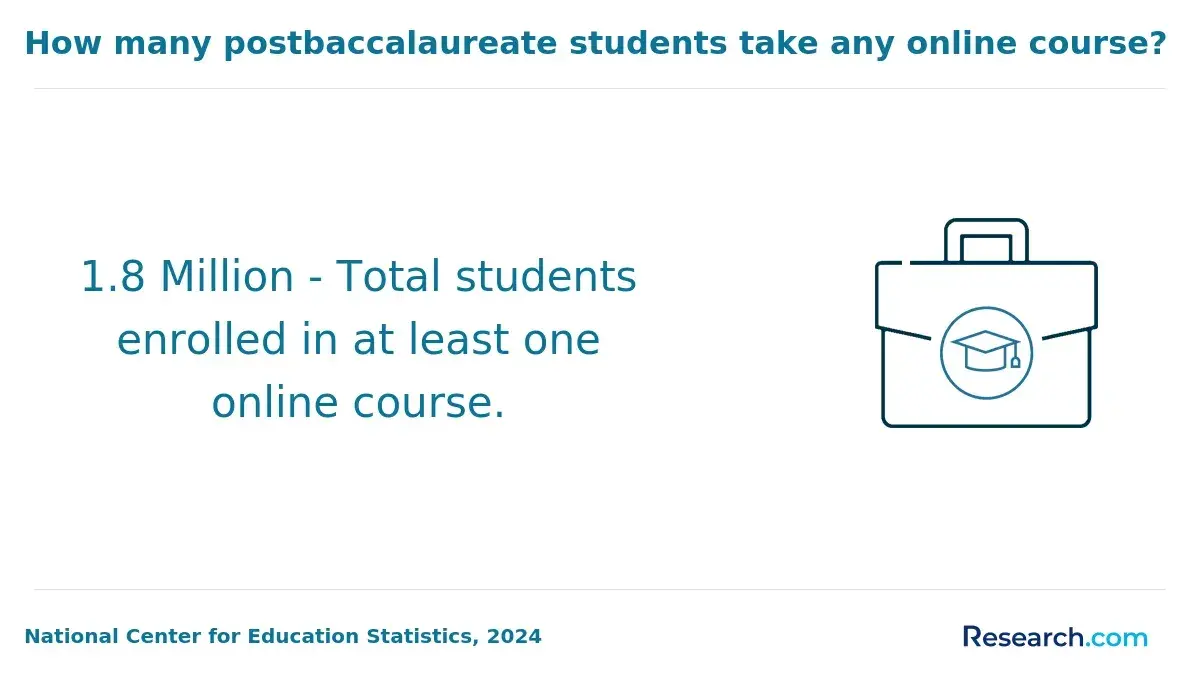
According to the National Center for Education Statistics, nearly 75% of undergraduate online students work either full- or part-time. That means many online bachelor's programs are designed with working adults in mind. Common supports include asynchronous lectures, digital assignments, online tutoring, virtual advising, and flexible communication with instructors.
What makes full-time work and study manageable?
- Asynchronous coursework: Students can watch lectures, complete readings, and submit assignments outside standard business hours.
- Predictable weekly routines: ABA courses often involve reading, discussion posts, quizzes, applied assignments, and data-based projects. Blocking regular time each week is essential.
- Part-time enrollment options: Students with demanding jobs may take fewer credits per term to avoid burnout, even if that extends the completion timeline.
- Fieldwork planning: If a program includes practicum or supervised experience, students should confirm whether placements can fit around work hours before enrolling.
- Employer communication: Some students benefit from discussing schedule adjustments, tuition assistance, or role changes with their employer once coursework becomes more intensive.
Common mistake to avoid
The biggest mistake is assuming that “online” means “self-paced.” Some programs have weekly deadlines, required discussions, group projects, exams, or scheduled virtual meetings. Before choosing a program, ask how often courses require live participation, how many hours students should study each week, and whether field experiences can be completed locally.
Students comparing behavioral science pathways may also review affordable online master's programs in clinical psychology to understand how different online programs handle work, study, and career preparation.
What Skills Do I Need to Succeed in an Online Applied Behavior Analysis Program as a Career Changer?
Career changers need more than interest in human behavior to succeed in an online applied behavior analysis bachelor's program. ABA is built on observation, measurement, ethical decision-making, and consistent implementation. Students must be comfortable learning scientific concepts and applying them to real behavioral situations.
Research indicates that adult learners who actively participate in online courses experience retention rates up to 20% higher than those who do not engage fully. For career changers, active participation means asking questions early, joining discussions, using instructor feedback, and connecting course concepts to workplace or volunteer experiences.
Core skills that matter most
- Analytical skills: ABA students must interpret behavioral data, identify patterns, and understand whether an intervention is producing meaningful change. Comfort with charts, frequency counts, and observation notes is important.
- Critical thinking: Students need to evaluate why behavior may be occurring, compare intervention options, and adjust their thinking when data does not support an initial assumption.
- Attention to detail: Accurate documentation is central to ABA practice. Small errors in recording behavior, timing interventions, or writing notes can affect treatment decisions.
- Time management: Online students must manage readings, assignments, discussion deadlines, exams, and possibly fieldwork without the structure of daily campus attendance.
- Communication proficiency: ABA work requires clear writing and professional communication with instructors, supervisors, families, teachers, clinicians, and peers.
- Emotional steadiness: Students preparing for behavioral support roles should be ready for challenging situations, feedback from supervisors, and the patience required to see gradual progress.
- : "Managing my work hours alongside coursework was tougher than I anticipated. I underestimated how much disciplined scheduling I needed at first. Once I built a daily routine and started contacting instructors sooner, I felt more in control. Practicing critical thinking outside assignments also helped me connect theory to real situations."
This experience reflects a common adjustment for career changers: prior professional success does not automatically translate into online academic success. Students who build routines early, use support services, and treat coursework like a professional responsibility are usually better prepared for the demands of the program.
How Do I Transition Into a New Career With an Online Applied Behavior Analysis Bachelor's Degree?
To transition into an ABA-related career, students should treat the degree as the foundation of a broader career plan. Coursework alone may not be enough to stand out, especially for applicants with no direct behavioral health experience. Career changers should build relevant experience, clarify certification goals, and connect their prior work history to ABA job requirements.
With approximately 61% of adults experiencing at least one major career shift during their working years, changing fields is common. What separates a smooth transition from a frustrating one is planning early rather than waiting until graduation.
Career transition steps to prioritize
- Define your target role early: Decide whether you are aiming for behavior technician, case management, school-based support, behavioral health technician, program coordination, or a later graduate-level pathway. Each option may require different experience or credentials.
- Align coursework with career goals: Choose electives, projects, and assignments that relate to your intended setting, such as autism support, education, developmental disabilities, or community services.
- Build foundational ABA knowledge: Focus on behavior principles, measurement, assessment, intervention, ethics, and supervision. These concepts appear often in interviews and entry-level job training.
- Use institutional support: Academic advisors, faculty office hours, career services, alumni networks, and internship coordinators can help identify realistic next steps.
- Gain practical experience: Volunteer work, paraprofessional roles, behavioral support positions, internships, and supervised field experiences can make a major difference for applicants without prior ABA employment.
- Translate previous experience: Management, education, healthcare, customer service, caregiving, social services, and military experience can all show communication, reliability, crisis response, documentation, and teamwork skills.
Students planning to pursue board certification later should also look beyond the bachelor's degree and map prerequisite coursework, supervised experience, and graduate study options. For example, career changers comparing future certification routes may review online bcba certificate programs as part of long-term planning, even if their immediate goal is an entry-level ABA position.
Balancing career transition planning with full-time work requires the same discipline used in other online degree paths. Resources on online accounting degree programs can also be useful for understanding how working adults compare cost, flexibility, and program structure across fields.
How Long Does It Take to Change Careers With an Online Applied Behavior Analysis Bachelor's Degree?
A full-time student typically needs around four years to complete an online applied behavior analysis bachelor's degree, but career changers often follow a more flexible timeline. More than 30% of online bachelor's students attend part-time, which can extend completion beyond the traditional duration.
The actual career-change timeline depends on where you are starting. A student with transfer credits, prior college coursework, or an associate degree may finish faster than a first-time bachelor's student. A working adult taking one or two courses at a time may need longer but may also avoid the financial and personal strain of overloading each term.
Factors that can shorten or lengthen the timeline
- Transfer credits: Previously completed general education or elective credits may reduce the number of courses needed.
- Enrollment intensity: Full-time enrollment moves faster, while part-time study may be more sustainable for working adults.
- Accelerated or year-round formats: Some programs allow students to take courses across multiple terms each year, which can shorten completion time.
- Fieldwork or practicum requirements: Any required in-person or supervised experience can affect scheduling, especially for students working during standard business hours.
- Certification goals: If the career plan includes RBT, BCaBA, or later BCBA preparation, students may need additional coursework, supervised hours, or graduate education after the bachelor's degree.
- Life and work responsibilities: Family obligations, shift work, job changes, and financial constraints can all affect course load from term to term.
- : "I never anticipated how important it would be to adapt my study load each term to fit life's demands. The flexibility helped me keep moving forward, even when work and family responsibilities were heavy."
The best timeline is not always the fastest one. Career changers should choose a pace that allows them to finish, maintain strong grades, gain relevant experience, and avoid burnout.
Can I Get a Job With No Experience After an Online Applied Behavior Analysis Bachelor's Degree?
Yes, it is possible to get an entry-level ABA-related job with little or no prior field experience, but a degree alone may not be enough for every employer. Career changers are most competitive when they combine the bachelor's degree with relevant skills, practical exposure, strong references, and, when appropriate, an entry-level certification.
According to the National Association of Colleges and Employers, nearly 80% of employers hire entry-level candidates whose degrees closely match the job requirements. An applied behavior analysis bachelor's degree can meet that alignment for roles involving behavior support, data collection, client services, and supervised implementation of behavior plans.
What employers may look for
- Relevant academic preparation: Employers may review whether the program covered behavior principles, ethics, intervention strategies, assessment, and documentation.
- Foundational knowledge: Graduates should be able to discuss basic ABA concepts clearly and explain how data informs behavior support.
- Degree alignment: A bachelor's degree in applied behavior analysis or a closely related behavioral science field can help applicants meet baseline qualifications.
- Transferable skills: Communication, patience, reliability, observation, teamwork, and professionalism matter in direct service roles.
- Practical experience: Internships, volunteer work, school support roles, caregiving, or supervised practice can help offset the lack of formal ABA employment.
- Certification readiness: Some employers prefer or require candidates to become Registered Behavior Technicians or pursue other credentials after hiring.
How to strengthen your application with no ABA background
- Use your resume summary to explain your career change clearly and professionally.
- Highlight experience with children, clients, patients, students, families, documentation, crisis response, training, or service coordination.
- List relevant coursework, projects, field experiences, and any behavior-related training.
- Apply for roles that provide supervision and training rather than positions requiring independent practice.
- Prepare to answer interview questions about ethics, confidentiality, challenging behavior, teamwork, and learning from feedback.
Career changers should read job postings carefully. Some roles are open to bachelor's-level applicants under supervision, while others require certification, state-specific requirements, or graduate-level credentials.
What Certifications Help Career Changers in Applied Behavior Analysis Fields?
Certifications can help career changers show employers that they are serious about ABA practice and understand the field's standards. However, certification requirements vary by role, employer, state, and credentialing body. Students should verify current requirements directly with the relevant certifying organization and their state before making enrollment or employment decisions.
According to an Adult Skills Survey, nearly 60% of adult learners pursue professional certifications alongside formal degrees to boost employability and workplace readiness. In ABA, certifications can be especially useful because many roles involve supervised practice, ethical responsibilities, and direct client support.
Common ABA-related certification pathways
- Registered Behavior Technician (RBT): This entry-level credential is often relevant for people beginning in direct service roles. RBTs typically implement behavior plans under supervision rather than designing them independently. It can be a practical first credential for career changers seeking hands-on experience.
- Board Certified Assistant Behavior Analyst (BCaBA): This credential is designed for bachelor's degree holders who meet specific coursework and supervised fieldwork requirements. It may support advancement beyond entry-level technician roles, depending on employer and state requirements.
- Board Certified Behavior Analyst (BCBA) preparation: BCBA status typically requires graduate education. A bachelor's program can help students prepare academically, but career changers should understand early that a master's-level pathway is generally part of becoming a BCBA.
How to choose the right certification goal
| Career goal | Credential to research | Why it may matter |
| Start in direct client support | RBT | Can help demonstrate readiness for supervised, hands-on ABA work. |
| Advance with a bachelor's-level credential | BCaBA | May align with assistant-level responsibilities when coursework and supervised fieldwork requirements are met. |
| Become an independent behavior analyst | BCBA preparation | Usually requires graduate education and long-term planning beyond the bachelor's degree. |
Before choosing a program, ask whether its curriculum supports your intended credential path, whether supervised experience is included or arranged separately, and whether graduates have successfully pursued the certifications you are considering.
What Jobs Can I Get After an Online Applied Behavior Analysis Bachelor's Degree?
An online applied behavior analysis bachelor's degree can prepare career changers for entry-level and support roles in behavioral health, education, autism services, developmental disability services, and community programs. About 50% of adult learners who complete bachelor's degrees change careers within five years, which makes job planning an important part of the degree decision.
Graduates should understand that many bachelor's-level roles involve supervised practice. Designing independent treatment plans or practicing as a fully credentialed behavior analyst may require additional certification, supervised experience, or graduate education.
Common job options after the degree
- Behavior technician: Behavior technicians and registered behavior technicians often work directly with clients, including children with autism and individuals with developmental disorders. They implement behavior intervention plans under supervision and collect data on client progress.
- Case manager: Case managers help coordinate services, track goals, communicate with families or providers, and support care planning in education, healthcare, or community service settings.
- Program coordinator: Program coordinators or support specialists may assist with scheduling, service delivery, staff communication, documentation, and program monitoring in agencies or behavioral health organizations.
- Behavioral health technician: Behavioral health technicians support treatment teams by monitoring client behavior, documenting progress, assisting with therapeutic activities, and following established care plans.
Where graduates may work
- Autism service providers
- Schools and special education support programs
- Developmental disability service agencies
- Behavioral health clinics
- Residential or community-based support programs
- Nonprofit human services organizations
Students interested in related behavioral science careers can also compare broader psychology pathways, including resources that explain what you can do with a forensic psychology degree.
What Is the Job Outlook for Applied Behavior Analysis Careers for Career Changers?
The job outlook is favorable for career changers entering applied behavior analysis, especially those willing to start in supervised, entry-level roles and build experience. According to the U.S. Bureau of Labor Statistics, employment for behavior analysts is projected to grow approximately 20% over the next decade, reflecting strong and sustained demand.
This projected growth is connected to the expanding use of behavior analysis in autism services, developmental disability support, education, behavioral health, and social service settings. For career changers, the outlook is encouraging, but it should be interpreted carefully: demand does not guarantee immediate employment in every location or at every credential level.
Factors supporting demand
- Greater recognition of ABA methods: More organizations use behavior analysis principles in intervention, skill-building, and behavior support programs.
- Need for developmental and educational services: Schools, clinics, and community agencies continue to need trained staff who can support clients under supervision.
- Data-driven service delivery: ABA's focus on measurable progress aligns with employer and payer expectations for documented outcomes.
- Flexible education access: Accredited online programs can help working adults enter the field without relocating or leaving their current jobs immediately.
Factors that can affect opportunity
- Local funding: Economic changes may affect budgets for schools, healthcare providers, and social service agencies.
- State and employer requirements: Some positions may require specific certifications, background checks, supervised hours, or additional training.
- Experience level: Entry-level applicants may need to start in technician or support roles before advancing.
- Graduate education plans: Students who want higher-level clinical or supervisory roles should plan for additional credentials beyond the bachelor's degree.
Some career changers also compare accelerated graduate options when planning long-term advancement. A resource on the quickest master's degree online can help students understand how program length and format differ across online graduate pathways.
What Are the Salary Expectations After Switching to a Applied Behavior Analysis Career?
Career changers who complete an online applied behavior analysis bachelor's degree can generally expect starting salaries in the range of $45,000 to $60,000 annually. This range is most relevant to bachelor's-level entry roles such as behavior technician, behavioral health technician, case manager, or assistant-level behavior support positions.
Salary expectations should be realistic. A bachelor's degree can help open the door to ABA-related work, but higher pay often depends on certification, supervised experience, employer type, location, and whether the role involves direct service, coordination, or advanced clinical responsibility.
What affects salary after the career switch?
- Location: Metropolitan areas and regions with stronger demand for behavioral health services may offer higher wages.
- Credential level: Certifications and board-recognized credentials can affect eligibility for higher-responsibility roles.
- Experience: Prior work with children, clients, patients, students, or people with disabilities may strengthen an applicant's profile, even if it was not formally ABA experience.
- Work setting: Pay can differ across healthcare, education, community agencies, private providers, and residential programs.
- Schedule and role demands: Some positions may include travel, evening hours, direct care responsibilities, or intensive documentation expectations.
Students should compare salary expectations against tuition, fees, lost time, certification costs, and the likelihood of needing graduate education for long-term advancement. The best financial decision is not simply choosing the cheapest program; it is choosing a credible program that supports the roles and credentials you actually plan to pursue.
What Graduates Say About Online Applied Behavior Analysis Bachelor's Degrees for Career Changers
- Eddie: "Choosing an online applied behavior analysis bachelor's degree was a game-changer for me as I transitioned from retail management to a more fulfilling career. The flexibility of the online format allowed me to balance work and study without sacrificing income, and the tuition was far more affordable compared to traditional programs. Today, I'm confidently working as a behavioral therapist, and I truly believe this degree opened doors I never thought possible."
- Sage: "Reflecting on my journey, enrolling in an online applied behavior analysis bachelor's program was the perfect fit to reinvent my professional path. The cost-effectiveness stood out to me; it felt like a smart investment that respected my budget while preparing me thoroughly. Additionally, the practical skills I gained have directly enhanced my ability to support clients with behavioral challenges, making my career shift deeply rewarding."
- John: "From a professional standpoint, pursuing an online applied behavior analysis bachelor's degree was a strategic move. It allowed me to enter the field without interrupting my career, thanks to the program's flexible structure. I appreciated that the financial commitment was manageable, and ultimately, this degree substantially boosted my qualifications, leading to new job opportunities and advancement within my organization."
Other Things You Should Know About Applied Behavior Analysis Degrees
Yes, reputable online applied behavior analysis bachelor's degree programs typically hold regional accreditation, ensuring they meet established academic quality standards. Additionally, some programs align with the Behavior Analyst Certification Board (BACB) Verified Course Sequence (VCS) requirements, which is important for students who plan to pursue certification as behavior analysts.
Many online applied behavior analysis bachelor's programs include supervised practicum or fieldwork components, either arranged locally by the student or through partner sites affiliated with the school. These hands-on experiences are essential to develop applied skills and often required for state licensure or certification eligibility in the field.
Most online applied behavior analysis programs accept transfer credits from accredited institutions, particularly general education and relevant coursework. However, acceptance of credits related specifically to behavior analysis can vary by program, so students should verify transfer policies during the application process.
Yes, career changers can access various financial aid options for online Applied Behavior Analysis bachelor's programs in 2027, including federal student aid, scholarships, and payment plans offered by many institutions to alleviate the financial burden of career transition.
References
- ABA Careers: Find Applied Behavior Analysis Jobs - LEARN Behavioral https://learnbehavioral.com/careers
- ABA Degree: How it Can Bolster Your Career Prospects https://www.appliedbehavioranalysisedu.org/2023/07/aba-degree-bolster-career-prospects/
- 7 Best ABA Certification Online Programs - Online ABA Programs https://onlineabaprograms.org/certification-online/
- 9 Careers in Applied Behavior Analysis | The Chicago School https://www.thechicagoschool.edu/insight/career-development/4-ways-to-use-degree-in-applied-behavior-analysis/
- Online ABA Certificate Program | Applied Behavior Analysis at PCOM https://www.pcom.edu/academics/programs-and-degrees/applied-behavior-analysis/aba-certificate/
- Behavior Analyst Job and Salary Outlook https://teach.com/online-ed/psychology-degrees/online-masters-applied-behavior-analysis/careers-and-salary/
- The Growing Demand for ABA: Career Opportunities in a Rapidly Expanding Field https://www.abaresourcecenter.com/post/the-growing-demand-for-aba-career-opportunities
- Applied Behavior Analysis: Key Benefits and Why It Works - Happy Strides ABA https://happystridesaba.com/applied-behavior-analysis-key-benefits-and-why-it-works/
- 10 Benefits of an Applied Behavior Analysis Degree for Career Growth https://hireaba.today/blog-posts/10-benefits-of-an-applied-behavior-analysis-degree-for-career-growth
- ABA Therapy Career Outlook | William James College | Boston, MA https://www.williamjames.edu/academics/school/applied-behavior-analysis/career-outlook.html