2027 Can You Get a Religious and Christian Studies Bachelor's Degree After 30?

Co-Founder and Chief Data Scientist
Imagine someone over 30 considering a return to academia to pursue a bachelor's degree in religious and Christian studies after years focused on work and family. Balancing these responsibilities can feel overwhelming, especially with outdated perceptions about adult learners. Yet, recent data from the National Center for Education Statistics shows that nearly 40% of students enrolled in religious studies programs are age 30 or older, indicating growing inclusivity.
This article explores the unique challenges and opportunities for adults seeking this degree-offering evidence-based insights to help navigate enrollment, program selection, financing, and career outcomes.
Key Things to Know About Getting a Religious and Christian Studies Bachelor's Degree After 30
- Many programs accept transfer credits and prior learning assessments-key for adult learners over 30 aiming to shorten time-to-degree and reduce tuition costs.
- Flexible financing options, such as employer tuition reimbursement and federal aid, support balancing education with family and work obligations.
- Graduates report that a degree in Religious and Christian Studies enhances long-term earnings potential by opening roles in education, counseling, and nonprofit leadership.
Can You Really Get a Religious and Christian Studies Bachelor's Degree After 30?
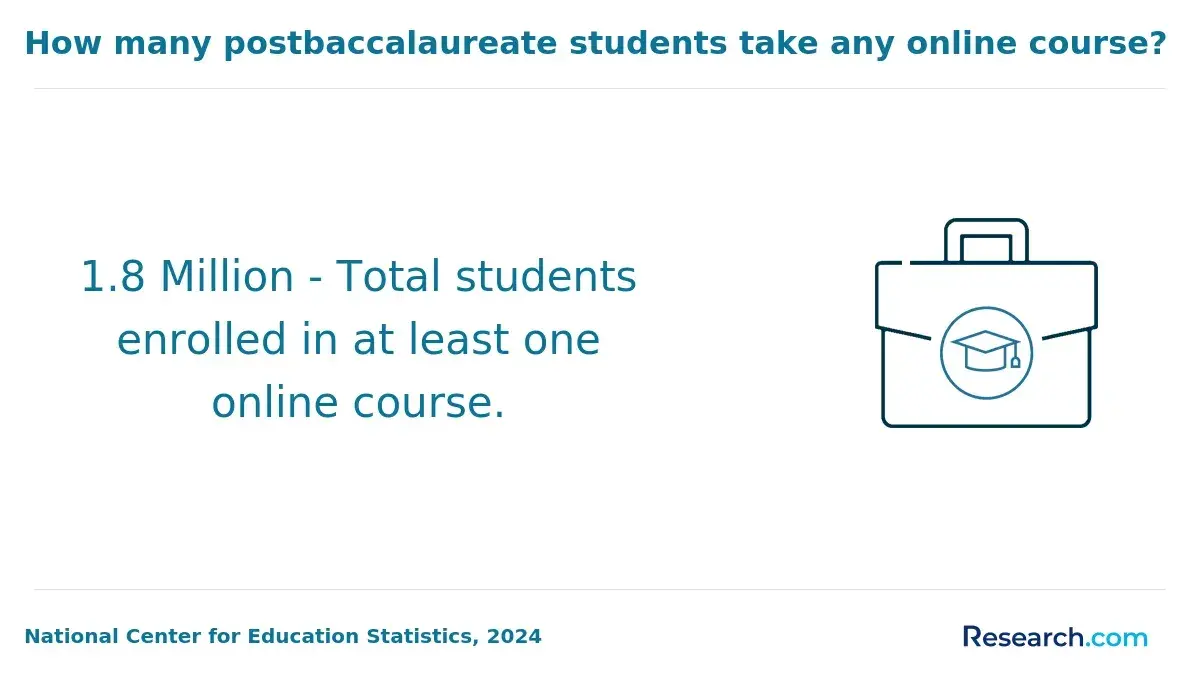
Enrollment of adult learners aged 25 and older in bachelor's degree programs has steadily increased, according to data from the National Center for Education Statistics (NCES). This rise includes those pursuing Religious and Christian Studies bachelor's degree programs for adult learners over 30, reflecting a significant shift toward lifelong learning and career transitions. Returning to college after 30 is no longer uncommon, as many institutions have developed flexible programs designed specifically for adult students.
Options such as part-time study, evening classes, online courses, and accelerated paths make earning a Religious and Christian Studies degree after age 30 feasible for busy adults balancing work, family, and other responsibilities. This article examines key factors throughout the adult learner's journey-time commitment, financing strategies, career outcomes, program types, and support systems-to help readers confidently navigate their educational goals.
- Enrollment Trends: Adult learners over 25 constitute a growing portion of bachelor's students, demonstrating higher education's increasing openness to mature students and diverse educational backgrounds.
- Program Flexibility: Colleges offer tailored formats including online and evening courses to accommodate adult students' schedules, enabling them to integrate studies with existing commitments.
- Financial Considerations: Financing a degree later in life can be challenging, but many aid programs, employer tuition benefits, and credit for prior learning ease this burden.
- Career Impact: Obtaining a Religious and Christian Studies degree can unlock new opportunities for career changers, ministry professionals, educators, and nonprofit leaders seeking professional advancement.
- Support Systems: Resources like academic advising, veteran services, and peer mentorship increase adult learners' success and persistence.
Millions of adults complete bachelor's degrees each year despite challenges. For those seeking rapid graduate education, exploring phd programs may be a future option worth considering after earning their undergraduate degree.
Why Are More Adults Over 30 Pursuing a Religious and Christian Studies Bachelor's Degree?
More adults over 30 are earning a Religious and Christian Studies bachelor's degree today-a trend supported by data from the Lumina Foundation and the National Center for Education Statistics (NCES). This shift is driven by evolving economic, social, and educational factors that make return to college increasingly feasible and desirable for adults balancing work and family.
Key drivers behind this trend include:
- Career Transitions: Many adults seek to pivot into careers aligned with their values and interests, making Religious and Christian Studies an appealing field for meaningful work in ministry, education, and counseling.
- Employer Tuition Benefits: Increased availability of tuition assistance helps working adults afford degree completion, reducing financial barriers.
- Layoffs and Economic Shifts: Post-pandemic workforce disruptions have encouraged upskilling in sectors with community impact and relative job security.
- Expanded Online Program Availability: Accredited online bachelor's programs have significantly improved access and flexibility, which is essential for adults managing family and work obligations.
- Wage Premiums Linked to Credentials: Research highlights that earning a Religious and Christian Studies bachelor's degree can enhance wage outcomes and open pathways for career advancement in nonprofit and education sectors.
Institutions now offer flexible pacing, credit for prior learning, and family-friendly schedules, making it a practical choice for adults over 30. These trends validate the reasons adults choose Religious and Christian Studies degrees after 30 and underscore the robustness of current educational infrastructure. For those interested in related fields, exploring a master in psychology online can also complement skills gained in Religious and Christian Studies programs.
What Are the Most Common Challenges Adults Over 30 Face When Pursuing a Religious and Christian Studies Degree?
Adults pursuing a religious and christian studies bachelor's degree after 30 often juggle multiple significant challenges that can impede progress. Research from the Bill & Melinda Gates Foundation and Complete College America confirms that these obstacles contribute to high stop-out rates among adult learners, though each is manageable with tailored approaches.
- Time Constraints: Balancing coursework alongside full-time jobs, family care, and community roles often leaves little uninterrupted study time. Effective time management becomes vital to navigate these competing demands.
- Financial Pressures: Many adult students face ongoing expenses such as mortgages, childcare, and daily living costs. The burden of tuition and materials often adds stress to an already tight budget.
- Technology Gaps: Returning learners sometimes find adapting to online platforms and digital academic tools daunting, especially if they lack recent experience with such systems.
- Imposter Syndrome: Feeling insecure about academic abilities is common-adult students may doubt themselves or feel out of place compared to younger peers after time away from schooling.
- Academic Bureaucracy: Complex enrollment steps, transferring credits, understanding degree requirements, and managing financial aid can be confusing without clear, supportive guidance.
Recognizing that most adult religious and christian studies students face two or more of these challenges simultaneously is key to reducing self-judgment and fostering persistence. Later sections will share strategies designed specifically to address these hurdles and support degree completion.
A professional who returned to complete a religious and christian studies bachelor's degree after age 30 reflected on these obstacles, noting how initially "finding blocks of time to study felt impossible with work and family," but scheduling small daily sessions helped maintain momentum. He described the financial strain as "a tightrope walk," requiring careful budgeting and use of available aid. Adapting to the online learning environment was frustrating at first, yet gaining fluency with the platform boosted confidence. He admitted feeling moments of self-doubt but found encouragement through connections with instructors and peers. Navigating administrative tasks was "overwhelming until I found a mentor who clarified policies and deadlines." His experience confirms that while these challenges are real, they can be overcome with the right support and mindset.
What Types of Religious and Christian Studies Bachelor's Degree Programs Are Best Suited for Adults Over 30?
Adult learners pursuing religious and Christian studies degree programs often choose from diverse formats tailored to their schedules and goals.
Fully Online: These programs provide extensive flexibility, allowing study anytime and anywhere. This suits working adults, parents, and military veterans balancing family and career demands, with institutions like WGU and Arizona State Online offering strong support systems.
- Hybrid: Mixing online classes with occasional campus visits, typically on weekends or evenings, hybrid formats blend flexibility with personal interaction, ideal for those seeking community without compromising work.
- Evening and Weekend On-Campus: Designed for students preferring traditional classrooms, these options schedule classes outside regular hours, fostering connection and networking within faith-based settings.
- Competency-Based Education (CBE): Focusing on skills demonstrated rather than credit hours, CBE enables experienced learners and transfer students accelerated degree paths by recognizing prior learning.
- Accelerated Cohort Models: These structured programs require a fast-paced, fixed course sequence, perfect for adults seeking an intensive study environment and quicker degree completion.
Evaluating personal learning style, availability, and career timeline is key to selecting a flexible bachelor's degree option in Christian studies for students over 30. For those exploring efficient ways to advance, it's useful to also consider financing and program affordability, as seen in resources like the best online accounting program guides, which emphasize cost-effective approaches for adult learners.
How Long Does It Take to Earn a Religious and Christian Studies Bachelor's Degree After 30?
For adults over 30 pursuing a religious and Christian studies bachelor's degree, completion timelines vary widely based on enrollment status, transfer credits, and program structure. Full-time students generally finish within four years, while part-time learners often take six to eight years, reflecting the balancing act between education, work, and family. Accelerated degree options, offered by many programs, can shorten this timeframe to three years or less by condensing coursework into intensive formats.
Prior learning assessments (PLA)-including CLEP exams, military credit transfers, and portfolio reviews-play a crucial role in reducing the required credits. These avenues validate knowledge gained outside traditional classrooms, enabling students to bypass foundational classes and accelerate their studies. Adult learners who strategically use PLA and credit transfers can often cut up to 30% of degree requirements, sometimes trimming a year or more from their education.
Estimating a personalized timeline depends on factors like existing credits, weekly availability, and enrollment intensity. While full-time study expedites graduation, many adults must choose part-time schedules due to life demands, extending the overall timeline. According to recent data, 45% of adult undergraduates who utilize flexible options and credit recognition earn their degrees within six years, emphasizing the effectiveness of tailored pathways.
- Enrollment Intensity: Full-time enrollment typically leads to a four-year completion, while part-time study often extends to six or more years depending on workload capacity.
- Credit Transfer: CLEP exams and military credits can reduce degree requirements by up to 30%, enabling faster progression through the program.
- Accelerated Programs: Designed for busy adults, accelerated tracks can condense religious and Christian studies degrees into three years or less.
- Personalized Planning: Adult learners must assess their prior credits and weekly commitments to build realistic and manageable graduation timelines.
- Graduation Trends: Nearly half of adult graduates using PLA and flexible scheduling complete their degree within six years, highlighting the value of these supports.
A professional who earned her religious and Christian studies bachelor's degree after turning 30 shared her experience of juggling full-time work and family while earning credit for prior knowledge. She described feeling initially overwhelmed but found motivation in personalized pacing and available credit options. "Using military credit transfers and CLEP exams saved me significant time," she noted, "and the ability to tailor my course load semester-by-semester was essential." Her journey, marked by perseverance and strategic planning, reflects how adult learners can succeed despite competing responsibilities by embracing flexible program features and credit recognition.
How Can Adults Over 30 Pay for a Religious and Christian Studies Bachelor's Degree?
Adults over 30 pursuing a religious and Christian studies bachelor's degree have access to a broad spectrum of financial aid options, despite common myths suggesting aid is limited to younger students. The Federal Student Aid office confirms that FAFSA eligibility is open to all ages, allowing adult learners to apply for Pell Grants, subsidized loans with low interest that defer while enrolled, and unsubsidized loans that accrue interest throughout study. Filing the FAFSA early can improve the chances of receiving maximum assistance.
- Federal Financial Aid: Pell Grants offer need-based funding without repayment, while subsidized and unsubsidized loans cater to varying financial needs during the program.
- Employer Tuition Assistance: Many employers support continuing education through reimbursement programs, especially for employees whose studies align with career development.
- State Adult Learner Grants: Various states provide targeted grants for adult students returning to education-checking state higher education websites can uncover these opportunities.
- Scholarships from Religious and Christian Studies Associations: Faith-based and professional organizations frequently award scholarships to students active in their communities, easing financial burdens.
- Income-Share Agreements (ISAs): Some institutions offer ISAs, allowing repayment as a percentage of future income instead of upfront tuition payments.
Cost comparisons between online versus on-campus programs and public versus private institutions can reveal significant savings without sacrificing accreditation or quality. Online religious and Christian studies degrees often come with lower tuition, and public universities generally charge less than private ones.
Before borrowing, adults should promptly complete FAFSA, pursue relevant scholarships, investigate employer benefits, explore state grants, and compare tuition rates to maximize funding and reduce debt. Recent trends show increasing numbers of adult learners entering religious and theological fields, emphasizing that educational advancement remains viable and valued at any age.
Will Employers Respect a Religious and Christian Studies Bachelor's Degree Earned After 30?
Employers consistently value a religious and christian studies bachelor's degree earned from a regionally accredited institution, regardless of whether the graduate completed it before or after 30. Data from the Society for Human Resource Management (SHRM) and the National Association of Colleges and Employers (NACE) confirm that hiring managers focus on the degree itself rather than the graduate's age or time-to-completion. The credential signals essential foundational knowledge and a serious commitment to the field.
Hiring managers in faith-based organizations, nonprofit ministries, and theological education frequently favor adult graduates for their professional maturity, real-world experience, and perseverance. These attributes contribute to stronger workplace readiness and leadership potential, often outweighing concerns about the timing of degree completion.
In many religious and Christian Studies career paths-such as youth ministry coordinator, theological researcher, or religious education instructor-a completed bachelor's degree is a mandatory entry requirement. The value of earning that degree after 30 remains equivalent to completing it earlier in life. Employers verify only the credential, not the graduate's age, ensuring focus stays on qualifications.
- Employer Perception: Adult graduates viewed positively due to maturity and life experience.
- Credential Validity: Degree verification processes include no age disclosure, focusing solely on earned credentials.
- Industry Standards: Many faith-based employers require a bachelor's degree regardless of the graduate's age.
- Recent Trend: LinkedIn Workforce Insights reports a 15% increase in hiring rates for mature learners in education-related fields over the past five years, highlighting growing employer openness to adult degree earners.
How Does Prior Work Experience Factor Into a Religious and Christian Studies Bachelor's Degree Program After 30?
Prior work experience plays a significant role in earning a religious and christian studies bachelor's degree after 30, often allowing adult learners to accelerate their academic journey through established credit conversion mechanisms. Institutions recognize that professional experience-especially in ministry, counseling, nonprofit management, or related fields-can reflect valuable knowledge and skills aligned with degree requirements.
Key ways prior experience translates into academic credit include:
- Prior Learning Assessment (PLA): This process allows students to demonstrate college-level learning acquired outside traditional classrooms through portfolios, interviews, or skill demonstrations. Religious and christian studies programs may evaluate ministry service, theological training, or community leadership as part of PLA.
- Portfolio Evaluation: Learners submit detailed work samples and reflections to show mastery of topics like Biblical studies or ethics. Faculty reviewers then match this evidence against specific course outcomes to award credit, which can often shorten degree completion time.
- CLEP and DSST Exams: These standardized tests provide an opportunity to earn credit for foundational courses such as introductory theology, religious history, or philosophy. Adult students benefit by preparing for these exams to bypass coursework on content they already know.
- ACE-Recommended Credit: The American Council on Education (ACE) endorses certain professional certifications and training relevant to religious fields-for example, pastoral counseling credentials-that can be converted into academic credit at many colleges.
Data from the Council for Adult and Experiential Learning (CAEL) suggests adult learners typically earn between 15 to 30 credits through these mechanisms-equivalent to about one year of full-time study. Institutions such as Liberty University and Regent University are notable for robust PLA in religious and christian studies, actively supporting adult learners by integrating prior work experience directly into their degree pathways.
Admissions offices evaluate non-traditional applicants holistically, focusing on the relevance and depth of professional experience rather than treating gaps as setbacks. Applicants should document how their work involved theological reflection, spiritual leadership, or ethical decision-making, presenting these roles as academic preparation. This approach helps transform professional experience in religious and christian studies degree programs into academic credit, potentially reducing the time and coursework required.
Years of experience in or adjacent to religious and christian studies can substantially shorten the degree path. Adult learners who strategically leverage PLA, testing, and ACE credits can complete their bachelor's degrees more efficiently while affirming the value of their professional journey. Those considering further education might also explore alternatives, such as a masters in urban planning online, to diversify their skill set and career options.
What GPA and Admission Requirements Apply to Religious and Christian Studies Bachelor's Programs for Adult Learners?
Adult learners pursuing a bachelor's degree in Religious and Christian Studies encounter admission requirements that balance academic standards with accessibility. Typical criteria include:
- Minimum GPA: Most programs expect a GPA of about 2.0 to 2.5 from previous college coursework. Some institutions with rolling or open admissions may waive strict GPA requirements, especially for adult learners with strong potential.
- Standardized Test Waivers: SAT or ACT scores are often waived for applicants over 25, emphasizing life experience and prior learning above standardized tests.
- Letters of Recommendation: One or two letters are usually requested from instructors, employers, or community leaders who can attest to the applicant's readiness, though some adult-focused programs may waive this if other components are strong.
- Personal Statements: Applicants typically submit an essay explaining their interest in Religious and Christian Studies, career goals, and the relevance of their life experience.
- Residency and Transfer Credit Policies: Generous transfer credit policies frequently allow past college credits, military training, or professional experience to count toward degree requirements. Residency requirements vary but often support faster degree completion for adult learners.
For those with a low prior GPA, academic renewal or grade forgiveness options can improve admission chances. Conditional admission tracks, such as probationary enrollment or bridge programs, offer pathways to demonstrate academic ability before full acceptance. Unlike traditional selective programs, many schools serving adult students use rolling admissions and holistic reviews focused on potential and experience rather than rigid metrics.
This flexible framework helps adult learners-including military veterans, parents reentering the workforce, and career changers-find accessible pathways to earning a Religious and Christian Studies degree. It is advisable to assess one's academic profile honestly and seek programs aligned with these admission policies.
Prospective students interested in related fields might also explore options like affordable online environmental engineering degree programs, which can offer alternative or complementary career pathways within science and engineering. For example, the online environmental engineering degree science and engineering offers strategic prospects for those weighing their educational investments.
The growing enrollment of adults over 30 in these programs reflects expanding opportunities and recognition of prior learning. Familiarity with the GPA requirements for religious and Christian Studies bachelor's programs for adult learners and understanding the admission criteria for adult learners in Christian Studies degree programs help candidates make confident decisions about their academic futures.
How Do Family and Work Responsibilities Affect Completing a Religious and Christian Studies Degree After 30?
Adult learners pursuing a religious and Christian studies bachelor's degree after age 30 often juggle caregiving responsibilities, which reduce available study time and increase stress, leading to extended time-to-degree rates. The Institute for Women's Policy Research notes that full-time employment further constrains flexibility, with financial pressures pushing many to prioritize work over academics.
Effective time management strategies help overcome these hurdles. Research highlights approaches such as time-blocking, studying during commutes or breaks, and enrolling part-time to balance obligations. Asynchronous courses also provide vital scheduling flexibility, supporting steady academic progress despite busy lifestyles.
External support plays a crucial role. Employer accommodations like flexible hours or tuition assistance ease challenges, while spousal and family involvement-ranging from shared household duties to emotional encouragement-enhance persistence. Campus resources, including childcare services and emergency aid, can prevent unexpected crises from interrupting degree completion.
Prospective students benefit from auditing their personal support networks and financial resources before enrolling. Early outreach to adult learner services can identify tailored accommodations and resources that improve chances of success.
- Caregiving Challenges: Managing family duties limits study time and raises stress, requiring disciplined scheduling strategies.
- Work Demands: Full-time jobs reduce availability; part-time study and employer support are vital for academic progress.
- Effective Scheduling: Time-blocking and fitting coursework into daily routines help maintain consistency.
- Support Systems: Family help, employer flexibility, and campus childcare reduce external pressures.
- Proactive Planning: Assessing supports and contacting adult learner services prepares students for obstacles.
What Campus and Online Support Services Help Adults Over 30 Succeed in a Religious and Christian Studies Program?
Research from the National Student Clearinghouse and Complete College America underscores that intensive advising plays a crucial role in improving adult learner completion rates, particularly for those pursuing religious and Christian studies degrees. Identifying programs with strong support structures can greatly impact timely degree attainment for adults balancing multiple responsibilities.
- Dedicated Adult Learner Advisors: Advisors experienced in adult education offer customized guidance that considers work, family, and life commitments, helping students navigate degree requirements more efficiently and stay on track.
- Prior Learning Assessment Offices: By evaluating professional and life experiences for academic credit, these offices help shorten the time needed to earn a degree, recognizing knowledge adult learners already possess.
- Flexible Tutoring Options: Availability of evening and weekend tutoring-both online and in-person-allows adults to access academic assistance at convenient times, accommodating busy schedules outside standard hours.
- Virtual Library Access: Remote access to religious texts and scholarly databases supports research and study anytime, enabling learners to fit coursework into varied daily routines.
- Career Services for Career Changers: Tailored support helps adults transitioning into religious and Christian studies careers, including job market connections, resume building, interview preparation, and networking opportunities.
- Peer Networks for Non-Traditional Students: Communities specifically for adult learners foster mutual support and reduce feelings of isolation, enhancing both academic and social experiences.
When assessing programs, ask institutions directly about the availability and quality of these support services. Their presence is a key indicator of a program's effectiveness in supporting adult learners toward successful and timely degree completion.
What Graduates Say About Getting a Religious and Christian Studies Bachelor's Degree After 30
- Jase: "Choosing to pursue a bachelor's degree in religious and Christian studies after 30 was truly transformative for me-especially with the variety of financial support options available that made continuing education accessible. I appreciated how the program's solid accreditation gave me confidence in the quality and recognition of my degree. This foundation opened new professional doors I hadn't considered before, leading me to meaningful roles within my community."
- Kyro: "Reflecting on my time studying religious and Christian studies later in life, I value most how the accreditation ensured my coursework was respected across different institutions and employers. The financial aid available eased the burden of balancing work, family, and studies, which gave me space to focus deeply on my learning. Career-wise, the program equipped me with skills that have been crucial in both ministry and nonprofit leadership roles since graduation."
- Aaron: "The religious and Christian studies program challenged me intellectually and spiritually after my 30s in ways I hadn't anticipated-prompted by flexible financial support that made completion feasible. The accredited curriculum reassured me that my education was rigorous and credible, which has been essential as I transitioned into chaplaincy and educational work. I'm grateful for how the program helped me blend personal conviction with professional growth."
Other Things You Should Know About Religious and Christian Studies Degrees
In 2027, adults over 30 should consider program flexibility, accreditation, faculty expertise, and financial aid options when selecting a religious and Christian studies bachelor’s degree. Investigating online or evening classes and credit transfer policies can also be crucial for balancing studies with other commitments.
Yes, many institutions offer accelerated and credit-for-experience religious and Christian studies bachelor's programs tailored to adults over 30. These programs often recognize prior learning-including military service, work experience, and previous college credits-to reduce time-to-completion. Online and hybrid formats further accommodate adult learners balancing family and work commitments.
One common misconception is that returning to school after 30 is too difficult or that older students cannot keep up with younger classmates. Another is that a religious and Christian studies degree has limited practical career value. In reality, adult learners bring valuable life experience to their studies, and the degree opens doors to diverse careers in education, ministry, counseling, and nonprofit sectors.
Adults over 30 should consider programs that offer flexibility through online or evening classes to fit their schedules. Accreditation and faculty expertise in religious and Christian studies are crucial for academic quality. Additionally, programs that provide credit-for-prior-learning and support services for adult learners can enhance the educational experience and reduce time and cost.
References
- Christian Studies (BS) | Online - Cairn University https://cairn.edu/christian-studies-online/
- How Long is Seminary? - United Theological Seminary https://united.edu/how-long-is-seminary/
- Undergraduate Programs https://christianbibleinstitute.net/leap/
- In America, Does More Education Equal Less Religion? | Pew Research Center https://www.pewresearch.org/religion/2017/04/26/in-america-does-more-education-equal-less-religion/
- What Employers Think About a Christian College Degree - Grace Christian University https://gracechristian.edu/blog/what-employers-think-about-a-christian-college-degree/
- Light University | Homepage https://lightuniversity.com/
- What Can I Do with a Degree in Biblical Studies? https://calvarychapel.com/posts/what-can-i-do-with-a-degree-in-biblical-studies/
- Stages of Education – AAR https://aarweb.org/resource/stages-of-education/
- Top 50 Low-Cost Online Master's Degrees in Theology https://www.greatvaluecolleges.net/affordable/theology-masters-online/
- The Best Online Christian Colleges And Universities https://www.learnhowtobecome.org/online-universities-and-colleges/christian/