2027 Online Religious and Christian Studies Bachelor's Degree Programs With Monthly Start Dates

Co-Founder and Chief Data Scientist
Many prospective students face scheduling conflicts that delay their entry into traditional Religious and Christian Studies bachelor's degree programs, particularly those balancing work, family, or military commitments. Online programs with monthly start dates offer needed flexibility, allowing learners to begin courses without waiting for rigid semester cycles.
According to recent data, enrollment in online religious studies programs grew by 18% nationally from 2020 to 2023, reflecting increasing demand for adaptable learning formats.
This article examines key factors such as program accreditation, curriculum structure, costs, and career benefits to help readers select and succeed in an online Religious and Christian Studies bachelor's degree program with monthly start options.
Key Things to Know About Online Religious and Christian Studies Bachelor's Degree Programs With Monthly Start Dates
- Most programs require regional accreditation and accept transfer credits; admission often includes a high school diploma or equivalent and may consider prior college coursework to accelerate progress.
- Curricula blend general education with theology, biblical languages, and ethics, costs vary widely, averaging $300-$600 per credit, with financial aid commonly available.
- Graduates pursue careers in ministry, counseling, education, and nonprofit sectors; programs emphasize licensure readiness and practical skills aligned with labor market demands.
What Are Online Religious and Christian Studies Bachelor's Degree Programs With Monthly Start Dates, and How Do They Work?
Online religious and Christian studies bachelor's degree programs with monthly or rolling start dates allow students to enroll any month throughout the year rather than waiting for traditional semesters.
This flexible enrollment breaks from fixed academic calendars and typically accompanies asynchronous coursework and competency-based learning models, letting students progress at their own pace by demonstrating mastery rather than following strict timelines.
These features make such programs especially attractive to working professionals, military personnel, parents, and others needing adaptable schedules.
A typical program requires about 120 credit hours, combining core courses in theology, biblical studies, church history, and ethics with general education. Course sequencing is often structured yet flexible, enabling students to take multiple courses simultaneously or extend their pace to balance study alongside other commitments.
Progress is assessed through course completion and evaluations rather than rigid deadlines, providing a personalized pathway through the degree.
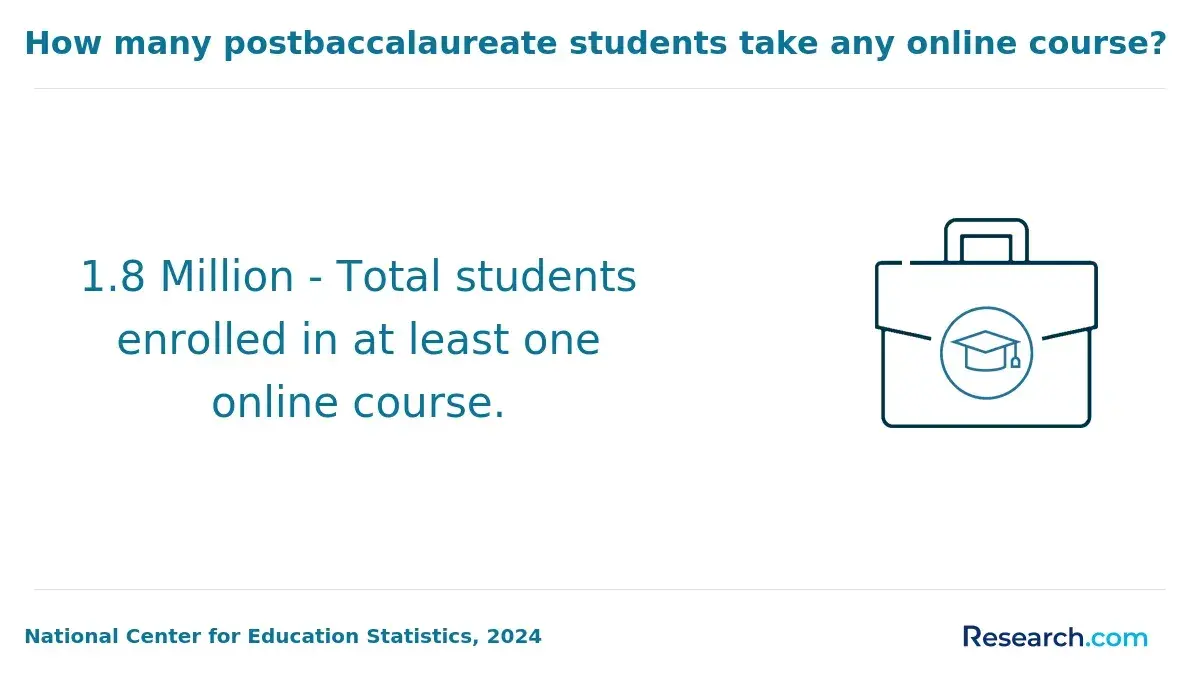
Enrollment in programs with flexible monthly start dates has steadily increased, as shown by data from the National Center for Education Statistics and the Online Learning Consortium. These trends confirm that rolling admissions and modular course designs have become mainstream, reflecting growing demand for accessible higher education formats.
For those exploring online bachelor's degree programs in religious and Christian studies with monthly enrollment, it is important to understand program commitment, accreditation, and financial planning.
Students may also consider options alongside other flexible degrees, such as the cheapest online doctorate in educational leadership, to align further education goals.
- Flexibility: Rolling start dates eliminate rigid academic calendars, enabling continuous enrollment and allowing students to begin when ready, perfectly fitting varied lifestyles and work situations.
- Delivery Model: Programs typically use asynchronous courses combined with competency-based elements that let students advance based on skill mastery rather than fixed schedules.
- Curriculum Structure: Approximately 120 credit hours blend core religious and Christian studies with general education, with course sequencing that supports self-paced progress.
- Growing Popularity: National statistics confirm that flexible online learning formats with rolling start dates are now common and appealing, especially to nontraditional students.
- Program Commitment: Understanding the curriculum, accreditation, and financial aspects is critical before enrollment; this article explores these to help students make informed decisions.
Which Regional Accreditation Bodies Approve Online Religious and Christian Studies Bachelor's Programs With Monthly Start Dates?
Regional accreditation agencies play a crucial role in ensuring the quality and credibility of online religious and Christian studies bachelor's programs with monthly start dates.
- Higher Learning Commission (HLC): Covers the central U.S. and known for comprehensive academic reviews.
- Southern Association of Colleges and Schools Commission on Colleges (SACSCOC): Accredits schools in the southern states with a focus on curriculum and faculty quality.
- New England Commission of Higher Education (NECHE): Oversees northeastern institutions with emphasis on student outcomes.
- WASC Senior College and University Commission (WSCUC): Accredits West Coast colleges focusing on mission and integrity.
- Middle States Commission on Higher Education (MSCHE): Promotes academic excellence in the mid-Atlantic.
- Northwest Commission on Colleges and Universities (NWCCU): Emphasizes innovation in the Pacific Northwest-is the standard most employers, graduate schools, and licensure boards recognize when evaluating online degrees.
In comparison, national accreditation typically covers vocational or for-profit schools with less rigorous academic standards.
To verify a program's accreditation status, prospective students should consult trusted resources like the U.S. Department of Education's Database of Accredited Postsecondary Institutions and Programs (DAPIP) or the Council for Higher Education Accreditation (CHEA) database.
Additionally, some religious and Christian studies programs may hold programmatic accreditation from recognized bodies such as the Association of Theological Schools (ATS). This extra credential assures quality in theological education.
Checking a program's website or contacting its admissions office can clarify such recognition. Choosing a properly accredited program is essential for career success, especially for working adults, military personnel, or recent high school graduates seeking flexible enrollment options.
For those comparing educational paths, it's also helpful to review the most affordable alternatives in related fields, such as engineering. Resources like engineering degree online offer insight into cost-effective online education options across disciplines.
How Do Monthly Start Dates in Online Religious and Christian Studies Programs Differ From Traditional Semester or Quarter Systems?
Unlike semester systems where all students start and finish together, monthly-start online religious and Christian studies programs offer rolling admissions. This allows students to begin courses any month, creating multiple, staggered cohorts instead of a fixed academic calendar.
- Course Sequencing: Students typically follow a set sequence of courses to ensure academic consistency despite varied start times. While some flexibility for self-paced work exists, most programs combine structured, instructor-led classes with opportunities for independent study.
- Community and Interaction: Smaller, shifting cohorts lead to more personalized peer engagement but may require more effort to build lasting relationships. Instructors remain accessible via virtual office hours and regular communications to support students within this fluid learning environment.
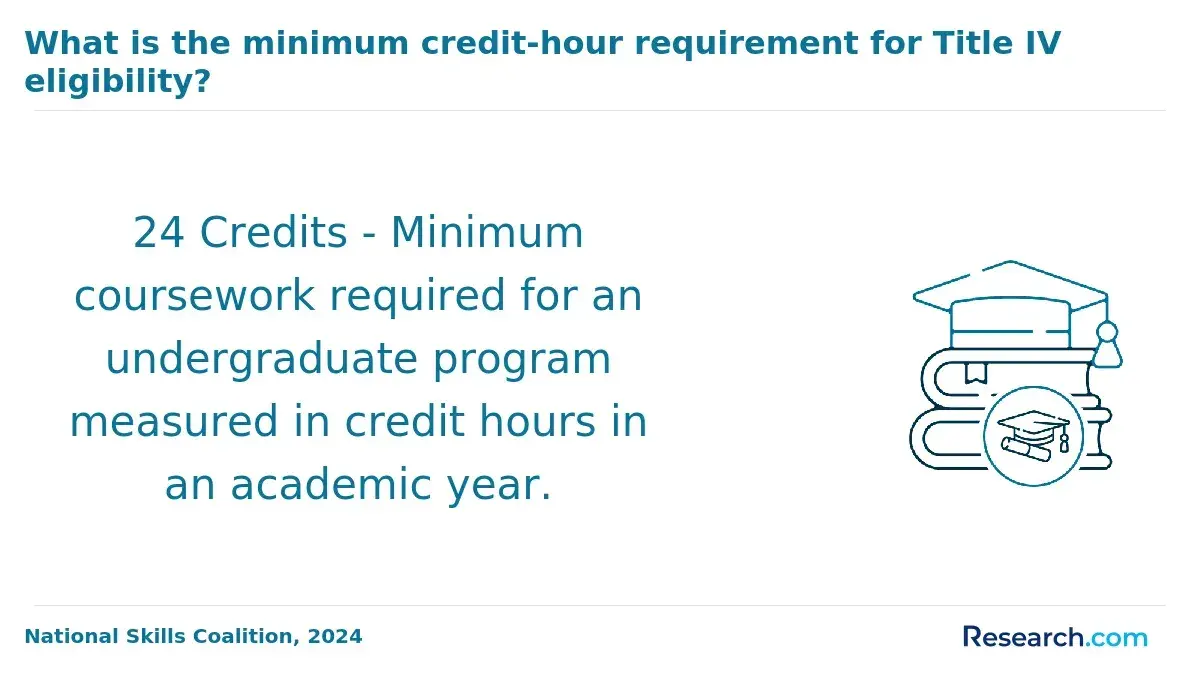
- Financial Aid Implications: Because federal Title IV aid depends on defined enrollment and payment periods aligning with academic terms, monthly-intake schedules can complicate aid disbursement. Students need to verify that a program's monthly calendar meets federal requirements to avoid funding delays.
- Confirming Aid Eligibility: Prospective students should consult the U.S. Department of Education's Federal Student Aid office or the institution's financial aid department to ensure monthly-start programs are approved and compatible with federal aid distribution rules.
A professional who completed an online religious and Christian studies bachelor's degree through monthly start dates shared that, at first, adapting to rolling admissions felt uncertain: "Not having the usual semester rhythm meant I had to be proactive in managing my time and reaching out to peers."
He described the smaller cohort sizes as initially isolating but ultimately beneficial, stating, "The more intimate group forced me to engage directly with classmates and instructors, which made the learning experience richer."
Navigating financial aid posed challenges too, with "some initial confusion about disbursement timing," but staying in close contact with the university's aid office helped him avoid interruptions.
Reflecting on his journey, he emphasized that the flexibility of monthly starts was crucial for balancing study with work and family commitments, noting, "Despite the hurdles, it was the right path for me to finish my degree without compromising other parts of my life."
What Are the Admission Requirements for Online Religious and Christian Studies Bachelor's Programs With Monthly Start Dates?
Admission requirements for online religious and Christian studies bachelor’s programs with monthly start dates are typically straightforward and focused on basic academic readiness and personal commitment to the field.
- High School Diploma or GED: Most online Christian Studies bachelor's degree programs with monthly start dates require applicants to hold a high school diploma or GED as a basic qualification.
- Minimum GPA: Admission standards usually call for a GPA between 2.0 and 2.5 on a 4.0 scale. Many programs adopt a holistic approach, recognizing that GPA alone may not reflect an applicant's full potential.
- Standardized Testing: Increasingly, rolling-enrollment online religious studies degrees waive SAT or ACT requirements, aligning with the shift toward test-optional policies designed for working adults and career changers.
- Program Selectivity: While some programs offer open admission to anyone with a diploma or GED, the most reputable Christian Studies degrees implement selective criteria that enhance the credential's academic and professional value.
- Transfer Students: Applicants transferring credits should provide transcripts from all previous colleges. Programs often evaluate unofficial transcripts during application but require official documentation to finalize credit transfer. Course descriptions or syllabi may also be requested for prior learning assessments.
To strengthen their file, students can submit a personal statement, obtain strong letters of recommendation, or enroll in bridge courses offered by the institution. These strategies highlight readiness and commitment to succeed.
Prospective students might also explore additional certification options, like a bookkeeping course, to broaden their skillset alongside their degree.
What Is the Minimum GPA Requirement for an Online Religious and Christian Studies Bachelor's Program With Monthly Start Dates?
Admission to online religious and Christian studies bachelor's programs with monthly start dates typically demands a minimum GPA between 2.0 and 2.5 on a 4.0 scale.
Open-admission schools often accept applicants with a GPA near 2.0 or below, frequently offering conditional admission, while moderately selective programs usually require around 2.3 to 2.5. Competitive programs tend to expect a GPA closer to 3.0. Students must maintain satisfactory academic progress, commonly a cumulative 2.0 GPA-to remain eligible for financial aid and stay enrolled.
Graduation requirements often mirror these GPA thresholds, with final GPA minimums ranging from 2.0 to 2.5 depending on institutional policies.
Applicants with GPAs below the minimum are not necessarily denied outright; many schools provide provisional admissions or appeal processes where additional qualifications or explanations can be submitted. Academic probation serves as a warning phase designed to help students improve performance before dismissal risks arise.
These varying GPA standards call for applicants to evaluate where their academic records fit within the admission tiers and to verify up-to-date requirements by consulting the academic catalog posted on each school's website, as policies can shift over time.
- Admission GPA Ranges: Minimum required GPAs usually fall between 2.0 and 2.5, with open and competitive admission levels differing significantly.
- Maintaining Progress: Keeping a cumulative GPA of at least 2.0 is essential for financial aid and continued enrollment.
- Graduation Standards: Final GPA requirements typically reflect admission standards but may vary by institution.
- Conditional Admission: Provisional acceptance and appeals offer pathways for applicants with GPAs below stated minimums.
- Check Latest Policies: Academic catalogs are the best source to confirm current GPA requirements since schools update policies regularly.
A professional who progressed through an online religious and Christian studies bachelor's program with monthly start dates shared that navigating GPA requirements felt daunting at first.
She recalled being slightly below the suggested threshold but was encouraged by the school's conditional admission offer, which came with tailored academic support.
"The appeal process allowed me to highlight my practical experience and commitment," she explained. This backing motivated her to maintain a strong GPA during her studies, ultimately completing the program successfully and building a meaningful career grounded in both faith and scholarship.
How Long Does It Take to Complete an Online Religious and Christian Studies Bachelor's Degree With Monthly Enrollment Options?
Most online religious and Christian studies bachelor's degrees require about 120 semester credit hours to graduate. How quickly students finish depends on their study intensity and the number of credits taken per term, with monthly start dates providing greater flexibility to begin courses without waiting for traditional semester schedules.
- Full-Time Study: Typically involves taking 12 to 15 credit hours each term. With monthly enrollment, full-time students, including those with transfer or prior learning assessment credits, can often complete their degree within three to four years.
- Part-Time Study: Many working adults and military learners choose part-time, usually enrolling in 6 to 9 credits per term. This pace extends completion to roughly five to seven years but fits better with busy schedules thanks to continuous monthly start opportunities.
- Transfer and Prior Learning Credit: Applying previously earned credits or PLA can shorten the time to degree. Monthly start dates allow students to begin courses immediately, though it's essential to confirm how many credits will transfer to avoid unexpected delays.
- Curriculum Sequencing: Prerequisite chains in religious and Christian studies programs can extend time-to-completion when upper-division classes require foundational courses first.
- Flexibility with Leaves: Programs with monthly starts often let students pause enrollment or take leaves of absence without losing progress-a crucial benefit for adults balancing education with work, family, or military commitments.
- Caution on Estimates: Students should carefully review credit transfers and course sequencing. Misjudging these factors can lead to longer completion times than initially expected.
What Does an Online Religious and Christian Studies Bachelor's Program With Monthly Start Dates Typically Cost, and What Financial Aid Is Available?
Online religious and Christian studies bachelor’s programs with monthly start dates are usually priced on a per-credit basis, so total cost depends on how many courses a student takes and how quickly they progress through the program.
To support affordability, many schools offer financial aid options such as federal grants and loans, scholarships (including ministry- or faith-based awards), tuition discounts, and flexible payment plans that spread costs across monthly billing cycles rather than requiring large upfront payments.
- Tuition and Fees: Online Religious and Christian Studies bachelor's programs with monthly start dates typically charge tuition per credit hour, ranging from $250 to $600. Students should also anticipate technology fees of $50 to $150 each term and course materials costing between $300 and $600 per semester.
- Federal Financial Aid: Eligible students in monthly-start programs can access federal aid by completing the Free Application for Federal Student Aid (FAFSA). Available options include Pell Grants, which do not require repayment.
- Scholarships for Religious and Christian Studies Students: Many schools and denominational organizations offer scholarships tailored to students in religious or Christian studies. State grants and private scholarships can further offset costs.
To compare costs:
- Program A (Lower Cost): $15,000 total tuition including technology fees; net cost after federal aid and scholarships around $8,000.
- Program B (Mid-Range): $28,000 tuition plus practicum expenses; estimated net price approximately $15,000.
- Program C (Higher-End): $40,000 including mandatory residency weeks; net cost after aid roughly $22,000.
Which Schools Offer the Most Reputable Online Religious and Christian Studies Bachelor's Degree Programs With Monthly Start Dates?
Several reputable institutions offer online Religious and Christian Studies bachelor's degree programs with monthly start dates, providing flexible enrollment options for working adults, military personnel, career changers, and recent high school graduates.
These schools maintain regional accreditation and competitive tuition while supporting generous transfer-credit policies, ensuring academic rigor and accommodating diverse learning backgrounds.
- Liberty University: Regionally accredited by the Southern Association of Colleges and Schools Commission on Colleges (SACSCOC), Liberty University allows up to 75% transfer credits and typically can be completed in about four years, with accelerated options available. I
- University of the Cumberlands: Also SACSCOC accredited, this university offers affordable tuition with monthly start dates and accepts credit for military and professional training. The program balances theological education with leadership development.
- Grand Canyon University: Accredited by the Higher Learning Commission, Grand Canyon University accepts up to 90 transfer credits and provides flexible pacing alongside monthly enrollments.
- Regent University: Accredited by SACSCOC and nationally recognized, Regent offers accelerated tracks averaging 3 to 4 years with strong spiritual formation and faculty qualifications. Although tuition is higher, extensive financial aid is available.
- Ohio Christian University: This SACSCOC-accredited institution presents an affordable, accessible program with monthly starts and transfer-friendly policies. Its coursework integrates biblical studies with hands-on ministry training and provides career counseling focused on faith-based vocations.
When assessing the most reputable online Religious and Christian Studies bachelor's programs with monthly start dates in the United States, it is important to look beyond rankings alone.
Consider employer partnerships that reflect graduate workplace integration, alumni outcomes such as employment and graduate school placement, and faculty expertise in theology and ministry. Programs with low student-to-instructor ratios often ensure personalized guidance and better academic support.
The program's standing within the religious studies field and recognition by denominational or faith-based employers is equally if not more important than the university's general brand.
For those interested in accelerating their academic journey, exploring options related to a 6 month masters degree online can offer insights into flexible formats and credit transfer strategies beneficial for career changers and adult learners.
What Courses and Curriculum Can Students Expect in an Online Religious and Christian Studies Bachelor's Program?
Students pursuing an online Religious and Christian Studies bachelor's degree encounter a curriculum blending broad academic skills with focused theological knowledge.
General education courses build essential competencies in areas like English composition, history, social science, and humanities, creating a foundation for critical analysis and effective communication.
This well-structured approach to religious and christian studies bachelor's degree core courses and curriculum structure ensures readiness for advanced study.
- Foundational Courses: Early courses introduce biblical studies, theology, church history, and world religions, fostering a deep understanding of core doctrines, sacred texts, and diverse religious traditions.
- Major Coursework: Upper-division classes involve advanced theological topics such as Christian ethics, pastoral counseling, ministry practices, and scriptural interpretation within historical and cultural frameworks.
- Specializations and Concentrations: Many programs offer elective tracks in areas like youth ministry, global missions, religious education, or church leadership, aligning coursework with career trajectories.
- Applied Learning: Capstone projects, practicums, and internships-often including supervised ministry or community outreach-are integral to translating theory into practice and incorporating employer feedback.
- Technology and Resources: Students typically access advanced learning management systems, digital libraries, specialized software for sermon preparation, and memberships in professional religious organizations, enriching research and ministry skills.
Online programs with monthly start dates often attract diverse learners, from recent graduates to military personnel. For those comparing fields, programs in religious and christian studies degree program class topics and learning outcomes contrast with technical offerings like online electrical engineering courses USA.
How Do Online Religious and Christian Studies Programs With Monthly Start Dates Support Working Adults and Non-Traditional Students?
Monthly-start online religious and Christian studies programs cater to adults balancing work, family, and other commitments through asynchronous course delivery.
Students can access lectures and materials anytime, submit assignments flexibly, and use mobile-friendly platforms for studying on the go. This approach removes rigid scheduling barriers, making education more accessible for busy learners.
Comprehensive support services help non-traditional students succeed. Dedicated academic advisors offer tailored guidance, while career services assist with employment readiness.
Military and veteran support offices acknowledge unique experiences and provide specialized resources. Extended-hours tutoring and disability accommodations ensure assistance is available beyond typical office times, addressing diverse learner needs.
Adult learners often encounter challenges such as imposter syndrome, unease with technology, and readjusting to academic writing after time away from school.
Quality programs provide workshops, counseling, and writing centers to build confidence and essential skills. Many programs also award credit for prior learning through CLEP exams, portfolio assessments, or military training, shortening degree paths and reducing costs.
Data from the National Center for Education Statistics show a 15% increase in online students aged 25 and older over the last decade, reflecting growing demand for flexible, adult-oriented programs.
- Flexible Course Access: Asynchronous formats and mobile platforms allow learners to study anytime, fitting education around personal schedules.
- Targeted Student Support: Academic advising, career help, military resources, and extended tutoring accommodate diverse adult student needs.
- Overcoming Barriers: Workshops and counseling address imposter syndrome, tech anxiety, and academic skill rebuilding.
- Credit Recognition: Prior learning credits reduce time and costs toward degree completion.
- Growing Adult Enrollment: Online study among students 25 and older has risen sharply, emphasizing the need for adaptable programs.
What Career Outcomes and Salary Expectations Are Realistic for Religious and Christian Studies Bachelor's Graduates?
A bachelor’s degree in religious and Christian studies can lead to a range of service-oriented and community-focused roles, often within churches, nonprofit organizations, education support, or chaplaincy assistance.
Many graduates begin in entry-level positions such as ministry assistant, youth or outreach coordinator, or nonprofit program support, where responsibilities center on communication, organization, and community engagement.
Starting salaries are typically modest and vary widely depending on the type of organization and funding structure, but experience and additional training can open paths toward leadership roles in ministry, counseling support, or nonprofit management.
- Employment Growth: Careers pursued by religious and Christian studies bachelor's degree holders, such as clergy, educators, and nonprofit professionals, are projected to grow steadily by about 5% to 7% over the next ten years.
- Salary Expectations: Median wages vary widely depending on occupation and location. For instance, clergy typically earn around $55,000 annually, while roles like religious education coordinators and nonprofit managers may earn between $40,000 and $70,000.
- Career Pathways: Entry-level positions such as youth ministry assistants or outreach coordinators generally require a bachelor's degree. Specialized roles like pastors, chaplains, and religious educators often prefer candidates with a master's degree or higher.
- Regional Variation: Data from Lightcast and the Economic Policy Institute indicate that demand and compensation are typically stronger in urban centers with dense religious infrastructures. Increasing remote work opportunities are emerging, especially in nonprofit administration and religious education technology.
- Emerging Opportunities: Growing sectors include digital ministry, faith-based publishing, and counseling services. Graduates with strong communication skills and tech adaptability can excel developing outreach platforms, online education, and community wellness programs-fields expected to expand within religious and Christian studies careers.
What Graduates Say About Their Online Religious and Christian Studies Bachelor's Degree Programs With Monthly Start Dates
- Ian: "Choosing the online religious and Christian studies bachelor's degree program was a wise decision for me, especially because it's fully accredited and has a straightforward admission process. The monthly start dates made it easy to begin without waiting for a traditional semester. I appreciated the balance of a comprehensive curriculum paired with an affordable cost, which made pursuing my passion sustainable. This program truly prepared me for career opportunities in ministry and community leadership."
- Ashleigh: "The curriculum was both enlightening and challenging, providing deep insights into theology, ethics, and historical contexts. I admired that the program allowed flexibility with monthly start dates, fitting perfectly around my work schedule. The investment was reasonable compared to other programs, and it opened doors to multiple professional paths including education, counseling, and non-profit work. Looking back, the program strengthened not only my knowledge but also my confidence to serve effectively."
- Aaron: "From a professional standpoint, the program's accreditation gave me the credibility I needed to pursue church leadership roles. The admission requirements were clear and accessible, making the application process smooth. What stood out most was how the program's monthly start dates allowed me to proceed at my own pace while keeping costs manageable. It equipped me with the academic foundation and practical skills to advance in various careers related to religious and Christian studies."
Other Things You Should Know About Religious and Christian Studies Degrees
Most online religious and Christian studies bachelor's programs in 2027 with monthly starts focus on theological education rather than state licensure. Prospective students should verify specific state requirements and consult with academic advisors to ensure they meet necessary criteria if licensure is needed.
Many online programs offering monthly start dates accept transfer credits from accredited institutions, which can shorten the time to degree completion.
Prior learning assessments may also be available, allowing students to earn credit for relevant work experience, military training, or religious service. Policies vary by school, so applicants should inquire about limits on transfer credits and the documentation needed for assessments.
Online religious and Christian studies programs commonly use learning management systems such as Canvas, Blackboard, or Moodle to deliver course content and facilitate interaction.
Students engage through video lectures, discussion boards, and digital libraries. Some programs incorporate synchronous classes or virtual chapel services to enhance community and spiritual growth alongside academic learning.
Employers generally recognize online religious and Christian studies degrees from regionally accredited institutions as legitimate academic qualifications.
Degrees earned through monthly start programs do not hold less value solely because of their flexible start dates. However, graduates should emphasize the accreditation and rigor of their program to assure employers of the degree's credibility.
References
- What is the Difference Between Quarters, Semesters, and Trimesters? https://www.studyusa.com/en/a/1235/what-is-the-difference-between-quarters-semesters-and-trimesters
- Careers Options with Religious Studies Degrees https://m.christianeducation.com/careers
- Quarter vs Semester System in US Universities: Pros and Cons | The Red Pen https://theredpen.in/blog/quarter-vs-semester-system-in-us-universities/
- BA Theology Distance Learning https://www.domuni.eu/en/ba-theology-distance-learning
- List of Online Colleges with Regional Accreditation https://www.onlineu.com/resources/accreditation/regional-accreditation
- Free Online Bachelor of Theology – Courses Offered and Their Scope https://isdet.com/online-bachelor-of-theology-course-offerings/
- Credit Hours https://mission.edu/academics/online-degrees/biblical-studies-bachelors-online/
- Christian Studies (BS) | Online - Cairn University https://cairn.edu/christian-studies-online/
- Online Undergraduate Admissions - Grace Christian University https://gracechristian.edu/admissions-aid/online-undergraduate-admissions/
- Online Degree Programs https://www.valorcollege.edu/online