2027 Is 40 Too Late to Earn a Religious and Christian Studies Bachelor's Degree?

Co-Founder and Chief Data Scientist
Balancing family obligations and career demands can make the idea of returning to school at 40 seem daunting. For many adults, a midlife shift toward earning a bachelor's degree in Religious and Christian Studies stems from a search for deeper personal fulfillment or a meaningful career change. Current data shows that employment in religious occupations is projected to grow 5% through 2031, indicating steady opportunities.
Advances in online learning also provide flexible options for managing education alongside existing responsibilities. This article explores whether 40 is too late to pursue this degree and the key factors influencing that decision for today's adult learners.
Key Things to Know About Whether 40 Is Too Late to Earn a Religious and Christian Studies Bachelor's Degree
- Midlife career shifts into religious and Christian studies often align with leadership roles in faith communities, counseling, or education, fields seeing steady 5% annual employment growth.
- Modern programs offer flexible online and part-time options, accommodating adult learners balancing work and family commitments without delaying degree completion.
- Graduates gain lifelong personal enrichment and professional credentials that enhance opportunities in nonprofit and community organizations for long-term impact.
Can You Start a Religious and Christian Studies Bachelor's Degree at 40?
Beginning a Religious and Christian Studies bachelor's degree at 40 is not only feasible but also increasingly common. Higher education pathways have evolved to recognize the value of lifelong learning, making accessibility a central focus. Age is no barrier to enrollment in undergraduate programs, and many institutions welcome adult learners with open admissions policies. For those interested in further education, exploring options such as the cheapest online masters in artificial intelligence demonstrates how programs across disciplines are becoming more accessible.
Institutions supporting adult learners focus heavily on inclusivity and tailored academic structures. Many universities have developed pathways designed to accommodate the unique needs of non-traditional students, ensuring they receive appropriate advising and resources. These supports create environments where adult learners pursuing Religious and Christian Studies degrees can thrive alongside younger peers. This inclusive approach reflects a broad commitment to serving diverse student populations and valuing the life experience mature students bring to their studies.
What Are the Biggest Challenges of Going Back to College at 40?
Returning to college at 40 to pursue a religious and Christian studies bachelor's degree involves navigating unique challenges that can test even the most determined adult learners. Studies show that many students in this age group face obstacles balancing academic goals with personal responsibilities. These challenges highlight the importance of recognizing potential hurdles early to develop effective strategies for success.
Managing Time Effectively:
- Managing time effectively amid busy personal and professional lives is essential. Adults often juggle family, work, and social obligations, making consistent study time difficult. Strong prioritization and discipline are necessary to maintain balance.
- Balancing Family Responsibilities: Many adults returning to school have caregiving duties, whether for children or aging parents. Balancing these family care responsibilities alongside studies requires clear communication and setting realistic expectations to avoid conflicts.
- Financial Concerns: Financial pressures from tuition, books, and related expenses can impact adult learners and their families. While this overview does not delve into costs, planning finances carefully and researching scholarships or aid options can ease this burden.
- Technology Adaptation: Adapting to modern learning environments, including new classroom technologies and online platforms, is often a steep learning curve. Investing time to become comfortable with these tools and accessing campus support services can help students feel more confident.
Overcoming Self-Doubt: Many returning students experience self-doubt after years away from academics, worrying about fitting in or cognitive skills. Building confidence through early achievements and connecting with peers facing similar experiences is crucial.
Those curious about the most in-demand degrees can explore the best bachelor's degrees to align their interests and career goals effectively. Tackling the challenges of returning to college at 40 for religious and Christian studies requires patience and commitment, but it is a rewarding journey.
Can You Work Full-Time While Earning a Religious and Christian Studies Degree at 40?
Balancing full-time employment with pursuing a religious and Christian studies degree at 40 is entirely possible with careful planning and commitment. Many adult students leverage their life experience and discipline to manage their time effectively, often dedicating evenings and weekends to coursework. This balance demonstrates that age does not hinder academic progress, reinforcing that pursuing a degree later in life remains a realistic and rewarding goal. Mature learners tend to maintain strong motivation and perspective, which supports steady progress despite professional and personal demands. Ultimately, working full-time while studying underscores that 40 is not too late to succeed in religious and Christian studies education.
The professional in his 40s currently enrolled in a religious and Christian studies program shared that initially, the toughest part was adjusting to a new routine, juggling intense work hours with study deadlines. He mentioned, "There were nights when exhaustion made focusing difficult, but setting small, achievable goals each day kept me moving forward." He also noted that applying real-world experiences to academic topics deepened his engagement, saying, "It wasn't just about reading; it became meaningful because I connected it to what I've lived." This personal journey revealed both the challenges and the fulfilling nature of combining full-time work with academic growth later in life.
What Are the Most Flexible Ways to Earn a Religious and Christian Studies Bachelor's Degree at 40?
Flexibility plays a vital role for adult learners around 40 who balance family, work, and other commitments while pursuing higher education. Access to adaptable learning formats allows students to continue their education without compromising daily responsibilities. Several flexible options help accommodate the diverse needs of learners earning a religious and Christian studies bachelor's degree.
- Online Learning: Offering 24/7 access to lectures and coursework, online religious and Christian studies degree programs for adult learners provide the freedom to study whenever and wherever it suits their schedules. This flexibility removes commuting challenges and fits well into busy lifestyles.
- Part-Time Enrollment: Spreading classes over a longer timeline allows students to manage their academic workload alongside their other obligations. This approach supports steady progress without overwhelming adult learners juggling multiple roles.
- Evening or Weekend Classes: For those who prefer face-to-face interaction, many institutions offer in-person classes outside traditional hours. These options enable meaningful engagement with instructors and peers while maintaining daytime commitments.
- Self-Paced Study: This method empowers students to control their learning speed, ideal for individuals who need flexibility to absorb material fully or pause coursework during demanding periods.
Adult learners interested in flexible program options may also explore related fields such as MSW online to broaden their educational opportunities.
How Long Does It Take to Finish a Religious and Christian Studies Bachelor's Degree at 40?
Completing a religious and Christian studies bachelor's degree around age 40 varies widely based on individual circumstances. While a traditional full-time student might finish in about four years, many adult learners adjust their pace to fit work and personal life demands. Understanding the main factors influencing completion time can help set realistic expectations and encourage steady progress.
- Course Load: Full-time enrollment generally leads to finishing within four years, but choosing part-time study to balance other responsibilities may extend the timeline considerably, offering more flexibility.
- Prior Learning Credits: Transfer credits from earlier education or relevant life experience can reduce course requirements, accelerating graduation for those who have previous academic work acknowledged.
- Life Commitments: Work, family care, and community roles often limit the number of courses taken simultaneously, which can lengthen the duration needed to complete the degree.
- Personal Pace: Setting a manageable schedule that aligns with emotional and physical well-being supports persistence and successful completion, even if it means studying over several years.
One adult learner who returned to school at 40 shared that juggling family duties alongside coursework was challenging but rewarding. She described initially feeling overwhelmed but gained confidence through careful scheduling and support from peers and faculty. Although it took her nearly five years to graduate, she found the journey enriching, noting that "balancing everything wasn't easy, but adjusting my pace helped me stay committed and finish strong." Her experience highlights how perseverance and adaptability make earning a religious and Christian studies degree at this stage entirely possible and meaningful.
How Much Does It Cost to Get a Religious and Christian Studies Bachelor's Degree at 40?
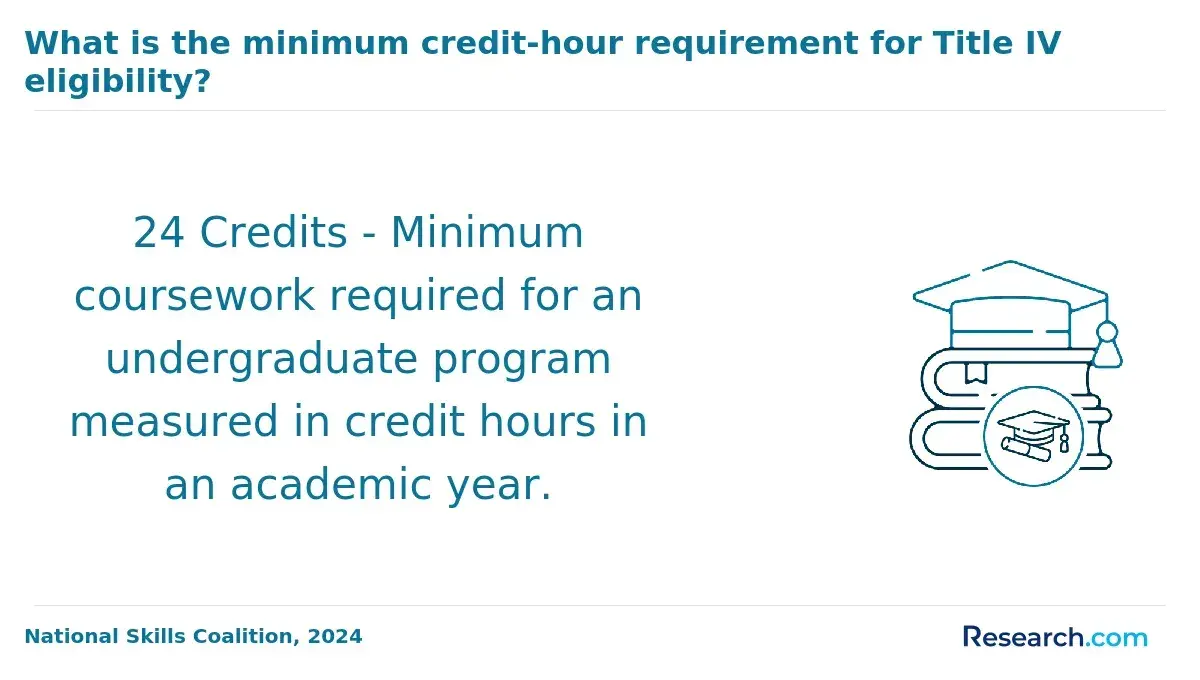
The average cost for a religious and Christian studies bachelor's degree can vary widely, but tuition often represents the largest portion, with many programs charging fees per credit hour. For adult learners around 40, understanding these expenses helps clarify the financial commitment involved in returning to school later in life.
- Tuition Expenses: Tuition rates differ based on the type of institution-public, private, or faith-based-and are usually calculated by credit hours. The total cost depends on how many credits are required to complete the program.
- Learning Materials: Books, digital resources, and other course supplies add to the overall cost. While some programs may bundle these materials with tuition fees, many students should anticipate separate expenses for these necessary tools.
- Enrollment Pace: Choosing full-time or part-time enrollment affects how quickly credits accumulate and determines the number of semesters or quarters a student pays for. Balancing education with other responsibilities can often mean a longer timeline and a spread-out cost.
- Additional Fees: Beyond tuition, students may encounter charges for technology access, library services, or registration. Though generally smaller than tuition, these fees contribute to the full cost of the degree.
- Financial Support: Scholarships and aid targeted at adult learners or those studying religious and Christian subjects can reduce net expenses. Access to such resources is an important factor in making education more affordable at this stage in life.
What Are the Risks of Going Back to College at 40?
Returning to college at 40 to pursue a religious and Christian studies bachelor's degree involves facing some unique challenges that require careful consideration. Adults returning to school often encounter academic, social, and personal adjustments that can impact their success. Recognizing these risks early helps in planning and managing the transition more effectively.
Some key risks include:
- Academic Workload: After years away from structured learning, the volume and intensity of assignments, reading, and critical thinking can feel overwhelming. It may take time to regain study stamina and adjust to academic expectations.
- Adapting to College Culture: Being surrounded mostly by younger students and engaging in technology-driven classes can create feelings of isolation or discomfort. Utilizing campus resources and peer connections can ease this adjustment.
- Time Management: Older students often juggle family obligations, work, and school. Balancing these commitments demands strong self-discipline to maintain consistent attendance and focus on coursework.
- Technological Changes: Modern educational tools and platforms may be unfamiliar, requiring additional effort to master online learning systems, digital research, and communication methods.
- Stress and Burnout: Managing multiple responsibilities alongside academic demands can increase stress levels. Without proper support systems and self-care, risk of burnout rises significantly.
Despite these challenges, many adult learners succeed by leveraging their maturity and motivation, proving that earning a religious and Christian studies degree at 40 is achievable with realistic preparation and support.
Can You Start a New Career at 40 With a Religious and Christian Studies Bachelor's Degree?
Starting a successful new career after earning a religious and Christian studies degree in midlife is certainly achievable and can be deeply fulfilling. This degree not only fosters critical thinking, communication, and analytical skills but also offers a nuanced understanding of theology, ethics, and history. These abilities provide a strong foundation for career opportunities with a bachelor's degree in Religious and Christian Studies at 40 in fields such as ministry, education, counseling, or nonprofit leadership. The knowledge gained can also enhance roles that value cultural literacy and ethical perspectives.
Workforce trends increasingly support adult learners pursuing career changes later in life, recognizing the diverse experiences and maturity they bring. Higher education institutions and employers are adapting to make it easier to earn degrees and certifications at any age, reflecting a broader acceptance of varied professional journeys beyond the traditional timeline.
As these career paths evolve, programs like certification programs offer additional avenues to complement a religious and Christian studies degree, opening doors not only in religious settings but also in community engagement, social services, and education.
Do Employers Value Religious and Christian Studies Bachelor's Degrees Earned at 40?
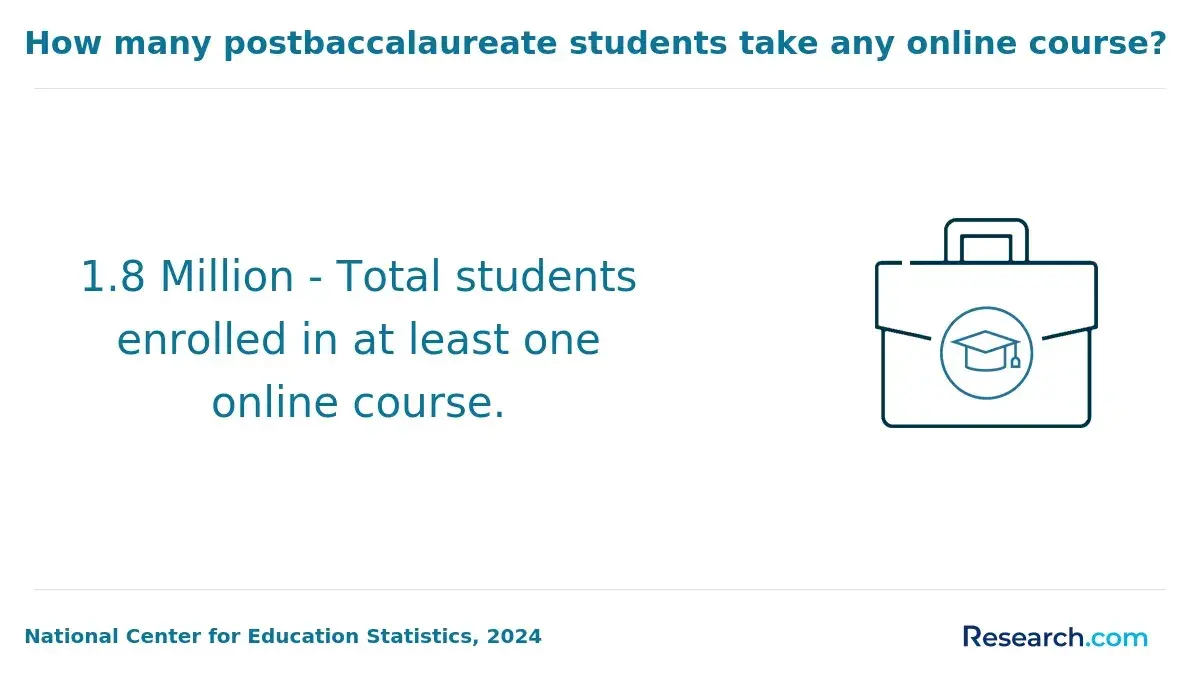
Employers generally regard earning a Religious and Christian Studies bachelor's degree at age 40 as a sign of dedication and maturity. The combination of academic knowledge and life experience strengthens workplace contributions. According to the National Center for Education Statistics, nearly 40% of college students are adult learners aged 25 and older, reflecting increased workforce participation among non-traditional students.
When assessing candidates with Religious and Christian Studies degrees earned after 40, employers often consider these core factors:
- Relevance of Skills: Graduates develop critical thinking, ethical reasoning, and cultural literacy, which apply across diverse professional fields and enhance problem-solving abilities.
- Integration of Experience: Prior careers and volunteer work offer real-world insights that enrich a candidate's grasp of religious and ethical principles, adding practical value to their academic background.
- Commitment to Growth: Returning to school at 40 demonstrates adaptability and a growth mindset, traits highly prized in evolving work environments and valuable for long-term career advancement.
- Interpersonal Skills: Religious and Christian Studies emphasize empathy and effective communication across belief systems, supporting roles in counseling, education, and community engagement.
- Multidisciplinary Insight: The field's intersections with sociology, history, and philosophy broaden a graduate's analytical and leadership capabilities.
For those seeking affordable options to pursue these benefits, exploring cheap online college classes can make earning a Religious and Christian Studies degree at 40 more accessible. The career benefits of earning a Religious and Christian Studies bachelor's after 40 include not only enhanced qualifications but also demonstrated resilience and well-rounded expertise valued in many professions.
What Steps Should I Take Before Applying to a Religious and Christian Studies Bachelor's Program?
Preparing carefully before applying to a Religious and Christian Studies bachelor's program improves both academic readiness and decision-making. Early planning helps align personal goals with the right study options, benefiting adult learners who often balance multiple commitments. About 53% of adult students report that thoughtful preparation positively impacts their enrollment experience.
Consider the following key steps as you get ready to apply:
- Academic Review: Reflect on your previous education, including college credits and related experience, to identify transferable coursework. This can reduce your study load and time to degree completion.
- Program Requirements: Investigate each program's specific prerequisites and course offerings. Detailed reading of academic catalogs helps you understand what's expected and how courses align with your interests.
- Learning Formats: Assess formats like online, evening, or part-time classes to find one that fits your work and family life. Choosing the right format supports persistence and timely graduation.
- Documentation Prep: Gather transcripts, recommendation letters, personal statements, and other application materials ahead of time to avoid delays and streamline the admissions process.
What Graduates Say About Earning a Religious and Christian Studies Bachelor's Degree at 40
- Jase: "Going back to college at 42 was a deliberate choice to deepen my understanding of faith and history, which had always fascinated me. Choosing a religious and Christian studies degree allowed me to explore my beliefs more profoundly while gaining academic credentials. This degree has reinvigorated my career, opening doors to roles in community leadership that I never imagined possible before."
- Kyro: "I returned to school at 45 because I wanted to align my professional life with my spiritual values. Studying religious and Christian studies offered a unique blend of theology and cultural insight that resonated deeply with me. Completing this degree later in life has not only enriched my personal life but also enhanced my capacity to serve in counseling and faith-based initiatives."
- Aaron: "At 50, I realized it wasn't too late to pursue something meaningful, which led me to religious and Christian studies. I chose this degree because it combined historical scholarship with ethical inquiry, satisfying my intellectual curiosity and desire for purposeful work. Earning this degree bolstered my credibility, allowing me to progress in education and nonprofit sectors concerned with spiritual development."
Other Things You Should Know About Religious and Christian Studies Degrees
Individuals who earn a religious and Christian studies bachelor's degree at 40 often pursue careers in education, ministry, counseling, nonprofit leadership, or community service. Many roles value the degree because it provides critical thinking skills and a deep understanding of theology, ethics, and cultural contexts. This degree can also serve as a foundation for graduate studies in theology, divinity, or social work.
Completing a religious and Christian studies degree at 40 can enhance one's leadership abilities and theological knowledge, enabling more meaningful participation in religious or community groups. It often allows adults to serve in roles such as pastoral leadership, youth ministry, or educational programming. This academic achievement can strengthen credibility and deepen engagement within faith communities.
Many institutions offer support services tailored to adult learners, such as flexible scheduling, online courses, academic advising, and peer support groups. Some programs provide mentoring specifically for students balancing education with family and career responsibilities. These resources help adult learners navigate both academic challenges and time management.
References
- Adult Postsecondary Learners: Reviewing the Data and Evidence https://www.jff.org/idea/adult-learners/
- Bachelor’s Degree - ETF Leuven https://www.etf.edu/en/education/bachelors-program/
- Admission Requirements https://www.regent-college.edu/admissions/apply-to-regent/admission-requirements/
- Data & Studies – AAR https://aarweb.org/resource/data-studies/
- Prospective Students https://www.evhn.de/en/prospective-students/bachelor-programs/religious-education-and-christian-adult-education-bed
- Tuition and fees https://cbshouston.edu/tuition-and-fees/
- Affordable, Accredited Online Bachelor Degree in Theology https://in-his-hands-international-bible-college.thinkific.com/bundles/bachelor-degree-in-theology
- Going Back to School at 40? Here’s How to Succeed | Outlier https://articles.outlier.org/going-back-to-school-at-40
- FAQ TC Studies https://en.wbst.edu.pl/apply/faq-tcstudies/