2027 Financial Aid for Online Religious and Christian Studies Bachelor's Degrees: FAFSA, Grants, and Scholarships

Co-Founder and Chief Data Scientist
Paying for an online religious and Christian studies bachelor's degree often presents unexpected financial challenges for many students. Despite lower tuition compared to traditional programs, 62% of online learners in theology-related fields report difficulty covering overall costs without aid. This financial strain can deter prospective students or lead to substantial debt.
Understanding options like FAFSA, grants, and scholarships can significantly reduce out-of-pocket expenses and ease debt burdens. This article examines key financial aid resources tailored for online religious and Christian studies degrees, helping students navigate the complexities of funding their education with confidence and strategic planning.
Key Benefits of Financial Aid for Online Religious and Christian Studies Bachelor's Degrees
- Completing the FAFSA is essential for accessing federal financial aid, including low-interest loans and work-study programs, which can significantly reduce the cost of an online religious and Christian studies bachelor's degree.
- Grants, unlike loans, do not require repayment and many institutions offer need-based grants specifically for students pursuing religious and Christian studies degrees.
- Scholarships from religious organizations and academic institutions often target online religious and Christian studies students, providing merit-based funding that can cover tuition or related expenses.
Who Is Eligible for Financial Aid for Online Religious and Christian Studies Bachelor's Degrees?
Access to financial aid can significantly influence a student's ability to pursue an online religious and Christian studies bachelor's degree. Understanding who qualifies for such aid is crucial for planning how to finance education effectively. Approximately 86% of full-time undergraduate students in the U.S. receive some form of financial aid, which underscores its importance in supporting college affordability.
Several core factors determine financial aid eligibility for students seeking funding in online religious and Christian studies programs. These considerations help clarify who can receive support through federal and private sources.
- Citizenship or Residency: To qualify for federal aid via FAFSA, students must be U.S. citizens or eligible non-citizens, such as permanent residents. This requirement ensures aid is allocated to those legally residing or studying in the United States.
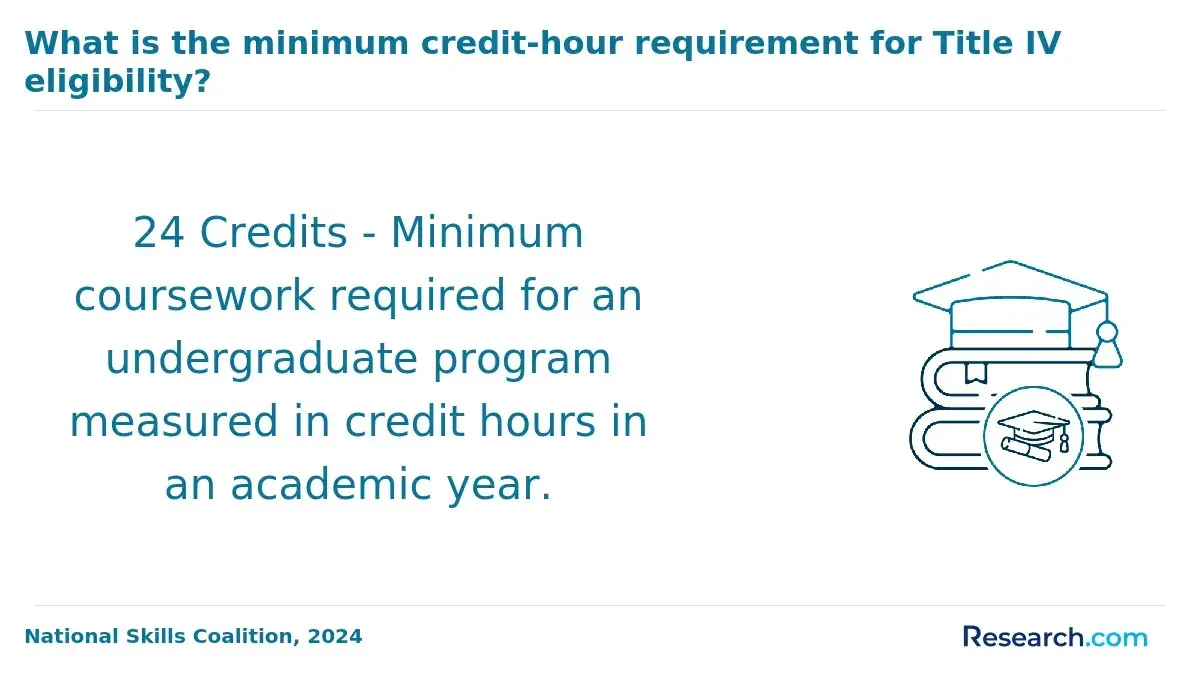
- Enrollment Status: Students typically need to be enrolled at least half-time in an accredited institution that participates in federal financial aid programs. Many online programs meet these standards, but confirming your school's eligibility is essential, especially when exploring options like accredited online colleges that accept FAFSA.
- Institutional Eligibility: The college or university must be authorized to distribute federal aid. Schools offering online religious and Christian studies degrees often maintain this eligibility, but prospective students should verify their institution's status before applying for aid.
- Academic Progress: Maintaining satisfactory academic progress as defined by the institution is generally required to continue receiving financial aid. This requirement promotes timely degree completion and consistent effort in the program.
- Compliance with Aid Rules: Students must adhere to FAFSA application procedures, submit all required documents timely, and avoid defaults on prior federal loans. Additionally, scholarships or grants may require other criteria such as financial need or involvement in religious communities.
Do Online Religious and Christian Studies Programs Qualify for FAFSA and Federal Financial Aid?
Online Religious and Christian Studies bachelor's degree programs can qualify for FAFSA and other federal financial aid if the institution offering the program is accredited by an agency recognized by the U.S. Department of Education. Accreditation is critical as it confirms the school meets established educational quality standards, enabling access to federal aid.
Additionally, the program must participate in the federal student aid system, which requires schools to comply with federal regulations and be approved to disburse funds.
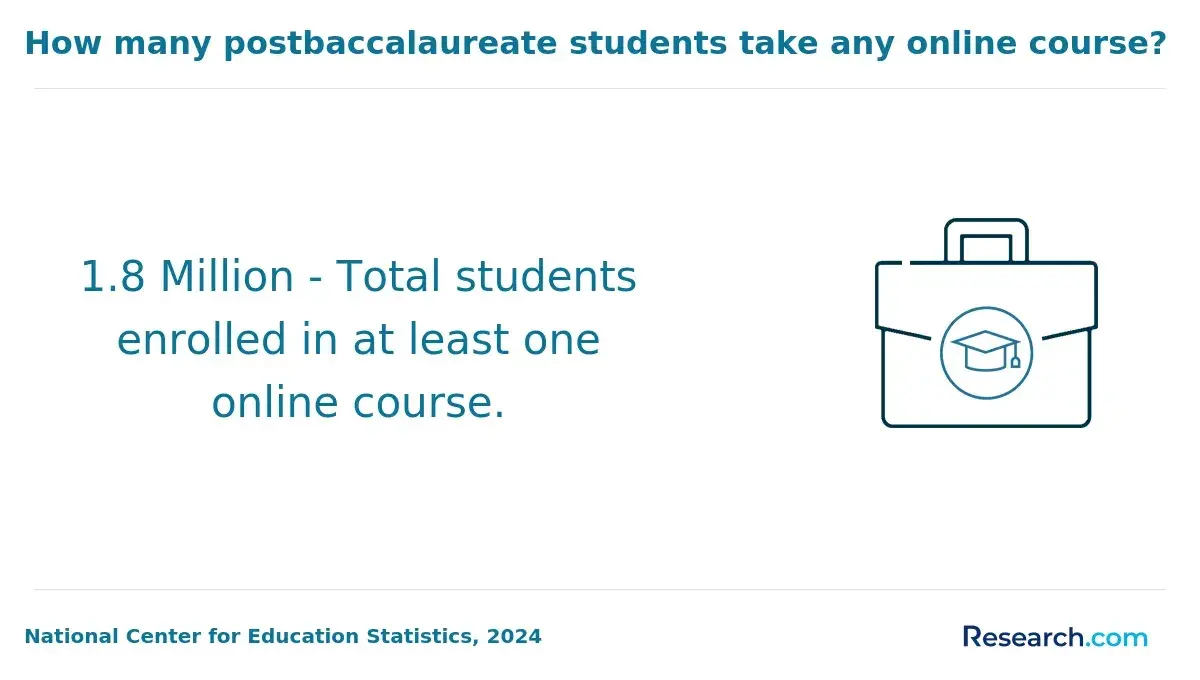
According to the National Center for Education Statistics, approximately 85% of undergraduates enrolled in accredited institutions receive some form of federal financial aid, highlighting the widespread availability of such funding in higher education. Prospective students interested in federal financial aid for online Christian studies programs should verify accreditation and program eligibility directly with their chosen institution.
The main factors that determine federal financial aid eligibility for online Religious and Christian Studies programs include institutional accreditation, enrollment status, and adherence to federal education guidelines.
Typically, students must be enrolled at least half-time to qualify for aid through FAFSA, regardless of whether their program is online or campus-based. Compliance with federal requirements, including program participation in aid systems, ensures continued access to federal funds.
Students also often explore different financial options, and those curious about affordable alternatives might consider related fields such as a psychology degree as part of their academic planning for federal financial aid eligibility.
How Do I Apply for FAFSA for an Online Religious and Christian Studies Bachelor's Degree?
Navigating the FAFSA application is a critical step for students pursuing an online religious and Christian studies bachelor's degree who need financial assistance. The FAFSA determines access to federal aid that can ease the financial burden of tuition and related expenses. In fact, more than 80% of undergraduate students in the U.S. rely on some form of federal financial support while attending college.
Below is a straightforward guide to complete the FAFSA for online religious and Christian studies programs:
- Create an FSA ID: This username and password combination provides a secure way to log in to the federal student aid website. The FSA ID is necessary for signing the FAFSA electronically and accessing your federal aid information.
- Fill Out the FAFSA: Complete the FAFSA form online by entering your personal details, financial data, and tax information. Accuracy here is essential to avoid delays or errors in aid determination.
- List Schools: Include all the online religious and Christian studies bachelor's degree programs you are applying to or plan to attend. You can add multiple schools on the form to maximize your aid options.
- Submit Your Application: File the FAFSA by the specified deadline for your institutions. Timely submission ensures your application is considered in the awarding of aid packages.
- Review the SAR: Once processed, the Student Aid Report summarizes the data you provided and includes your expected eligibility. Review this thoroughly and report any inaccuracies promptly.
A graduate from an online religious and Christian studies bachelor's program shared how daunting the FAFSA process initially felt. He mentioned that understanding the financial jargon and gathering tax documents was overwhelming, but creating the FSA ID first helped simplify subsequent steps.
"After submitting, I checked the Student Aid Report carefully because I wanted to make sure everything was correct before my school awarded aid," he recalled. His advice to prospective students echoed a common sentiment: patience and attention to detail are vital when applying for FAFSA to support your academic journey effectively.
What Federal Grants Are Available for Online Religious and Christian Studies Students?
Federal grants play a vital role for students pursuing online Religious and Christian Studies bachelor's degrees, offering funding that does not require repayment and easing financial barriers. Over 7 million undergraduates received Pell Grants in the 2021-2022 academic year, illustrating the widespread impact of federal financial aid eligibility for online Christian studies degrees. Below are some key federal grants available to qualifying students.
- Pell Grants: These need-based grants primarily assist undergraduates demonstrating significant financial need. Qualification depends on income, enrollment status, and filing the Free Application for Federal Student Aid (FAFSA).
- Federal Supplemental Educational Opportunity Grants (FSEOG): Awarded through participating institutions, these campus-based grants target students with exceptional financial need. Funds are limited and distributed by each school's financial aid office.
- Academic Competitiveness Grants (ACG) and SMART Grants: While often linked to specific fields, some schools offer adaptations of these federal grants that may apply to Religious and Christian Studies students. Eligibility criteria vary, making consultation with financial aid offices essential.
- General Federal Aid: Students enrolled in accredited online Religious and Christian Studies programs meet federal regulations, including citizenship and enrollment in eligible programs, to access these grant opportunities.
- Additional Opportunities: Prospective students interested in complementary fields might explore related programs like a 2 year construction management degree, which may have distinct financial aid options.
How Much Financial Aid Can I Get for a Religious and Christian Studies Bachelor's Degree?
Many students wonder about the total financial aid available for a religious and christian studies bachelor's degree due to concerns over program affordability and differences among institutions. On average, undergraduates in online programs receive roughly $7,750 annually in combined federal grants and scholarships, though amounts differ significantly based on the school's aid policies and the student's eligibility.
Key factors shaping aid include FAFSA-determined financial need, enrollment status-where full-time students tend to receive more-and access to federal and state grants such as Pell Grants, which can provide up to $7,395.
Aid packages also vary between public, private nonprofit, and faith-based colleges, each with their own funding structures that influence how much support a student might expect. Thus, financial aid for religious and christian studies degrees is a complex mix of institutional resources and federal programs tailored to individual circumstances.
When asked about her experience, a student pursuing an online religious and christian studies bachelor's degree shared how navigating financial aid felt initially overwhelming but ultimately manageable.
She highlighted the uncertainty around how much aid she could qualify for and the stress of comparing different schools' offerings. "It wasn't just the numbers-I had to consider how my enrollment status and income affected everything," she said.
However, she appreciated having guidance from her school's financial aid office and felt encouraged by the eventual support she received, noting, "Knowing I wasn't alone in figuring this out made a big difference."
What Types of Financial Aid Are Available for Online Religious and Christian Studies Degrees?
Access to various financial aid options can greatly impact the ability of students to pursue an online Religious and Christian Studies bachelor's degree. Knowing the types of aid available helps learners make well-informed decisions about financing their education and managing costs efficiently.
Several main categories of financial support exist for students in such programs, each addressing different needs and eligibility criteria.
- Federal Aid: Managed through the Free Application for Federal Student Aid (FAFSA), this includes programs like Pell Grants and federal work-study. Pell Grants are awarded based on financial need and do not require repayment, making them a valuable resource for qualifying students.
- Institutional Aid: Colleges and universities often provide their own grants and scholarships specifically for students enrolled in online Religious and Christian Studies. These awards can be merit-based, rewarding academic or personal achievements, or need-based, depending on the student's financial situation.
- Need-Based vs Merit-Based: Need-based assistance focuses on a student's economic circumstances to ensure aid goes to those with financial challenges. Merit-based aid recognizes scholastic excellence or special talents, helping to attract and support high-achieving students.
- Grants vs General Assistance: Grants typically do not have to be repaid and cover government or institutional funds to reduce educational expenses. General aid programs vary in eligibility and may include broader financial support, though grants remain the preferred form due to their non-repayable nature.
- Additional Funding Sources: Some nonprofit organizations and religious groups offer grants or awards to support students studying Christian and religious disciplines. While less common, these opportunities can be important supplements to federal and institutional aid.
Are There Scholarships for Online Religious and Christian Studies Bachelor's Degrees?
Scholarship opportunities play a significant role in making online religious and Christian studies bachelor's degrees more affordable and accessible. Financial aid can reduce the cost burden for many students, enabling them to focus on their academic and spiritual development.
According to the National Center for Education Statistics, nearly 68% of full-time undergraduate students received some form of grant or scholarship aid recently, highlighting the importance of these resources.
Several types of scholarships are particularly relevant for students pursuing online religious and Christian studies degrees, each designed to address different financial and academic needs.
- Institutional Scholarships: Many colleges and universities offering online religious and Christian studies provide scholarships funded directly by the institution to support enrolled students in this specialized field.
- Merit-Based Scholarships: These awards recognize students' academic excellence, leadership qualities, or community involvement and typically do not require demonstrating financial need.
- Need-Based Scholarships: Targeted at students who show financial need, these scholarships help bridge the gap between the cost of education and available personal resources.
- Religious and Christian Studies-Specific Scholarships: Unique to this discipline, these scholarships are often sponsored by churches, faith-based organizations, or religious foundations. They support students committed to careers in ministry, theology, or other faith-related vocations.
These scholarship options complement broader financial aid programs like FAFSA and federal grants, ensuring students in online religious and Christian studies programs have tailored support to pursue their academic goals.
How Do I Find Scholarships for Religious and Christian Studies Majors Online?
Securing scholarships plays a vital role in supporting students enrolled in online religious and Christian studies bachelor's programs. Accessing scholarships reduces financial stress and enables focus on academic and career objectives.
According to the National Postsecondary Student Aid Study, almost 85% of undergraduates benefit from some financial aid, including scholarships, demonstrating the wide availability of funding.
To find scholarships for online religious and Christian studies majors, exploring multiple avenues can enhance the chances of success. Key methods include the following:
- Institutional Listings: Colleges and universities offering online religious and Christian studies programs often maintain scholarship pages tailored to their students. These listings frequently include awards specific to majors or online learners, providing targeted funding opportunities.
- Accredited Databases: Established scholarship databases managed by recognized educational organizations compile numerous scholarships categorized by field of study, location, and demographics. These platforms help students locate scholarships designed specifically for religious and Christian studies.
- Field-Specific Organizations: Groups affiliated with theological education, ministry training, or denominational networks commonly offer scholarships to students pursuing religious leadership and service. Connecting with these entities can reveal exclusive scholarships aligned with students' academic interests.
- General Academic Channels: National scholarship programs and nonprofit educational foundations sometimes provide accessible awards for students across disciplines, including religious and Christian studies. These broader resources can expand the pool of potential scholarships.
- Related Degree Resources: While exploring scholarships for religious studies, reviewing opportunities in comparable areas like psychology can be insightful. For instance, researching child psychology masters programs may uncover additional financial aid perspectives valuable for interdisciplinary learners.
By blending these approaches, students increase their chances of finding the best online scholarships for Christian studies students and are better equipped to manage educational expenses efficiently.
When Should I Apply for Financial Aid for Online Programs?
Applying for financial aid for online Religious and Christian Studies bachelor's degrees requires careful attention to timing, as it directly impacts access to available funding. The best time to apply for financial aid for online Christian studies programs is often aligned with academic calendars and federal funding cycles.
For example, FAFSA opens on October 1 each year for the upcoming academic year, and data from the National College Attainment Network shows that nearly 30% of students who file FAFSA early have increased chances of receiving aid compared to those who apply later. This timing is particularly important for students enrolling in programs with rolling admissions or multiple start dates.
Application timing can also vary significantly due to different institutional policies and program structures. Financial aid deadlines for online religious bachelor's degrees may differ depending on whether the institution follows a traditional semester system or offers several terms throughout the year.
Additionally, federal aid and institutional scholarships often have separate application forms and deadlines, making it vital for prospective students to consult specific program offices. Staying informed about these variations helps ensure timely submissions and maximizes funding opportunities, especially for students exploring flexible enrollment options or seeking information on military friendly colleges online.
How Can I Maximize Grants and Scholarships for a Religious and Christian Studies Degree?
Reducing the cost of a religious and Christian studies bachelor's degree is crucial, and securing grants and scholarships plays a significant role in achieving this. These forms of aid do not require repayment, alleviating financial burden. For example, in the 2019-2020 academic year, approximately 83% of full-time undergraduates received some type of grant or scholarship funding.
To increase the chances of obtaining substantial aid, consider the following strategies:
- Maintain Strong Academics: Many scholarships have minimum GPA requirements or reward academic excellence. Consistently good grades enhance eligibility for merit-based aid.
- Match Eligibility Criteria: Tailor applications to fit specific requirements such as religious affiliation, community involvement, or chosen field of study, which can improve award prospects.
- Diversify Funding Sources: Investigate various financial aid avenues including federal and state grants, faith-based organizations, denominational scholarships, and private foundations for broader opportunities.
- Engage With Institutions: Regular communication with the college's financial aid office and religious studies department can uncover exclusive or lesser-known scholarships.
- Complete FAFSA: Filing the Free Application for Federal Student Aid opens access to multiple federal and state grants and scholarships, forming the foundation of financial aid eligibility.
What Graduates Say About Financial Aid for Online Religious and Christian Studies Bachelor's Degrees
- Jase: "Receiving FAFSA aid made all the difference for me while studying online religious and christian studies. Managing my coursework alongside a part-time job was challenging, but the grants I secured helped reduce financial stress so I could focus on my studies. Thanks to this support, I now confidently work in ministry where my education directly influences my community engagement."
- Kyro: "The process of applying for scholarships in my online religious and christian studies program taught me persistence and organization. Although juggling deadlines for financial aid was sometimes overwhelming, the relief of having partial scholarships was worth the effort. This experience shaped my approach to professional development and opened doors to teaching roles within faith-based organizations."
- Aaron: "I took a professional approach to financing my online religious and christian studies degree by strategically combining FAFSA with targeted grants specific to theological education. Encountering hurdles like paperwork and eligibility requirements was part of the journey, but overcoming those strengthened my resolve. Today, the financial aid I received is an investment that's paying off as I advance in nonprofit leadership connected to my field."
Other Things You Should Know About Religious and Christian Studies Degrees
To be eligible for FAFSA in 2027 for online Religious and Christian Studies, students must be U.S. citizens or eligible non-citizens, possess a valid Social Security number, and have a high school diploma or GED. Enrollment in an accredited program is also required.
Some private grants and scholarships specifically for religious and Christian studies students may request proof of religious affiliation or active participation in a faith community as part of their application. This requirement varies widely depending on the sponsoring organization. Applicants should carefully review eligibility criteria to determine if such documentation is needed.
Financial aid for online religious and Christian studies bachelor's degrees typically covers tuition and fees but may not automatically include study abroad programs or mission trips. Certain grants or scholarships might allow funds to be applied toward these experiences if they are part of the degree program. Students should confirm with their financial aid office about the possibility of using aid for off-campus religious study activities.
References
- NCU https://freechristianuniversity.com/
- Top Reasons to Fill Out Your FAFSA https://cobellscholar.org/cobell_blog/top-reasons-to-fill-out-your-fafsa/
- Top 60 Christian Scholarships to Apply for in December 2025 https://bold.org/scholarships/by-type/christian-scholarships/
- Religion & Theology Grant Categories - Henry Luce Foundation https://hluce.org/programs/theology/grant-categories/
- Grants and Scholarships https://www.crcds.edu/grants-and-scholarships
- 1287 Undergraduate Religious Studies Scholarships available https://www.hotcoursesabroad.com/study/international-scholarships/all/Undergraduate/religious-studies/cid/2/i7/scholarship49
- What are the Advantages of Financial Aid? And, When is the FAFSA Application Due? https://cybertex.edu/what-are-the-advantages-of-financial-aid-and-when-is-the-fafsa-application-due/
- AA/BA in Religious Studies | Program Details https://beulah.edu/lp-aa-ba-in-religious-studies/
- Making Christian Education Affordable: Scholarship and Aid Options https://evcsonline.com/blog/making-christian-education-affordable-scholarship-and-aid-options
- Christian Studies (BS) | Online - Cairn University https://cairn.edu/christian-studies-online/