2027 Can You Get Financial Aid for an Online Religious and Christian Studies Bachelor's Degree?

Co-Founder and Chief Data Scientist
Many prospective students wonder if financial aid applies to online religious and Christian studies bachelor's degrees, often assuming limited support due to the program's niche focus. For working adults balancing careers and family, the flexibility of online formats is appealing, but out-of-pocket costs can still be daunting. Studies show that average tuition for these programs can range widely, with some students facing expenses comparable to traditional degrees. Understanding the types of grants, scholarships, and loans available is critical before committing. This article explores financial aid options specific to online religious and Christian studies bachelor's programs to help applicants make informed funding decisions.
Key Benefits of Financial Aid for an Online Religious and Christian Studies Bachelor's Degree
- Financial aid helps reduce upfront tuition costs, making an online Religious and Christian Studies bachelor's degree more affordable for a diverse range of students.
- It increases access to education by enabling students from low-income backgrounds to enroll in accredited programs without immediate financial burden.
- By supplementing tuition, financial aid minimizes student debt, supporting graduates as they pursue careers in ministry, education, or community service with less financial stress.
Can You Get Financial Aid for an Online Religious and Christian Studies Bachelor's Degree?
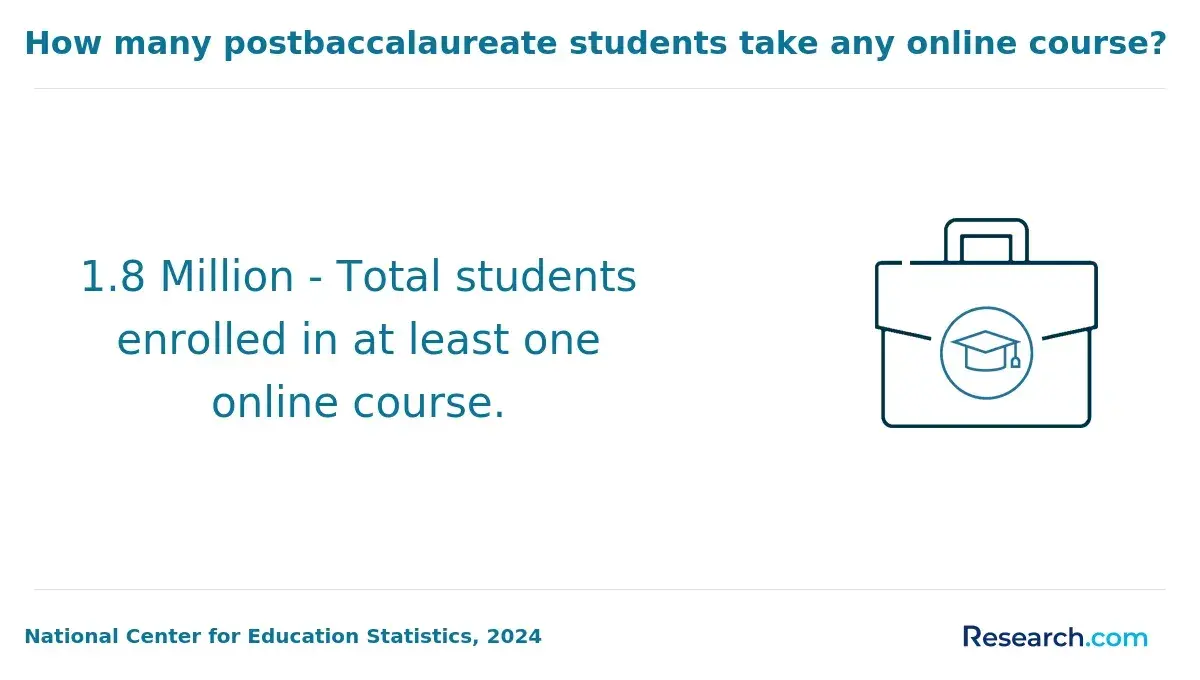
Financial aid is commonly accessible for students enrolled in online Religious and Christian Studies bachelor's degree programs, provided they meet eligibility requirements. Many accredited institutions that offer these online programs participate in federal and state financial aid initiatives, making assistance available beyond traditional on-campus settings. Data from the National Center for Education Statistics indicates that nearly 40% of exclusively online students have received some form of financial aid, highlighting its widespread availability.
These opportunities can help reduce the financial barriers to pursuing an online degree in this field. Exploring financial aid options early can be an important step for prospective students considering online Christian studies degrees.
Whether students qualify for financial aid depends on several key factors such as enrollment status-full-time or part-time-and whether their institution participates in federal aid programs. General eligibility criteria typically include demonstrating financial need, meeting citizenship requirements, and maintaining satisfactory academic progress.
Most public and nonprofit private colleges that offer online Religious and Christian Studies programs treat financial aid similarly to their on-campus equivalents, though policies can vary among private schools. Approximately 60% of schools with online programs actively participate in financial aid programs, which underscores the importance of confirming aid availability with the institution.
For students exploring options, reviewing financial aid details early helps clarify what resources may be available alongside searching for cheap doctoral programs or other affordable graduate pathways.
Do Online Religious and Christian Studies Bachelor's Programs Need to Be Accredited for Financial Aid?
Accreditation is a critical factor for students seeking financial aid eligibility when enrolling in online Religious and Christian Studies bachelor's programs. Approximately 85% of full-time undergraduates at U.S. institutions receive financial aid, the majority attending accredited schools. This strong correlation underscores the importance of accreditation requirements for financial aid in online Christian studies degrees.
Several recognized accrediting agencies ensure programs meet these standards, facilitating student access to federal aid:
- The Higher Learning Commission (HLC): A regional accreditor serving many institutions in the central U.S., HLC is recognized by both the U.S. Department of Education and the Council for Higher Education Accreditation (CHEA). HLC accreditation confirms that schools meet rigorous quality standards, making students eligible for federal financial aid.
- The Southern Association of Colleges and Schools Commission on Colleges (SACSCOC): Accrediting colleges in the southern U.S., SACSCOC's recognition by ED and CHEA ensures that students in this region can access federal aid when enrolled in accredited online Religious and Christian Studies programs.
- The Middle States Commission on Higher Education (MSCHE): Covering the mid-Atlantic and northeast, MSCHE is recognized by ED and CHEA. Its accreditation guarantees that students attending these schools qualify for financial aid in Religious and Christian Studies degrees.
- The Association for Biblical Higher Education (ABHE): A national faith-related accreditor acknowledged by the Department of Education and CHEA, ABHE specializes in Christian colleges. Accreditation from ABHE is essential for students pursuing federal aid in religious studies programs.
- The Transnational Association of Christian Colleges and Schools (TRACS): This national accreditor focuses on Christian colleges and seminaries and holds recognition from ED and CHEA. TRACS accreditation ensures adherence to federal financial aid requirements.
Students exploring how to afford their education may also find it helpful to compare various programs and costs, such as those outlined for bachelors in psychology online, which can offer insights into affordable degree options beyond Religious and Christian Studies.
Overall, accreditation validates program quality and unlocks crucial funding options that support students' educational pursuits in online Religious and Christian Studies bachelor's programs.
Are International Students Eligible for Aid for Online Religious and Christian Studies Bachelor's Degrees?
Access to financial aid is a critical factor for international students pursuing online Religious and Christian Studies bachelor's degrees in the U.S. However, securing funding remains difficult for many due to federal restrictions and limited institutional support. According to the Institute of International Education, international students made up about 5.5% of U.S. higher education enrollment in 2022, but only a small share received institutional aid.
This highlights important aspects prospective international students should consider when exploring financial assistance.
- Federal Aid Restrictions: Federal financial aid programs predominantly require U.S. citizenship or qualifying non-citizen status. As a result, most international students are ineligible for Pell Grants or federal student loans, making government-sponsored support largely inaccessible.
- Institutional Scholarships: Some universities provide scholarships or grants specifically for international enrollees in online Religious and Christian Studies programs. Availability varies widely, so students must directly inquire with their institutions about those opportunities.
- Alternative Funding Sources: Private scholarships from religious organizations and foundations, as well as financial aid programs in students' home countries, can offer additional support. Private loans might be an option but often come with higher interest rates and stricter qualifications.
- Visa and Residency Impact: While studying online might reduce visa-related attendance issues, it does not influence eligibility for U.S. federal aid. Those living outside the U.S. generally cannot access federal financial support regardless of program format.
What Types of Financial Aid Are Available for Online Religious and Christian Studies Bachelor's Degrees?
Financial aid plays a crucial role in making online Religious and Christian Studies bachelor's degrees accessible and affordable for many students. Knowing the broad categories of aid available helps students effectively balance education costs and personal finances. This awareness can reduce the need for borrowing and ease financial pressures during study.
The primary types of financial support for these programs include:
- Grants: Typically awarded based on financial need, grants come from federal or state sources and do not require repayment. They are especially helpful for students seeking scholarships and grants for religious studies students online, providing essential funds that ease tuition costs.
- Work-Study Programs: These offer part-time job opportunities, often related to campus or community service, allowing students to earn income while gaining practical experience. This option helps combine education with work, benefiting both finances and career readiness.
- Loans: Federal financial aid options for online Christian studies degrees often include loans that offer manageable repayment terms and lower interest rates compared to private lenders. Although loans require repayment, their structured plans can support students needing extra funds upfront.
Understanding these financial aid categories empowers students enrolled in religious and Christian studies programs to make informed decisions. For those exploring other disciplines, exploring online business degree programs accredited may also highlight similar aid opportunities.
Are There Scholarships for Online Religious and Christian Studies Bachelor's Degrees?
Scholarship opportunities play a crucial role in helping students manage the cost of pursuing an online Religious and Christian Studies bachelor's degree. With rising tuition fees, financial aid can make these programs more accessible to a broader range of learners. Recent statistics show that approximately 84% of full-time undergraduates receive some form of financial assistance, highlighting the widespread availability of support.
Types of scholarships available for these online programs include:
- Institutional Awards: Many universities offer scholarships directly to their students. These awards may be based on academic merit, leadership, or financial need, and they are often available to both on-campus and online learners.
- Merit-Based Scholarships: These scholarships recognize students' scholastic achievements or contributions, rewarding excellence through financial support that helps reduce tuition costs.
- Need-Based Assistance: Financial need is a common criterion for awarding scholarships, ensuring that students facing economic challenges have resources to support their education.
- Faith-Specific Funding: Certain religious organizations and foundations provide scholarships targeted at students enrolled in Christian-related programs, helping to promote theological education and ministry preparation.
- Program-Level Grants: Dedicated funding may be available within specific Religious and Christian Studies areas, especially for those focusing on ministry or theological research, enhancing opportunities for specialized learners.
Can You Take Out Student Loans for an Online Religious and Christian Studies Bachelor's Degree?
Student loans continue to be a primary means of financing higher education, including online Religious and Christian Studies bachelor's degrees. Many students rely on these loans to bridge gaps in college affordability. Data from the National Center for Education Statistics shows that almost 43% of undergraduates took federal student loans in the 2019-2020 academic year, highlighting how common borrowing is for managing educational costs.
Given the increasing availability of online programs, loans play a crucial role in expanding access to these degrees. This financial aid option remains indispensable for those seeking flexible learning environments without sacrificing funding opportunities.
Loans for online Religious and Christian Studies programs typically fall into federal and private categories, each with distinct features and risks. Federal loans, supported by the U.S. Department of Education, usually offer lower interest rates with borrower-friendly repayment plans and protections. Eligibility depends largely on whether the institution participates in federal aid programs, a criterion most accredited online colleges fulfill.
Private loans, in contrast, come from banks or other lenders and may require credit assessments, often carrying higher interest and fewer borrower safeguards. Regardless of loan type, students must carefully consider their borrowing amounts and repayment responsibilities, while understanding that online learners have comparable access to financial aid as traditional students if the institution qualifies.
How Does Employer Tuition Assistance Work for Online Degrees?
Employer tuition assistance is a valuable financial resource for working students enrolled in online Religious and Christian Studies bachelor's degree programs. Many employers invest in education benefits to help employees balance work and study while advancing their careers. According to the Society for Human Resource Management, 56% of U.S. employers provide tuition reimbursement or similar support as part of workforce upskilling initiatives.
Key aspects of employer tuition assistance include:
- Program Structure: Employer tuition assistance can take different forms, such as direct payments to educational institutions or reimbursement to employees after successful course completion. The specific format often depends on the employer's policies and administrative capabilities.
- Eligibility Requirements: Employers usually set criteria like minimum tenure, enrollment in accredited programs relevant to the employee's job, and minimum grade standards to qualify for tuition benefits. These measures ensure the program supports meaningful career development.
- Payment Models: Some companies pay schools directly, streamlining the process for employees, while others reimburse workers upon submission of proof of enrollment and grades. Understanding this distinction can help students plan their finances effectively.
- Workforce Development Goals: Tuition assistance programs are designed to enhance employee skills, boost job performance, and improve retention. Organizations view these benefits as an investment in their talent and overall competitiveness.
- Coverage Limits: Policies often include annual or lifetime caps on tuition benefits and may restrict eligible institutions or programs. Students should carefully review their employer's guidelines to maximize the available support.
Does Financial Aid Cover Full Tuition for Online Religious and Christian Studies Bachelor's Programs?
Many students wonder if financial aid can fully cover tuition for online Religious and Christian Studies bachelor's programs due to concerns about affordability and avoiding excessive debt. The average unmet financial need among U.S. undergraduate students is around $7,500 annually, highlighting a significant gap between aid received and total education costs.
Key factors contribute to the complexity of achieving full tuition coverage through financial aid for these programs.
- Full Coverage Is Rare: Most financial aid packages do not cover full tuition, especially for specialized online Religious and Christian Studies programs. Aid typically combines various partial sources instead of fully offsetting costs.
- Multiple Aid Sources: Financial aid often consists of federal grants, state aid, and institutional scholarships. These sources work together to reduce expenses but usually do not eliminate tuition entirely.
- Institutional Variability: The generosity of financial aid varies widely among institutions. Some private religious-affiliated colleges may offer more substantial aid, but this is not common across all schools or online Christian studies bachelor degree programs.
- Partial Support Structure: Federal Pell Grants and state programs have limits that rarely meet full tuition demands. Aid is generally designed to provide partial financial relief rather than full coverage.
For students exploring full financial aid options for online Christian studies bachelor degrees, understanding these nuances is important for planning. Additionally, prospective students may want to consider related fields and opportunities such as art therapy masters programs to evaluate a broad range of financial aid possibilities and career paths.
When Should I Apply for Financial Aid for Online Programs?
Timing plays a critical role when applying for financial aid for online Religious and Christian Studies bachelor's degrees, as aid availability is closely tied to enrollment cycles. Early financial planning helps align your aid package with tuition payment schedules and ensures access to both federal and institutional funding. Most students submit the FAFSA after October 1, but according to the National College Attainment Network, only about 56% complete it by March 15, which can limit financial aid opportunities.
Being mindful of the best time to apply for financial aid for online religious studies degree programs can significantly impact the amount and type of aid you receive. Financial aid application deadlines for online Christian studies programs differ widely across institutions, often depending on varying term start dates and cohort schedules. Some schools have priority deadlines that occur months before classes begin, requiring early and consistent attention to application timelines.
The variability in financial aid timelines underscores the importance of reviewing each school's specific deadlines and preparing your applications well in advance. For students seeking affordable options, exploring the cheapest online college alternatives alongside timely financial aid applications can maximize educational affordability and funding access.
How Long Does It Take to Get Approved for Financial Aid?
Students pursuing an online Religious and Christian Studies bachelor's degree often inquire about the time required for financial aid approval because it directly influences their ability to plan enrollment and manage the affordability of their education. Knowing when aid will be granted helps students set accurate budgets and avoid interruptions in course registration or access to essential resources.
According to a 2023 study by the National College Access Network, 65% of students receive financial aid decisions within 21 to 35 days, though this timeframe can vary significantly depending on the institution.
Approval timelines differ due to a variety of institutional and administrative factors. Variations in college size, administrative resources, and the complexity of aid packages all affect processing speed. Additionally, the types of aid requested-ranging from federal grants to institutional scholarships-require coordination among multiple funding sources.
State regulatory requirements and compliance processes also add complexity, making the duration of approval a reflection of the diverse systems involved in supporting students in online Religious and Christian Studies programs.
What Graduates Say About Financial Aid for an Online Religious and Christian Studies Bachelor's Degree
- Jase: "Pursuing my online Religious and Christian Studies degree was a dream that seemed financially out of reach until I applied for need-based financial aid. I was surprised to find various grants and scholarships specifically geared toward students in faith-based programs, which made a huge difference. Thanks to this support, I was able to focus fully on my studies and now feel equipped to serve my community with confidence."
- Kyro: "Reflecting on my journey through the online rReligious and Christian Studies bachelor's program, financial aid was a practical necessity from the start. I opted for a combination of federal aid and institutional scholarships, which not only eased my tuition burden but also allowed me to invest in additional theological resources. This financial freedom has been instrumental in advancing my ministry and teaching career."
- Aaron: "My decision to seek financial aid for my online Religious and Christian Studies degree was driven by a professional goal to deepen my theological understanding without incurring crushing debt. I utilized work-study programs and education loans tailored for religious studies students, which made balancing work and study much more manageable. The aid program played a vital role in launching my career as a counselor in faith-based organizations."
Other Things You Should Know About Religious and Christian Studies Degrees
Yes, some financial aid packages allow students to use funds for required course materials, including textbooks and religious study resources. Technology fees and computer purchases necessary for online learning may also be covered, depending on the aid provider's rules and institutional policies. It's important to check with the financial aid office to understand which expenses are eligible.
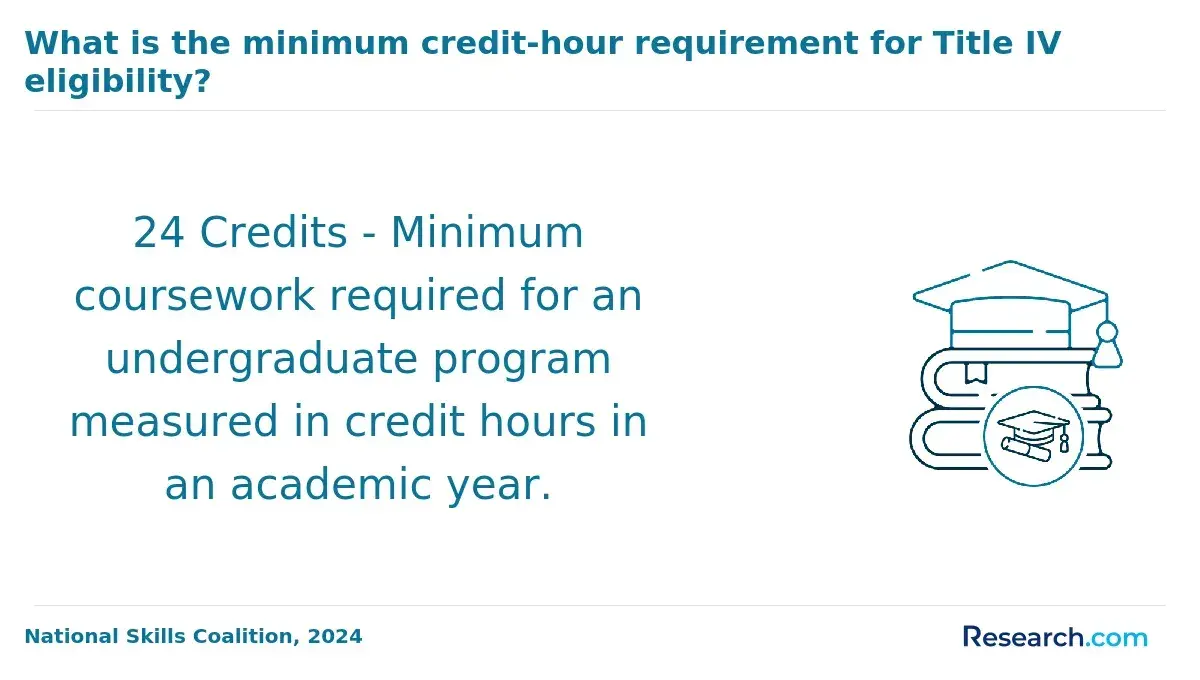
Yes, part-time enrollment can affect your eligibility for financial aid. Typically, students must maintain at least half-time enrollment to qualify for federal aid. It's crucial to check specific requirements with your institution for comprehensive guidance on aid eligibility for 2027.
Some faith-based institutions offering Religious and Christian Studies degrees may have unique financial aid policies. While federal aid can generally be used at accredited religious schools, private scholarships and grants may have restrictions based on denominational affiliation or doctrinal adherence. Prospective students should research these policies when considering their options.
Financial aid for an online Religious and Christian Studies bachelor's degree often requires annual renewal, contingent on maintaining satisfactory academic progress. Students must submit updated FAFSA information and meet institutional standards to continue receiving aid. Awareness of renewal deadlines helps avoid funding interruptions.
References
- Tuition Assistance – What Students Want and What Institutions Can Do https://www.encoura.org/resources/wake-up-call/tuition-assistance-what-students-want-and-what-institutions-can-do/
- How to Choose the Best Online Christian Degree Program for You - Beliefnet https://www.beliefnet.com/inspiration/a-better-me/education/how-to-choose-the-best-online-christian-degree-program-for-you.aspx
- Top 50 Low-Cost Online Bachelor's in Religious Studies and Theology https://www.greatvaluecolleges.net/affordable/online-religious-studies-theology-bachelors/
- How To Pay For Seminary — TheosSeminary https://www.theosseminary.com/blog/pay-for-seminary
- Top Online Christian Colleges | Flexible Programs 2025 https://www.educationconnection.com/resources/online-christian-colleges/
- Online Financial Aid - Grace Christian University https://gracechristian.edu/admissions-aid/financial-aid/online/
- Best Online Christian Colleges https://www.affordablecollegesonline.org/online-colleges/christian-colleges/
- Considering and Applying for Student Loans https://info.wts.edu/article/354-student-loans
- 1647+ Bachelors Scholarships in Religious Studies And Theology globally 2026-27 [Updated] https://www.wemakescholars.com/bachelors-scholarships-in-religious-studies-and-theology-to-study-abroad
- Affordable, accredited Christian online degree programs | NationsUniversity https://nationsu.edu/lp-affordable-accredited-online-degree-programs/