2027 Best Online Environmental Science Degrees for Jobs

Co-Founder and Chief Data Scientist
Choosing the best online environmental science degrees for jobs poses a complex challenge-accreditation standards vary widely, curriculum rigor differs, and costs can outweigh potential career gains. Programs that lack practical experience components or robust student support often leave graduates underprepared. Notably, 42% of environmental science graduates report needing additional training after completing their degrees, highlighting the importance of well-designed programs.
This article dissects key factors such as accreditation, curriculum quality, cost-effectiveness, job placement rates, hands-on learning opportunities, and student services. It aims to provide a clear, data-driven framework to help prospective students select programs that truly enhance career outcomes and return on investment.
Key Things to Know About the Best Online Environmental Science Degrees for Jobs
- Accreditation ensures programs meet industry standards-regional accreditation and specialized environmental bodies certify quality and enhance employer recognition.
- Curriculum rigor integrates interdisciplinary science with data analysis-over 70% of graduates report improved problem-solving skills critical for environmental careers.
- Cost-effective programs with strong ROI often lead to employment within six months-median starting salaries for graduates exceed $50,000, reflecting high demand in environmental sectors.
What Is a Environmental Science Degree, and What Can It Do for Your Career?
Environmental Science is an interdisciplinary study focused on the interaction of biological, physical, and chemical elements within the environment. Accredited professional associations and leading academic institutions define it as a comprehensive field that integrates biology, chemistry, geology, ecology, and social sciences to address ecosystem dynamics, pollution, conservation, and sustainability challenges. This broad framework equips students to analyze complex environmental issues beyond the narrower technical focus of environmental engineering or the biological emphasis of ecology.
Programs in environmental science build essential knowledge and applied skills in data analysis, environmental policy, and field research methods, differentiating them from related disciplines. For those seeking the best online environmental science degree programs for career advancement, understanding the academic credentials is key:
- Associate's Degree: Introduces fundamental scientific literacy and environmental concerns, preparing graduates for entry-level technician roles or limited specialization workforce positions.
- Bachelor's Degree: Develops broad scientific and analytical abilities that qualify graduates for professional roles in public agencies, nonprofits, and private industry, also providing a pathway to graduate study.
- Master's Degree: Focuses on specialized expertise and leadership skills, valuable for research, policy development, or managerial roles.
- Doctoral Degree: Centers on original research and expert knowledge, suitable for academic positions, senior consultancy, or advanced scientific roles.
This guide specifically examines top accredited environmental science online degrees for job outcomes-emphasizing flexibility for diverse learners such as recent graduates, working adults, and military veterans. It analyzes accreditation standards, curriculum rigor, cost-effectiveness, and career relevance, helping readers make informed choices. For readers curious about the relative ease of various graduate programs, resources on the easiest masters degree to get can provide valuable insights into selecting suitable online paths.
How Do Online Environmental Science Degree Programs Compare to Traditional Campus Programs?
Comparing online environmental science degree benefits to campus programs reveals key parallels and differences important to diverse learners and competitive careers.
- Curriculum Depth and Rigor: Accredited online programs match traditional campus offerings in complexity, providing foundational courses plus specialized electives. Accreditation ensures these degrees maintain rigorous academic standards, supporting equivalent subject mastery.
- Faculty Qualifications: Faculty in leading online programs possess credentials and research experience comparable to their campus counterparts, often including tenured professors skilled in online instruction-validating the quality of education provided virtually.
- Student-Faculty Interaction: Online formats reduce spontaneous contact; however, many programs employ scheduled video conferences, virtual office hours, and personalized feedback. Cohort models improve engagement by facilitating consistent mentorship and communication.
- Peer Collaboration: Virtual discussion boards, group projects, and peer review mechanisms replicate campus social learning. Some students prefer face-to-face interaction, yet structured online collaboration fosters teamwork skills adaptable to remote professional environments.
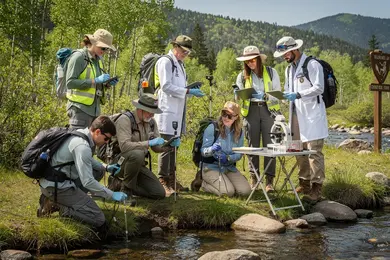
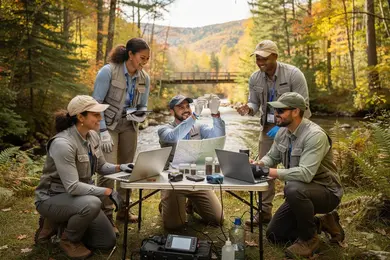
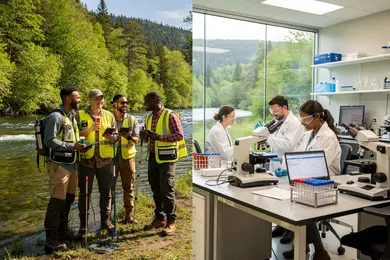
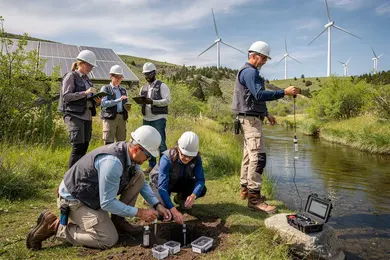
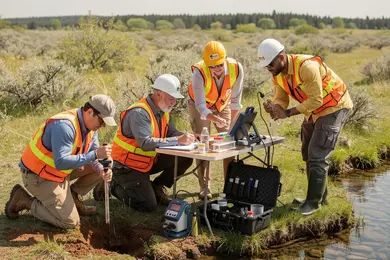
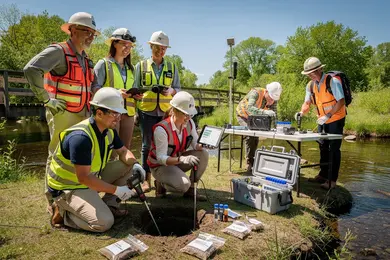
- Clinical or Practicum Requirements: A distinct challenge lies in hands-on components. Online students often complete local internships or short on-site residencies, with top schools partnering nationwide to ensure practical skill acquisition without compromising accessibility.
- Employer Perception: Surveys show employer acceptance of online environmental science degrees from accredited, reputable institutions is rising. Practical experience and portfolio work often hold substantial value alongside the credential.
- Structural Advantages for Specific Learners: Online degrees provide clear benefits for working adults, caregivers, military veterans, and remote learners by offering flexibility and eliminating commuting-allowing education advancement without lowering academic quality. This flexibility is critical when evaluating online business degree programs accredited through reputable channels.
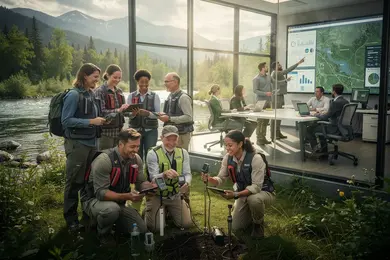
- Technological Innovations: To address limitations, elite programs utilize advanced virtual labs, interactive simulations, and hybrid cohort systems combining remote learning with brief immersive campus residencies-maximizing hands-on training while honoring geographic constraints.
What Are the Accreditation Standards That Define a Reputable Online Environmental Science Degree?
Accreditation is the essential benchmark that validates an online environmental science degree's quality and credibility. In the U.S., regional accreditation carries the most weight-granted by agencies recognized by the Department of Education and the Council for Higher Education Accreditation (CHEA). These accreditors review entire institutions rather than specific programs, ensuring colleges or universities meet rigorous academic and operational standards.
Key regional accreditors for environmental science programs include:
- Middle States Commission on Higher Education: Serving states like New York, New Jersey, and Pennsylvania.
- Southern Association of Colleges and Schools Commission on Colleges: Covering institutions mainly in the southern United States.
- Higher Learning Commission: Responsible for schools in states such as Illinois, Michigan, and Texas.
- New England Commission of Higher Education: Accrediting colleges in New England.
While program-specific accreditation is less common for environmental science than fields like engineering, some professional or environmental organizations provide reviews or endorsements. However, these carry less significance compared to recognized regional accreditation.
Enrolling in an unaccredited or poorly accredited program can present serious issues-credits might not transfer, earning professional licenses could become impossible, and employers or graduate schools may not accept the degree. These obstacles can seriously hinder career progress.
To confirm a program's accreditation, students should consult the U.S. Department of Education's accredited institutions database and CHEA's official directory. These tools verify whether a school maintains valid, current accreditation. Beware of dubious claims from unrecognized bodies.
Accreditation should be a non-negotiable standard when choosing an online environmental science degree-regardless of cost or convenience-as it fundamentally affects your degree's value and career prospects.
Reflecting on this, a professional who earned his degree shared his experience: "Initially, I was overwhelmed sorting through programs and worried about fake accreditations. I took time to cross-check every school's status in the Department of Education database. Discovering some programs with flashy websites but no recognized accreditation was a wake-up call. Sticking only with a regionally accredited school gave me confidence-when applying for jobs, employers immediately recognized my degree's legitimacy. The process was tedious but absolutely worth it for the doors it opened."
Which Types of Environmental Science Degrees Are Available Online-Bachelor's, Master's, or Doctoral?
Associate's Degrees: Typically requiring only a high school diploma, these two-year programs focus on entry-level roles like environmental monitoring. They often allow credit transfer to bachelor's completion programs, suiting recent graduates or those switching careers.
Bachelor's and Bachelor's Completion Degrees: Standard bachelor's programs last four years and admit students fresh from high school, while completion degrees cater to those with prior credits or associate degrees for faster completion. Graduates pursue analyst or resource management roles with notably higher median salaries. These pathways are integral to many online bachelor's master's and doctoral environmental science programs.
Master's Degrees: Usually requiring a relevant bachelor's, these 1.5 to 3-year programs combine rigorous curriculum-offered online or hybrid-with career advancement goals in research or consulting. Working professionals often seek these for leadership roles. For those cost-conscious, exploring the cheapest masters degree online can provide substantial returns on investment.
Doctoral Programs: These 3 to 6-year advanced online or hybrid degrees demand a master's as a prerequisite. Candidates aim for academic, research, or senior government posts. These rigorous programs have lower completion rates due to intensity and time commitment.
Post-Baccalaureate Certificates: Designed for professionals seeking faster specialization or skill updates under a year, these certificates often stack into master's curricula, facilitating flexible career development.
Stackable Credentials: Many institutions enable progression from certificates through bachelor's to master's degrees, applying earned credits progressively-ideal for lifelong learners balancing work and life.
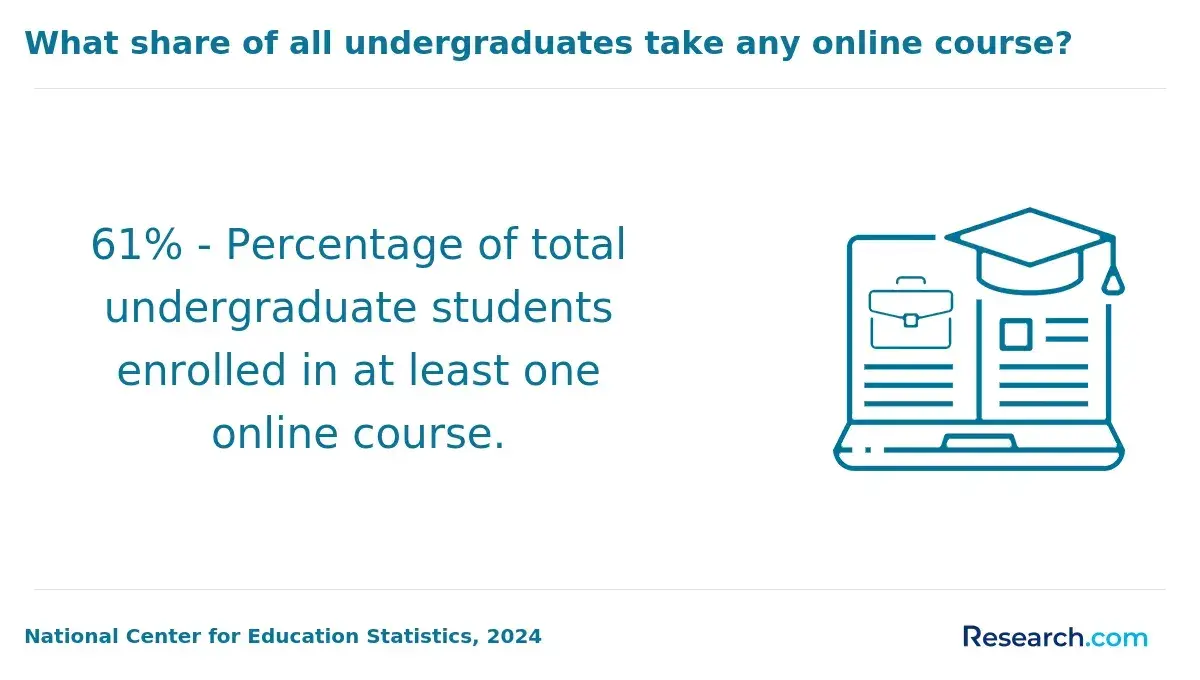
Enrollment and Completion: IPEDS data shows online bachelor's degrees average 4 to 6 years part-time, with completion rates from 30% to 60%. Graduate programs have higher success rates but demand greater dedication, helping students realistically gauge timelines and outcomes when choosing environmental science degree options online.
What Is the Typical Cost of an Online Environmental Science Degree, and How Can You Finance It?
Tuition for online environmental science degrees varies significantly by institution type. Public in-state students typically pay between $5,000 and $15,000 annually, while out-of-state tuition can escalate to $15,000-$30,000 per year. Private nonprofit colleges often charge from $20,000 up to $50,000 yearly, and for-profit schools may have similar or higher price points. Beyond tuition, students should expect additional costs such as technology fees, course materials, and possible on-campus residencies or lab sessions, which may add several hundred to a few thousand dollars to the total expenses.
Instead of focusing solely on per-credit-hour fees, prospective students should assess the full cost of completing the degree-taking into account program length and supplementary charges. Tools like the College Scorecard's net price calculator provide valuable estimates of actual out-of-pocket expenses after factoring in financial aid and living costs.
Financial aid opportunities are crucial for managing expenses. Key federal assistance includes Pell Grants-which provide need-based, non-repayable funds for eligible undergraduates-and federal student loans, both subsidized (with interest deferred during enrollment) and unsubsidized with fixed interest rates. Military veterans and their dependents can also tap into GI Bill benefits to cover tuition and receive housing allowances.
Additionally, scholarships specifically tailored to environmental science students are available through professional organizations, state workforce programs, and individual colleges, often awarded based on academic merit or career objectives. Exploring these options can substantially reduce overall educational costs.
A professional who completed an online environmental science degree shared that managing costs felt overwhelming initially-balancing tuition, fees, and personal expenses required careful budgeting. She emphasized the importance of leveraging all available aid sources and using net price calculators early in the decision process to avoid surprises. Reflecting on her journey, she described how the financial planning involved deep research and patience but ultimately made her degree affordable and worth the investment, enabling her to grow confidently in her environmental career.
How Long Does It Take to Complete an Online Environmental Science Degree Program?
Completion times for online environmental science degrees vary widely depending on the level of study and individual circumstances. Associate degrees generally require about two years of full-time study and around 60 credits, while bachelor's programs commonly take four years with 120 credits. Master's degrees often involve 30 to 45 credits and typically last two years. Doctoral programs tend to range from three to seven years, influenced heavily by research and dissertation demands.
- Enrollment Status: Full-time students tend to finish faster, often benefiting from accelerated tracks, whereas part-time students usually extend their studies over a longer period to balance work and personal commitments.
- Transfer Credits: Many online programs accept prior college or professional credits, significantly shortening the path to graduation for students with relevant experience or coursework.
- Program Format: Some schools offer year-round enrollment and accelerated courses, enabling continuous progress without traditional semester breaks. Competency-based and self-paced options allow students to advance by demonstrating mastery, which can speed up completion.
- Prior Learning Assessment (PLA): Programs frequently provide PLA opportunities, awarding credit for certifications, military service, or workplace learning-ideal for working adults leveraging existing skills.
- Program Duration Limits: Institutions often enforce minimum and maximum timeframes-usually six to eight years-to complete degrees. Exceeding these periods can endanger financial aid eligibility or require reapplication to the program.
- Satisfactory Academic Progress (SAP): Maintaining financial aid depends on meeting SAP standards, such as a minimum GPA and course completion rate. Prolonged enrollment beyond prescribed limits risks loss of aid.
- Average Time-to-Completion: Actual student completion rates reported by accredited online environmental science programs typically align with advertised durations. Still, personal and professional factors may extend timeframes, so prospective students should consult published data to set practical expectations.
What Core Curriculum and Coursework Should a Quality Online Environmental Science Program Include?
High-quality online environmental science programs stand apart by offering a robust core curriculum aligned with standards from leading bodies such as the National Association of Environmental Professionals (NAEP) and the Council on Undergraduate Research in Environmental Science (CURES). These programs provide a well-rounded education that balances foundational science, applied knowledge, and integrative learning experiences tailored to workforce needs.
- Fundamental Sciences: Deep engagement with biology, chemistry, geology, and physics forms the scientific backbone essential for environmental problem-solving.
- Core Environmental Topics: Comprehensive coursework covers ecology, environmental policy and regulation, environmental chemistry, and natural resource management, reflecting current industry challenges.
- Quantitative and Analytical Skills: Training in statistics, geographic information systems (GIS), and data analysis equips graduates to handle complex datasets-skills highly valued by employers.
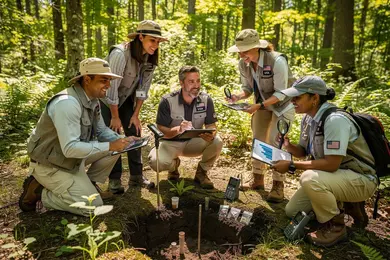
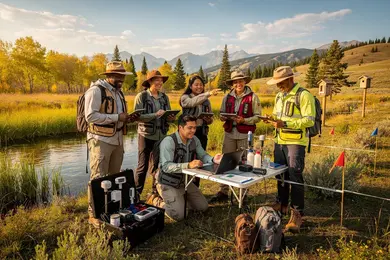
- Integrative Capstone or Practicum: Extended projects or field experiences enable students to apply interdisciplinary approaches and teamwork to real-world environmental issues.
- Competency-Based Outcomes: Graduates must demonstrate proficiency in environmental impact assessment, policy interpretation, risk analysis, and sustainable practices-key capabilities translating directly into workplace effectiveness.
- Curriculum Currency: Leading programs maintain relevance through documented regular curriculum reviews and industry advisory board input, ensuring content aligns with evolving regulations and technologies.
- Transparency and Documentation: Prospective students should request sample course sequences, syllabi, and learning outcome maps to verify academic rigor beyond marketing claims.
Employment in environmental science and related fields is projected to grow 8% from 2022 to 2032, according to the U.S. Bureau of Labor Statistics-underscoring the value of enrolling in programs that offer comprehensive, up-to-date training.
Which Online Environmental Science Programs Offer the Best Return on Investment for Working Adults?
Evaluating online environmental science programs for working adults requires a careful balance between program cost and measurable career outcomes. Public universities often stand out by offering competitive tuition rates-especially through in-state tuition reciprocity or discounts for online students-and robust employer partnerships that enhance job placement prospects. These elements are critical for professionals seeking top accredited online environmental science programs with high career advancement potential for professionals.
- Cost Efficiency: Public institutions typically provide lower tuition rates and sometimes special agreements that reduce overall costs. This financial accessibility is essential for working adults managing family and career responsibilities.
- Employment Outcomes: The most successful online environmental science degrees report employment rates above 85% within a year of graduation in fields such as environmental consulting and natural resource management. Strong connections between programs and industry employers help graduates secure meaningful roles.
- Salary Potential: Median earnings data reveals that graduates from select online programs often earn salaries that surpass national averages within ten years, reflecting the value of curricula focused on practical skills and market demands.
- Financial Aid Opportunities: Employer tuition reimbursement programs and scholarships significantly improve net return on investment-many working professionals benefit from these supports, reducing upfront expenses or borrowing needs.
- Program Outcomes Beyond Rankings: Instead of relying solely on overall rankings, prospective students should examine program-specific metrics such as median earnings at six and ten years post-enrollment, graduation rates, and loan default rates-providing clearer insight into long-term value and career relevance.
Working adults evaluating options for the best return on investment for online environmental science degrees should weigh these factors carefully. Those seeking a comprehensive, data-informed approach to their education might also consider exploring the best online project management degree offerings, which similarly balance cost with career advancement potential.
What Admissions Requirements Do the Top Online Environmental Science Programs Typically Require?
Admissions requirements for competitive online environmental science programs vary widely depending on the institution's level and selectivity-ranging from flexible open-enrollment community colleges to highly selective research universities offering graduate degrees. This variation means applicants must self-assess where their academic credentials and experiences best align to identify the most suitable programs.
Common admissions criteria include:
- Minimum GPA: Most reputable master's programs require a minimum undergraduate GPA, typically around 3.0 on a 4.0 scale. Some institutions may consider applicants with lower GPAs if other application components stand out.
- Standardized Tests: Test-optional policies have become widespread, so many programs no longer require GRE or equivalent exams. However, research-oriented programs and specialized tracks might still request GRE scores.
- Letters of Recommendation: Graduate applicants usually submit two to three letters from academic or professional references who can speak to their skills, character, and potential for success in environmental science.
- Personal Statement: A compelling statement of purpose explaining the applicant's motivation, relevant experience, and career goals remains essential for competitive programs.
- Professional Experience: While not always mandatory, work or volunteer experience in environmental science or related fields enhances applications-especially for mid-career professionals seeking career growth.
- Prerequisite Coursework: Applicants lacking a background in environmental science or related disciplines such as biology, chemistry, or geology may need to complete foundational courses before enrolling in graduate-level classes. These prerequisites ensure preparedness for rigorous study.
Open-enrollment community colleges or bachelor's degree programs typically welcome students from diverse academic backgrounds without prior related coursework, while graduate programs at research universities demand stronger academic records and proven readiness.
Because admissions policies-including GPA cutoffs, testing requirements, and prerequisite courses-often change, contacting admissions advisors directly is critical to obtain the most current information tailored to individual circumstances.
Prospective students exploring specialized interdisciplinary options might consider the slp post baccalaureate program online as a model of programs designed for career changers with flexible pathways.
These insights help applicants understand standard admissions requirements for a top online environmental science program admissions criteria while enabling informed decisions to support career ambitions in this dynamic field.
What Career Paths and Job Titles Are Available to Online Environmental Science Degree Graduates?
Graduates holding an online environmental science degree can pursue a variety of career paths across public agencies, private companies, nonprofit organizations, and academic institutions. Entry-level opportunities suitable for those with a bachelor's degree include roles such as environmental technician, field scientist, environmental analyst, and compliance specialist-positions focused on tasks like data gathering, regulatory compliance, environmental monitoring, and reporting.
Higher-level positions often require graduate education or specialized certifications and include titles such as environmental manager, sustainability coordinator, environmental consultant, and research scientist. These professionals typically lead projects, craft environmental policies, direct sustainability programs, or perform detailed research and impact assessments.
- Government: Employment is common within federal, state, or local agencies like the Environmental Protection Agency or natural resource offices. Jobs include environmental protection specialist and conservation scientist. Career growth usually involves progression from entry-level field work to supervisory or policy-making roles within regulatory organizations.
- Private Sector: Energy, manufacturing, and consulting firms seek graduates for positions emphasizing compliance, sustainability, and resource management. Typical jobs encompass environmental consultant, health and safety specialist, and sustainability analyst. Professionals may specialize in areas such as waste management or renewable energy and advance into leadership roles.
- Nonprofit and Advocacy: Graduates contribute to organizations focused on conservation, climate action, and education as program coordinators, environmental educators, or research associates. Over time, they can move into leadership or focus on outreach and policy advocacy efforts.
- Research and Academia: While many research careers require advanced degrees, graduates with a bachelor's can fill roles like laboratory technician or research assistant. Pursuing further education enables advancement to research scientist, professor, or environmental policy analyst positions.
- Career Pivot Opportunities: Environmental science degrees also facilitate transitions for professionals from biology, chemistry, engineering, or geography. Through targeted training-such as GIS certifications or sustainability credentials-these individuals can shift into careers in environmental consulting, regulatory affairs, or resource management.
Within five to ten years, environmental science professionals often move from technical roles to expert or managerial positions. Developing expertise in areas like air and water quality, soil science, or policy allows lateral mobility that broadens skills while sustaining career progress. Advancement frequently involves taking on project leadership, managing interdisciplinary teams, or shaping organizational sustainability strategies-paths supported by ongoing education, certification, and practical experience acquired on the job.
What Is the Salary Outlook for Professionals with an Online Environmental Science Degree?
Professionals with an online environmental science degree encounter a wide range of salaries influenced by education, experience, industry, geography, and specialization.
- Degree Level: Entry-level roles with a bachelor's degree generally see median salaries between $50,000 and $60,000 annually, while master's holders often earn around $70,000, reflecting higher expertise and responsibilities.
- Experience: Individuals with less than five years in the field typically earn less than median wages. Those with over ten years and specialized skills or leadership roles can command salaries above $85,000 to $100,000.
- Industry Sector: Government and nonprofit employers tend to offer median salaries from $55,000 to $65,000. Private-sector jobs in consulting, engineering, and renewable energy frequently pay 15% to 30% more.
- Geographic Variation: Salaries vary by location-higher pay is common in coastal metropolitan areas and states with strict environmental regulations like California, Washington, and New York, due to greater demand and living costs. Rural or less industrialized regions usually offer lower compensation.
- Specialization: Graduates focusing on data analysis, policy, hazardous waste, climate modeling, or sustainability consulting often receive premium pay for their technical and regulatory expertise.
- Certifications and Credentials: Credentials such as Certified Environmental Professional (CEP) or Registered Environmental Manager (REM), along with specialized OSHA training, can significantly raise earning potential. Many online graduates pursue these certifications post-degree to speed career advancement.
- Salary Projections: Employment in environmental science is expected to grow steadily, with wages rising alongside inflation and increasing emphasis on environmental compliance and sustainability.
- Caution: Salary figures fluctuate with economic trends and regional markets, so prospective students should consult the latest occupational wage data and industry salary surveys for up-to-date information.
What Graduates Say About the Best Online Environmental Science Degrees for Jobs
- Louise: "When choosing the best online environmental science degrees for jobs, I found accreditation standards to be the most crucial aspect. Programs that met strict accreditation benchmarks ensured that my degree was respected by employers-this made a noticeable difference in job interviews. Plus, the curriculum rigor truly prepared me for real-world challenges in environmental roles."
- Zac: "I really appreciated how the cost and return on investment factor shaped my choice of an online environmental science degree. It was refreshing to find a program that balanced affordability with quality education, providing excellent career outcomes after graduation. The student support infrastructure was also outstanding-anytime I had questions or needed guidance, there was always help available."
- Matthew: "The practical experience requirements in my online environmental science program were invaluable-they connected theory directly to fieldwork and industry practices. This hands-on approach boosted my confidence and made a big difference when stepping into the workforce. Reflecting on my journey, I realize that focusing on programs with strong career outcomes was key to launching a fulfilling career in the field."
Other Things You Should Know About Environmental Science Degrees
The top online environmental science programs focus on developing a blend of scientific knowledge and practical skills. Graduates learn to analyze ecological data, understand environmental laws and policies, and apply geographic information systems (GIS). They also gain critical thinking abilities essential for solving complex environmental challenges and competence in fieldwork techniques that support real-world applications.
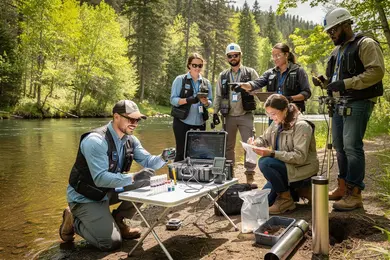
Even though these programs are online, most require students to complete internships or practicum placements to provide hands-on experience. Schools typically help students find local environmental agencies, NGOs, or research institutions for their fieldwork. These practical experiences are essential for applying theoretical knowledge in real settings and often count toward credit hours needed for graduation.
In 2027, graduates with an online environmental science degree can pursue diverse career paths such as environmental consultants, conservation scientists, sustainability specialists, and environmental health and safety managers. These roles span industry sectors like government, private business, nonprofits, and research organizations, offering numerous opportunities to apply environmental knowledge and skills.
Leading online environmental science programs offer robust support such as academic advising, tutoring, and career counseling tailored to distance learners. They also facilitate networking through virtual events, discussion forums, and alumni connections. These resources help students engage with faculty and industry professionals, which is crucial for job placement after graduation.
References
- Online Environmental Science Degree | Programs & Career Options https://www.learnhowtobecome.org/best-online-bachelors-in-environmental-science-degree-programs/
- What Can I Do with an Environmental Science Degree? https://www.snhu.edu/about-us/newsroom/stem/what-can-i-do-with-an-environmental-science-degree
- What Can You Do With an Environmental Science Degree? https://willamette.edu/academics/college/environmental-science/career-options
- Online Degree vs. Traditional: Choosing the Right Path https://beal.edu/online-degree-vs-traditional/
- Environmental Science Degree & Course Requirements https://www.ohiodominican.edu/academics/bachelors-degrees/environmental-science/course-requirements.html
- Online Environmental Science Degrees: Compare Schools https://www.degreesforgood.org/online-degrees/environmental-science/
- 2025 Most Affordable Online Environmental Science Degrees https://www.onlineu.com/most-affordable-colleges/environmental-science-degrees
- Main navigation https://careersportal.ie/sectors/subsectors.php
- Environmental Science Careers: Roles, Salaries & Outlook https://online.uwa.edu/news/environmental-science-careers/
- Is an online degree for environmental science worth it? | BestAccreditedColleges.org https://bestaccreditedcolleges.org/articles/careers-and-education/is-an-online-degree-for-environmental-science-worth-it.html