2027 Online Kinesiology Degrees for Community Wellness Careers

Co-Founder and Chief Data Scientist
Facing a sudden shift in healthcare demands, a community wellness professional must quickly gain specialized kinesiology knowledge without sacrificing work hours or family responsibilities. Recent data from the National Center for Education Statistics shows that over 50% of adult learners now prefer online degree programs due to their flexibility and accessibility, signaling a pivotal transition in how career training is pursued in health sciences. This shift reflects the urgent need for programs that accommodate working professionals aiming to balance ongoing employment with upskilling.
This article evaluates available online kinesiology degrees focused on community wellness roles, guiding enrollment decisions based on accessibility, curriculum relevance, and career outcomes.
Key Things You Should Know
- Online kinesiology degrees often lack required hands-on practicum durations mandated by many employer-preferred certifications, making candidates' eligibility for competitive community wellness roles contingent on supplemental in-person training.
- Data from the U.S. Bureau of Labor Statistics shows a 13% growth in wellness-related kinesiology jobs by 2030, pressuring program completers to prioritize curriculum alignment with emerging telehealth and preventive care job skills.
- Tuition cost discrepancies for online kinesiology programs vary up to 45%, disproportionately affecting mid-career entrants balancing income loss risks with accelerated credential attainment timelines.
What is an online kinesiology degree and how does it prepare you for community wellness careers?
Online kinesiology degree programs for community health careers must balance academic rigor with essential experiential learning to meet employer demands. While digital delivery offers flexibility for working professionals and those in remote areas, programs that lack integrated clinical practicums or local internship partnerships risk producing graduates insufficiently prepared for practical challenges in wellness professions.
The multidisciplinary curriculum typically includes biomechanics, exercise science, and behavior change strategies, but success relies on bridging theory with application. For instance, a graduate might develop tailored exercise regimens for senior centers or support physical therapy recovery plans-tasks requiring hands-on experience alongside scientific knowledge.
Employment trends reinforce the practical value of kinesiology education; the workforce grew by 10.4% between 2020 and 2023, with average salaries near $71,200, reflecting sustained demand driven by community health initiatives.
Prospective students should scrutinize program accreditation relative to certification requirements and verify access to virtual labs or local affiliates for skill development. Without these, an online kinesiology education supports wellness professions only at a foundational level, limiting direct employability and career mobility.
Decision makers should also explore related sector roles-for example, athletic director jobs-to fully understand field dynamics and occupational trajectories.
Are online kinesiology degrees respected and accredited like traditional on-campus programs?
Online kinesiology degree accreditation in the United States in 2026 is contingent on regional institutional recognition by bodies acknowledged by the U.S. Department of Education or the Council for Higher Education Accreditation. Without such accreditation, graduates risk diminished employability, especially in sectors emphasizing verified competencies vital to community wellness careers. Employers scrutinize program credentials closely due to the practical nature of kinesiology roles.
Practical skill acquisition remains a critical hurdle for fully online formats. Leading programs address this by mandating internships or lab work at approved local sites, ensuring students gain the hands-on experience essential to meet state licensing or certification requirements. This creates a necessary tradeoff for working professionals who may benefit from the schedule flexibility but must also navigate securing quality practicum placements independently.
Recognition of online kinesiology programs for community wellness careers varies by setting. For instance, physical therapy clinics often favor candidates with hybrid or traditional training because of the rigor and depth of clinical hours, while fitness and preventive health employers show greater acceptance of accredited online degrees. Prospective students should weigh these differences alongside the strong labor market outlook: employment for fitness trainers and instructors is expected to expand by 14% between 2022 and 2032, significantly above average.
Those considering a strategic shift should also explore related advanced options, such as healthcare PhD programs online, to enhance their credentials and leadership potential within the wellness field.
What community wellness jobs can you get with an online kinesiology degree?
Choosing an online kinesiology degree to enter community wellness careers requires balancing curriculum design with actual employer demands. Job opportunities in community wellness using kinesiology hinge on acquiring practical skills beyond theoretical knowledge. Roles like exercise physiologists or health education specialists often demand internships, CPR certification, or state-specific credentials to meet hiring standards.
Exercise physiologists, for example, frequently collaborate with healthcare providers in outpatient settings to craft fitness plans aimed at managing chronic illness or supporting recovery. Health education specialists apply kinesiology principles to develop targeted disease prevention programs, typically within government or nonprofit sectors. These positions project a 10-14% job growth rate over the next decade, outpacing average labor market expansion.
Salary expectations for entry-level community wellness roles commonly range between $45,000 and $65,000 annually, though regional factors and additional certifications influence earning potential. Without hands-on training components or community-based clinical experiences embedded in the online degree, graduates may face limited employment prospects.
Those considering this pathway should also weigh how professional networking and stacking relevant credentials impact long-term career mobility. For professionals evaluating program options, assessing curricula alongside these employment realities is essential. In related fields, the fastest online master's in healthcare administration programs provide comparative insights on educational pace versus workforce integration.
How do online kinesiology programs compare to campus-based options for hands-on learning?
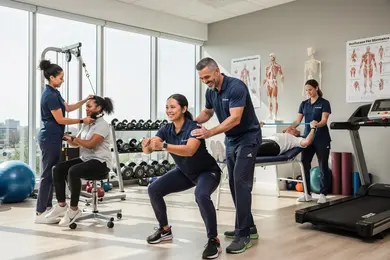
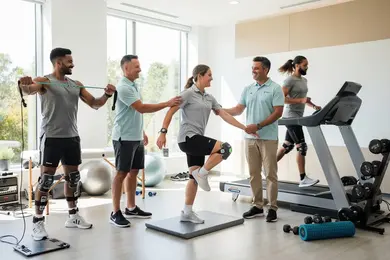
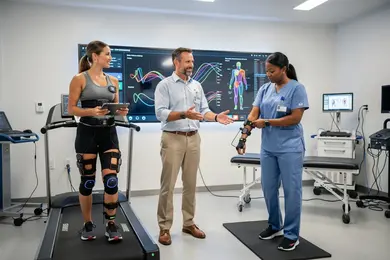
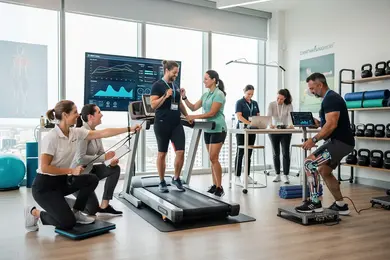
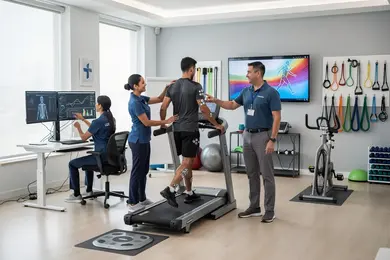
The primary challenge in online kinesiology programs lies in replicating the hands-on learning comparison that campus-based options naturally provide. While theoretical coursework translates well to remote instruction, critical practical experiences such as biomechanical assessments and real-time movement analysis require in-person engagement. Most accredited online kinesiology degrees mitigate this by mandating clinical practicums or local internships, as these are essential for employers who expect proven competency in specialized equipment and client interactions.
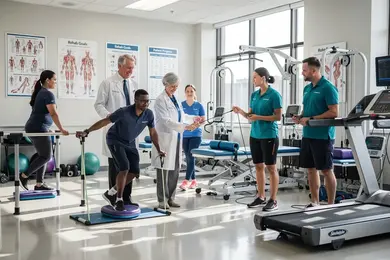
Campus-based kinesiology degrees practical experience offers immediate access to labs and peer collaboration, which accelerates skill acquisition and observation-based learning. Online students, however, must coordinate with local health facilities or fitness centers to obtain comparable hands-on practice-a process that entails added logistical considerations and may result in inconsistent training quality. Still, completion of supervised clinical hours remains a decisive factor in employability irrespective of study format.
Cost differences between private and public institutions are notable, with private tuition averaging $30,988 annually versus $16,808 at public schools. Despite this, graduates typically recoup their investment within 4.7 years, earning substantially more over a lifetime compared to those without kinesiology credentials. Prospective students should carefully evaluate how the demands of hands-on learning components, travel, and placement logistics align with their personal and professional goals.
For those assessing educational pathways beyond kinesiology, the research on BSN to MSN programs similarly highlights balancing cost, time, and practical training requirements when selecting online versus campus formats.
What courses and concentrations are typically offered in online kinesiology programs focused on wellness?
Choosing an online kinesiology program requires weighing practical challenges against workforce demands, especially the struggle to replicate hands-on learning virtually. Programs address this by offering virtual labs or partnering with local clinics for practicums, but these solutions can extend time-to-completion and complicate scheduling for working students.
The curriculum must match career goals: core courses cover anatomy, physiology, biomechanics, exercise physiology, and nutrition science, yet specialization areas vary based on occupational focus:
- Community wellness roles benefit from health behavior change and program planning.
- Rehabilitation specialists need deep expertise in therapeutic exercise and injury prevention.
- Leadership positions demand strengths in health policy, data analysis, and program evaluation.
Graduate students must balance cost and content, as tuition ranges from $230 to $475 per credit, leading to total program expenses between $6,900 and $17,100 for 30-36 credit degrees. This reflects a strategic investment with a more accessible entry point than other health degrees, but cost efficiency should not overshadow the match between course offerings and targeted employment sectors.
Additional competencies in stress management, wellness coaching, and ergonomics prepare practitioners to tailor interventions for distinct populations, such as seniors or corporate employees with chronic conditions. These align with employer demands for practical assessment and patient education skills rather than purely theoretical knowledge.
Prospective students should assess regional job markets and employer expectations to avoid credential stagnation by choosing a concentration that supports clear career transitions and sustained employment outcomes.
What are the admission requirements for online bachelor's and master's kinesiology programs?
Admission standards for online kinesiology programs reveal practical tradeoffs that influence candidate selection and career outcomes. Bachelor's level entry typically requires a high school diploma with a 2.5 to 3.0 GPA, but test score waivers signal a shift toward evaluating prior academic rigor and health-related extracurricular experience. This flexibility benefits working adults seeking to pivot into kinesiology without traditional credentials; however, prerequisite coursework in biology or chemistry remains common, potentially limiting access for some.
At the master's level, candidates must hold a bachelor's degree-often in exercise science or biology-with at least a 3.0 GPA. Admissions lean heavily on transcripts demonstrating competency in anatomy, physiology, and biomechanics, reflecting employer expectations for applied expertise. Professional experience in rehabilitation or athletic training can substitute formal prerequisites, underscoring the field's valuing of practical skills alongside academic performance.
Letters of recommendation and personal statements are not mere formalities; they provide insight into an applicant's applied abilities and alignment with community wellness roles. Research proficiency may be assessed through GRE scores or writing samples, but these criteria vary widely, requiring applicants to strategically target programs matching their strengths and career goals.
With 172 kinesiology programs projected in North America, choosing curricula balancing academic rigor and flexible admission criteria is critical. For professionals negotiating job market competitiveness in health and fitness sectors, the selection impacts both employability and long-term career trajectory.
How long do online kinesiology degrees take and what do they typically cost?
Choosing an online kinesiology degree requires balancing time, cost, and practical outcomes, especially for working adults. Bachelor's programs typically last 3 to 4 years, though accelerated options can shorten this to around 2.5 years at the expense of a demanding workload. Master's degrees usually span 1 to 2 years. Tuition varies widely: public institutions charge $7,000 to $15,000 annually in-state, while private schools range from $20,000 to $35,000 per year. Total program costs may reach $30,000 to $60,000 for bachelor's and $15,000 to $40,000 for master's, excluding fees for clinical placements, technology, and certification prep.
Meeting workforce expectations means completing applied coursework in anatomy, physiology, and health promotion, alongside demonstrated skills in community outreach or patient education. Graduates often face challenges finding local internships when enrolled part-time, potentially delaying credentialing. This tradeoff matters greatly for professionals pivoting careers who must weigh flexible, asynchronous programs that extend timeline versus full-time cohorts that accelerate job entry but require pausing employment.
Investment decisions hinge on residency discounts and cost per credit hour since state residency substantially improves return on investment compared to out-of-state or private rates. Employers in public health and corporate wellness increasingly seek candidates with solid experiential background, making practical internship access and applied coursework critical factors for employability.
What are the salary ranges and earning potential for kinesiology and community wellness careers?
Salary trajectories in kinesiology and community wellness depend heavily on geography, specialization, and credentials, shaping both earning potential and career stability. Entry-level roles typically pay between $40,000 in rural areas and $55,000 in urban centers, reflecting fewer resources and narrower employer capacity in less populated regions. Mid-career practitioners generally achieve salaries around $70,000+, but this varies sharply based on additional certifications and targeted skill sets.
For instance, strength and conditioning specialists command a market premium with median salaries nearing $98,500 due to the demand for expertise in athletic and performance contexts. Those pursuing public health or rehabilitation paths in community wellness often face tradeoffs: urban positions might offer higher wages and more clinical experience, whereas rural roles frequently require broader community engagement but at lower pay.
Employers increasingly expect advanced credentials beyond entry-level online kinesiology degrees to qualify for competitive salaries. Certifications such as Certified Strength and Conditioning Specialist (CSCS) serve as gateways to better compensation and mobility. Candidates should consider whether they seek immediate financial gains in specialized niches or longer-term advancement through diversified roles and multidisciplinary competencies, which influence salary growth and job security.
This landscape underscores the importance of aligning educational investments with realistic labor market dynamics documented by respected workforce research, helping prospective students strategically navigate kinesiology's varied career paths.
What certifications or licenses might you need for community wellness roles after kinesiology study?
Community wellness roles post-kinesiology often hinge on specific certifications that directly influence employability and legal eligibility. Positions in clinical or rehabilitation settings typically require credentials such as the Certified Kinesiology Practitioner (CKP) or state exercise specialist licenses. For example, public health roles leading wellness interventions may mandate a Certified Health Education Specialist (CHES) license, while employers in nursing homes and fitness centers often require baseline CPR and First Aid certifications.
Transitioning into physical therapy assistance demands passing the National Physical Therapy Exam and securing state licensure, presenting a more regimented credentialing pathway. Meanwhile, corporate wellness positions often seek certifications like the Certified Corporate Wellness Specialist (CCWS) or American College of Sports Medicine (ACSM) qualifications, reflecting targeted preventive exercise expertise relevant to workplace risks.
Online kinesiology graduates enjoy relatively low unemployment-around 3%-but face substantial hurdles given licensure prerequisites tied to in-person clinical hours or supervised internships. Remote learners must navigate coordination with local sites to meet these supervised experience requirements, which profoundly affects program choice and timeline management.
How can you choose a high-quality online kinesiology program for community wellness work?
Choosing an online kinesiology program for community wellness requires prioritizing accreditation by recognized bodies like the Higher Learning Commission to ensure credentials are respected by employers. Programs must also demonstrate alignment between their curriculum and the applied skills employers demand, such as injury prevention and wellness program design. Without this connection, graduates risk being underprepared for practical roles in community health.
Applied learning opportunities significantly influence job readiness. Programs integrating virtual labs, internships, or partnerships with public health organizations offer direct experience, crucial for employment in environments involving program implementation and evaluation. For instance, remote practicum options with health departments allow students to translate kinesiology theory into community impact, a capability often absent in purely theoretical courses.
Faculty involvement in ongoing public health initiatives enhances curriculum relevance and keeps graduates attuned to evolving workforce needs. This connection correlates with median positions offering salaries near $71,000 and reflects a notable 2000% lifetime return on investment amid growth in community wellness roles.
Prospective students should assess programs' career support, focusing on measured job placement rates and alumni success in roles like wellness coordinators and community health advisors. Flexibility in scheduling and technology is essential for working professionals balancing practicum hours and community projects.
Finally, balancing tuition cost with expected earnings and labor market trends is critical. An optimally chosen program reduces debt burden while maximizing employable skills and credentials, directly impacting long-term career progression in community wellness.
Other Things You Should Know About Kinesiology
Programs without dedicated in-person lab components limit hands-on practice critical for mastering movement analysis and physical assessments. This gap impacts your readiness for roles requiring physical client interaction or biomechanical evaluation. Prioritize programs that integrate at least hybrid lab sessions or supervised internships to ensure practical skills match employer expectations.
While employer acceptance has grown, skepticism persists in clinical and applied settings where practical competencies are critical. Employers in community wellness often prioritize demonstrated skills and certifications over the modality of degree delivery. Choosing programs with strong practicum partnerships and clear pathways to certification reduces this hiring hurdle.
Accelerated programs offer faster completion but increase weekly workload and reduce time for skill absorption and networking. For career changers juggling other responsibilities, the dense schedule can hinder deep learning and practical experience, affecting employability. Standard-paced programs are better suited for balancing work, study, and hands-on practice.
In 2027, graduates with online kinesiology degrees can pursue careers in areas such as health promotion, fitness training, and community wellness programming. These roles typically do not require a graduate degree, yet offer the potential for impactful work in improving community health outcomes.
References
- 2026 Best Online Kinesiology Degrees https://www.onlineu.com/degrees/kinesiology
- What Can You Do with a Kinesiology Degree? https://www.nec.edu/news/what-can-you-do-with-kinesiology-degree
- Online Kinesiology Degree Programs: Review Top Schools https://www.edumed.org/online-schools/kinesiology-degrees/
- Bachelor's in Kinesiology Program Online | Montreat College https://www.montreat.edu/online/kinesiology/
- Preparing for a Career in Kinesiology https://bcak.bc.ca/for-the-public/what-kinesiology/careers-kinesiology/
- What Can You Do With a Kinesiology Degree? – ECU Online https://online.ecok.edu/program-resources/what-can-you-do-with-a-kinesiology-degree/
- Best Online Kinesiology Degree Programs, Updated for 2026 https://www.kinesiologydegrees.org/programs/online
- Master of Science in Kinesiology https://online.avila.edu/degrees/healthcare/masters-kinesiology/
- Online Bachelor’s in Kinesiology and Exercise Science Programs https://teach.com/online-ed/healthcare-degrees/online-bachelors-kinesiology-exercise-science/
- Online Degree vs. Traditional: Choosing the Right Path https://beal.edu/online-degree-vs-traditional/